Siamo tornati in Italia ðŸ‡®ðŸ‡¹

We are back in Italy, for me a year after my one-month stay in Salerno to study Italian but after a 20-year hiatus for husband Tony. This will be an epic journey, at least in terms of complexity of the itinerary. We are spending an entire month traversing south (i.e. bottom of the “boot”) Italy and Sicily. It will be a mishmash of independent travel, an organized tour (Rick Steves of PBS game) and traveling with another couple. Our stops will be Pescara (Abruzzo region, but on the Adriatic coast, not the mountains), Lecce and environs (in the Puglia region in the “heel” of the boot), a lot of Sicily (birthplace of my mother) and, of course, the eternal city of Roma.
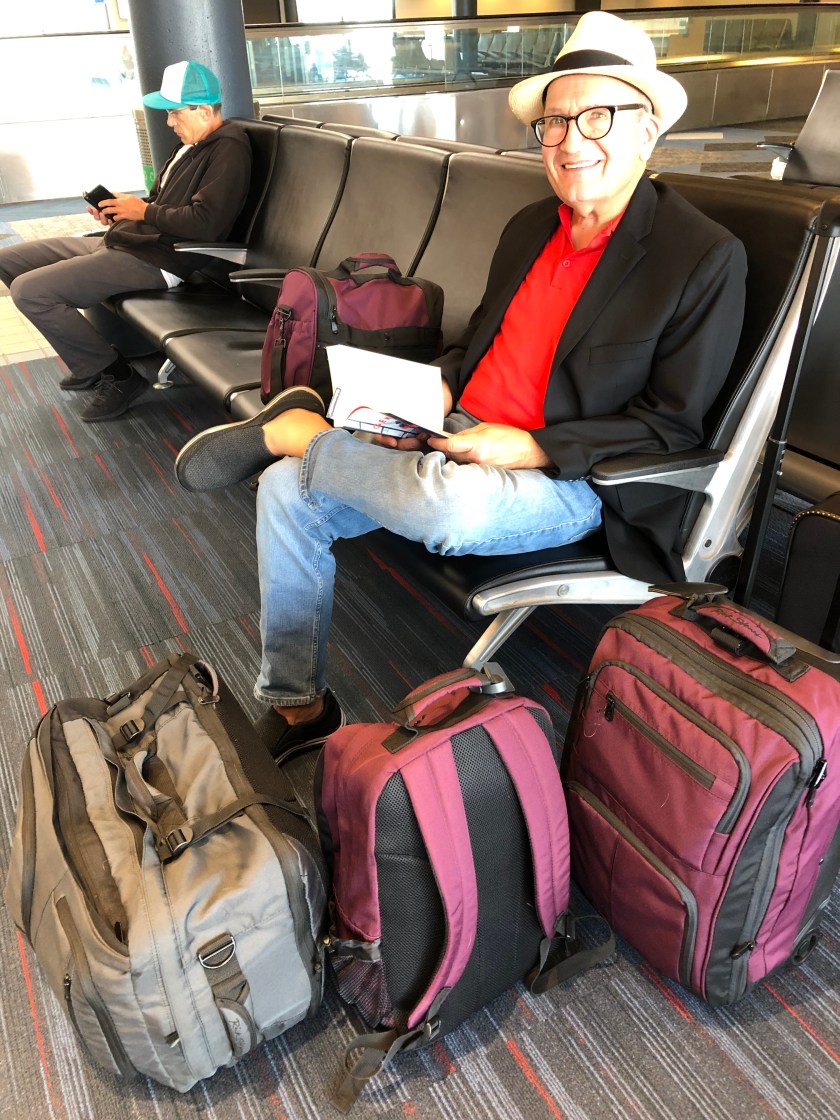
We have packed “light” for this month-long journey- two 21 inch carryons and two “personal items that fit under the seat”, at least theoretically fit under the plane seat. In our case, since we had bulkhead seats, everything went into the overhead bins. There will surely be a few laundromat visits in our near future!

The American Airlines transatlantic flight from Philadelphia to Rome was predictably late (by two hours), since 50% of the time it leaves late, so our “tight” connection from Pittsburgh ended up bring luxuriously loose!

Passport control at Fiumicino (officially Leonardo Da Vinci Aeroporto) was surprisingly efficient but picking up the rental car was the epitome of inefficiency. Despite the prepaid reservation made online months prior, with printed voucher in hand, one is required to take a number and join the huddled masses crammed into a space that serviced at least eight different car rental agencies – and in typical Italian fashion, the concept of a “line” or queue or any other sense of order does not exist. Bodies and luggage are strewn about, faces of exhaustion and frustration, but at least there is a coffee bar right in the car rental area to infuse some caffeine into the veins!

Once the car is assigned (after they “suggest” an upgrade from a Fiat 500 to an Audi 6 for a mere 40 additional euros per day, which would more than double the original weekly rental and would be impossible to park anywhere in the country), the next challenge is to find the car pickup area. Signs are non-existent so you wander around asking (in passable but certainly not fluent) Italian where the hell are the cars? So, about two hours after landing, we exit the rental car parking garage with our Fiat 500, albeit the largest cinquecento that Fiat manufactures (and apparently not sold in the USA as I’ve never seen one that comfortably fits two adults in the back seat like this one!).

Getting out of Rome airport was a breeze, thanks to Google maps and driving predominantly on the speedy autostrada. Sleep deprived and hungry (especially after the “gourmet” airline cuisine), we stopped at an Autogrill for a panino.
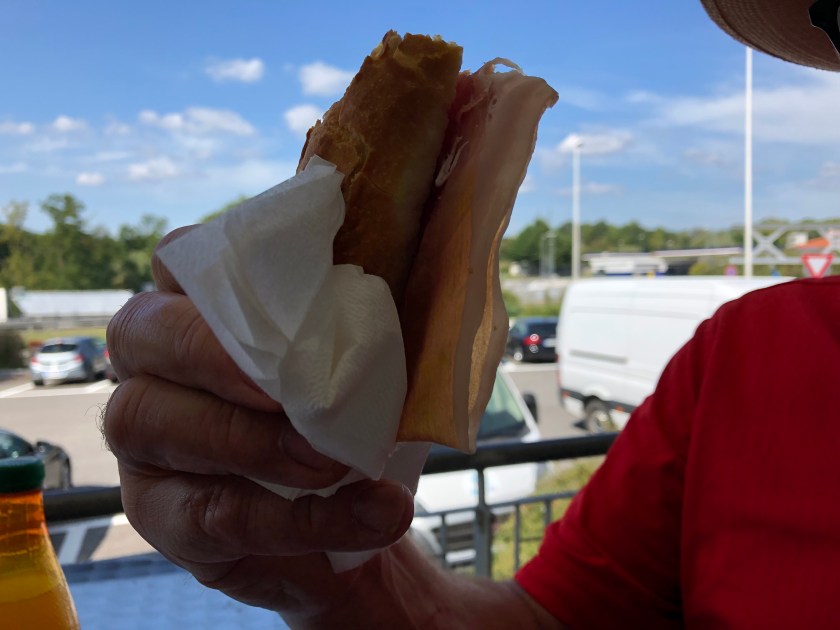
The best rest stops in the world are in Italy. Forget fast food chain burgers, Auntie Ann’s pretzels and Starbucks! At the Autogrill, one can feast on panini, pasta, the best cappuccino, and pastries as well as visiting clean restrooms, and purchasing everything from gourmet chocolate, wine, pasta, olive oil, electronics, toys for the kids, best seller novels and a six-pack of Peroni beer.

Once one cheers off the autostrada, however, driving becomes a survival skill. Narrow streets, horrendous traffic, notorious roundabouts (the dreaded “rotatorie” or as we call them “rotunda”) and the concept of traffic rules being mere “suggestions” can make even the most calm and collected drive a frazzled mess! But we made it safe and sound to Villa Ida B&B in Pescara, about 3 hours later.

It’s located close to the center of the city, two blocks from the beach and in a very upscale neighborhood. There’s a courtyard in the back where we can have breakfast and the room is clean and the bed is firm yet comfy.

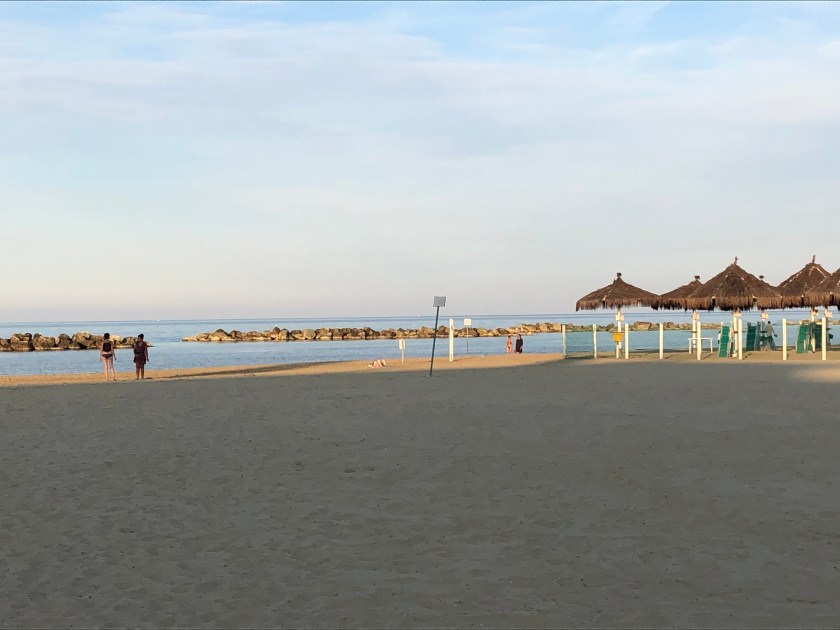
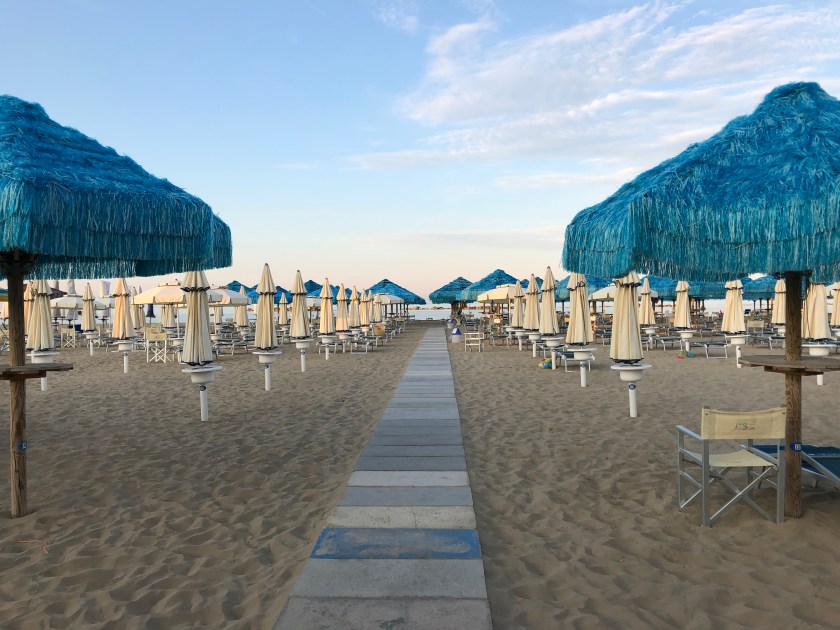
After a quick shower to freshen up, we took a stroll along the beach. It is wide and sandy and is lined by an almost never ending row of restaurants and beach cabanas. As it is the middle of September, despite the warm and sunny weather, there is virtually no one sunbathing or swimming although many are taking advantage of the pleasant weather to take their evening stroll or jog, some with the beloved dog on leash.
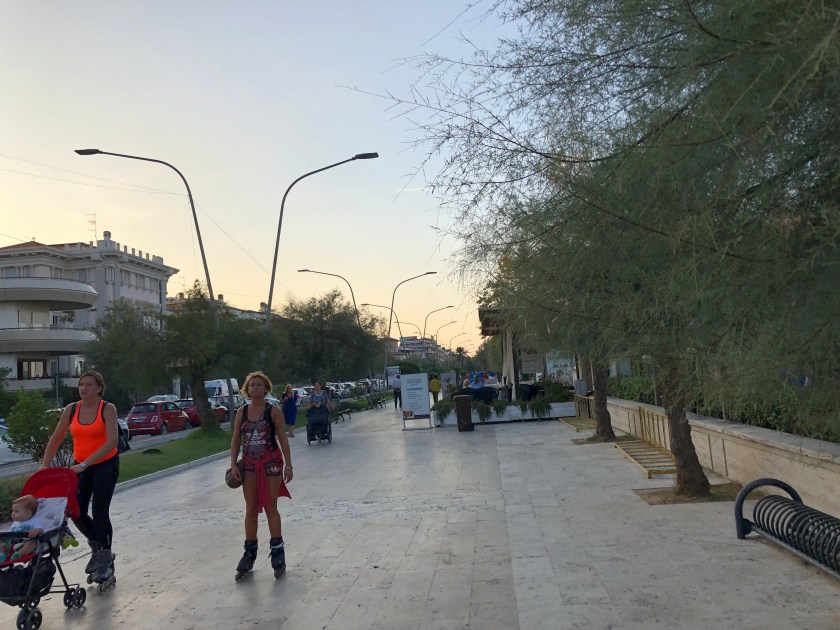
It was difficult to find a restaurant open for dinner, especially since it was a Monday. After a cool beer in one of the piazzas in the center of the city, we found The Miramar (doesn’t every beach resort have one?) had an outdoor dining area so we joined the few guests in the place. The grilled sea bream was tasty and just enough to satisfy the hunger. It was the back to the B&B by 9:30 pm for an early bedtime.

Farewell, Portugal

Today is our last day in Portugal, and of course we had to do another food tour. Culinary Backstreets, the company we used on our Lisbon food tour, just recently (March 2018) launched a tour itinerary in Porto and we decided to try it out. At this point, they only have one guide, a woman with Portuguese parents who was born and raised in Paris but moved to Porto for her university studies and remained here.

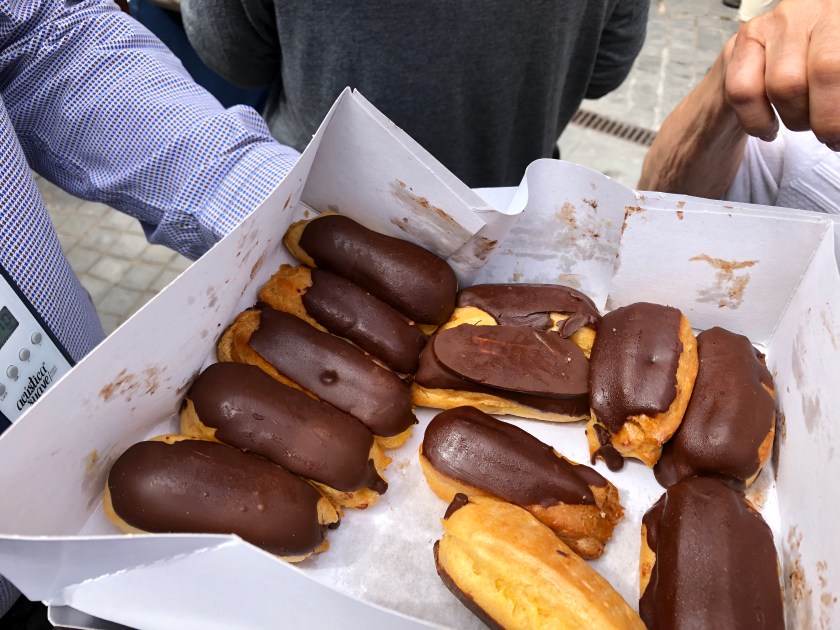
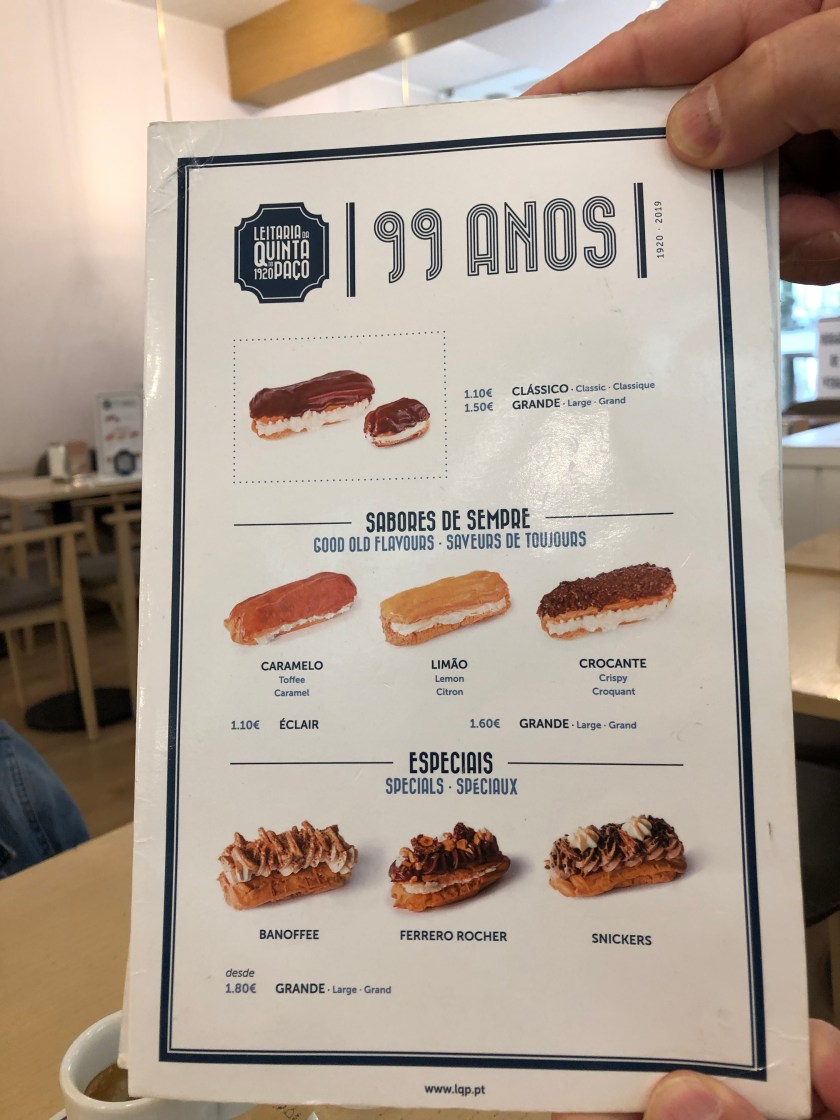
We started at Leitaria do Quinta do Paco, a pastry shop that started out as a dairy. Their whipped cream was so popular that they decided to diversify in 1920 and used the cream in eclairs. They became an iconic dessert in Porto because of the use of whipped cream instead of the ubiquitous yolk- rich custard filling.

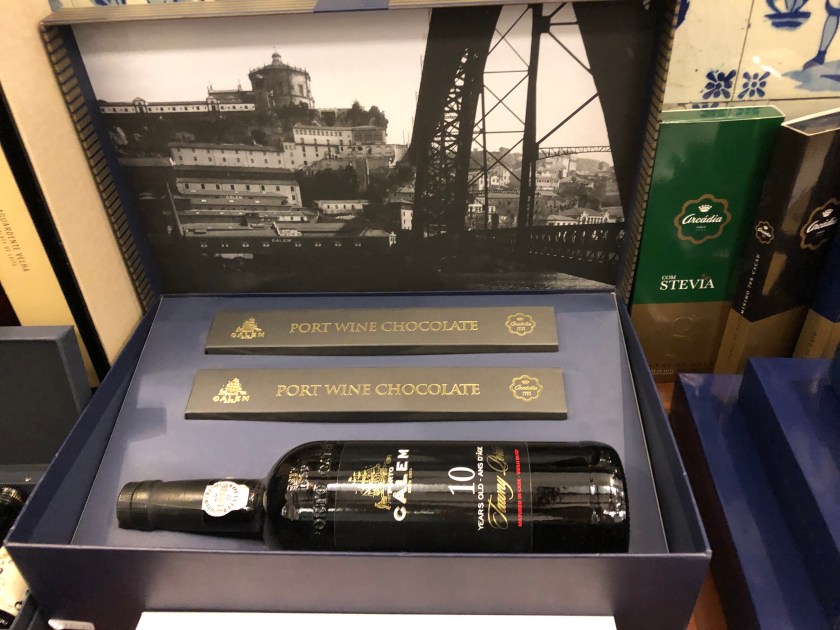
We then visited Arcadia, a gourmet candy store known for handmade candies and chocolates filled with port wine.

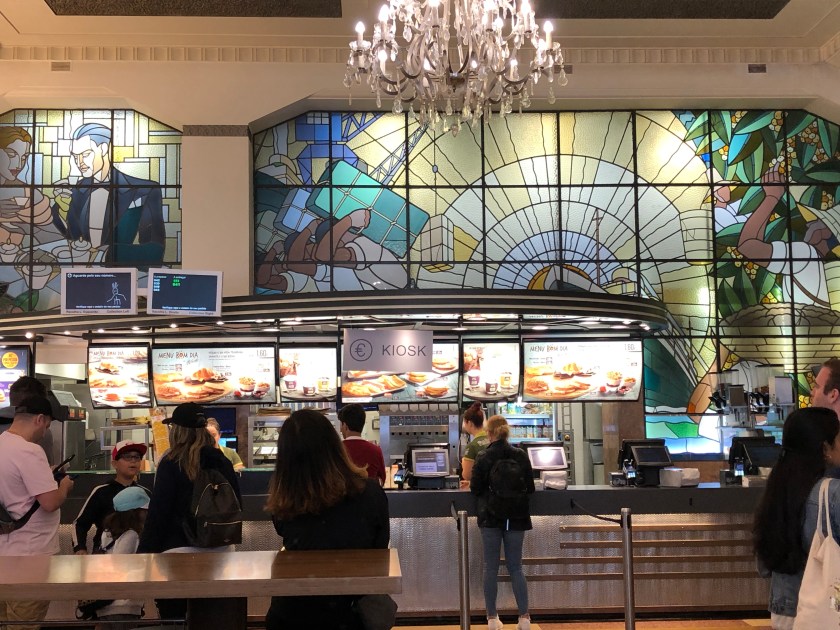
One of the most elaborate McDonalds in Europe is found in Porto. It used to be a fancy cafe and the crystal chandeliers are quite a sight to see.

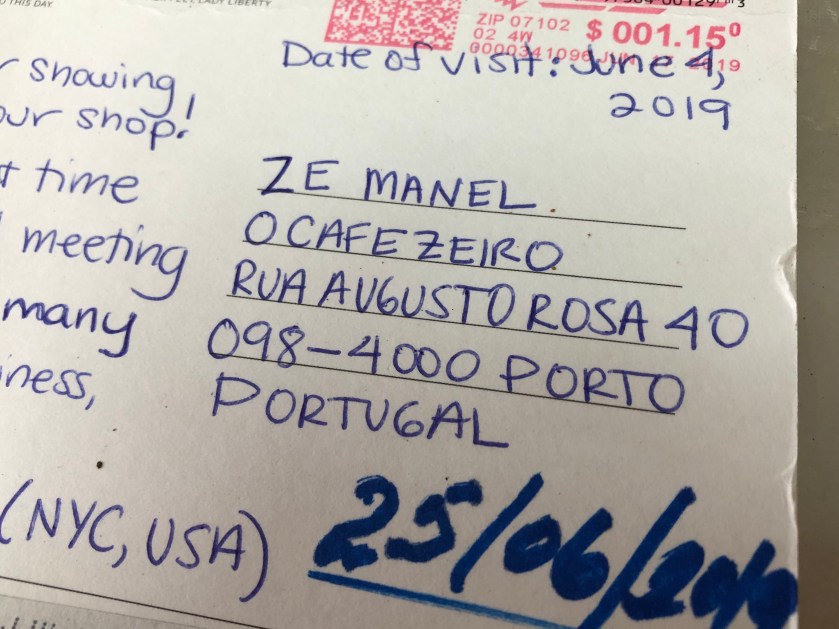
We visited several local merchants, some of whom are threatened with losing their leases due to gentrification and the influx of air B&Bs. One gentleman in his 70s gad been working in a grocery store since he was 12 years old. He loves to meet tourists and proudly shared his collection of postcards he received from them.

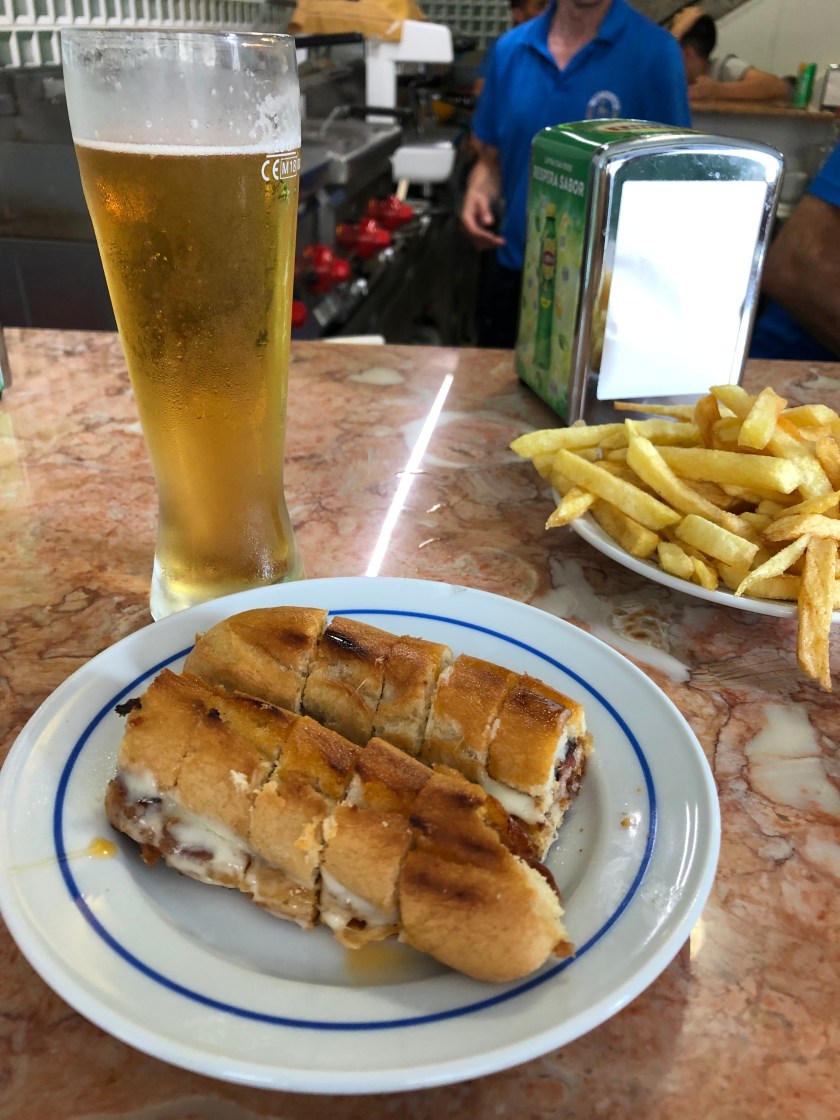
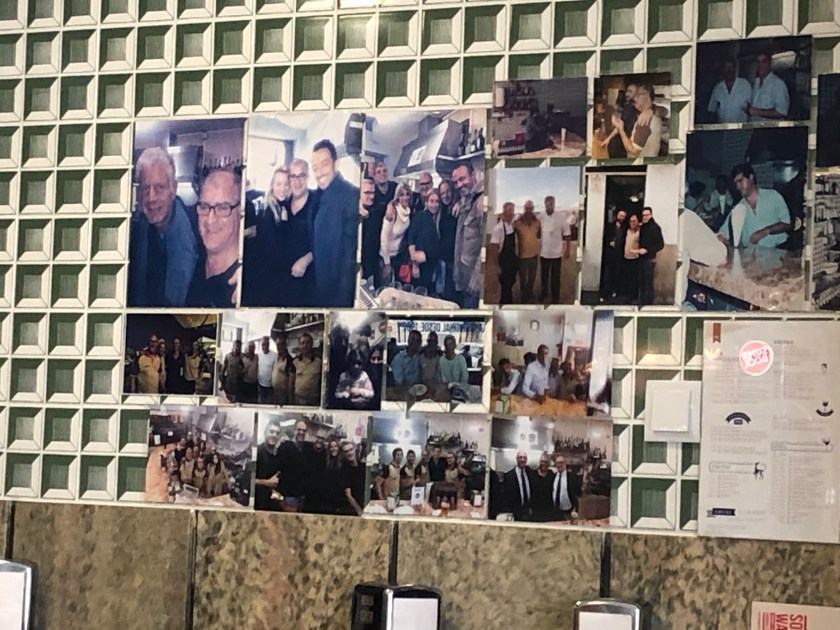
A quick visit to the Church of St. Ildefonso was followed by our next food stop – Gazela- a bar that was visited by Anthony Bourdain and the home of the cachorrinho, loosely translated as “special hotdog” but actytwo sausages in a grilled baguette-like bun, with melted cheese and hot sauce.

A line starts forming at the door a half hour before the place opens. With a beer and side of fresh cut fries, it makes a delicious treat!

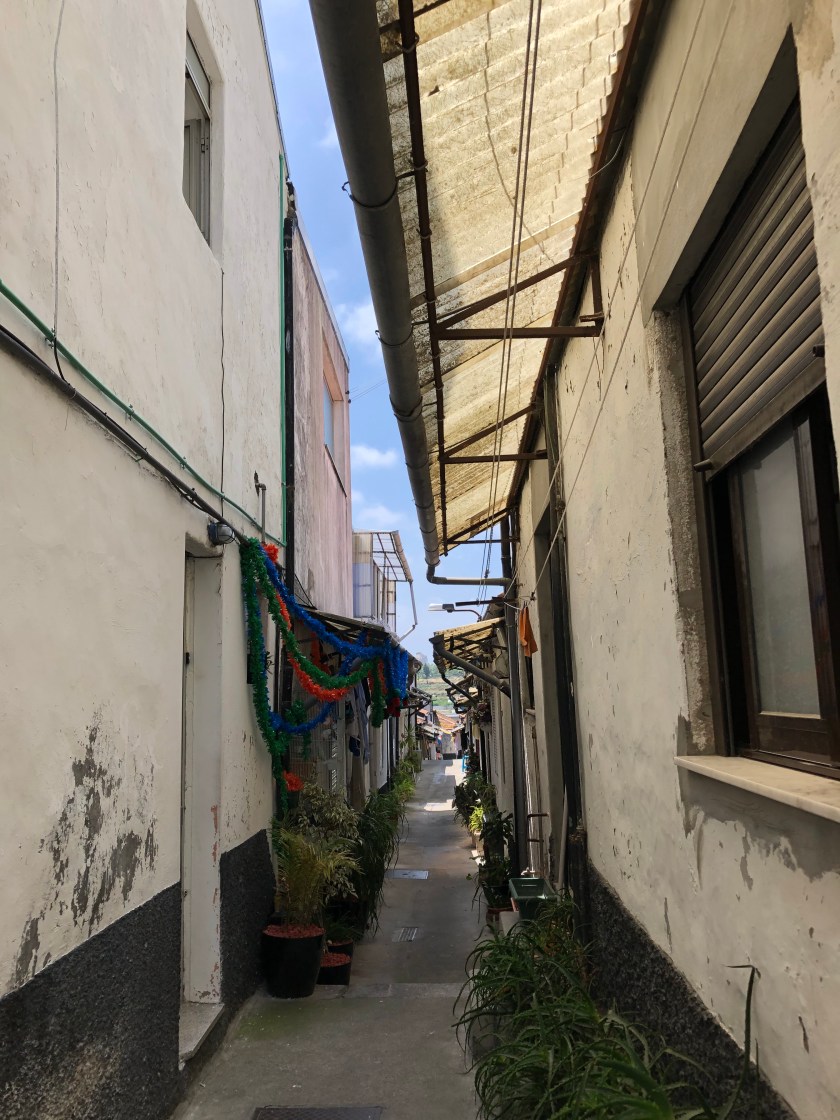
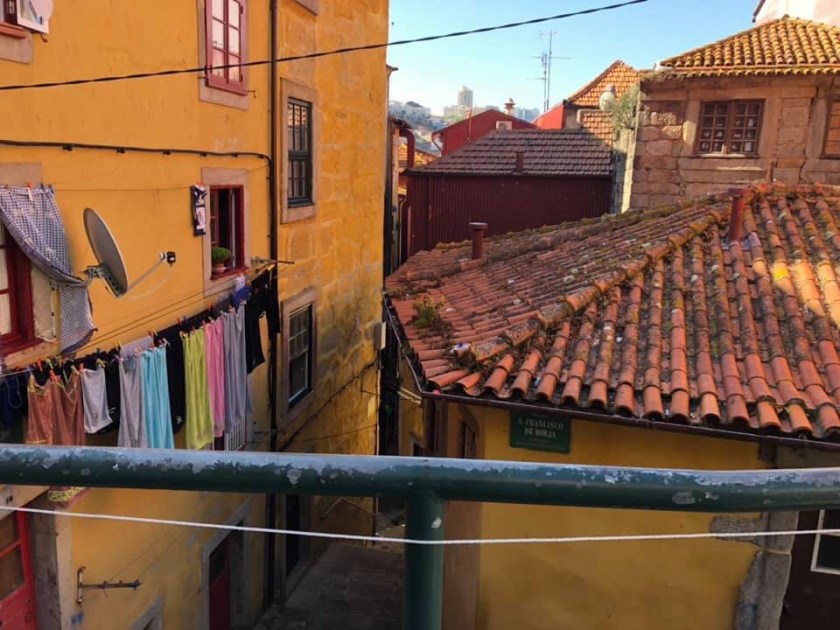
Our next adventure was not food- related but rather an exploration of hidden away working class neighborhoods called “isolas”. They are found on the outskirts of the city walls, behind nondescript doors, and consist of an alley lined by one or two story houses (actually more like cottages) with a few tiny rooms. These isolas are being threatened by gentrification as the owners find it more profitable to evict the renters (who may pay as little as 50 euros monthly rent) and sell to developers who transform them into air B&Bs.

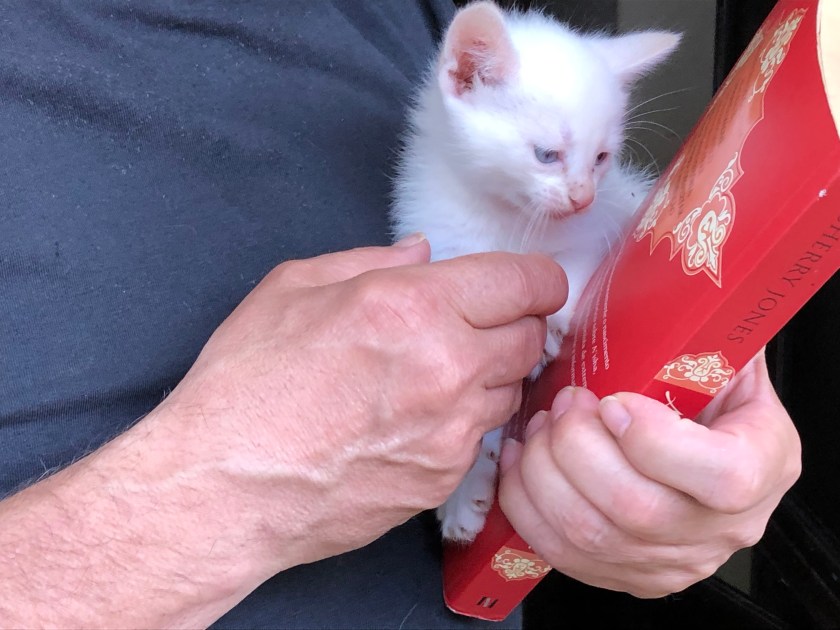
We met one of the inhabitants who owned many cats. He offered us a souvenir but kittens don’t travel well!

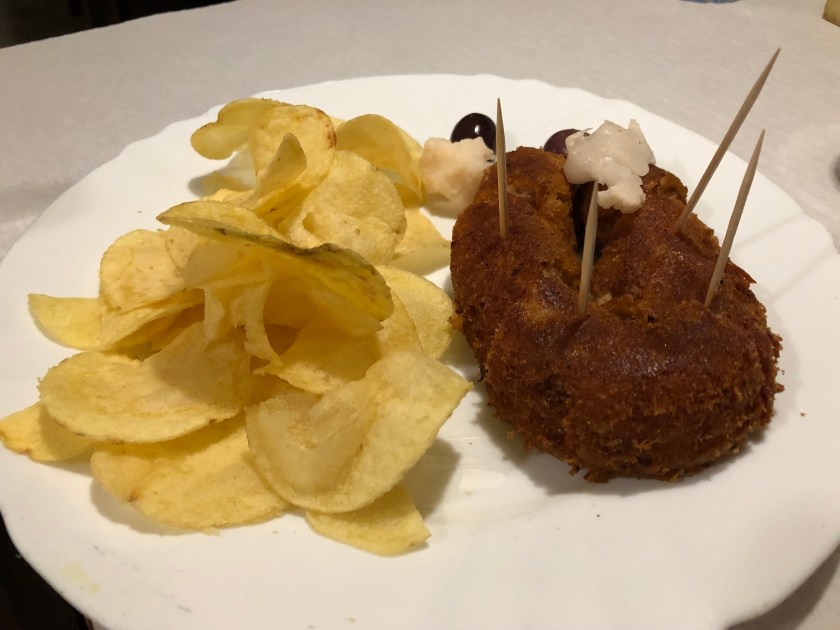
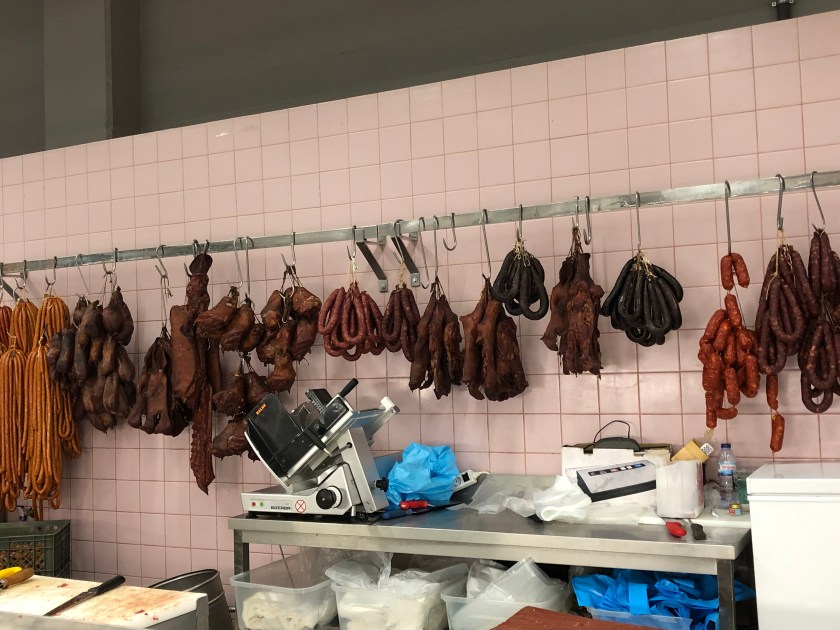
Our next stop was a basement meeting place that now is a restaurant. Their specialty was sausage – all types – including blood sausage and a Jewish sausage that contained meats other than pork. We also sampled cod fritters and a typical Portuguese salad ( no lettuce or tomatoes) of cod (of course) and chickpeas with olive oil.

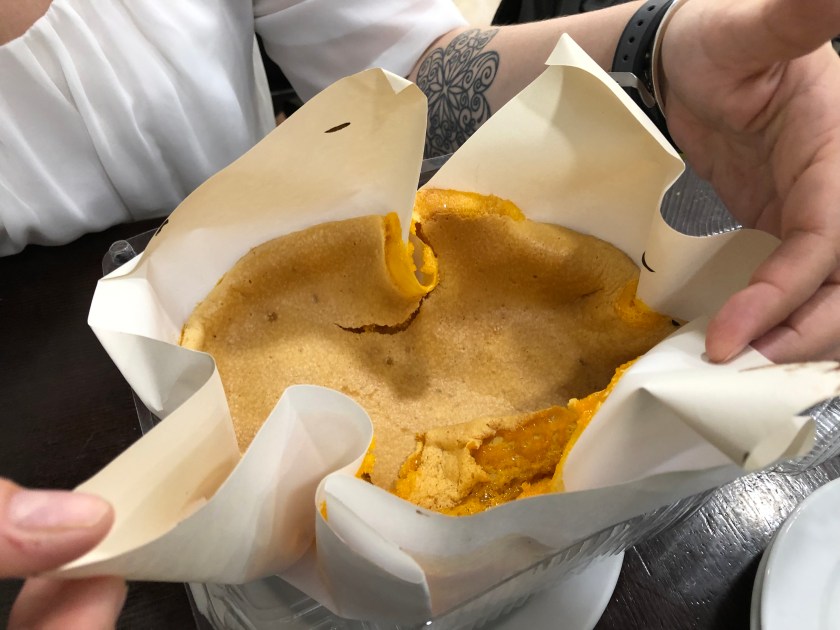
Dessert was a rather unusual one that was called Pao do Lo, made of a dozen egg yolks, flour and sugar that was undercooked and sort of tasted like a mushy hard boiled egg yolk – obviously not one of my favorites!

Off the Beaten Track in Porto

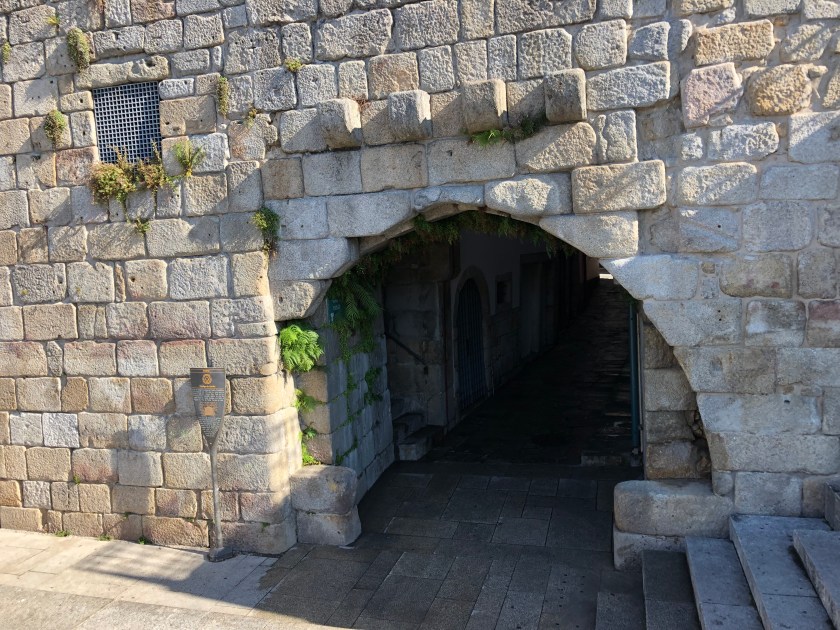
Our Rick Steves tour officially ended this morning after breakfast. We stored our luggage at the hotel desk since we have to change accommodations (no room at the inn) to an apartment overlooking the Douro River, above the riverfront promenade. I had pre-arranged a private tour with Ricardo Brochado, one of the owners of City Tailors Tours. They have several tour types available, including a tailor-made itinerary. He met us in the hotel lobby shortly after 9 a.m. and we started at the waterfront. Once we told him that we were just coming off the tour, he quickly re-adjusted the itinerary. We started off with a brief history of the city, and he pointed out one of the remaining arches of the medieval wall.

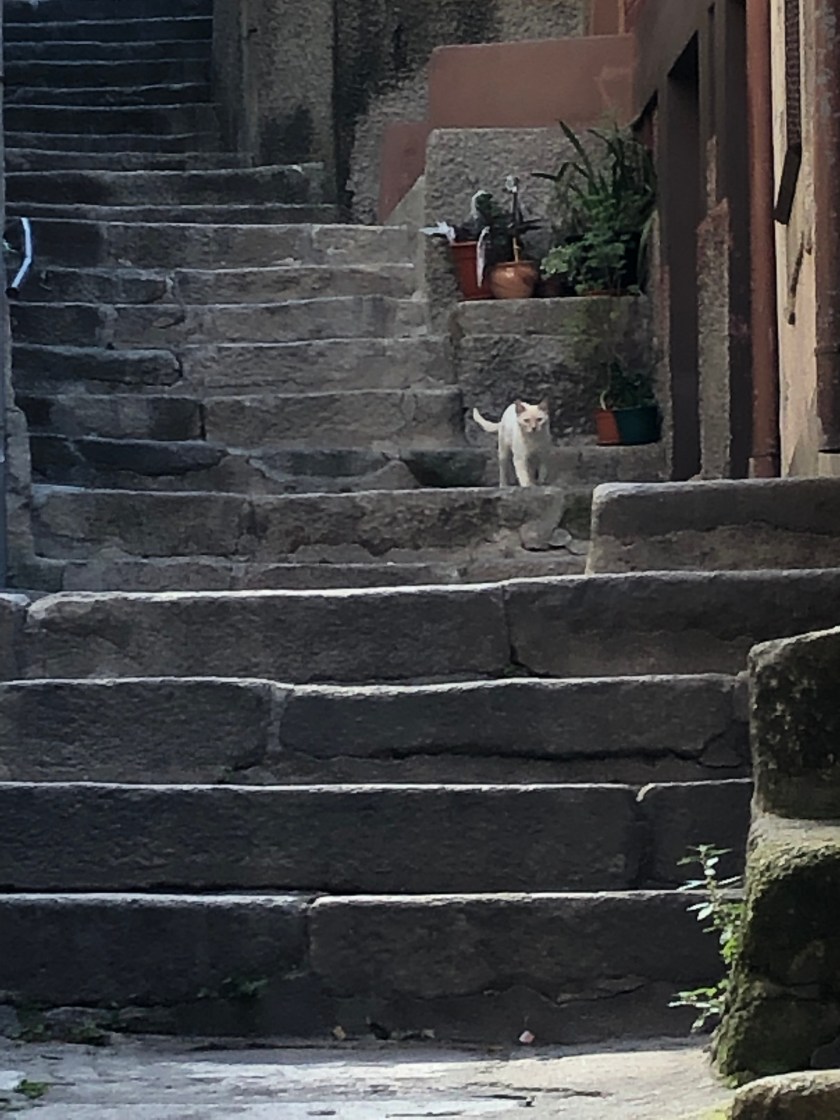
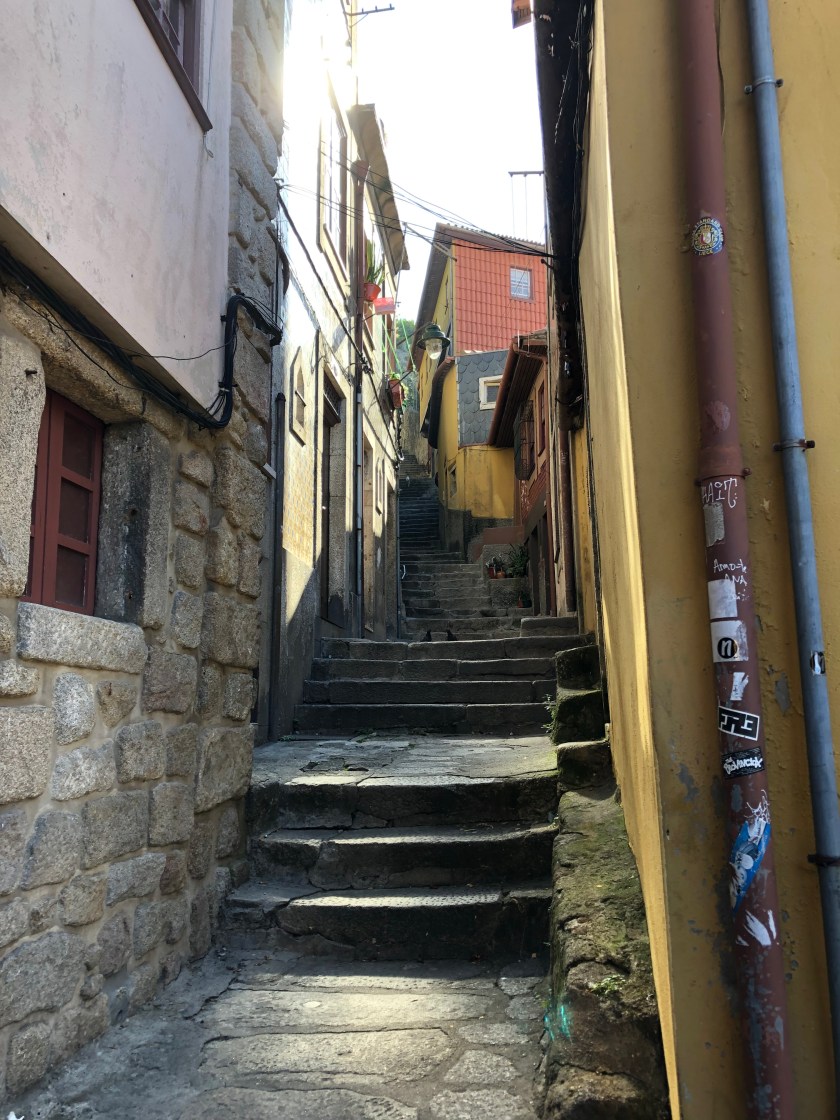
Then he took us up a series of stairs up into the back streets off the waterfront where the only sounds you can hear are the seagulls flying overhead. A cat who rules this hidden neighborhood cane to check us out.

It was amazing how there are hidden enclaves so close to the tourist areas, yet virtually unknown to the masses swarming the streets just yards away!

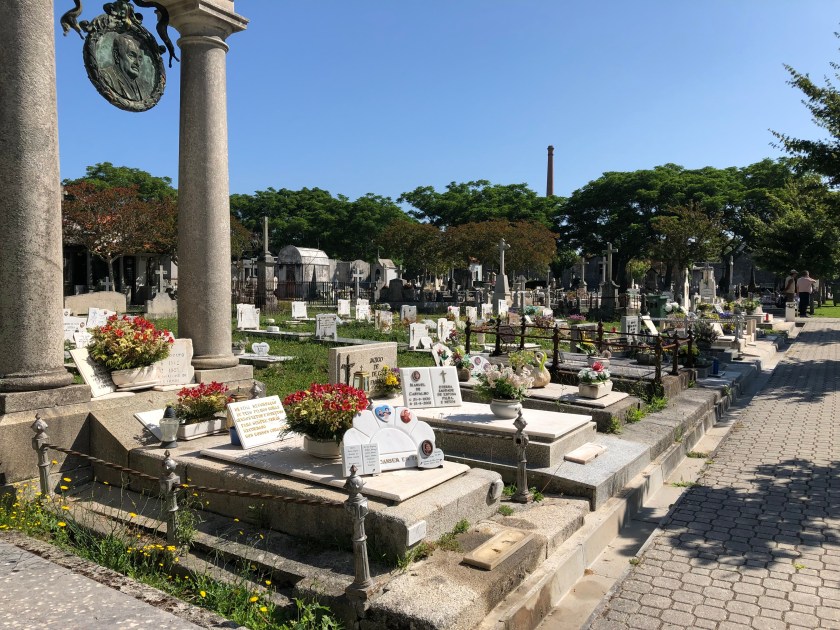
We took the funicular to the upper city and because the Church of Santa Clara was closed, Ricardo decided to show us a completely different part of this charming city. A short taxi ride away was the first cemetery in Porto. The tradition was to bury the dead in the churches, but with the growth in population and the re-emergence of the plague in the 18th century, for reasons of well-being this cemetery was created.

A peaceful and verdant oasis, there are incredible monuments and mausoleums to see, including a memorial from the 1800s to a lesbian woman dedicated by her lover.

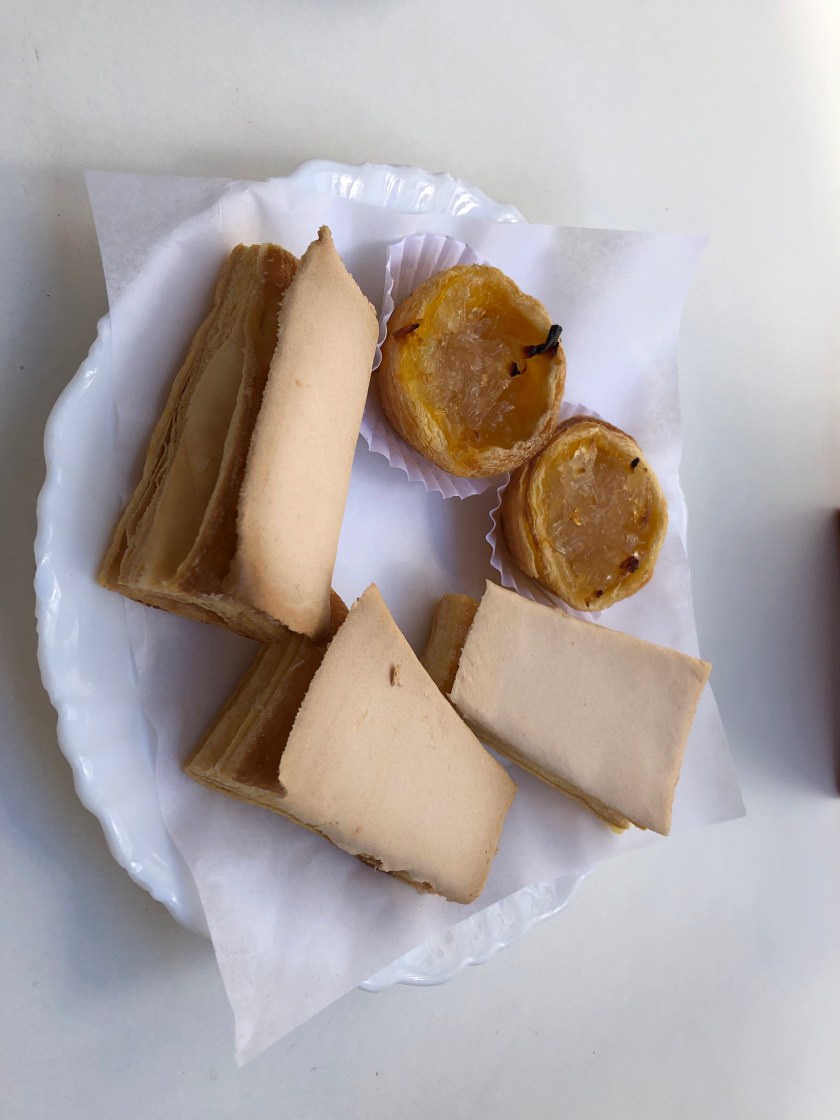
We then explored this working class neighborhood, taking a break for a mid-morning snack of espresso, a jesuito savory pastry (puff pastry with a topping of meringue) and a tart filled with spaghetti squash (it was not too sweet but actually quite tasty).

Ricardo went off to make a phone call while we were savoring these delicious treats. He had a little surprise planned! We strolled over to see the first library in Portugal- the national Library is located in a previous convent that was taken over by the government in the 1834. King Fernando II, at the conclusion of the Portuguese Civil War (absolutists vs. liberals – he fought against his brother), seized all the properties owned by the Catholic Church, closing all the monasteries (banishing the monks) and convents (confiscating them after the last nun died at each convent). All the books owned by the Bishop (and it was a pretty amazing collection), including texts from the 10th century, were seized and placed in the National Library. The remnants of the cloister can still be appreciated.
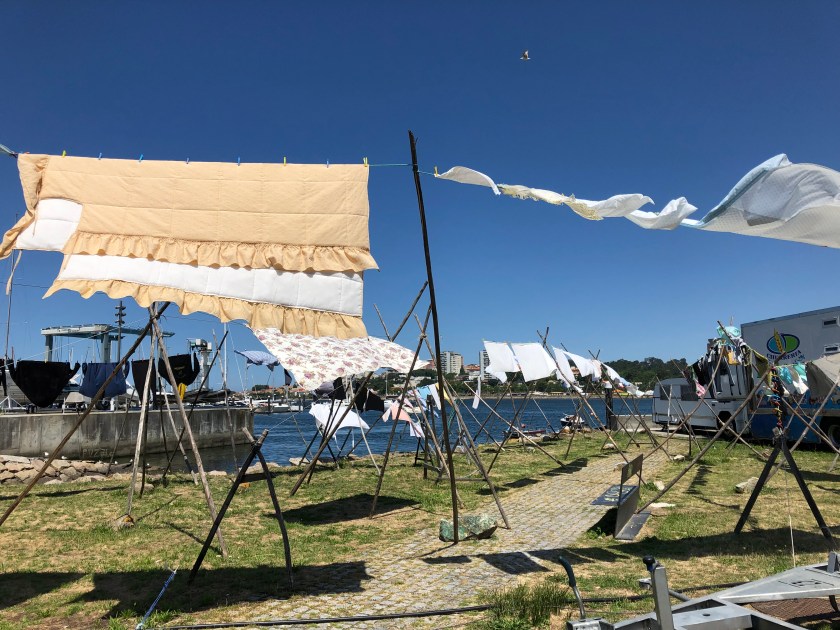
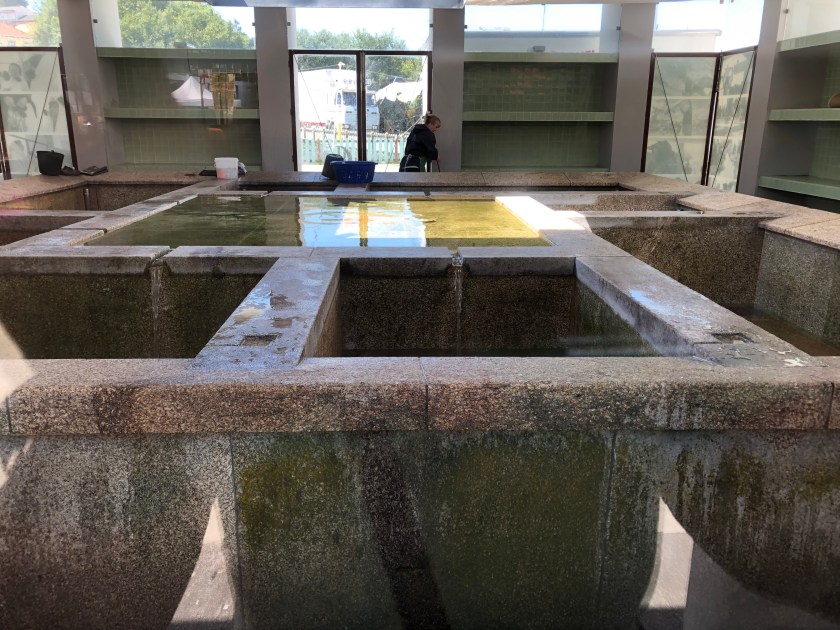
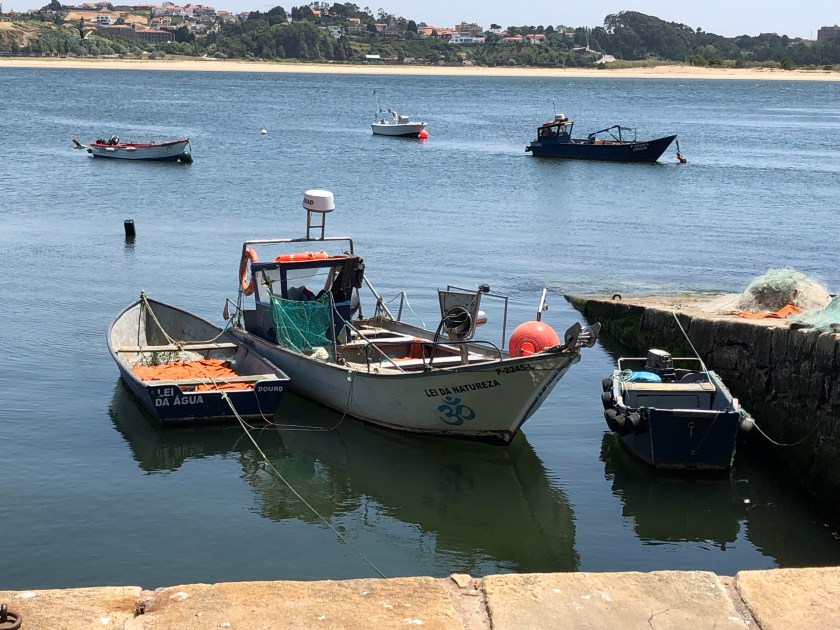
Then we grabbed another taxi and departed for our “adventure” – lunch at the fisherman’s village across the river from Porto. Amusement park rides and good booths crowded all the free spaces between the small buildings as the village was preparing for the feast of St.Peter on June 29. Of particular interest were the clothes lines with drying laundry and the communal washing tubs that are still used by the inhabitants.
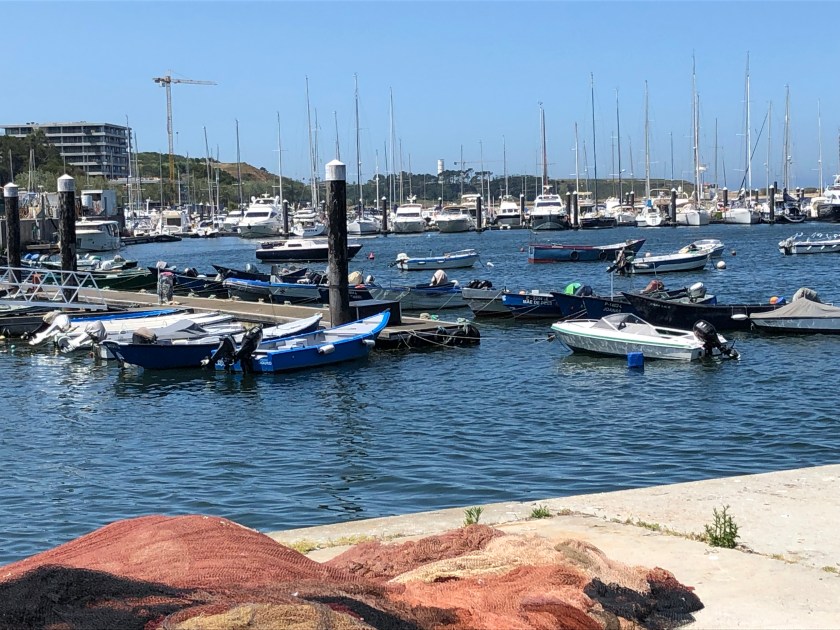
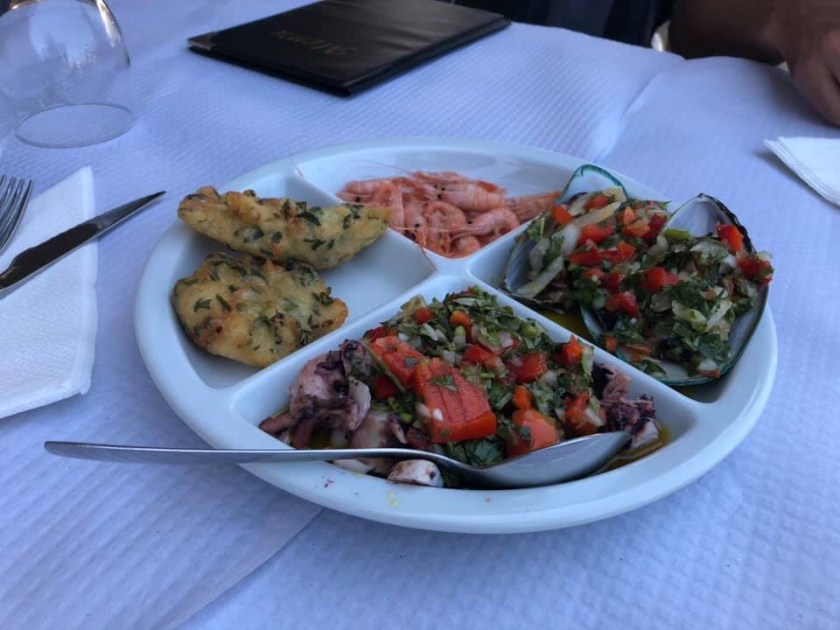
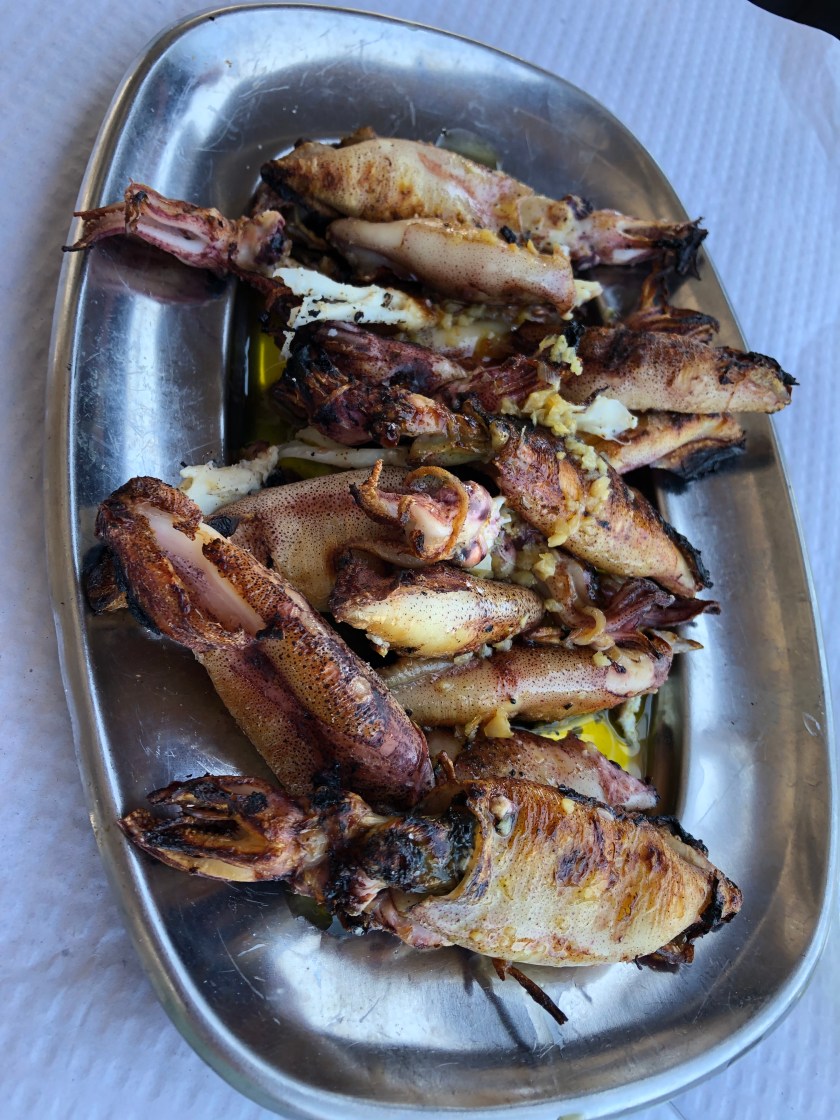
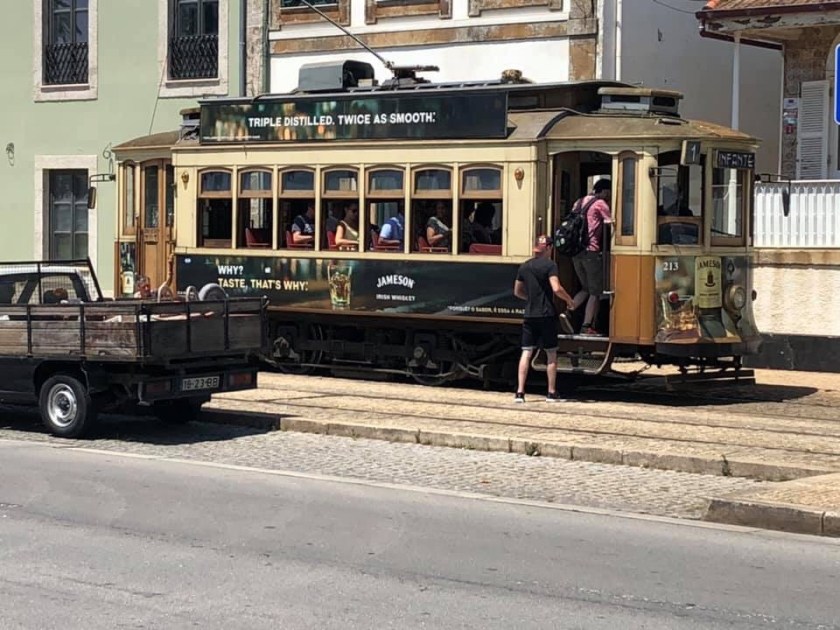
We walked through the fish market, admiring the daily catch, and viewed the fishing boats. Then we joined the locals at a small restaurant that specializes in grilled fish. Ricardo has reserved an outside table! Within the hour, the place was packed. We started with a platter of starters- tiny shrimp (to be eaten shell and all), octopus salad, cod fritters and oysters with parsley and minced peppers – accompanied by a delicious rustic bread. Then the main attraction- grilled calamari. With a crisp vinho verde, this was a perfect (typical, non-tourist) meal. We then took a ferry across the river where we bid adieu to Ricardo and proceeded to the Atlantic waterfront. We strolled a bit of the promenade, returning on the #1 tram.
The luggage was retrieved and we checked in to our studio apartment for the next two nights. It is located above the old wall and overlooks the riverfront. After a brief rest, we ventured out to scout out the meeting point of tomorrow’s food tour.

Tonight’s dinner was at a quaint restaurant that had live entertainment. We had grilled fish, the usual starters of cheese, bread and olives, and a lime pie for dessert. Then we took an after dinner stroll along the river before bedtime.

Farewell, Rafael and Tour

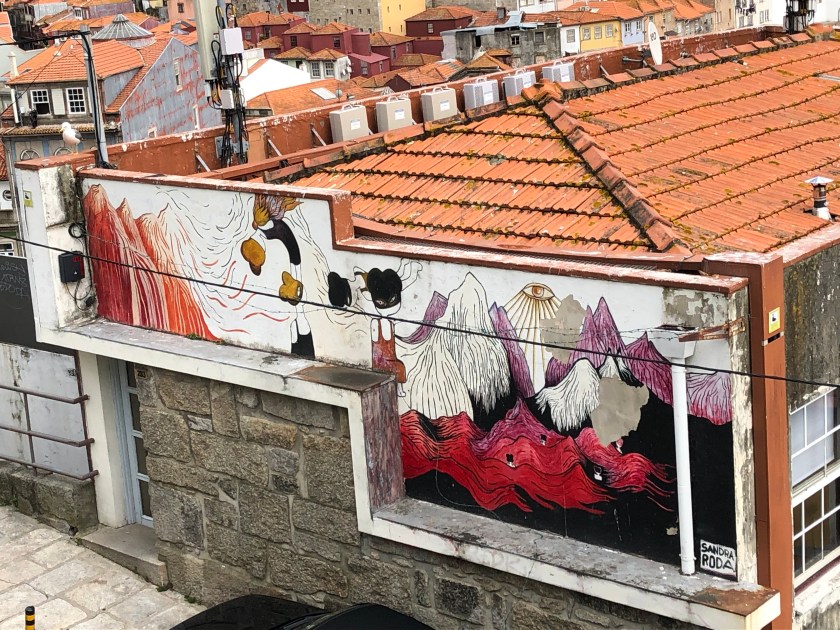
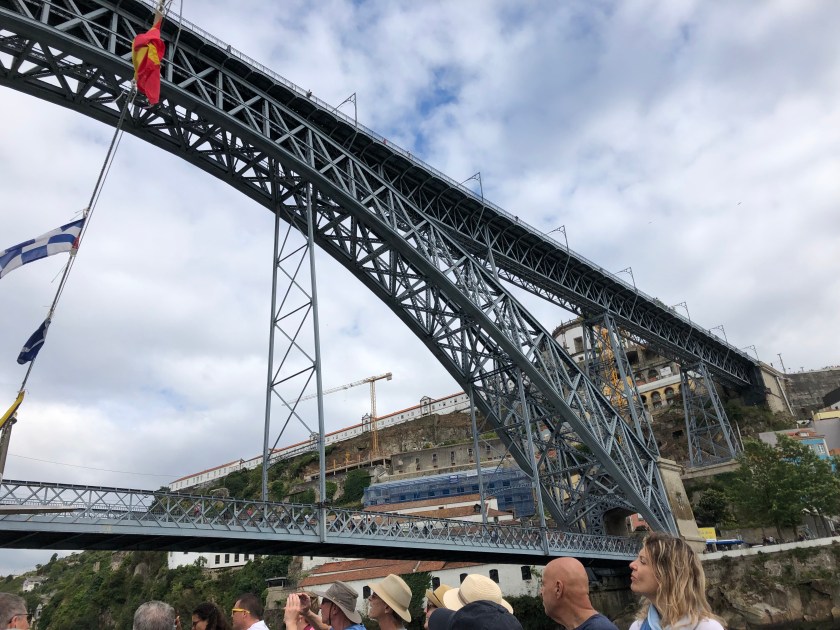
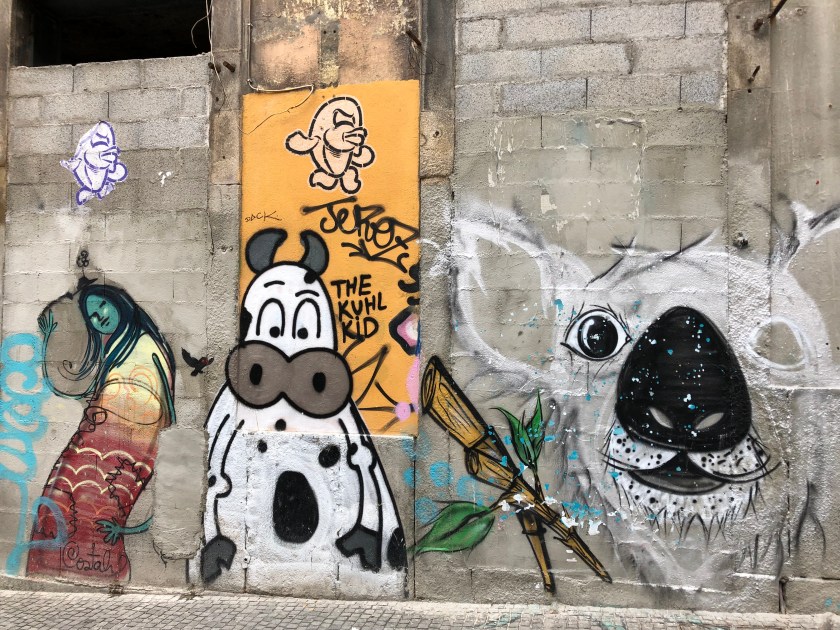
Today was the last day of the Rick Steves tour. For a change, we got to “sleep in” until 7 a.m. since we weren’t going to start until 9! Our local guide, Barbara, met us in the hotel lobby. She is the epitome of the feisty Porto woman, witty and full of little jabs at the rival city, Lisbon! We started out at the waterfront with a discussion of the Luiz I Bridge, that was designed by a previous partner of Eiffel (not by Eiffel’s student). We proceeded to the funicular that took us to the upper part of the old city. There was some interesting street art

as well as the city’s first Chinese restaurant.

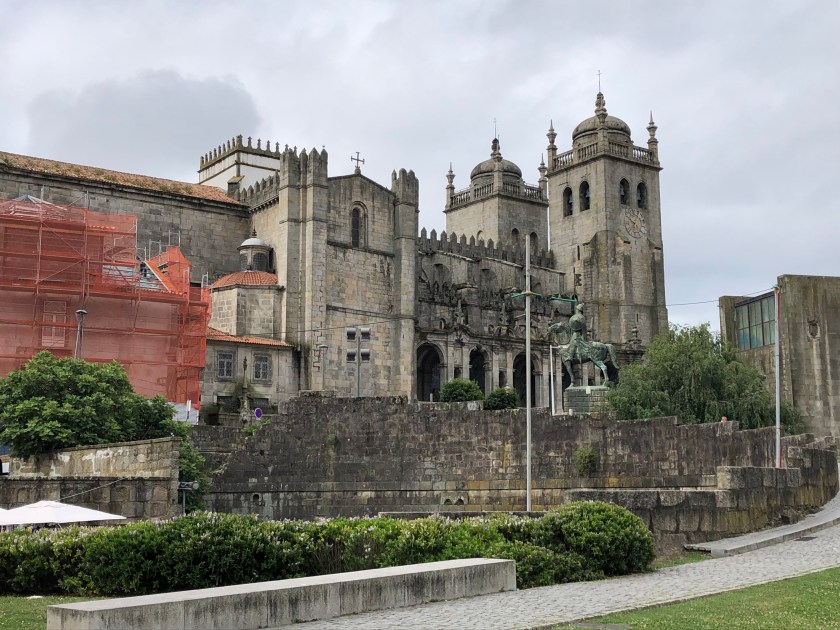
We walked past the Cathedral, a Gothic church built in the 12th Century, the starting point in Porto of the Camino de Santiago.

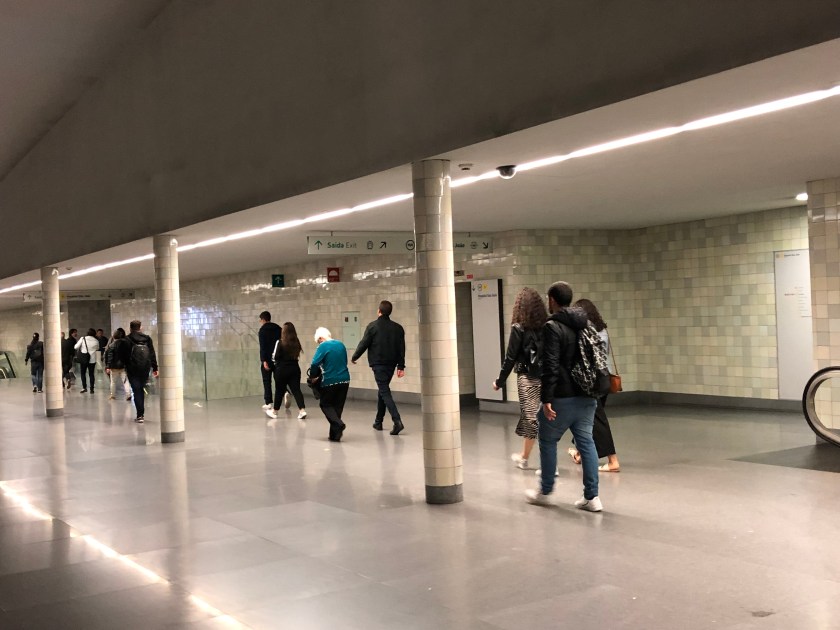
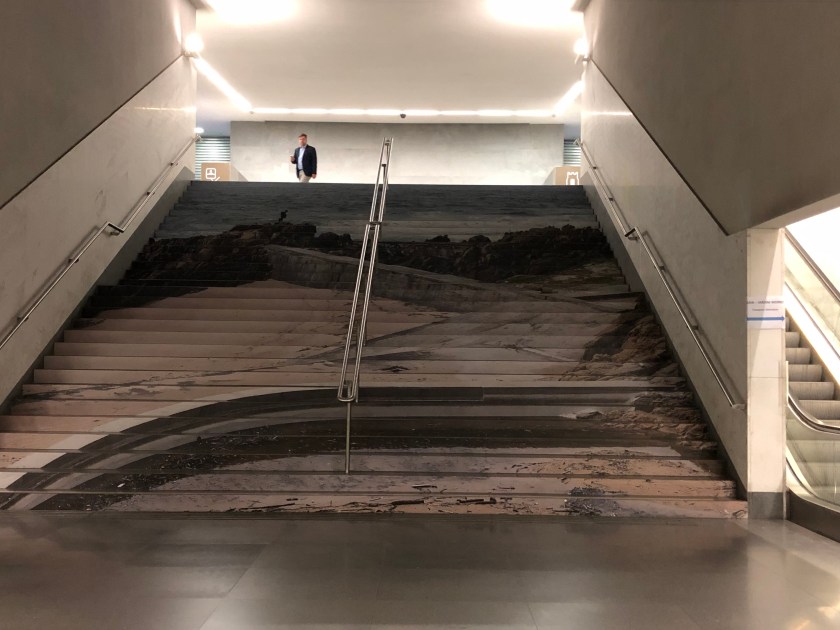
Down the elevator in the Metro, the use of tiles was illustrated

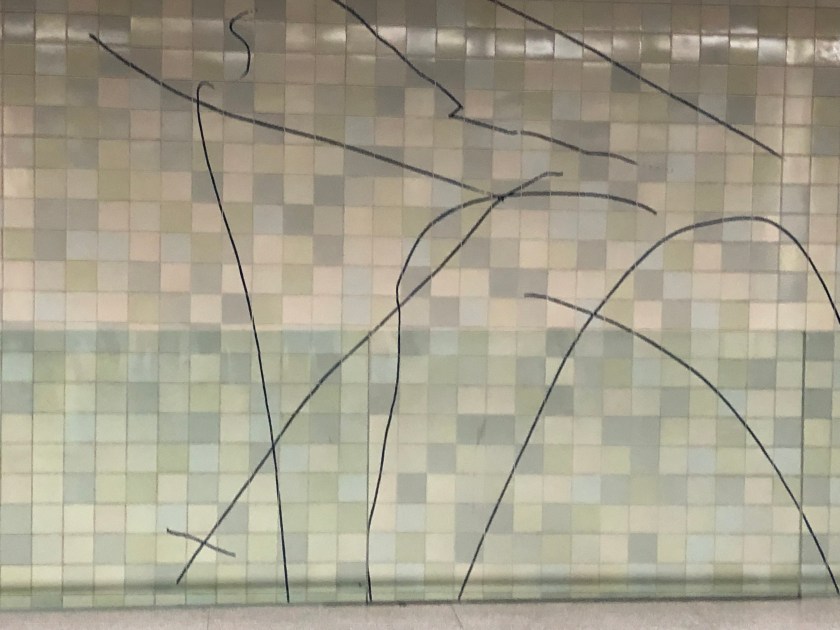
in the stairway, as well as on the side walls (no, the black lines are not graffiti but rather a symbolic representation of the hills of Porto).

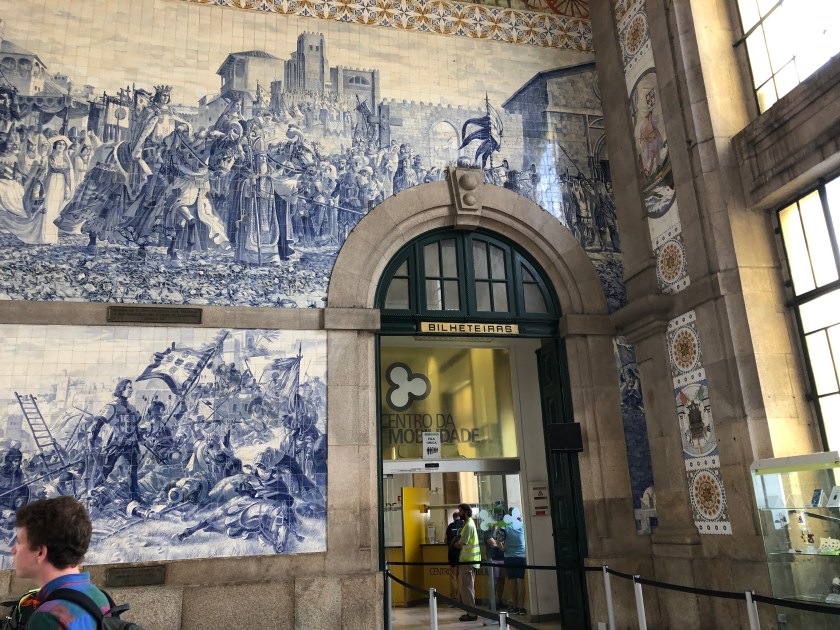
This was contrasted to the use of tiles in the train station (a former convent) that illustrated the history of Portugal.

Emerging from the station, we were treated to a traditional pastry, the Porto eclair that contains a yolk-rich cream filling.

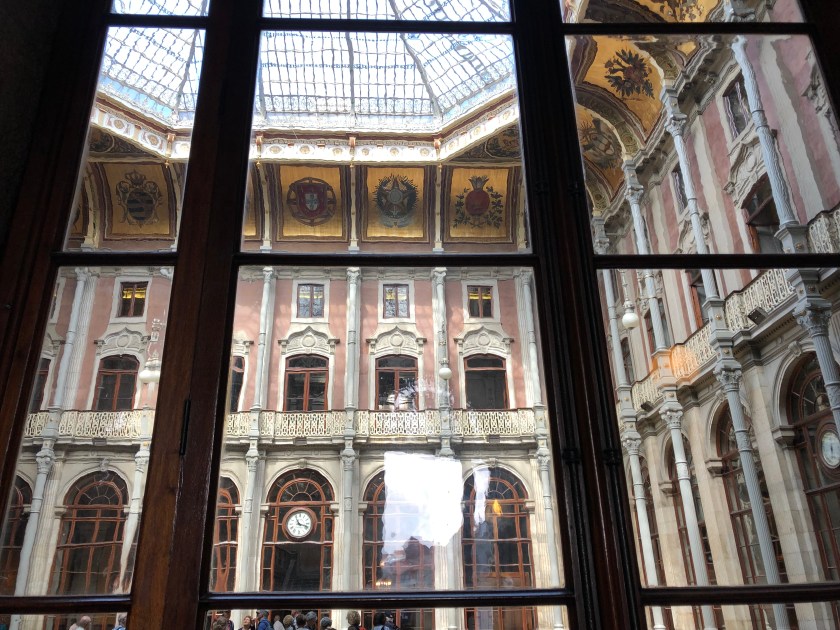
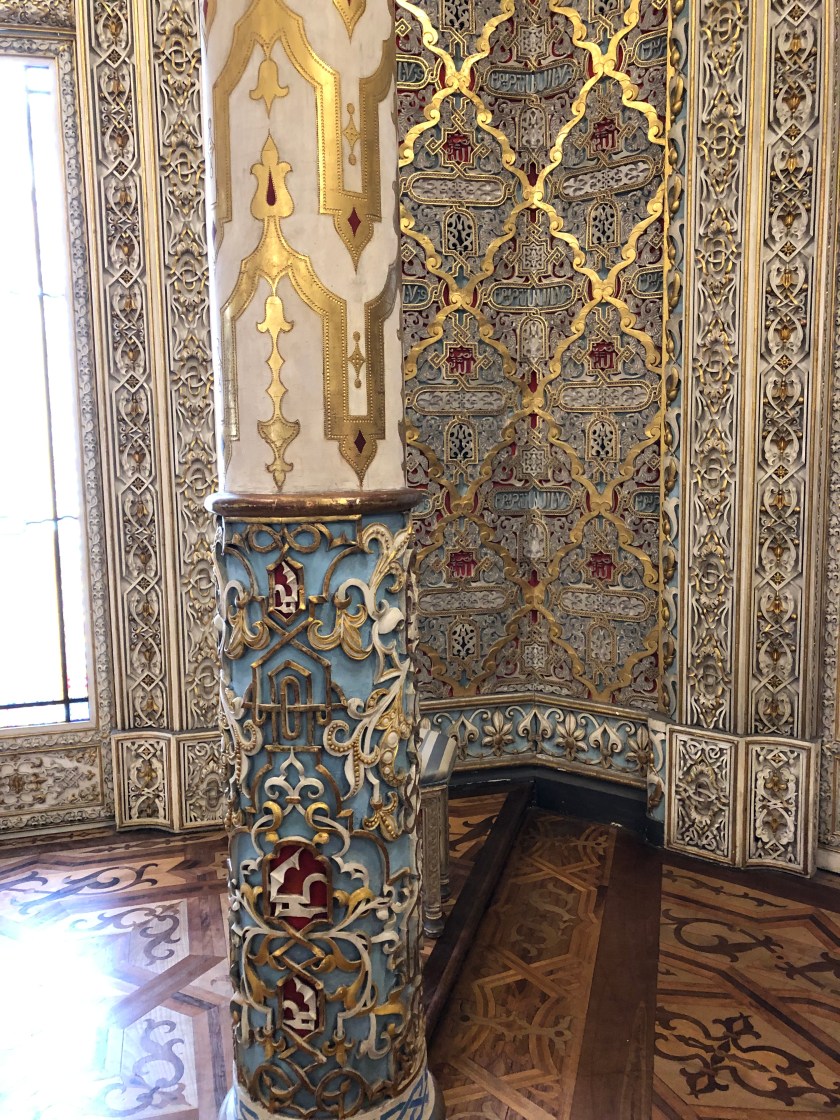
The walking tour continued down the hill to the Stock Exchange, a massive structure built in the 19th century, with its cloister -like atrium, courtroom, and Moorish-influenced ballroom ( that can be rented for 10,000 euros).

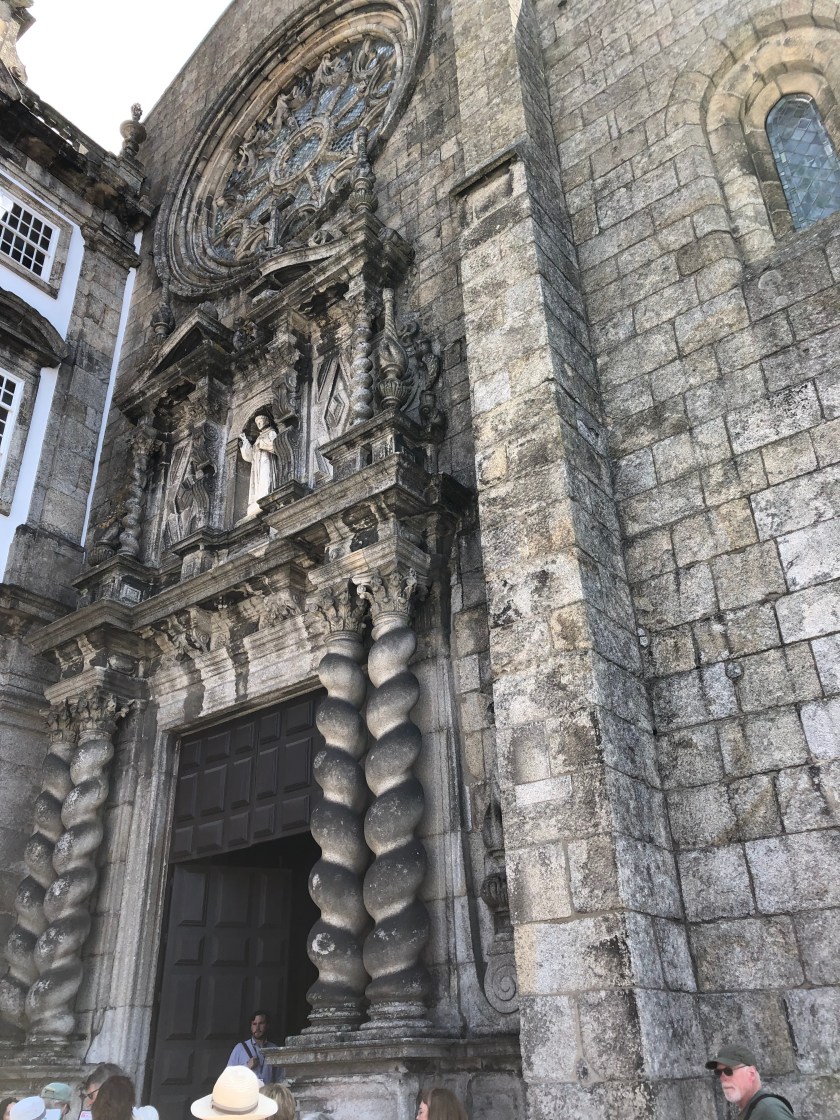
The tour ended at 12:30 at the Gothic church of St. Francis, that had an elaborately decorated Baroque interior.

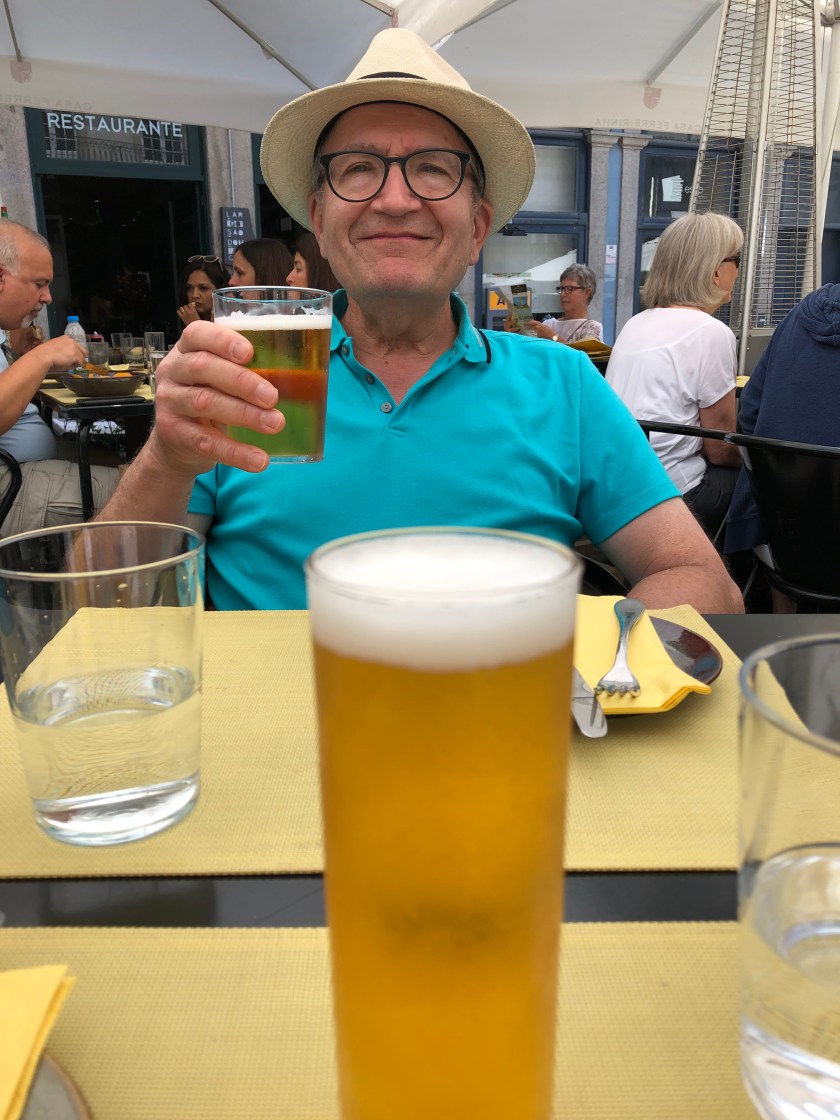
The afternoon was free so we took the time to have a light lunch (with a beer instead of wine) and to do some shopping – cork yarn, earrings, an apron, a t-shirt.

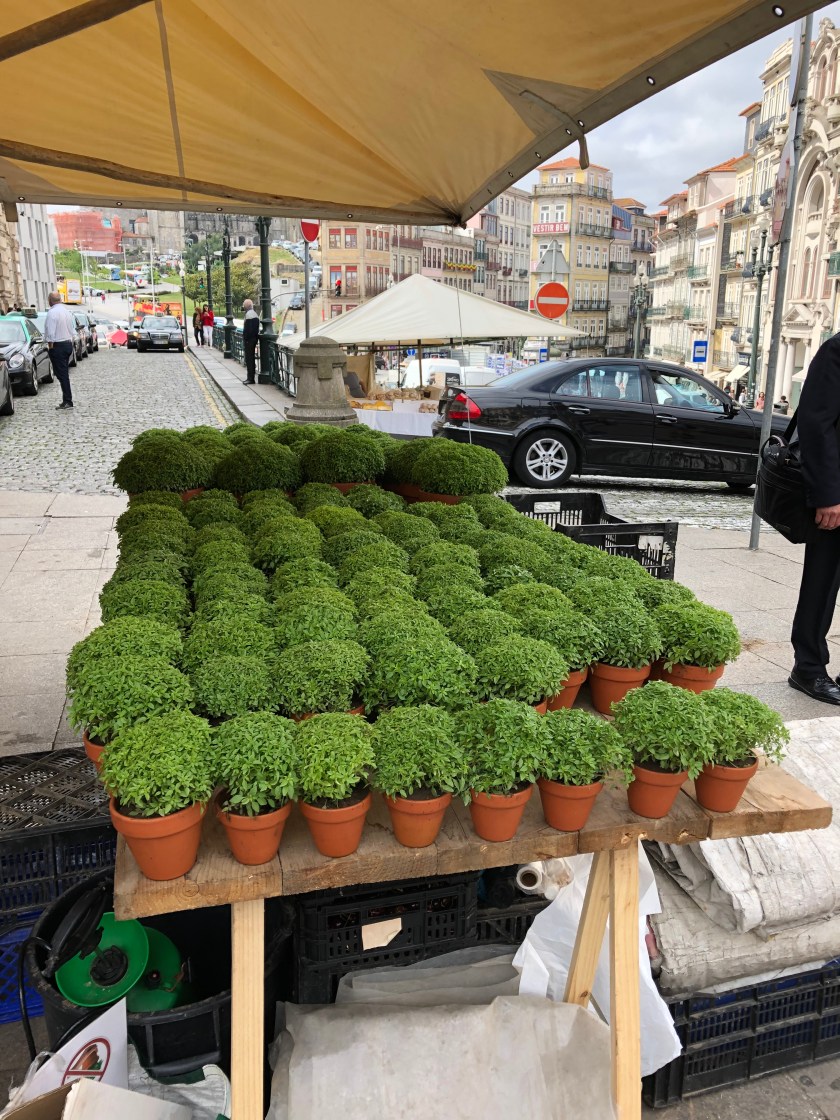
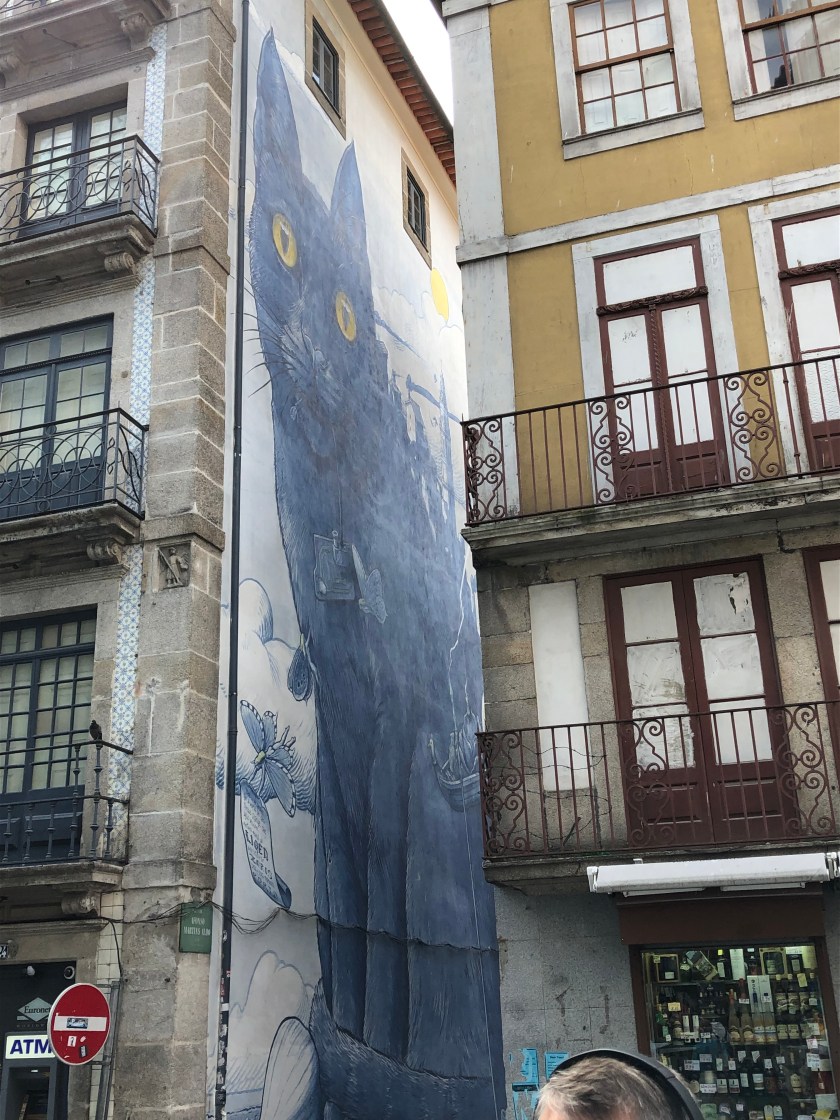
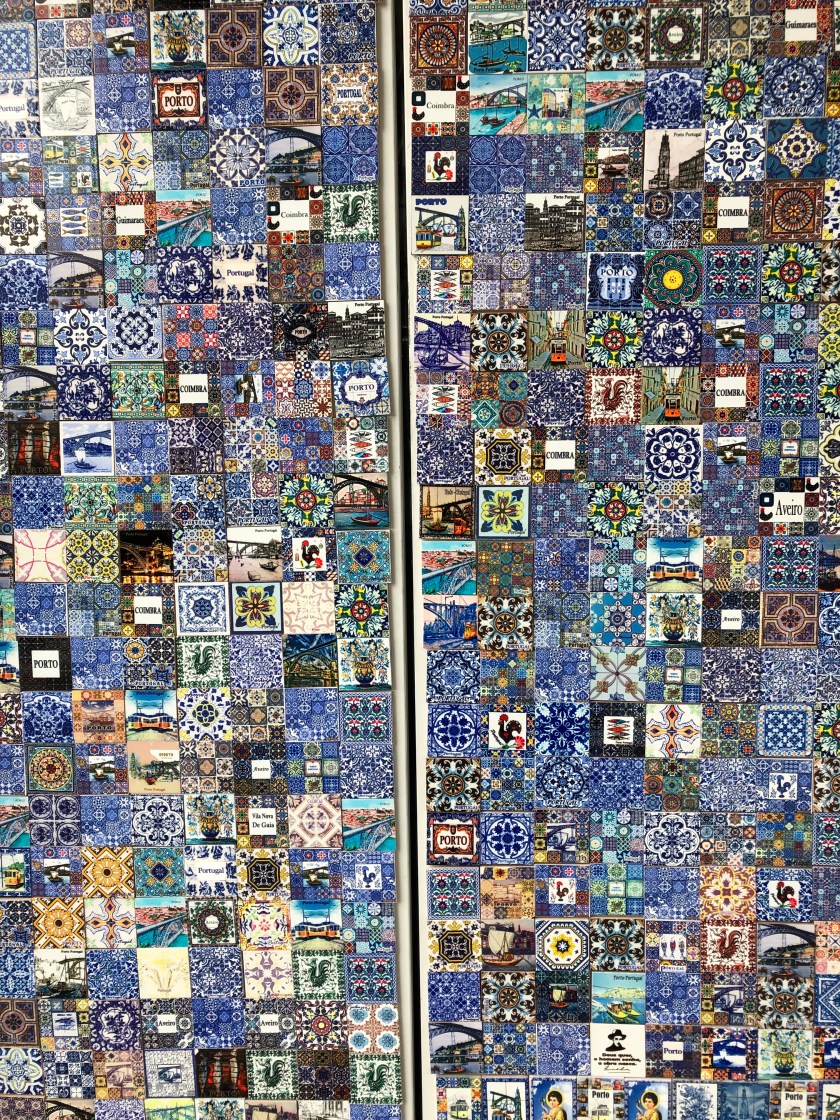
Some interesting photos of stuff we saw on our walking today:

Marjoram plants usually sold around the feast of St. Antonio

A huge cat mural

A busker with chickens!

A wall of magnets

A huge heart

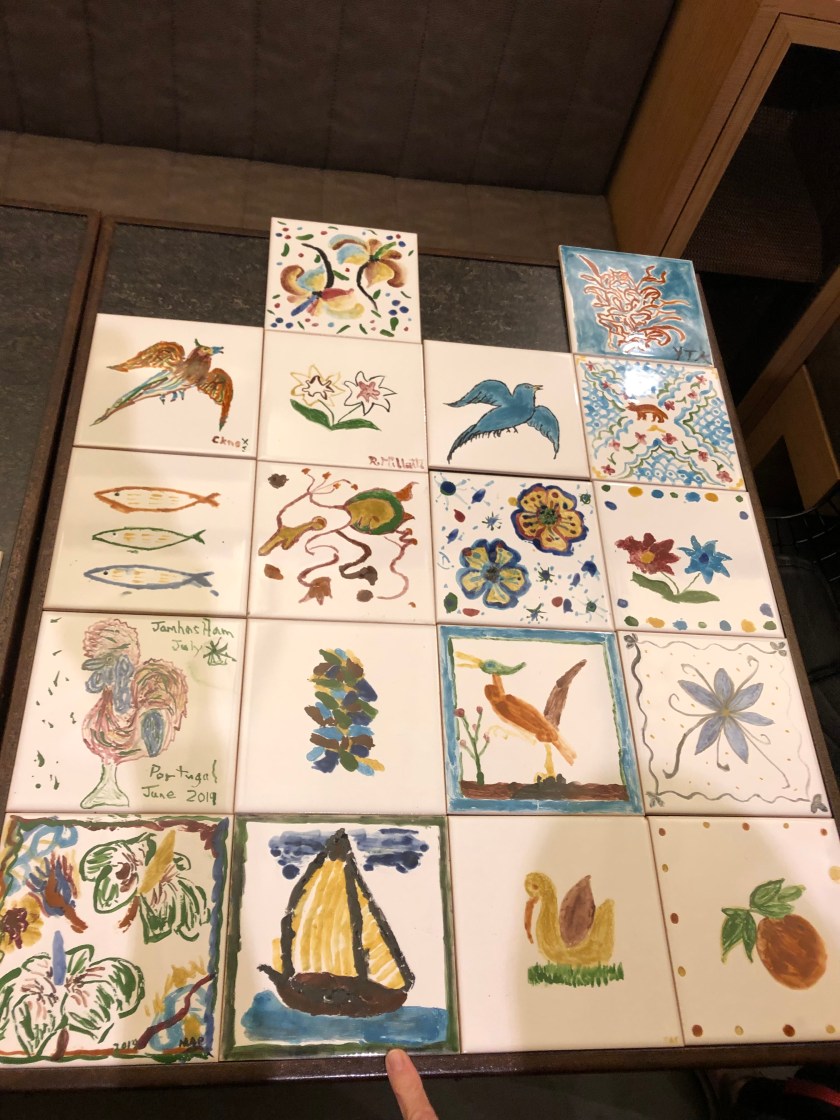
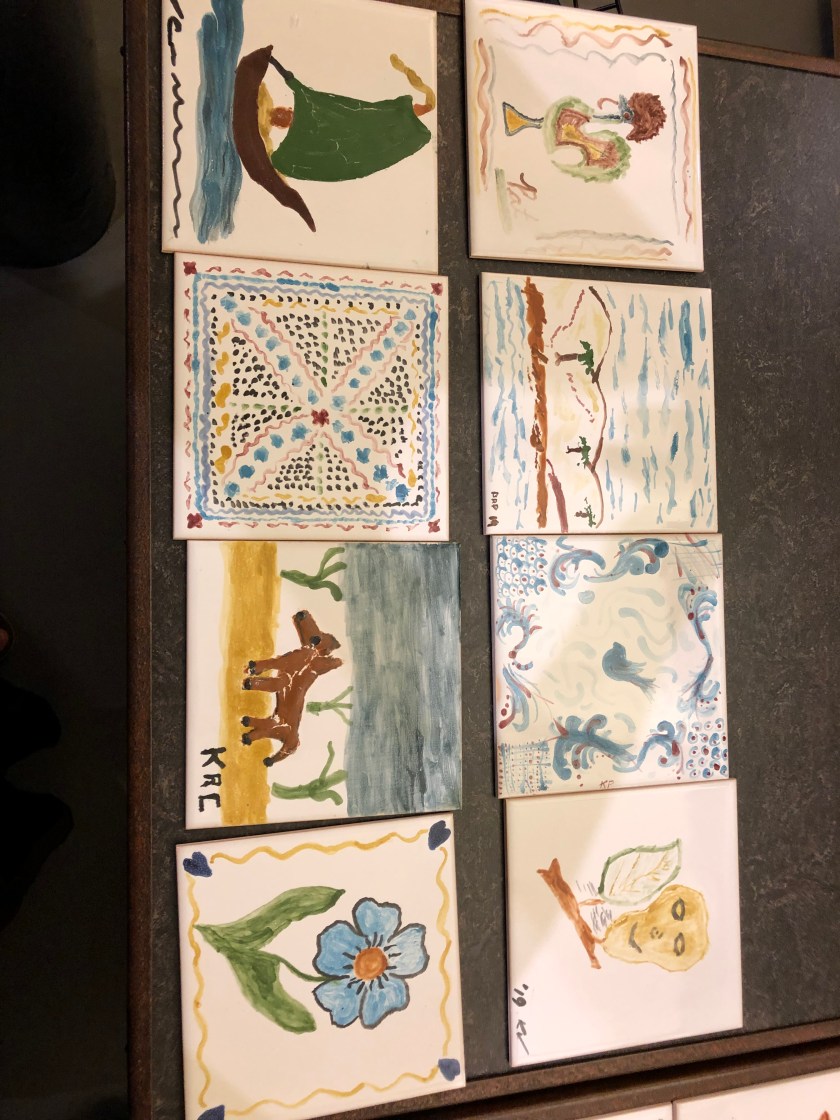
We met our group at 6:45 for wine and the tiles we painted in Coimbra were ready for us.

Obviously there aren’t many artists in the group!

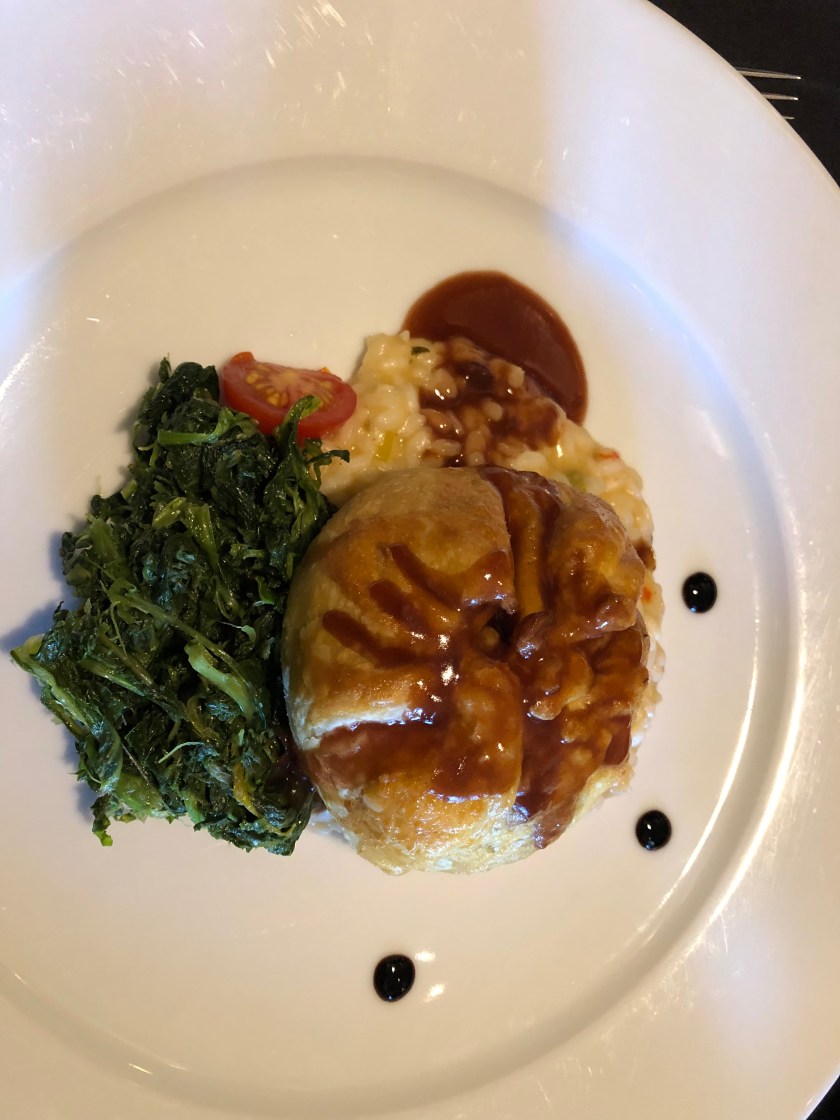
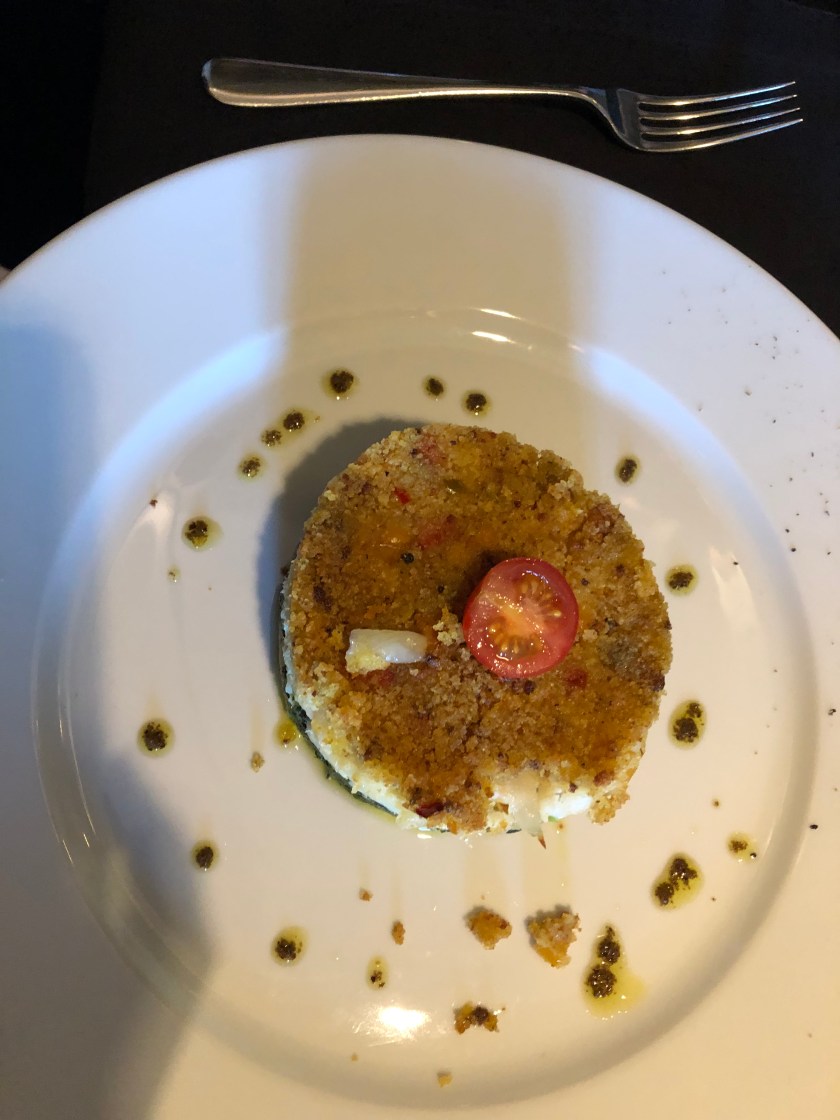
The farewell dinner was held at a restaurant in the Stock Exchange. The entrees were a duck in pastry or cod and dessert was a cake with an orange sorbet. We shared our last group dinner with our tour mates and shed a few farewell tears. Rafael was an excellent guide – passionate about his country!

Last Porto of the Trip

The sun was shining this morning as we left the idyllic Douro Valley for Porto, our last stop on this tour of Portugal. We needed to be on the road at 8 am because of traffic restrictions in the historic center that restricts larger vehicles from entering after 11am would prevent delivery of our luggage to the hotel. As soon as we exited from the 3.5 mile tunnel in the mountain range between the Douro Valley and Porto, we entered a fog bank that persisted until we entered Vila Nova de Gaia, the city directly across the Douro River from Porto.
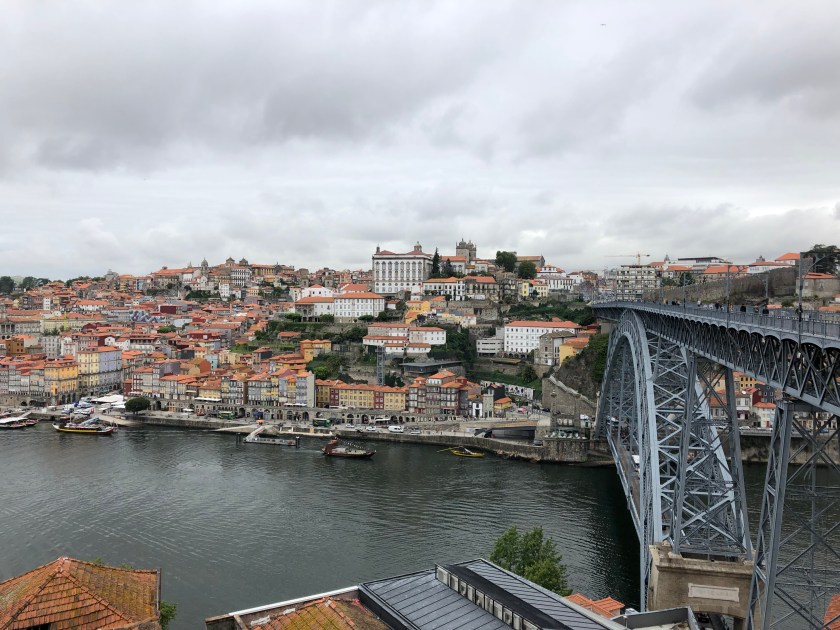
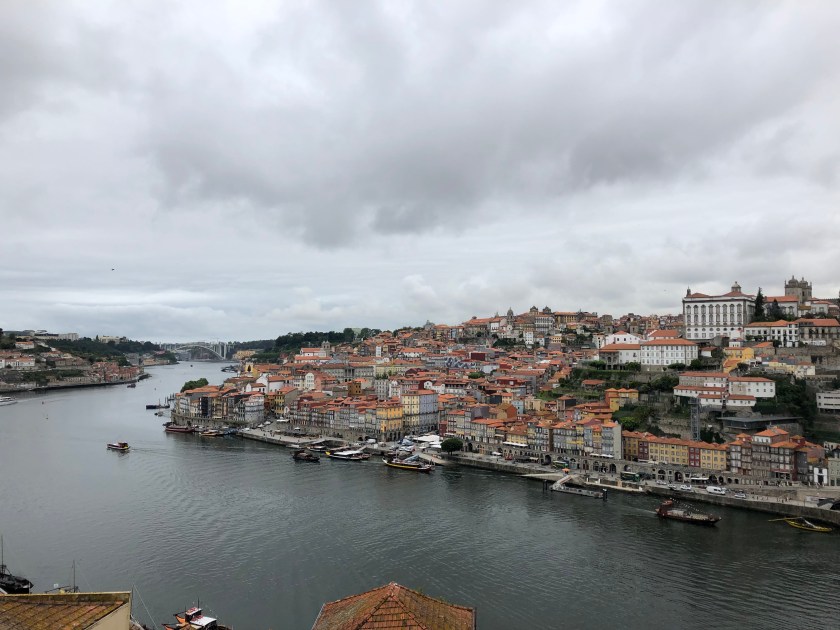
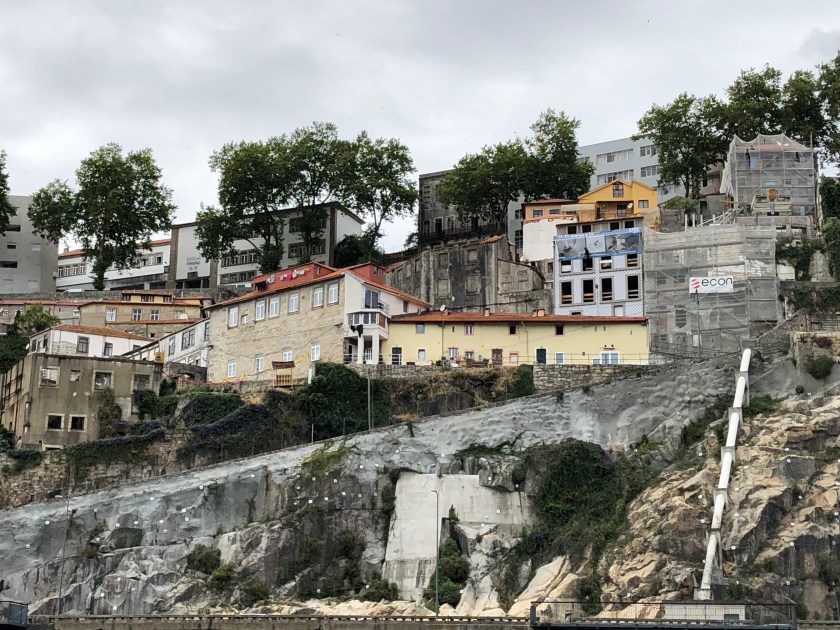
As the luggage was unloaded from the bus into a van, we had an opportunity to take in the view overlooking Porto.

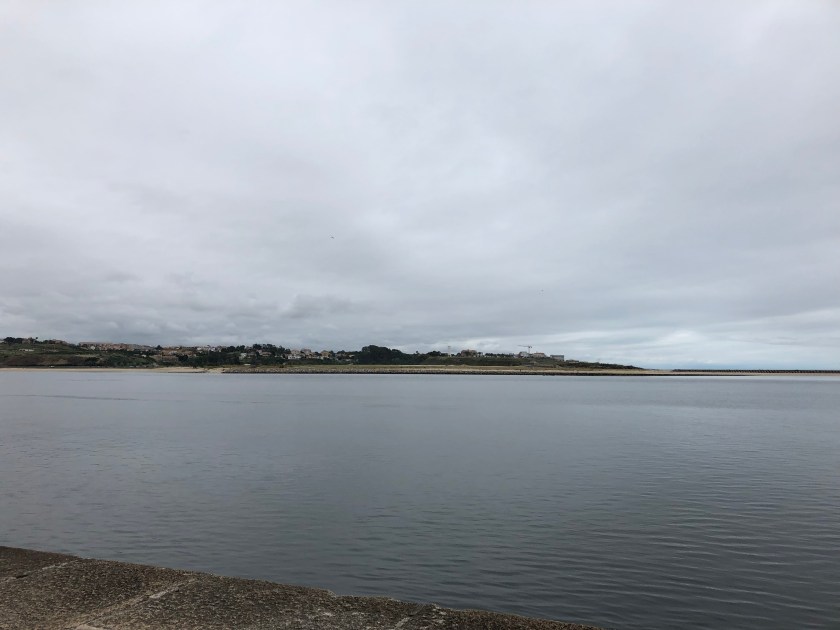
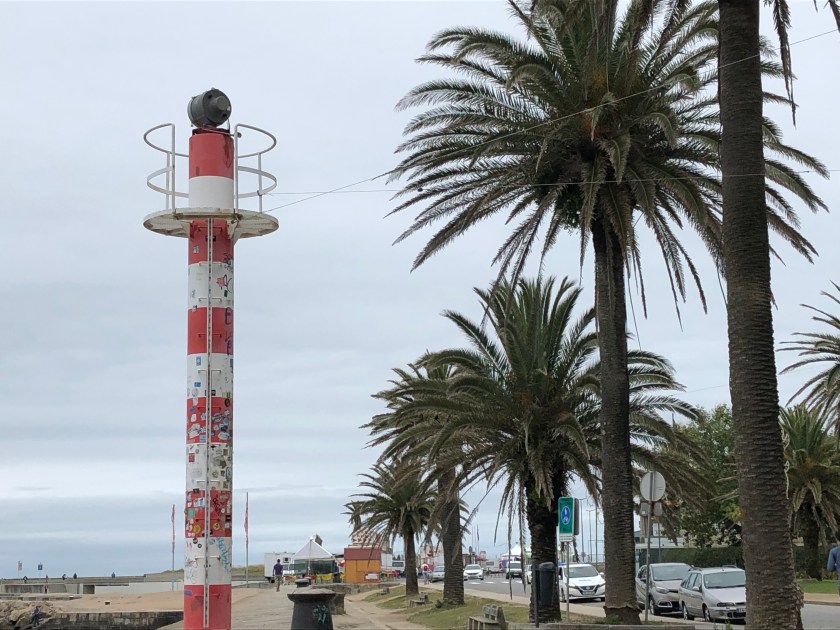
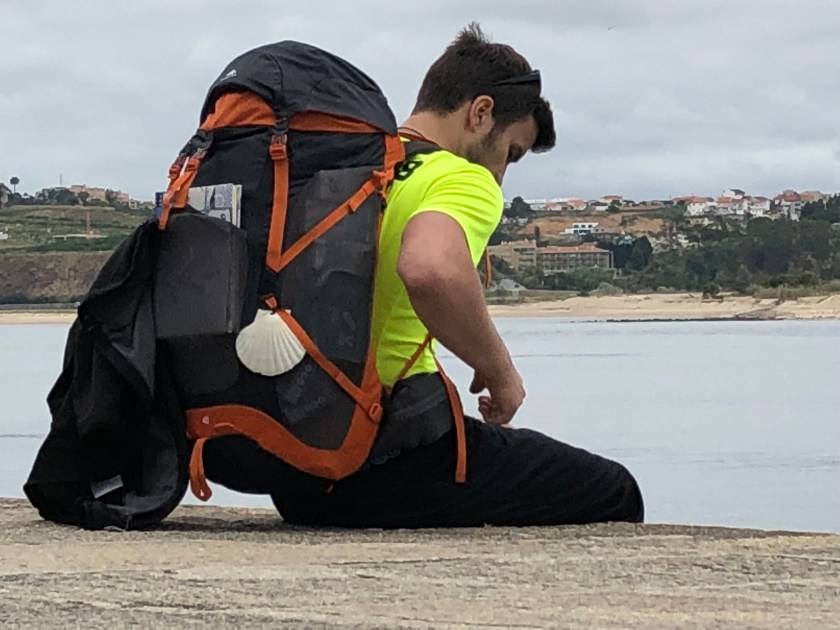
We boarded the bus for the very last time for a 90 minute drive around the city and to the mouth of the Douro River at the Atlantic Ocean. Remnants of the June 23-24 festivities for the feast of St. John could be seen in the form of closed booths and amusement rides. At our rest stop, we saw a mini golf and a Camino de Santiago pilgrim.
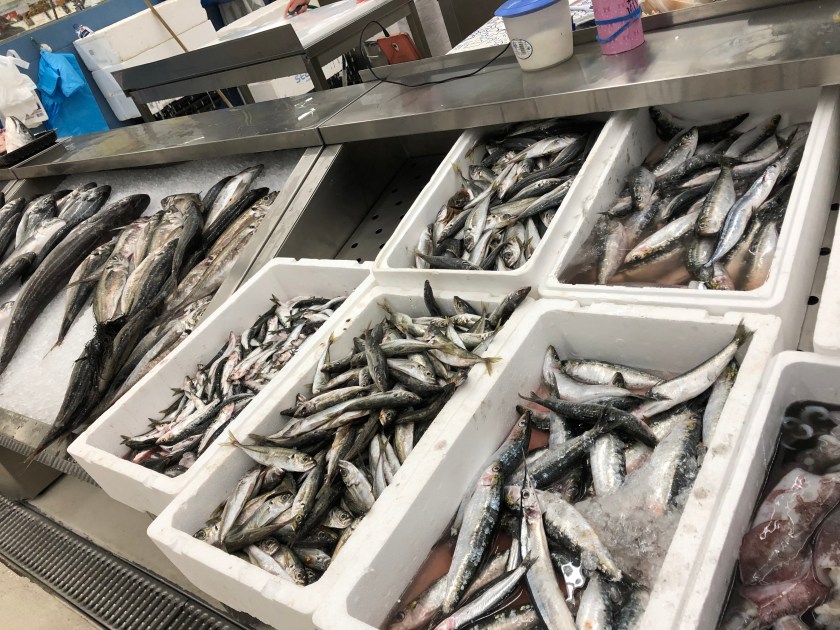
We bid goodbye to Alex, our amazing bus driver, who dropped us off at the top of this hilly town for the start of our food tour. Porto is reminiscent of San Francisco – lots of hilly streets, morning fog, cool weather, and trolley cars! Rua Santa Catarina, the pedestrian-only shopping street was where our group of 28 was divided, with a half hour difference in departure time. Our guide from Tasting Porto Food Tours was Celia, a very engaging and energetic former textile industry representative, started us off with a tour of the temporary central food market that was located in a former parking garage as the original market is undergoing a major renovation. The market is clean, bright and full of vendors.
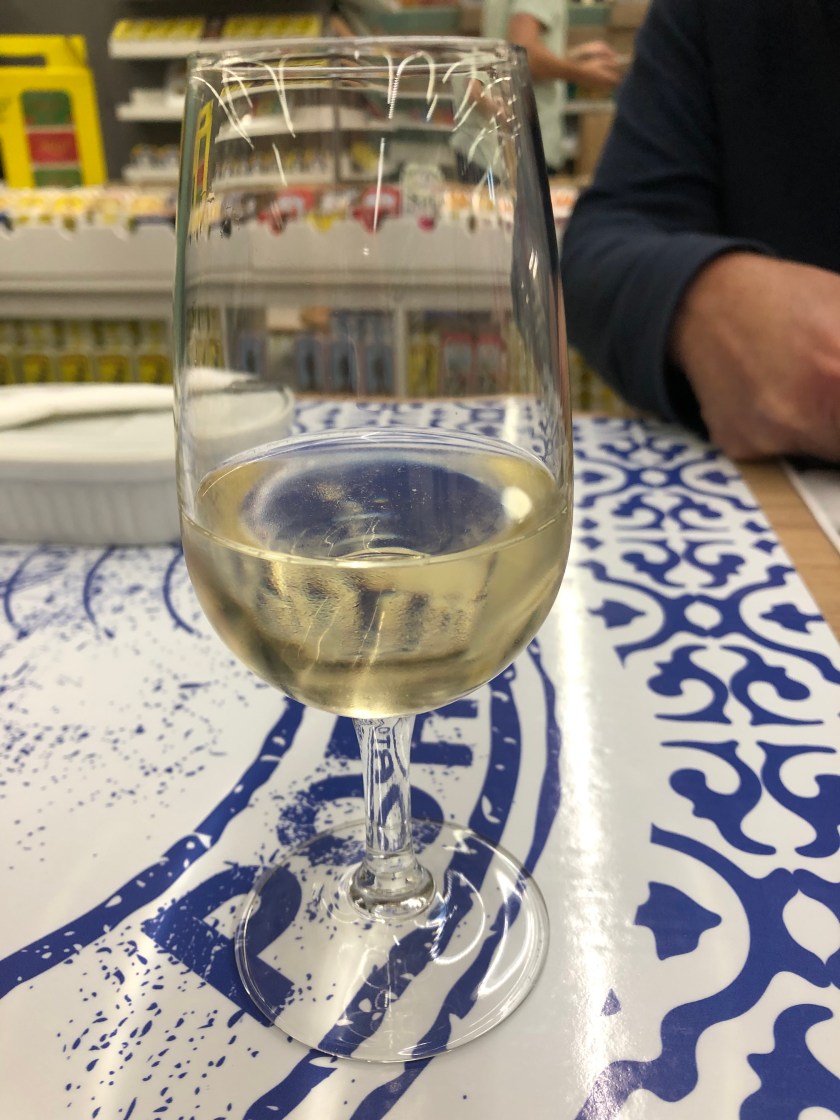
Our first tasting was a vinho verde from the region north of Porto. This light and crisp white wine was accompanied by a cured ham, sheep cheese, olives and a dense moist brown bread made with wheat, rye and corn flours.

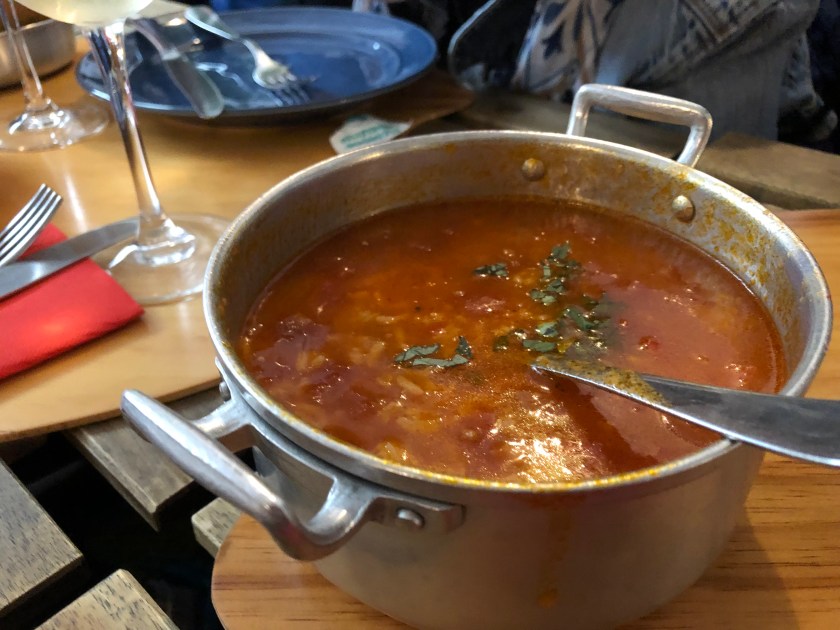
Our next stop was Tasco, one of the trendiest restaurants in town, that serves petiscos (Portuguese tapas). We had baccalao fritters, a type of chorizo made with chicken, duck and quail and a rice cooked in tomato sauce, accompanied by a white wine from the Douro valley.

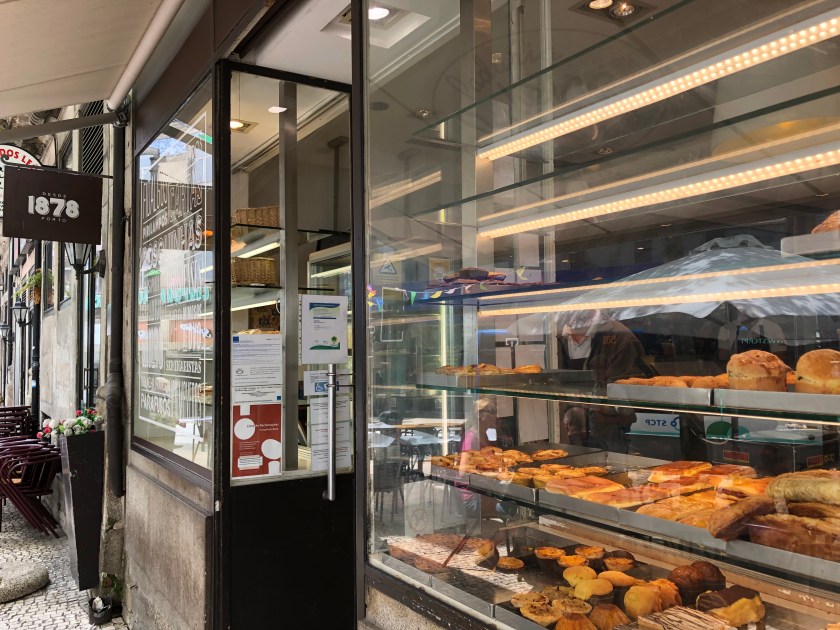
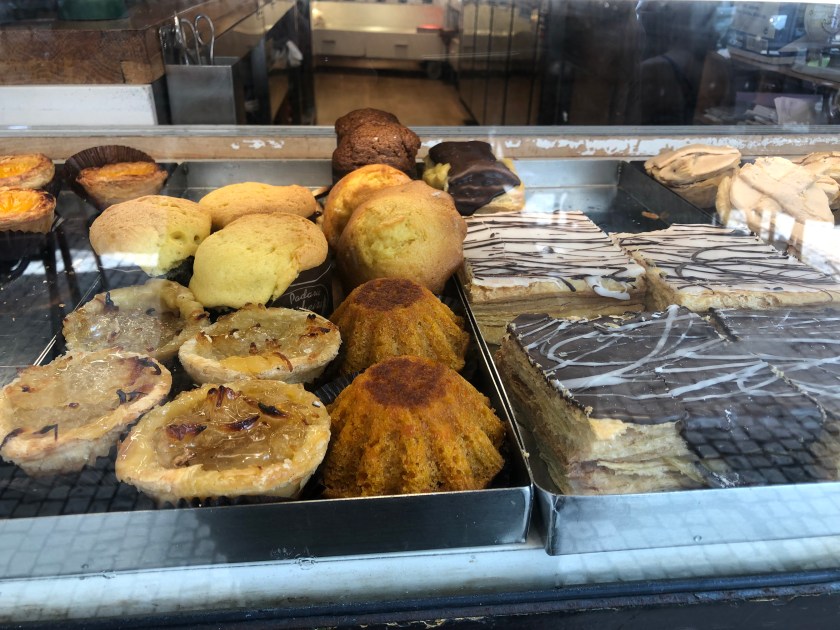
Two pastries, an almond tart and a chocolate truffle-like sweet, were purchased from Padaria Ribeiro, the oldest pastry shop in Porto (1878).

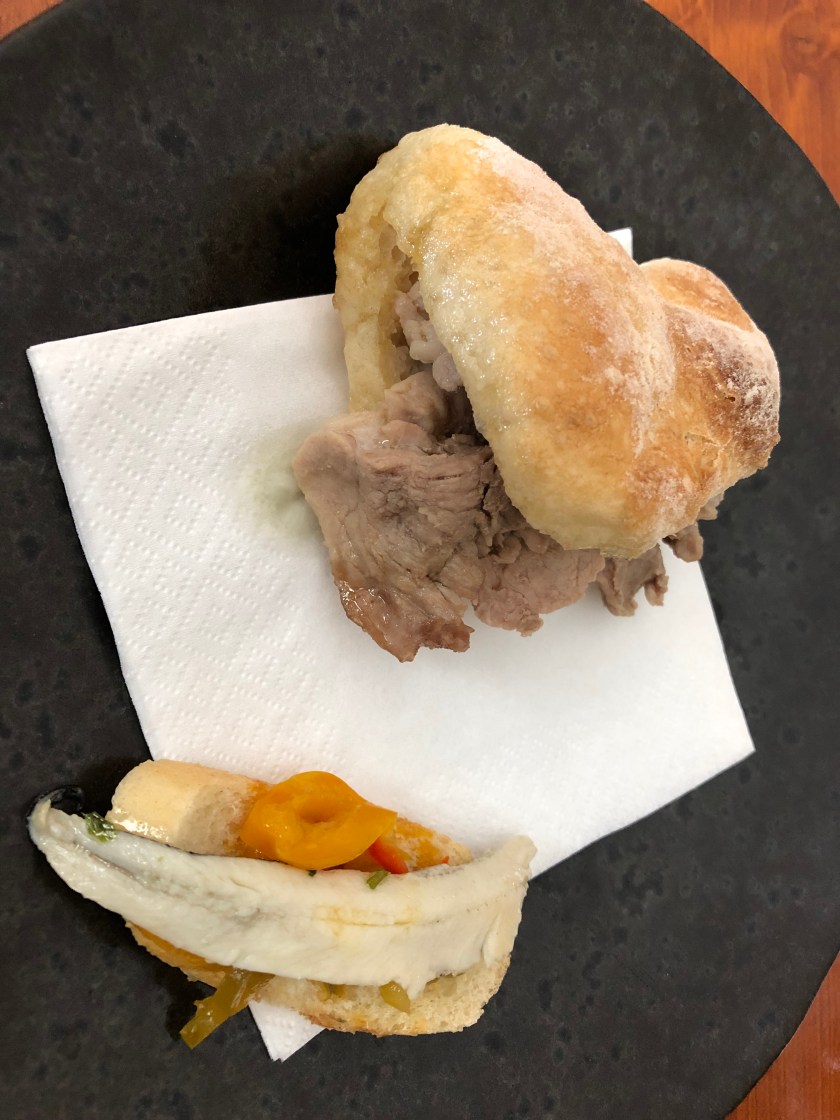
Our last stop was another wine tasting of a vinho verde and a red wine from Sintra, accompanied by a pork sandwich (befina) and an anchovy on toast.

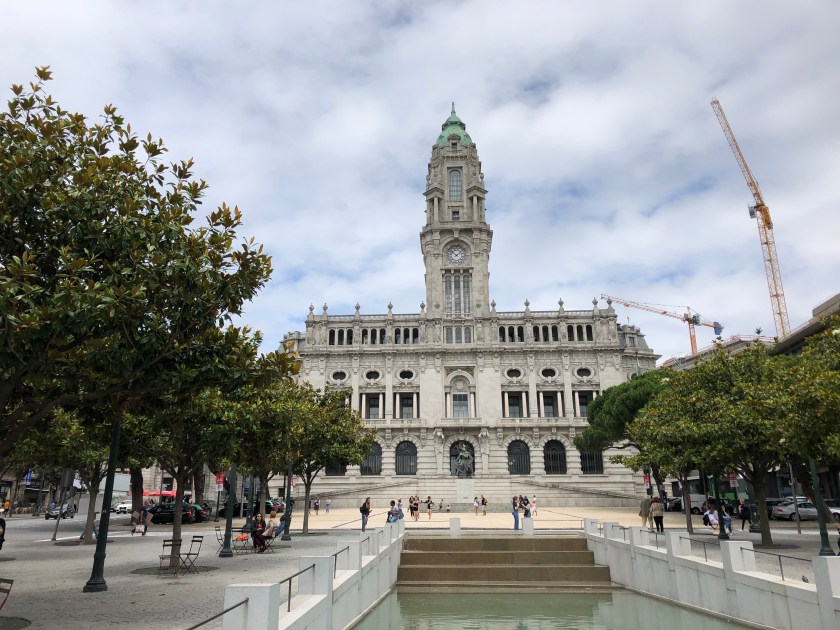
During the tour, Celia gave us a little history lesson am pointed out some important sites along the way.

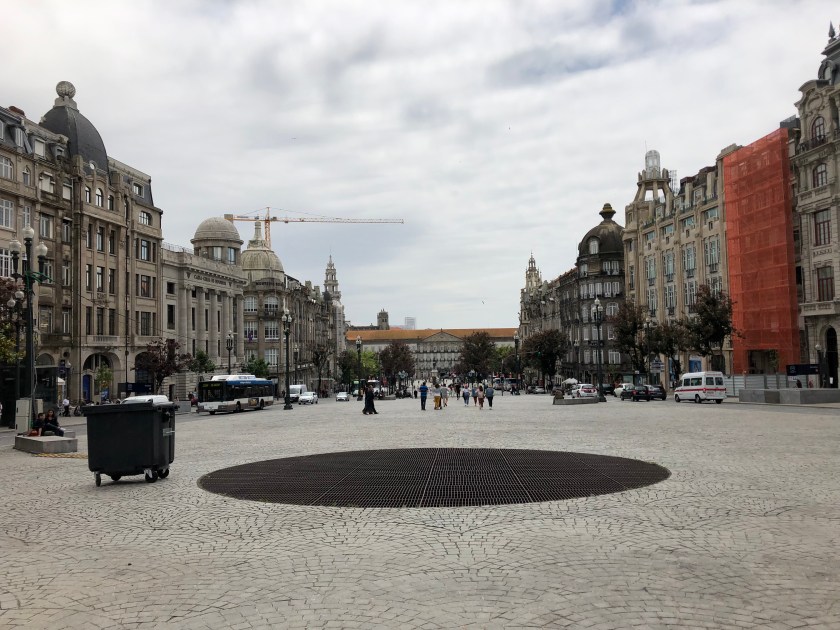
Main square -Praça of the Aliados

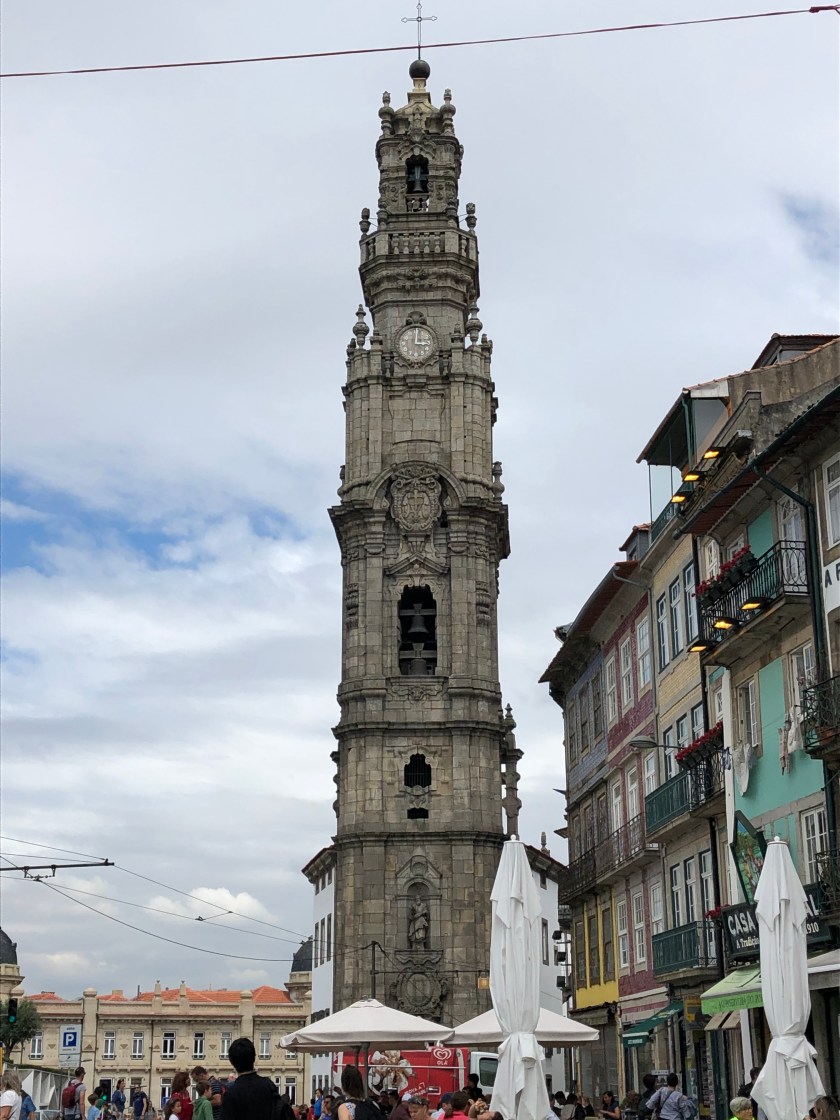
Clerigos Tower

Fun sign

Modern tile work

Old Jewish Quarter

Street art

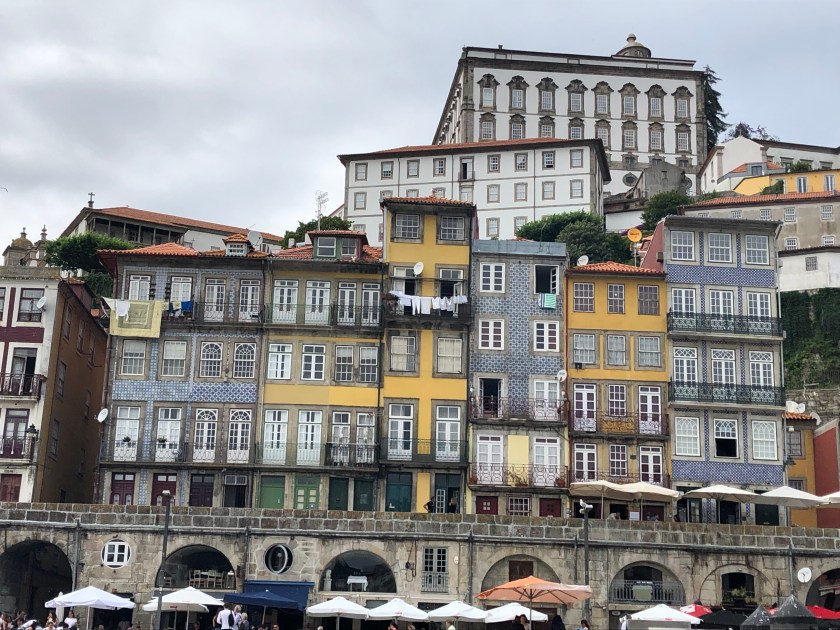
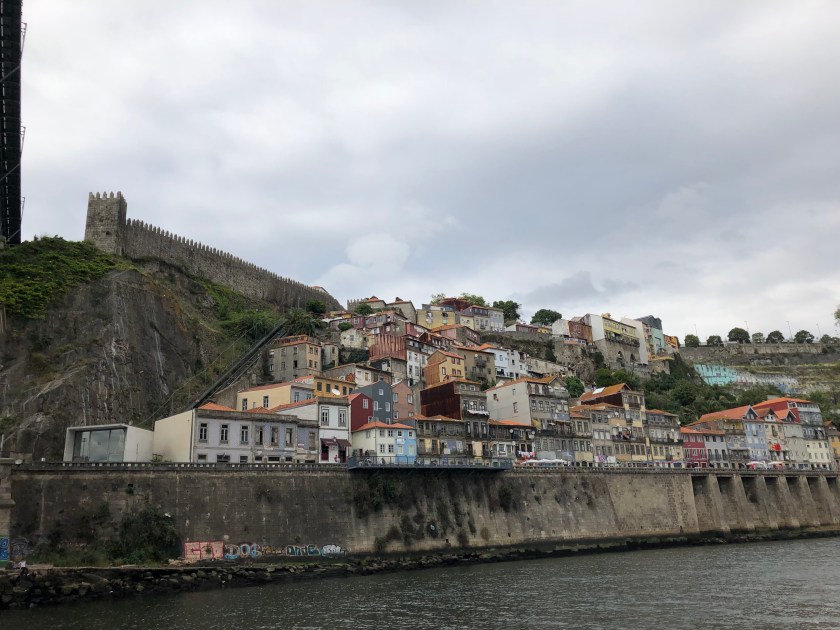
At the end of the food tour, we walked down to the riverfront for a 45 minute boat cruise on the Douro.

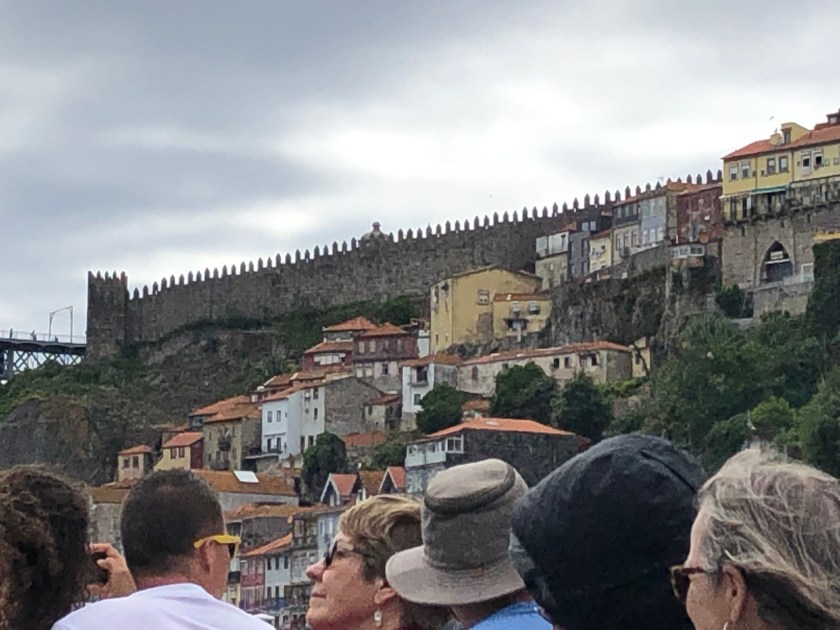
The remnants of the 14th century wall can be seen from the river.

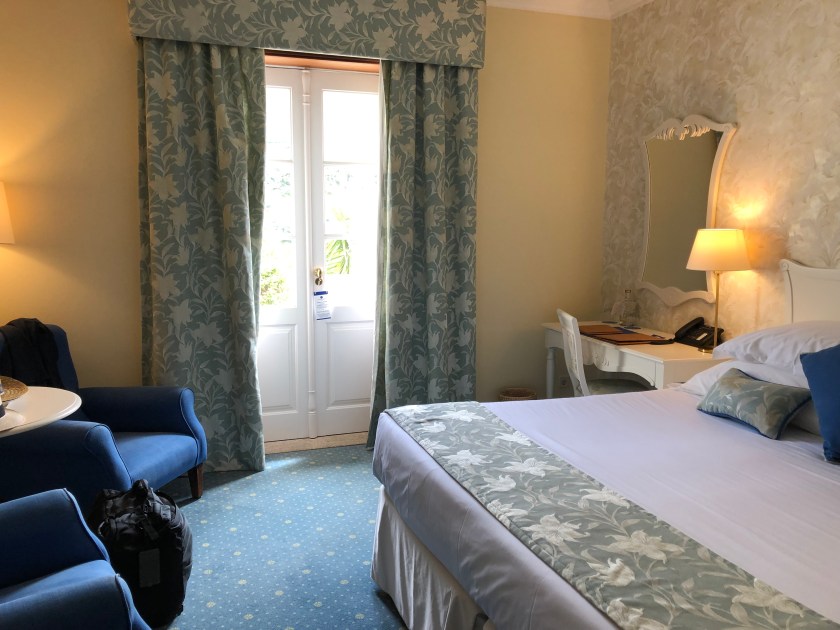
At the end of the cruise, we checked into our boutique hotel located just one street away from the riverfront. The Descobertas Hotel has a quirky modernist/ eclectic African art vibe.

We were pretty tired of eating, so we opted to walk over the Luís I Bridge to Gaia for a glass of port wine at one of the port wine houses. A gelado topped off our early evening. No late night meal tonight! Tomorrow is our last day of the Rick Steves tour, but we will be staying two more days before we catch our plane back home.

Napa Valley on Steroids

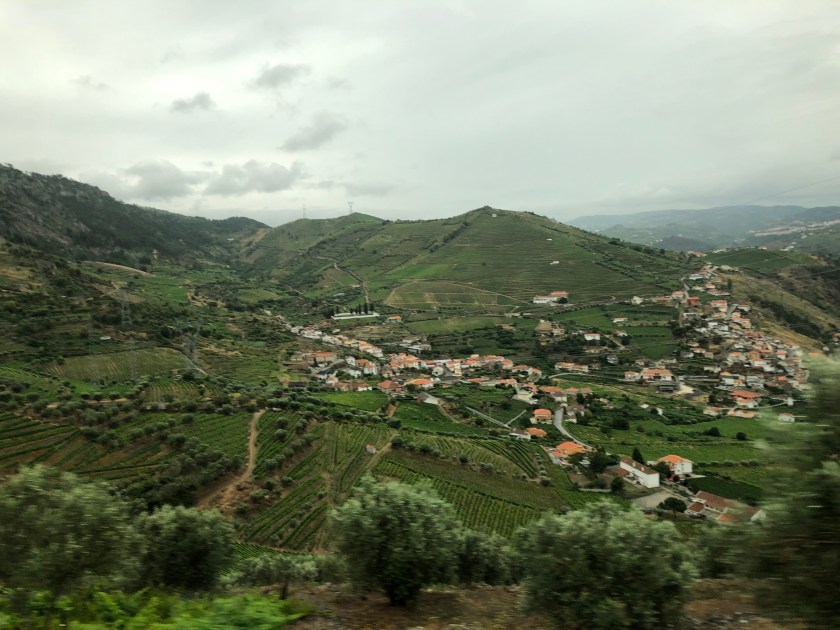
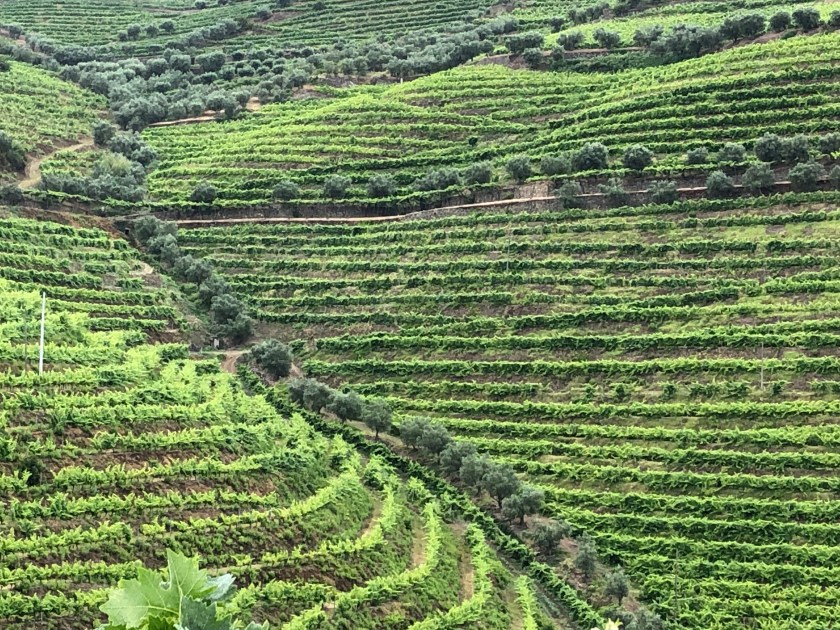
The Douro River valley is located in northern Portugal, east of Porto. The River cuts through the granite and schist forming steep walls which are terraced with vineyards. Grapes have been growing in this region since 4000 BC, and with the arrival of the Romans in the first century AD, agriculture became an important activity, with some villages dedicated to the production of wine. In 1757, the Marques de Pombal created the first regulated wine region in the world, thereby forever changing the economic situation. Evidence of this regulation can still be seen in the form of granite stone markers that demarcated the boundaries of this wine producing region.
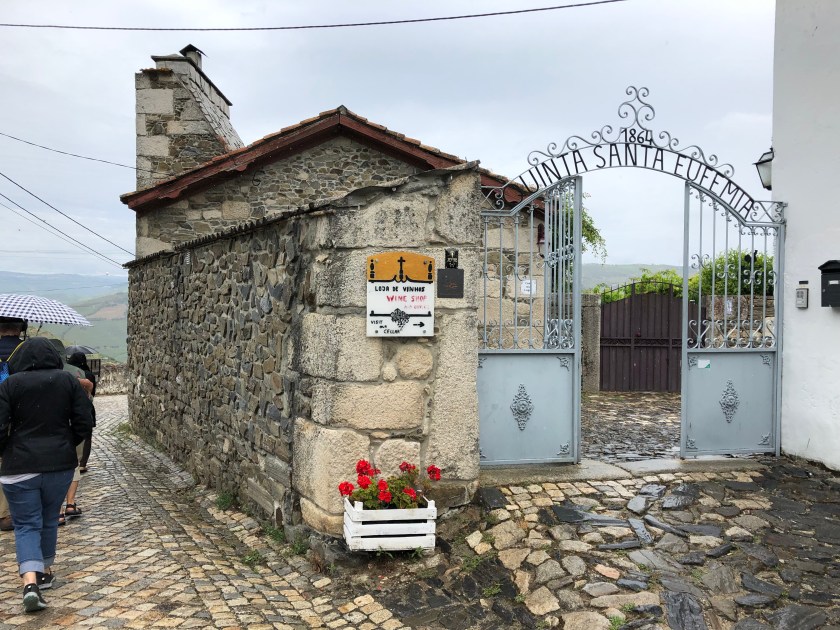
We left Coimbra at 8:45 am, leaving behind this Hilltop charming university city for an overnight stay in the Douro Valley. As we arrived around 10:30 am, a light rain began to fall. The inclement weather of the past two days seemed to be following us! Our destination was the Quinta Santa Eufemia. The ride to the vineyard was a serpentine narrow two lane road with many switchbacks, first uphill and then down. The remarkable driving skills of Alex, our bus driver, were certainly tested today.
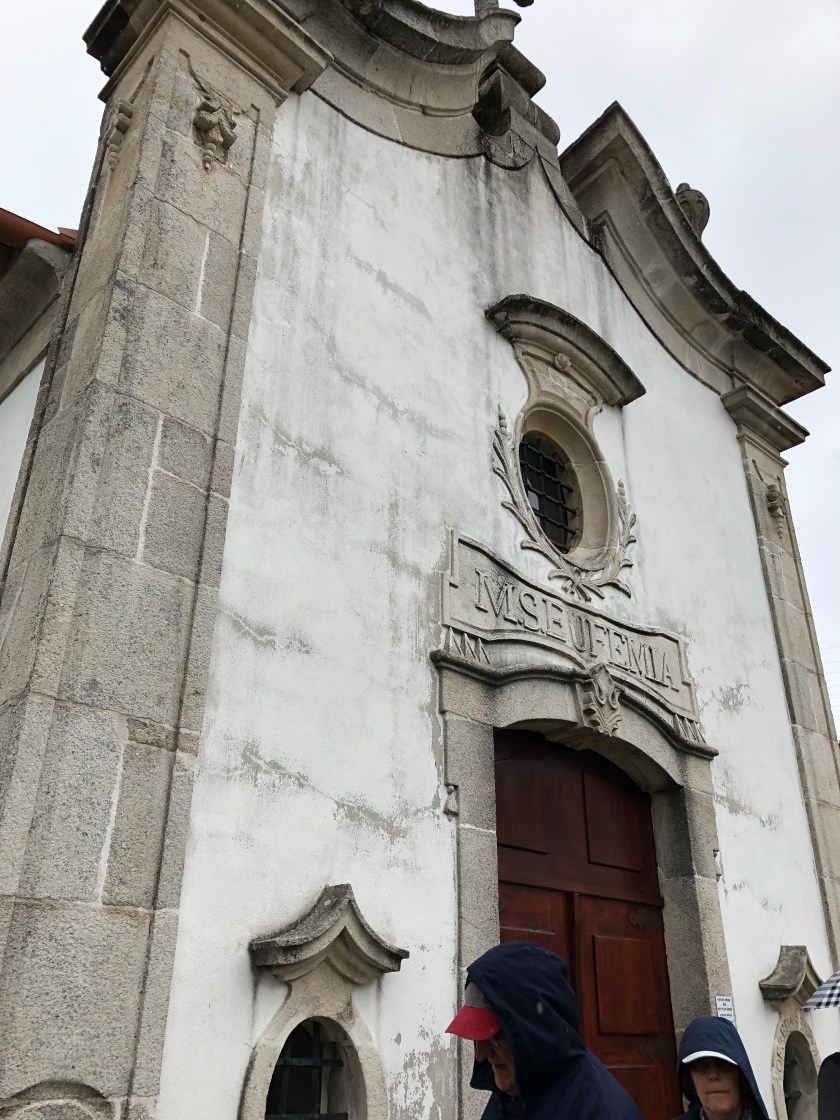
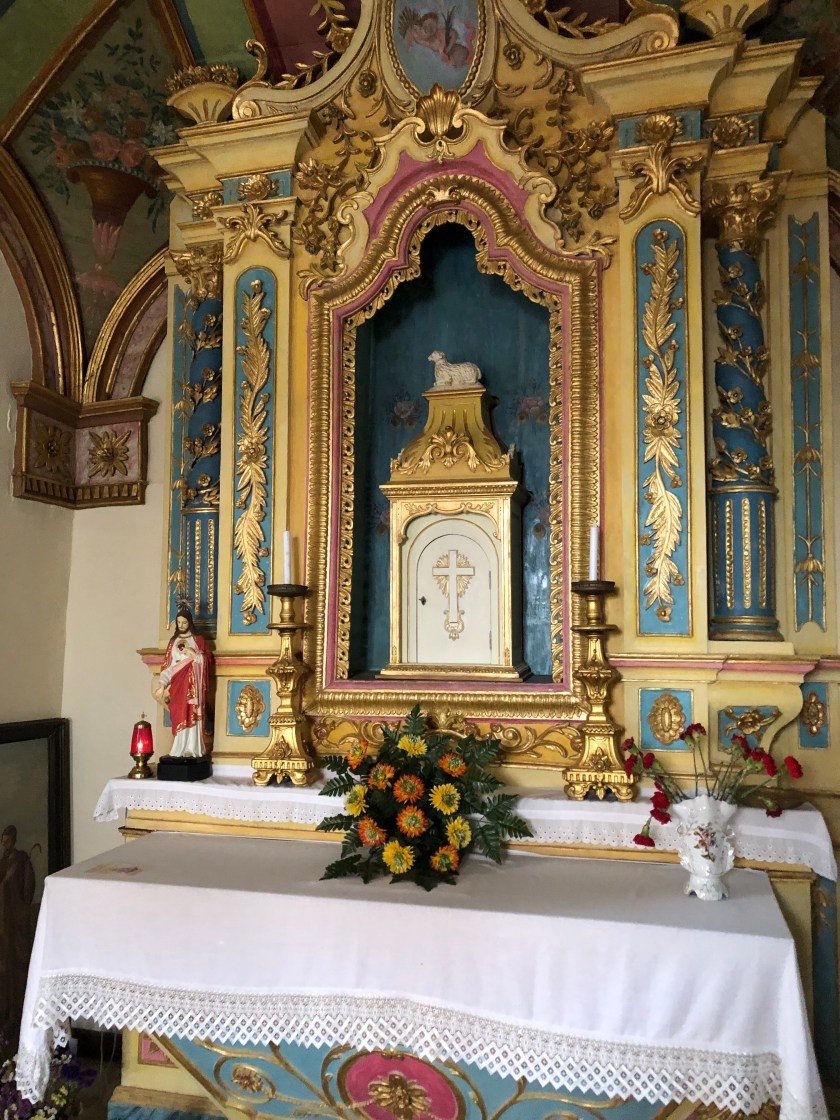
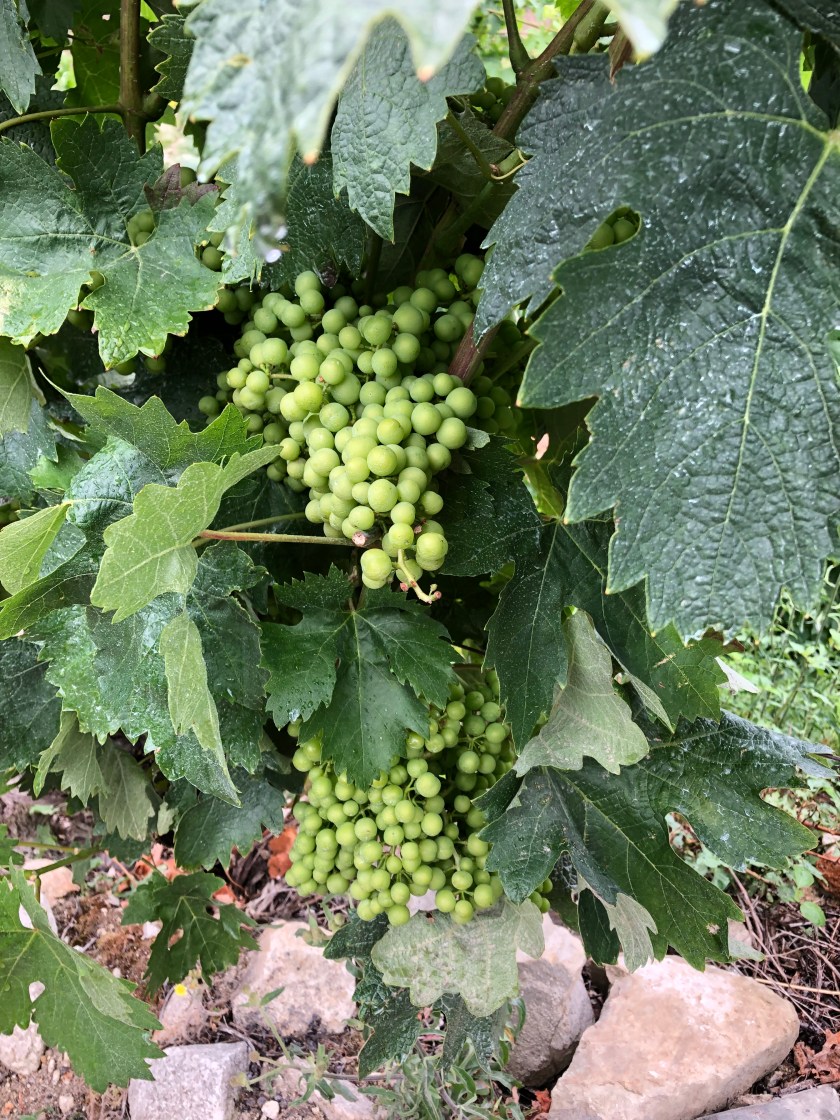
Maria, our guide for the visit, is the granddaughter of the original owners and her proud connection to this place was quite evident. She first showed us the family’s private chapel, now used by members of the village, which also acted as a sort of “lighthouse” to mark where treacherous currents were found in the river. She then walked us through the rows of grapevines, despite the raindrops, explaining the different varieties and how they are grafted. We were then shown the huge granite vats where the grapes for port wine are stomped by feet (shades of Lucille Ball/I Love Lucy).
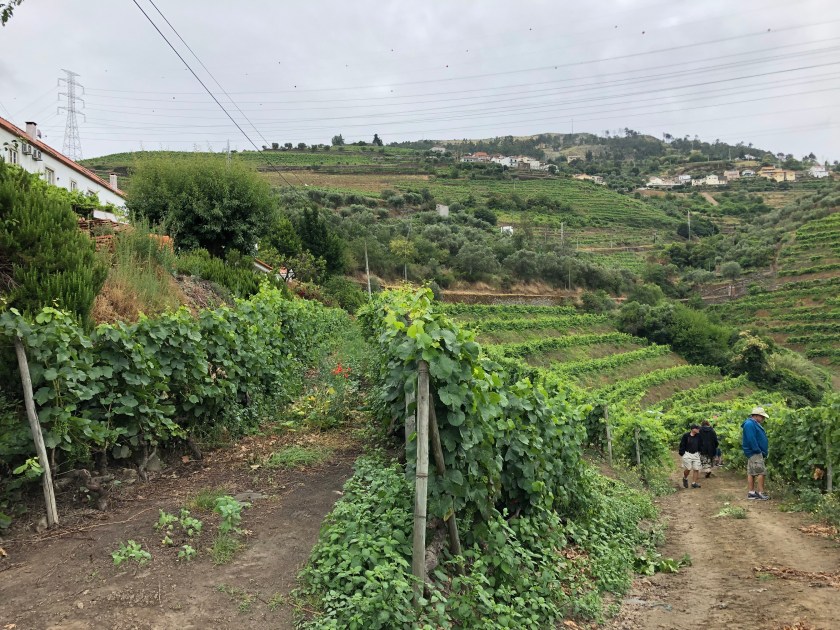
After the grapes are crushed, the juice is filtered and placed in oak barrels to ferment into the white, tawny and ruby port wines. The color of the wine is related to the color and type of barrels used. Tawny port is a blended wine, with elements at least 10 years old whereas the reserve ruby port wines come from a single vintage.

We were then treated to a filling lunch of traditional food that would be served to the vineyard workers: bread, cheeses and sausages, a cod and potato stew that was out of this world

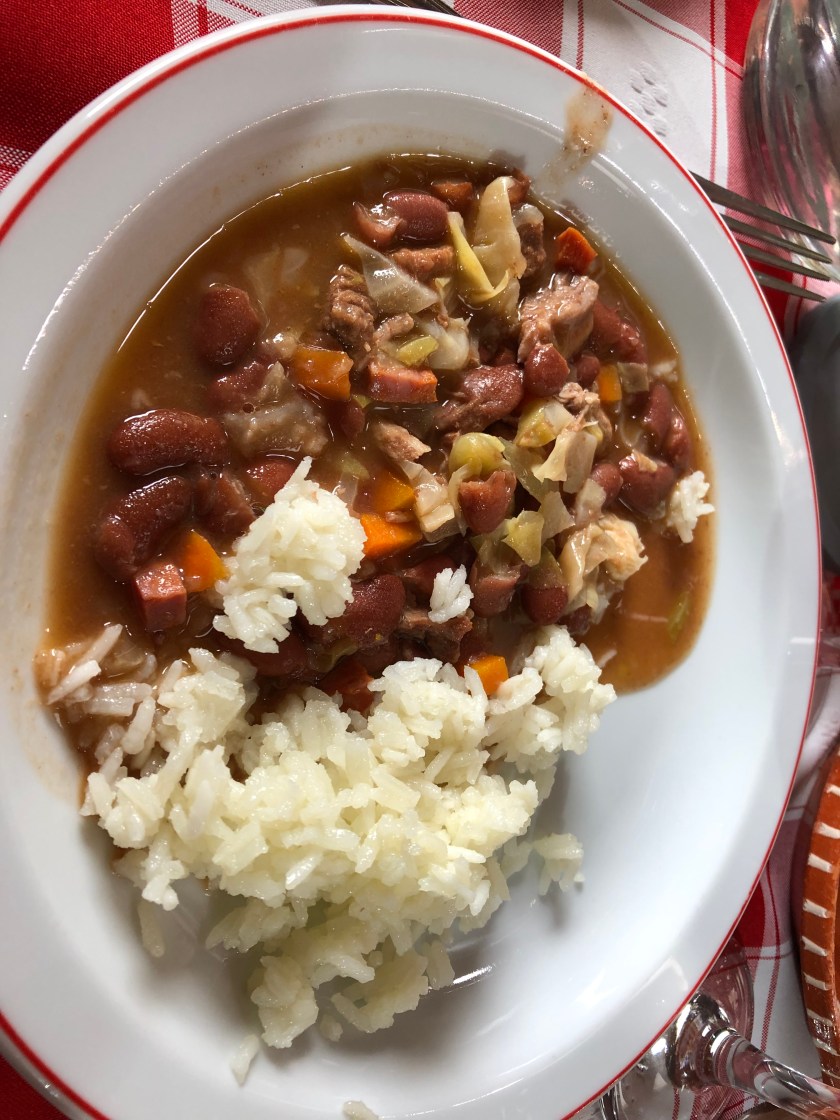
and a rice and bean stew.

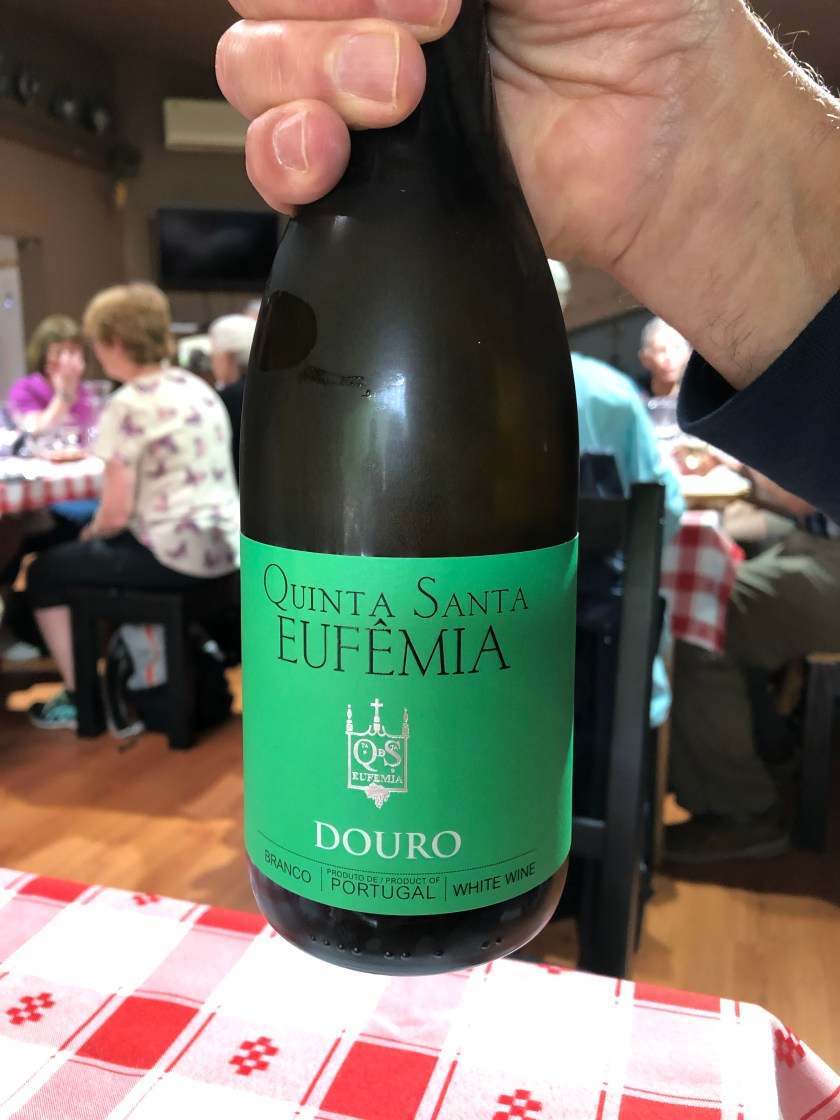
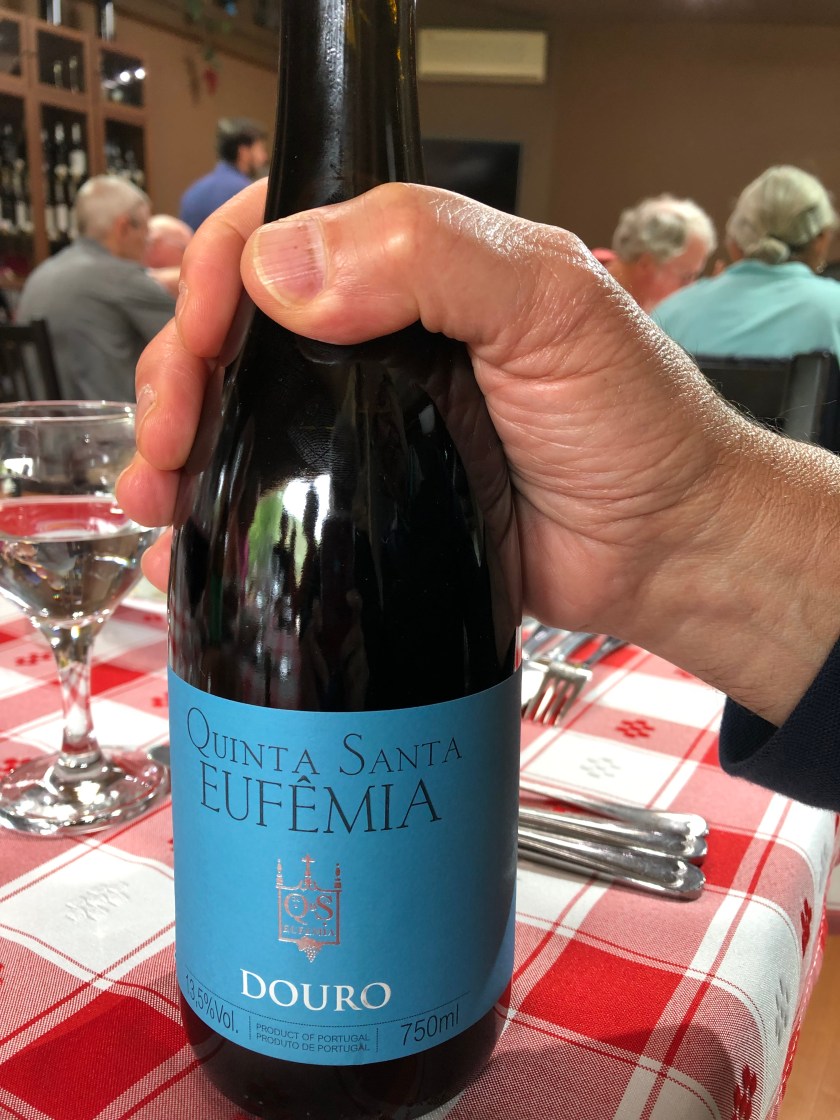
This was preceded by a tasting of white port as an aperitif. We had the vineyard’s shite and red wines with the meal.

We then tried the 10 year tawny port and a reserve ruby port with the dessert of orange cake, fresh apricots and creme brûlée. Many of us purchased bottles of wine for tonight’s dinner. We also bought a bottle of 30 year old white port and a reserve ruby port.

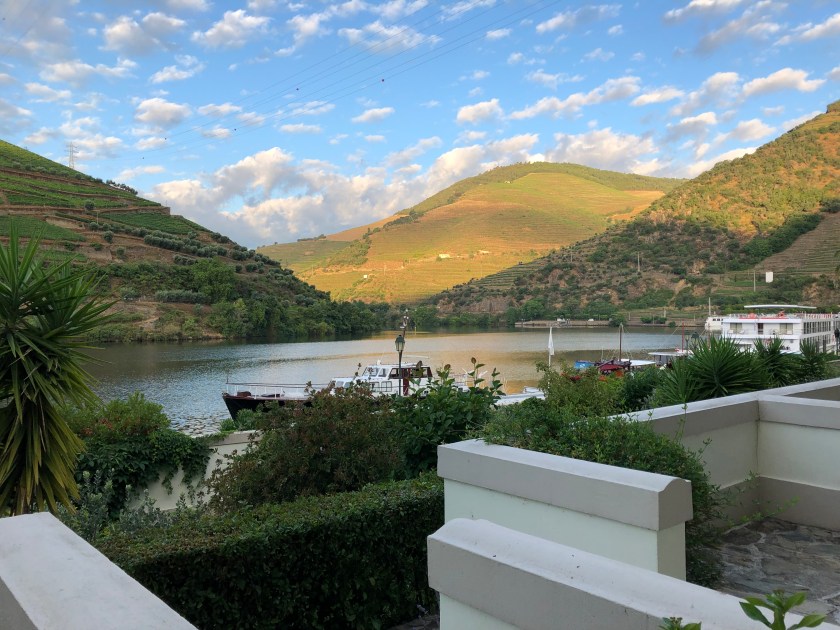
We were then off to our hotel, the Vintage House, a five star hotel on the banks of the Douro in the town of Pinhao. There’s not much to see in the town (a few shops am small nondescript restaurants) but the train station did have beautiful blue and white tiles on the facade.
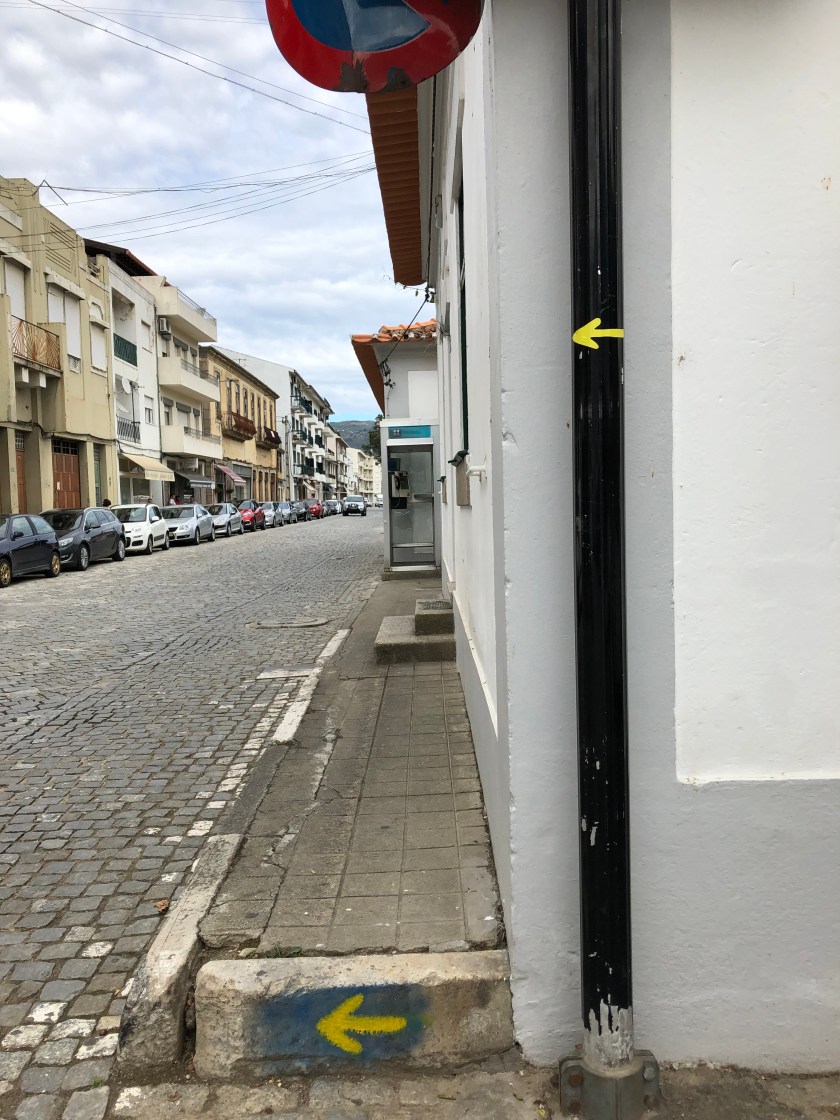
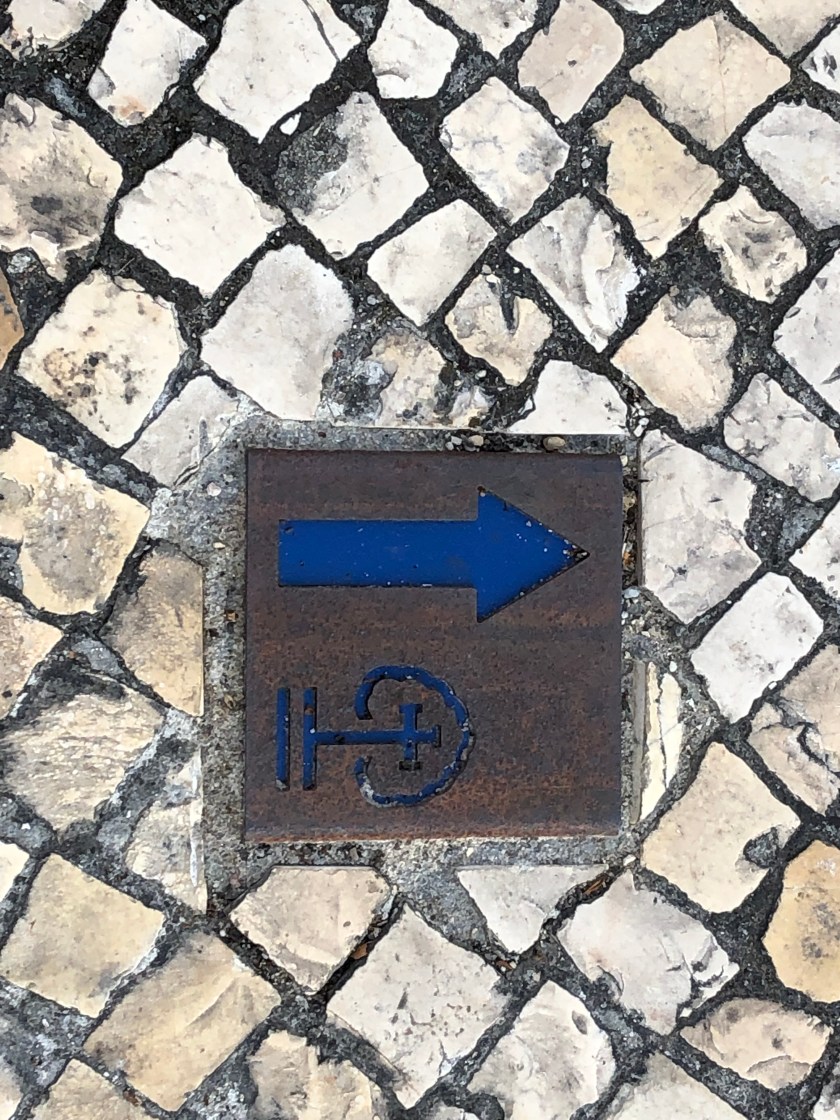
As in Coimbra, we saw the characteristic yellow arrows designating the path of the Camino de Santiago Compostela.

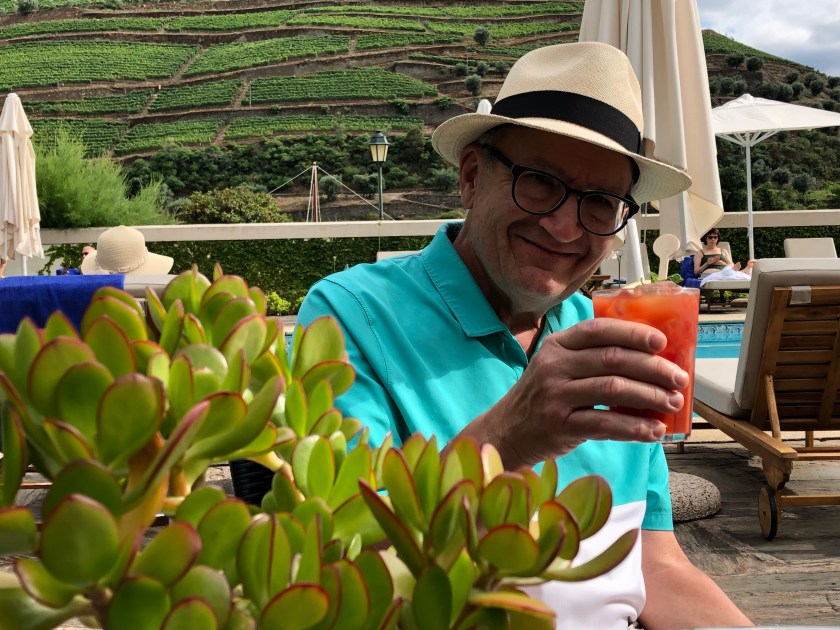
After a walk through this rather unimpressive town, we enjoyed a pre-dinner cocktail by the pool.

Luckily our dinner at the hotel was a buffet of salads, soup and fresh fruit rather than the heavy fare we had been eating these past few days (thank goodness no old goat!). We have an early departure tomorrow as the bus must arrive in Porto before 11am as they are not allowed to enter the city center after this time.

Coimbra- past and present

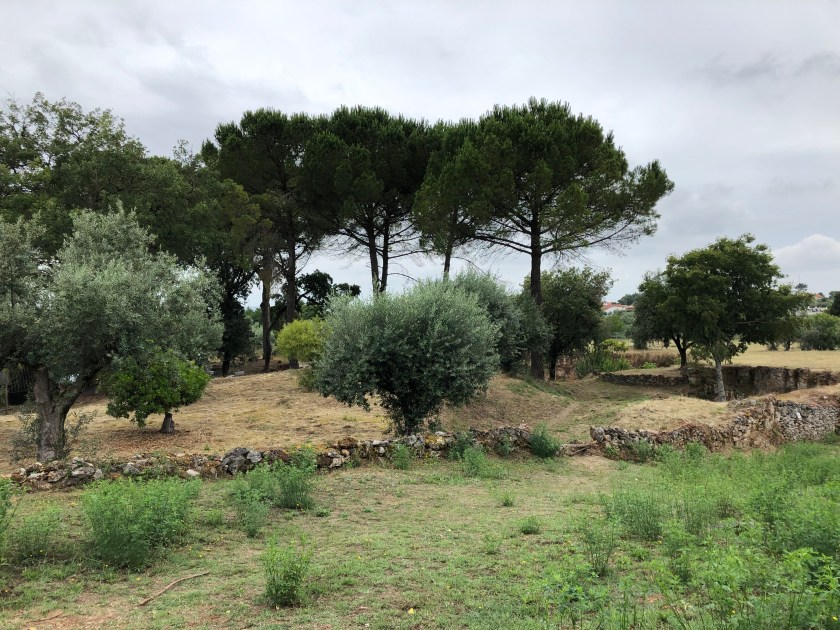
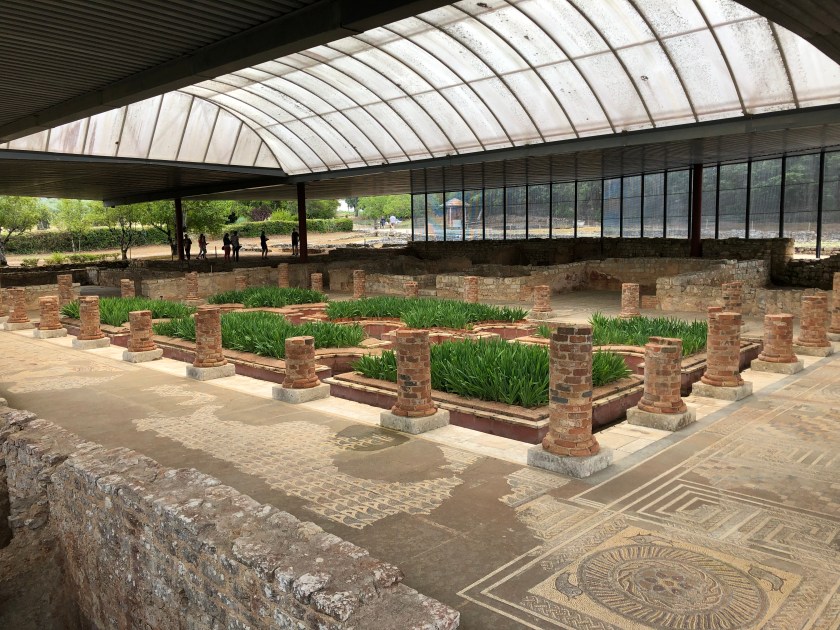
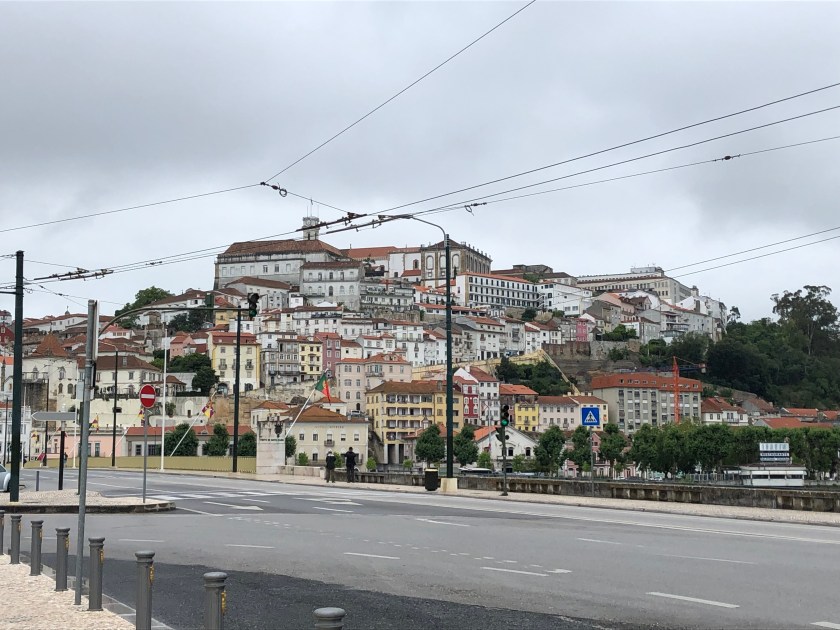
The city of Coimbra is one of the oldest in Portugal, and in Europe. Of course, there is the lovely old city perched up on the hill overlooking the Mondego River, the first capital of Portugal (1131) before the capital was moved to Lisbon in 1255, that is the home of one of Europe’s oldest universities (see my last blog entry). However, there has been a settlement in this region since the 2nd century BC, established by the Romans who found this area with its strategically located river and fertile lands to be an excellent site connecting the inland portions of the Roman Empire with the coast. Conimbriga was eventually sacked by the Visigoths in the 6th century (as was much of the Roman Empire) and later was occupied by the Moors starting in the 8th century, before being conquered in the 1100s by the Christians. It was the ruins of Conimbriga that we visited this morning. Although only the lower portion of the walls of the buildings remain, there are scattered very well preserved mosaic floors in many of these ruins.
In the adjacent museum, there is an extensive display of artifacts that were recovered during the excavations. Of course, amongst the collection of tools, coins, jewelry, door hinges and keys, fragments of glass and well preserved pottery could be viewed.

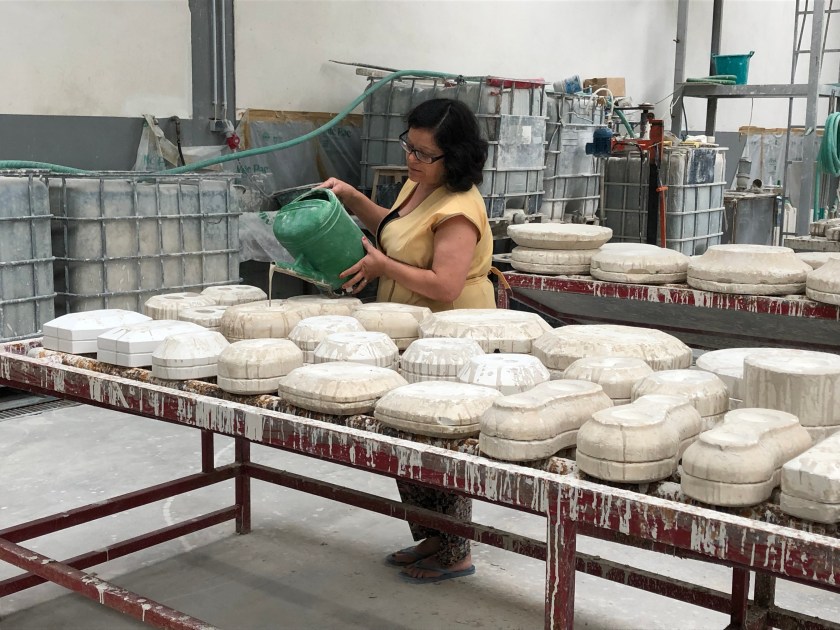
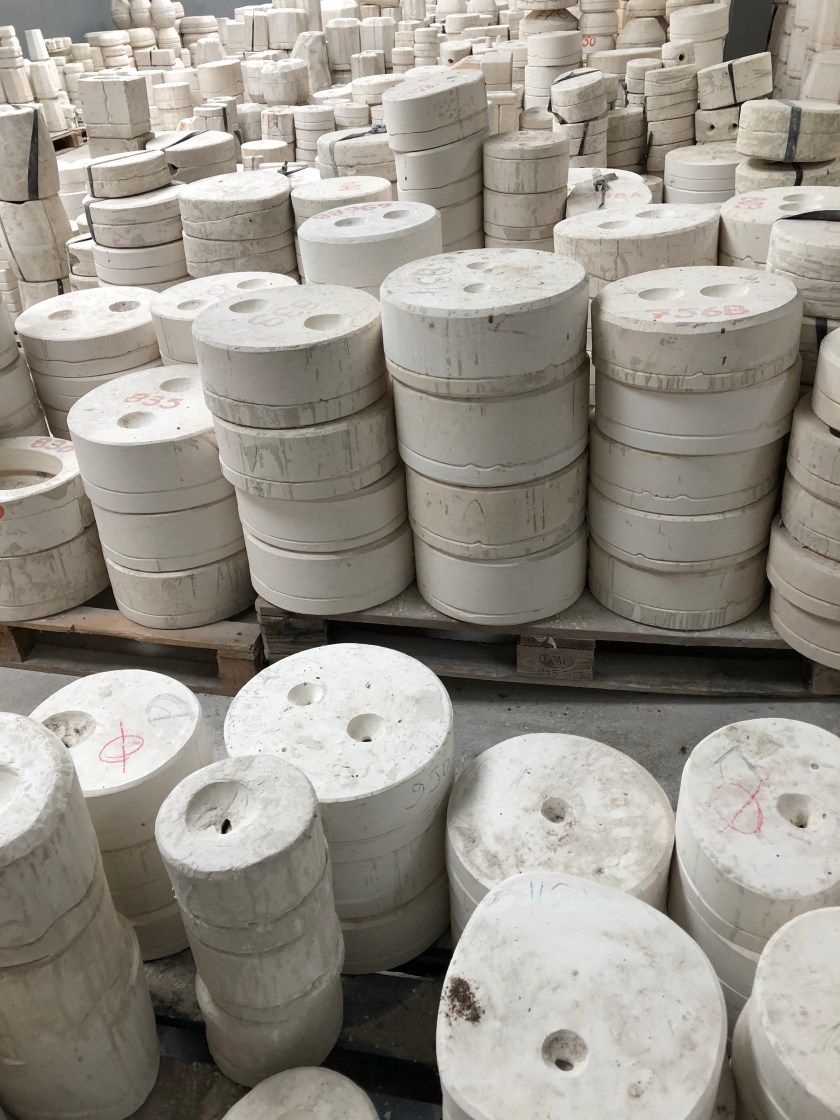
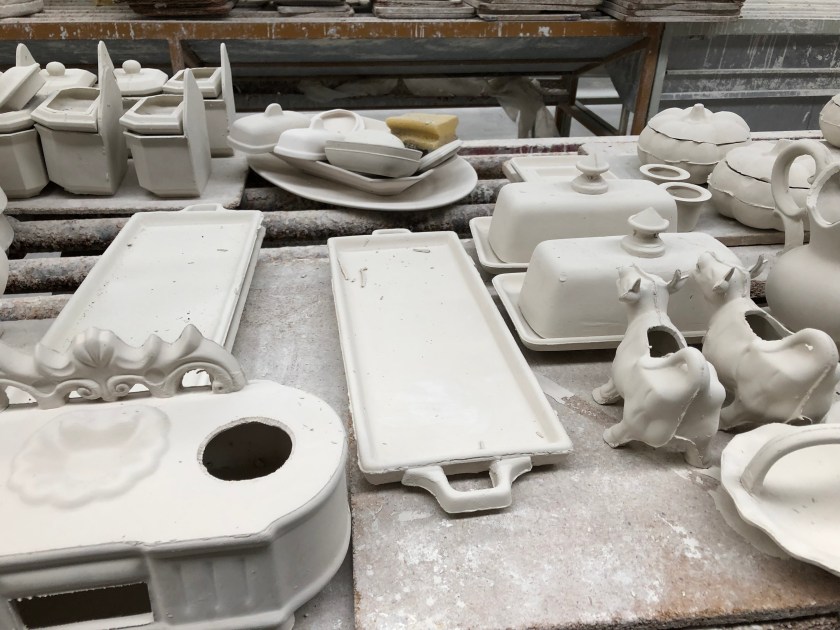
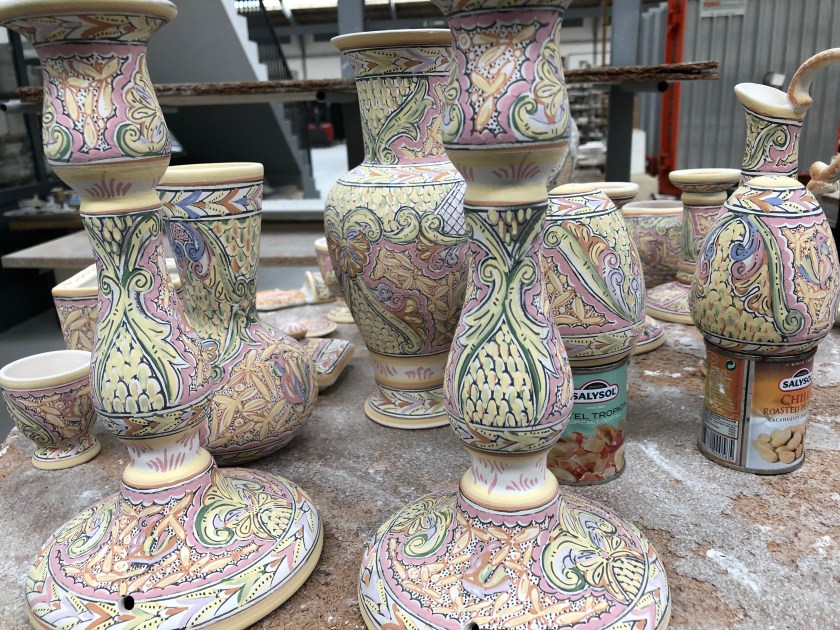
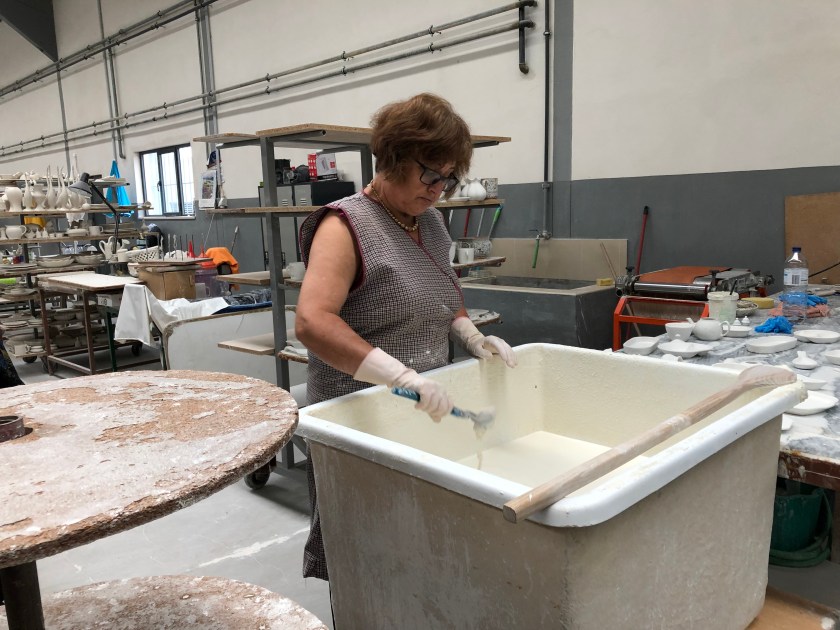
Coimbra has been an important center of ceramic pottery in Portugal for many centuries, the result of the availability of the necessary materials, the talented artisans and the rich history of the Portuguese exploration of the east during the golden era of Henry the Navigator. Another part of our morning included a visit to one of the factories that still produced hand painted ceramics. We were able to witness the process of the production of these beautiful and unique pieces, from the raw materials to the artisans painting each piece based on artwork of the 15th through 18th century. We even had the opportunity to paint a tile!

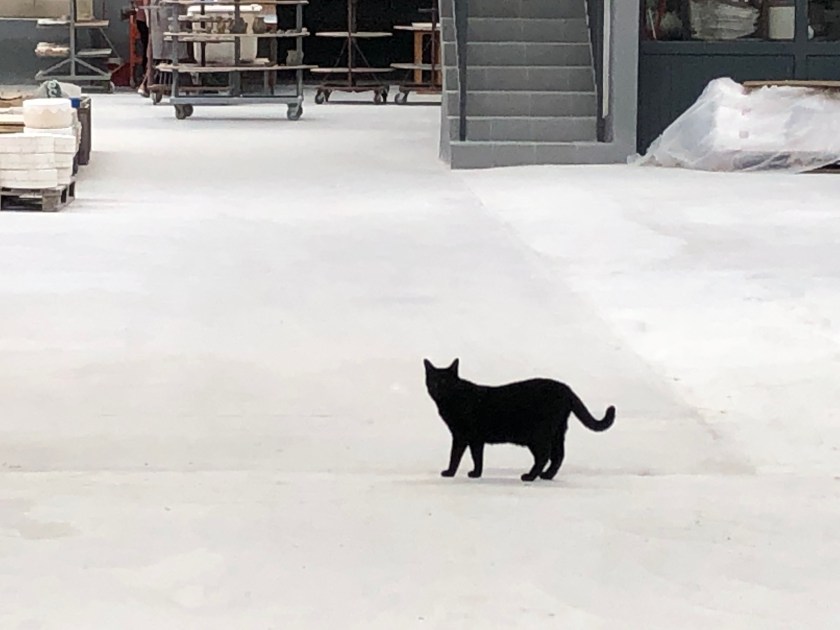
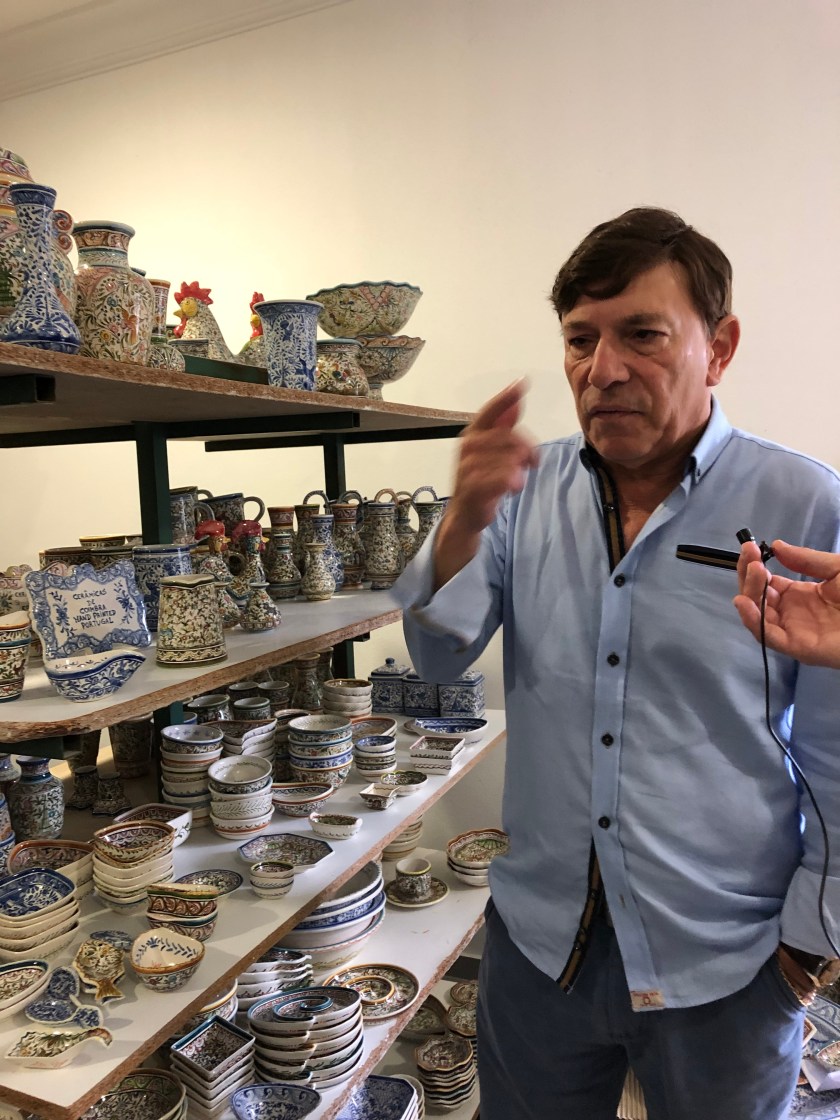
We met with the owner (he has only about 15 artisans who do all the painting), viewed his showroom (he only sells to retailers) and we even got to meet his beloved blind cat.

After our morning explorations, we had the afternoon free to enjoy the city before a fado performance in the evening. A group of tour mates were interested in sampling a local specialty- “old goat” cooked in red wine.

It consists of cut-up pieces of an old goat braised in red wine and garlic. Boiled potatoes accompany this “stew” to soak up the fatty juices. The final verdict was mixed – some loved it, others not so much!

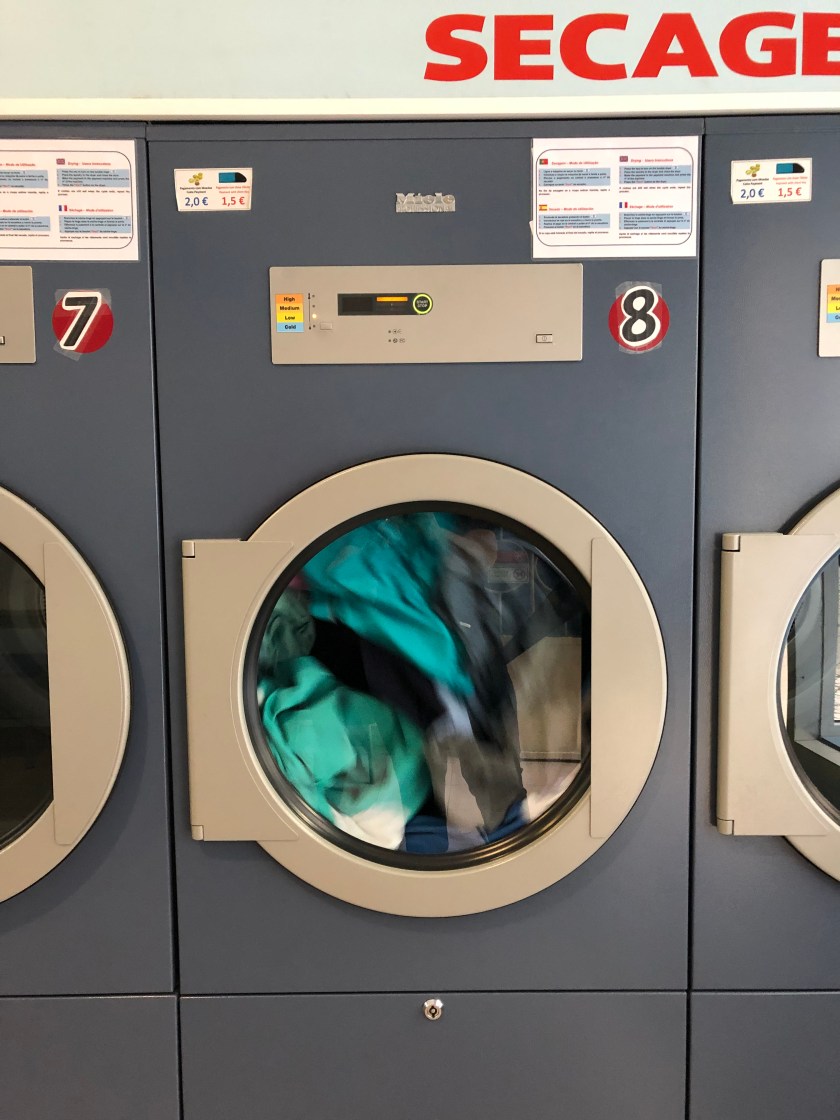
What’s a vacation abroad without visiting a laundromat? The one in the Rick Steves “bible” was located a 20 minute walk from the hotel. It was clean, close to a pastry shop, and, once we figured out how to pay for the services, easy to use!

After returning to the hotel with our fresh, clean laundry, we ventured out to do some shopping, purchasing several small ceramic pieces produced by the factory we had visited earlier in the day.

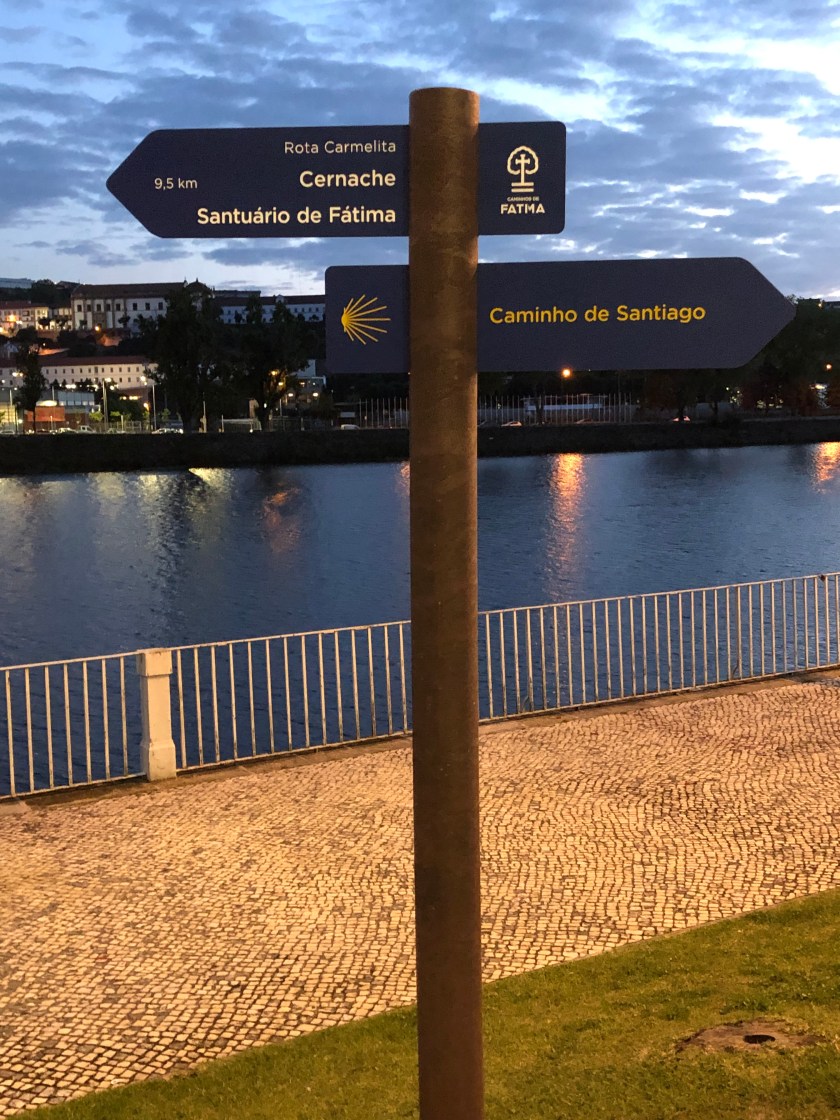
We saw signs of the Camino de Santiago, which brought back fond memories of our Camino in Spain two summers ago.

As the fado performance time was approaching, we proceeded to the theater, and lo and behold we stumbled on the Cosi gelateria, that had been recommend the local guide yesterday. It was authentic gelato- we had ricotta and caramelized fig, chocolate orange and pistachio flavors.

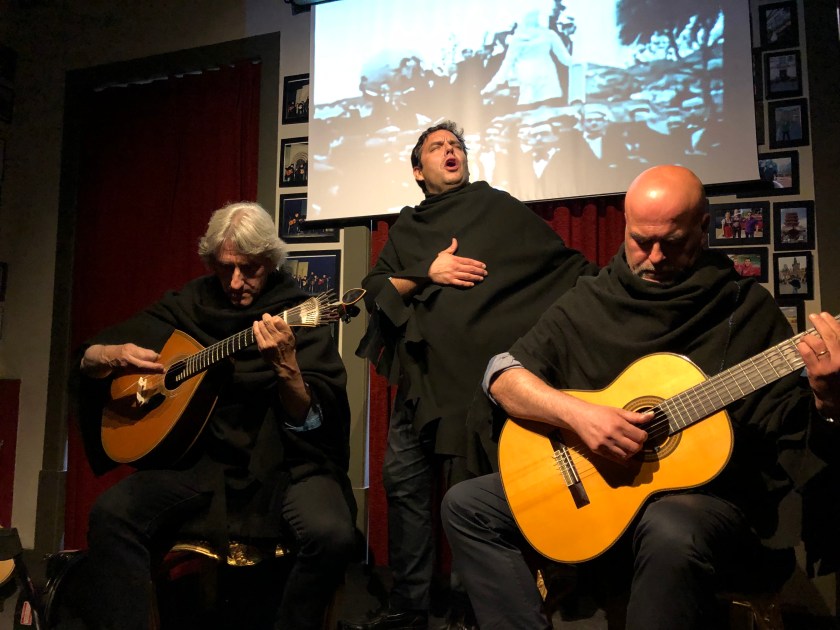
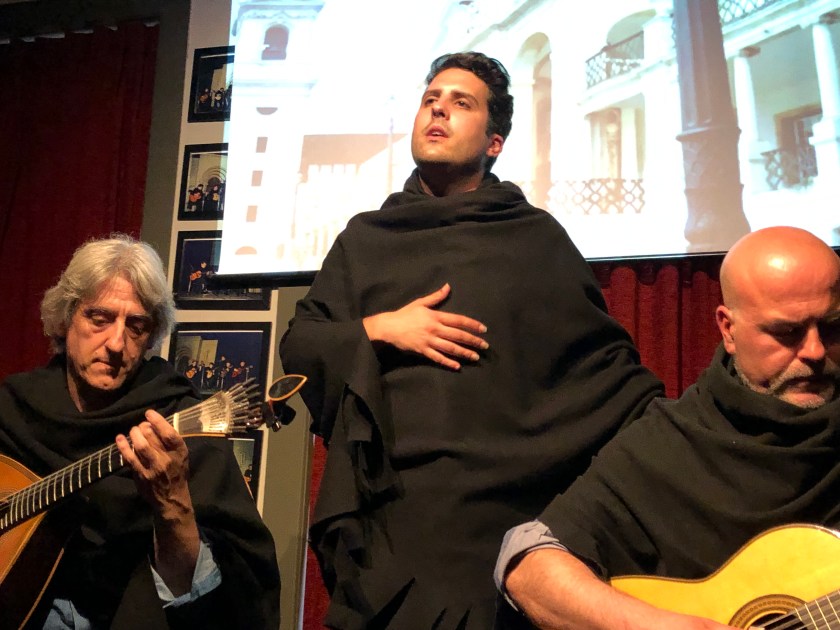
The fado in Coimbra, in contrast to that in Lisbon, is performed only by men who are present or past students at the university. This tradition dates back at least to the 19th century. The musicians use a Coimbra guitar ( sort of a hybrid of mandolin, guitar and sitar) and a traditional guitar. The songs deal with unrequited love or saudade (loosely translated as the presence of absence).

After the performance, there was a glass of tawny port to savor ( as well as the opportunity to purchase a CD!).

We skipped dinner as the lunch portions (and gelato) were substantial, opting to stroll over the Pedro and Inês pedestrian bridge. The promenade along the River was the perfect ending to the day!

Rainy days and Sundays

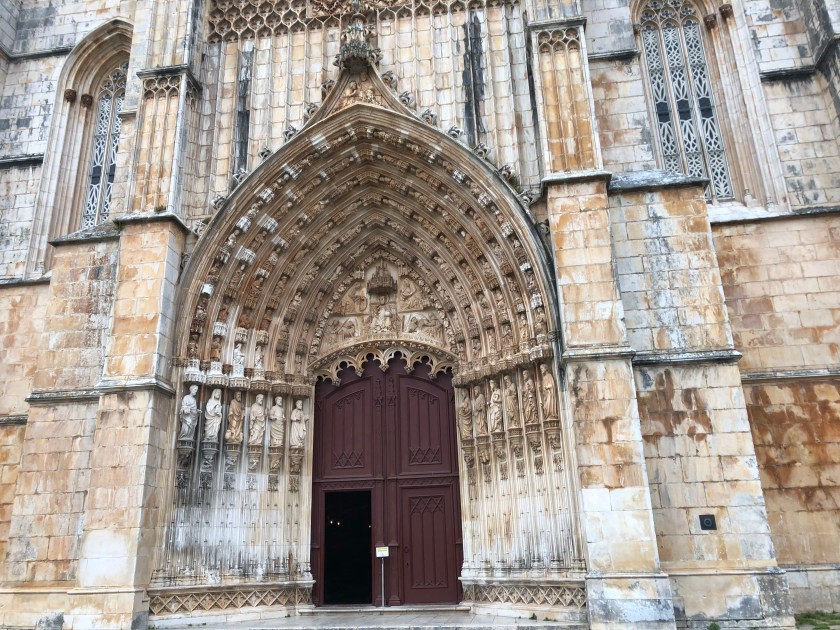
After ten days of almost perfect weather (sunny, temperatures in the low 70s/ low 20s Celsius), we were due for some precipitation. For most of the morning and early afternoon, this middle portion of Portugal experienced intermittent drizzle and light rain, although it wasn’t too uncomfortable because the temperatures held to the mid to upper 60s. We headed out from Óbidos at 8:30 am; destination Batalha Monastery. This imposing “flamboyant” Gothic structure was built in the 14th through 16th centuries to celebrate the victory of King João I for independence from the Castilian dynasty of Spain. The facade of the church epitomizes the flamboyant Gothic style with its pointed arches, intricate carvings and statues and gargoyles.

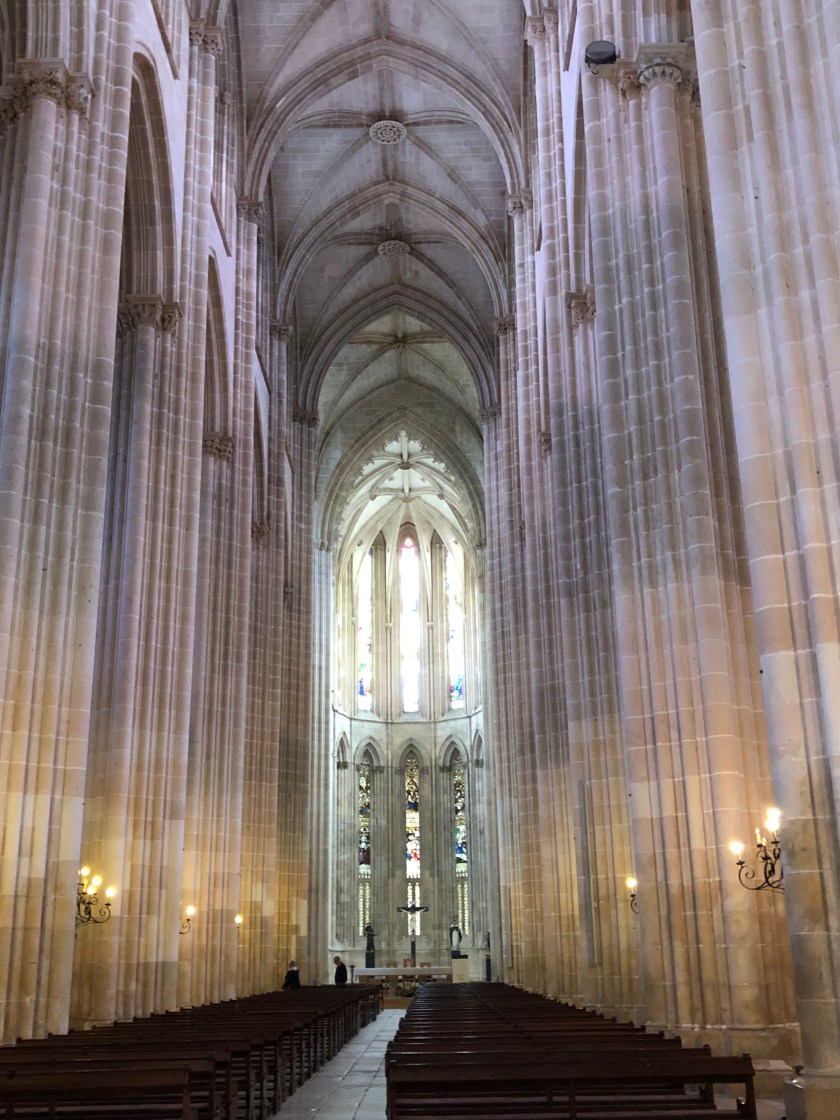
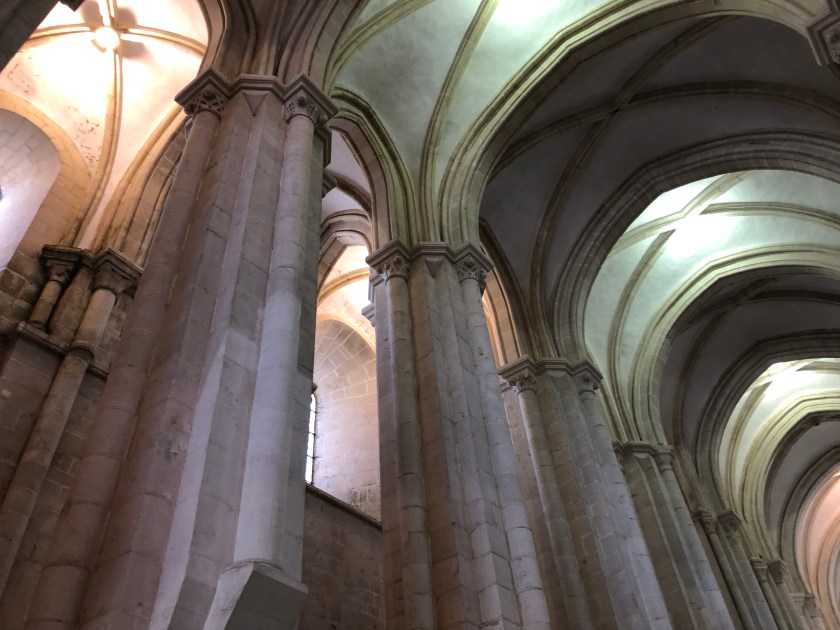
The church interior has a more Gothic feel, with closely placed pillars and arches that direct the eye to the altar.

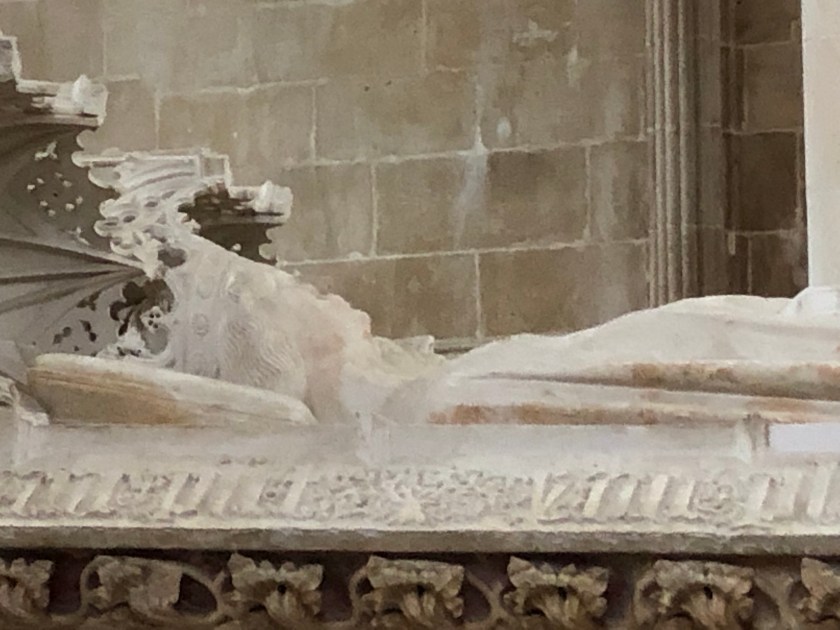
The Founders’ Chapel is a Parthenon with the tombs of King João I and his English wife, Philippa of Lancaster,

as well as those of their sons, including Henry the Navigator, the brains behind Portugal’s golden age of discovery.

We also learned about Portugal’s role in World War I in maintaining a 7-mile stretch of the Western Front, as we witnessed the changing of the guard at the Tomb of the Unknown Soldier.

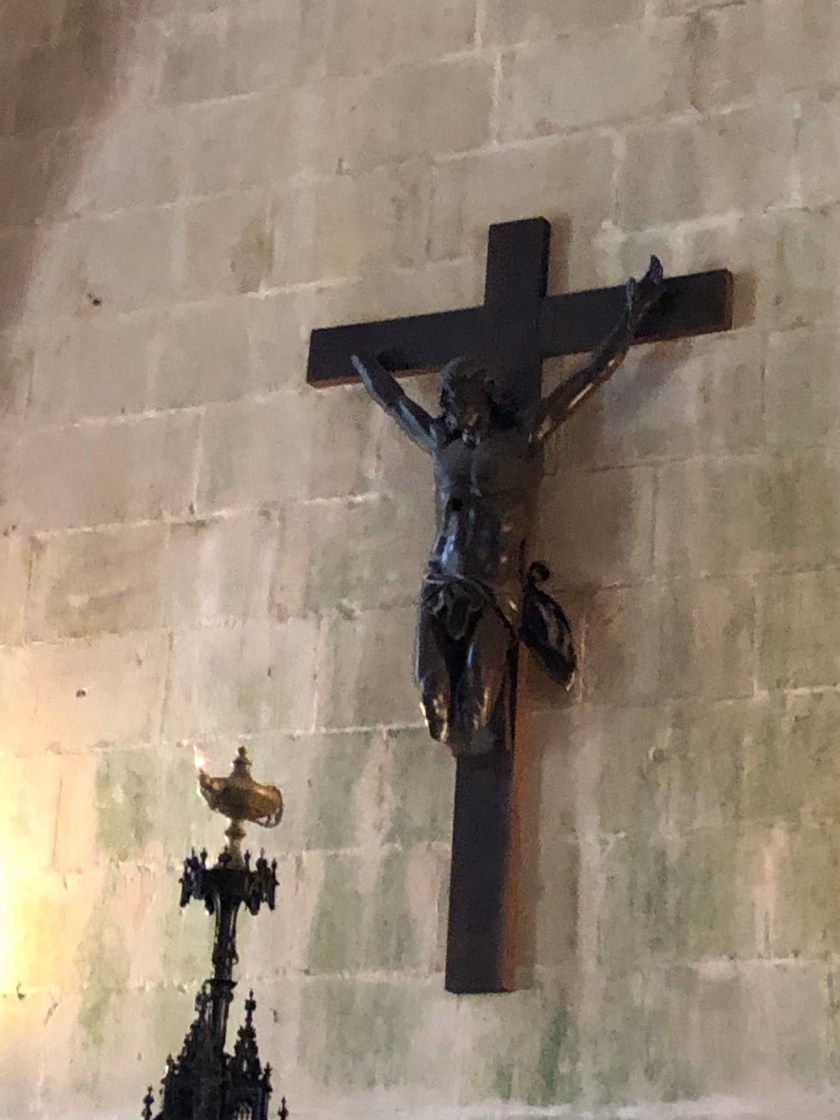
The tomb lies beneath a damaged crucifix that was rescued from the site of an important battle that involved the Portuguese army in WWI.

The drizzle persisted as we congregated outside the monastery and snacked on some “honey” cookies.

Our next destination was the Shrine of Fatima, one of the four most visited pilgrimage sites for Roman Catholics. It was at noon on May 13, 1917 that three peasant children saw an apparition of a “lady” while they were tending their sheep. For the next five months, on the 13th day, this “lady” appeared to them and spoke to the oldest girl. On October 13, over 70,000 people congregated at the site with these three children and witnessed the sun “dancing in the sky and then plunging to the earth”. When we arrived, there was an outdoor mass being celebrated in the main plaza. The crowd was diminished, likely due to the inclement weather. It was still inspiring to witness the faith of these pilgrims, some of whom proceeded through the main square on their knees while praying the rosary.

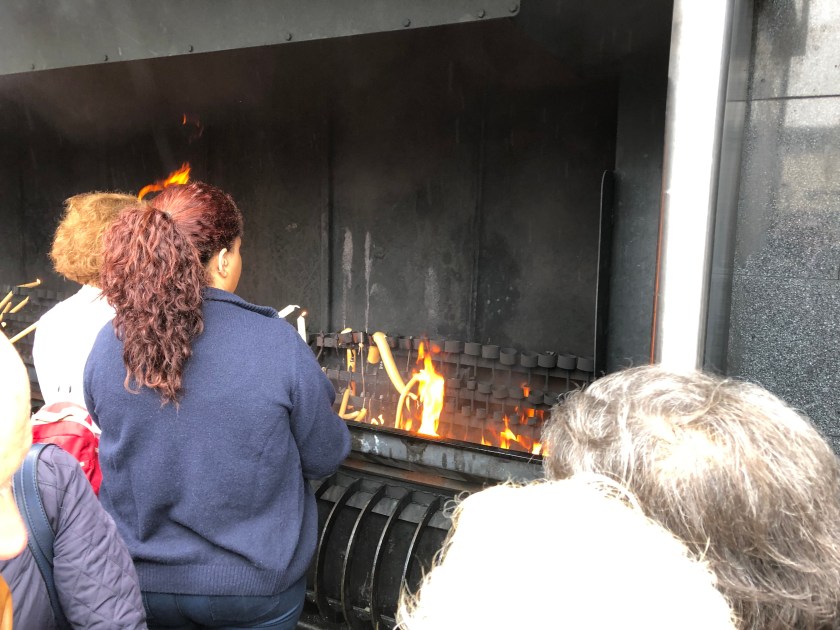
An area referred to as the “furnace” was the site where pilgrims lit candles or wax votives and prayed for divine intervention.

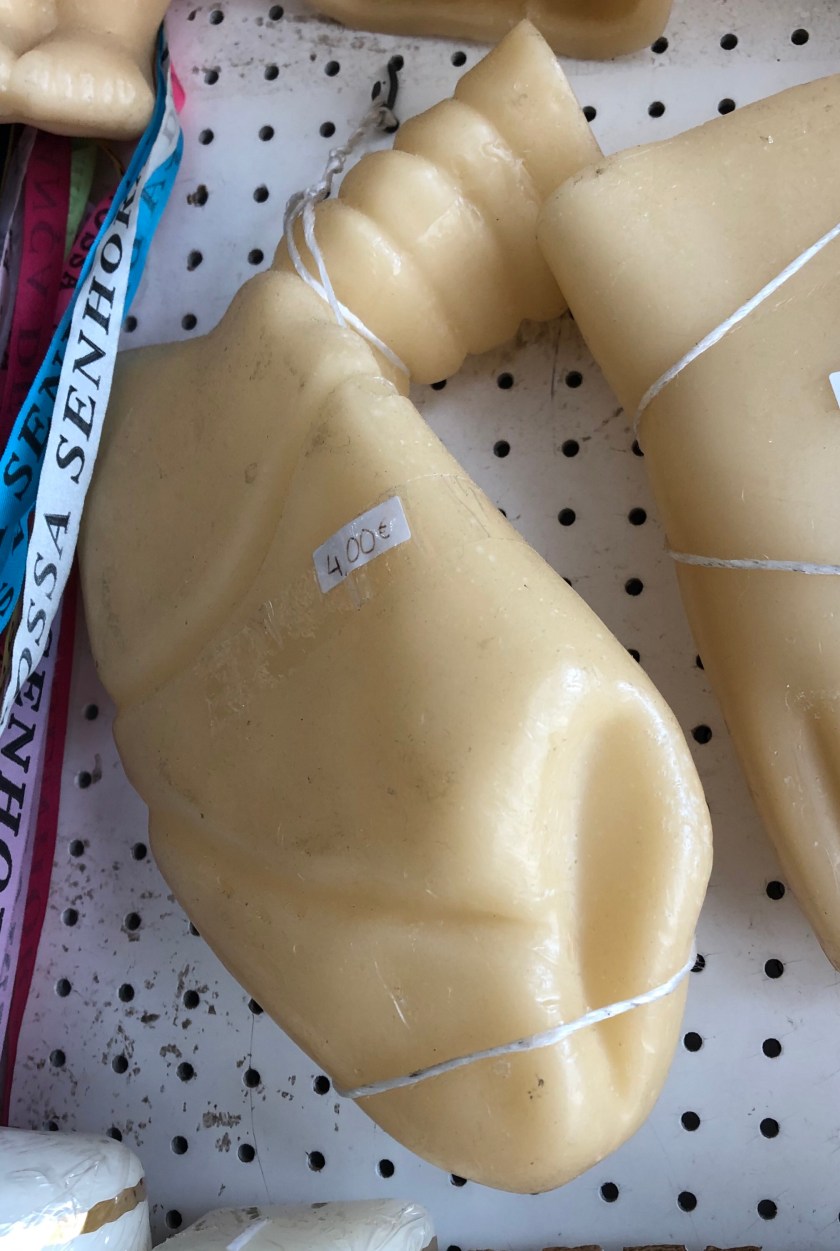
On the topic of votives, this is a uniquely Catholic tradition where an object represents a body part that needs to be healed or perhaps represents a situation that was resolved after the faithful person prayed to a saint or to God. This votive, which is usually made of a metal like tin, is left on an altar or pinned to a statue’s vestments. Here in Fátima, these votives are made of wax and are lit at the furnace and left to melt away. The variety of wax body parts is impressive and it almost became a game for me to identify the organs.

This sort of looks like a lung, probably the right lung, with three lobes.

I can see a uterus with ovaries and Fallopian tubes and part of the pancreas here.

How about intestine, breasts, heart, heads? One can use the imagination to speculate the different illnesses they could be used for.

Our final destination for the day was the university town of Coimbra. Before we boarded the bus, Rafael surprised us with a snack of ham and cheese pastry (like a hot pocket made of puff pastry) and a little meringue cookie. By the time we arrived in Coimbra, the rain had stopped for good. The hotel, the RiverSuites, located just on the other side of the bridge into the city, is quite unlike our other accommodations. It is similar to a Red Roof Inn (low end hotel), with tiny bathrooms (no tub), hard beds, and not much character. But it is clean and perfectly located and has a friendly staff. We took a short stroll into the center of town before our tour of the University.

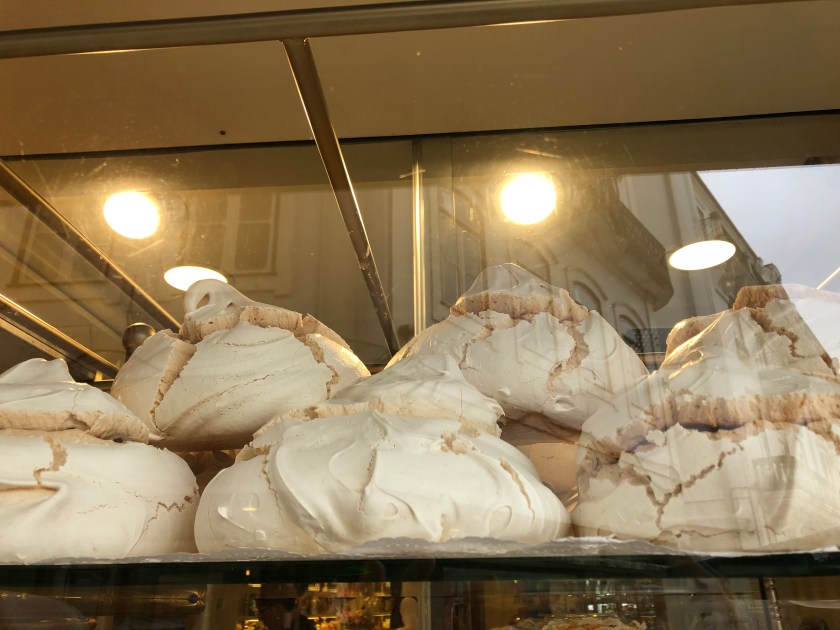
At first glance, there is a disproportionate number of pastry and ice cream shops, and the local specialty appears to be giant meringues!

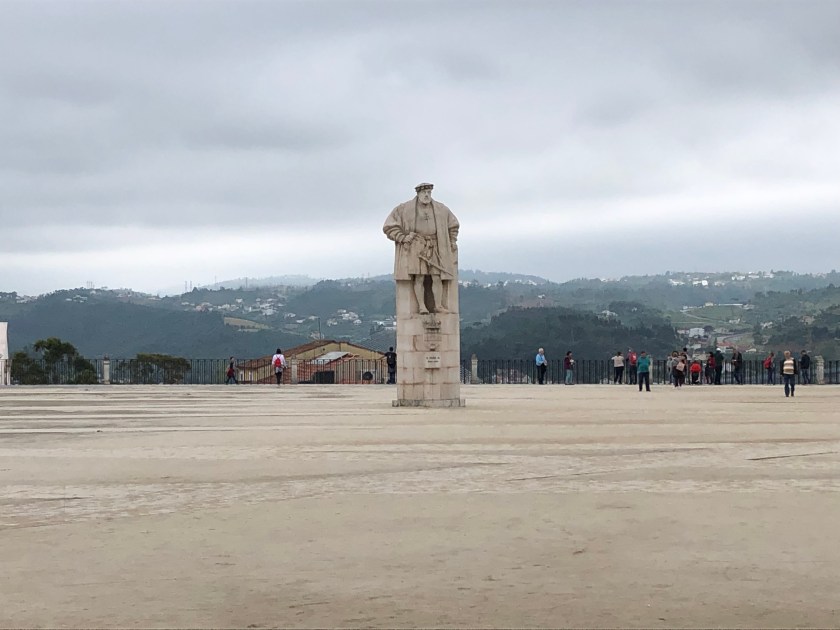
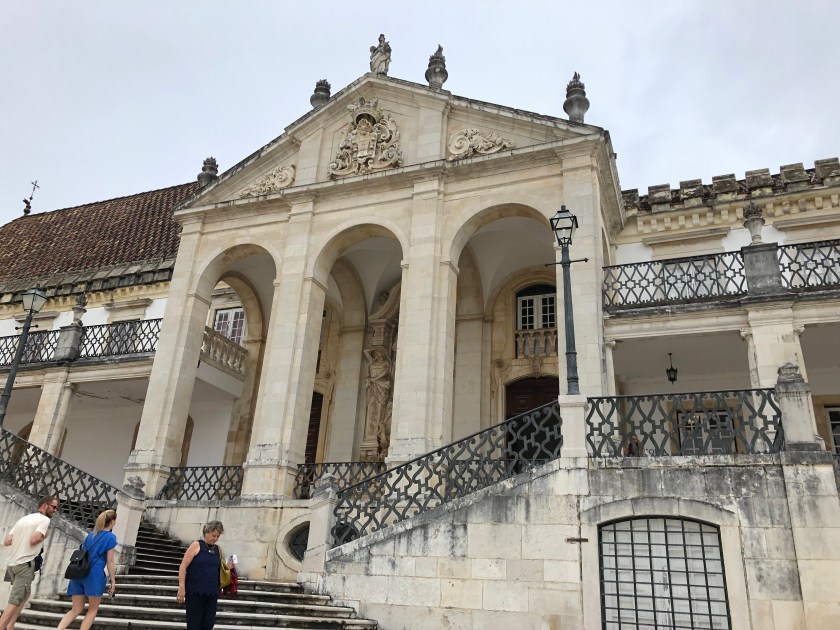
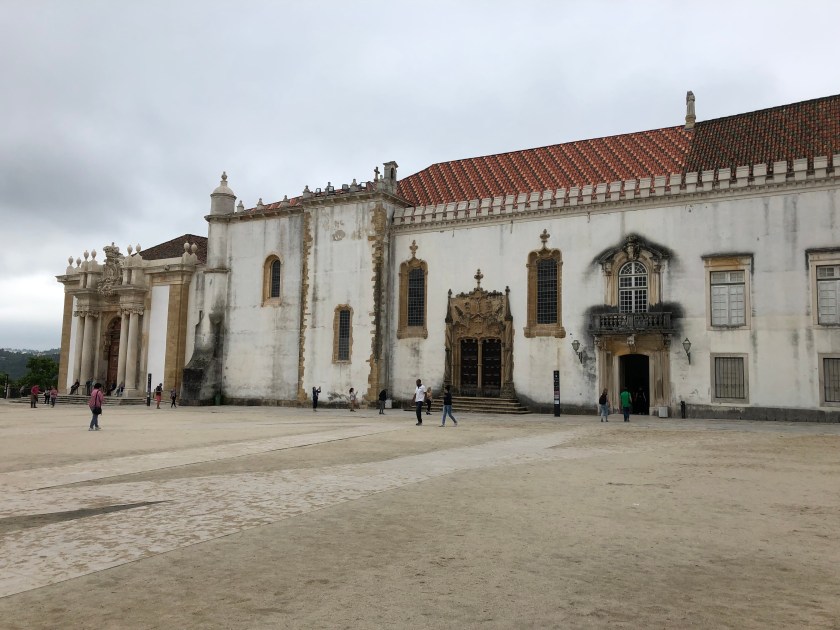
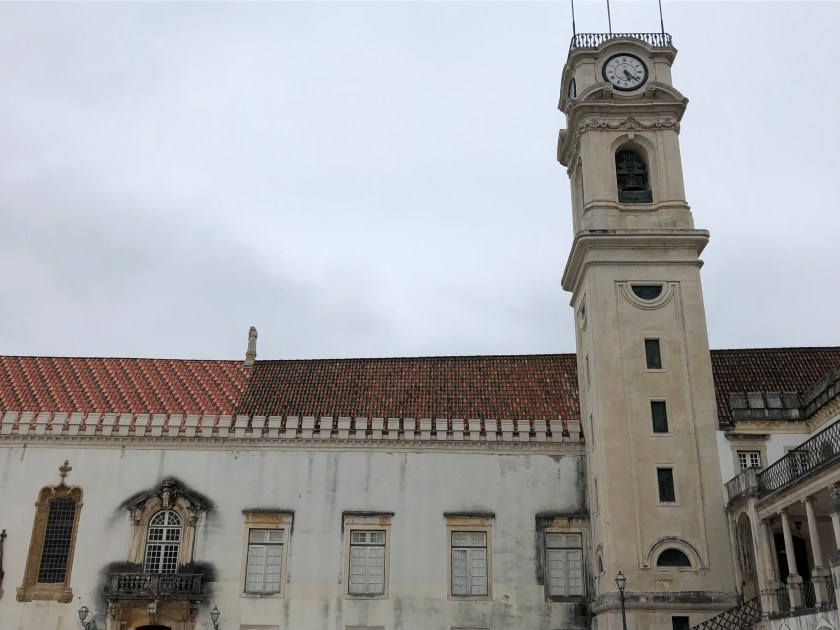
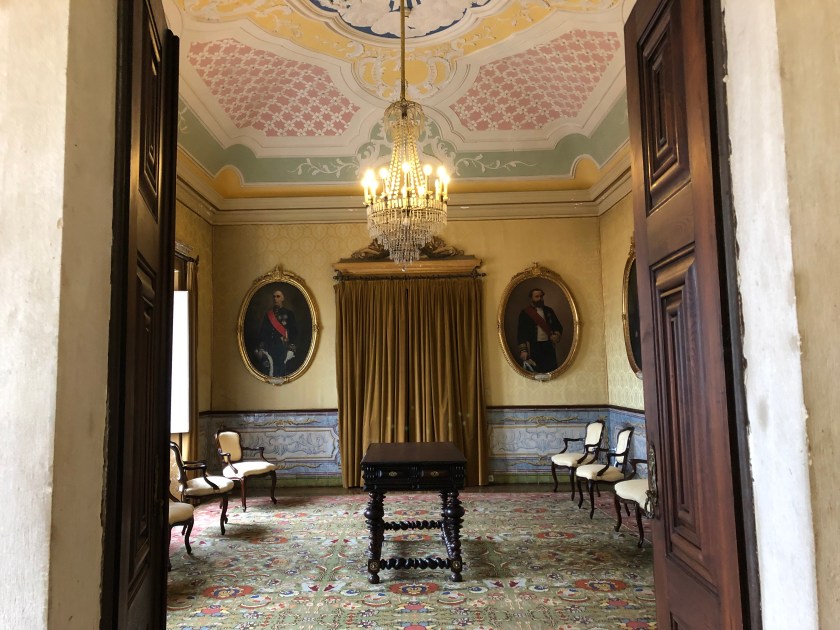
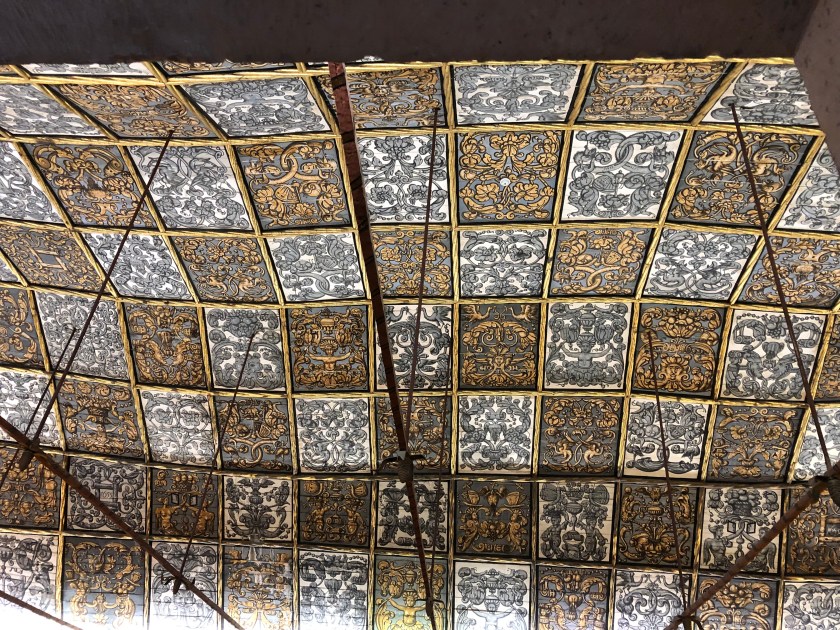
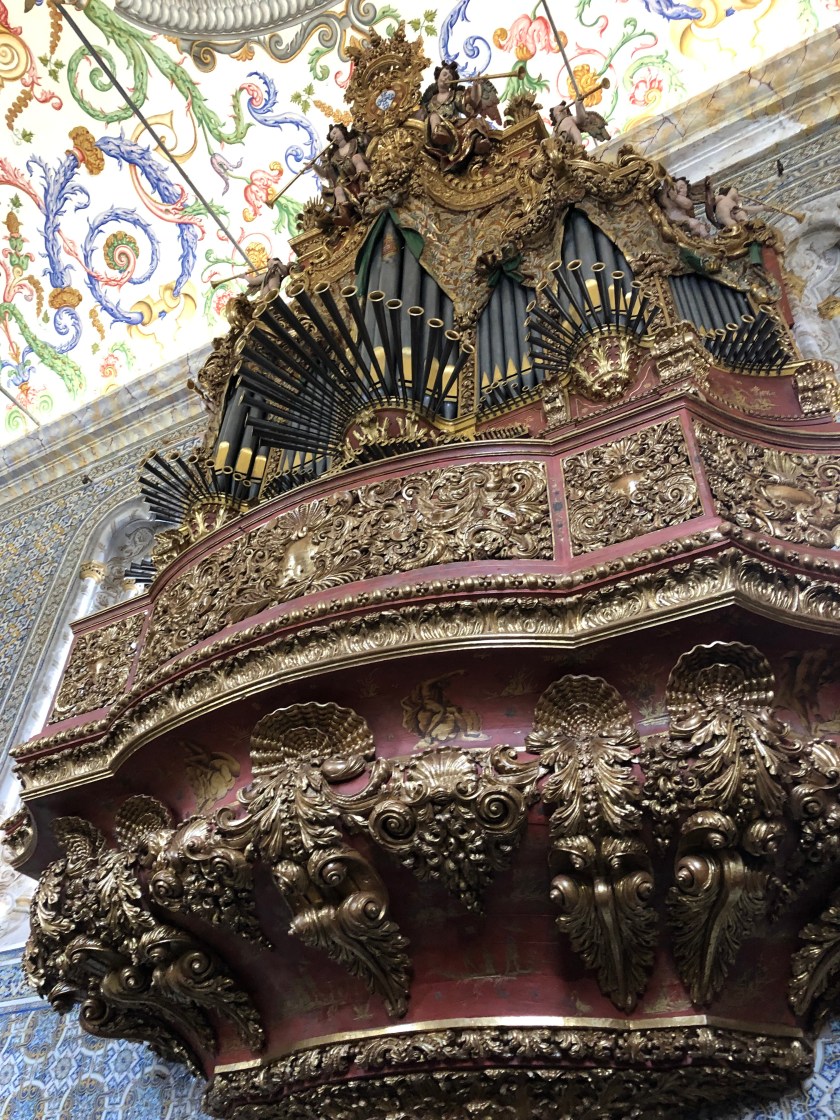
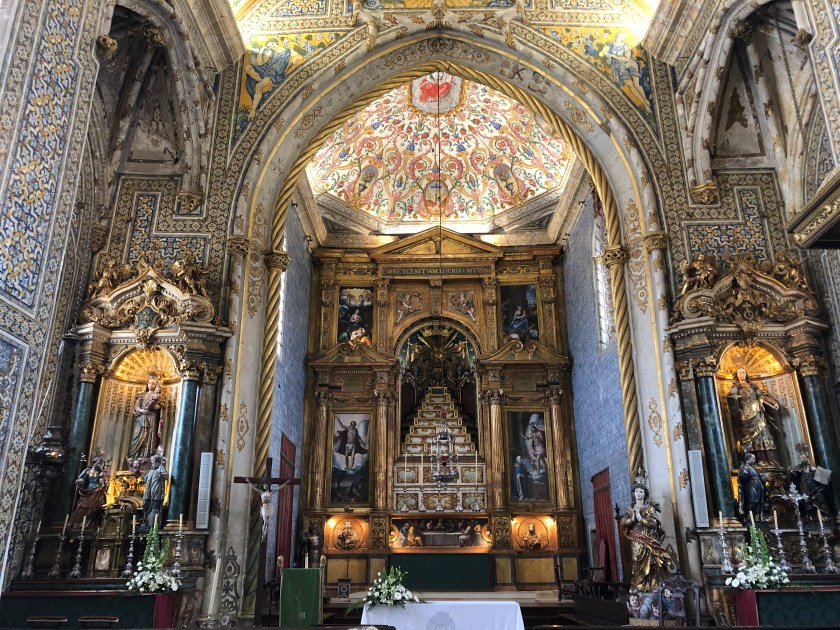
After a cursory bus “tour” around the city, we had a guided visit to the University, that was originally the quarters of the royal family. It has a classic old Ivy League feel, with its Manuelline architecture.

The visit included the queen’s quarters, the chapel and the library. Our day concluded with a group dinner where we feasted on suckling pig and grilled sea bass and unlimited wine!

12th Century Abbey to 21st Century Beaches

Today’s itinerary was a combination of serious and fun – the morning in Alcobaça visiting the monastery built by St. Bernard, a French monk and founder of the Cistercian Order, commissioned in 1147 by King Alfonso Henrique after the victory against the Moors, and the afternoon spent at the beach town of Nazaré.

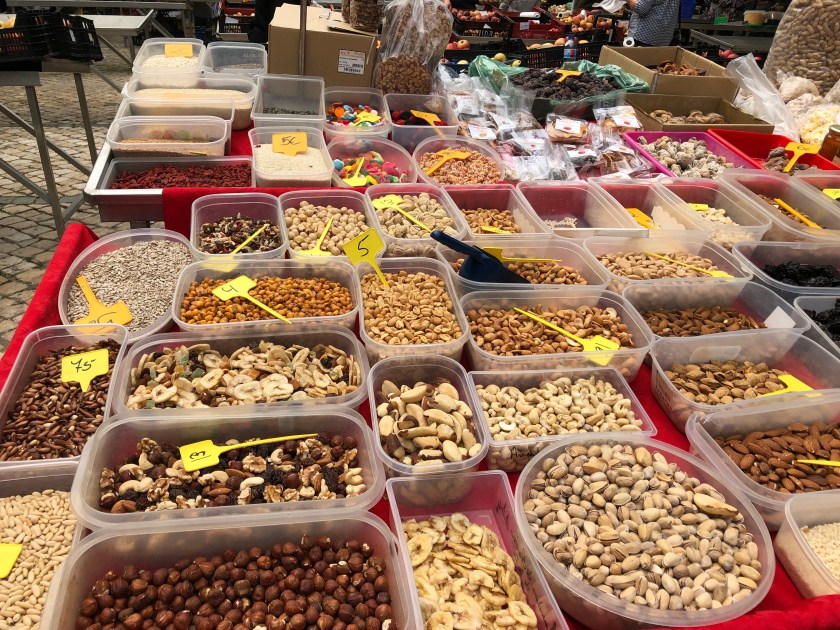
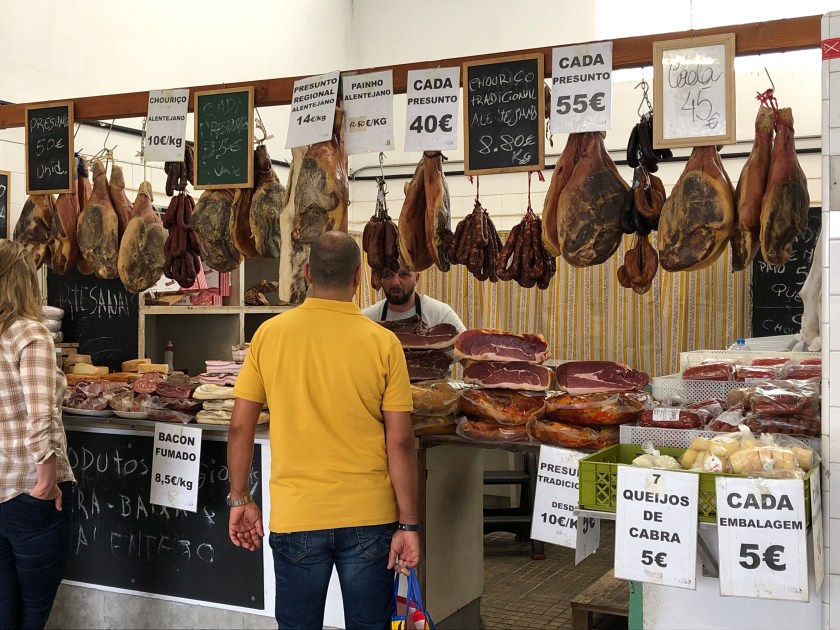
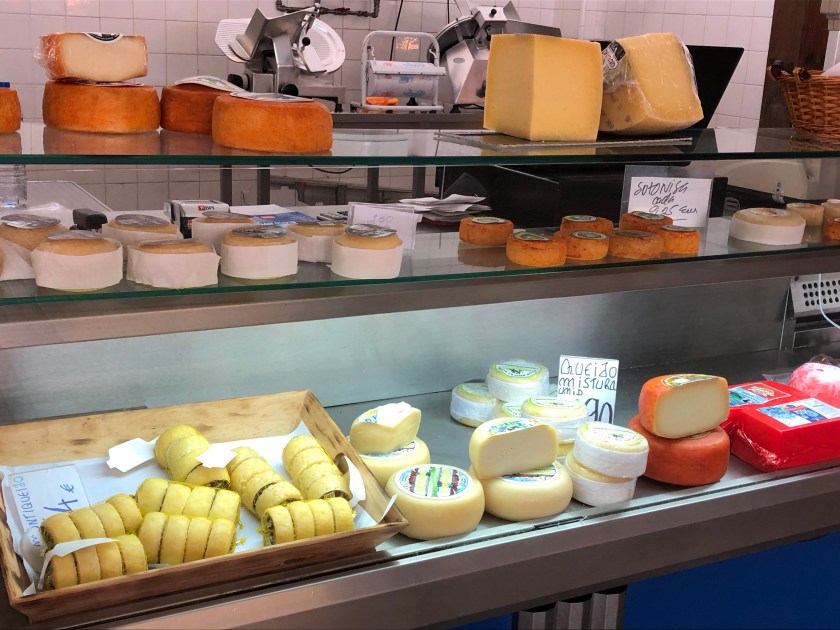
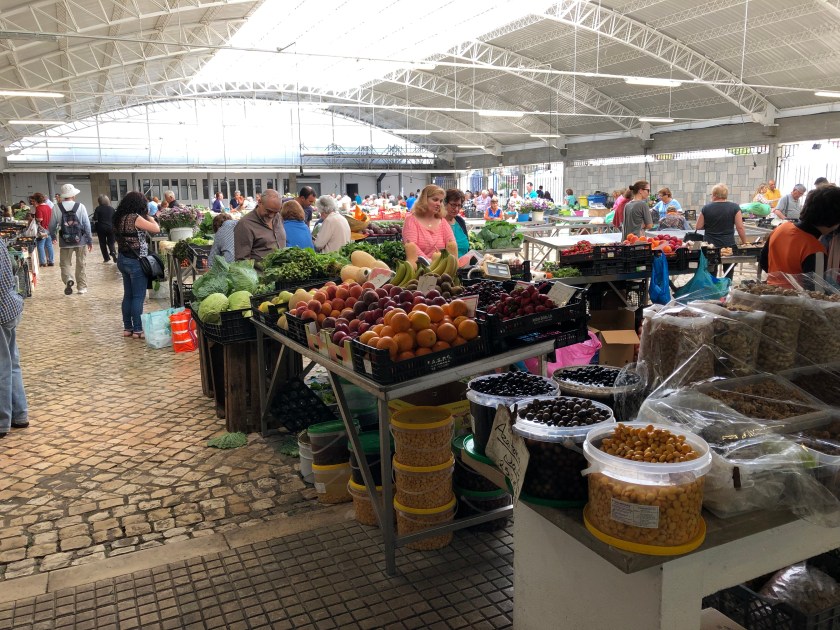
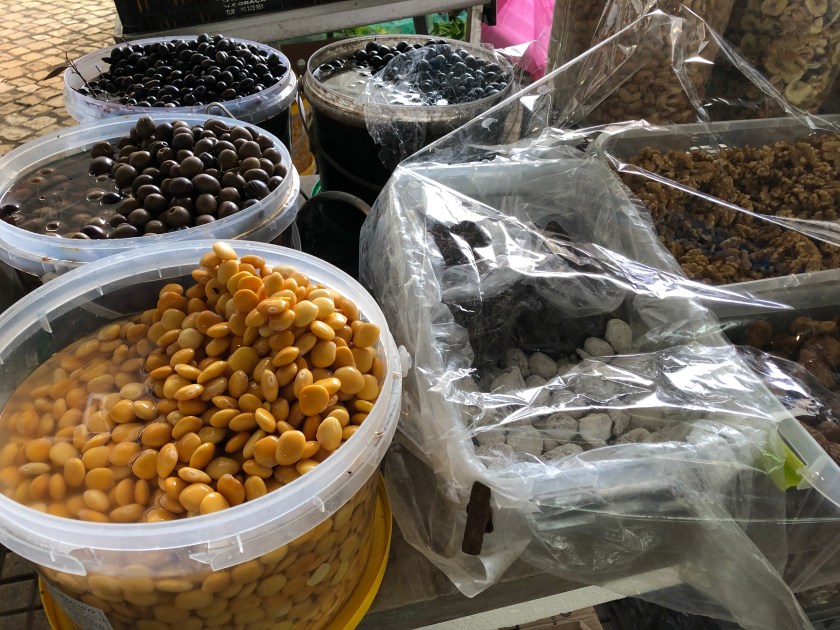
We arrived in Alcobaça shortly after 9a.m., before any of the other tour groups, and had the town and church Vittorio ourselves! This charming city of around 55,000 lies in the valley of the Alcoa and Baca Rivers, about 45 minute drive from Óbidos. There is a vibrant daily market near the center of town.
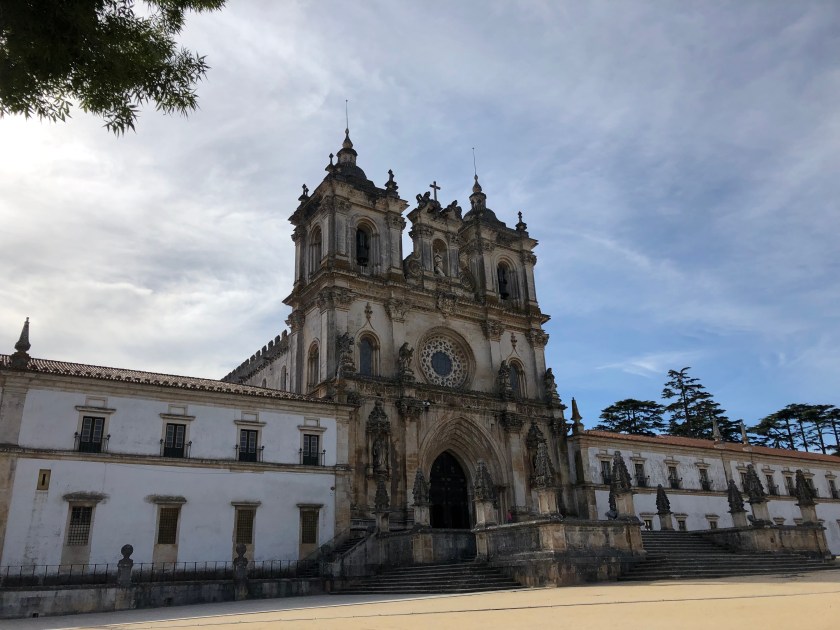
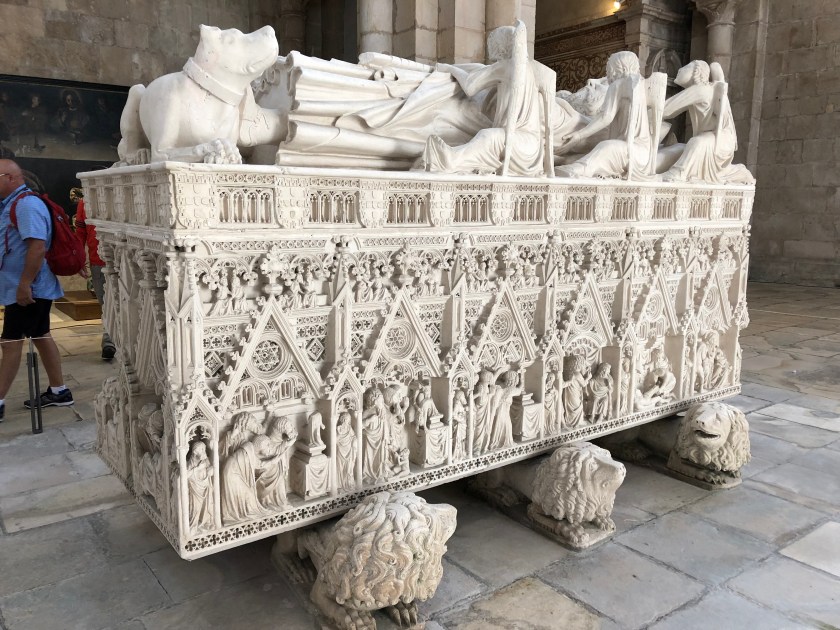
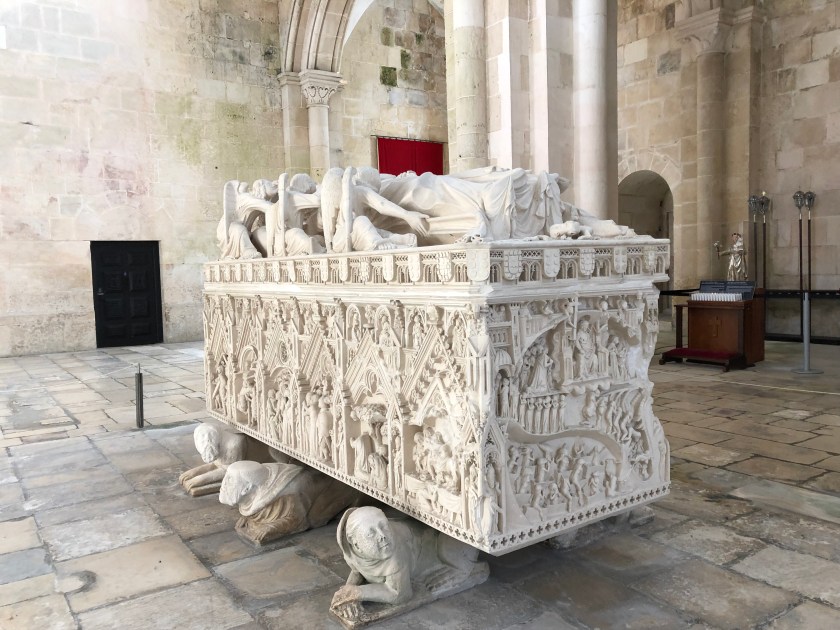
But the main attraction is the Abbey and Church. The gothic structure (despite the Baroque facade from the reconstruction after earthquake damage) was completed in the 13th century and is renowned for housing the tombs of King Pedro I and his murdered mistress- later wife Ines. Pedro’s first marriage was arranged to a noblewoman he did not love (Constanza), but instead he became enamored with one of her ladies-in-waiting. After Constanza died in childbirth, Pedro married Ines and they had three children together. Pedro’s father did not approve of the union and had her beheaded. Pedro, after his father’s death and his own ascension to the throne, had Ines’s body exhumed and the nobility were required to bow before their dead and decaying queen.
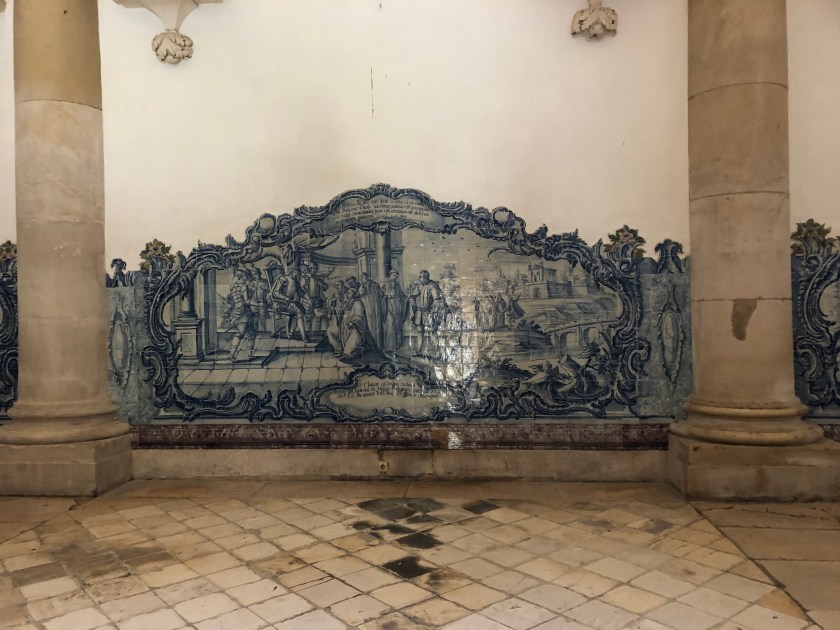
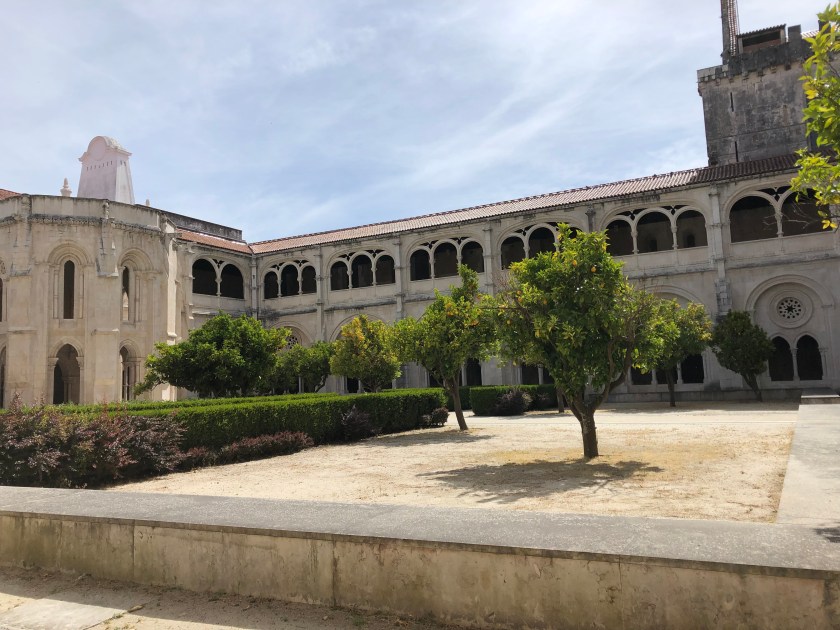
We also visited the cloisters, home to the Cistercian Order which was integral in bringing a market economy to the region and in producing the first authoritative history of Portugal.

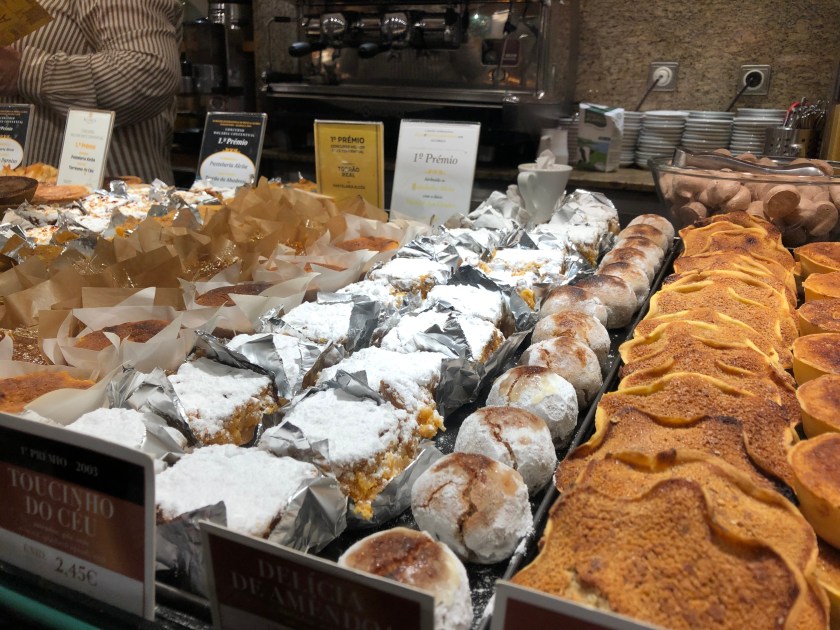
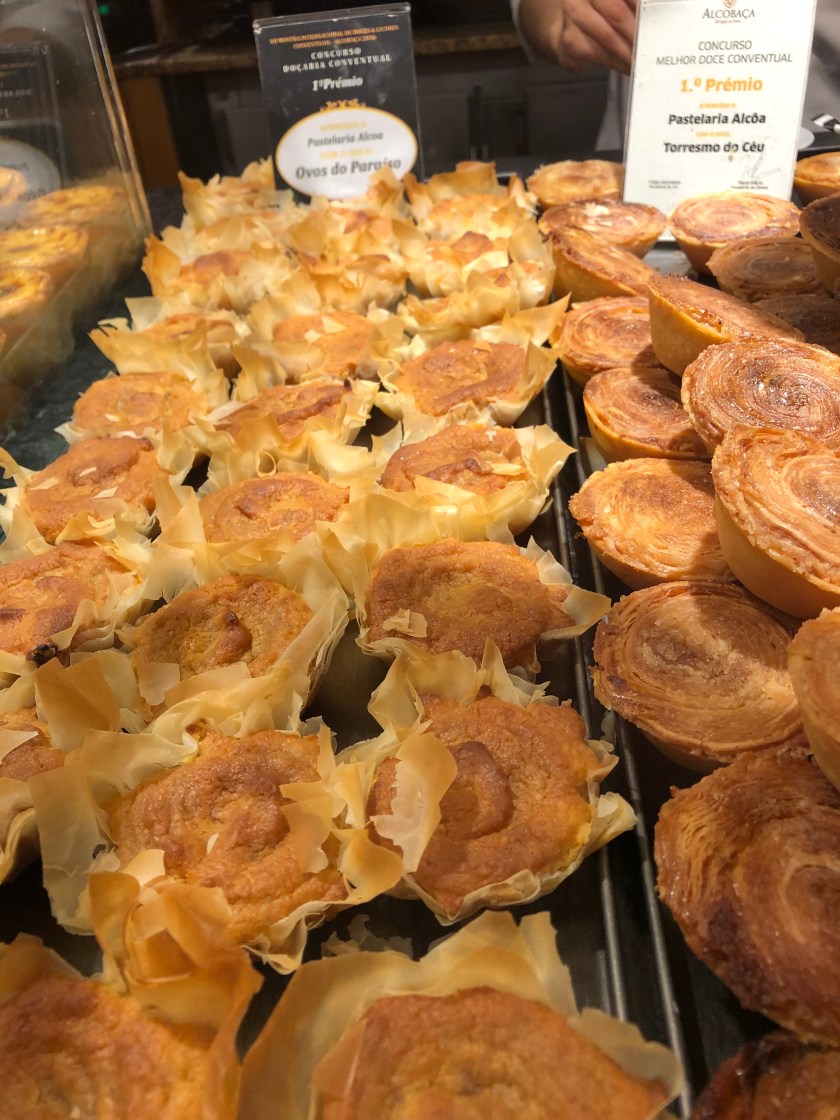
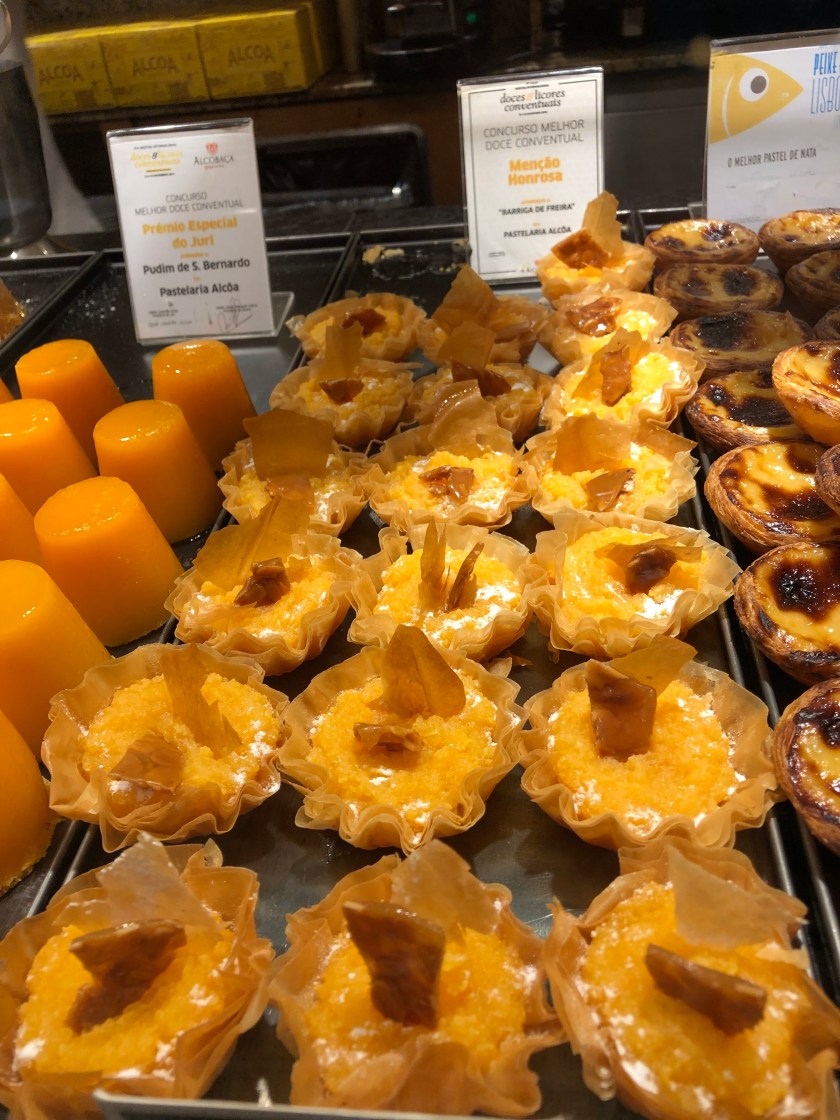
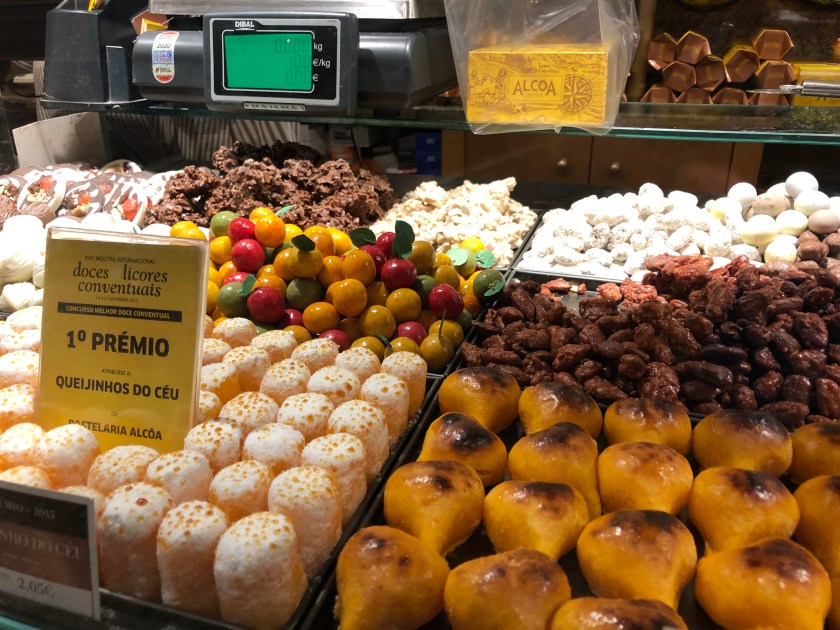
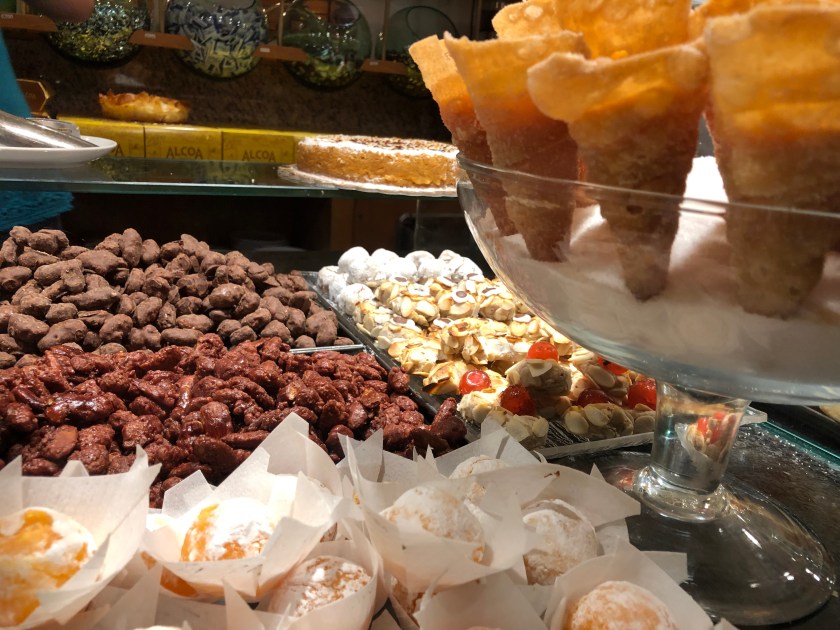
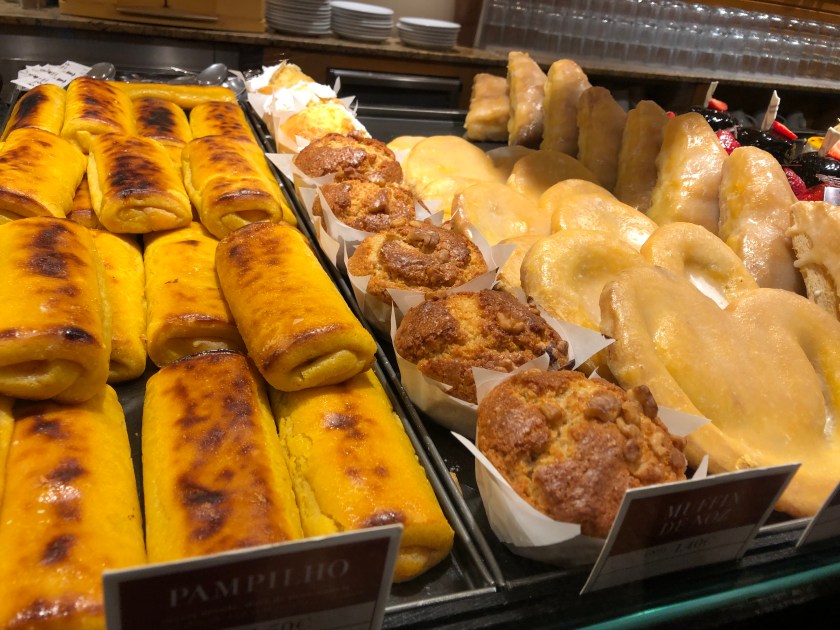
We then had about an hour of free time to explore. We opted to sample the traditional pastries at the Alcoa pastry shop which has won many prizes for their delectable treats.

There were also many shops and, of course, the market to visit and there was not enough time to really experience this charming city.
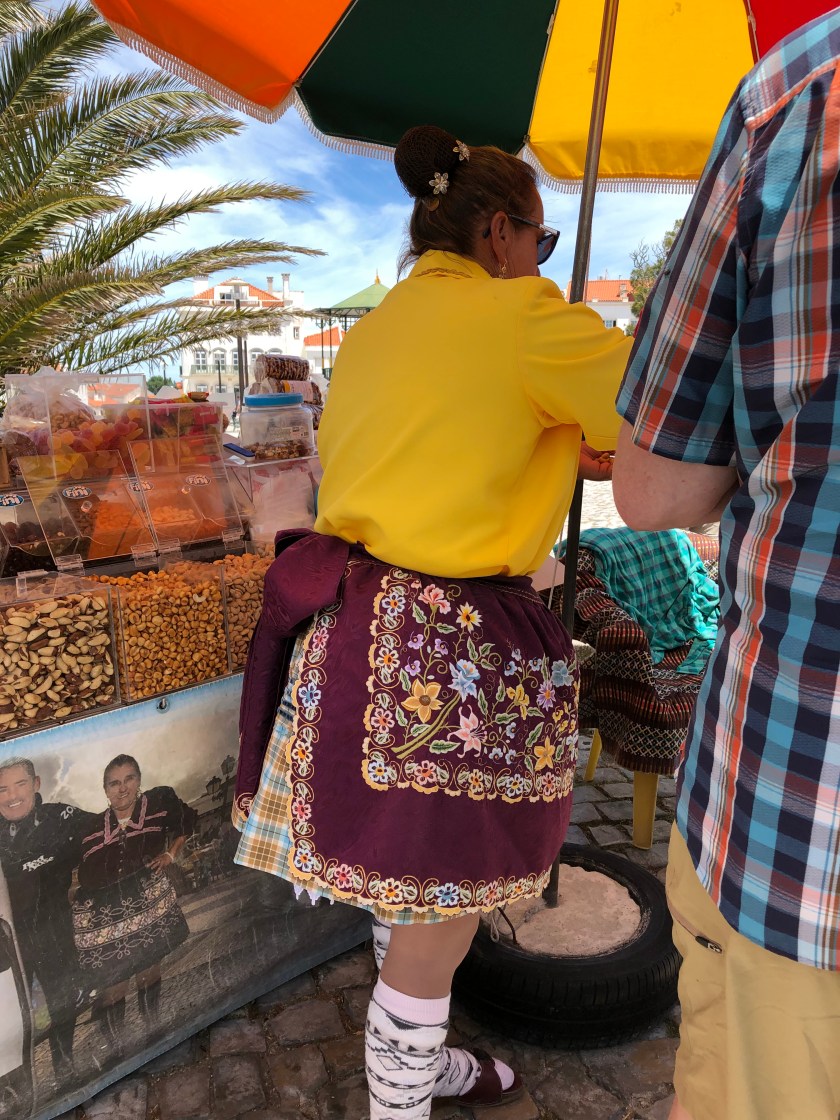
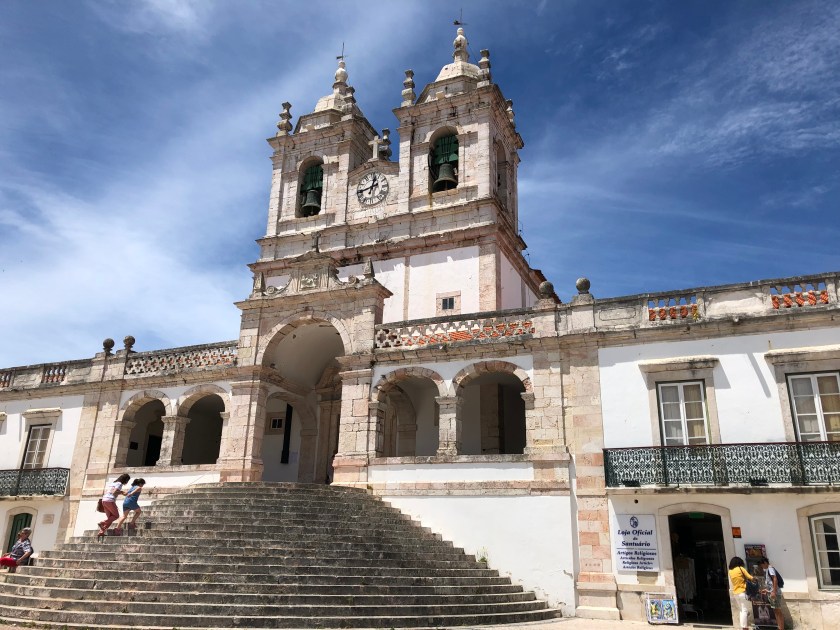
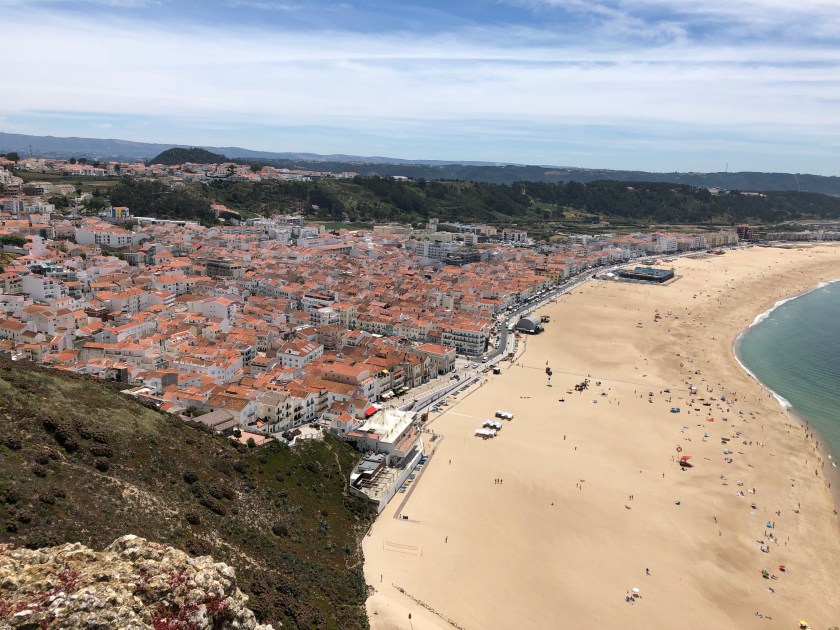
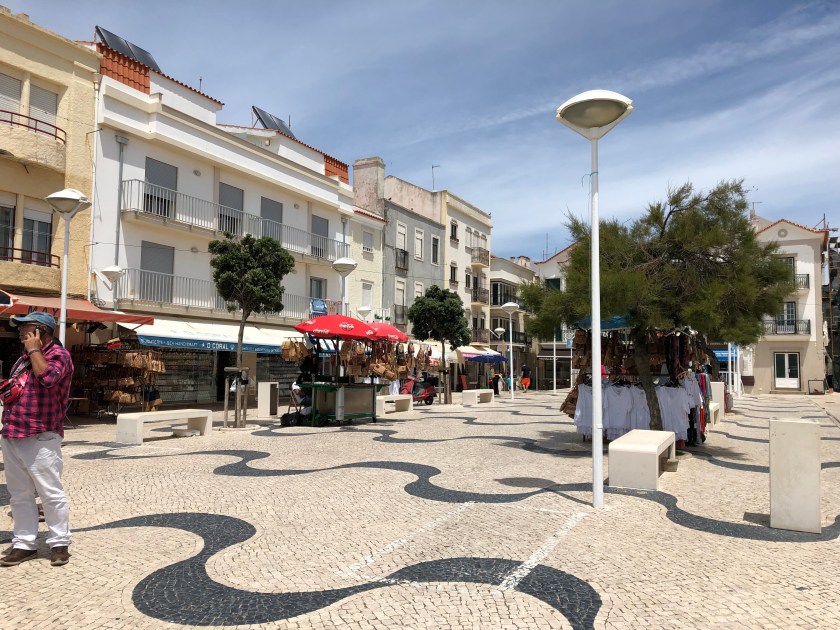
Next, a 15 minute drive took us to the Atlantic coast village of Nazaré. Traditionally a fishing village, it has been essentially transformed into a summer beach resort and, in the winter, a surfing Mecca with the world’s highest recorded waves (90 feet high). We first went to the upper village that overlooks the beach. There is a busy main square with many vendors and a great overlook.

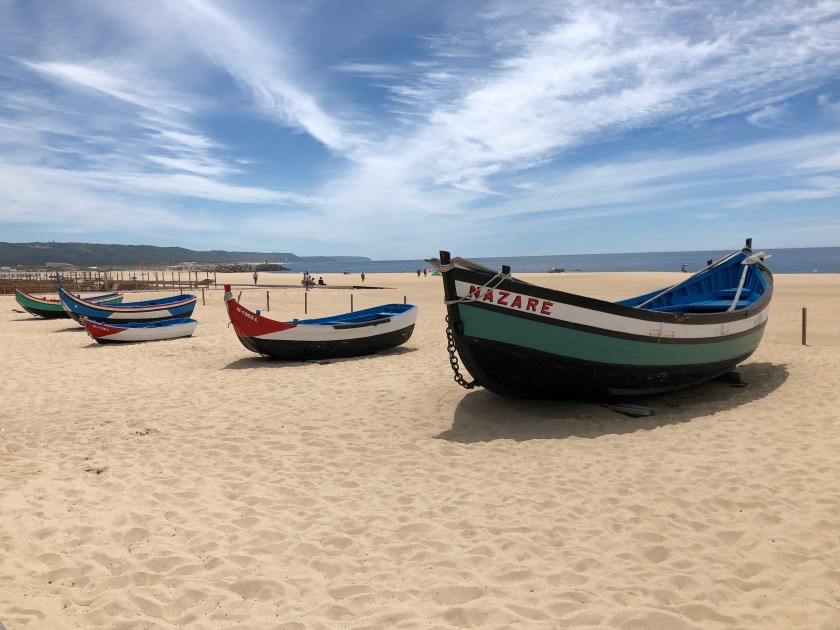
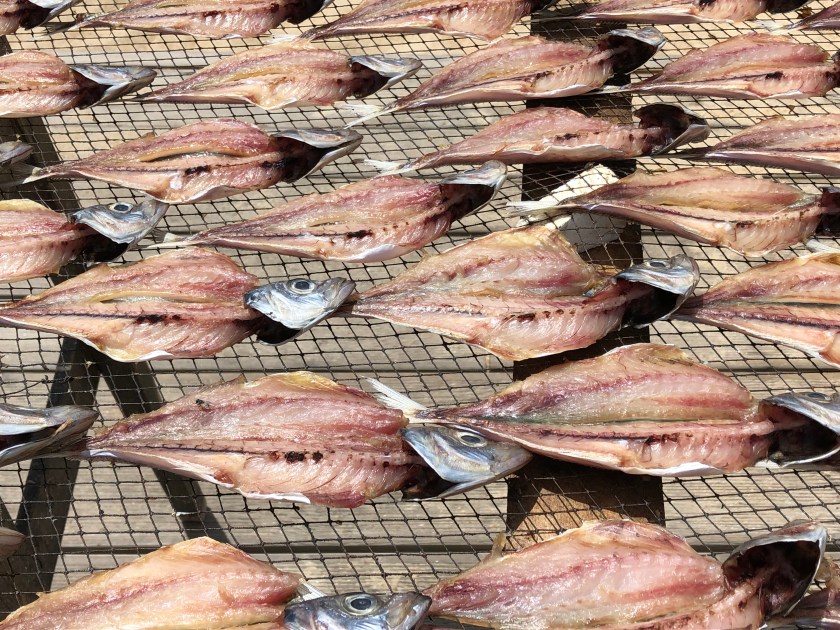
A funicular connects the upper and lower parts of the town. The lower town resembles any other beach resort, with multitudes of souvenir shops, restaurants and lots of tourists. There is a long promenade, along which there is a display of several typical fishing boats ( which no longer are pulled up onto the sand but now enter the new harbor) and a display of the art of drying fish.

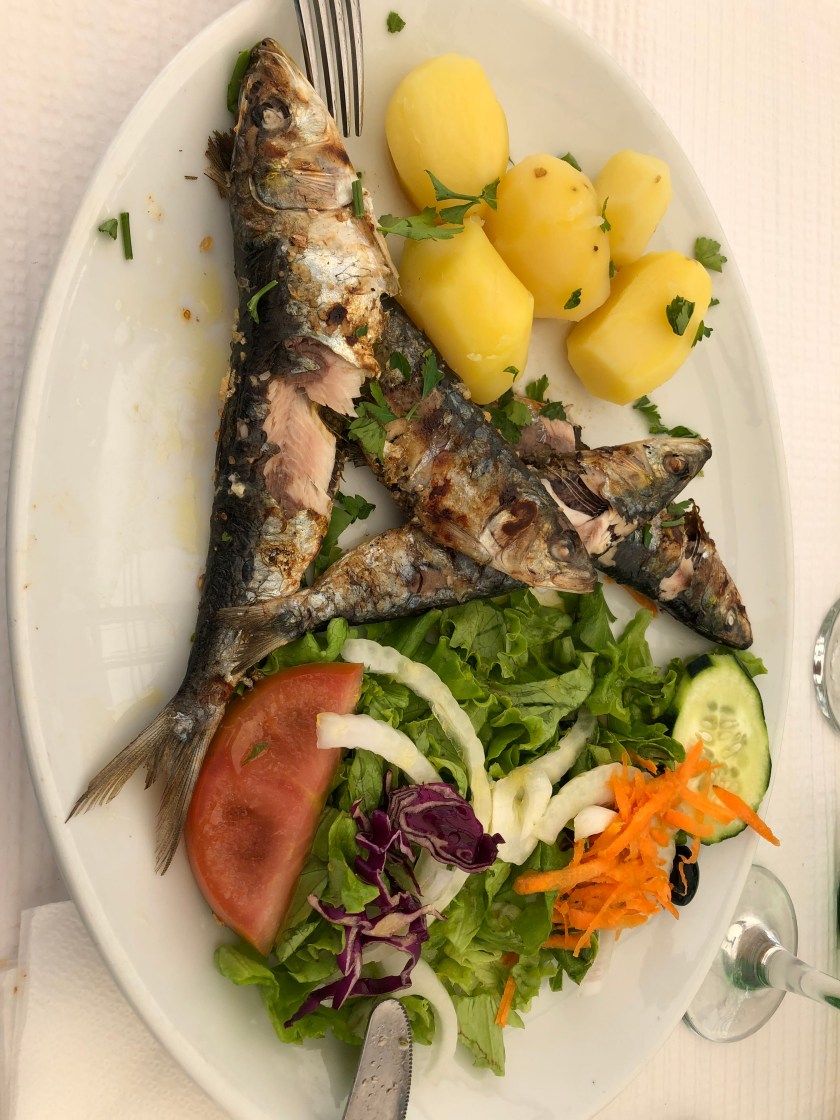
Seafood is the thing to eat in this town and we obliged with the Fisherman’s stew and grilled sardines.

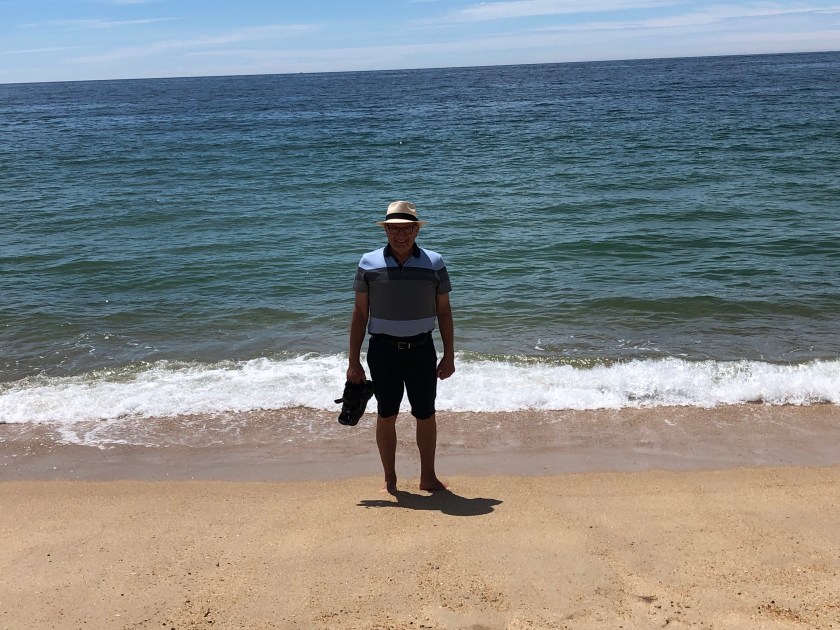
Of course, dipping your toes in the Atlantic is a must!

We even had the opportunity to sample goose barnacles. They have a slightly salty taste and rubbery consistency.

The day was capped by dinner at the hotel – a simple repast of traditional Portuguese food – kale soup, roast pork, kale with cornbread casserole and a selection of local cheeses, sausages and red wine.

Put a Cork In It

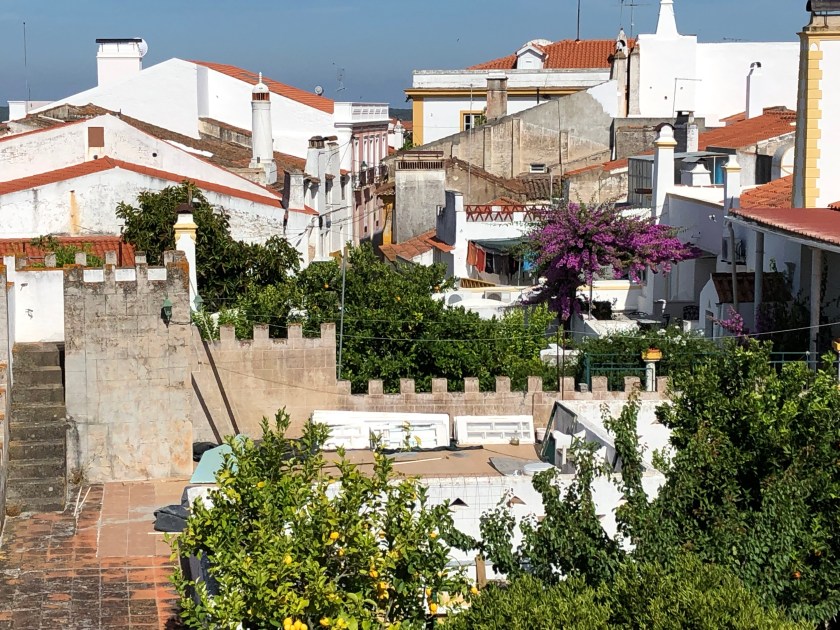
The morning g was sunny and crisp when we left Évora. After a one hour bus ride, we had a pit stop in Avis, fortified city in the Alentejo region of Portugal that was home to the Knights of the Order of Avis. This quaint whitewashed town of narrow streets was captured from the Moors in 1211 and remnants of the castle built several years later still remain. The view of the countryside from the ramparts was gorgeous.

In the main square, a probably homeless scraggly, but adorable, dog ingratiated himself to our group and even attempted to board our bus!

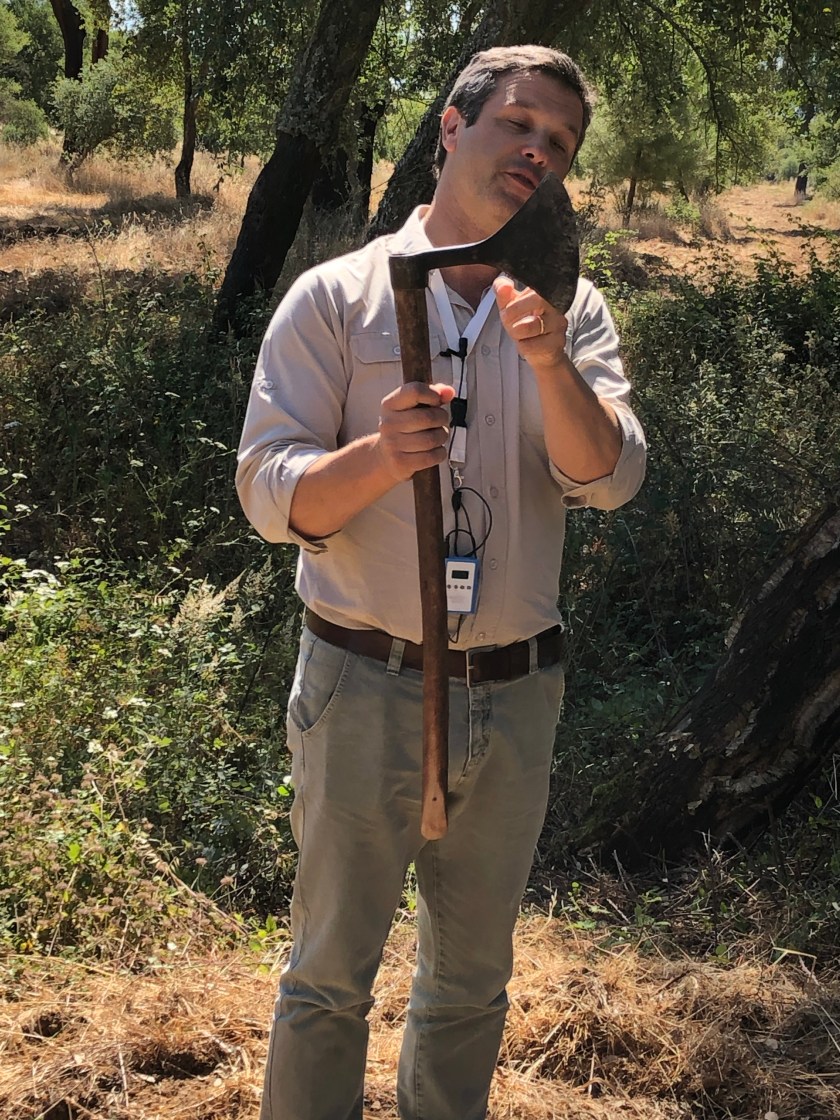
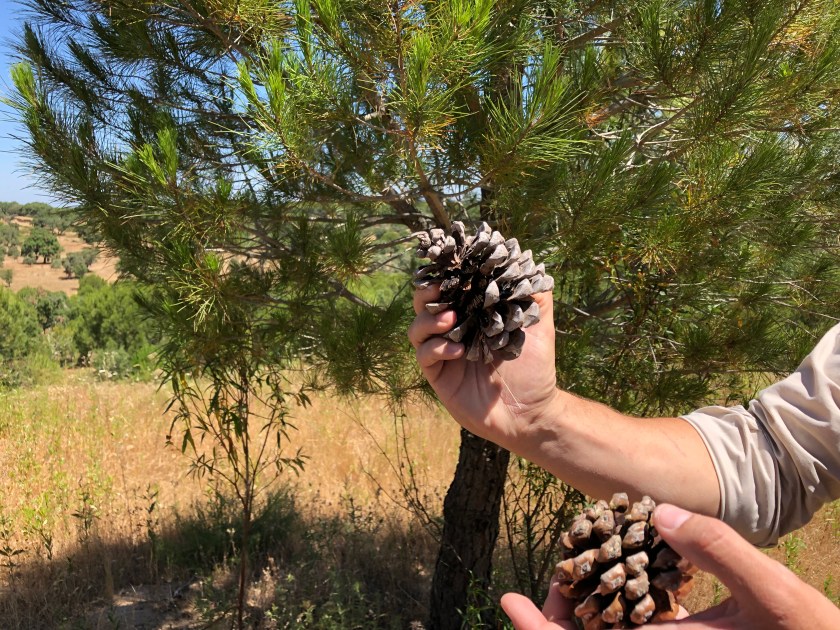
Another 30 minute ride took us to one of our main destinations of the day – a cork farm – where we were not only given a demonstration of how cork is harvested from the cork oak tree and a tour of the extensive cork forest, but we were also instructed on how this particular farm uses sustainable practices in not only the harvesting of the cork but also in how they maintain biodiversity by also integrating sustainable techniques in their vineyards, cattle raising, production of olive oil from their grove of olive trees, and harvest of pine nuts from their forests of umbrella pines.

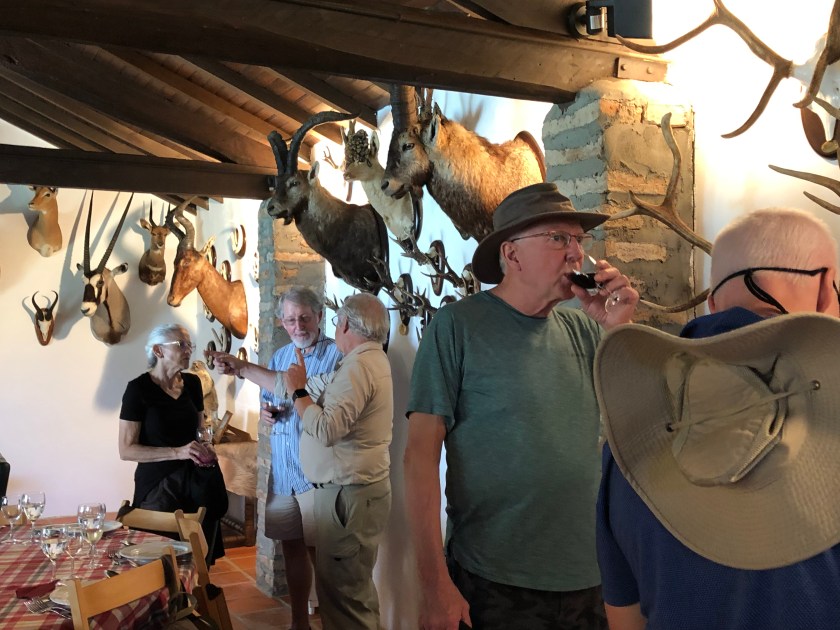
Managed hunting of deer and boar also takes place on the grounds. After the tour of the farm using a tractor-pulled wagon, we were treated to an olive oil tasting and a substantial lunch of chicken baked in a pastry pie crust, fresh cherry tomato salad, shredded carrot salad, lettuce salad, fresh pineapple, chocolate cake and a berry semifreddo. And of course we had unlimited red, white and rose wind from their vineyards.

We were seated at the same table as the matriarch (Teresa) of this family operation (Rovisco Garcia). Her family refers to her as the “General” and she certainly is an intimidating force!

We returned to the bus sated and ready for a post prandial snooze. The first half of the three hour bus ride to Óbidos was quiet!

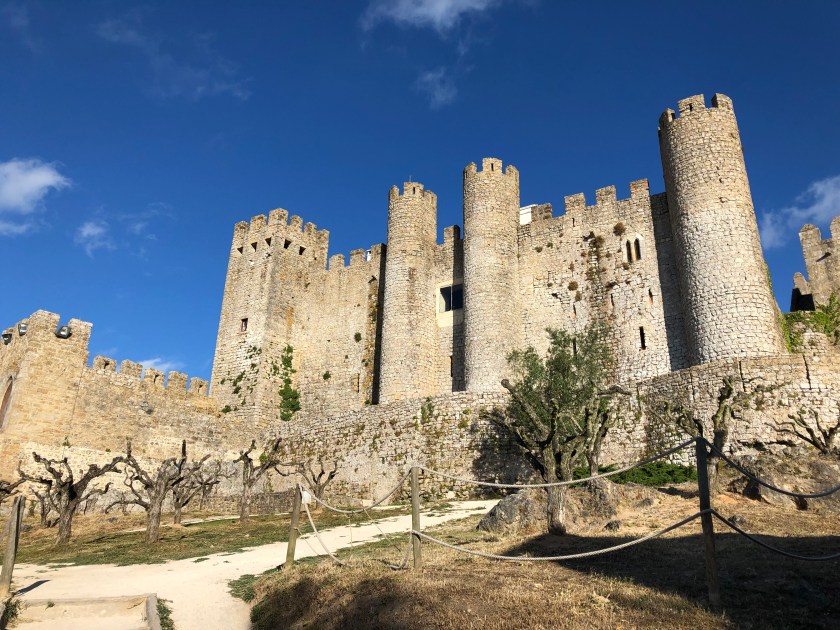
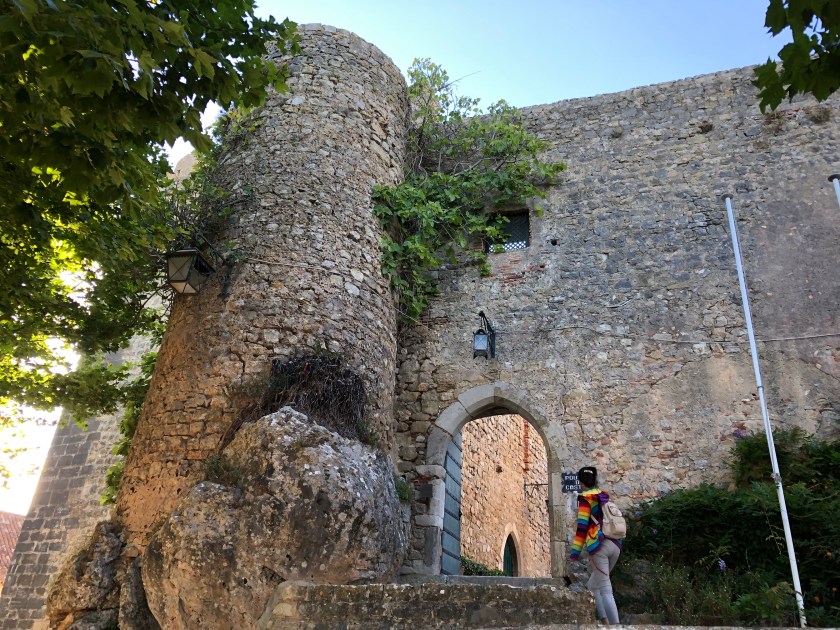
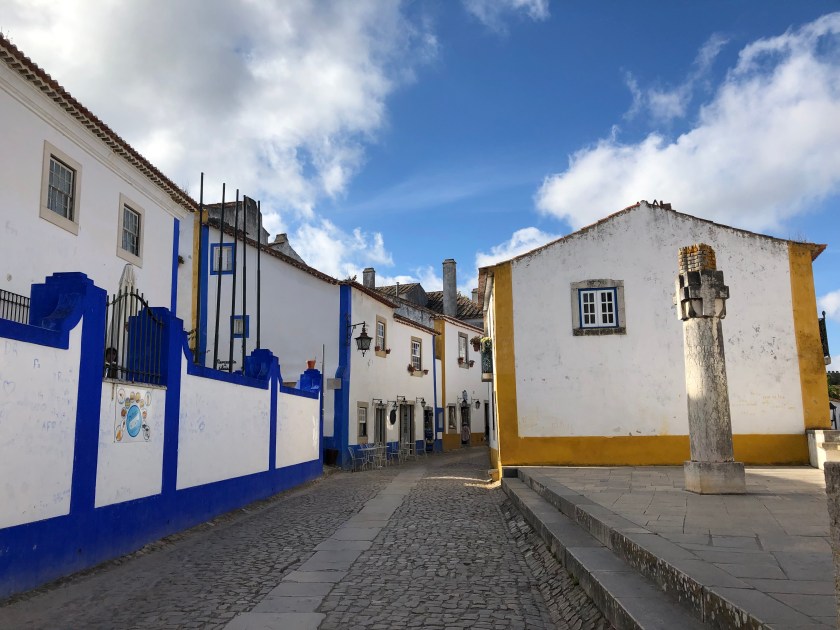
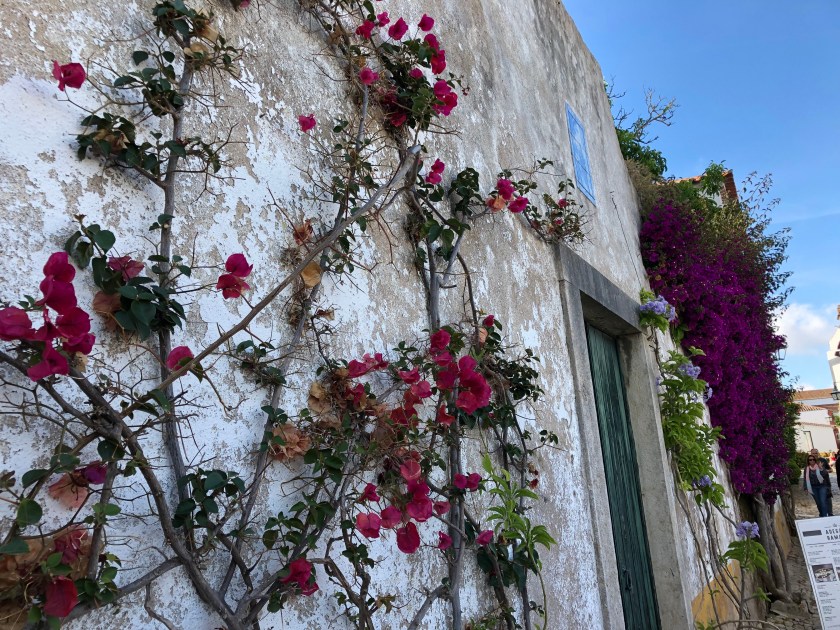
Óbidos was originally a Roman settlement located about one hour twenty minute drive north of Lisbon. Over the centuries this town was patronized by the queens of Portugal. The 1755 earthquake caused extensive damage to the town. The castle and surrounding walls were rebuilt in the 20th century during the period of dictatorship. The town, which has only about 500 residents within its walls, is now essentially a tourist town, with busloads arriving for a couple hour visit on the way to somewhere else. With its quain, fairy tale ambience, it is also the site of many weddings.

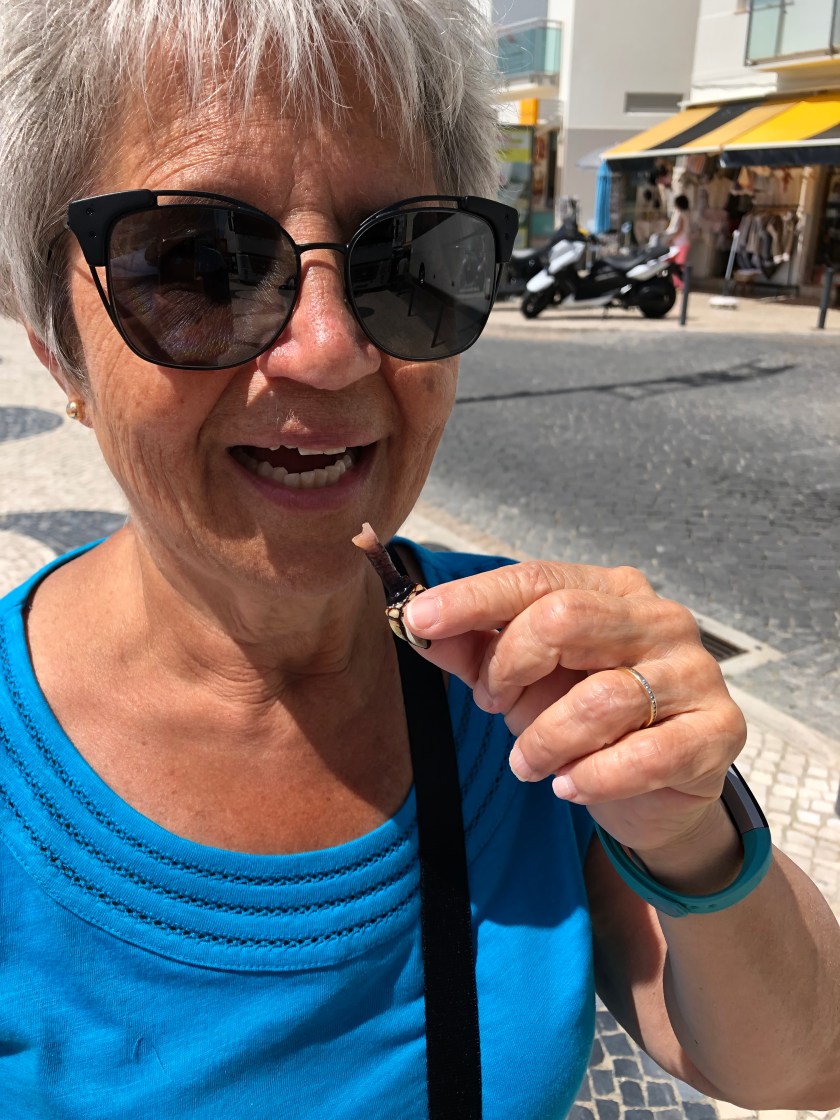
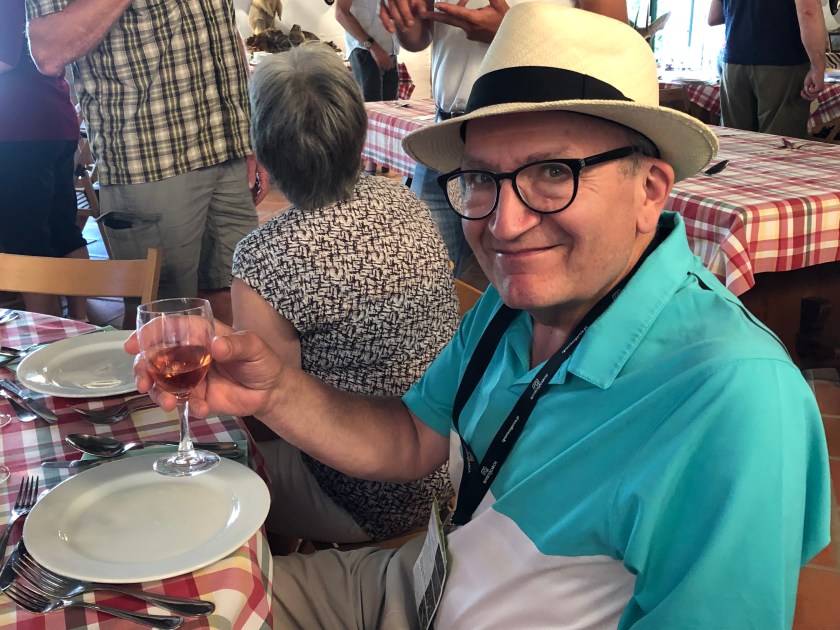
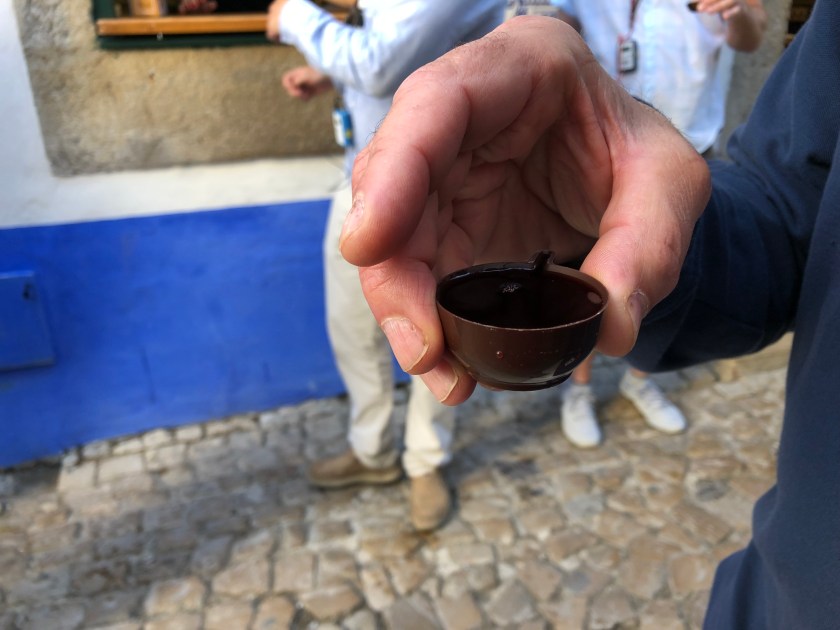
A special treat was the ginjinha served in little dark chocolate cups.

After a brief orientation walk, we were set free to explore, return to the hotel or find a place for dinner.

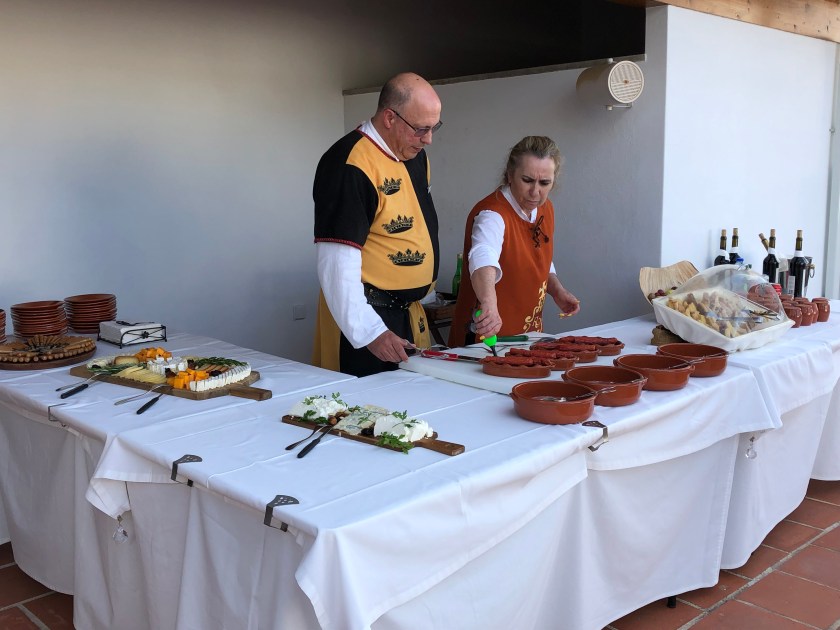
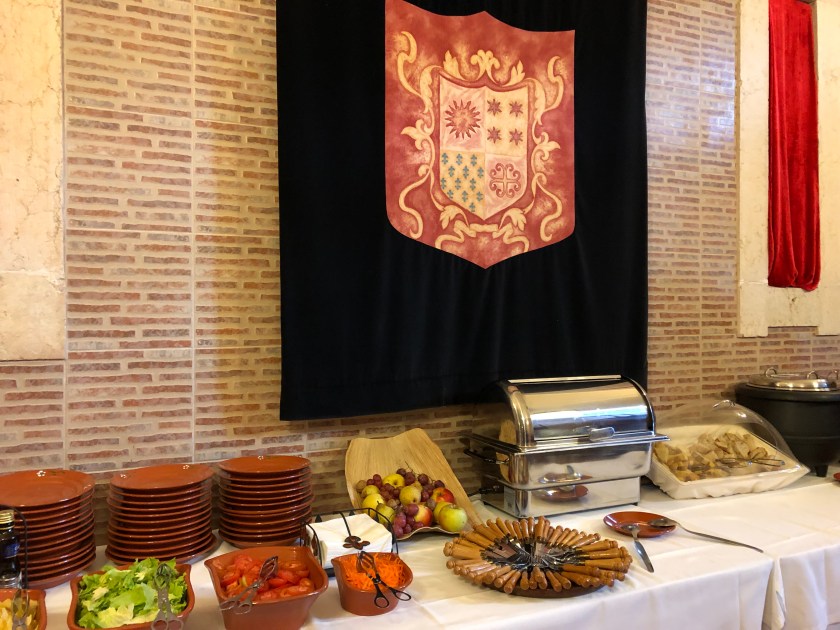
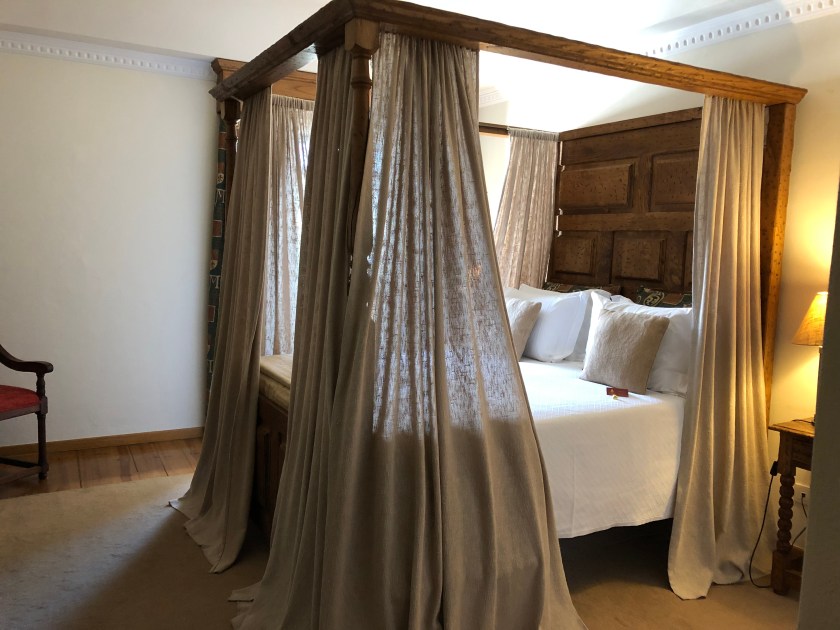
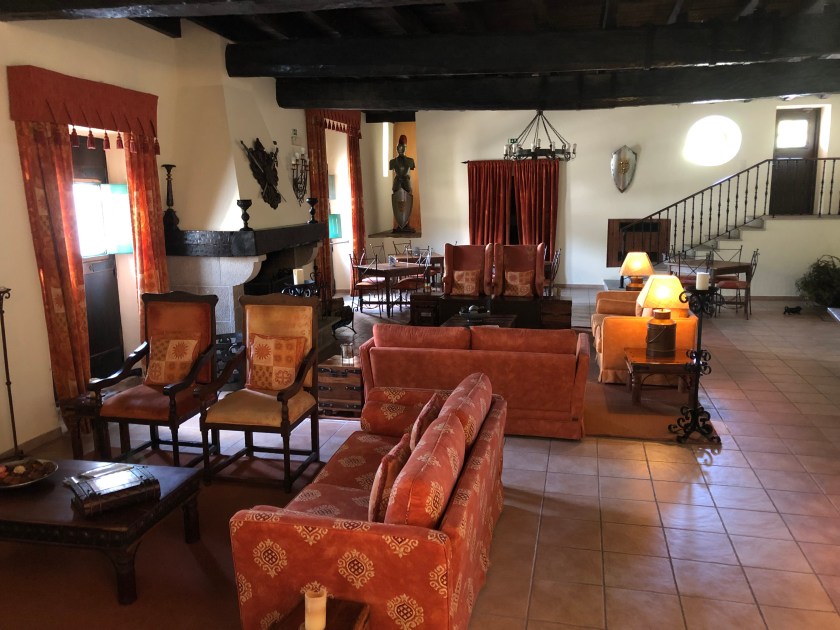
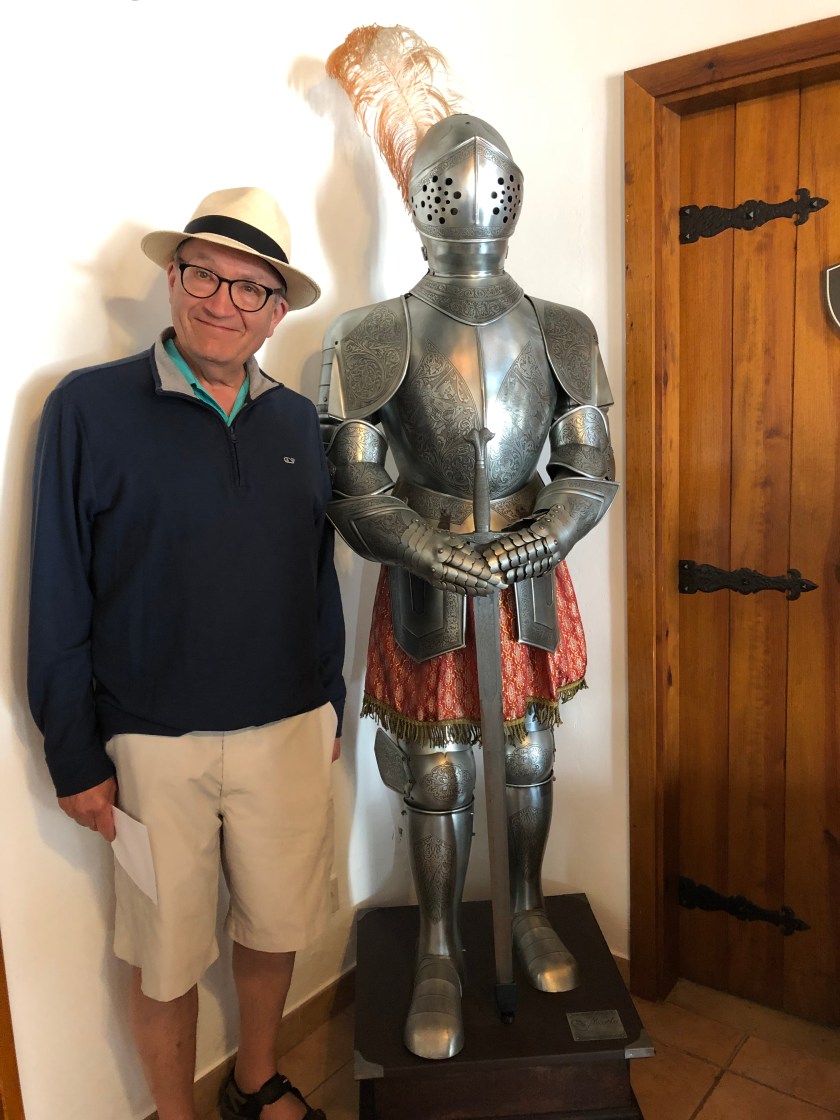
The Hotel Real is quite unusual. It has a medieval theme, with costumed employees, suits of armor and interesting rooms.

We decided that after such a heavy lunch, a light dinner (of pizza and salad) was in order. We joined some of our tour group for a pleasant evening of conversation along with a pizza portuguesa ( with chorizo and pimento peppers).