Rainy day Monday

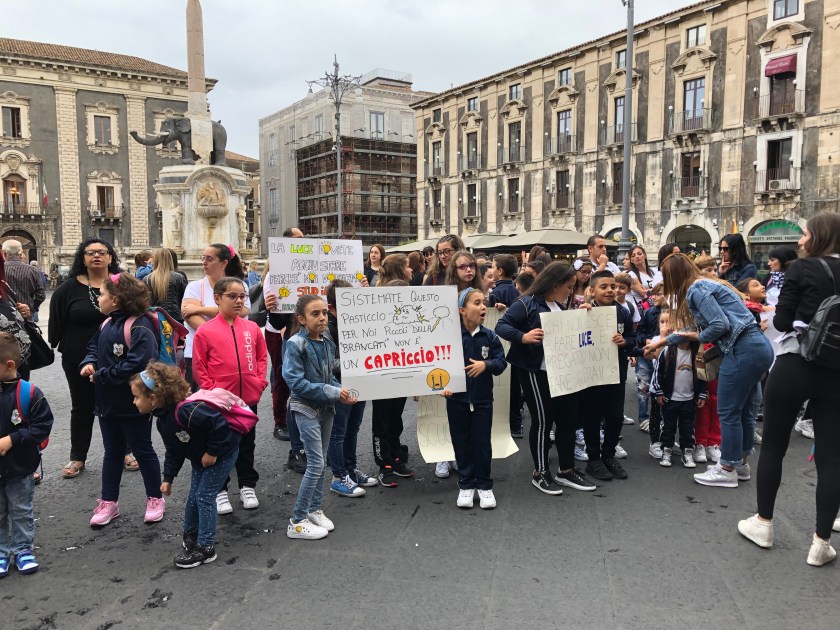
After 21 days in Italy, today (Monday) is the first day with any appreciable rain! We did have about two hours of a rainstorm in Lecce, but we were under cover savoring an Aperol spritz and there was about a fifteen minute period of light drizzle one morning in Ortygia, but that really didn’t count as much as it didn’t impact our activity. Today’s forecast was for severe thunderstorms with possible flooding and hail so I was apprehensive that we would get through the day without getting drenched, but the rain held off until about 4 p.m., well after we completed our morning food tour in Catania. I booked the tour with Streaty, the same folks that run the food tour we took in Palermo. The morning was overcast and cool but warm enough to forego a jacket or sweater. We made the 15 minute walk down to Piazza Duomo (our meeting point) and ran into a demonstration- a large group of elementary school age children chanting and holding up signs. Apparently their school has been without electricity for several days and the local governmental authorities have not been responsive.
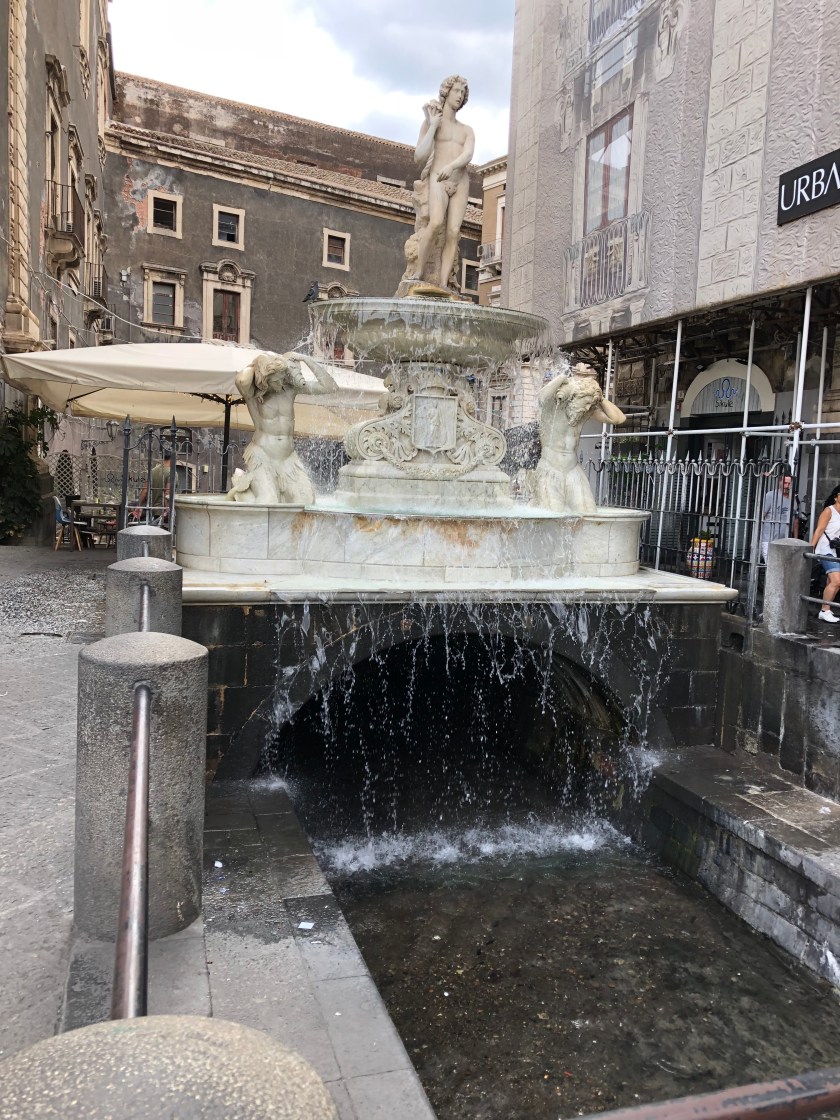
We met Agata, our Streaty guide, just before 10:30 a.m. There was one other person on the tour (a man from China), so it was comfortably small! We started out learning about the underground river, which in reality is a fresh water spring, located near the fish market.
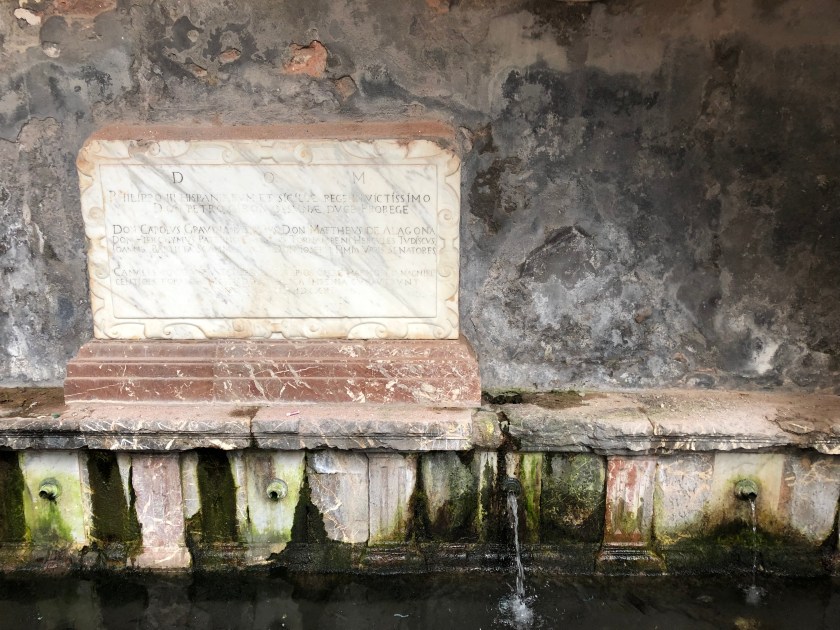
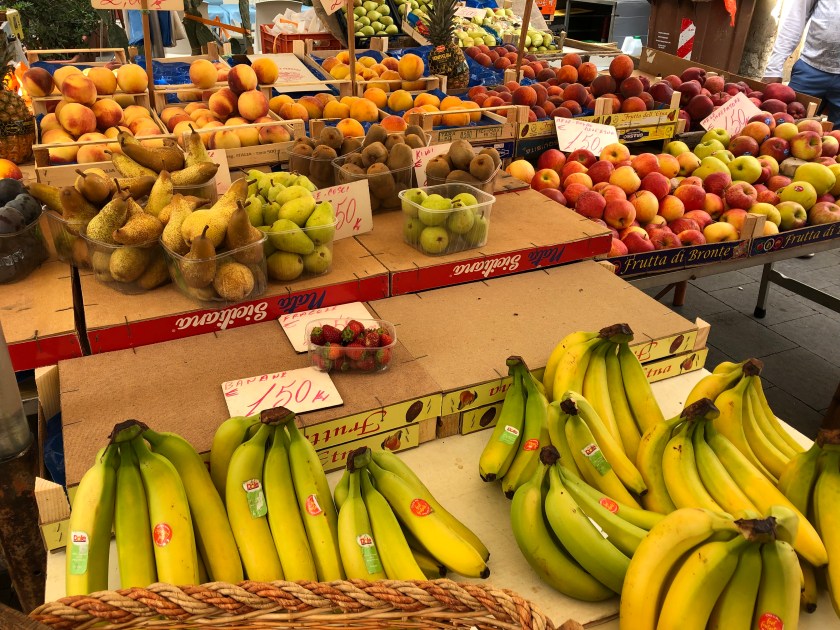
Then we ventured into the fish market. It has three areas – for the fishermen who directly sell their catch, the fish mongers who buy from the fishermen, and the frozen fish vendors. We saw the neonati (minnows) used to make fish balls
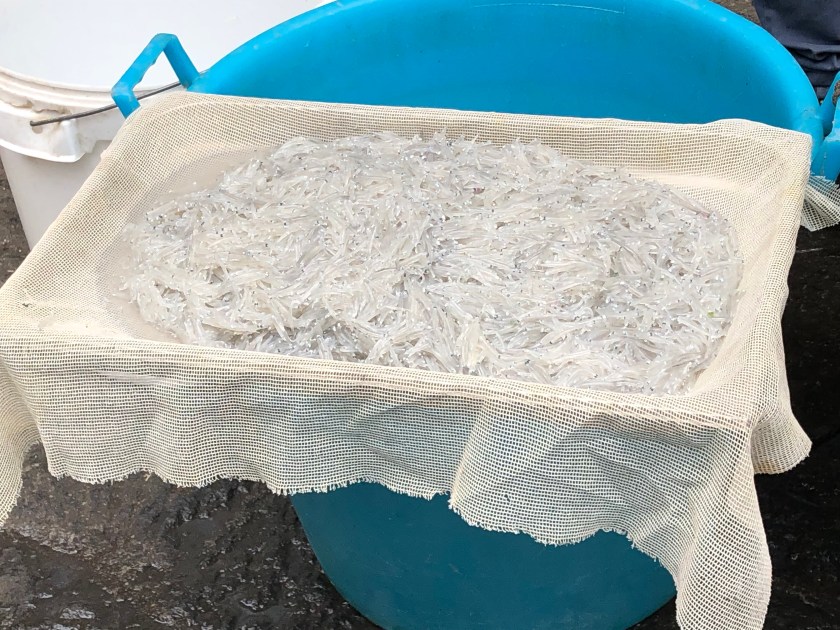
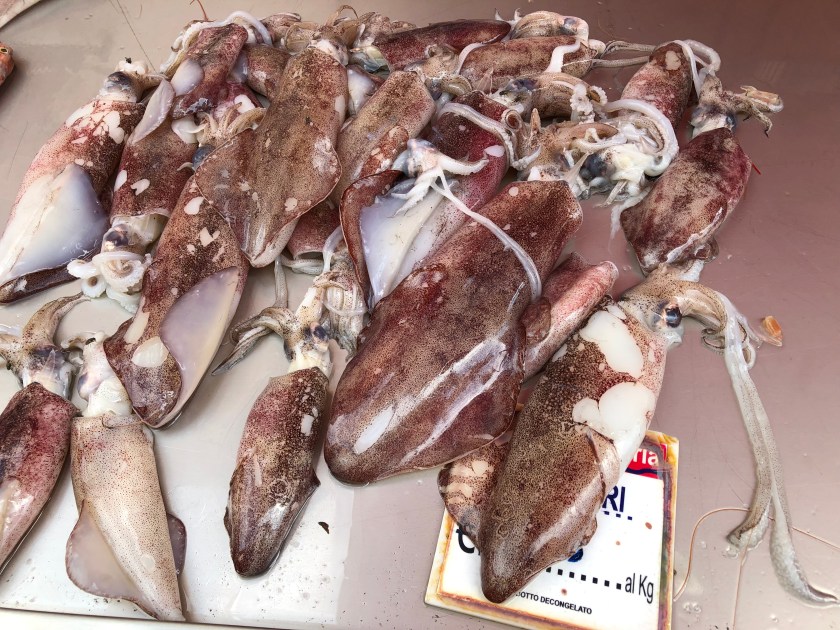
and walked through the market learning about the tuna fishing industry. We also saw fresh smelt, the most commonly sold fish, as well as tuna, swordfish and lots of calamari in various sizes!

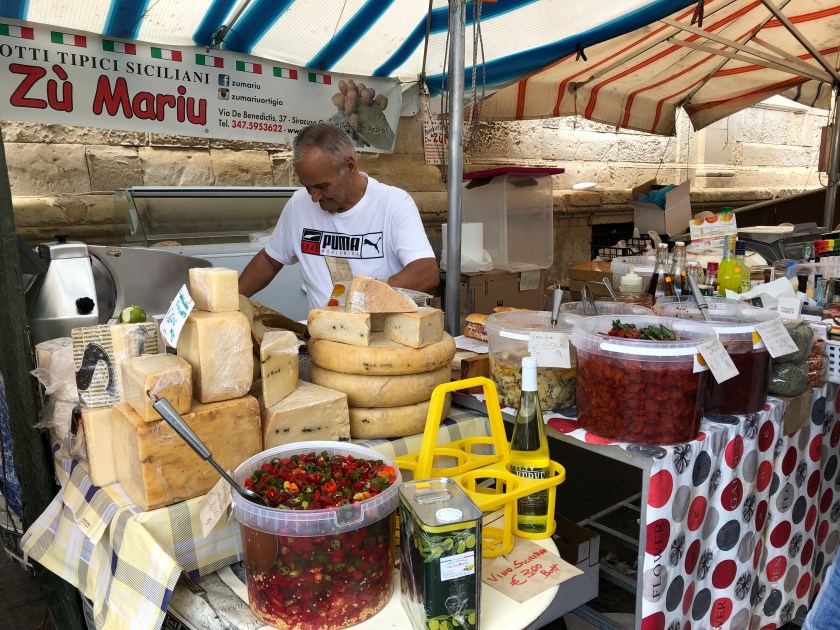
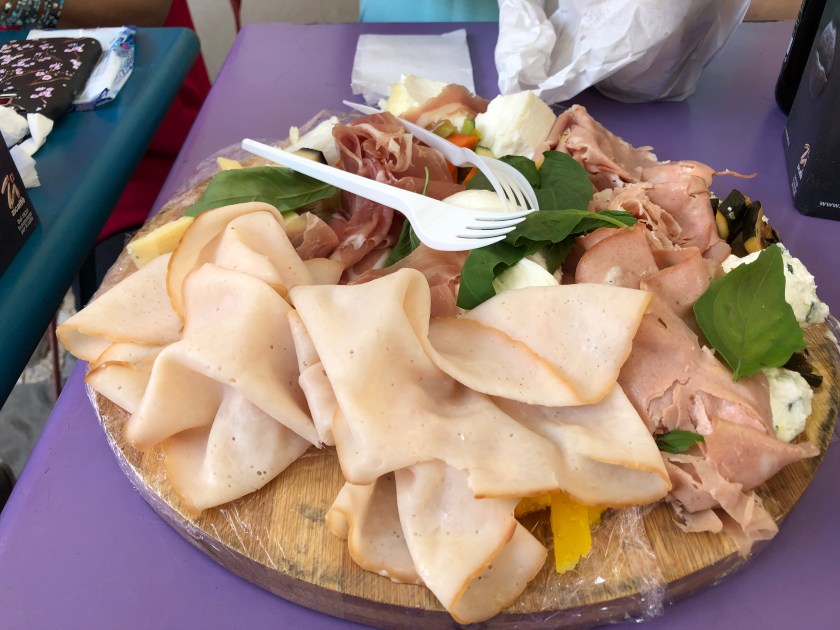
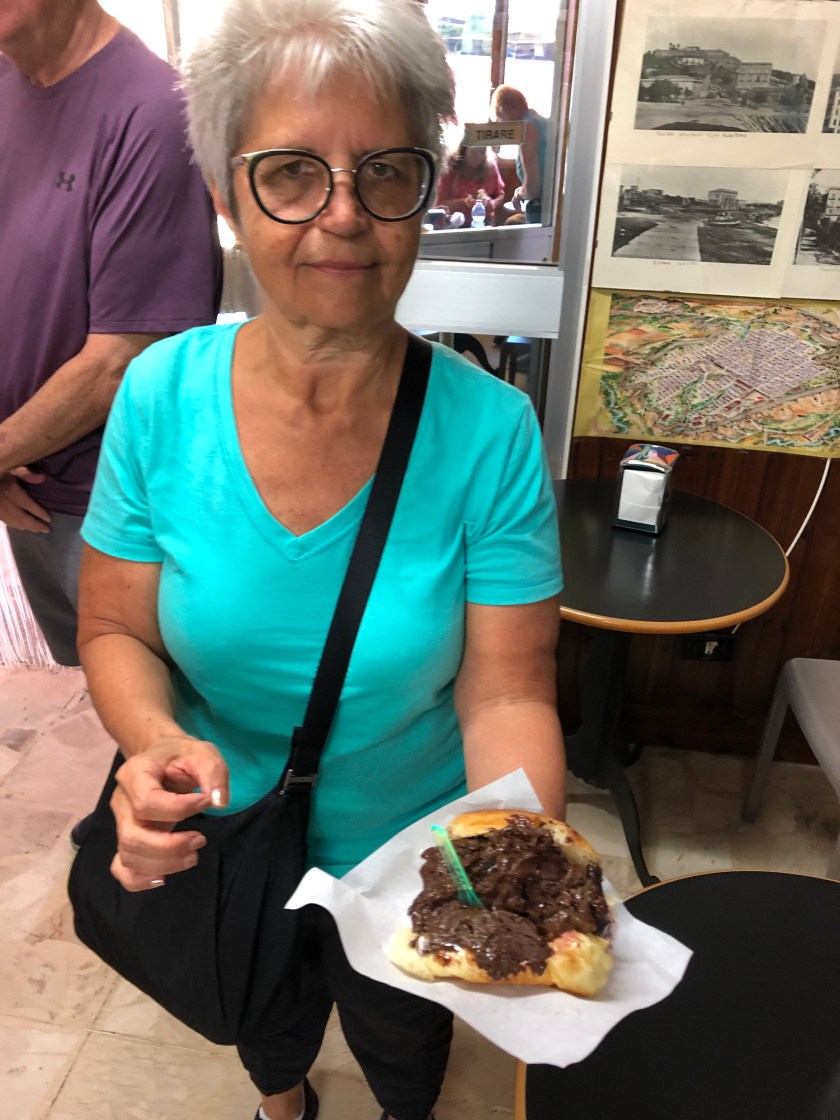
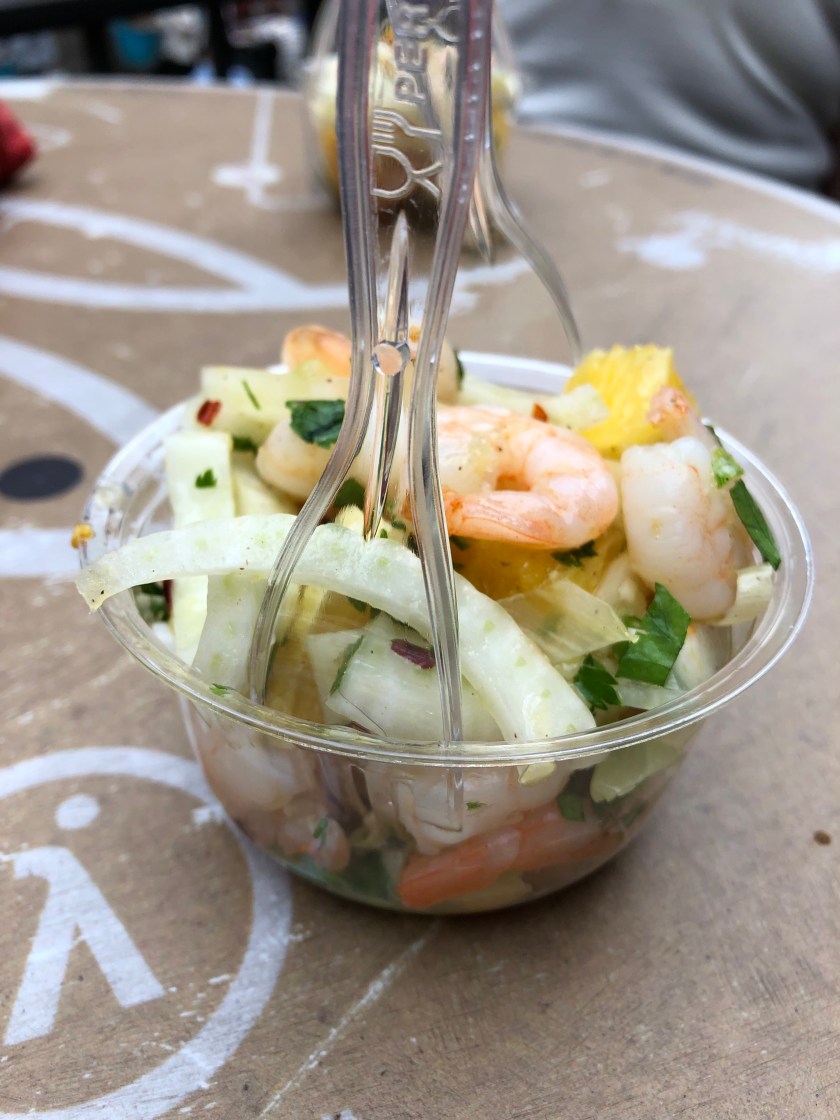
We sampled sun dried tomatoes, artichokes roasted over coals, prickly pears, shrimp salad with orange and fennel, arancini, siciliani (like a calzone stuffed with cheese, anchovies and olives), cipollini (puff pastry filled with onions, tomatoes, cheese), and granita with brioche.
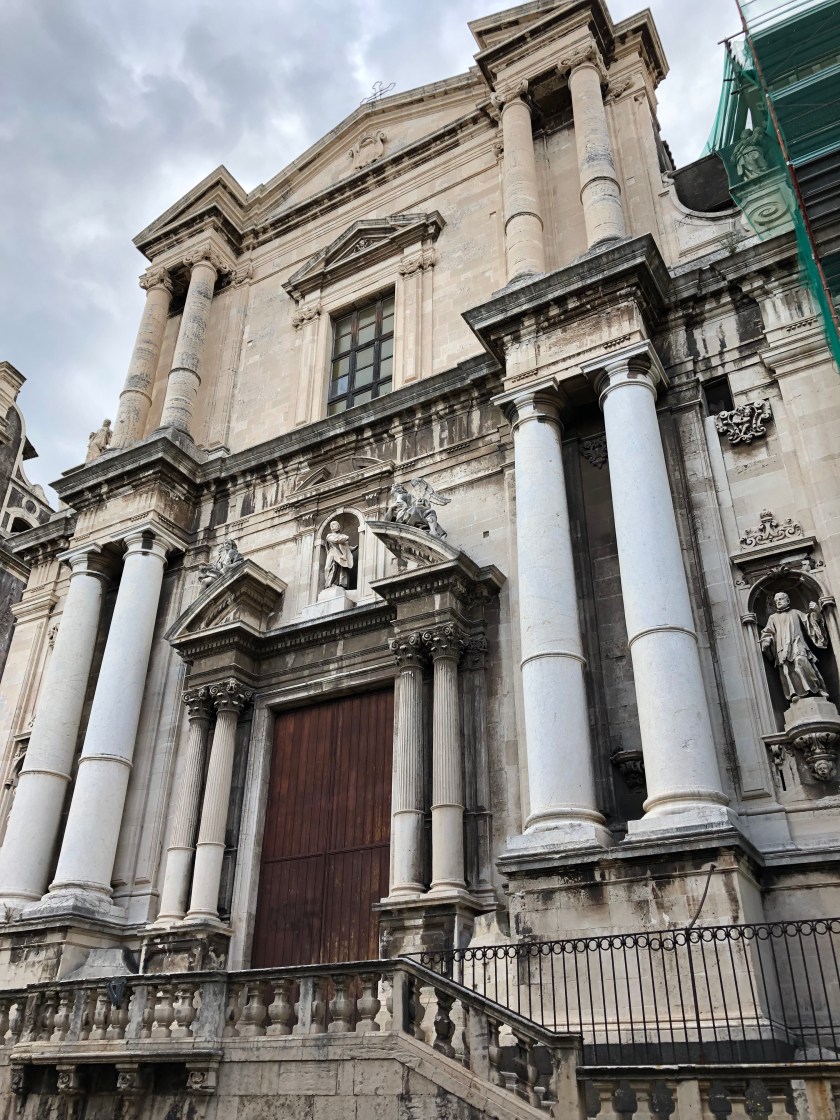
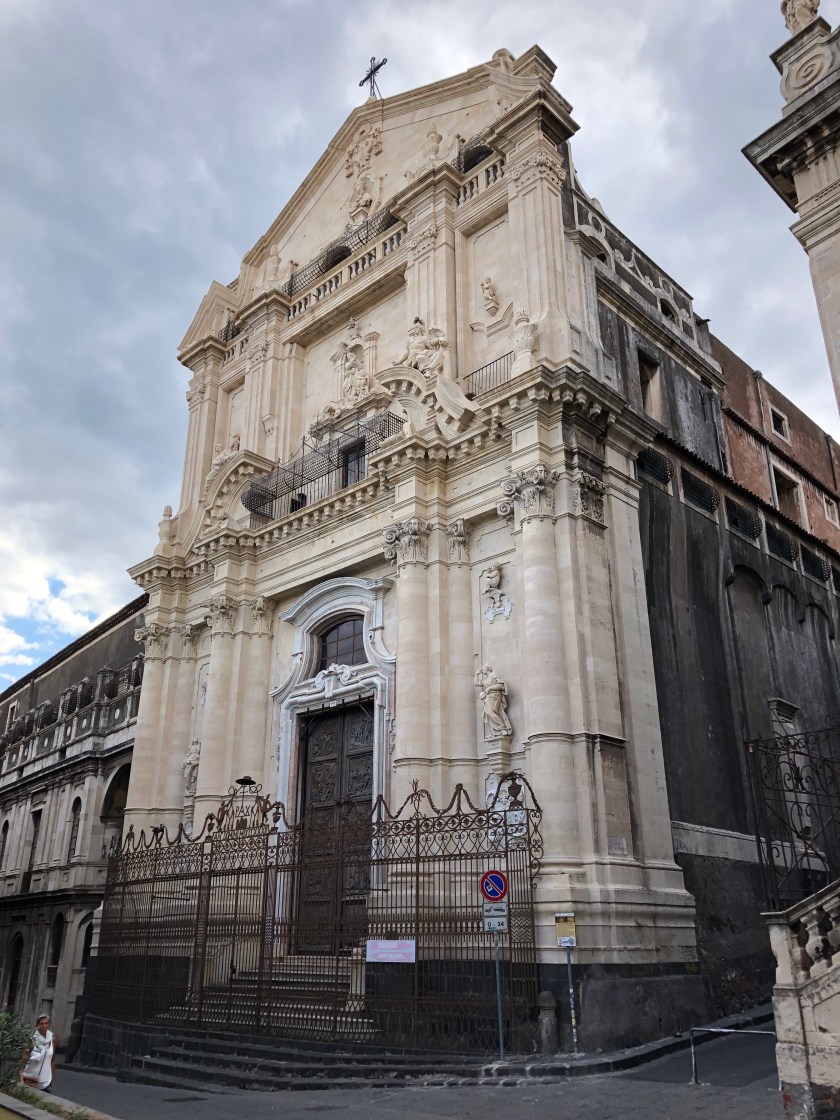
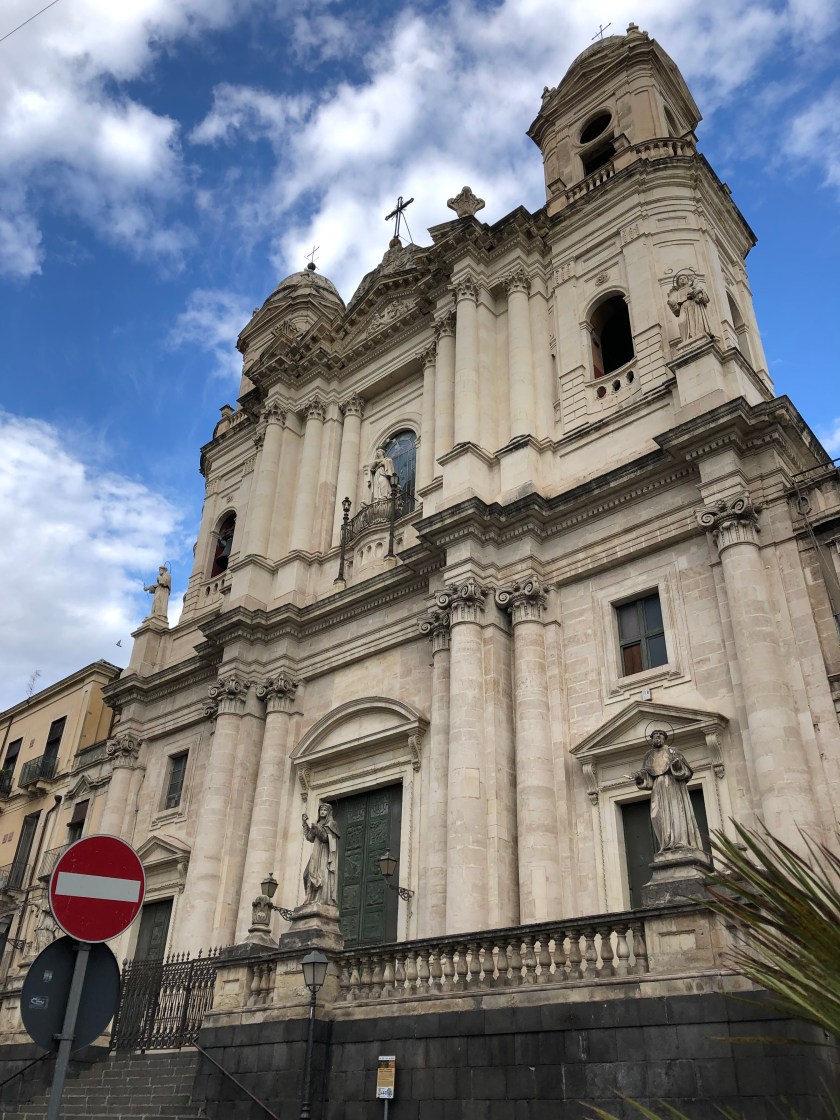
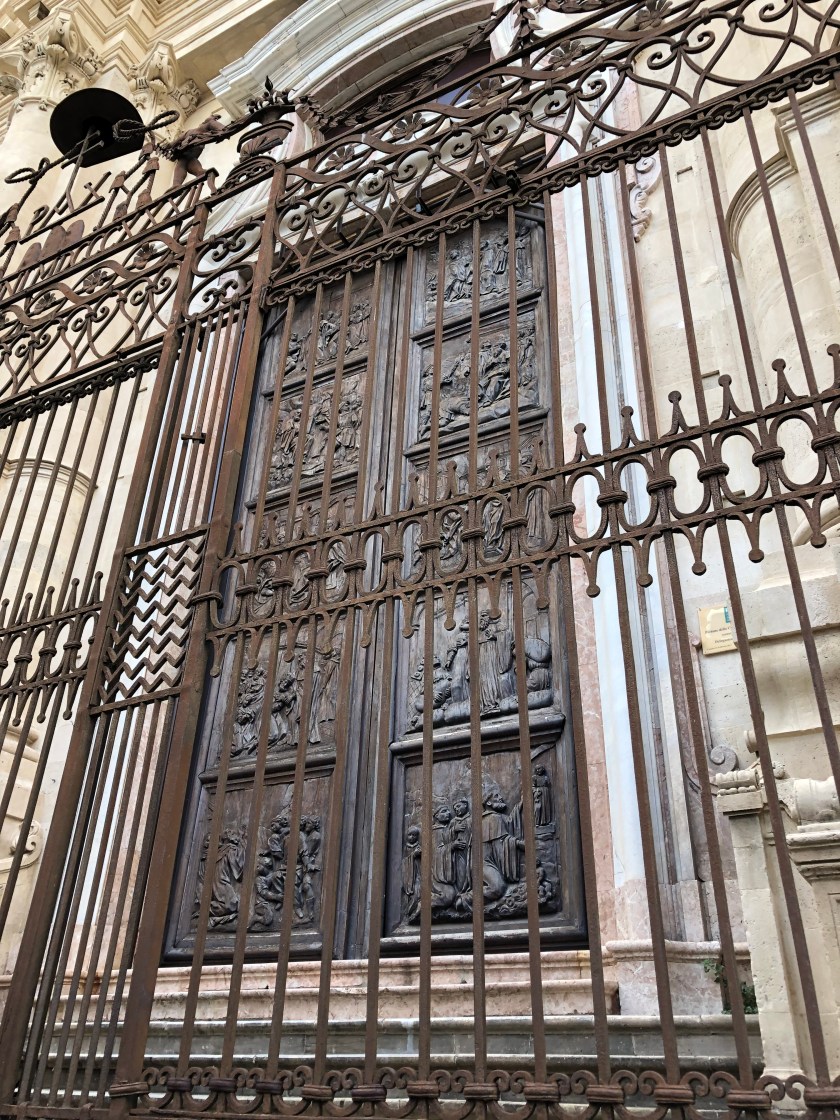
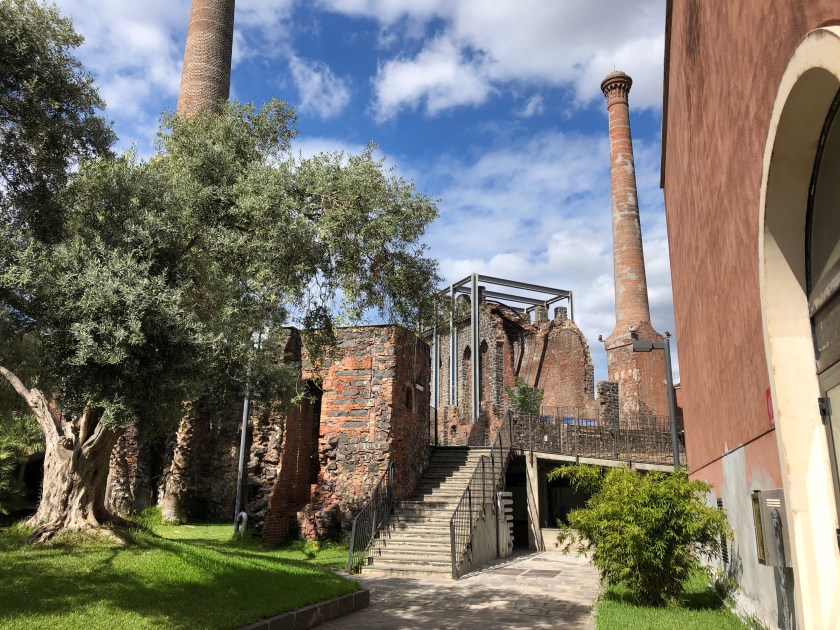
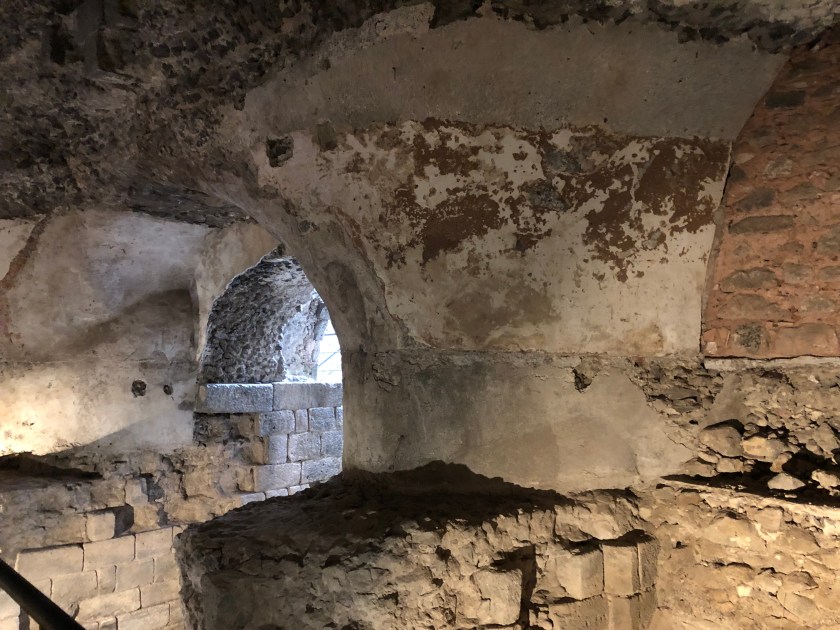
After we walked through the market, we also saw an underground volcanic cave (now a restaurant), a castle built by Frederic II in the 12th century and walked up the via Crociferi to see the five churches along a 500 meter stretch.

After the tour, we strolled through Villa Bellini, the “Central Park” of Catania and then returned to the hotel to chill out. We skipped dinner tonight, opting for some wine and appetizers at a wine bar.
From pretty Sicily to gritty Sicily

Taormina is a bit like Disneyland- too pretty and perfect – with its upscale shops, gorgeous views of the coast, lovely villas, lush vegetation and idyllic weather…and crowds of tourists, especially day trippers from cruise ships docked in Catania. Well, reality hit when we left what I call “pretty” Sicily as we descended southward to the second largest city on the island. Catania has a population of around 250,000 and is a port city on the eastern shore of Sicily. It dates back to the 8th Century BC and was colonized by the Greeks, However, unlike Agrigento (and Taormina), there is little trace of this ancient civilization as Catania was devastated first in 1638 by a lava flow from one of the lower craters of Mount Etna (which added distance from the old city wall to the water with the gardening of the lava) and a disastrous earthquake (7.4 on Richter scale) that pretty much leveled the city. As a result, the predominant architectural style is that of the Sicilian (late) Baroque. The city does not have the narrow medieval streets seen in other Italian/Sicilian towns, but rather wide streets and boulevards.

Catania (as well as the rest of Sicily) has never recovered from the Unification of Italy in 1861. Despite the presence of the port and oil refineries, the city suffers from high unemployment and poor infrastructure. The buildings are covered with graffiti and there’s more trash laying around, even when compared to the rest of Sicily and southern Italy. But Catania has a strange appeal, charming in its grittiness and the spirit of its inhabitants.

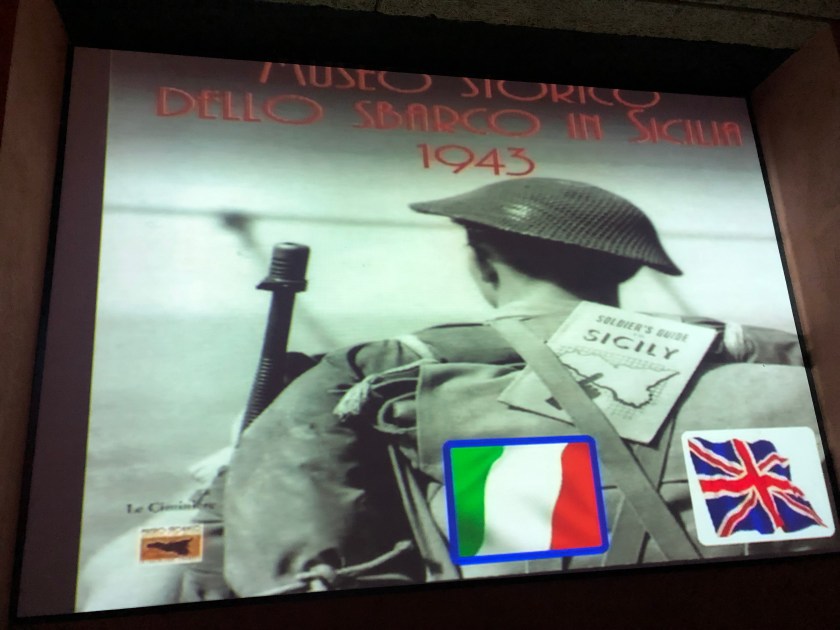
Our first view of the city was near the central train station. Some renovations have been made to an area bombed in WW2, transformed into museums (like the WW2 1943 Sicily Allied Landing Museum), but remnants of bombed buildings can still be seen.

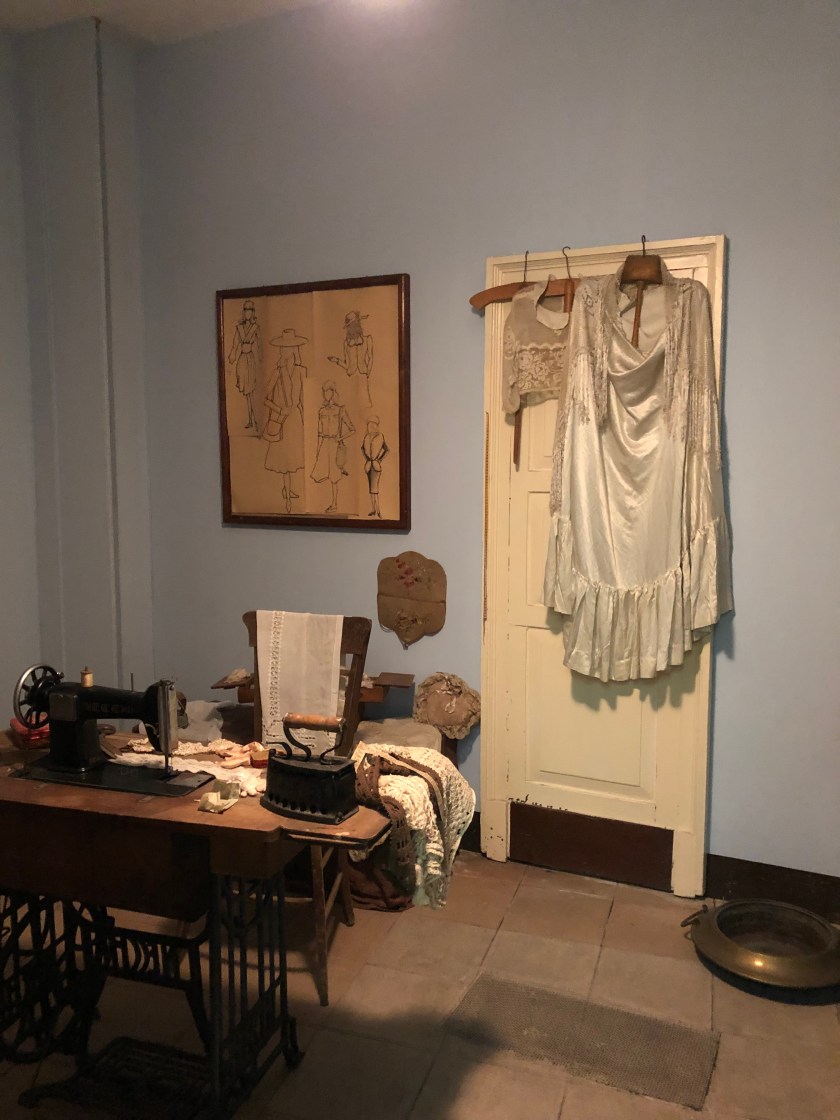
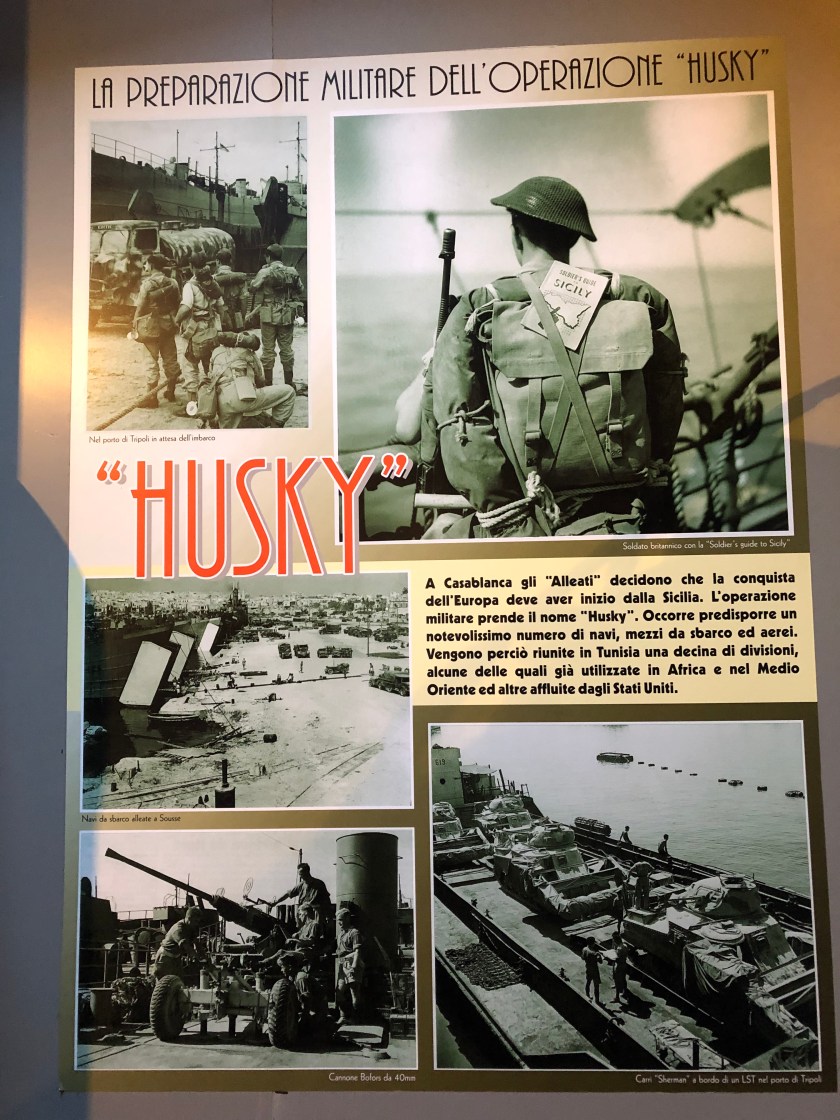
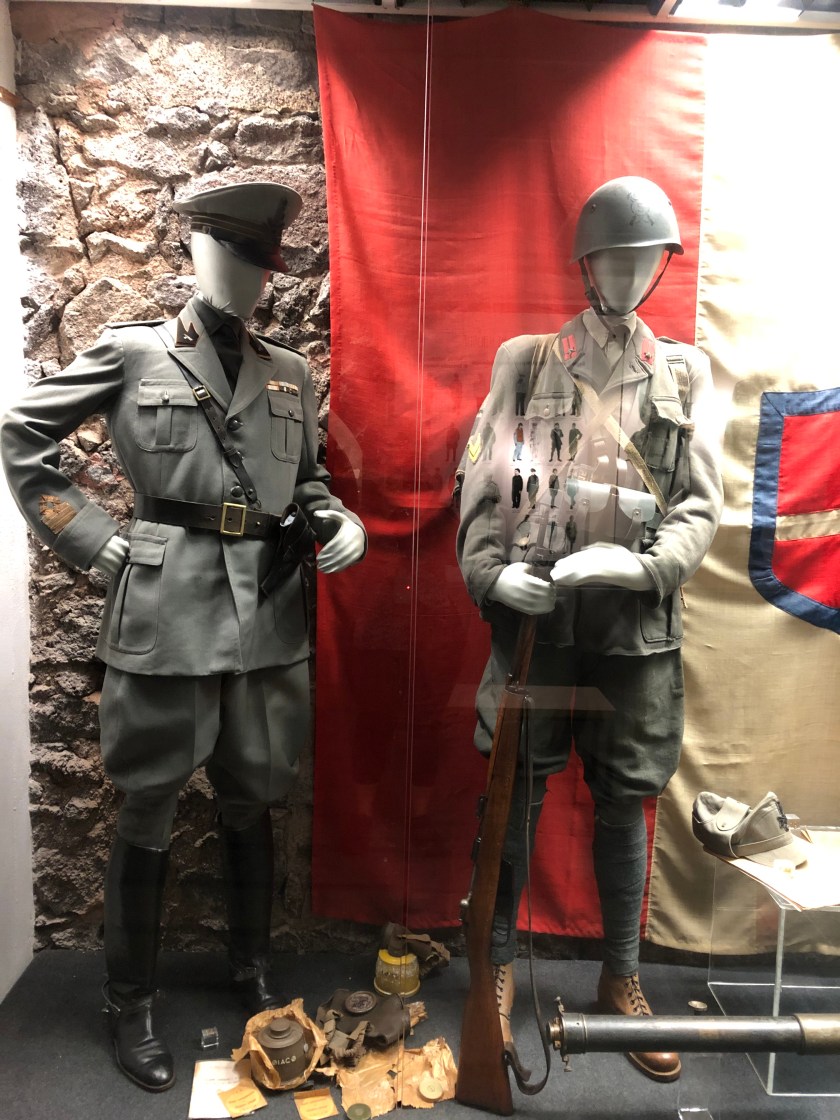
The WW2 museum, run by volunteers without government support, was an interesting and moving experience. There was an introductory film and two floors of exhibits, including replicas of a town before and after a bombing and a bomb shelter with audio simulation of a bombing. There were also multimedia displays of the Allied convergence on the island and displays of uniforms and weapons of Italian, German, American, and British armies.

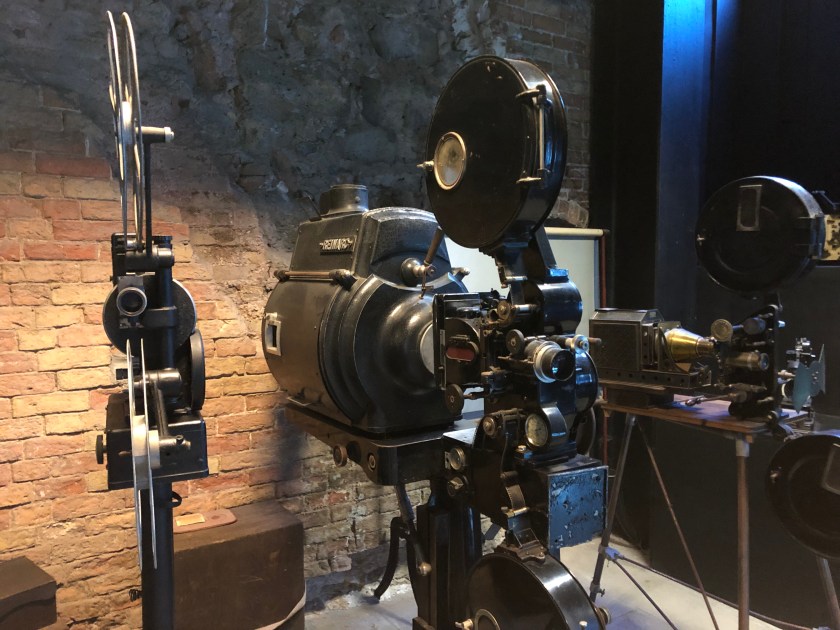
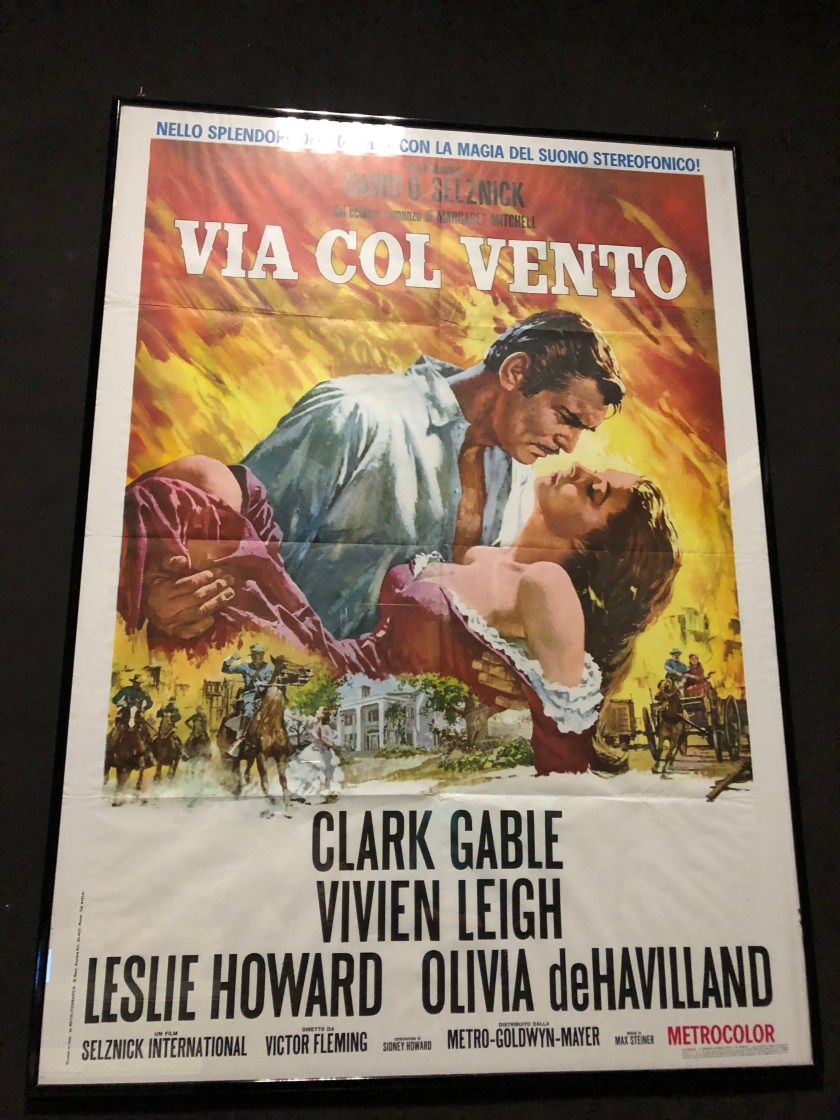
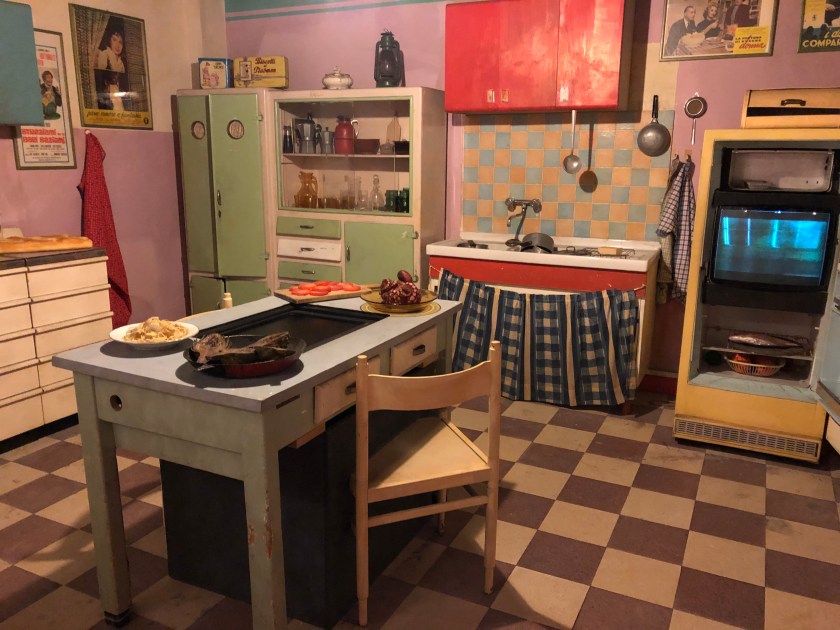
A Cinema Museum was next door and we spent about 45 minutes looking at old projectors, movie posters, film sets and an exhibition on the film industry in Catania (started in 1914!).

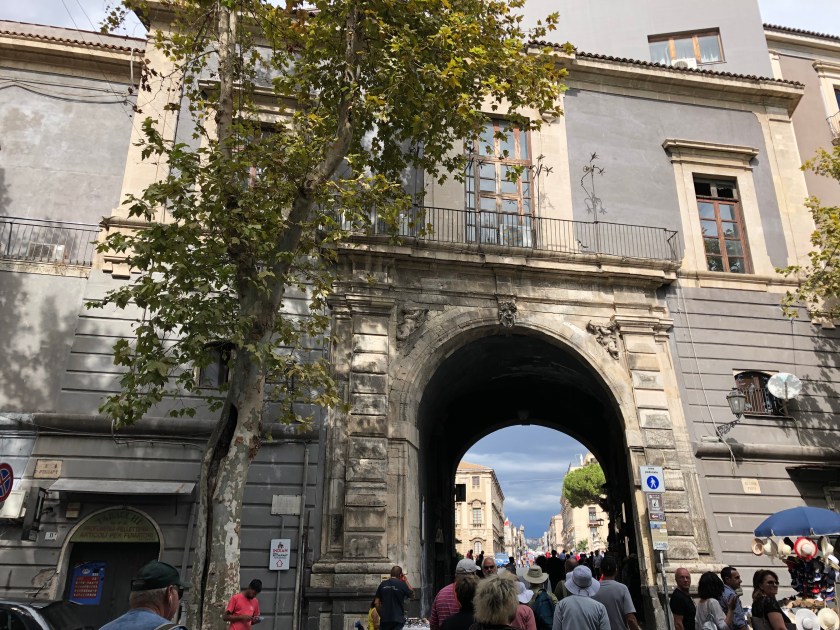
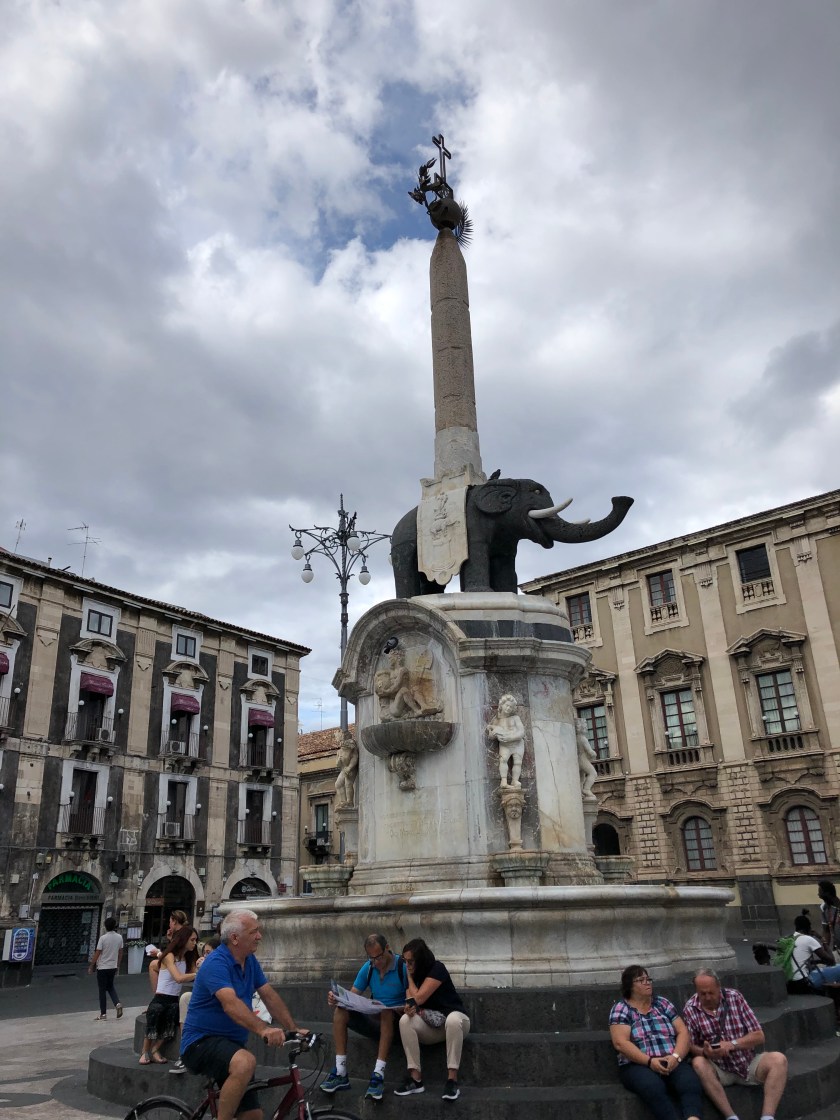
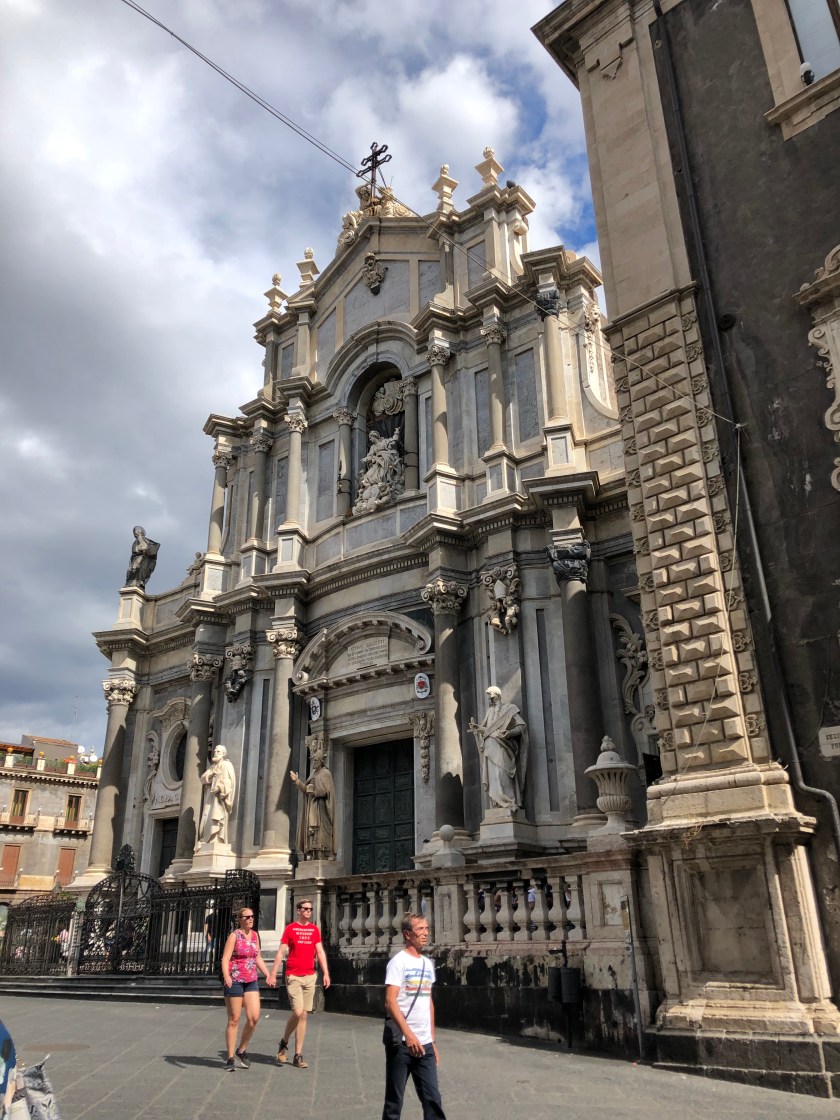
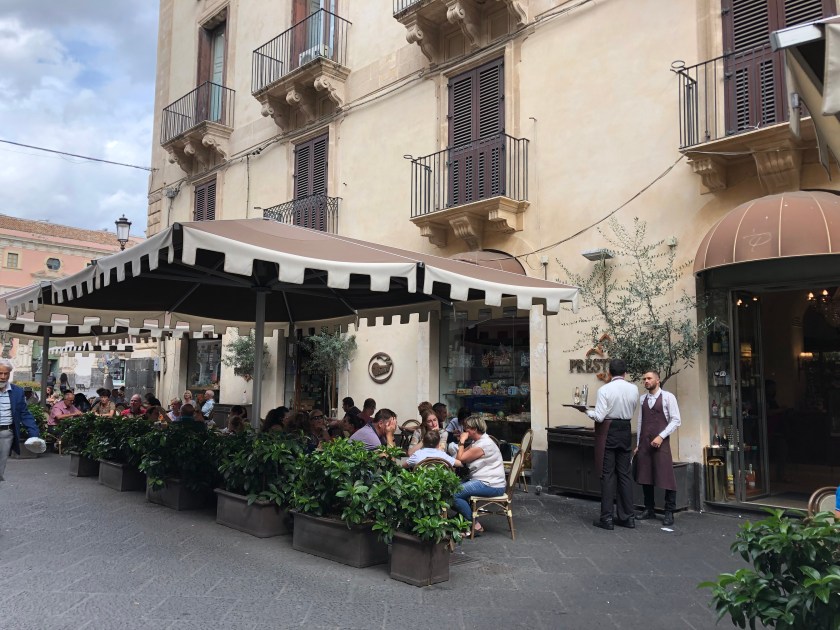
Next was a short orientation to the historic center and a quick lunch before checking in to our hotel. Walking through the city gate, the Piazza Duomo is expansive, with an obelisk with a statue of an elephant in the center and flanked by the Church of Sant’Agata (patron saint of Catania), city hall and several cafes.

We had a quick “lunch” of an arancino, a siciliano ( like a calzone filled with cheese and eggplant), a beer and an almond milk.

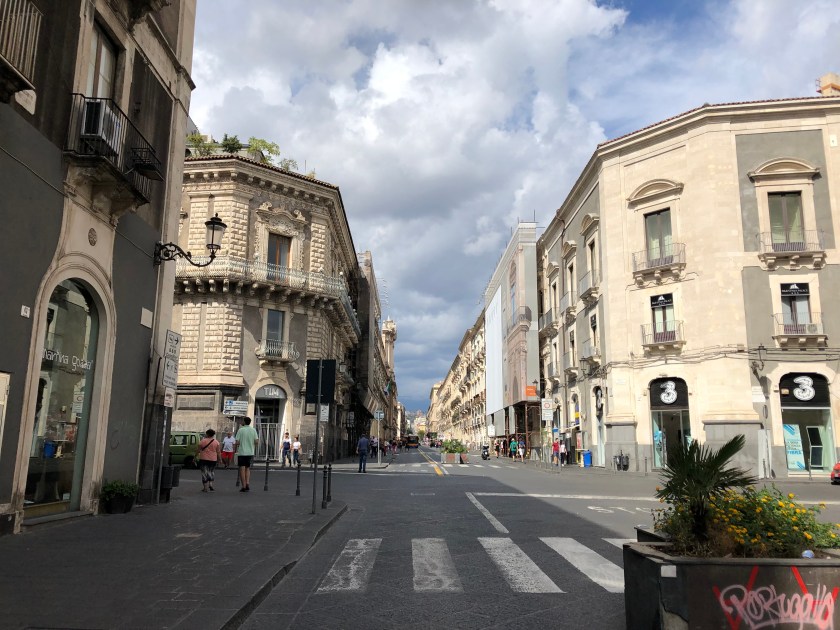
We walked up via Etnea, one of the main streets, before meeting up with our group.

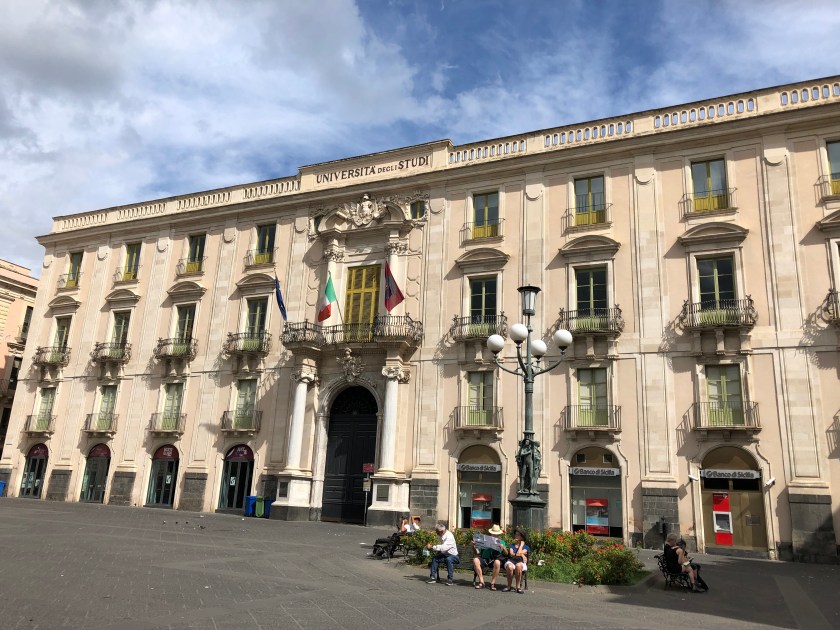
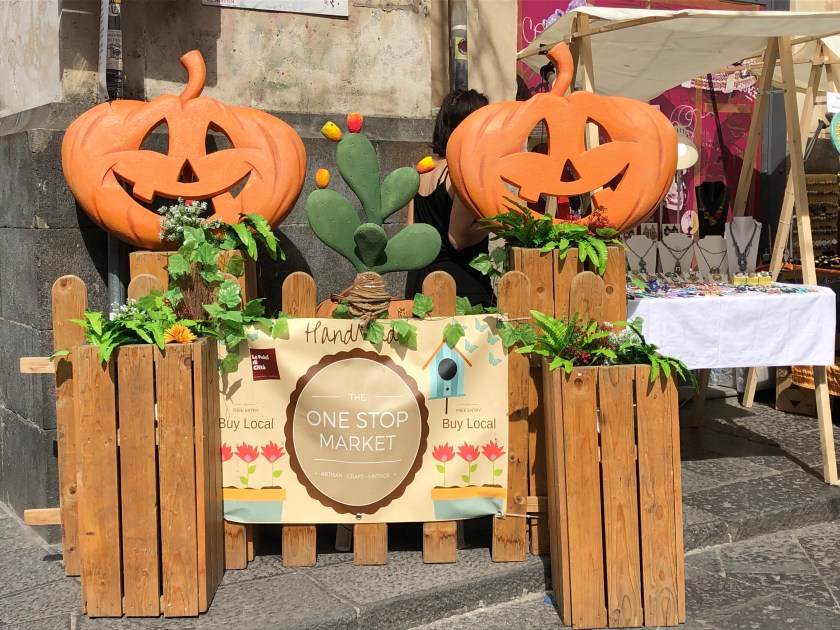
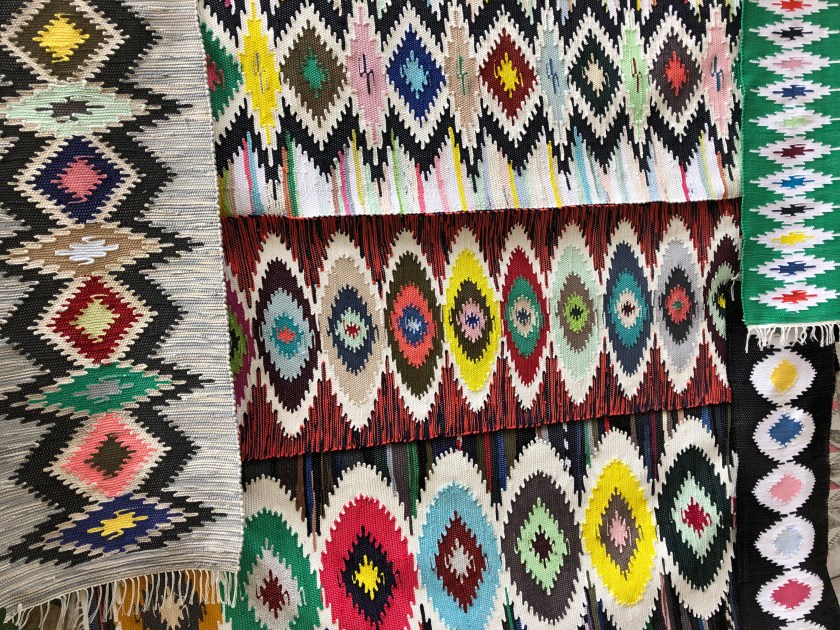
We passed a Faculty of the University of Catania, one of many Baroque churches and a craft show!

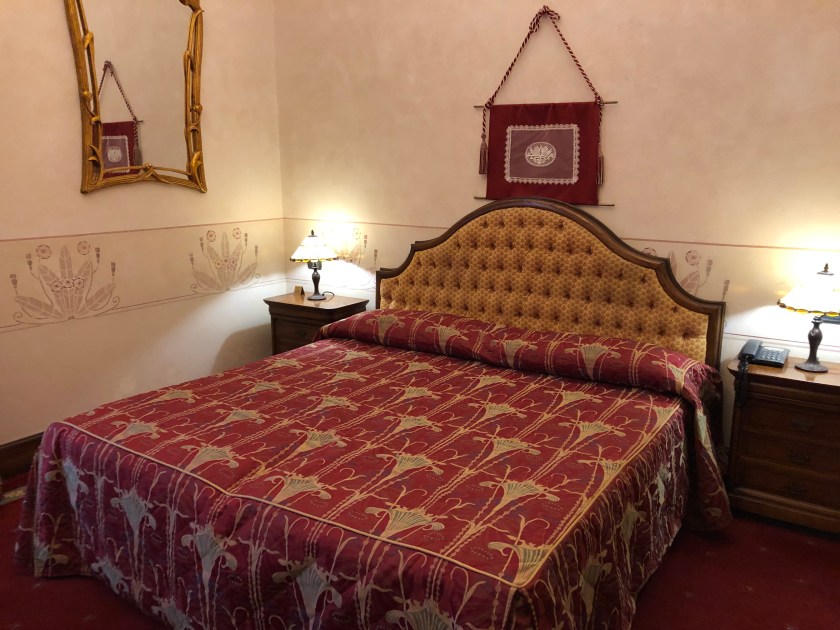
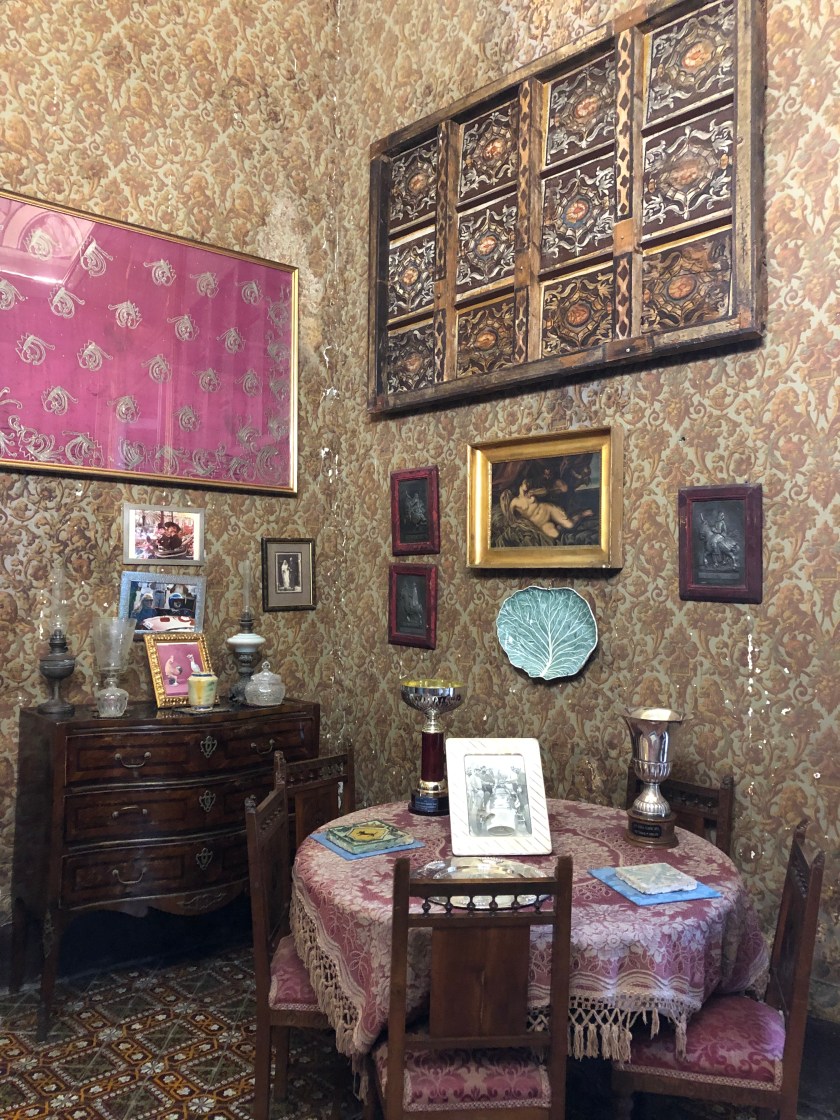
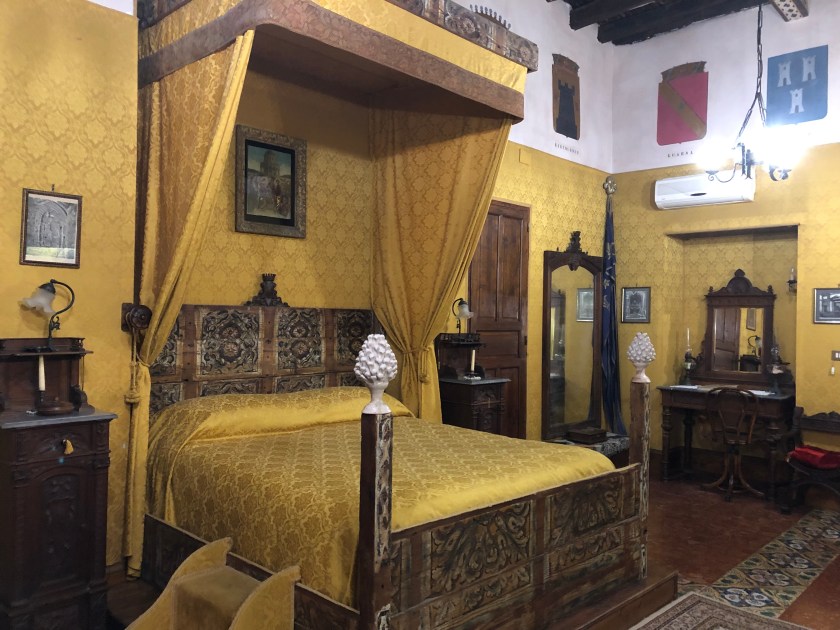
Our hotel, the Liberty, is about a 15 minute walk from the Duomo, on a side street. It used to be a palazzo housing two families and after a 17-year renovation had been transformed into a Victorian style hotel, with gorgeous light fixtures, wallpaper, drapes and antique furniture.

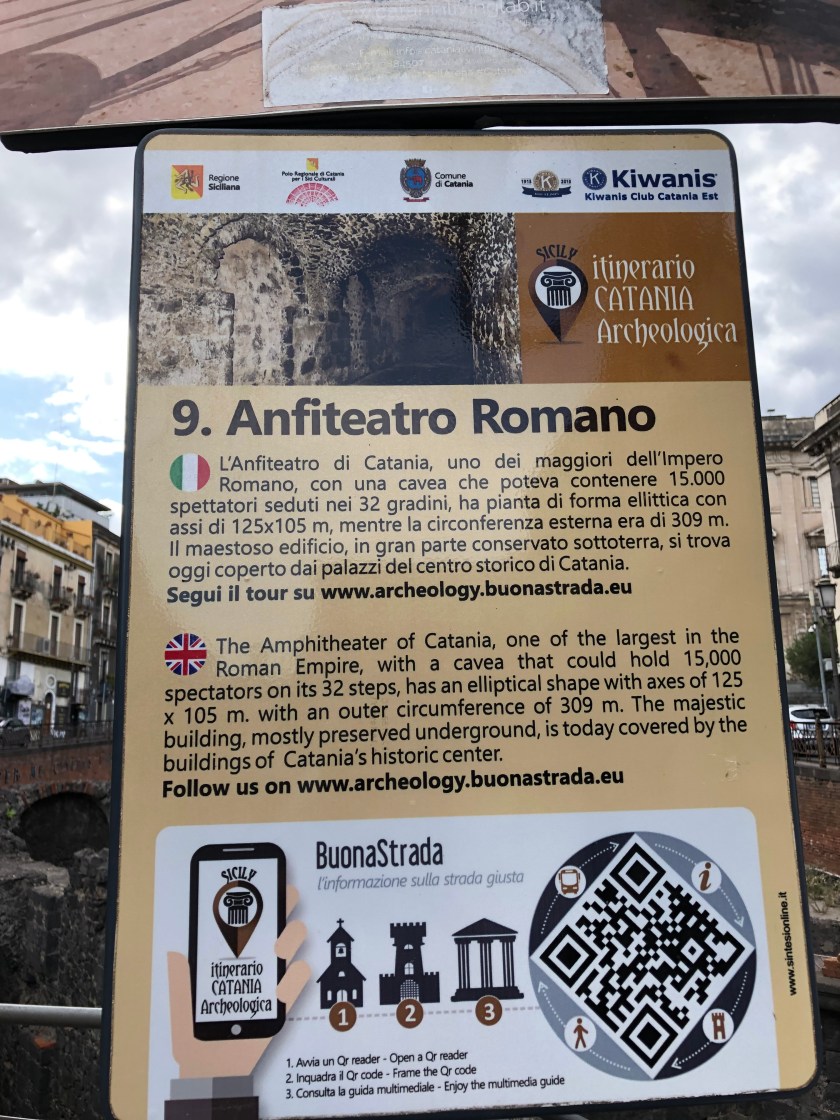
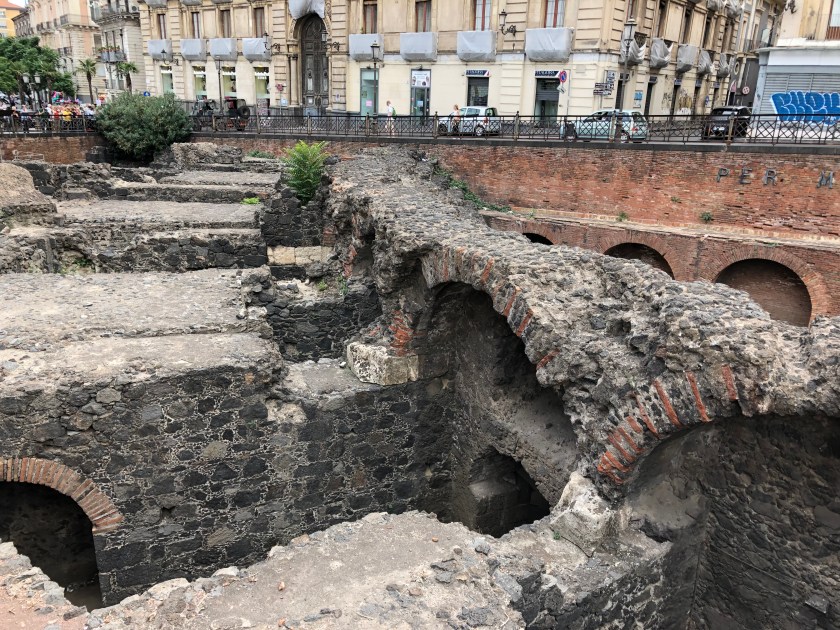
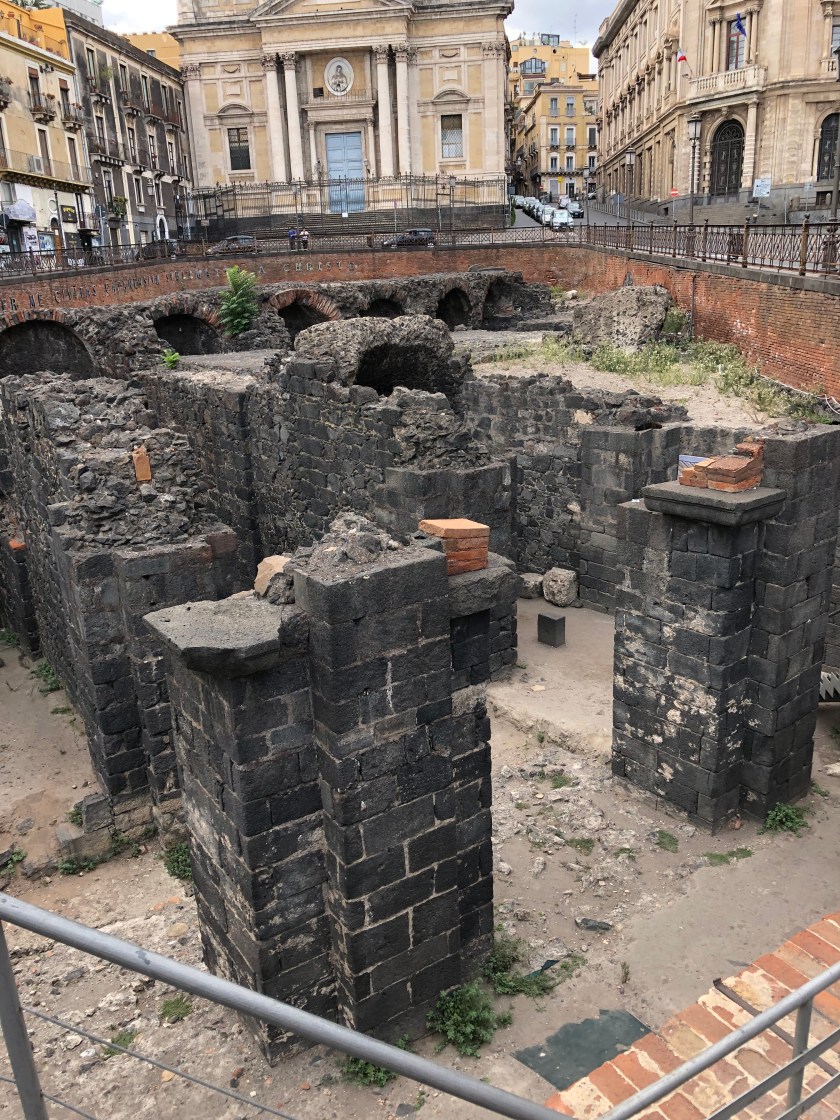
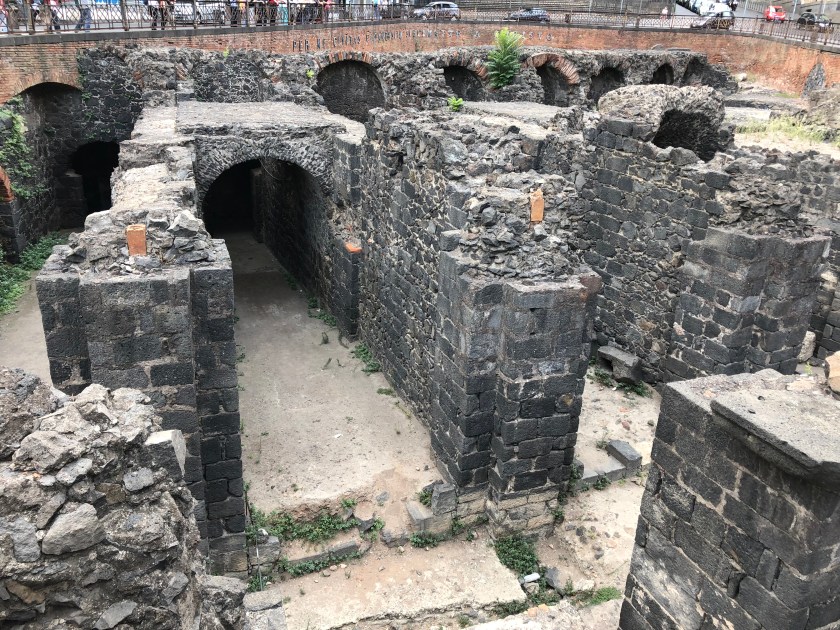
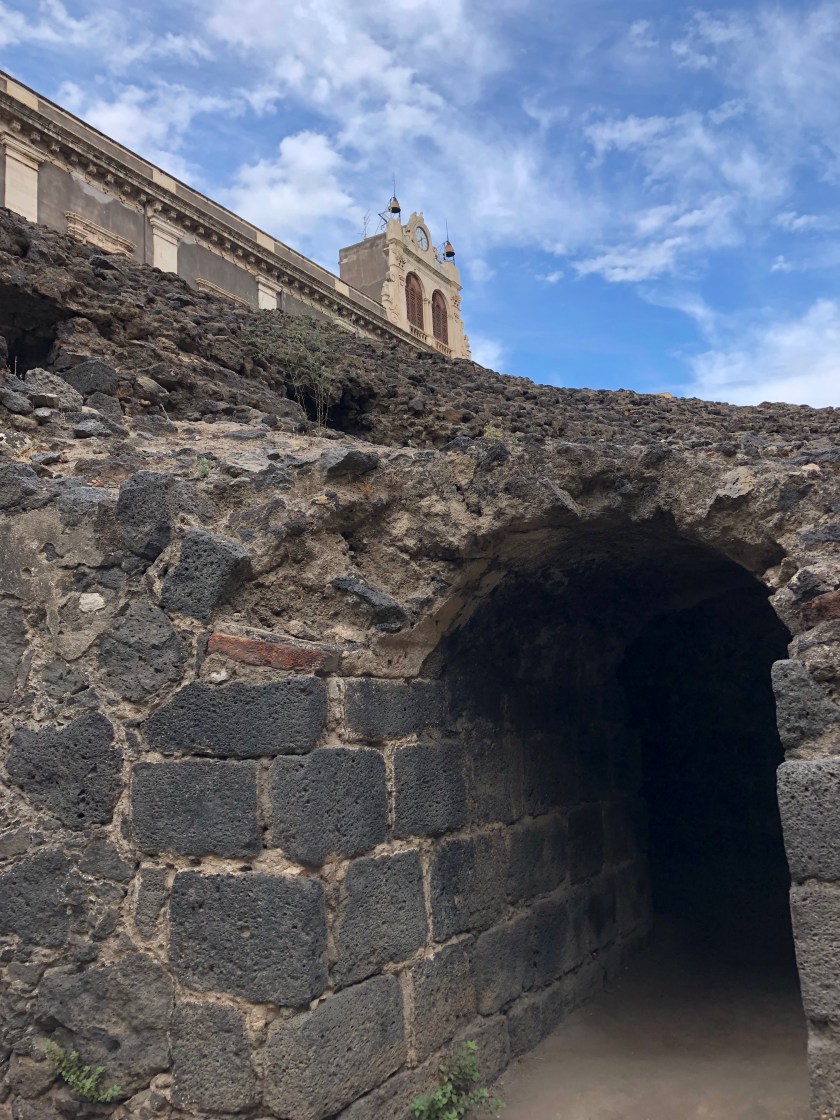
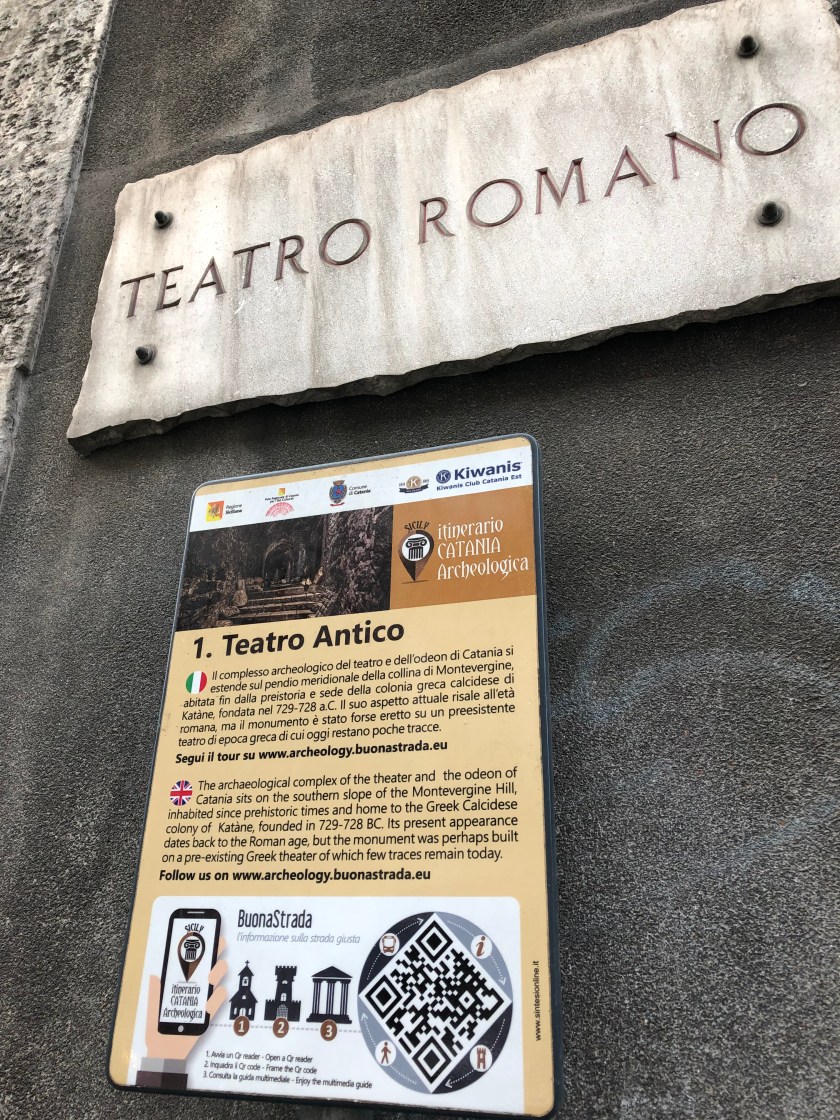
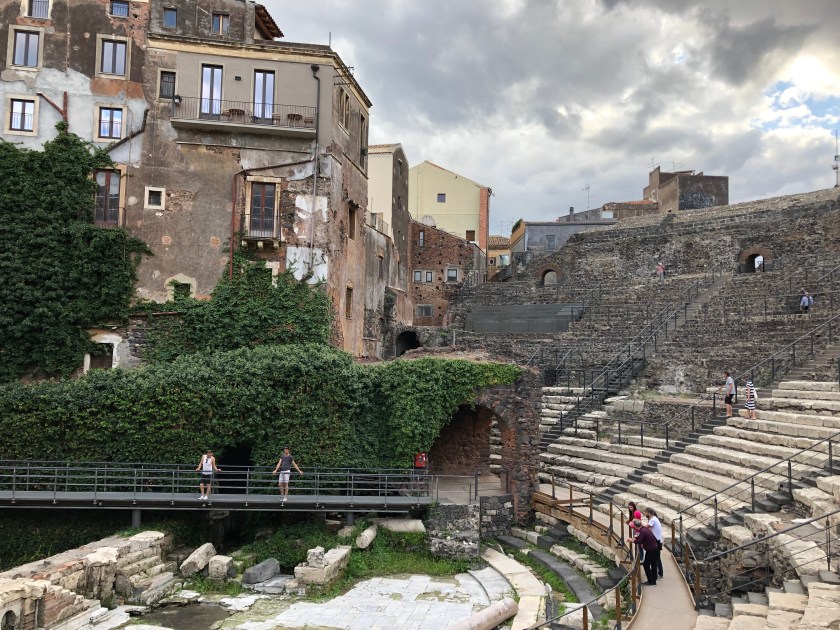
After a few minutes to get settled, we ventured out to explore the city. Being Sunday, most of the shops were closed but all the museums and monuments were free to the public (first Sunday of the month). We first visited the Roman amphitheater, most of which is still buried under existing buildings. It dated to the 2nd century AD.

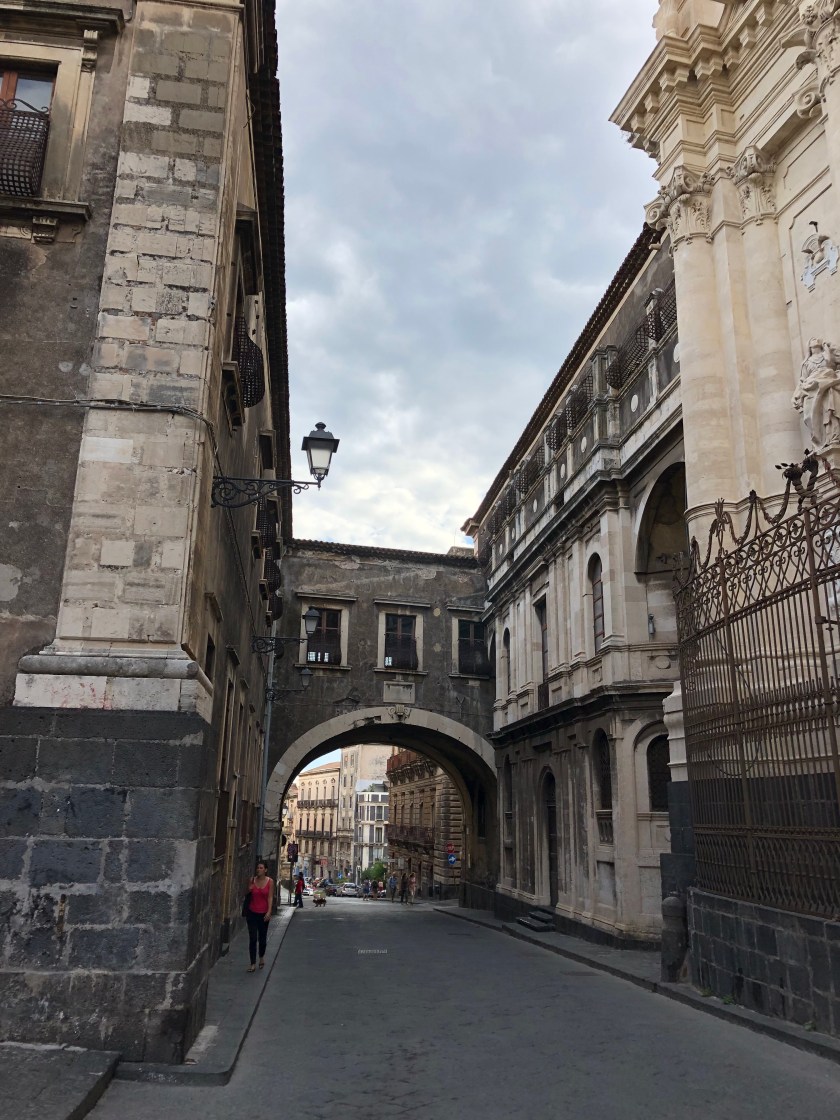
We then walked up a series of stairs to the via Crociferi, a 500 meter long stretch of which contains five churches and three religious institutions.

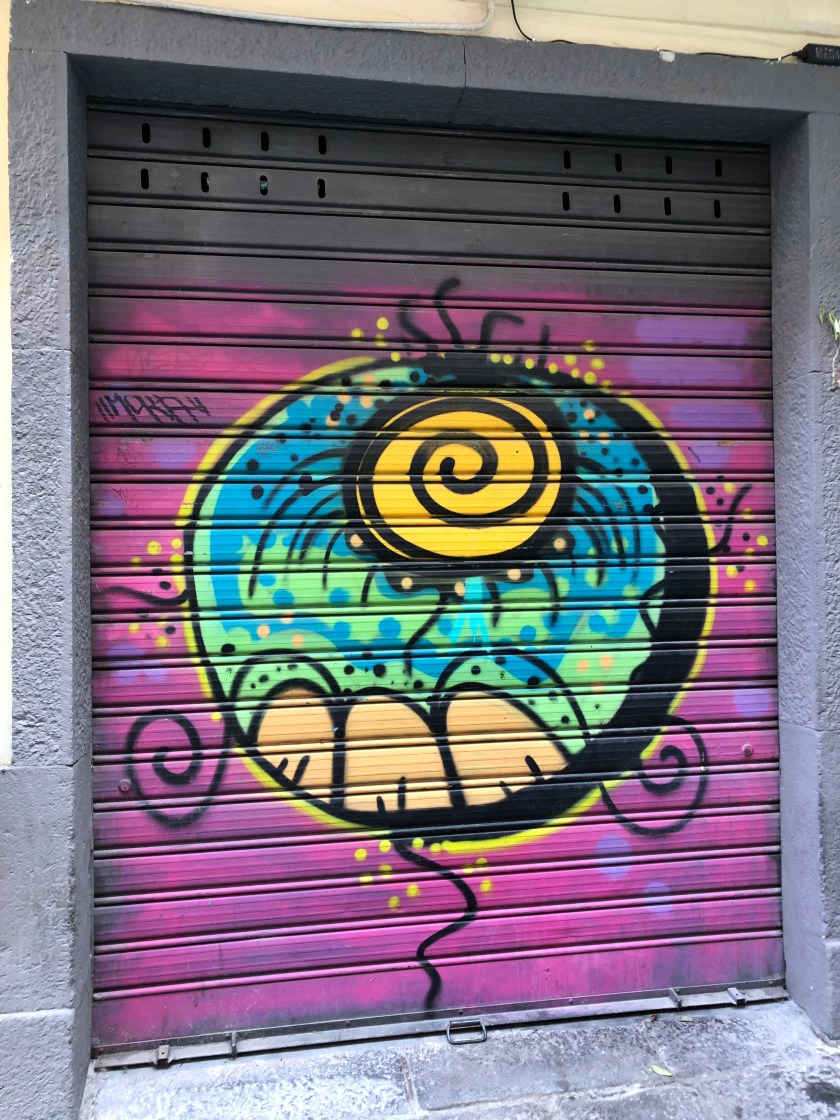
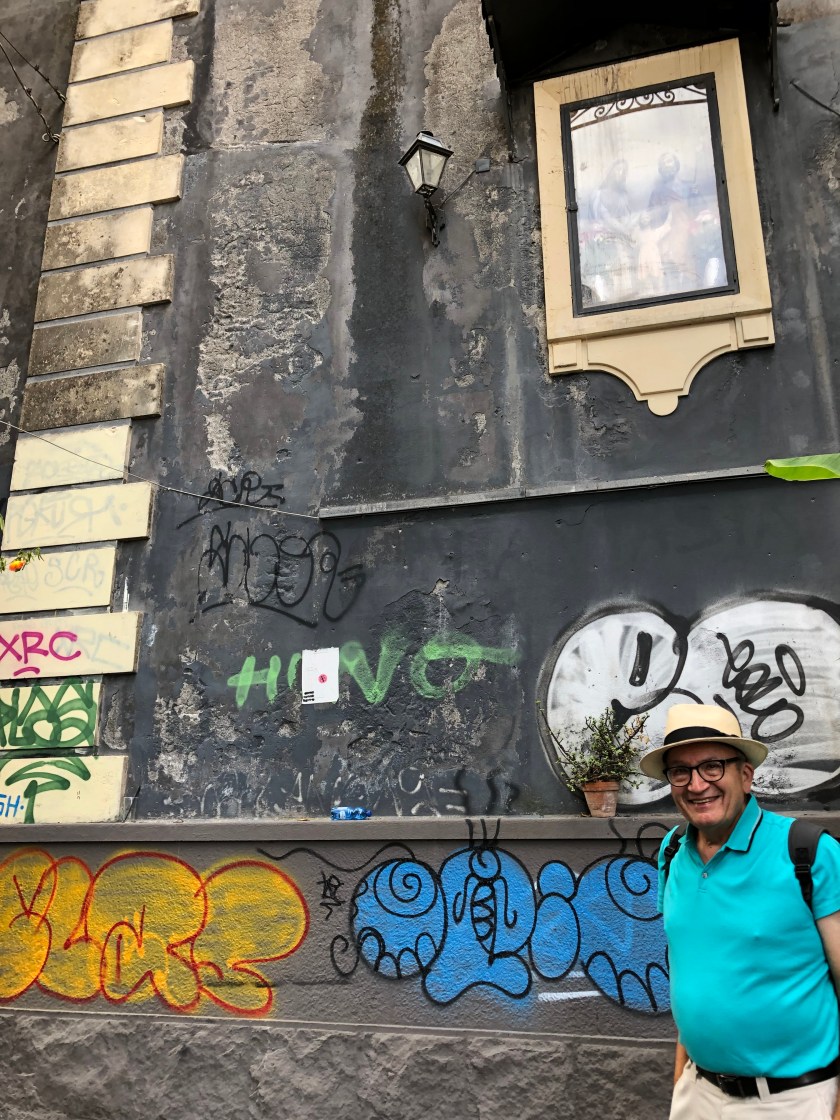
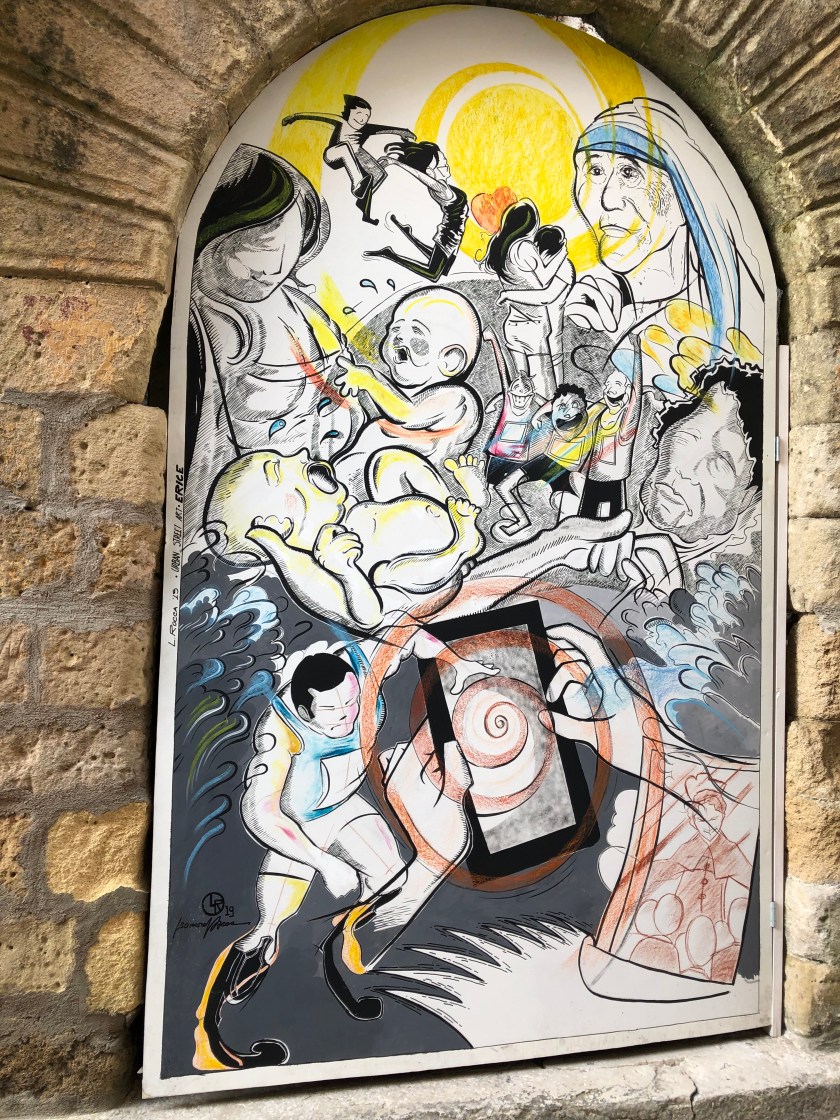
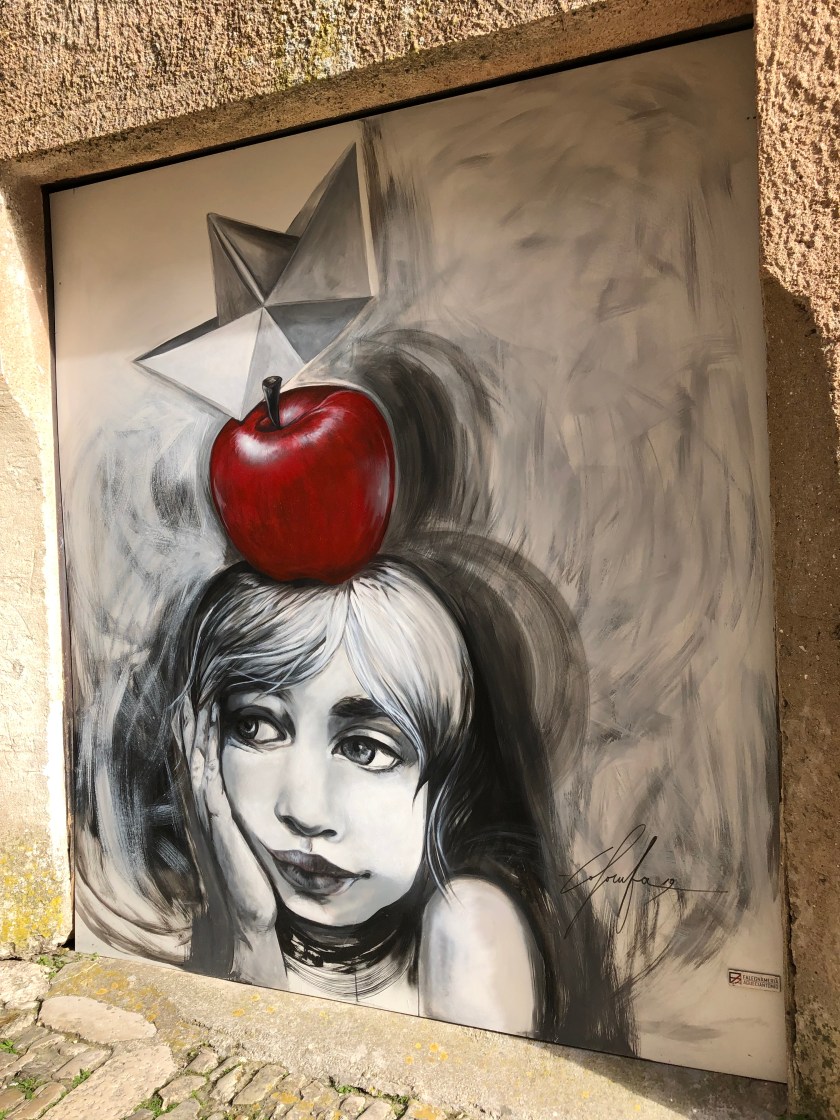
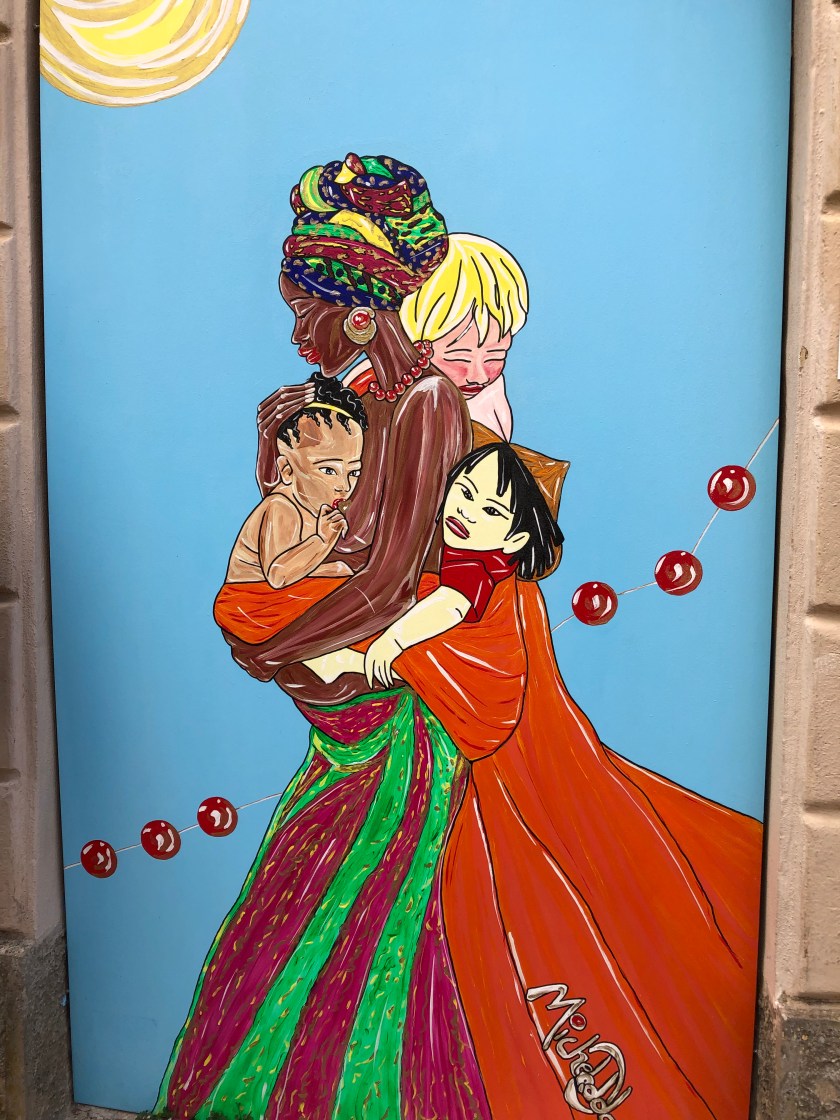
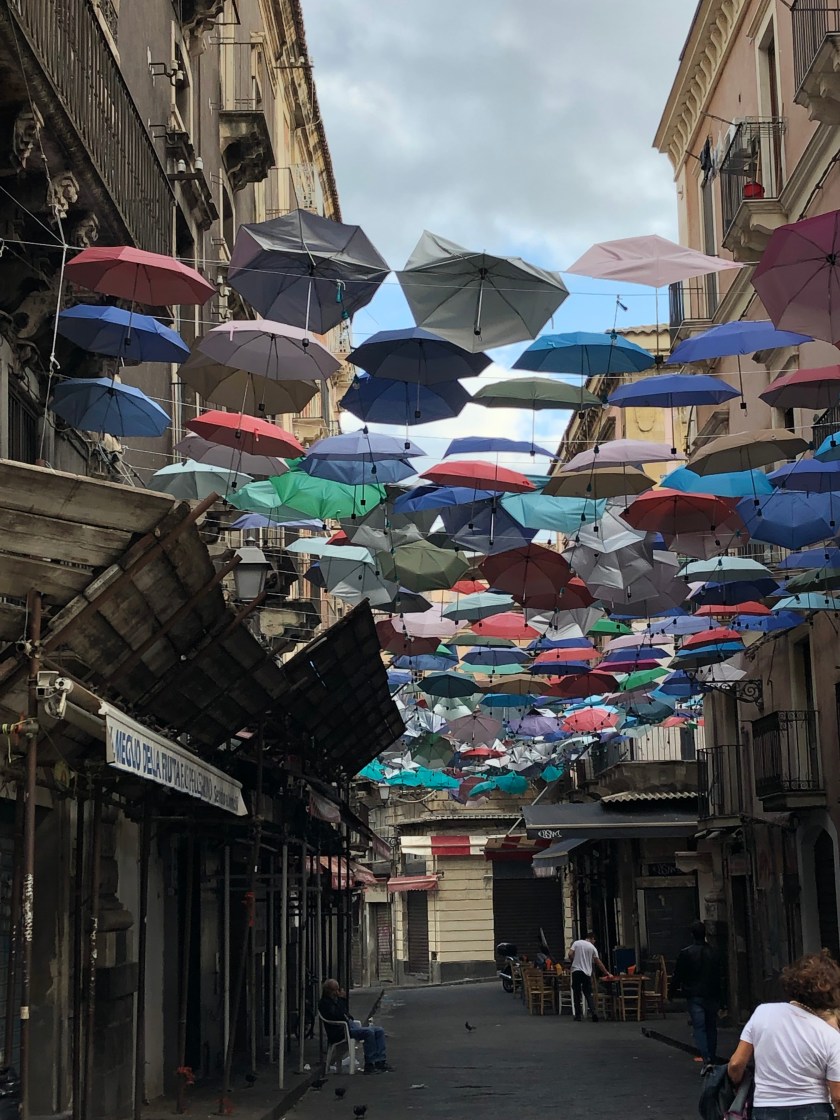
We passed some colorful street art along our walk.

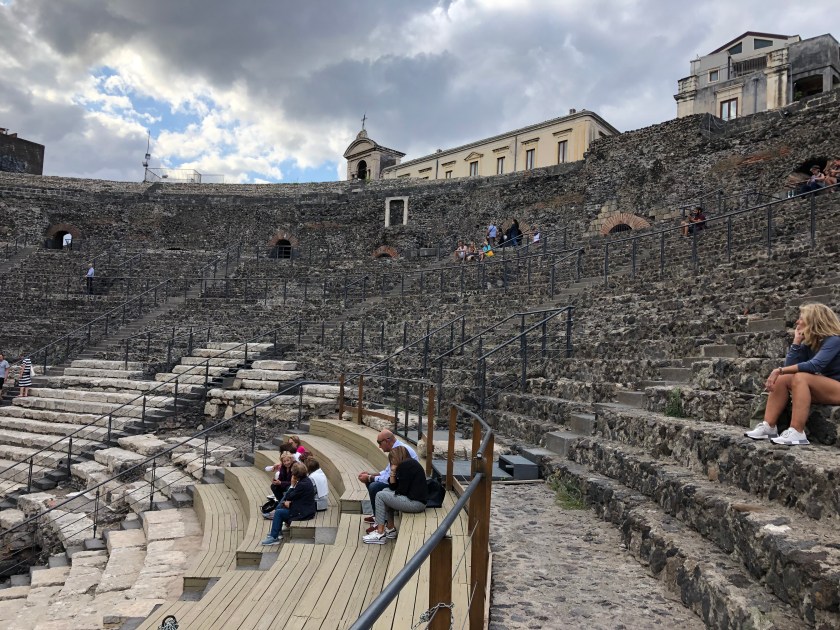
The next site was the Greek/ Roman theater, hidden away behind an innocuous door that opened out into an impressive well preserved amphitheater.

We wound our way back to the hotel before our farewell dinner.

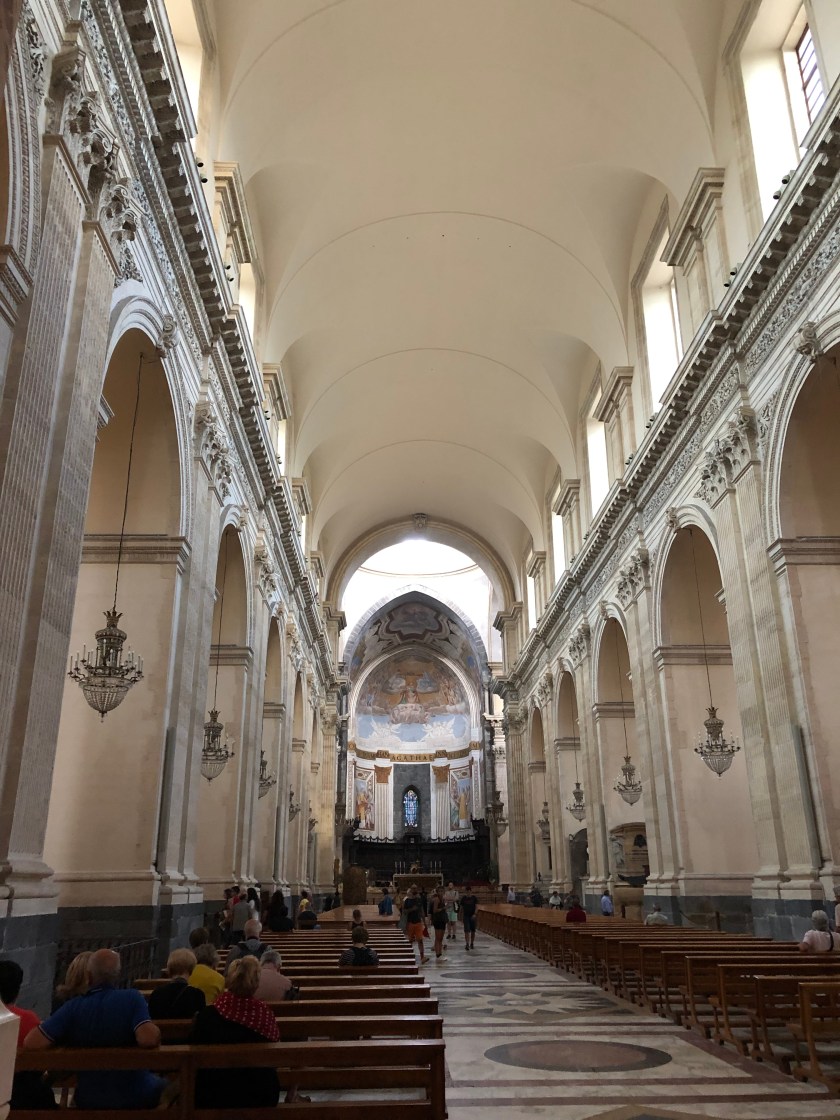
We visited the Duomo, witnessed two baptisms and joined in the evening passeggiata.

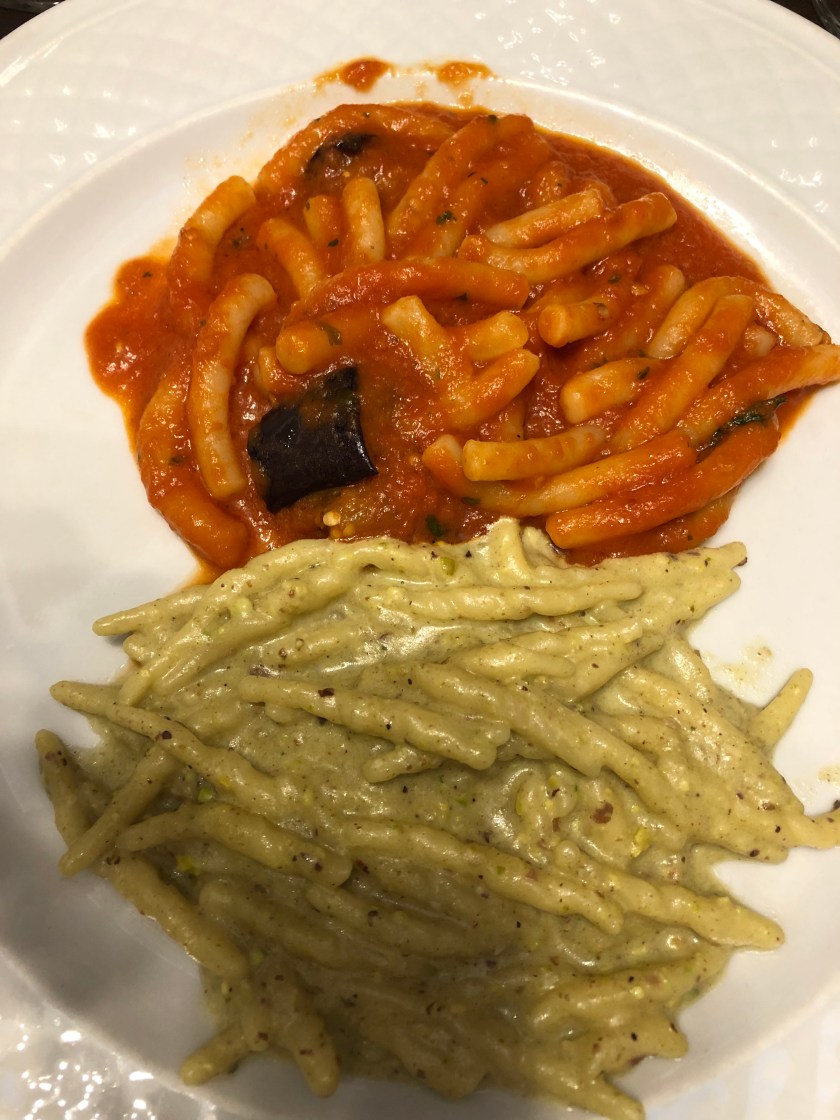
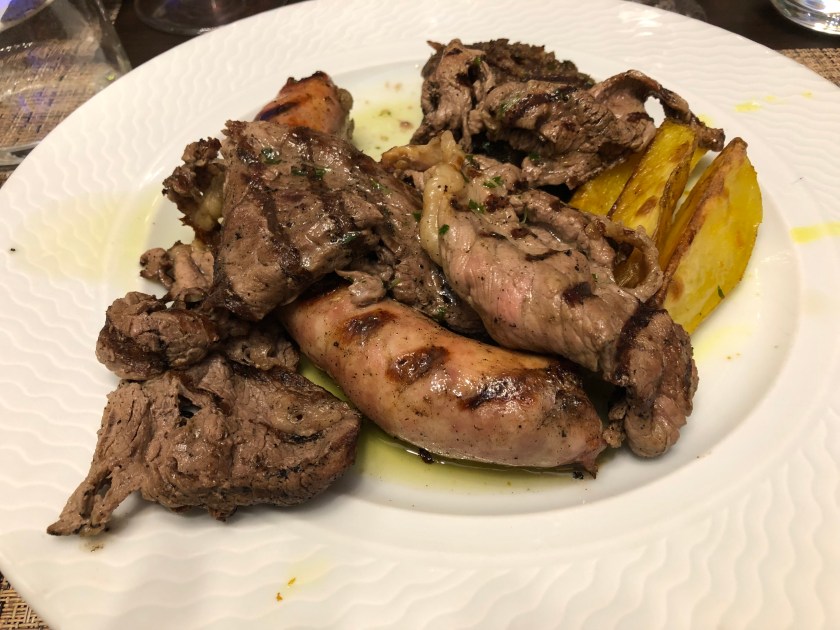
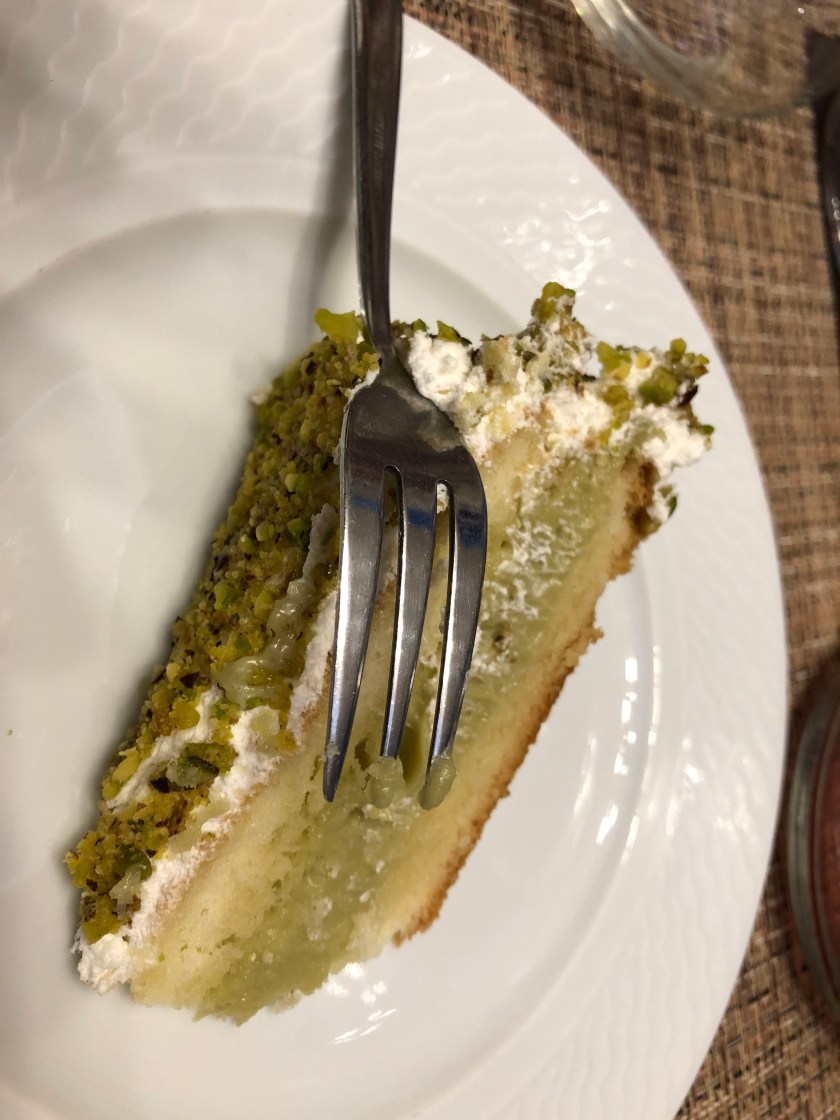
Our farewell dinner was preceded by a happy hour and the we proceeded to a nearby restaurant for a traditional meat/based meal starting with antipasto of grilled veggies and caponata, two pastas (a la Norma and with pistacchio pesto) and a platter of grilled sausage, meatball, and veal and a dessert of pistacchio cake.

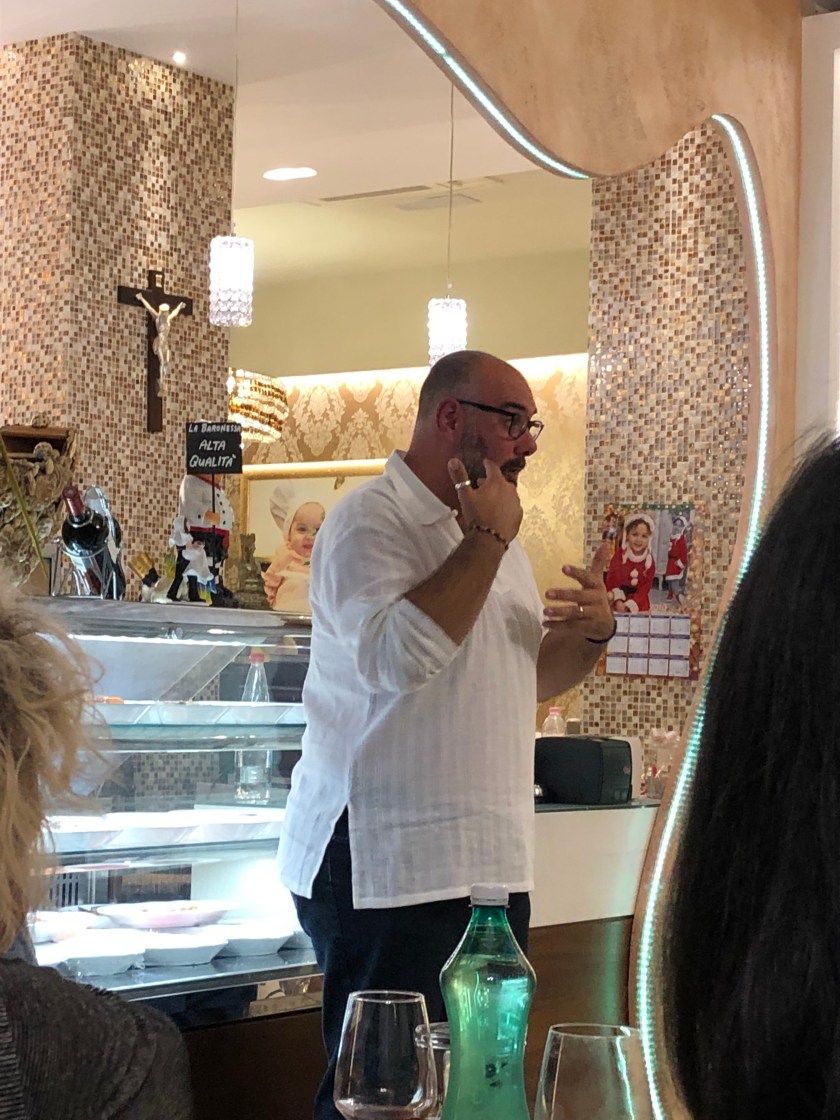
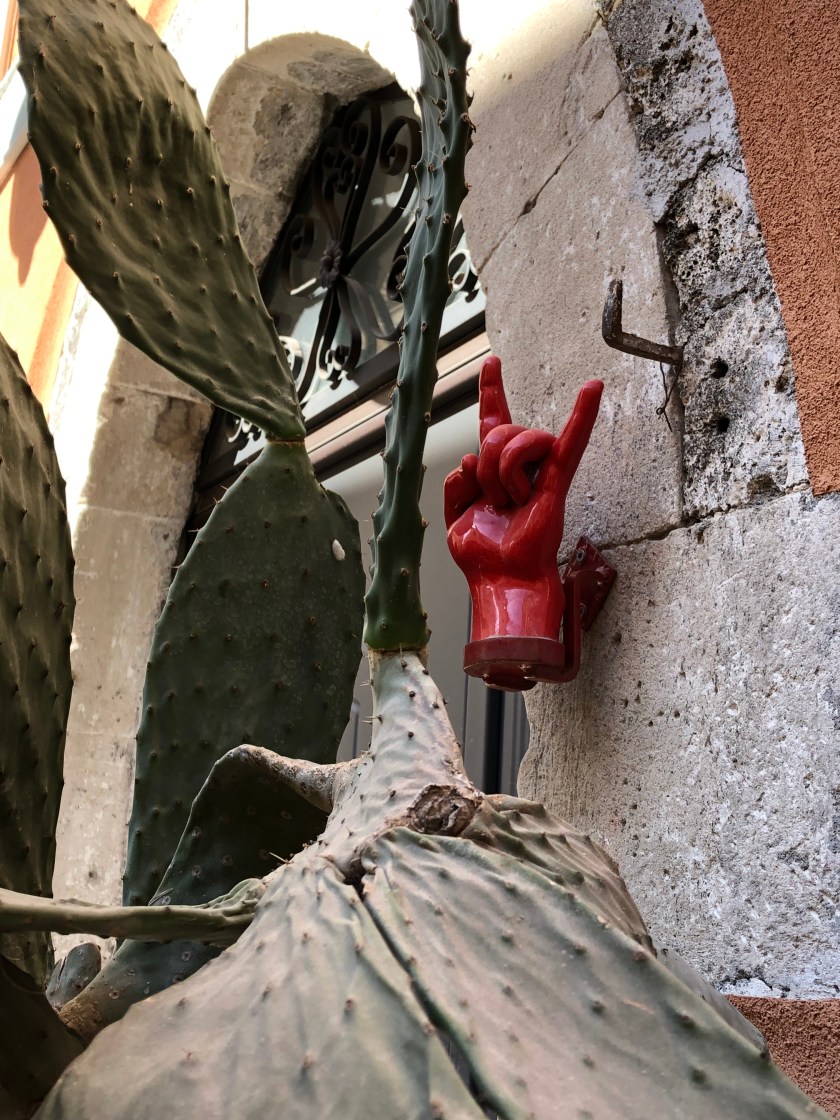
David, our guide, also gave a lesson on Italian gestures.

It was a lovely end to a great Rick Steves tour. Tomorrow we start off on our own for nine days.

Taormina – La Dolce Vita

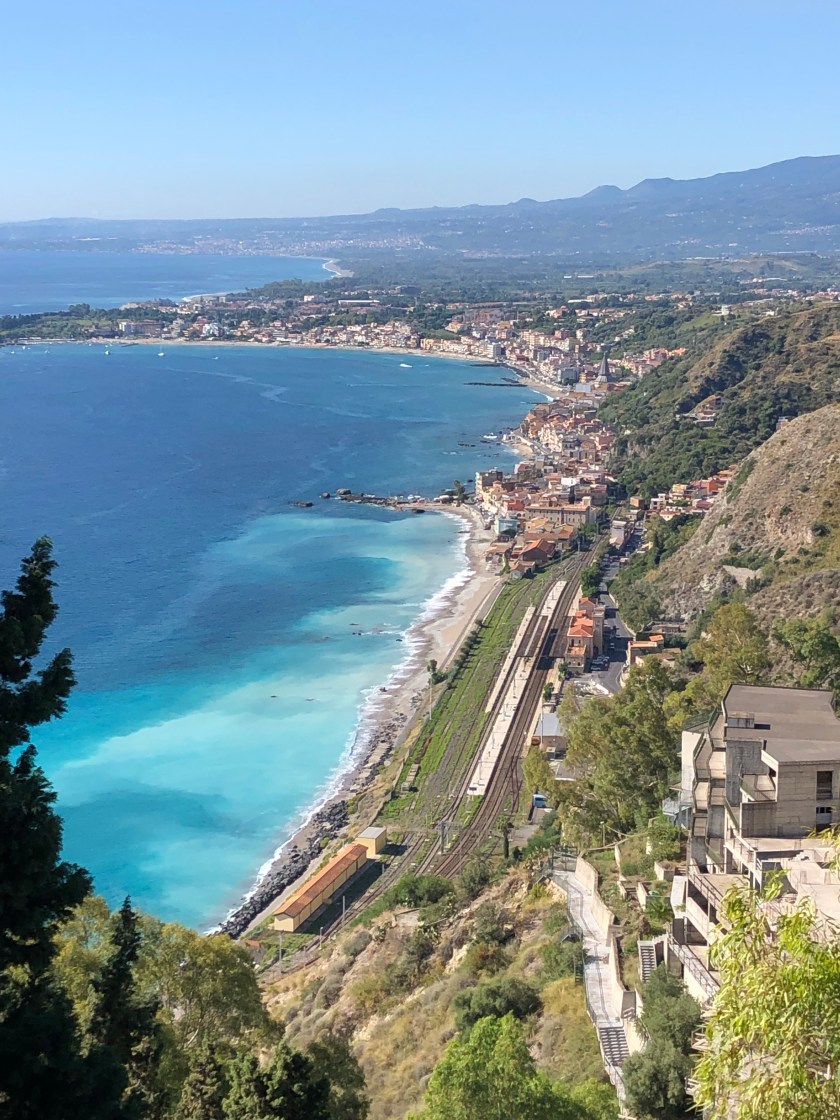
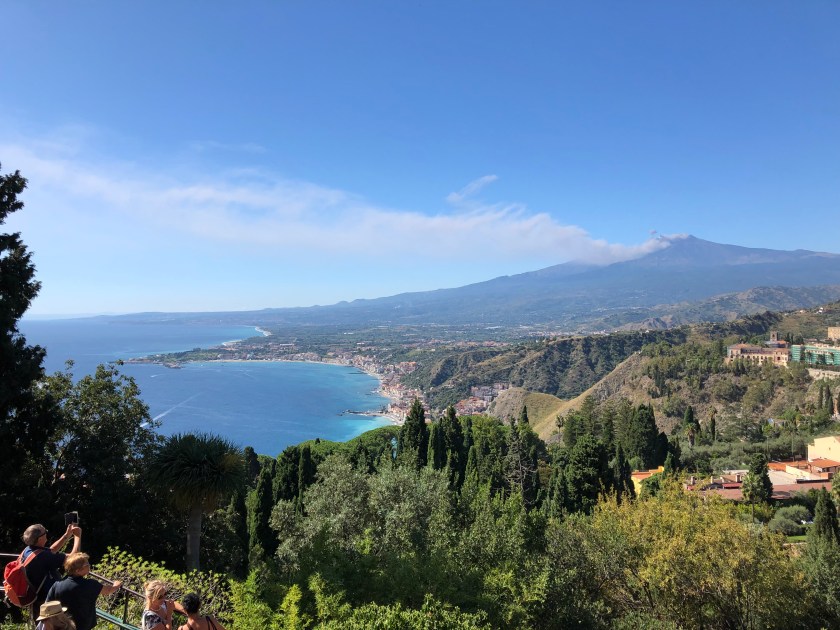
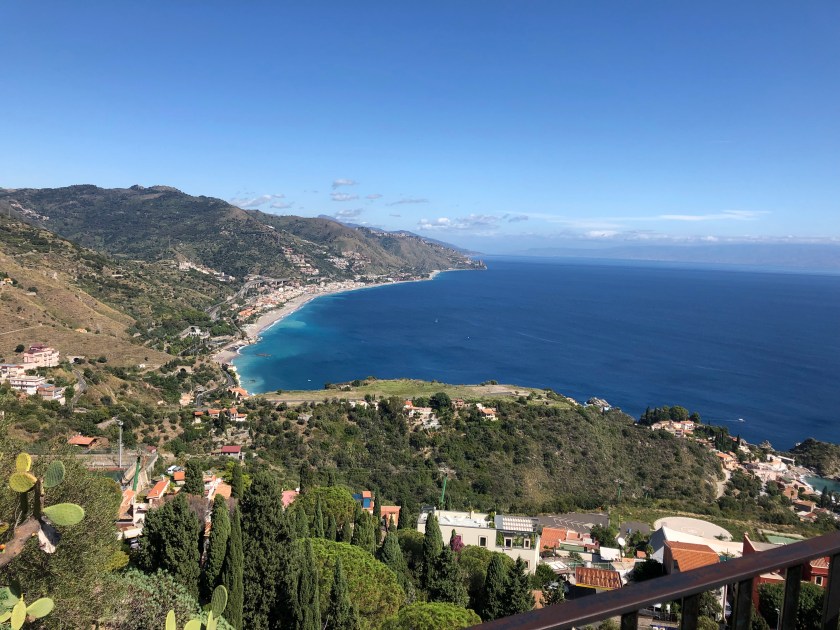
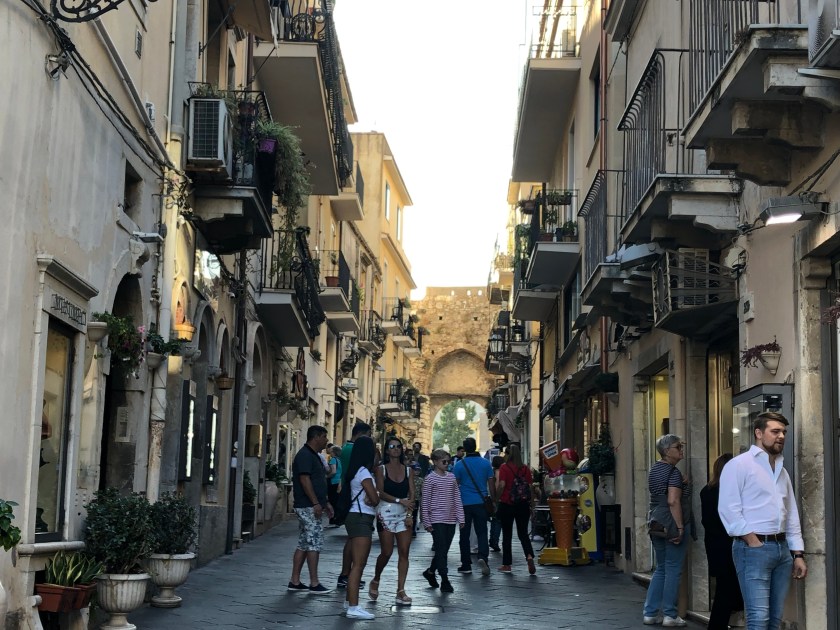
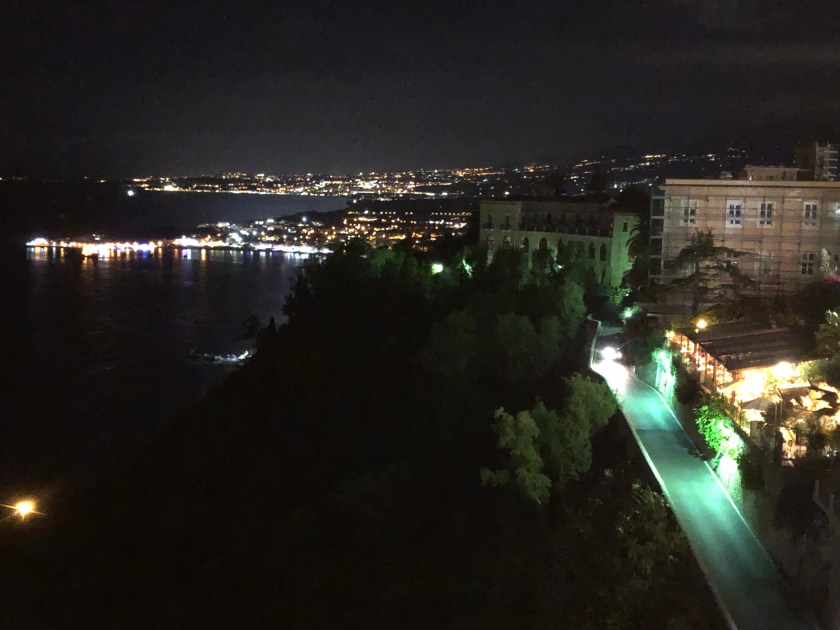
Perched high up on a cliff overlooking both the azure Mediterranean Sea and Mount Etna, the world’s most active volcano, there is an idyllic town where the rich and famous (and many not-so-rich and not-famous) frequent- Taormina. It’s on the itinerary of tour groups and cruise lines as well as Italians from other parts of Italy who come to take in the amazing views of the coast, shop at high end shops, enjoy Sicilian cuisine and people watch.

Today we spent a leisurely day, experiencing “la dolce vita”, with a two-hour tour of the backstreets of the town, the public garden and the Greek/Roman theater. Our afternoon was free to savor the perfect weather and the beautiful surroundings.

We met our guide, Franco, at the Piazza Duomo, just outside the church which is no longer truly a Duomo as it is no longer the church of the bishop. We ventured into the area where the real people live, away from the Corso Umberto.

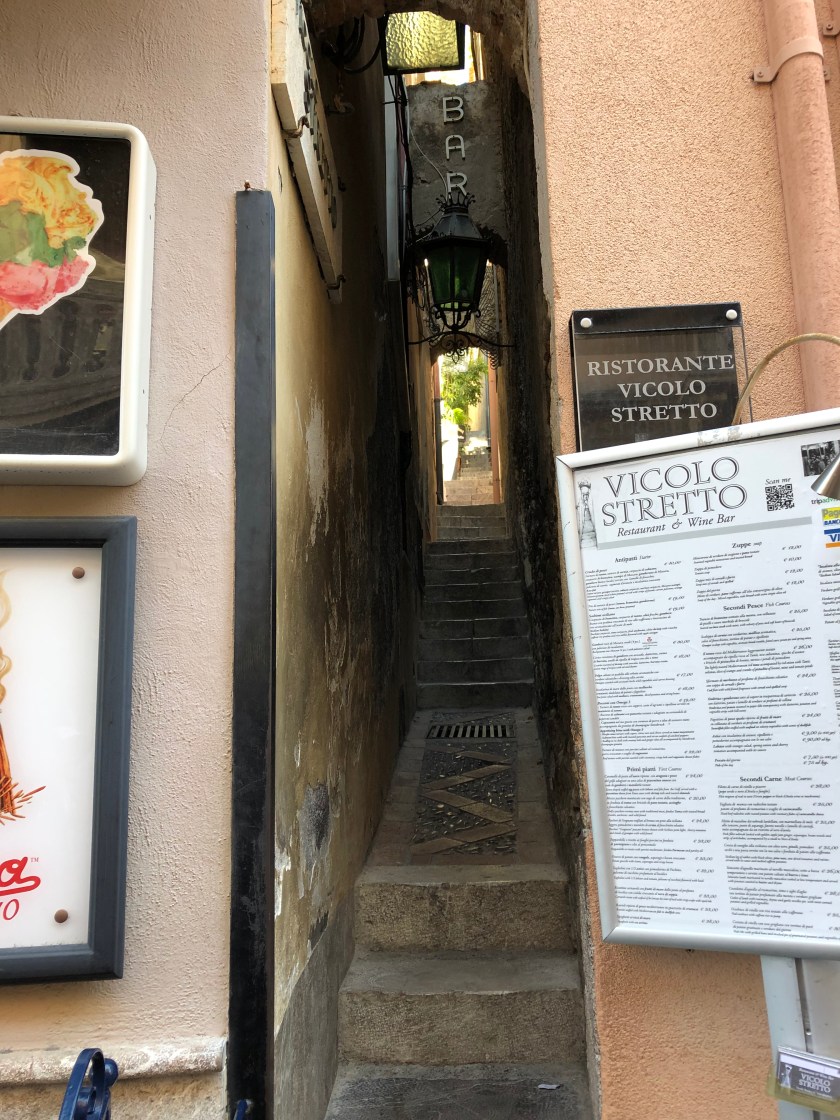
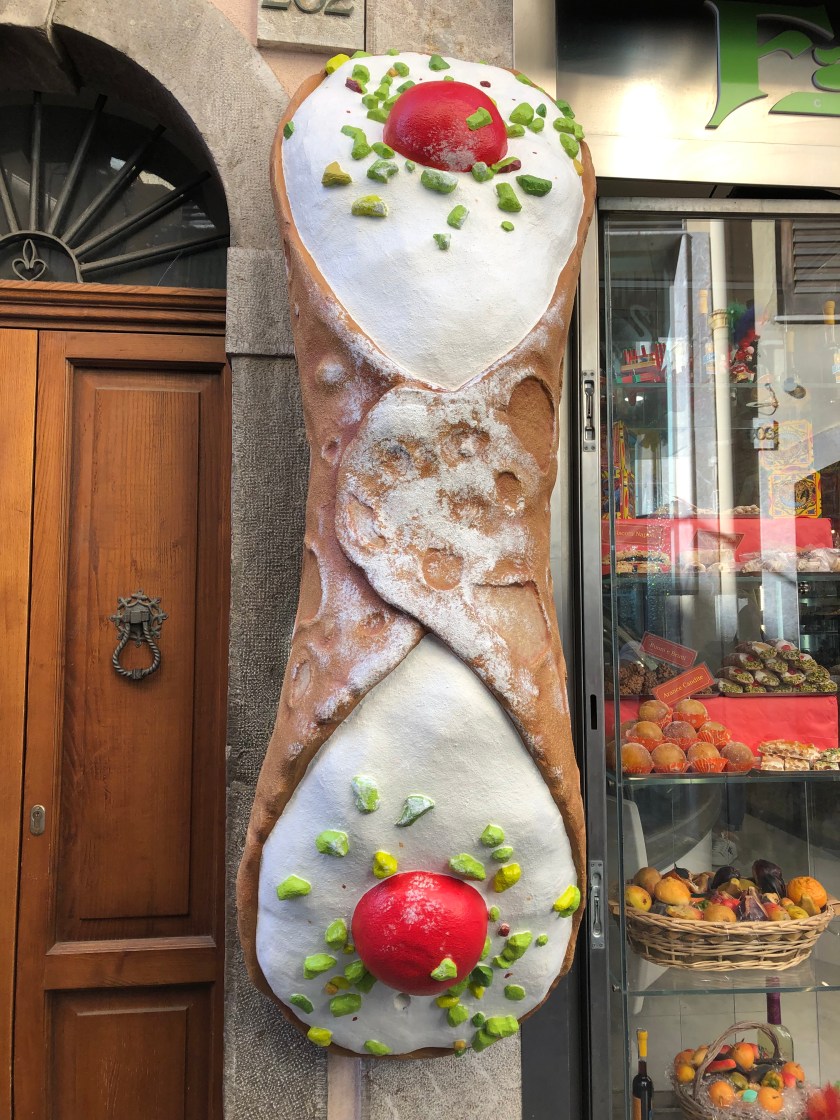
Along the way, we saw the narrowest street in Taormina (not for cannoli aficionados)

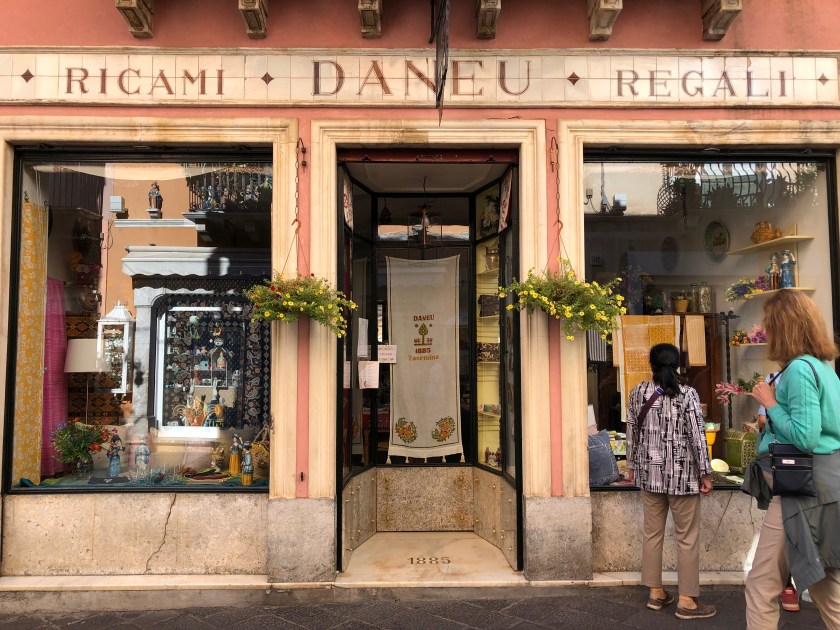
and the oldest store

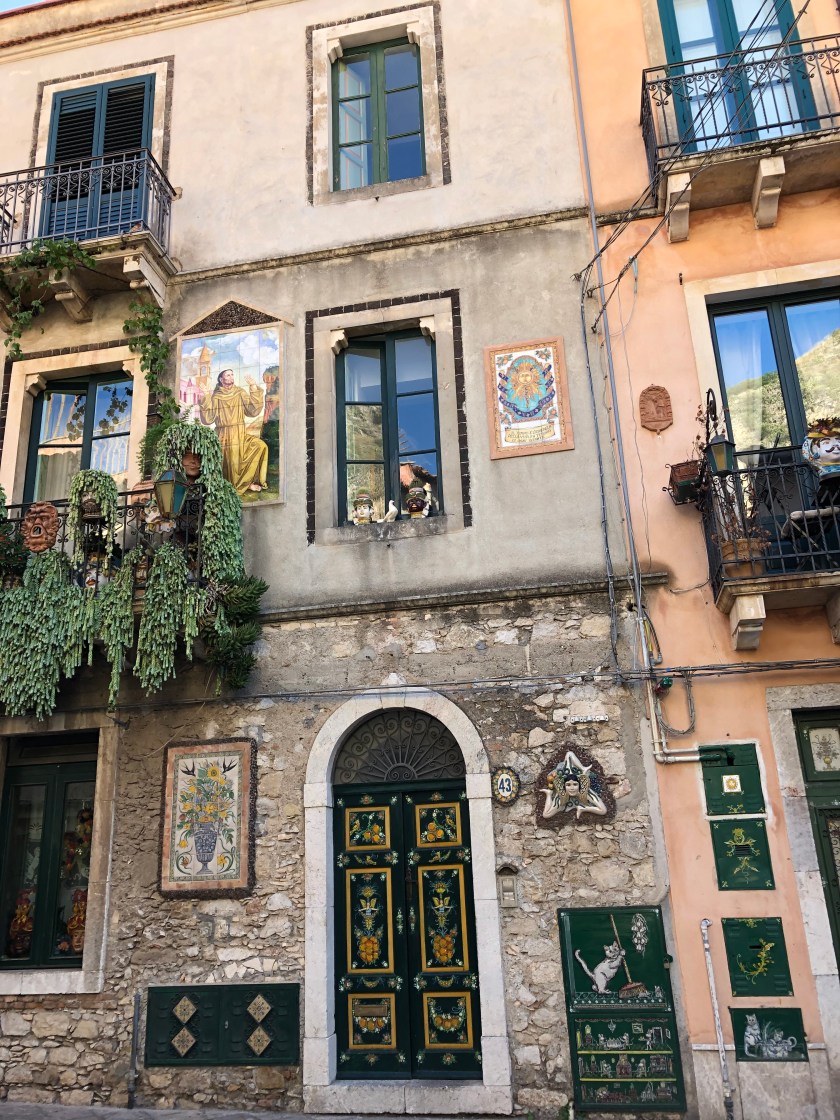
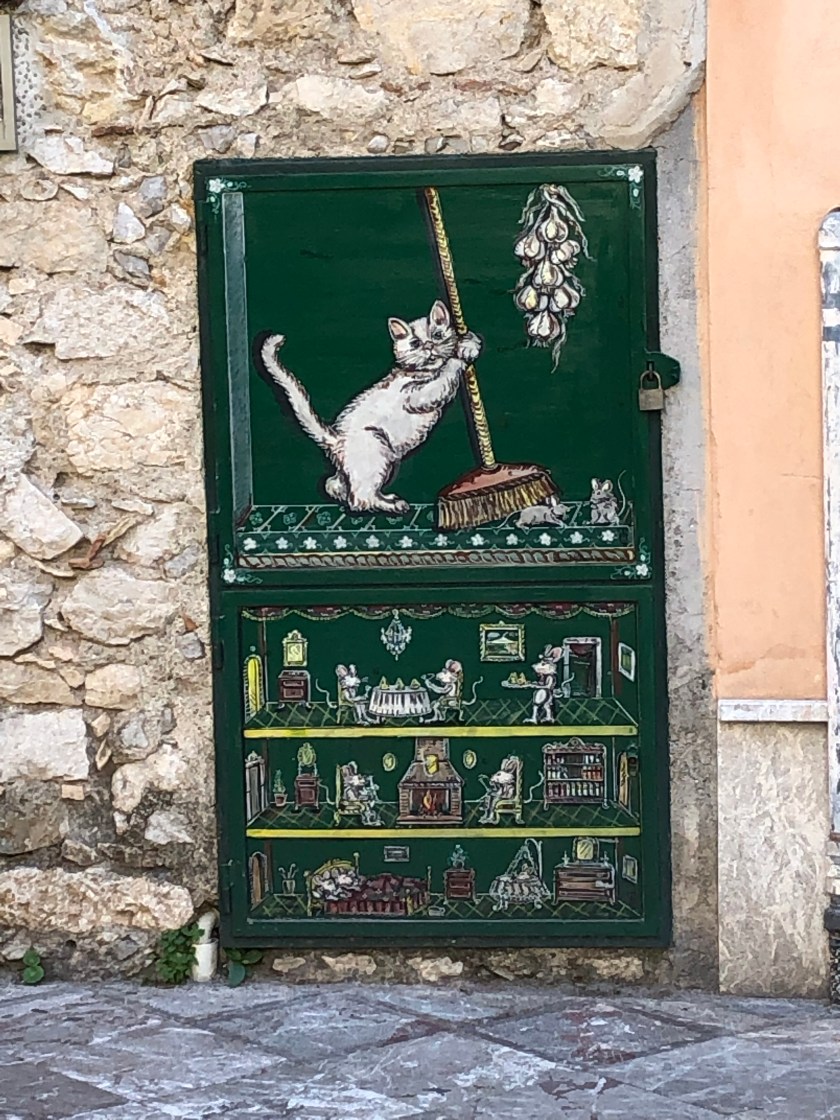
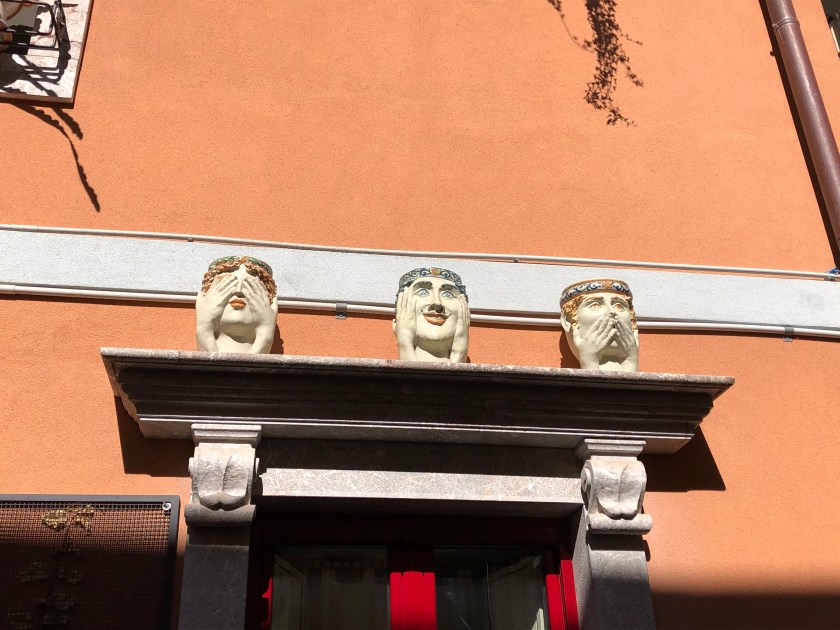
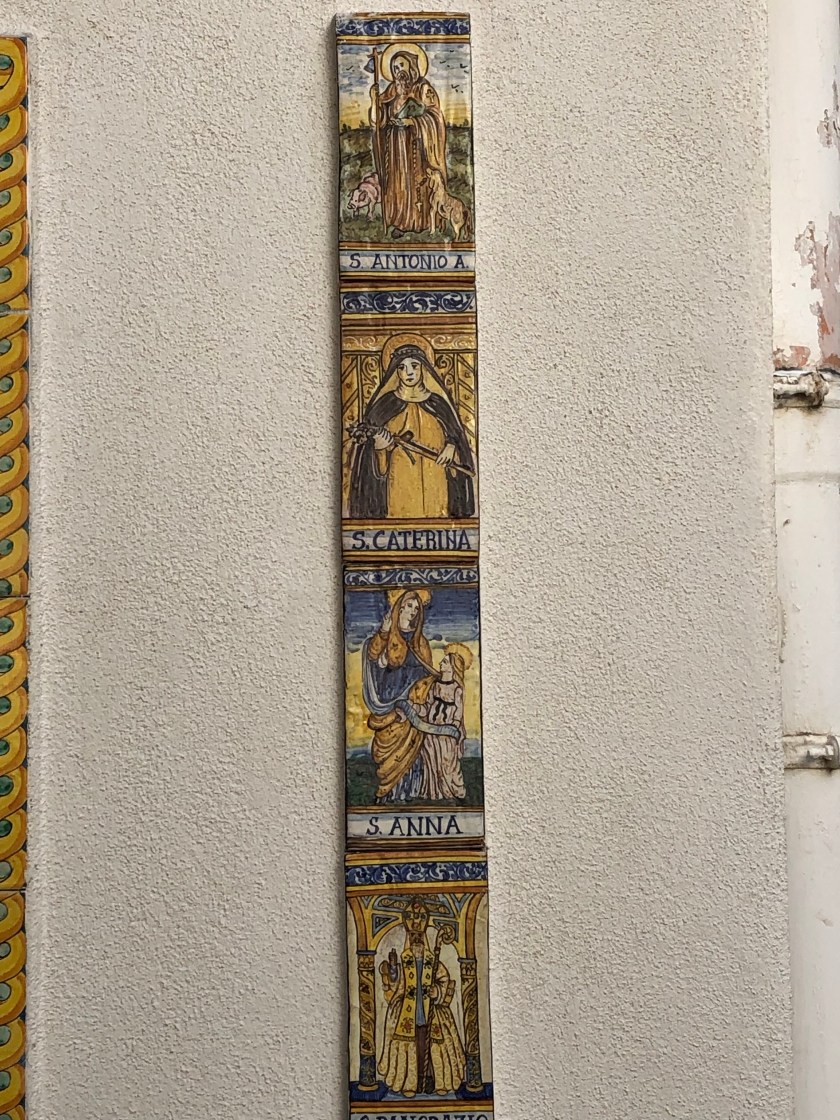
still owned and operated by the same family. Franco pointed out many unique decorations on the houses.

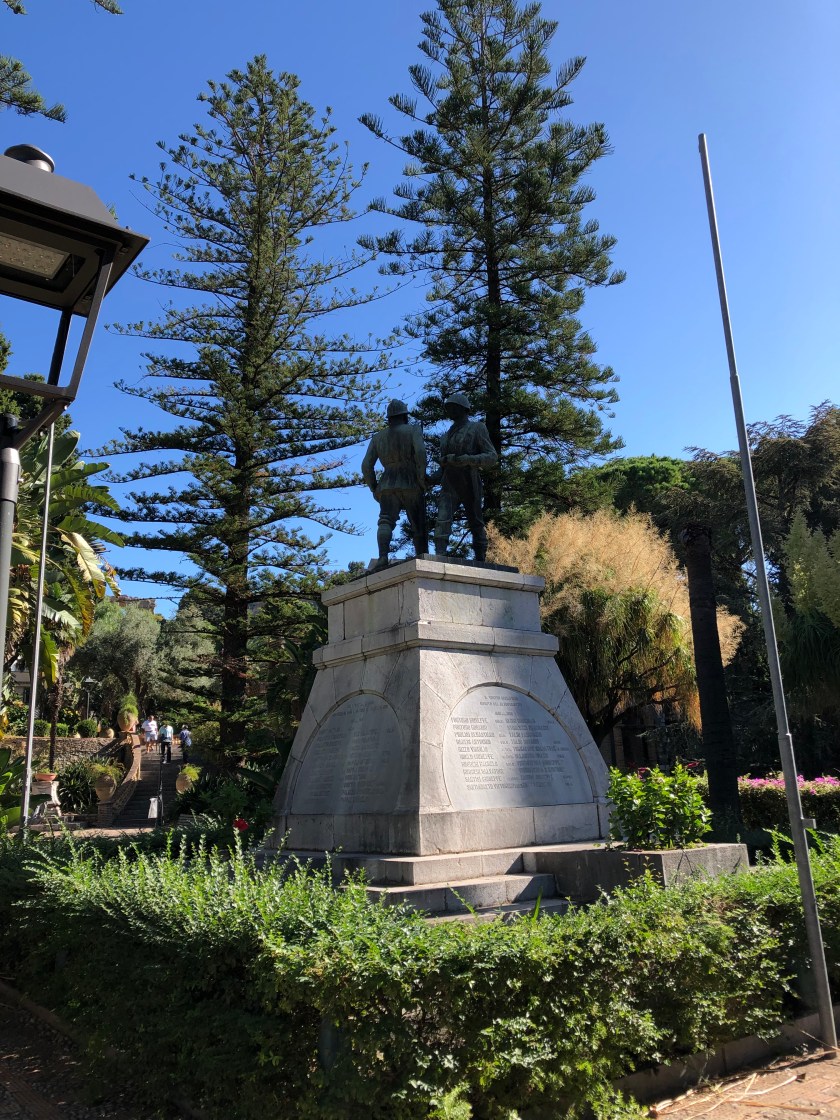
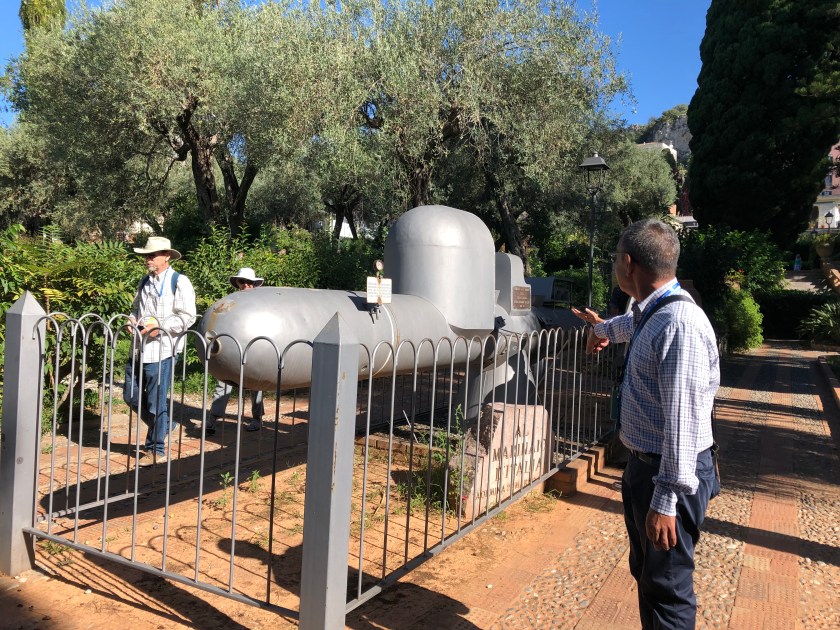
The public garden was donated to the town by a British woman, Lady Trevelyan, who had also provided money for the dowries of 89 young women from the town. It is filled with an eclectic mix of plants from all over the world. Although bequeathed by this woman, the fascist government in 1922 had named it after the former mayor. Next year the name will be changed in her honor. The views of the coast from the park are stunning and the park also contains a monument to soldiers fallen in both world wars as well as a torpedo used during WW2.

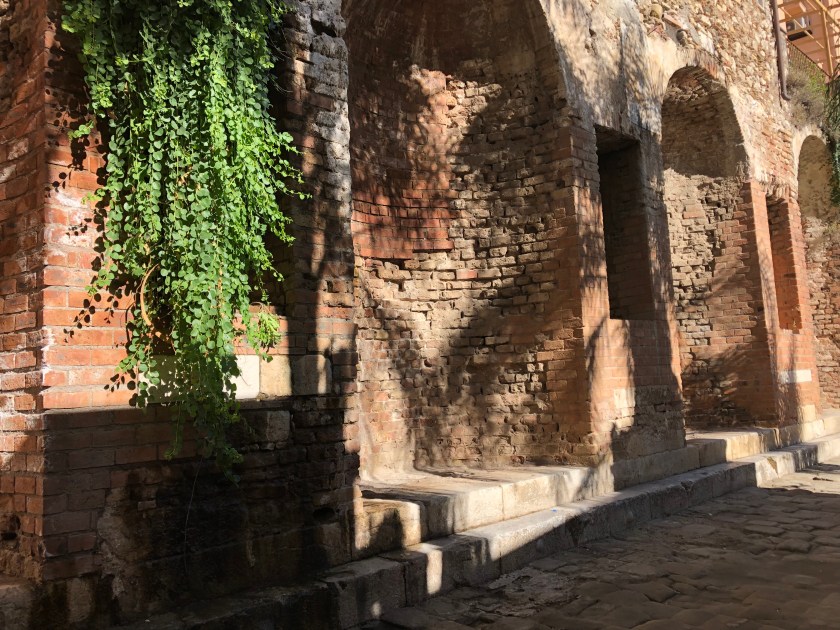
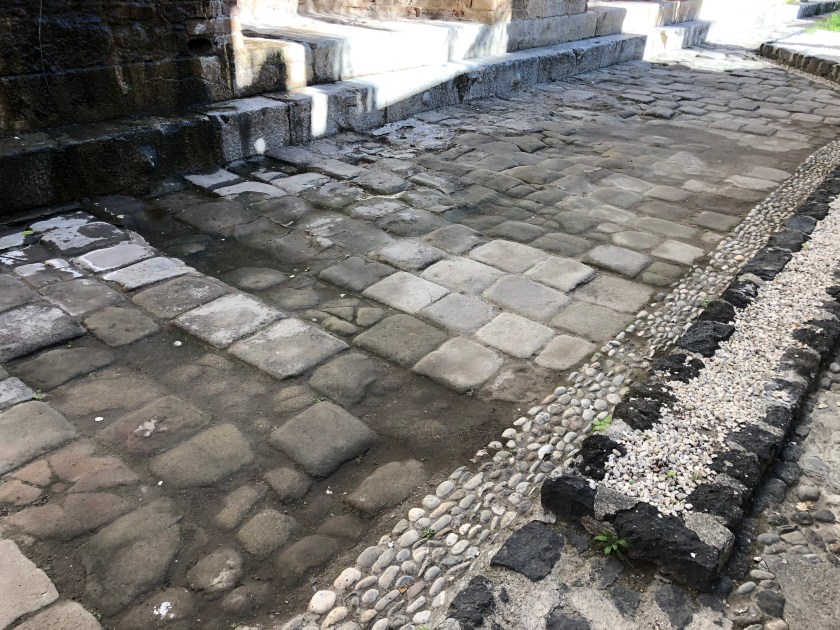
The fortified walls of the town, built by the Romans, can be seen when one wanders off the main shopping street. The remnants of the original cobblestone pavement can still be seen.

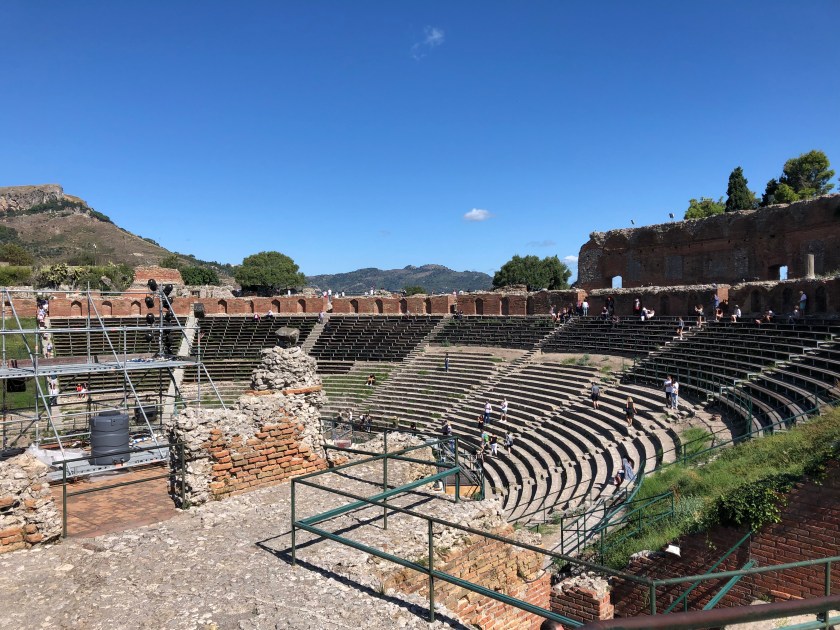
The Greek/Roman theater is the main historic attraction in the town. It was originally built by the Greeks in the 4th Century BC (this area was the first Greek colony!) but was subsequently remodeled by the Romans to serve the requirements of their spectacles, adding areas for animals and the mechanical structures needed. The theater also has an impressive view of both Etna and the coast.

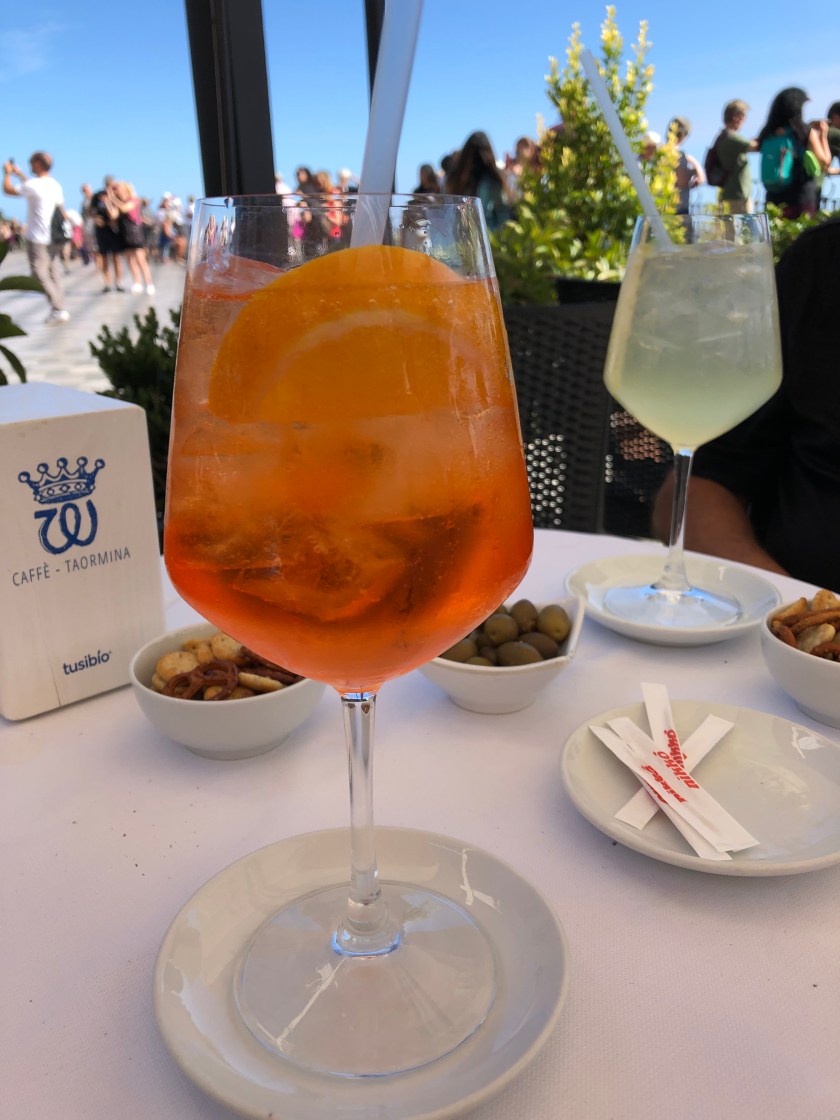
We had the rest of the day off. The options included taking the funicular down to the beach, taking a taxi or bus up to the neighboring town of Castelmola or to just languish in the afternoon sun. We chose option number three, enjoying a spritz, people watching and window shopping.

We had pizza at the restaurant just steps below our hotel and ended the evening with a last stroll through the town.

Some interesting photos:

Volcanos and vineyards

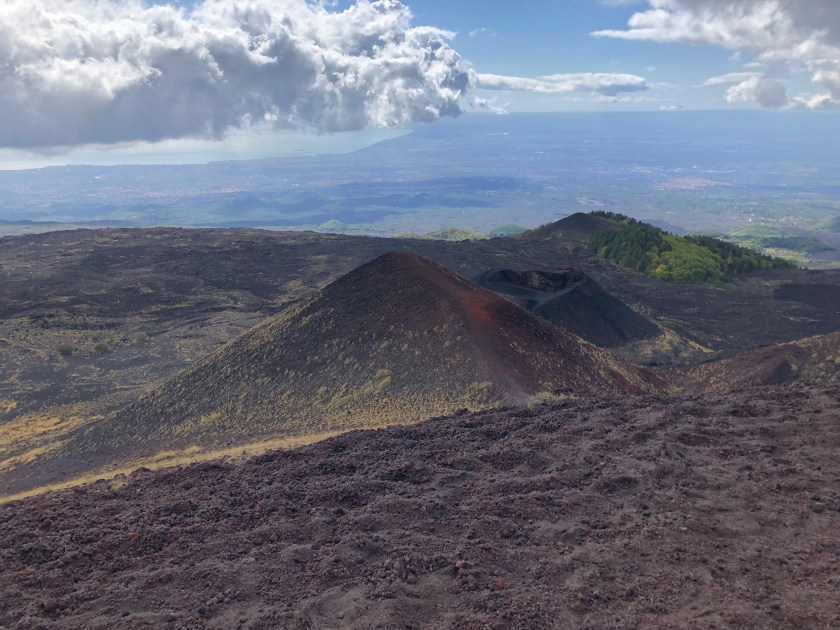
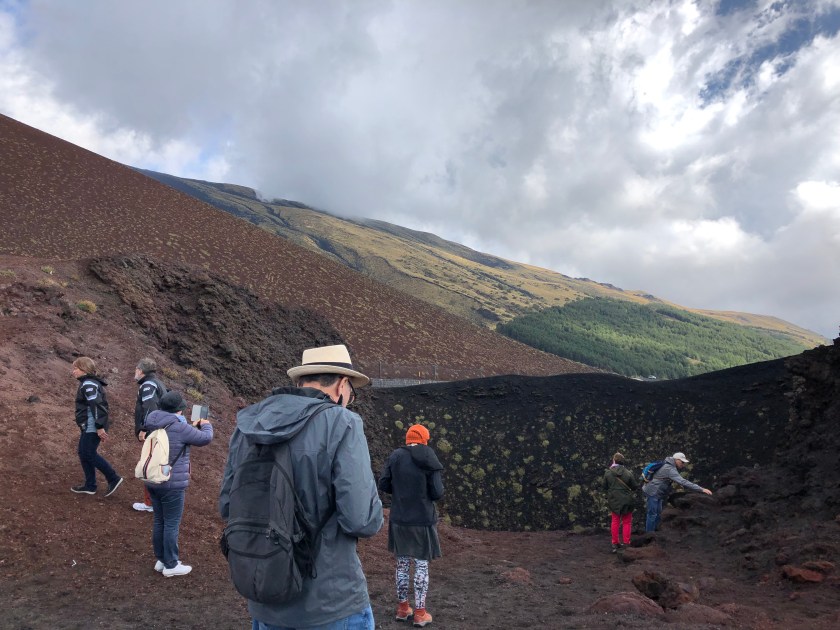
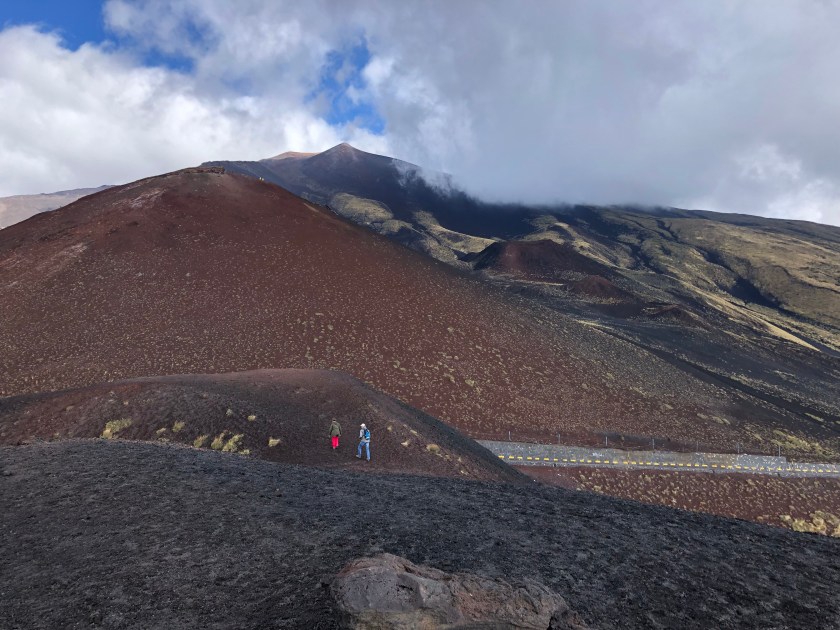
Mount Etna is the largest active volcano in Italy, sputtering black smoke out of its crater these past couple of days. At 11,000 feet, its slopes are used as a ski resort in the winter. We braved some cold windy weather today as our bus climbed the windy road up the southern slope and stopped halfway at Silvestri crater.

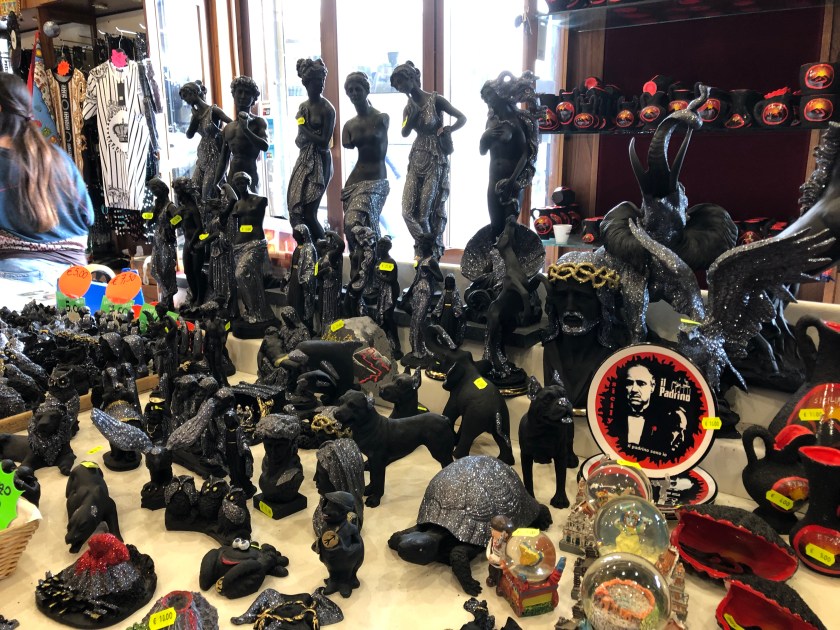
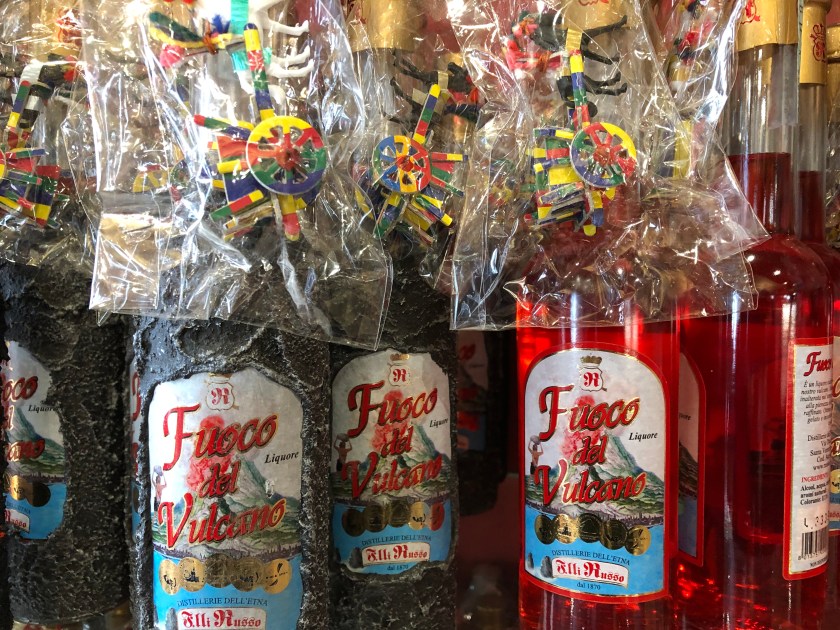
The bar/souvenir shop was packed with tourists buying cappuccini and trying to get warm. But there weren’t too many interested in the vast selection of tchotchkes made of lava stone of volcanic “fire water”.

We climbed onto the edge of the closest crater, unwilling to make the steep (and potentially dangerous) climb to adjacent craters. The view was stark yet impressive.

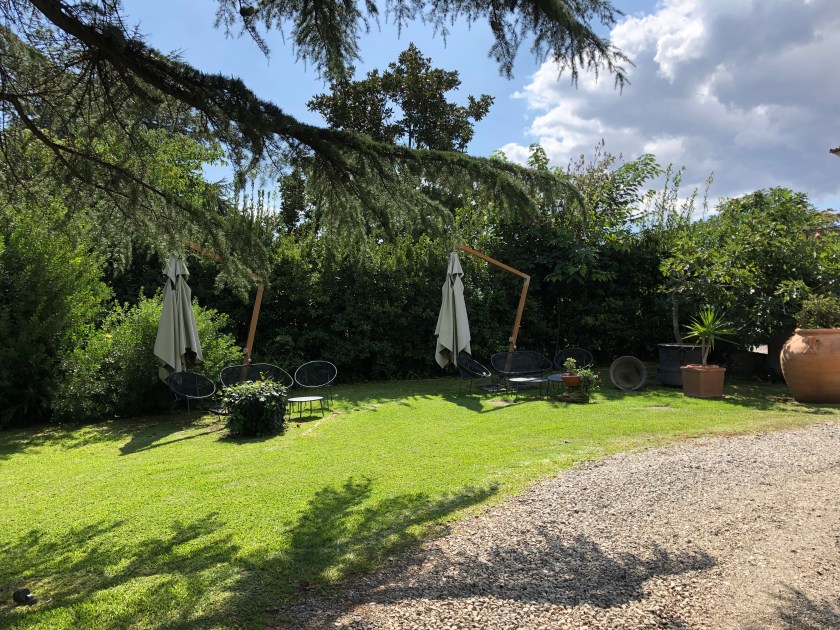
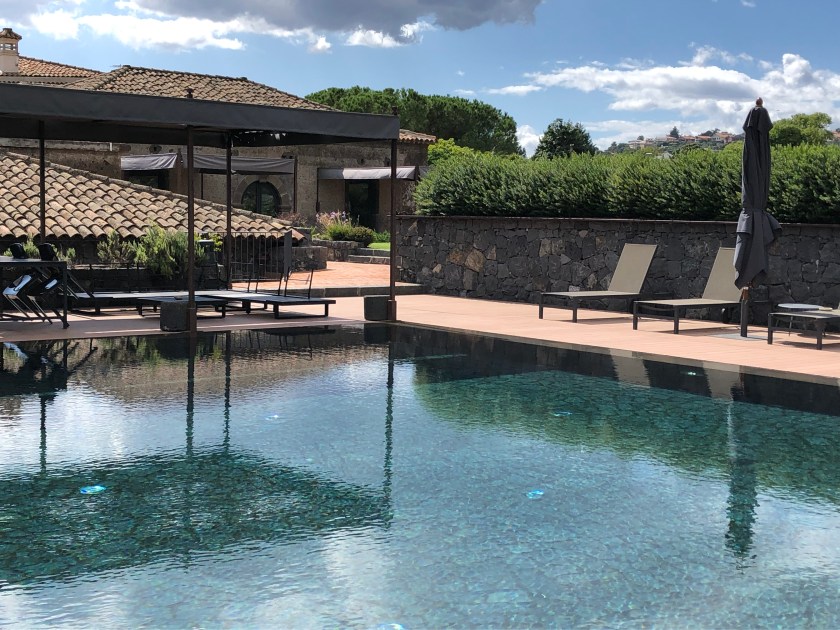
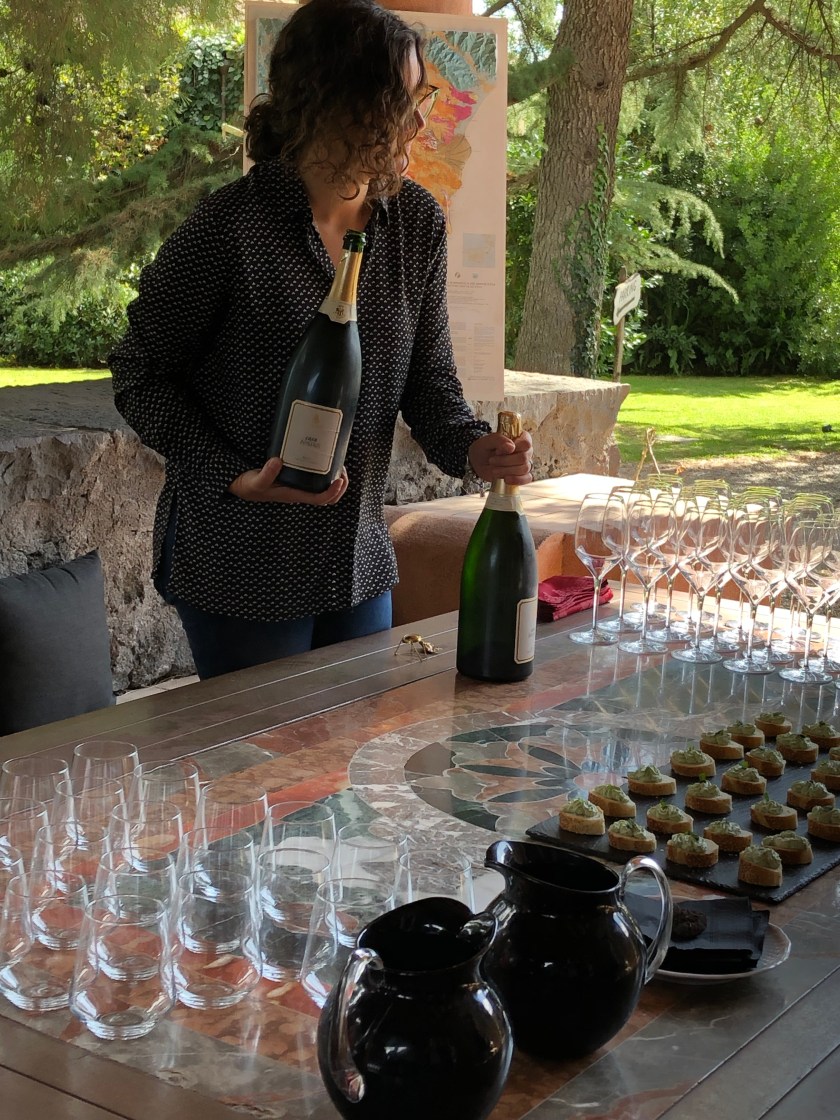
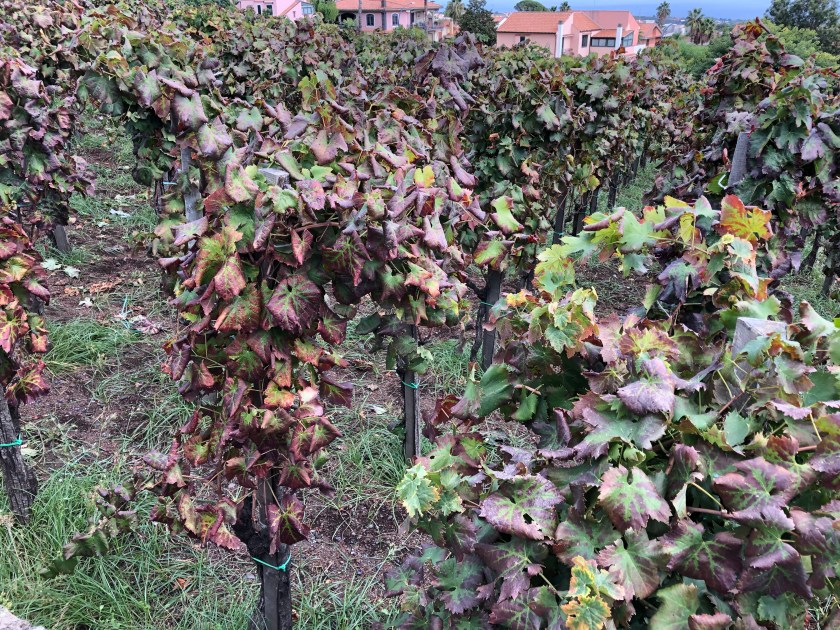
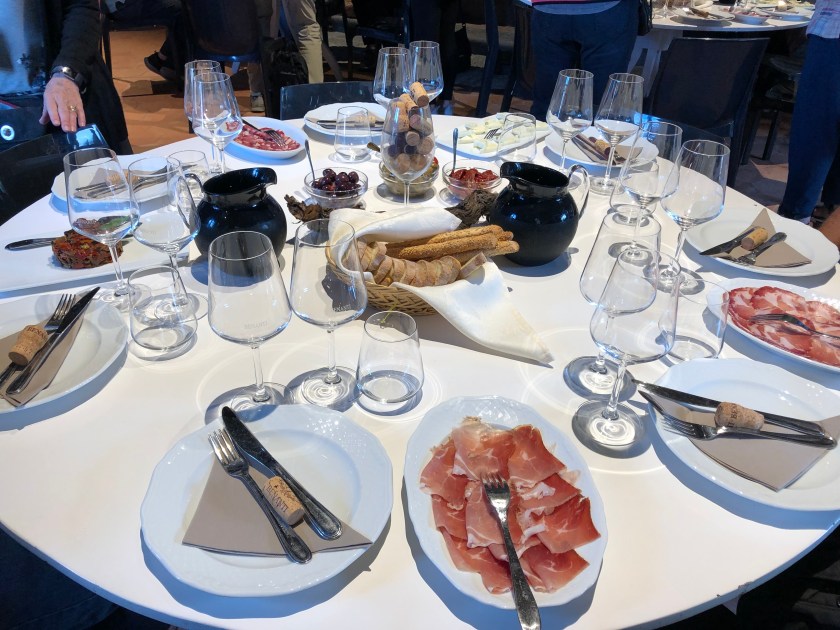
After about an hour, the bus departed Etna, winding down the northeastern slope eventually reaching the verdant lower slopes, with acres of vineyards coming into view. We reached the Benanti winery, a family-run enterprise ( they gave up their pharmaceutical business) with a gorgeous property and about 65 acres of vines spread over several slopes of lower Etna. They are small volume producers of the crisp and mineral- rich Etna Rosso and Etna Bianco wines. We were treated to a tasting of a sparkling white and two reds accompanied by a “light lunch” of prosciutto, pecorino cheese, coppa salami, olives, caponata, a warm potato “cake” and eggplant parmigiana.

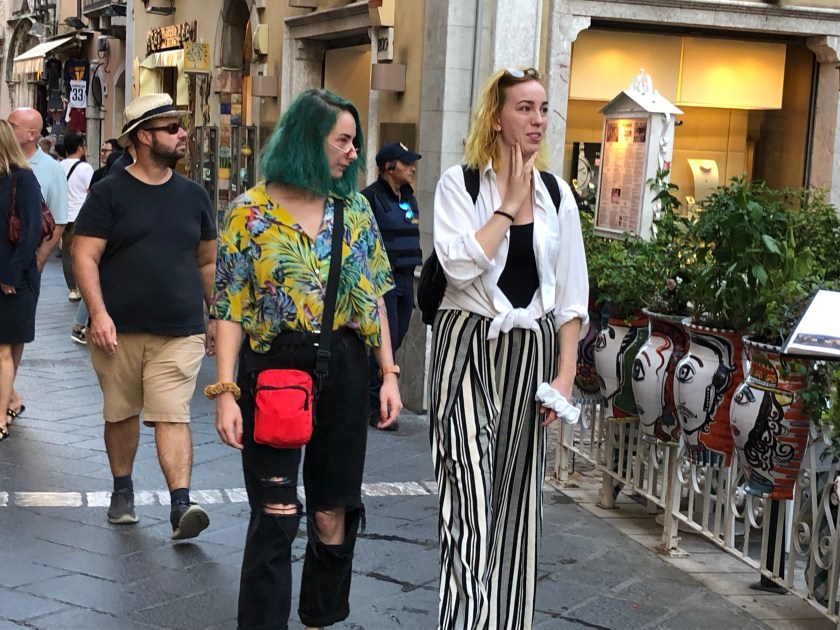
After lunch, we departed for Taormina, the town up on the cliff above the site of the first Greek colony of Naxos. The Hotel Continental has a perfect location at the top of stairs facing the Piazza Duomo near the Porto Catania gate. The crowds were not bad, as it was early evening and mist of the day trippers were gone. After a very brief orientation tour, we were set free for the evening. We strolled the Corso Umberto, window shopping and people watching.

Several street performers provided musical entertainment and we enjoyed a pre-dinner gelato.

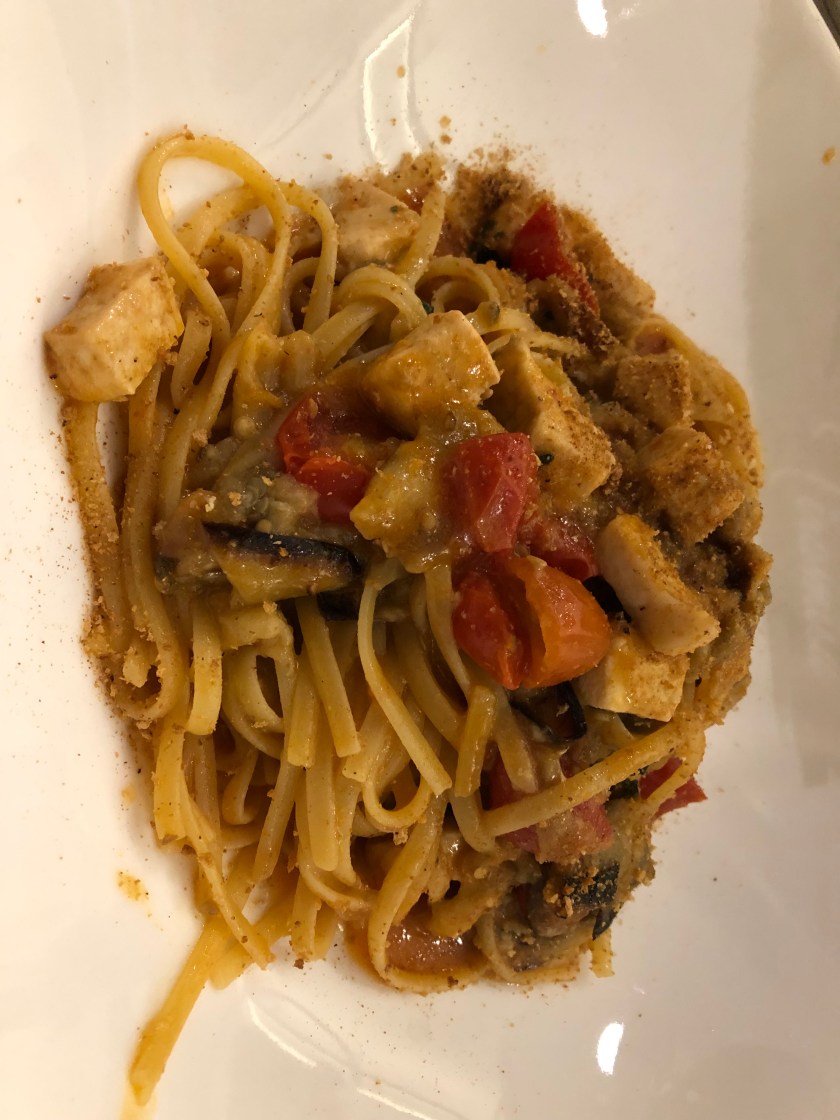
We had dinner at Trattoria Tiramis, a very popular place located just outside the Porto Catania gate- pasta with swordfish and eggplant.

Another after dinner stroll where we met some of our group and David, our guide, and we decided to head back to the hotel.

Ortygia

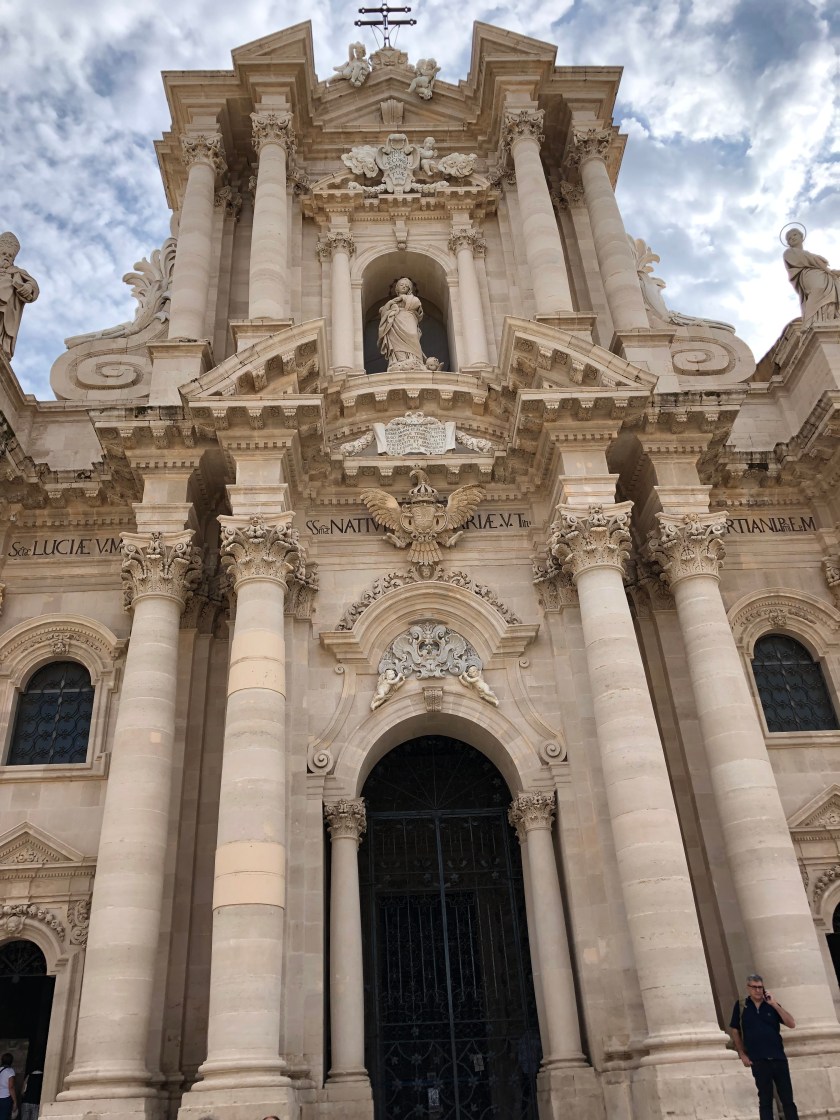
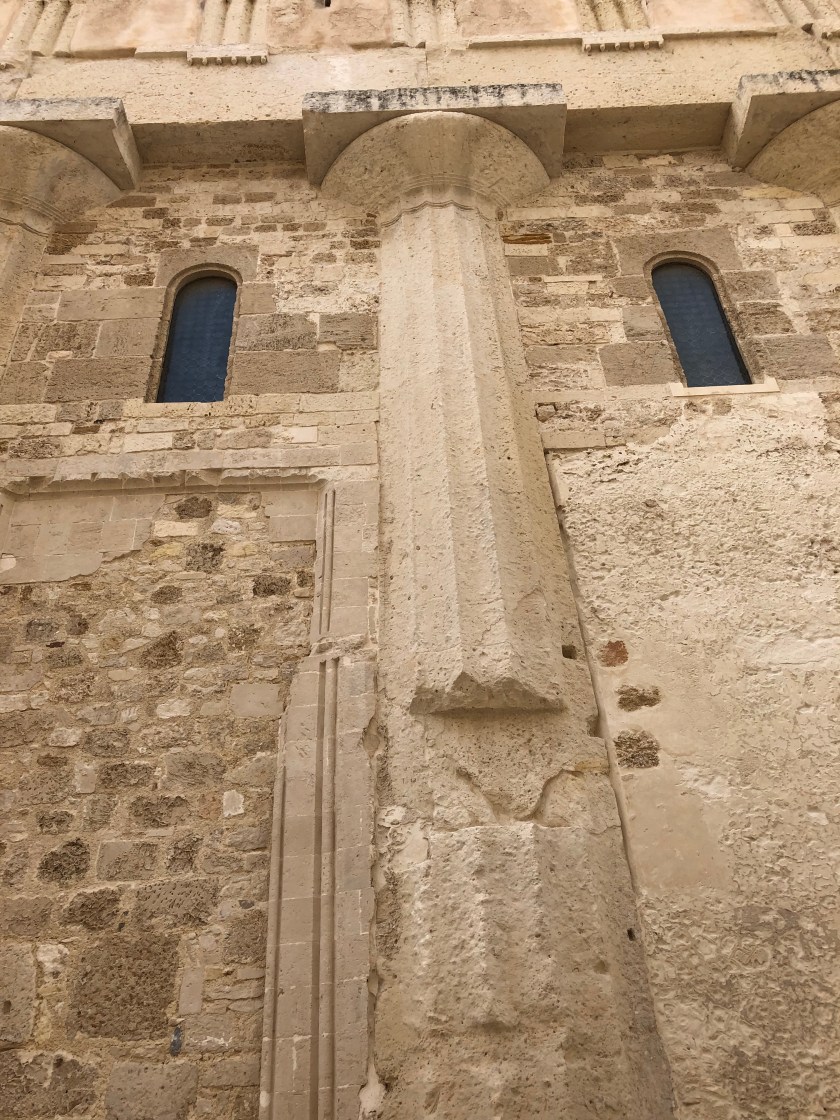
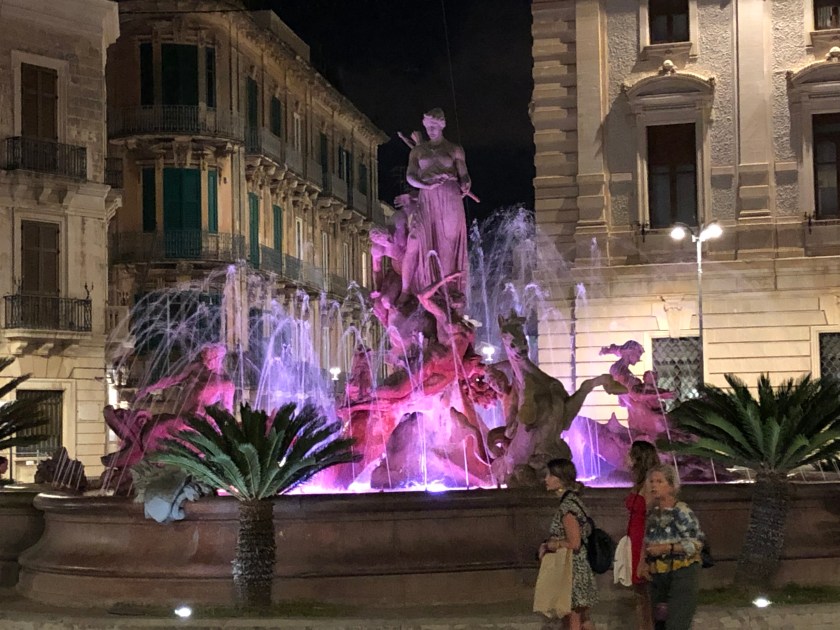
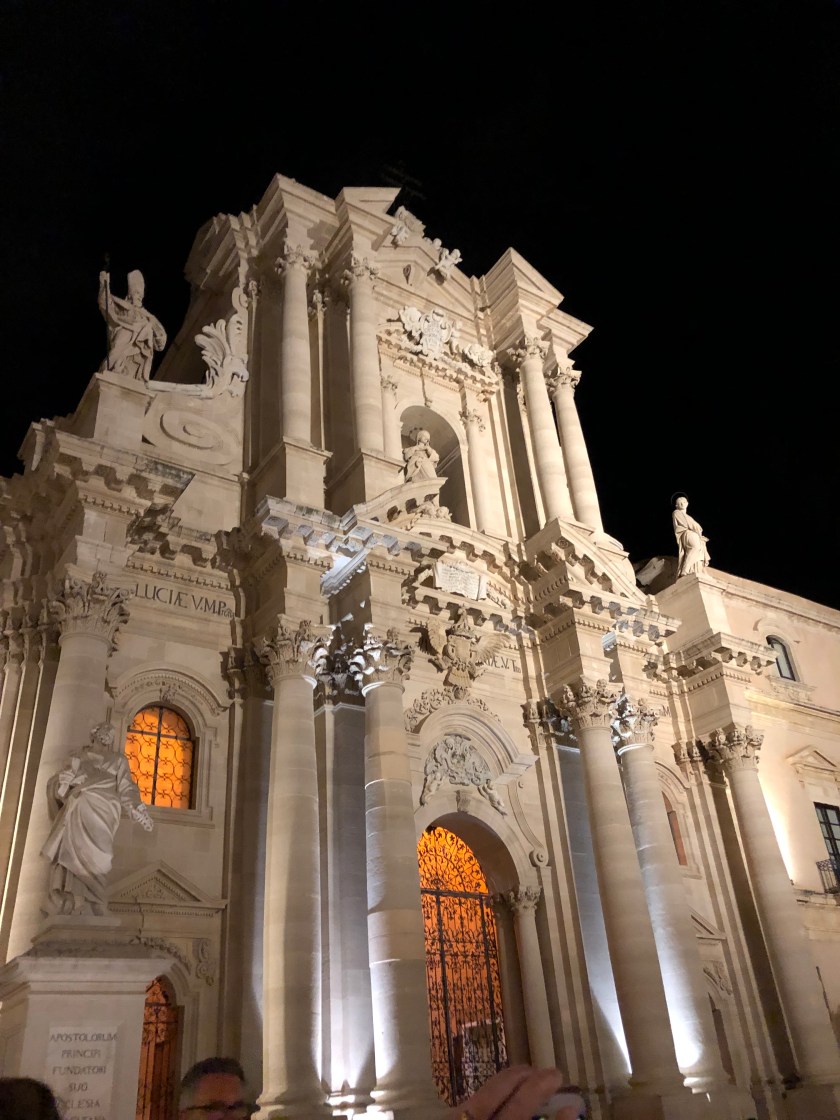
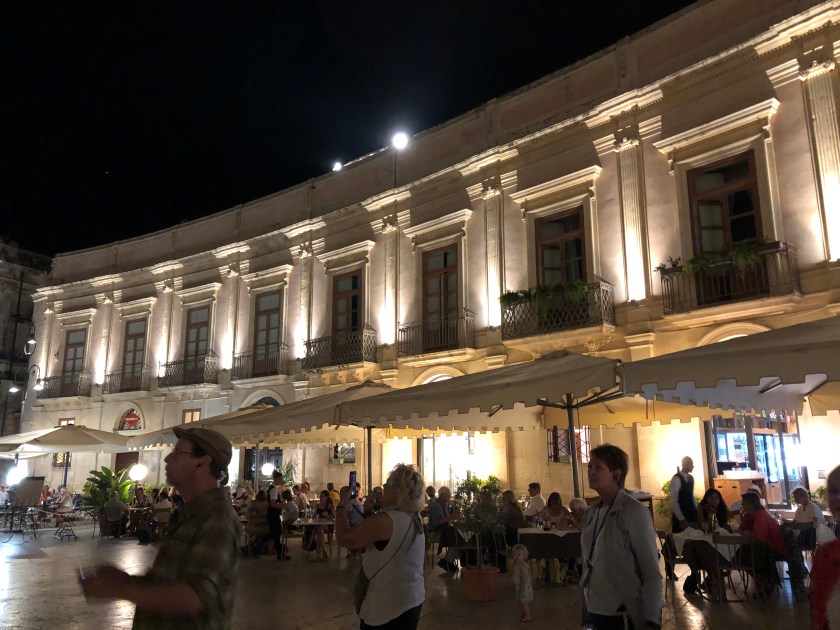
The morning started with a walking tour that included the Jewish quarter ( where our hotel, the Allegroitalia is located), Piazza Archimedes, the Duomo, and the church that contains a Caravaggio painting of the martyrdom of St. Lucia, the patron saint of Siracusa. The Duomo, which contains a relic (bone) of the saint is the oldest church in Italy, built on the remains of a Greek temple dating back to the 5th century BC. The temple columns can be seen along the church walls.

There are remnants of many architectural styles, including Norman and Sicilian Baroque.

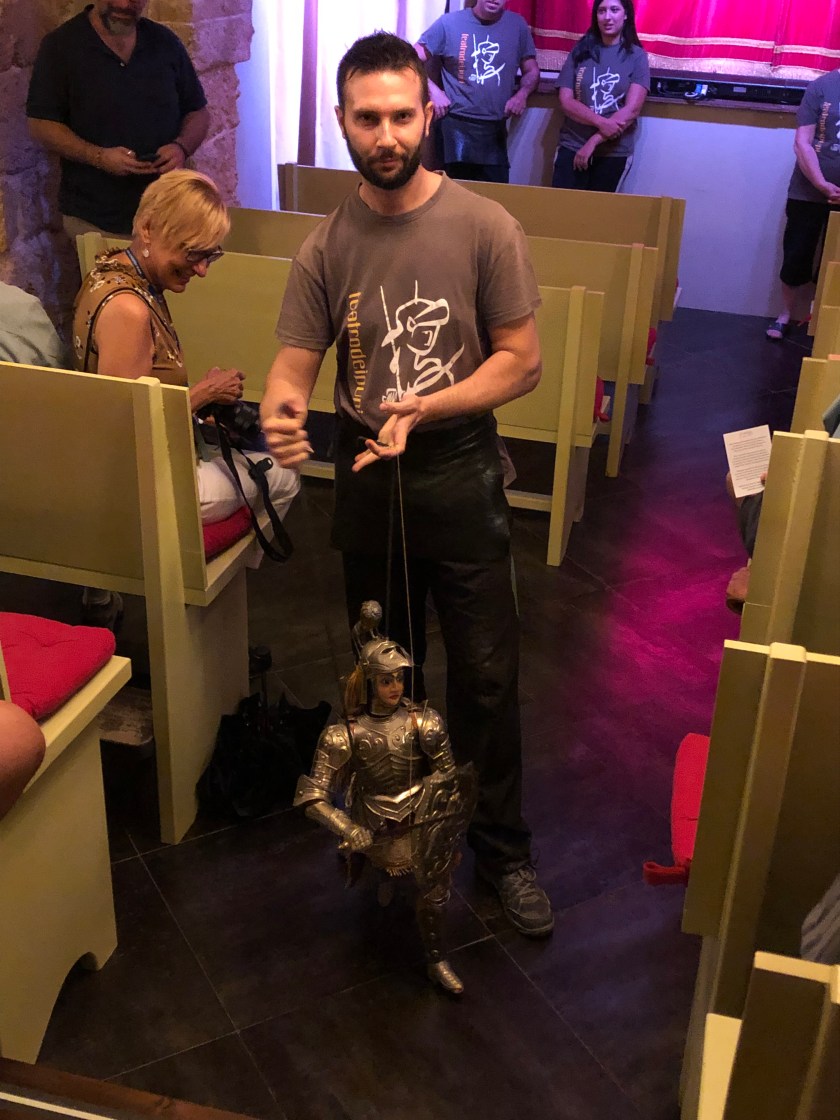
We attended a puppet show featuring traditional Sicilian marionettes.

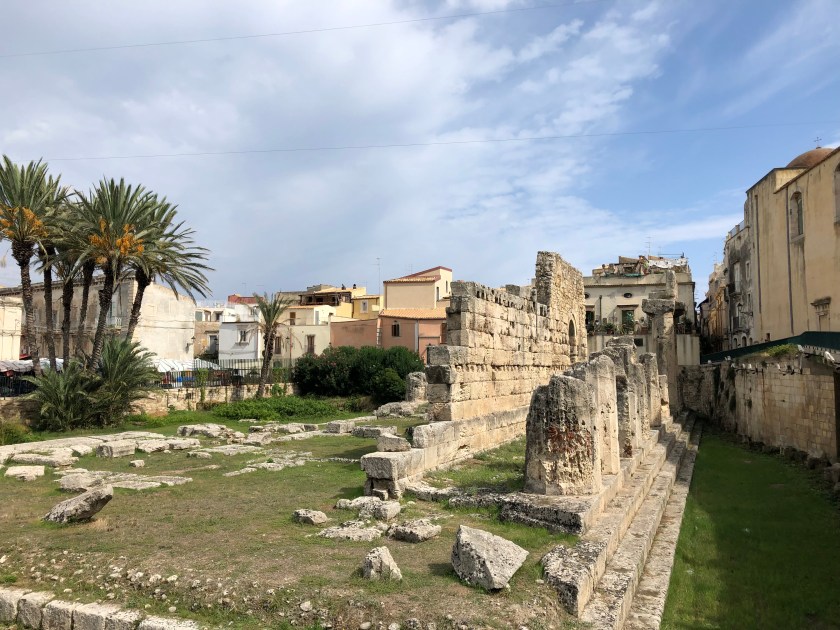
After the tour we had free time so we walked past the Temple of Apollo

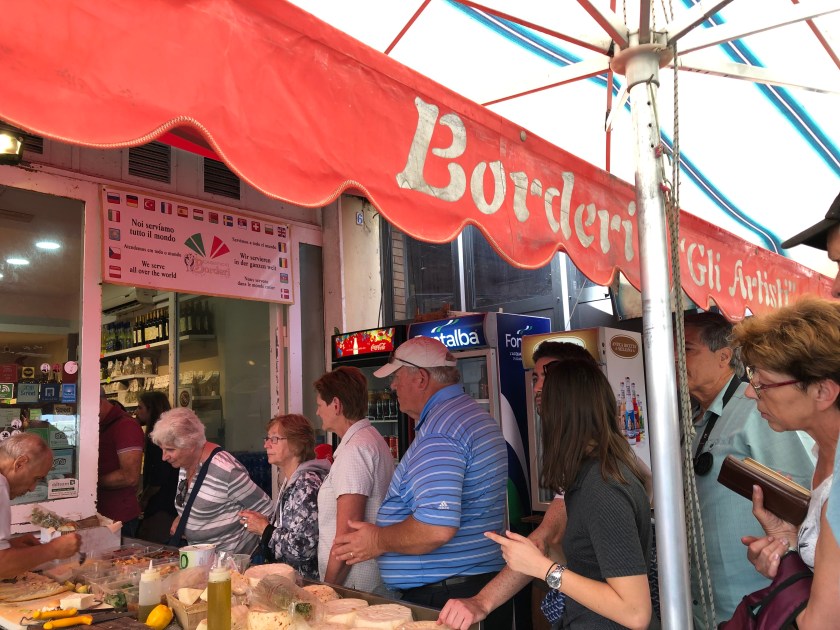
to the market

where we had lunch of a tagliera and beer at a place in the market.

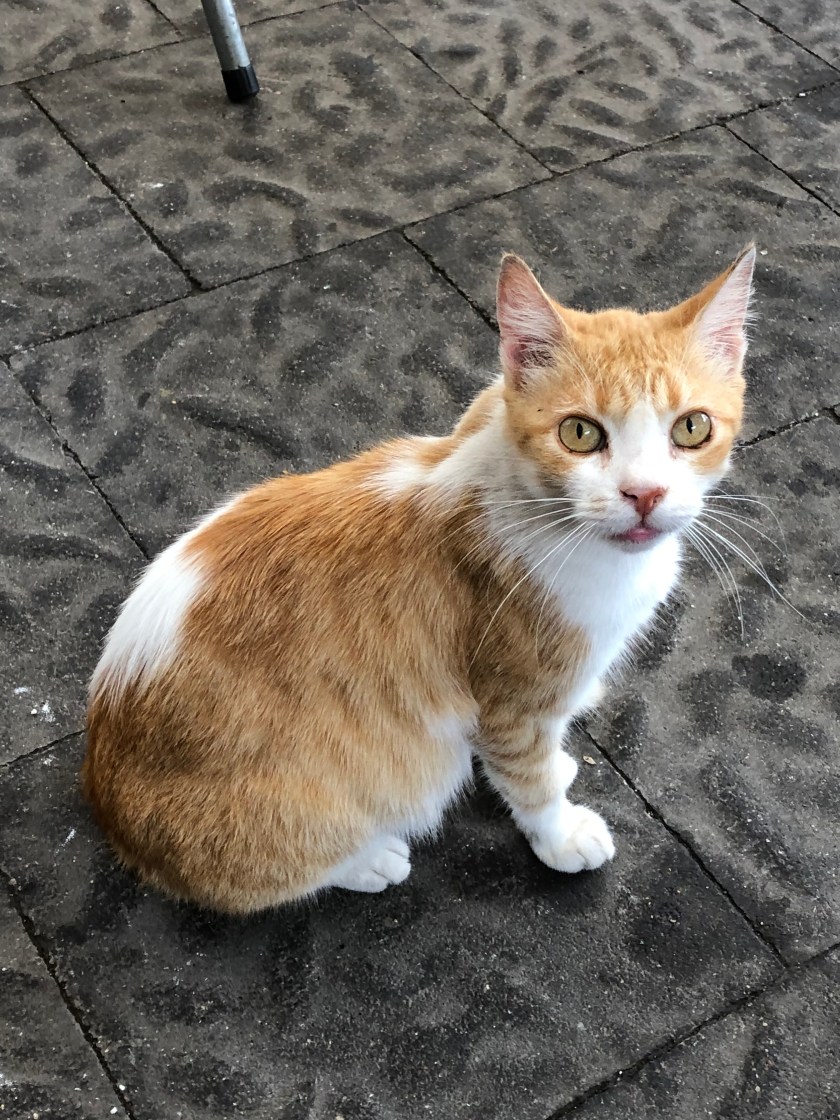
This little guy helped us finish off some of our lunch!

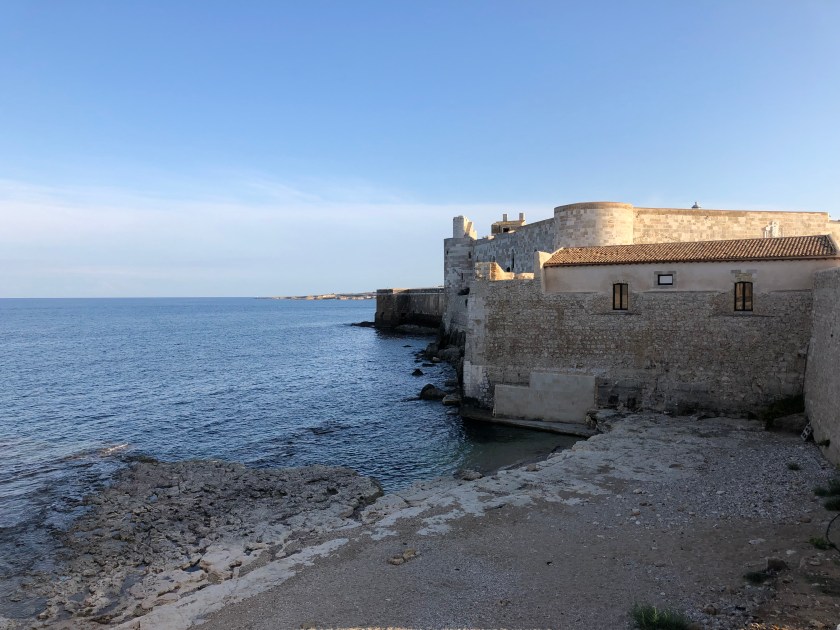
We then boarded a Hop On/Hop Off bus for a quick tour around Siracusa and then walked to the castle.

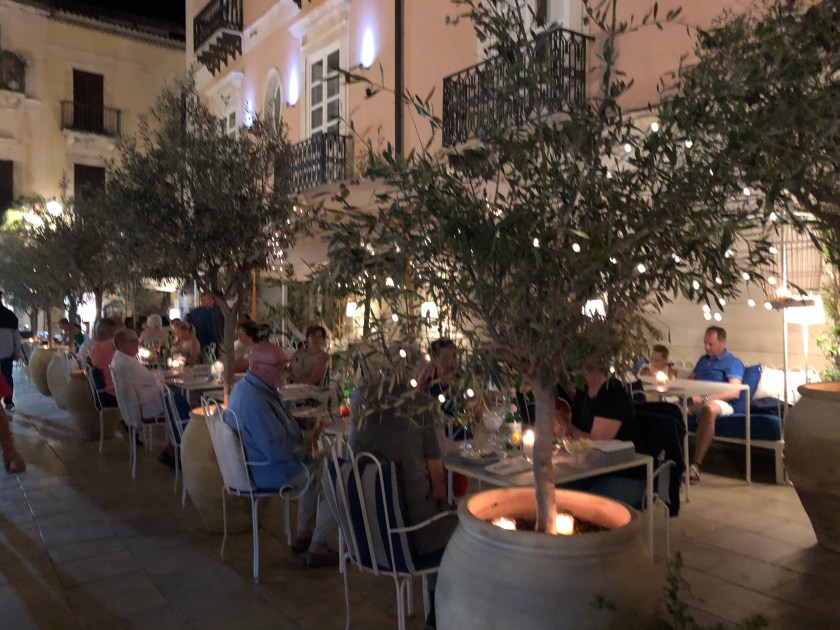
Dinner was at Macalle, a restaurant recommended by a food blogger. It was upscale and delicious!

Salad with seasonal fruit, grilled octopus, sea bass, swordfish and Sicilian tiramisu (with orange marmalade). We took a short walk after dinner and then it was off to bed!

Ancient Greeks to Romans

The WiFi signal was poor at the Colleverde Hotel in Agrigento yesterday so two blog posts will be combined.

We left Trapani bright and early, our path slightly obstructed by a confrontation between a street sweeper and a garbage truck.

After rolling the suitcases several blocks, we met the bus at Piazza Garibaldi. Our first stop was at a roadside bar that served house made gelato served in brioche.

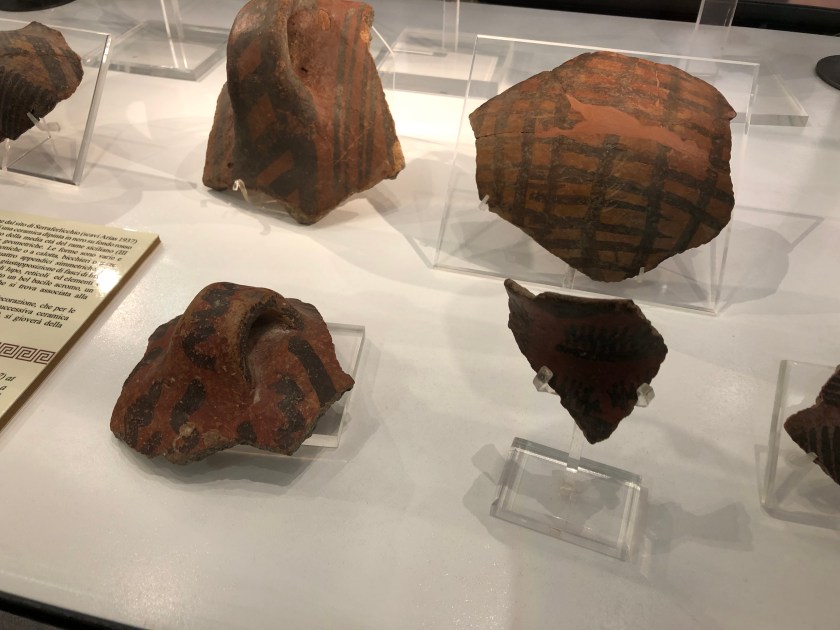
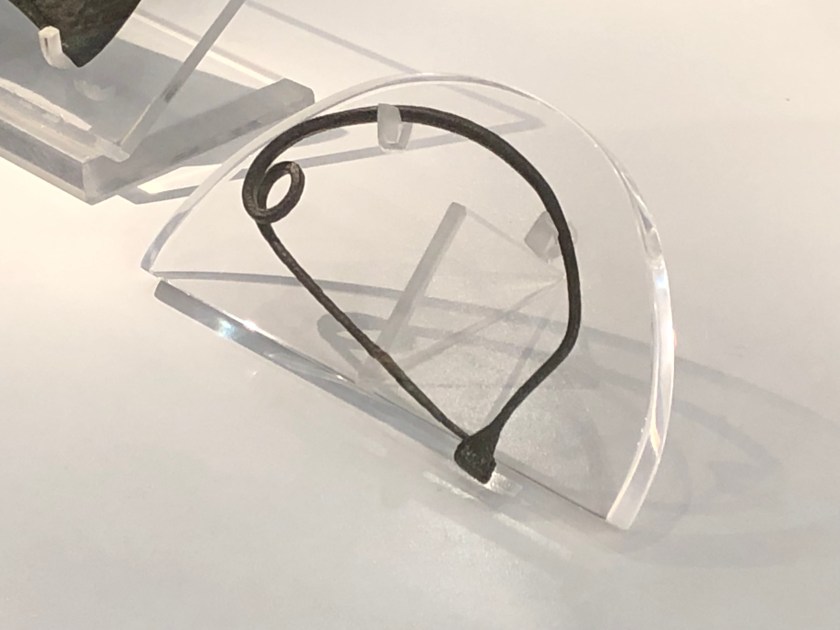
It was way too big for one person, especially someone getting over a four day bout of Garibaldi’s revenge! So about 3/4 of it went into the trash! We arrived at Agrigento before noon, meeting our guide Michele Gallo, at the archeological museum. He provided an animated presentation of the history of the Ancient Greek colony of Akragas dating from the 5th century BC, taking us through the museum to see the artifacts (lots of pottery!) recovered from the site.

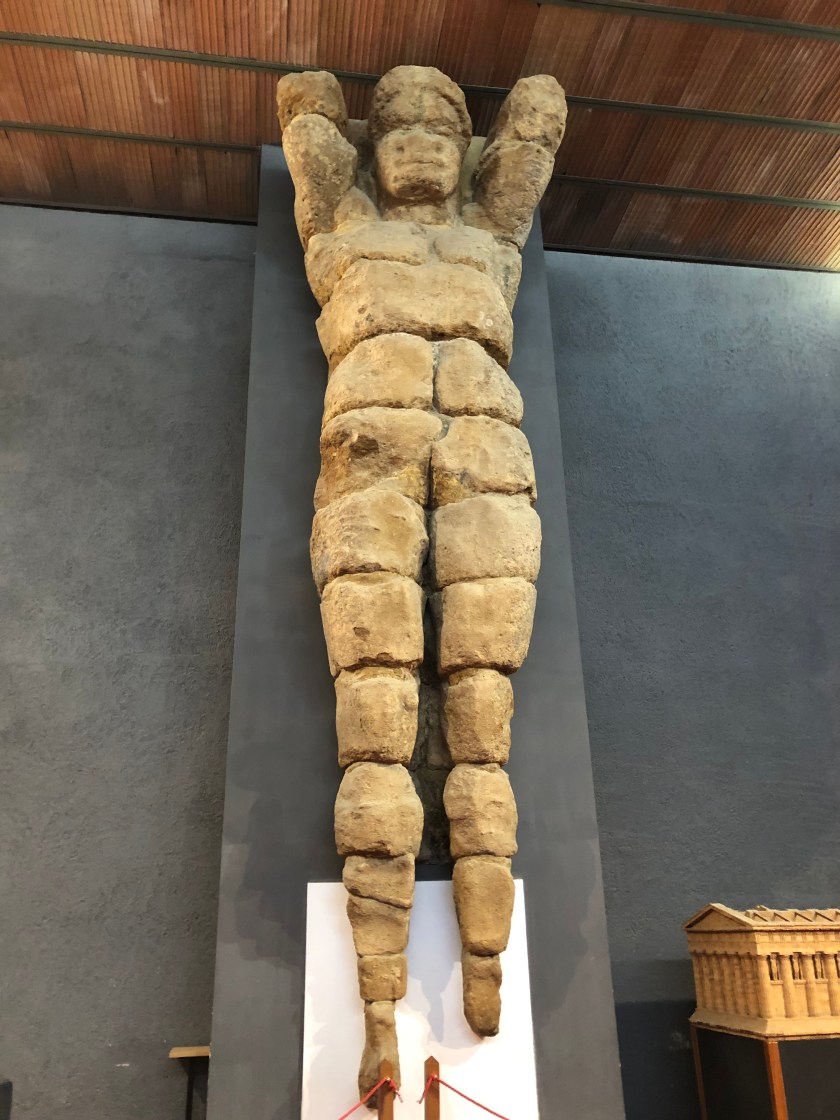
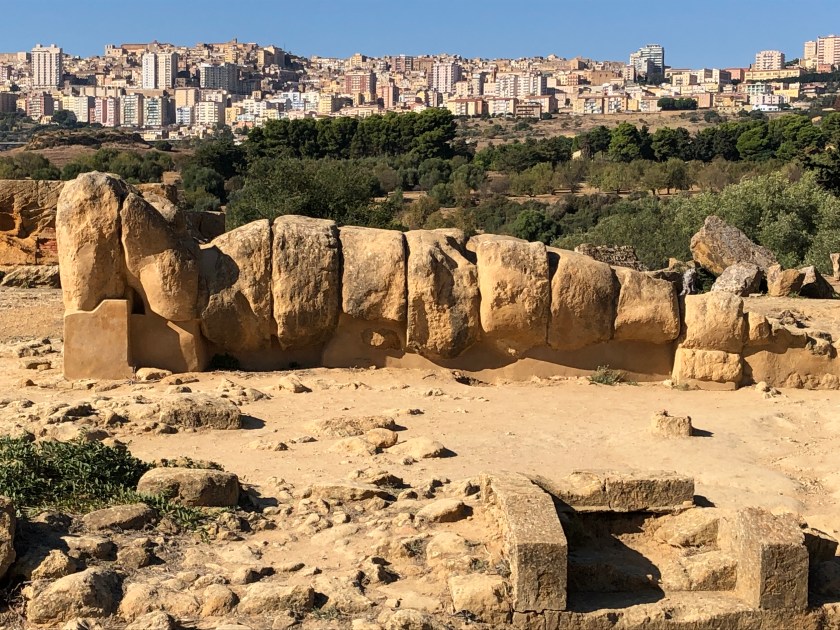
Most impressive was the “giants” (38 of them were originally present) that graced the Temples.

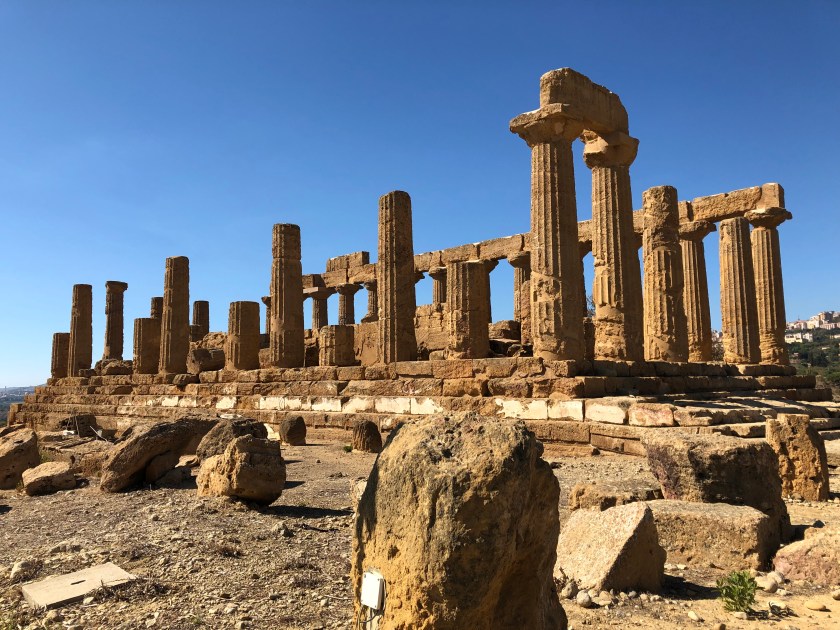
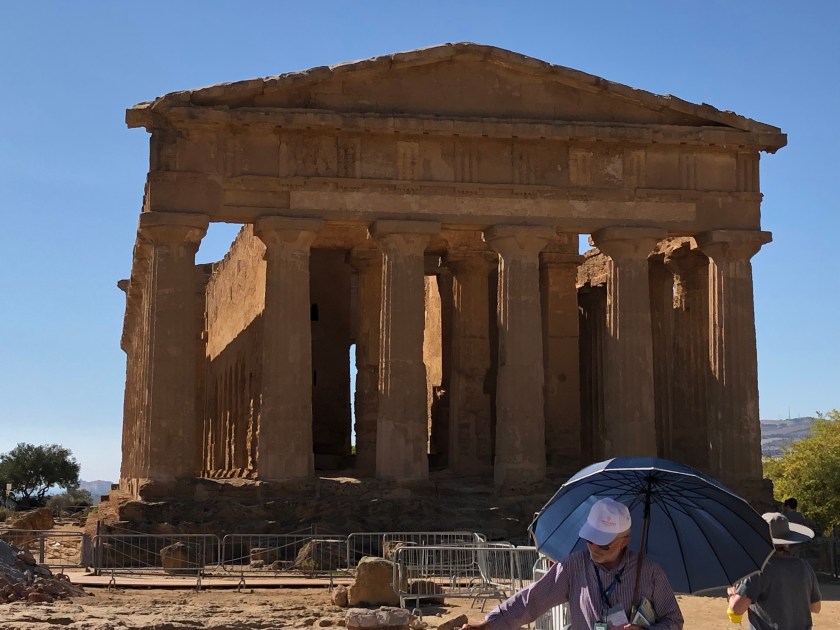
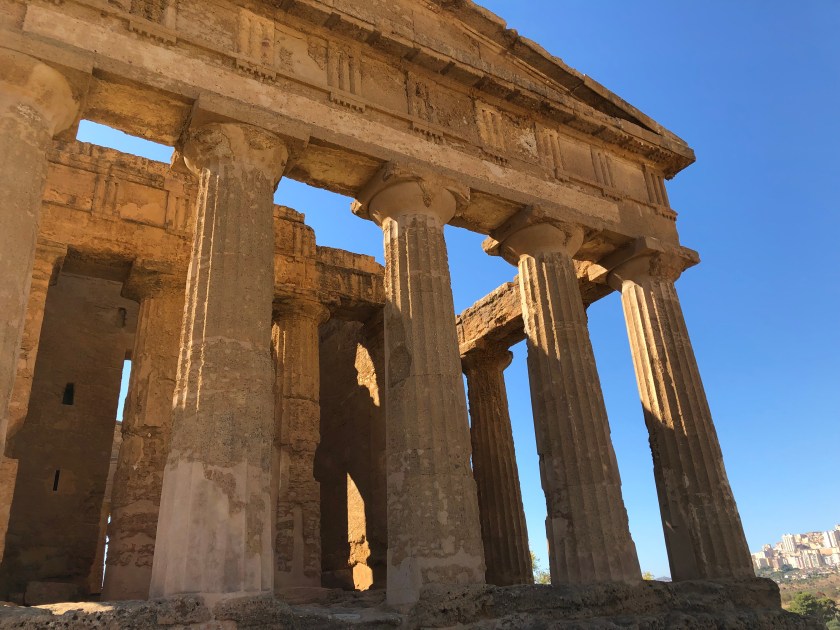
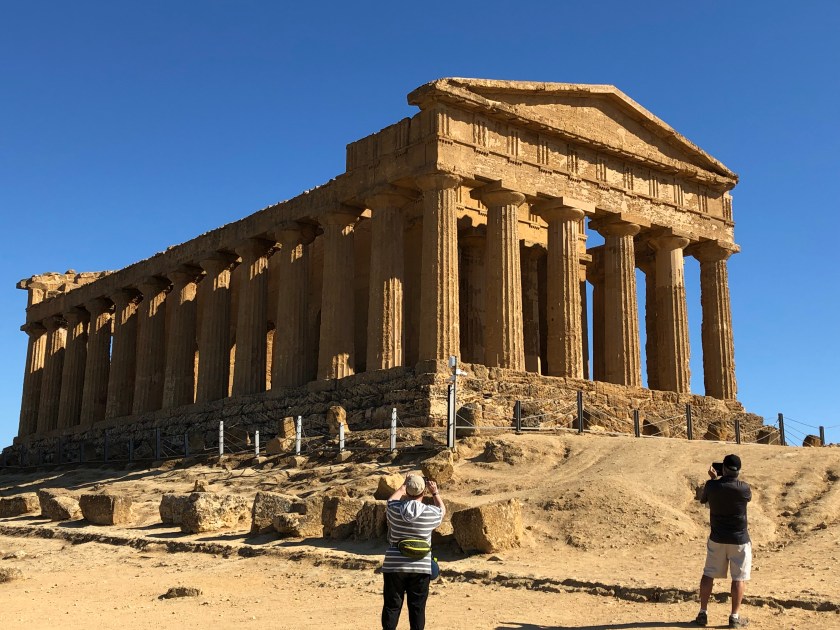
After a quick lunch at a nearby tavola calda (basically a place where you choose several food items from a buffet like selection), we were off to the Valley of the Temples. A UNESCO World Heritage site since 1997, it is considered the best collection of Ancient Greek architecture. The valley contains the remains of seven Temples, only one of which was completely standing ( the Temple of Concordia had been converted into a church in the 6th century AD). Much of the excavation had been done in the 19th century. The modern city of Agrigento overlooks the temples but Greek remains are also present there.

The sun was bright and it felt hotter than the temperature of around 80 degrees.

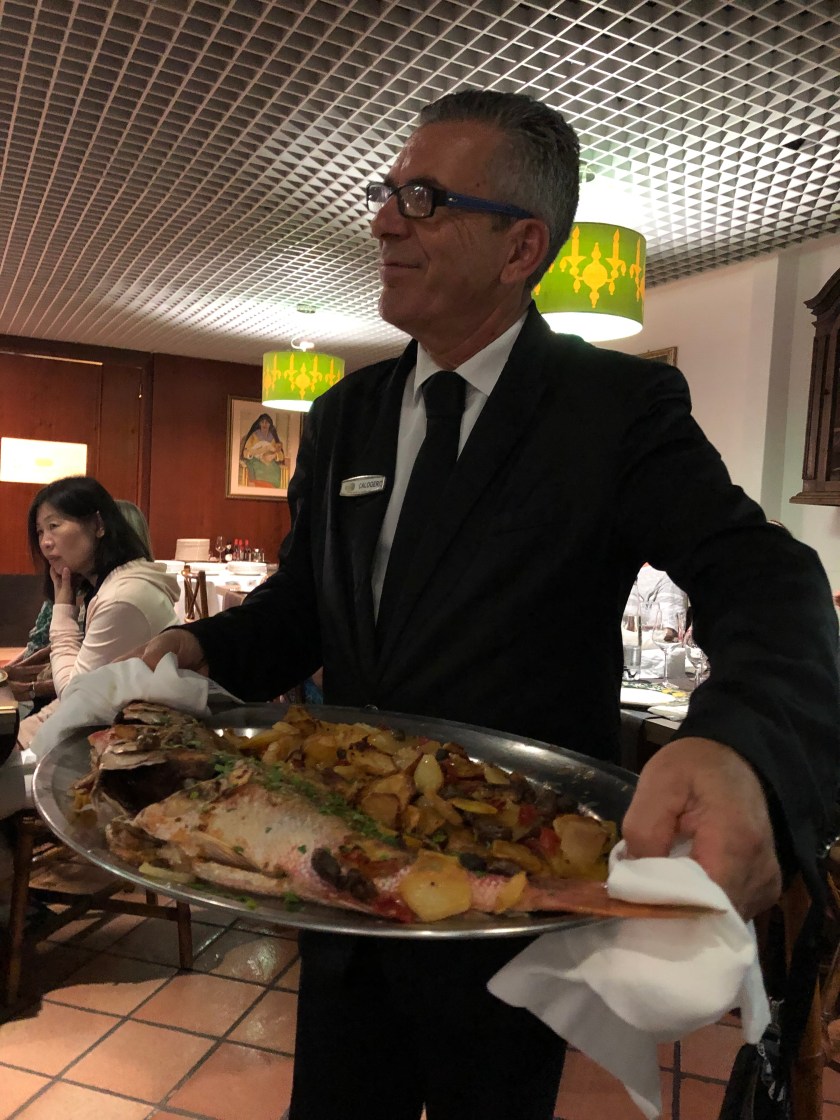
We boarded the bus after an almost two hour tour, eager to relax and quench our thirst. The Hotel Colleverde has a lovely garden, lobby and restaurant but the rooms are fairly basic and small. We ate dinner at the hotel as there are no restaurants within walking distance. The food was quite good – a salad with Sicilian melon ( tasted like cucumber), seafood risotto, baked red snapper with roasted potatoes and a semifreddo for dessert and free flowing red and white wine. Still not completely recovered, I stuck to the risotto and fish.

The next morning we were on the bus by 8:15. The hotel breakfast was the best we’ve had on the tour – a large selection of pastries, including crostata, eggs, fruit, yogurt, meats and cheeses. We were headed to central Sicily, our first foray away from the coast. We passed extensive olive and citrus groves, entering the mountainous regions where the ground had been recently tilled, giving it a gold and brown patchwork appearance. Hilltop towns were seen in the distance.

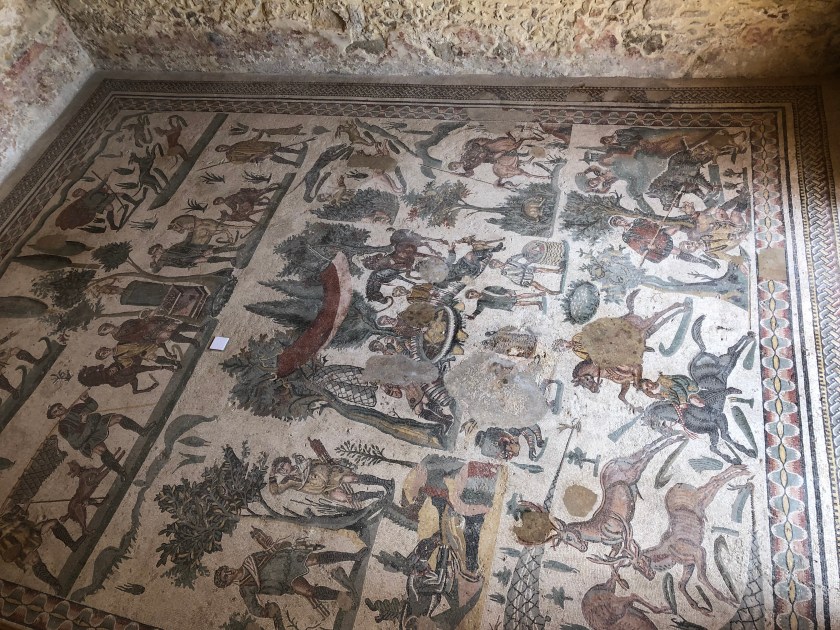
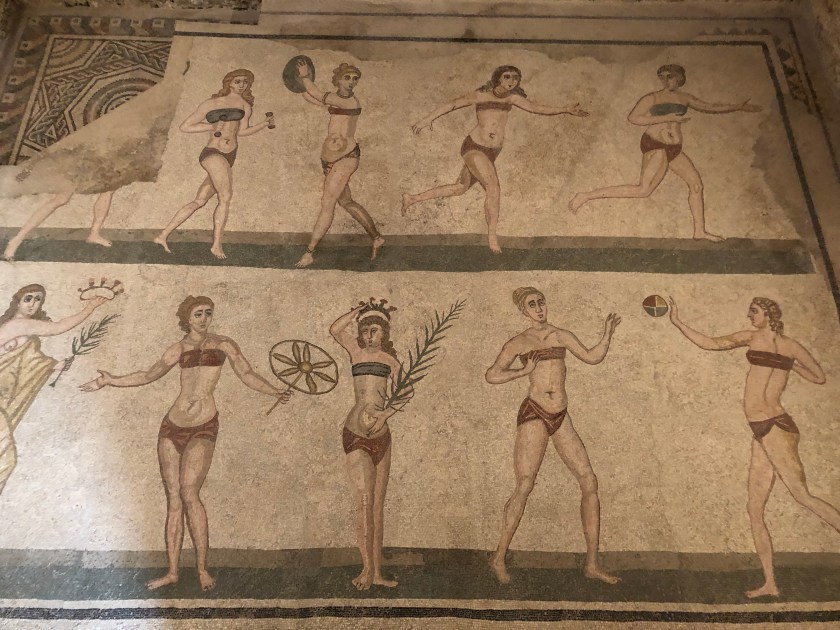
We reached the Villa Romana del Casale around 10:30 am. It was a hunting villa of a prominent Roman senator of the 4th Century AD, recently discovered and excision the 1930s after being covered by a landslide since the 13th century. It is known for its well preserved mosaic floors depicting vivid scenes, many quite whimsical, and especially for the “bikini girls”!

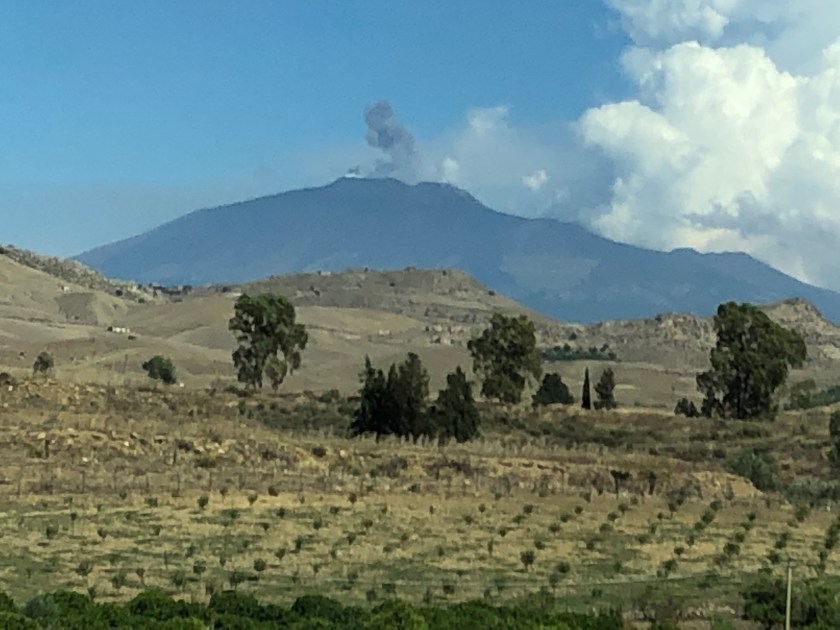
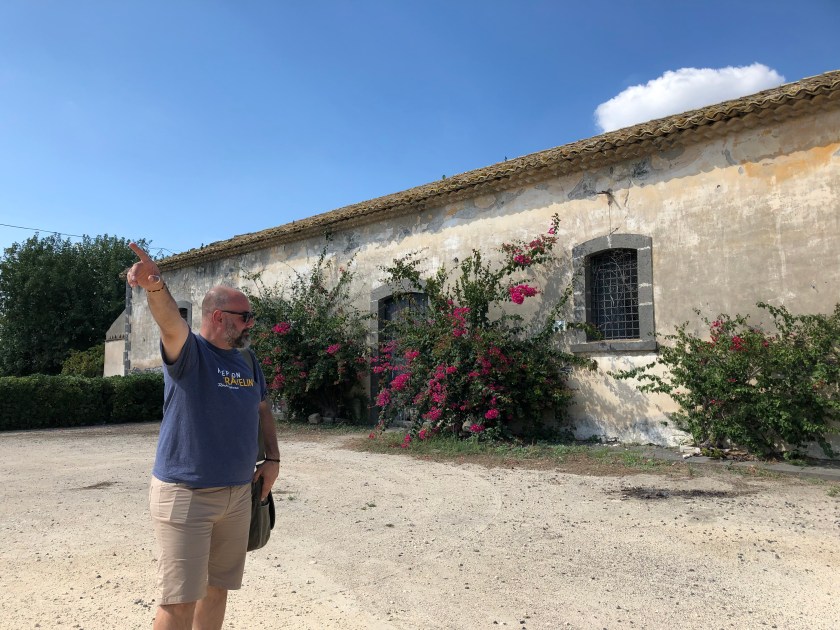
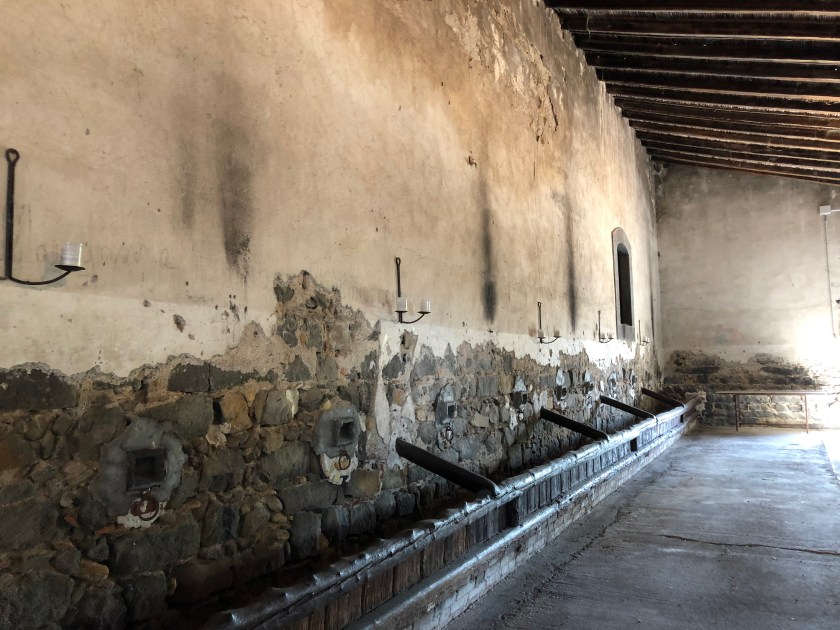
Our next stop was for lunch at an agriturismo owned by a countess (Casabianca) near Lentini, about two hours away between Catania and Siracusa. We could see Mount Etna erupting in the distance.

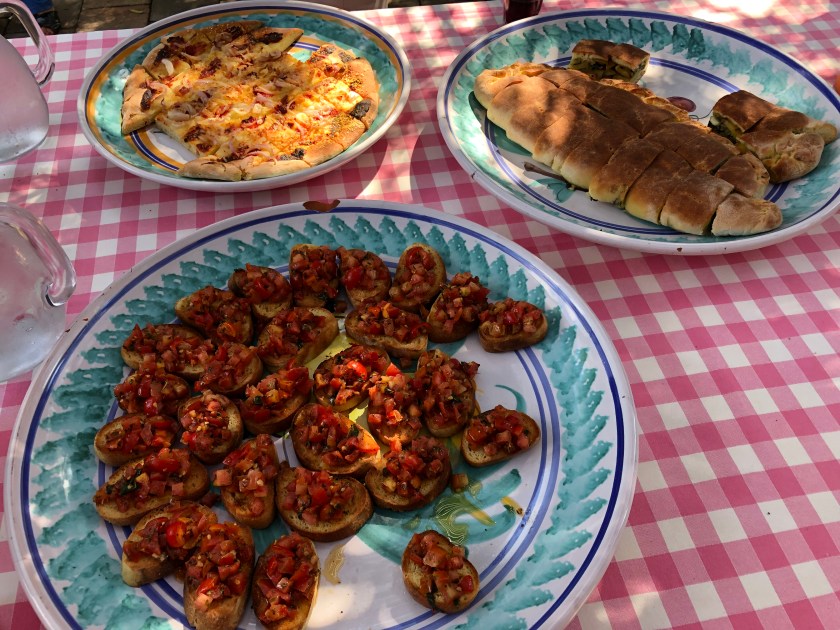
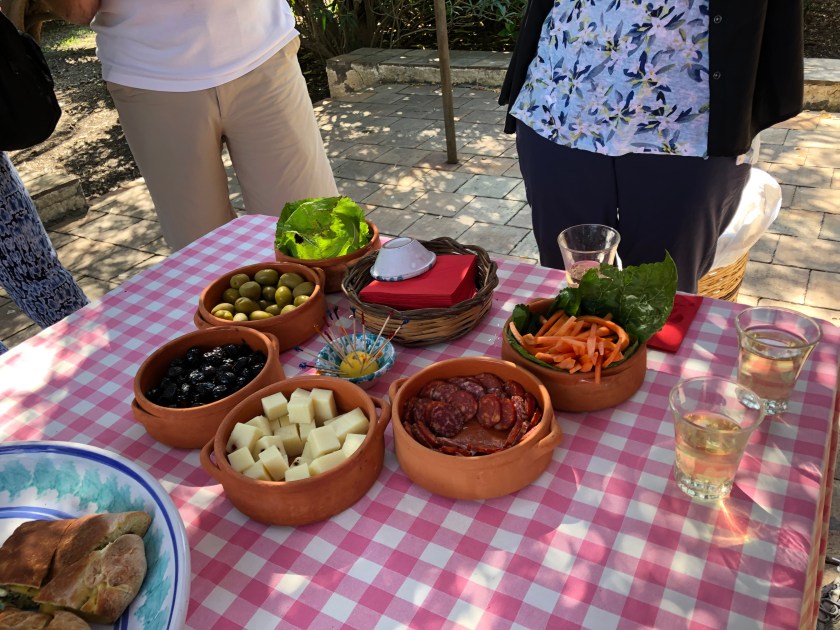
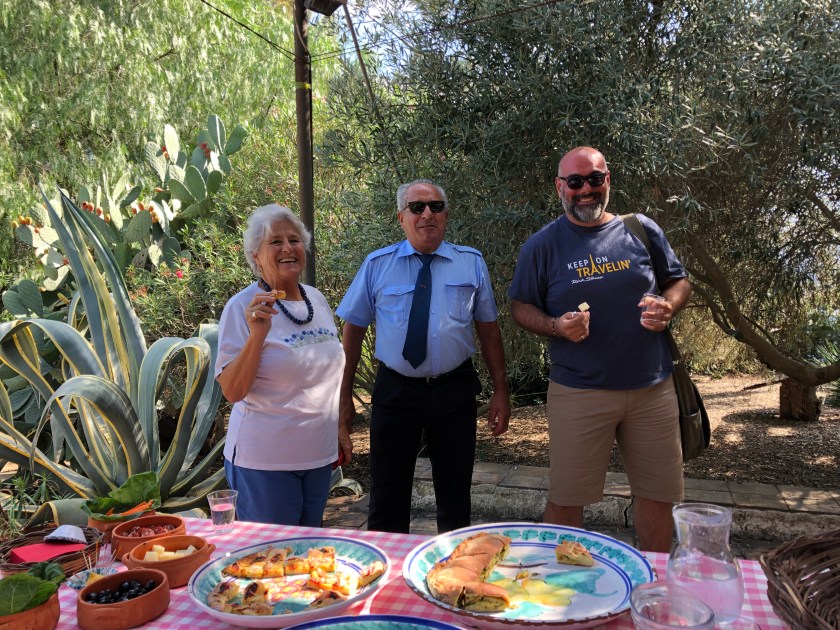
The agriturismo was located far off the highway down a dirt road. It was a rustic farmhouse but the food was amazing. The countess was generous and engaging. We had an extensive selection of appetizers

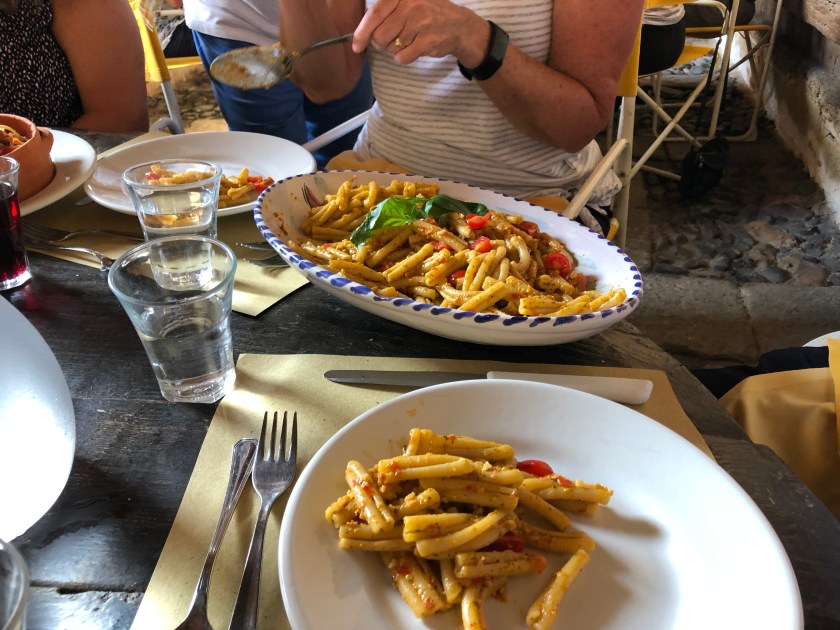
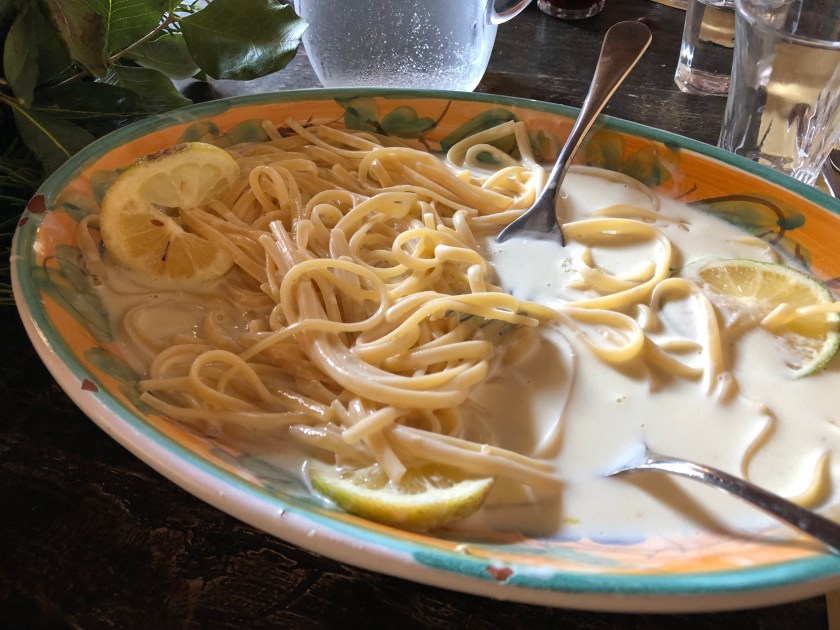
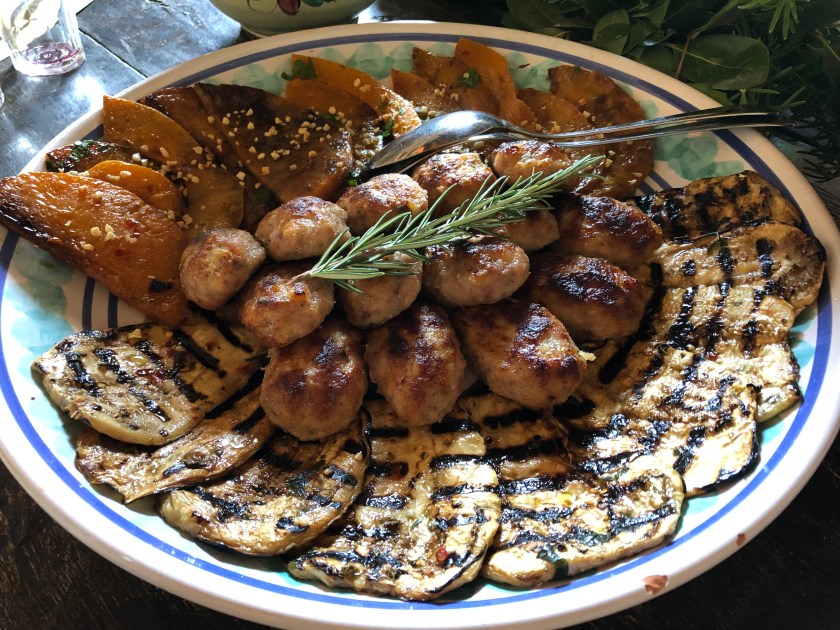
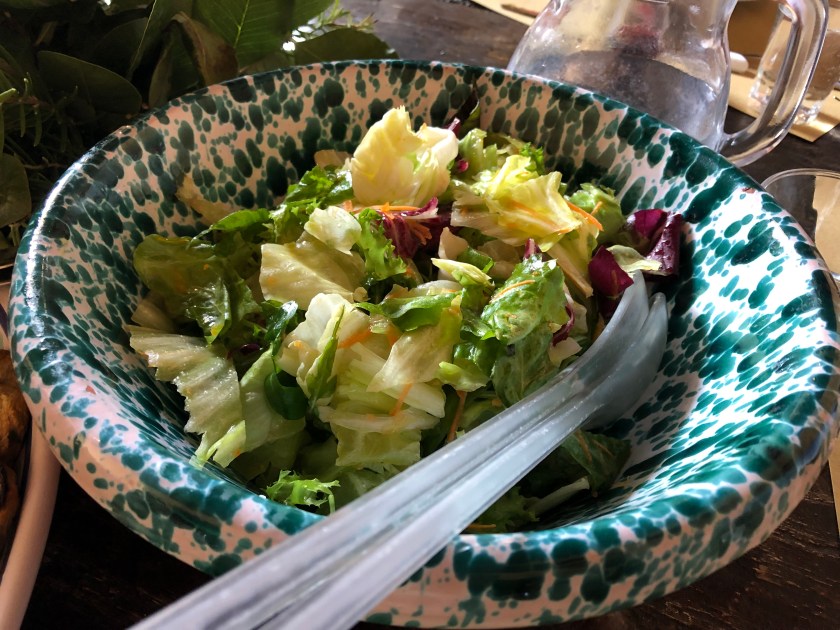
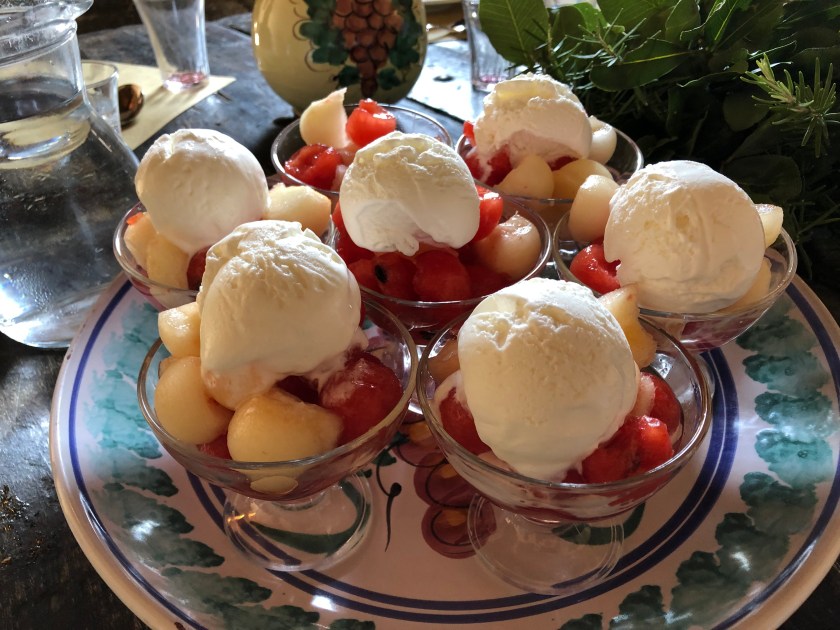
Lunch included pasta alla trapanese, linguini con limone, meatballs, grilled sputando eggplant, salad and melon with gelato.

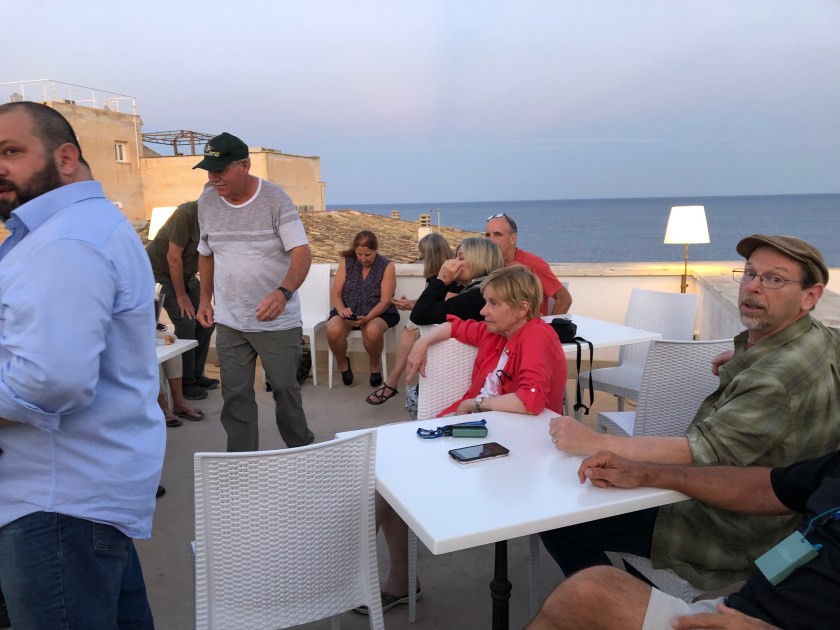
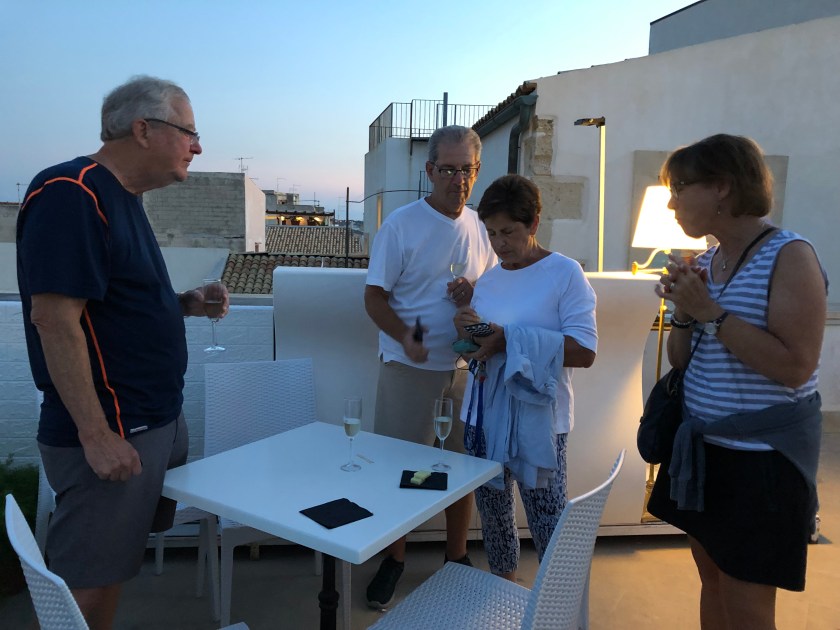
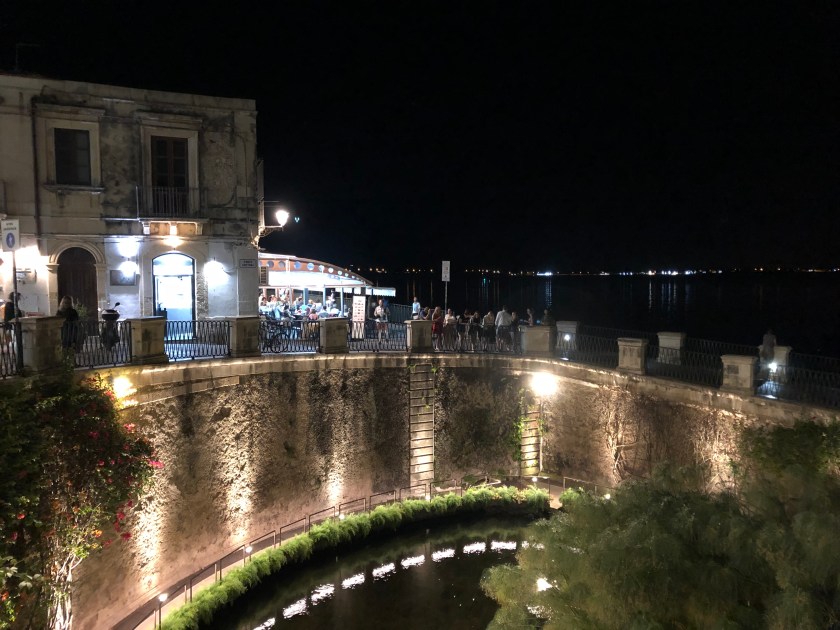
After lunch we left for Ortygia, an island next to Siracusa where we will spend two nights. We had drinks on the rooftop

and an orientation walk before heading back to the hotel for the night.

Garibaldi’s revenge

Garibaldi was the champion of the unification movement in Italy. With all its history through the millennia, it’s difficult to fathom that Italy, as a country, is younger than the United States. Born in Nice(which used to be part of Italy), Giuseppe Garibaldi was an experienced and quite successful general ( he led battles in Europe as well as South America) who is credited with the unification of the many separate city-states and kingdoms that comprised what is now Italy into the Kingdom of Italy. With his band of red-shirted volunteers, he landed in Sicily and took over Palermo, a decisive victory in the struggle for unification. Although viewed as a hero in most of Europe and abroad, he is intensely disliked in Sicily, because with unification, Sicily (and southern regions of Calabria, Puglia, Basilicata and Campania) lost its financial power as industry and monies were transferred to the northern regions. The disastrous effects of unification persist to this day, with the high unemployment and lack of financial resources in southern Italy and Sicily.

When Americans travel abroad, occasionally the intestinal tract becomes overwhelmed, commonly referred to as “Montezuma’s revenge”. Well, I think that I have the Italian version- Garibaldi’s revenge! The past three days I have been trying to “power through”, unable to really enjoy Sicilian cuisine without very uncomfortable consequences. But yesterday it got to be too much, so off to the pharmacy for the Italian generic version Imodium and capsules containing probiotics! Today I am opting out of touring and just relaxing. My GI tract seems to have calmed down, but I haven’t eaten much in the past 24 hours. I may venture out this afternoon and try to eat something- maybe a granita di limone (lemon ice) to start.

Reunion in Erice

We are leaving Palermo after five days of exploring this surprisingly vibrant and beautiful city. The stereotype of a filthy Mafia ridden slum is nowhere to be found in the historic old city that has undergone an impressive restoration in the past decade. Our final stop today will be Trapani, Sicily’s westernmost city, located only 90 miles from Tunisia in Northern Africa. But along the way we will make a couple of stops.

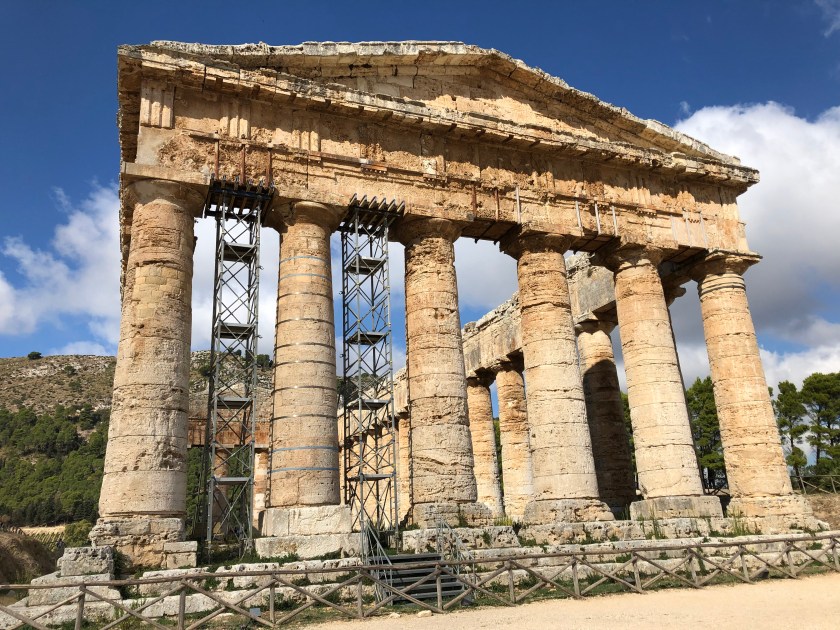
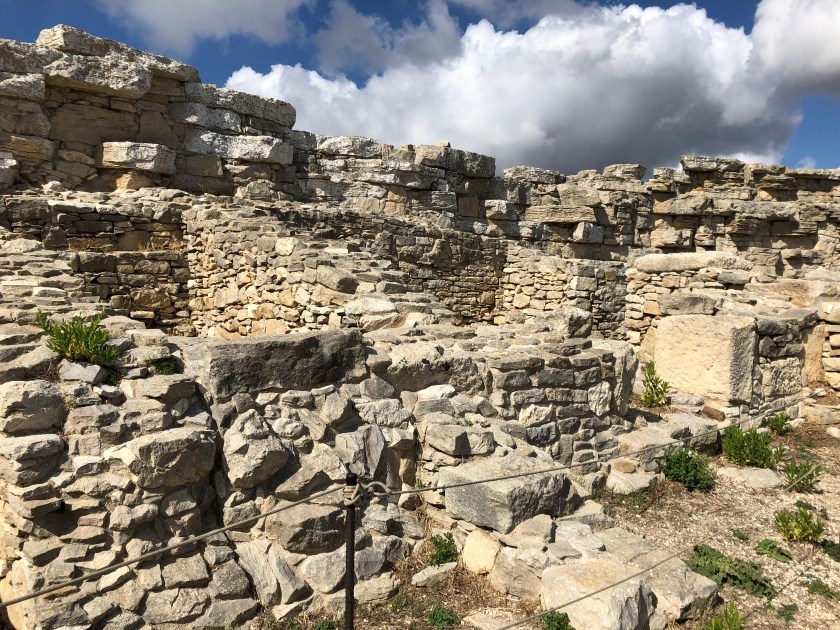
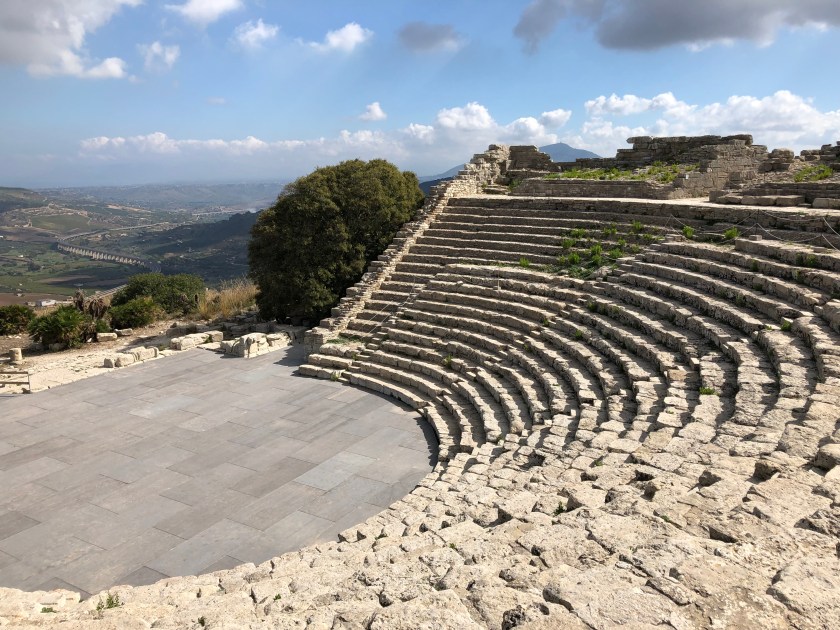
Our first stop was Segesta, not a town anymore but rather an archeological park with a well preserved unfinished temple with Doric columns dating back to the 5th century BC, constructed not by the Greeks but rather the Elymians, one of the three indigenous peoples of Sicily. A Greek arena (and remnants of an Arab mosque) are found on top of the adjacent very high hill.

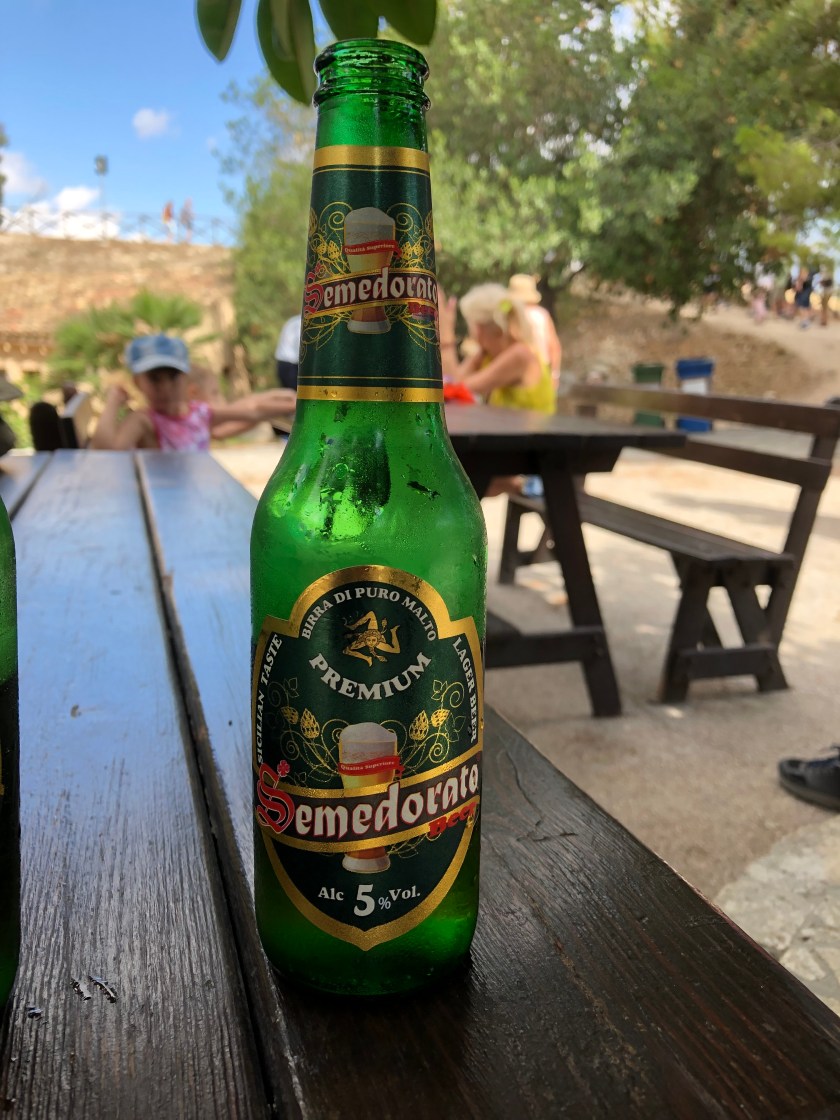
We had time to enjoy our first Sicilian beer as the sun was beating down on our heads.

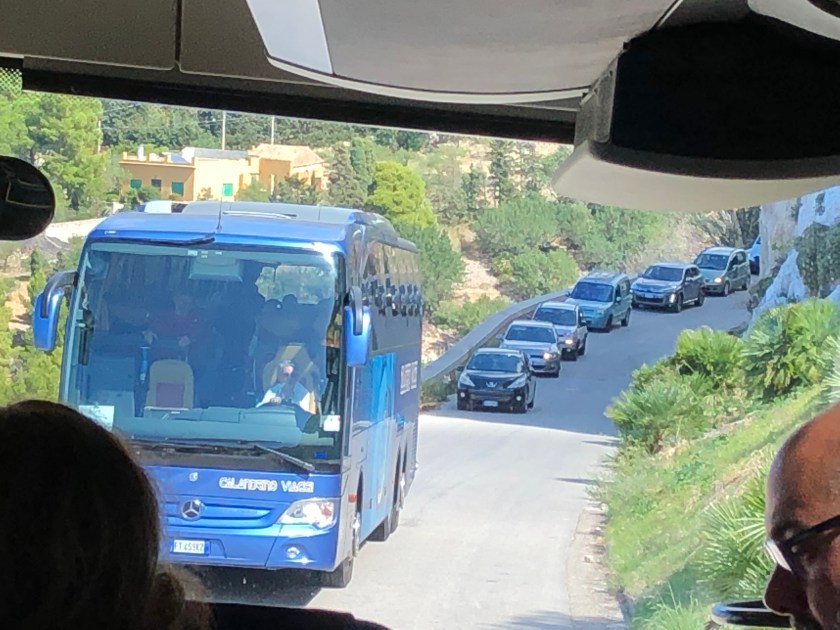
Then it was off to lunch at Maria Grammatico’s farm just outside Erice. We were about 20 minutes late due to a detour along a winding and cliff hugging road and an encounter/face-off with a bus coming down the mountain.

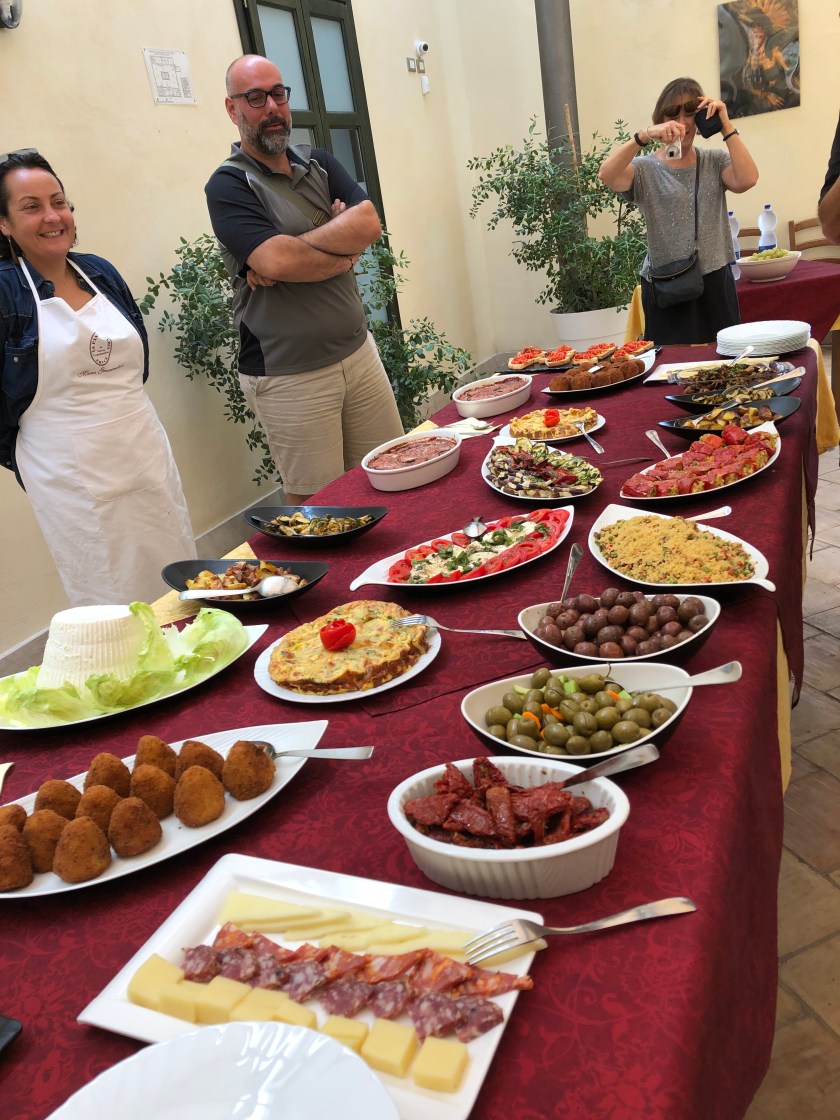
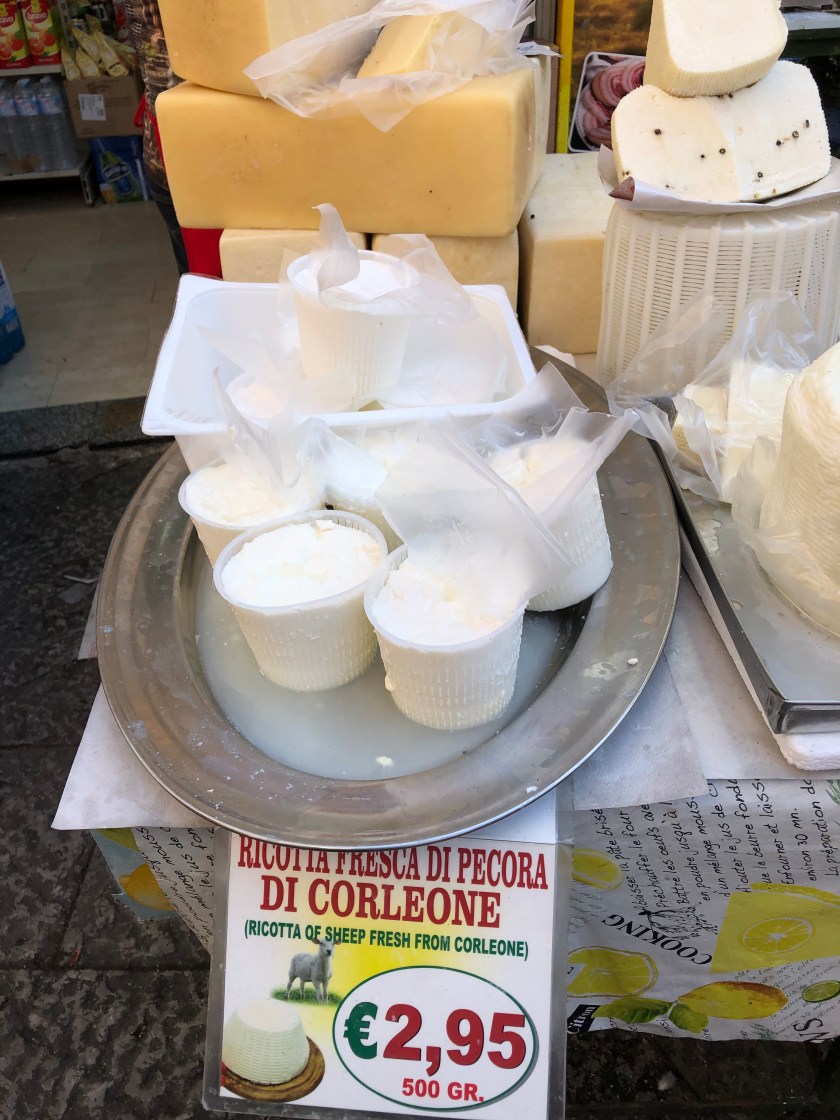
When we arrived, we were greeted by her staff into a large dining room with a generous buffet of Sicilian specialties- fresh ricotta, arancine, frittata, eggplant Parmesan, stuffed peppers, sun dried tomatoes, local olives, meats and cheeses, grilled zucchini and eggplant.

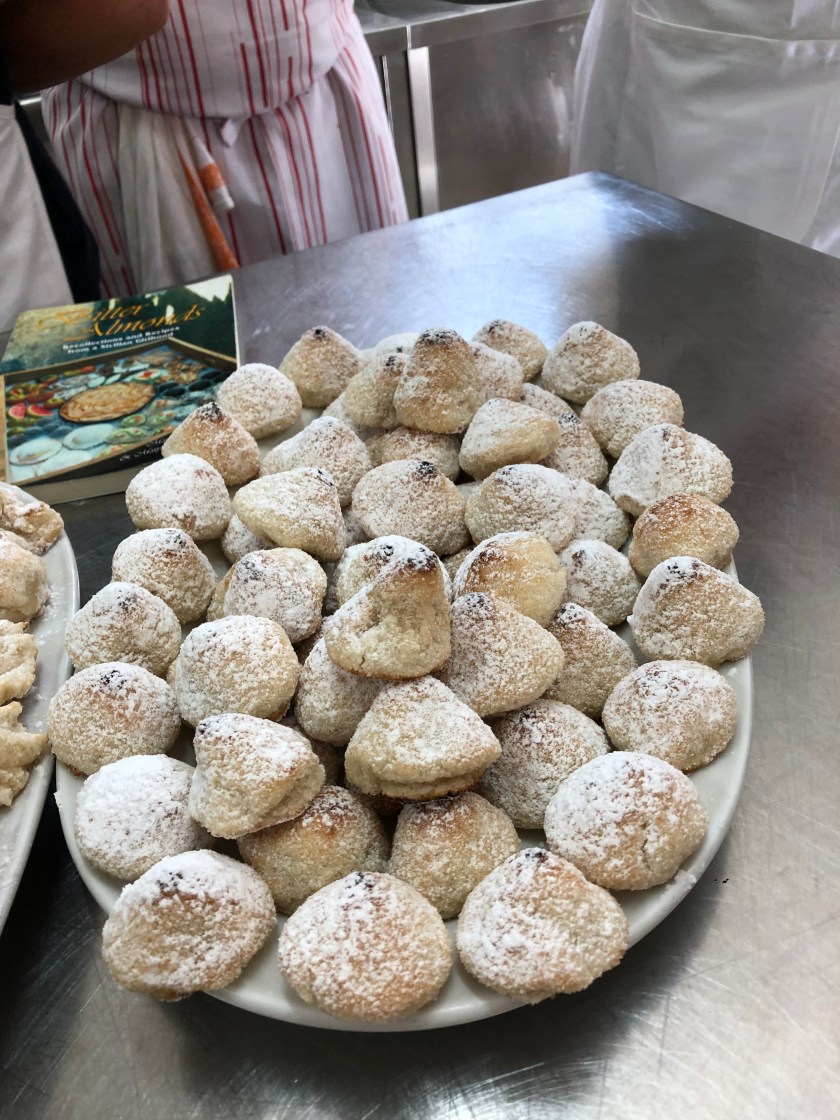
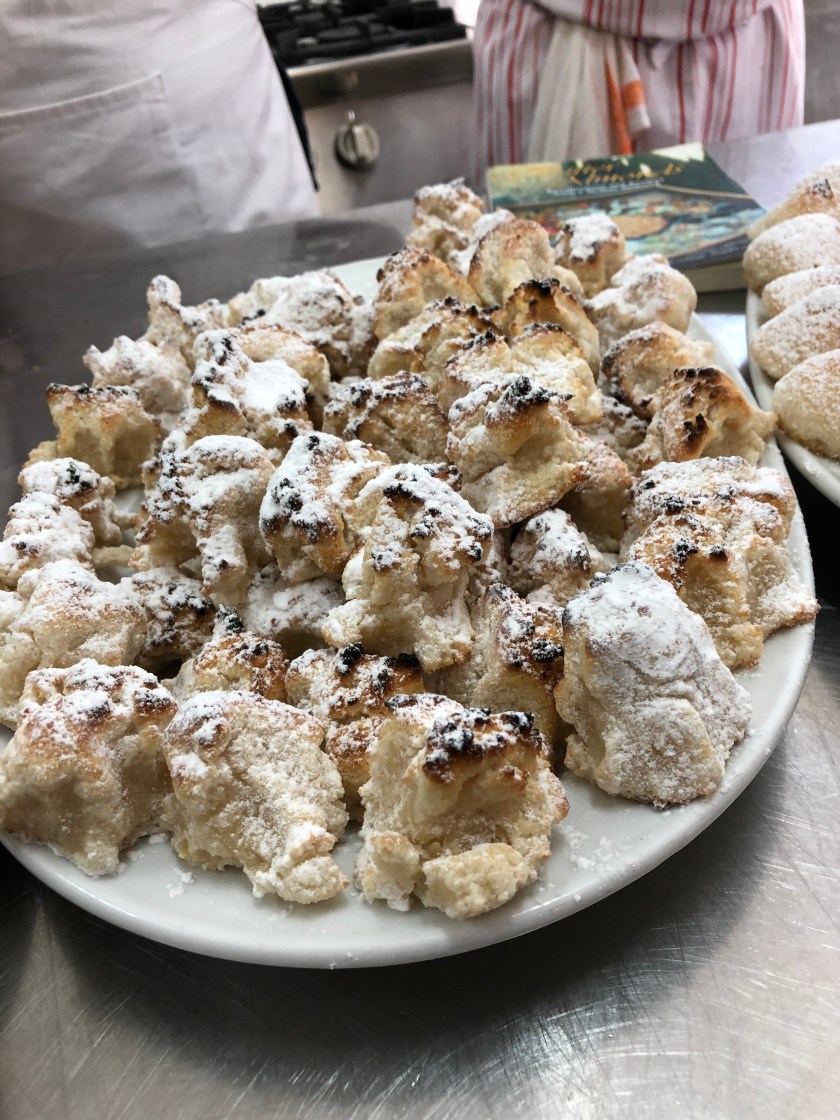
After lunch we were treated to a pastry making demonstration by Maria. She showed us how to make tette di monache, belli e brutti and cannoli. The first two are made with ground almonds, sugar, egg whites and vanilla extract and baked in very hot ovens.

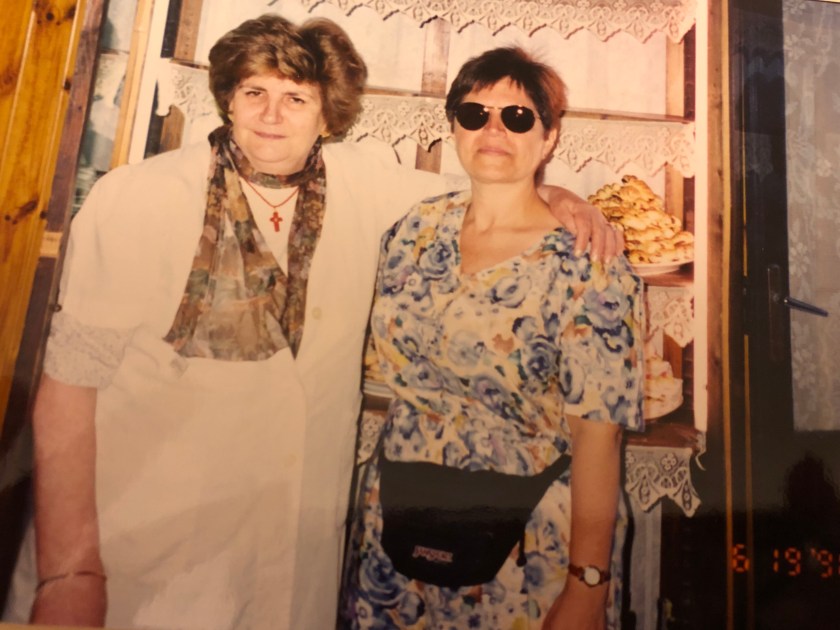
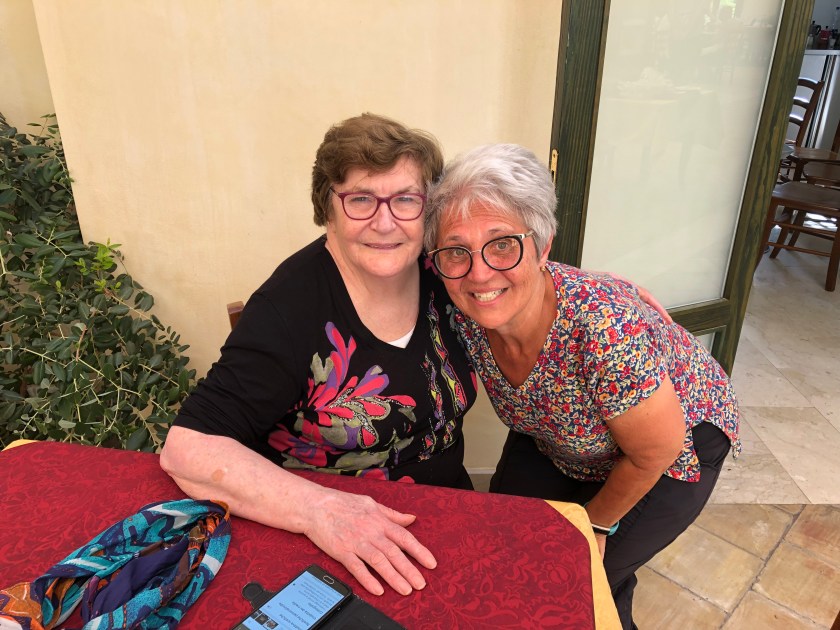
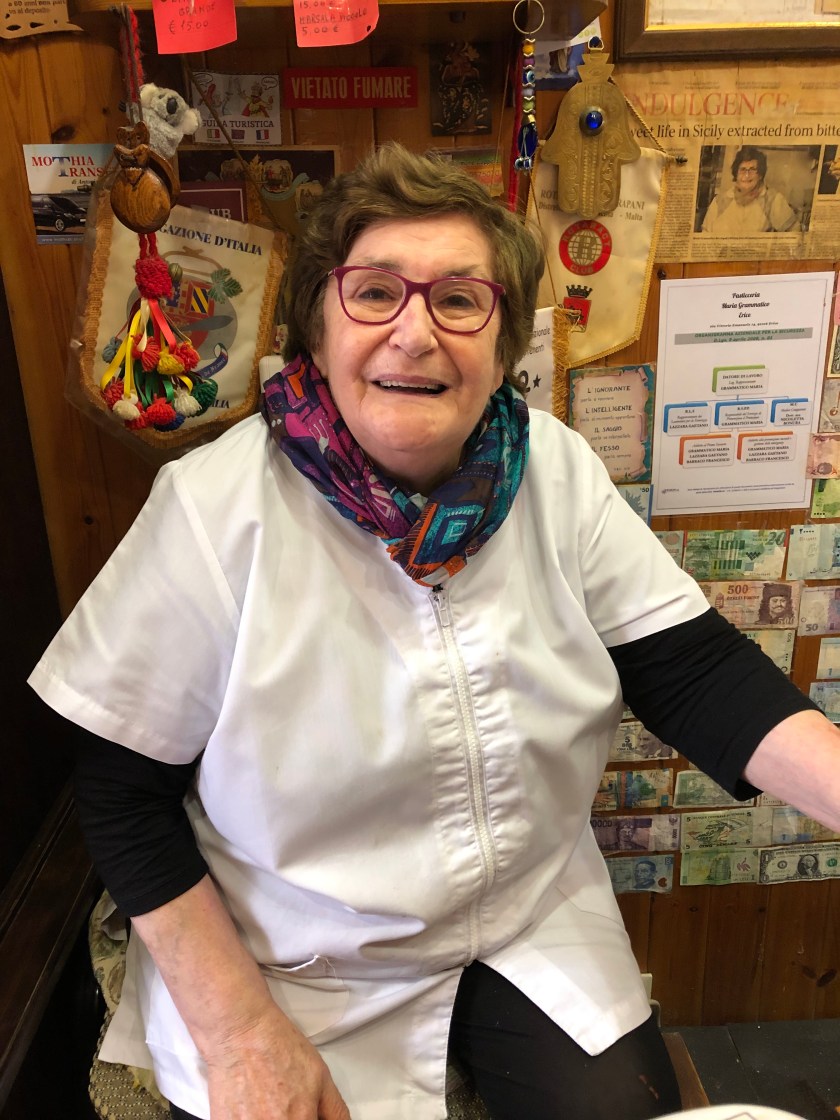
This lunch was a reunion of sorts for me as I met Maria in 1998 on my last trip to Sicily. Maria was raised by nuns since the age of 8 and when she left the convent, she eventually opened a pasticceria, using the recipes she learned from the nuns. I showed Maria a photo of the two of us from 21 years ago. She was surprised and happy to see the photo and to learn that she was remembered so fondly from so long ago!

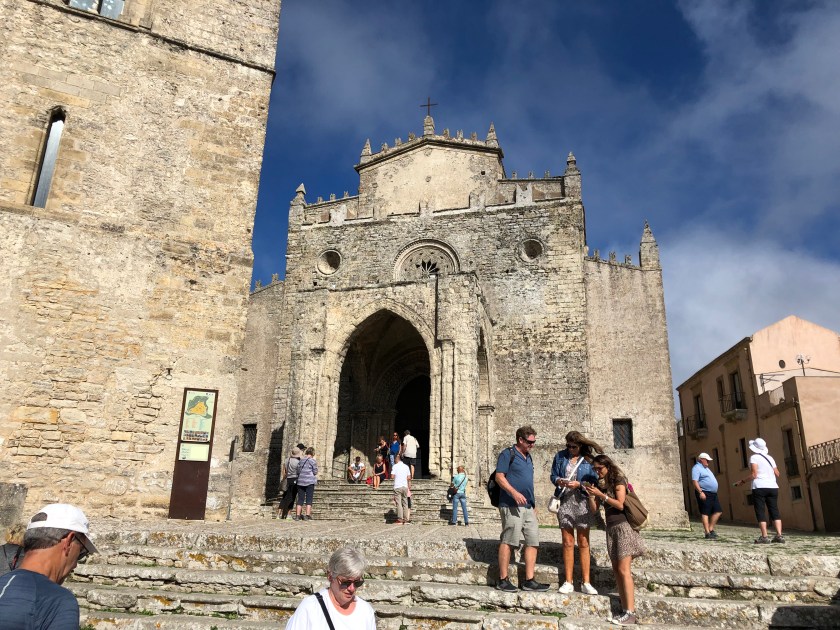
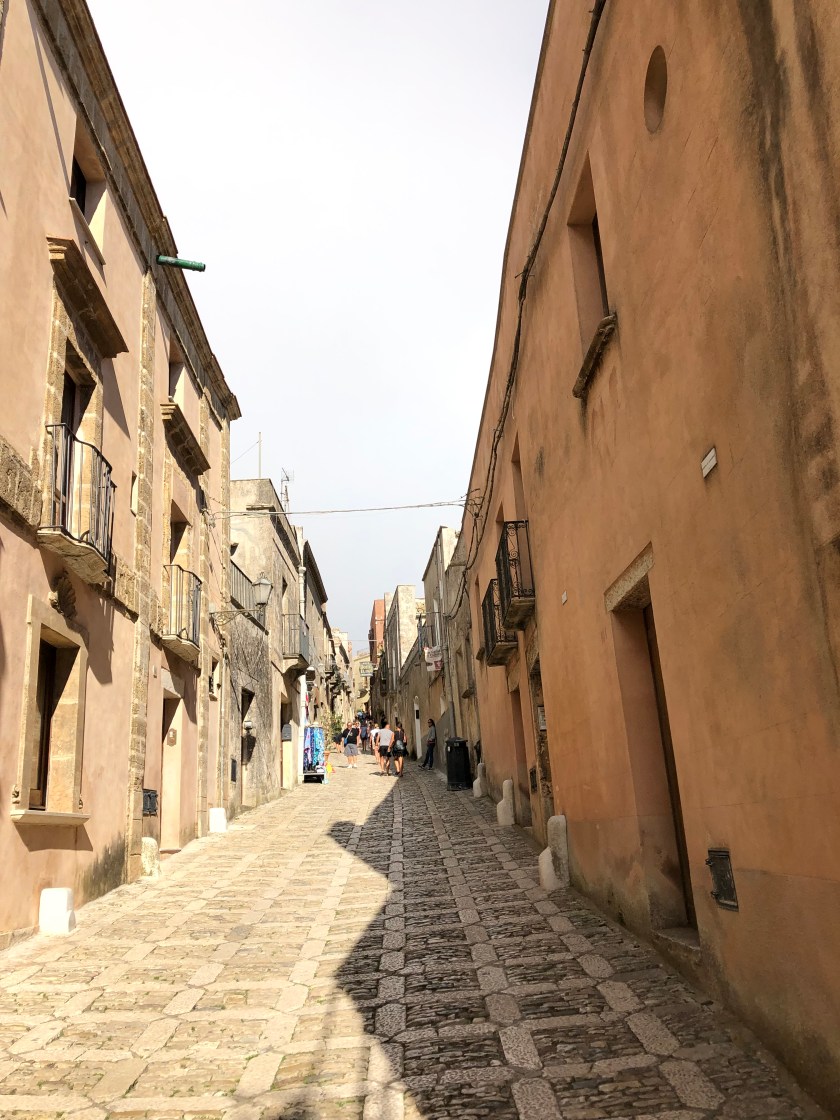
After the filling lunch and desserts, we boarded to bus for the 5-minute drive to the village of Erice, dating from the pre-Greek era and an excellent example of medieval architecture. A castle still stands at one end of this hilltop town. We had about 90 minutes to wander the streets, now pretty much lined by shops, restaurants and of course Maria’s pastry shop. We stopped in, dodging the crowd inside, to see Maria manning the cash register.

She was pleased to see us again, asked us if the shop looked the same (yes!) and gifted us with two jars of locally made pesto.

The village was filled with day trippers enjoying the sunny and cool Sunday afternoon.

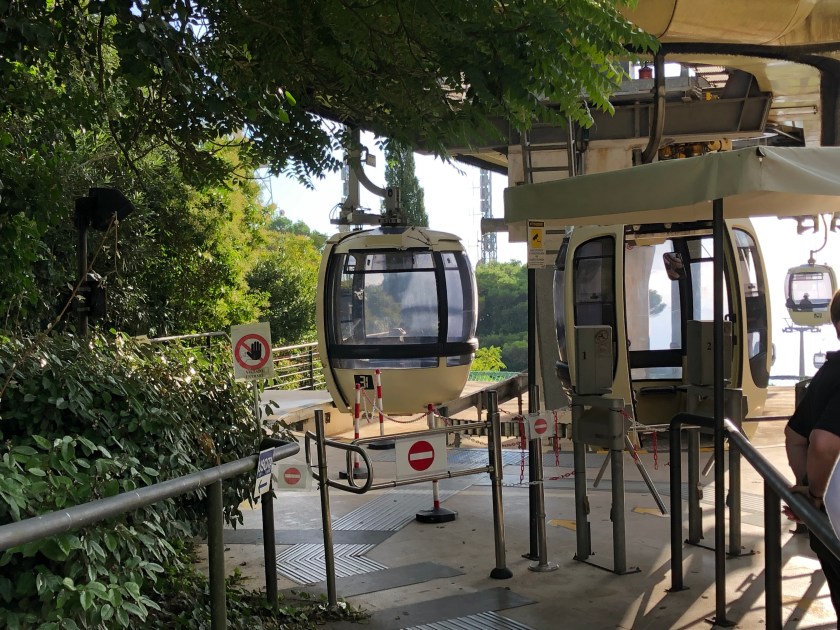
We departed using the convenient and efficient funicular.
The bus was waiting for us at the bottom in the outskirts of Trapani. It was a quick 10 minute drive along the waterfront where we were dropped off to pull our bags a couple of blocks to our hotel – an apartment style accommodation, the Badia Nova. We regrouped on the rooftop for an aperitif and some snacks, some entertainment from our guide (who is also a musician and part of a guitar trio – called Bartender), and a brief orientation to the city.

Cathedrals of Palermo

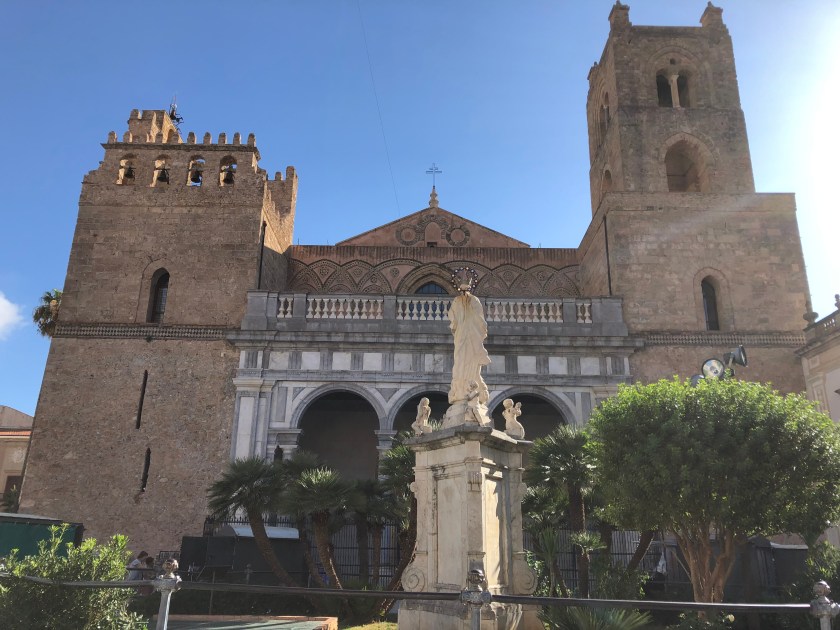
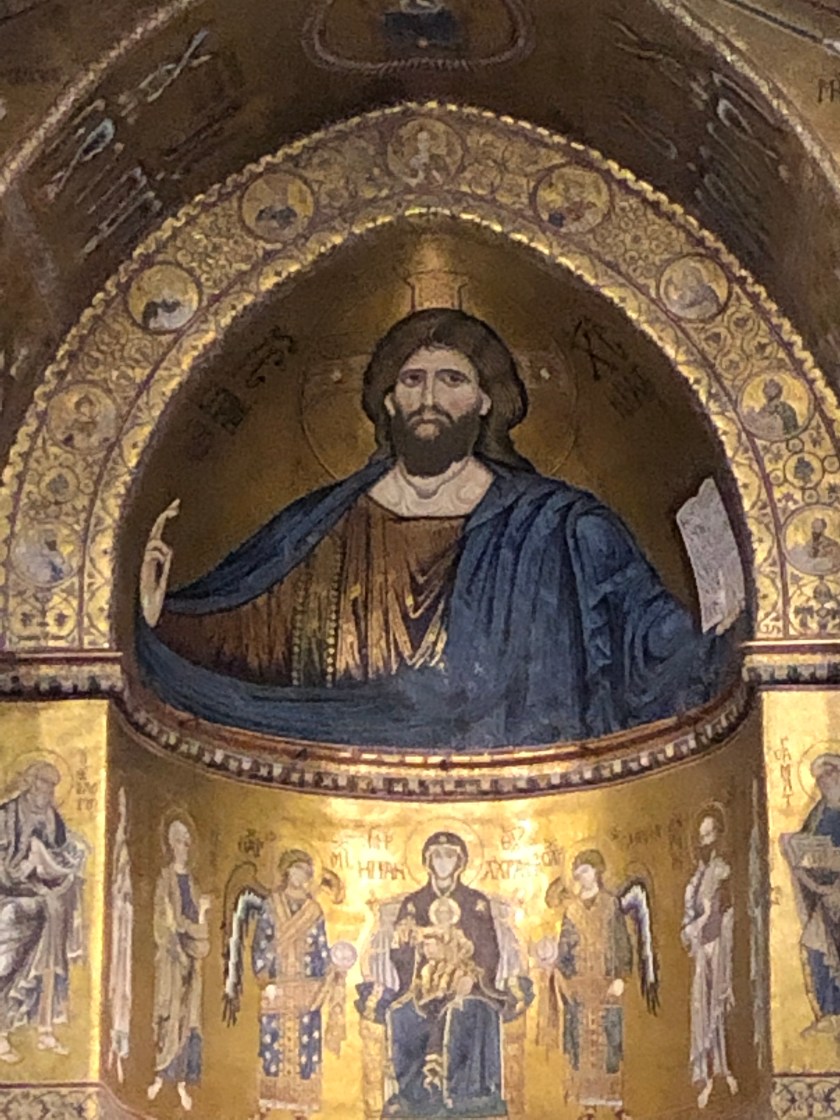
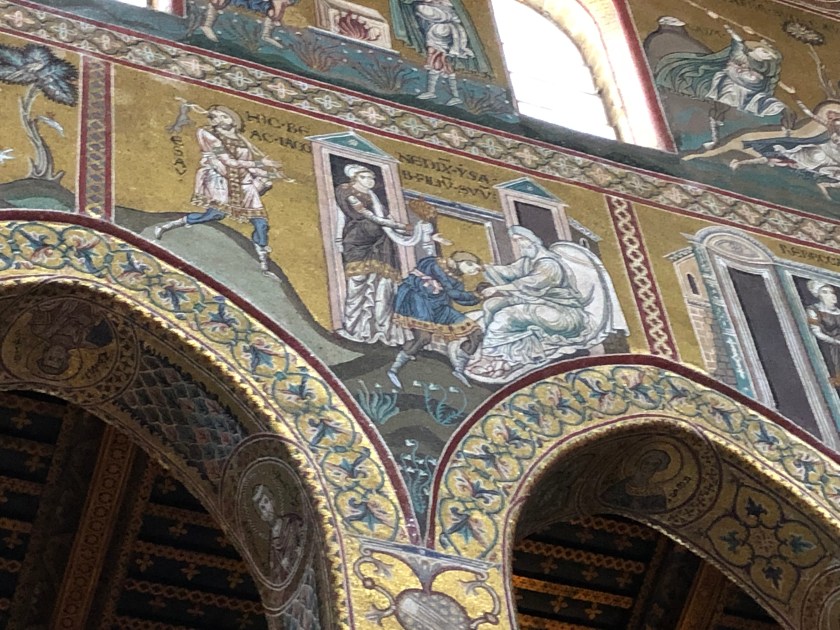
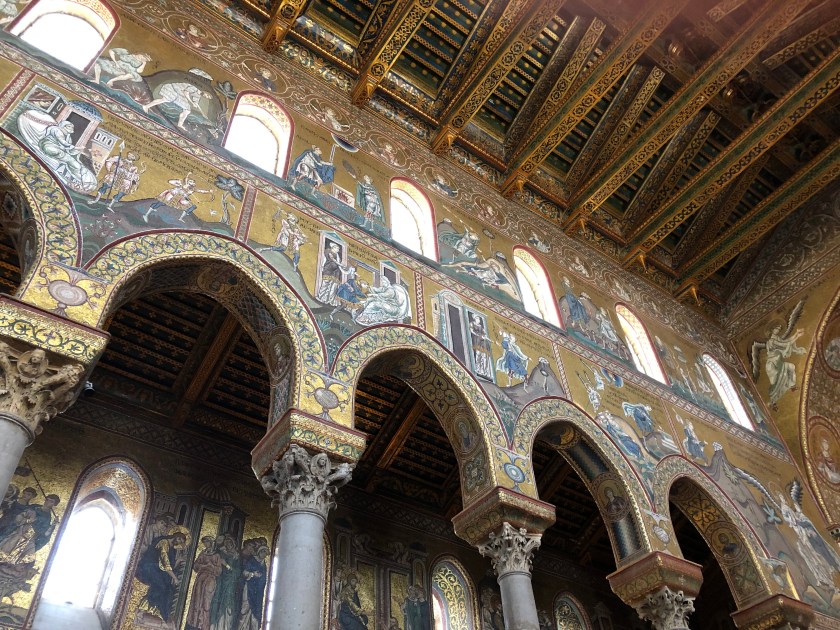
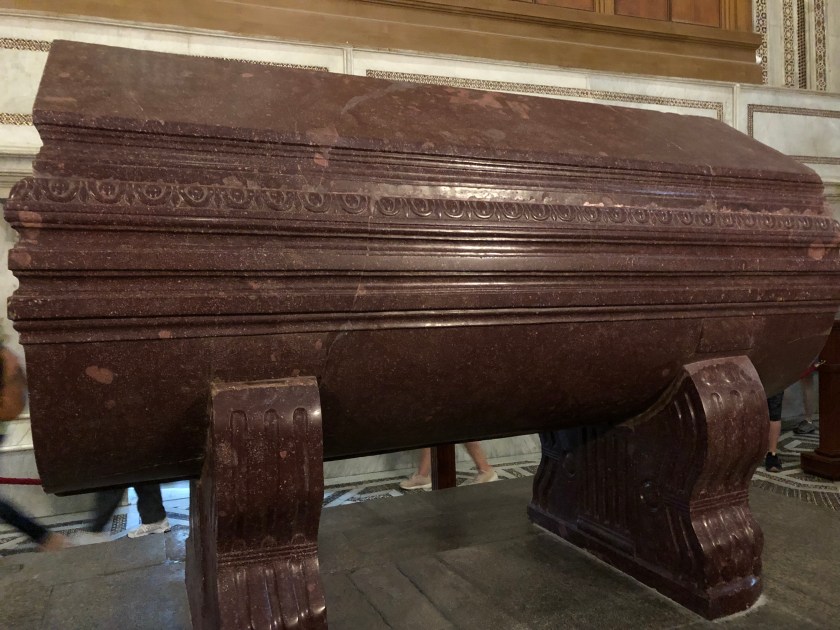
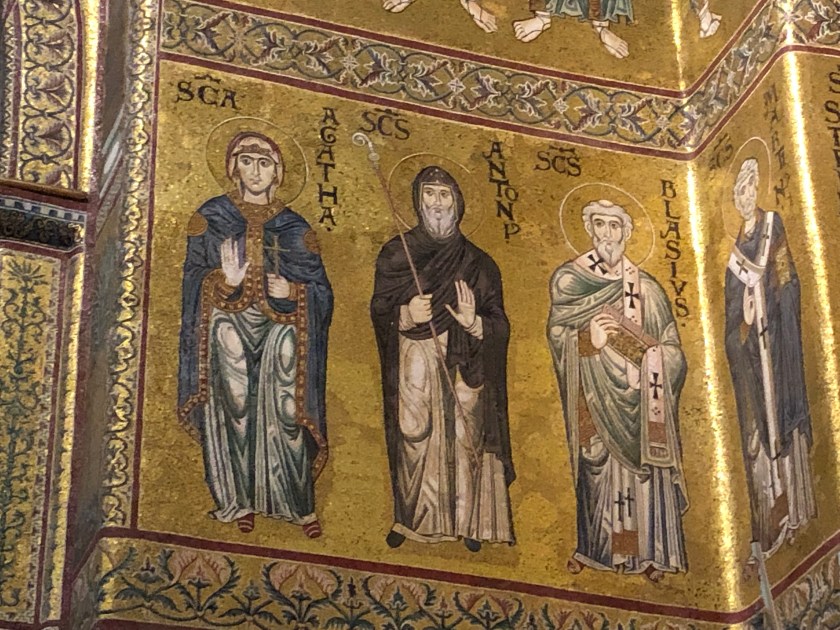
This morning we traveled several miles outside Palermo to visit the hilltop town of Monreale with its magnificent Norman cathedral. Commissioned by King William II in 1174 and completed eight years later, this massive cathedral is a mix of Roman Catholic and Eastern Rite styles. The interior is filled with Byzantine style mosaics portraying scenes from both Old and New Testaments. The tombs of William II and his father William I and located here.

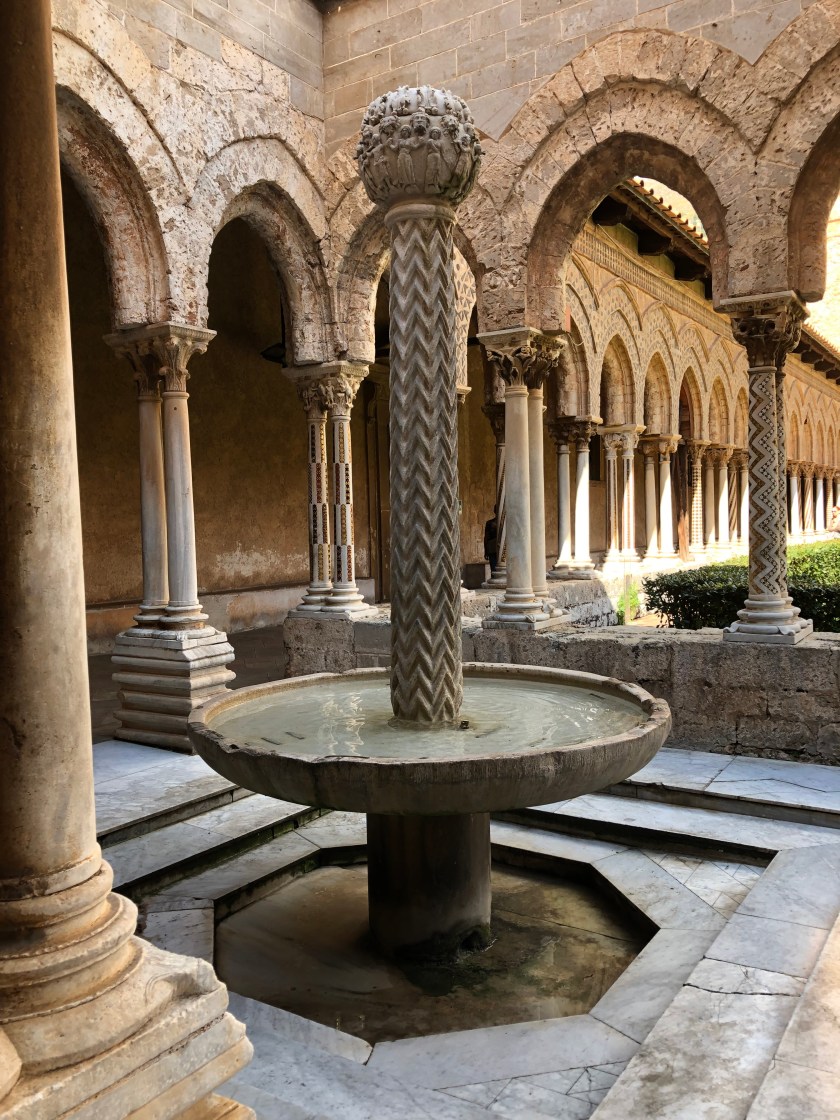
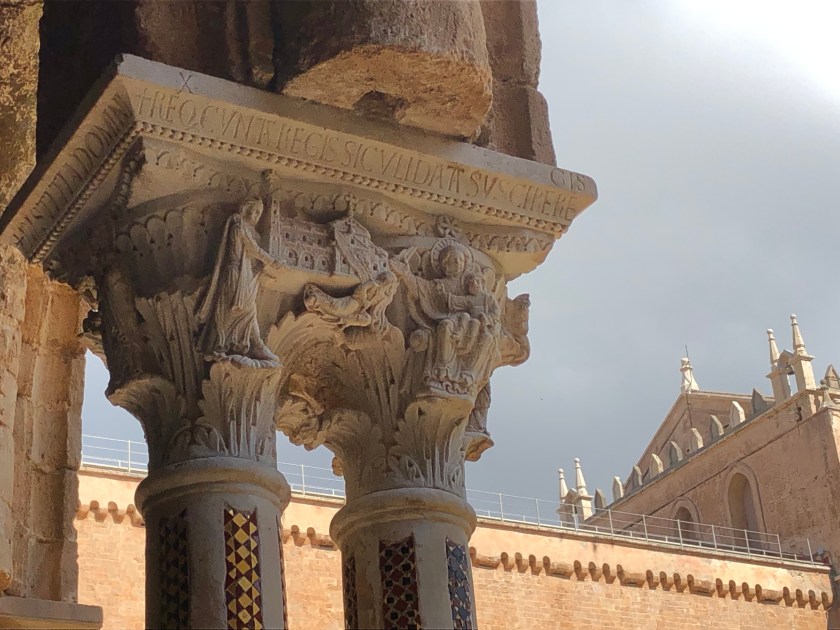
Our guide, Jackie Alio, a prominent historian and medievalist, brought to life the history of Sicily in the 12th and 13th centuries. We also toured the cloister, once home to 250 Benedictine monks. The monks left 300 years ago and restorations have been underway for decades.

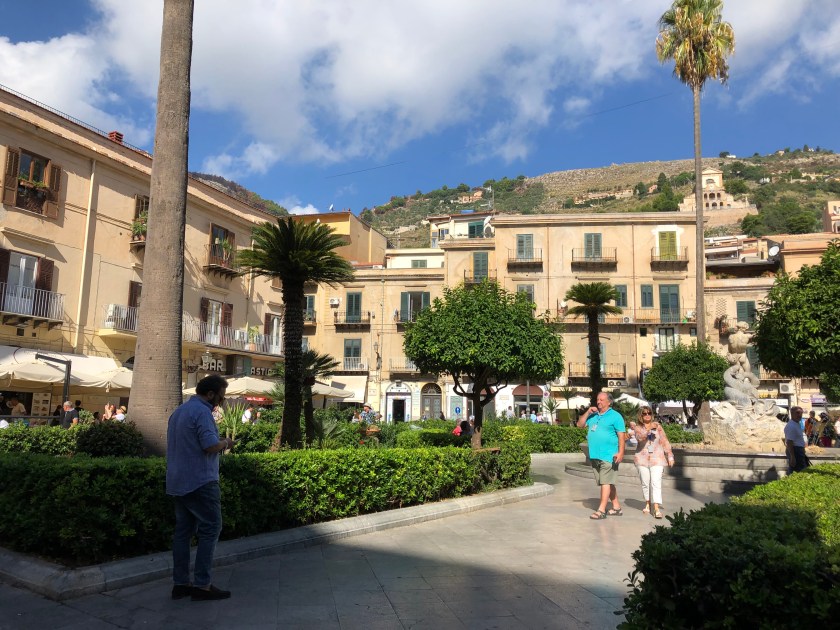
The town of Monreale, though quaint, basically exists to support the tourism related to the cathedral.

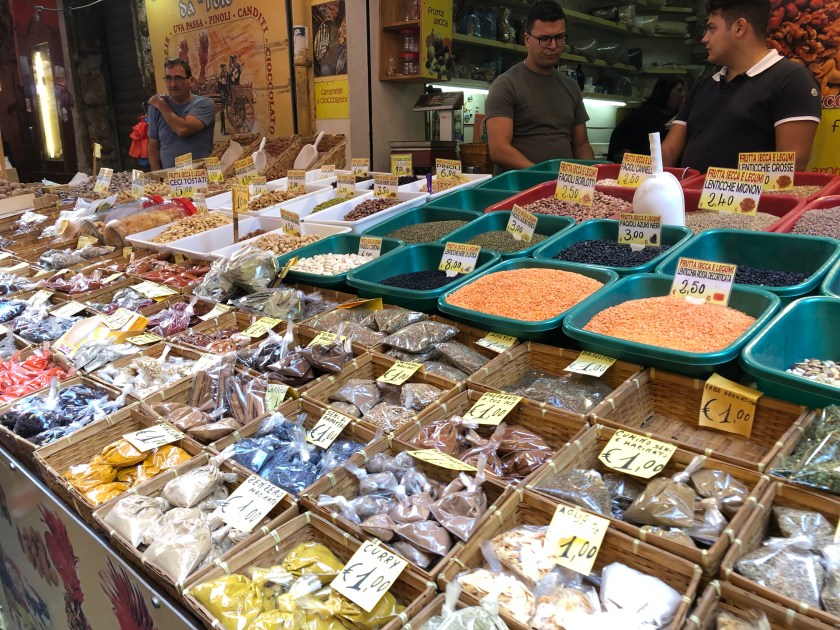
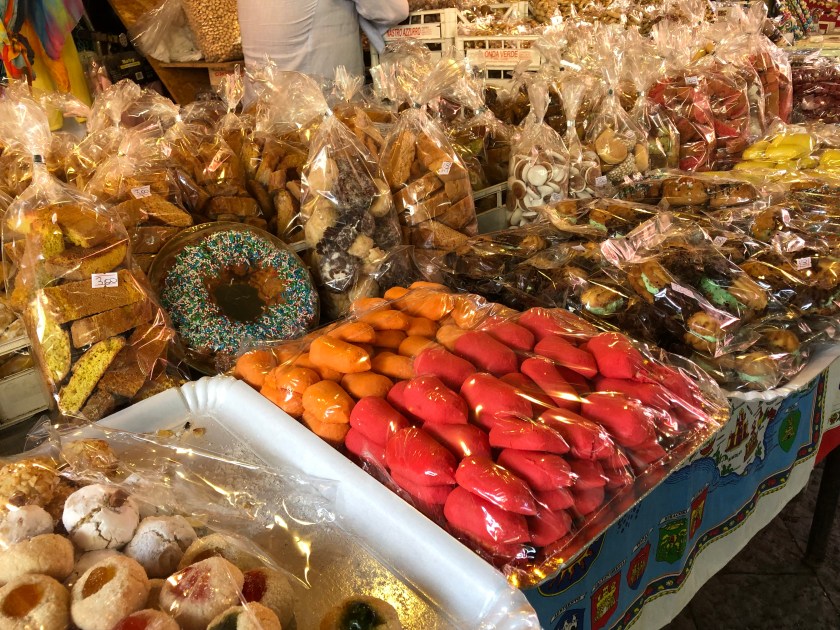
A quick bus ride back to Palermo took us to Il Ballarò market, in existence for more than 1000 years, a vibrant place where you can buy local produce, grilled lamb intestine, cheese, housewares, and just about anything else! This is definitely not a tourist attraction but a reflection of the daily life in this crazy city!

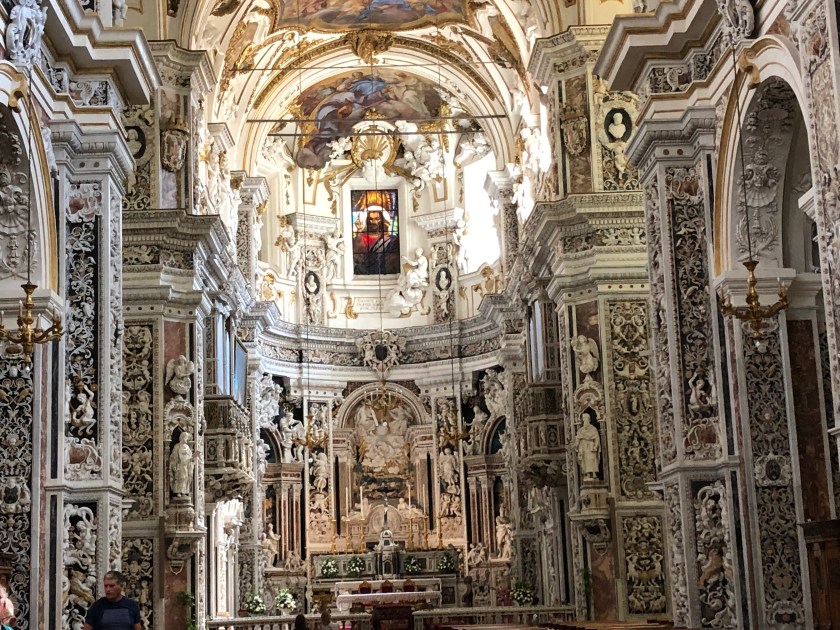
Our morning tour ended with a visit to the Sicilian Baroque style Church of Santa Maria di Gesu. The remains of St. Francis Xavier (mummified arm) are prominently displayed in the 16th century Jesuit church.

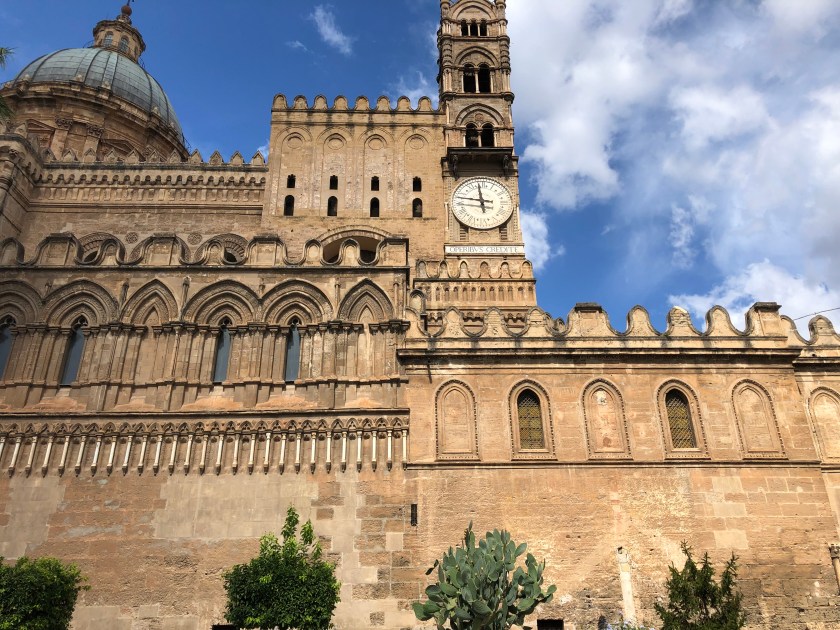
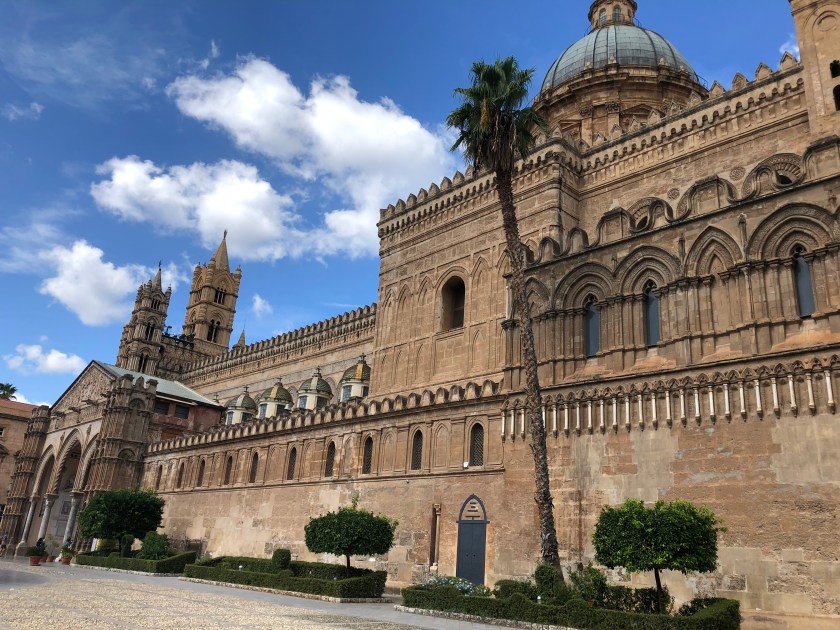
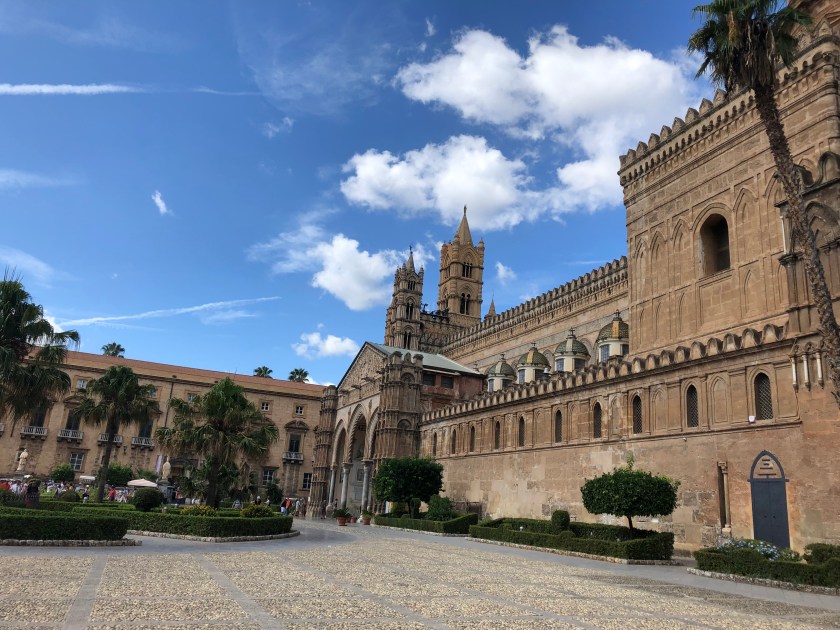
After a break for an almond granita and a brief rest, we headed out to see the Duomo (or main cathedral of Palermo). It was completed over several centuries and is a mishmash of different architectural styles.

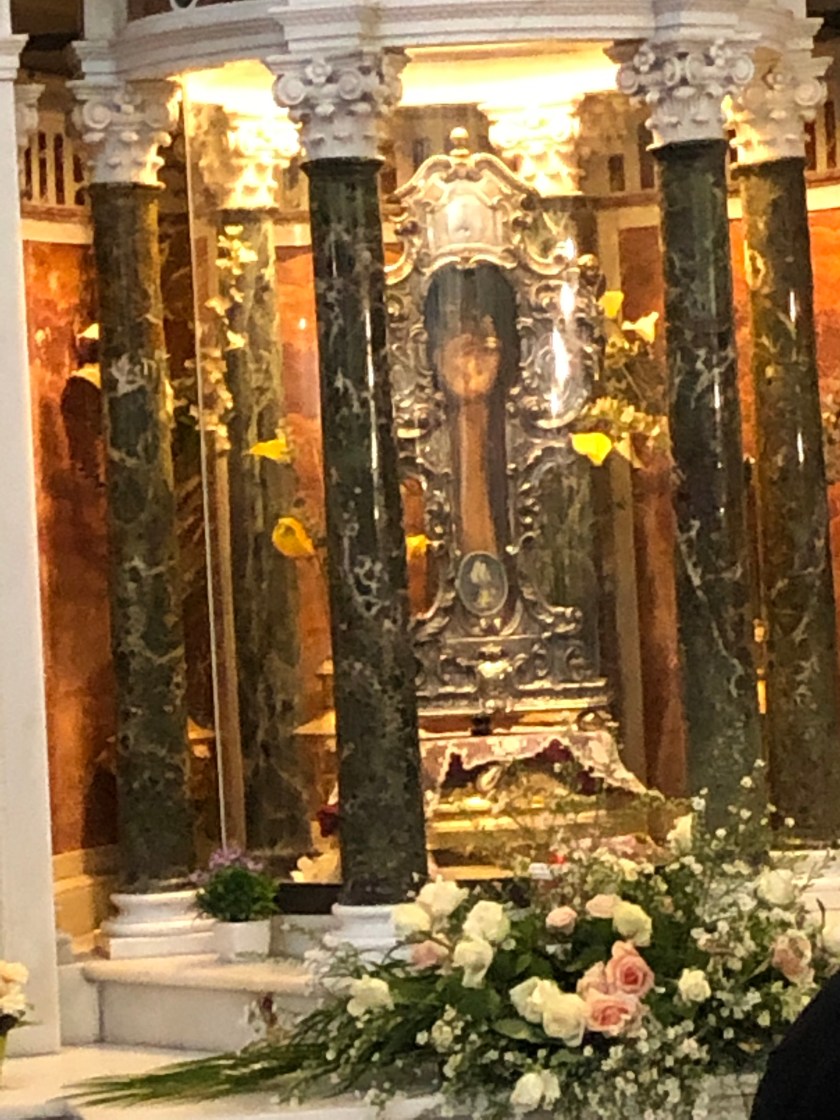
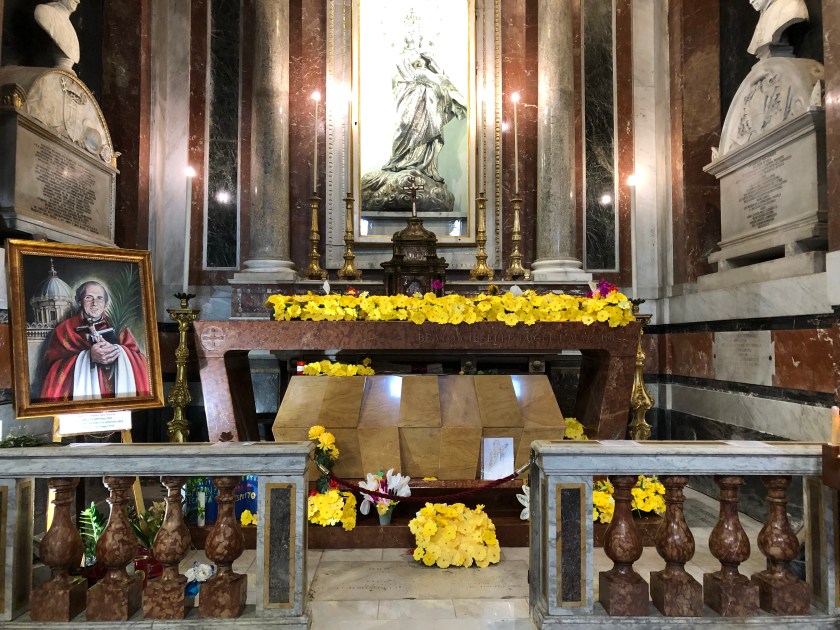
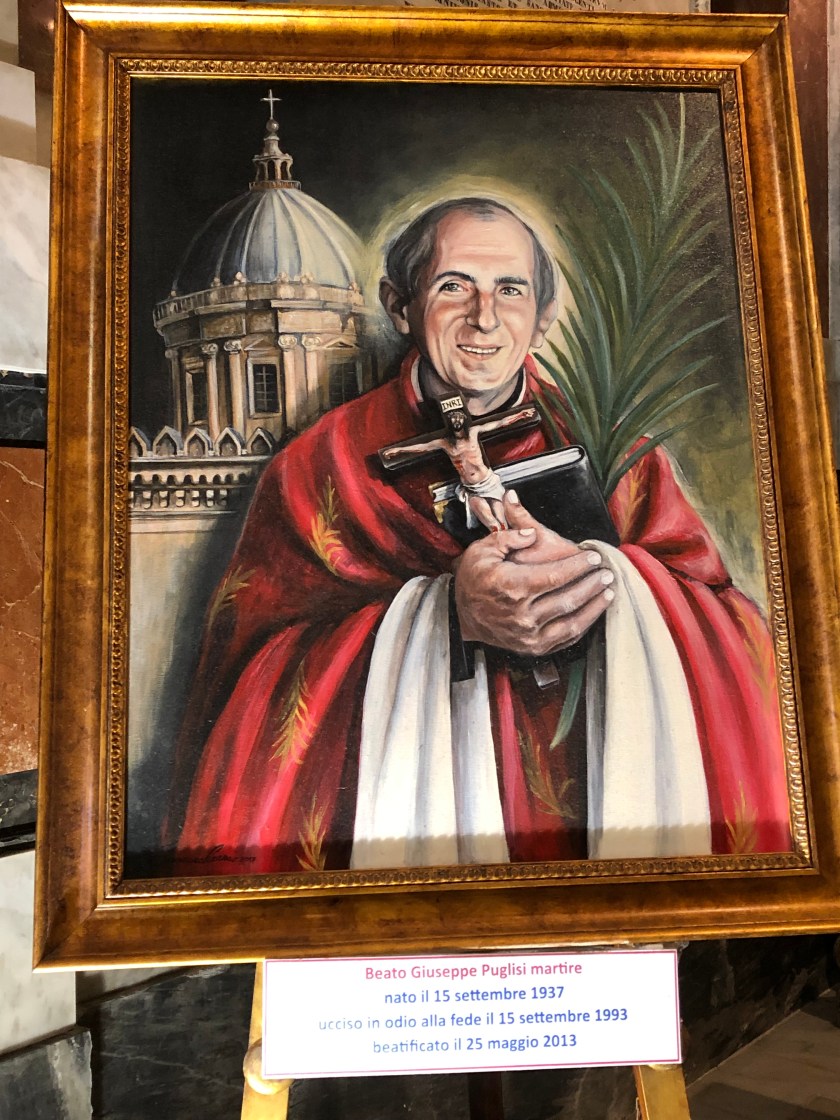
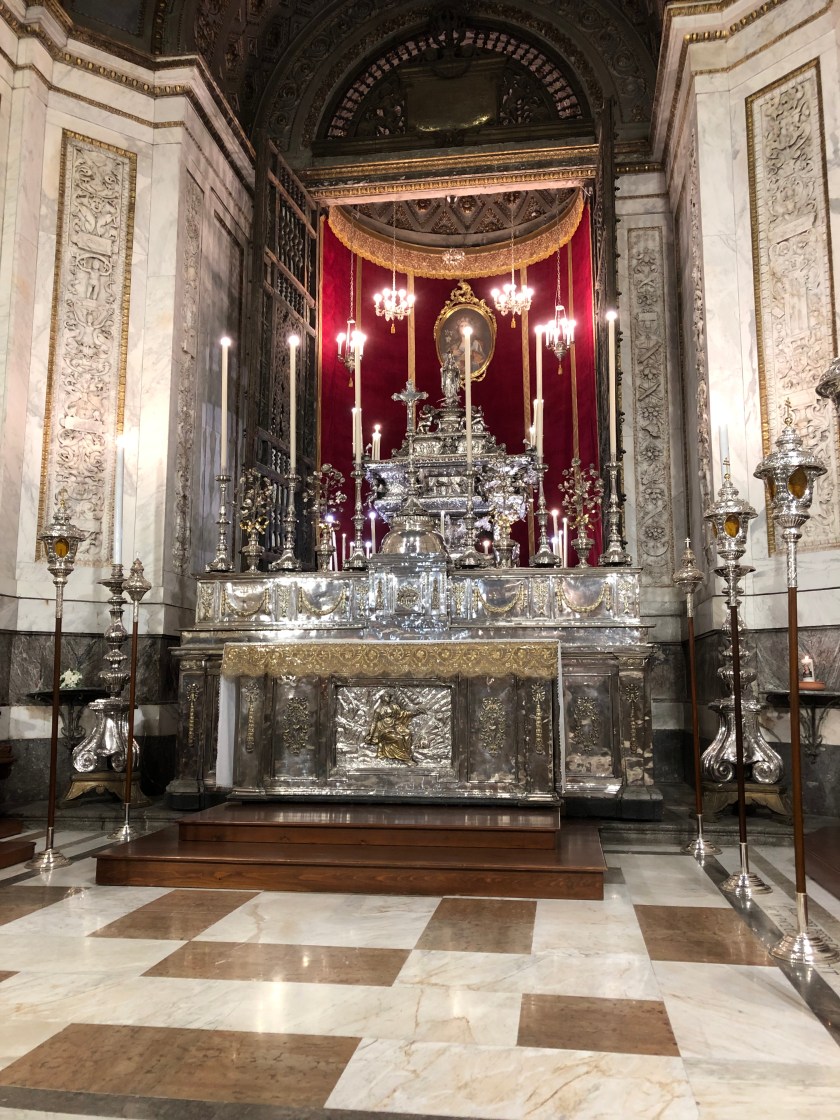
The interior is quite a letdown after seeing the two previous churches. The most impressive things are the tomb of Father Giuseppe Puglisi, murdered by the Mafia in 1993 and now in line for sainthood for his anti-Mafia work in poor neighborhoods, and the altar containing remains of St. Rosalia, the patron saint of Palermo.

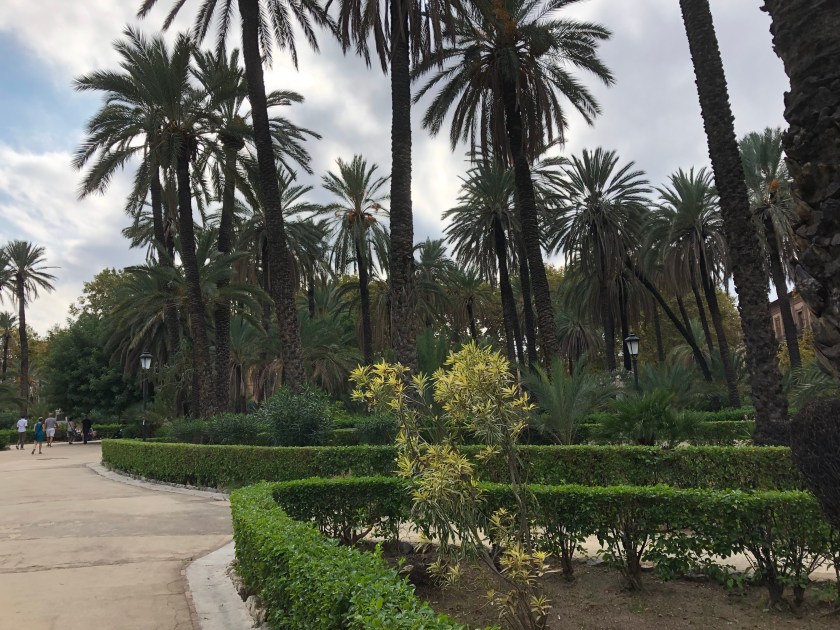
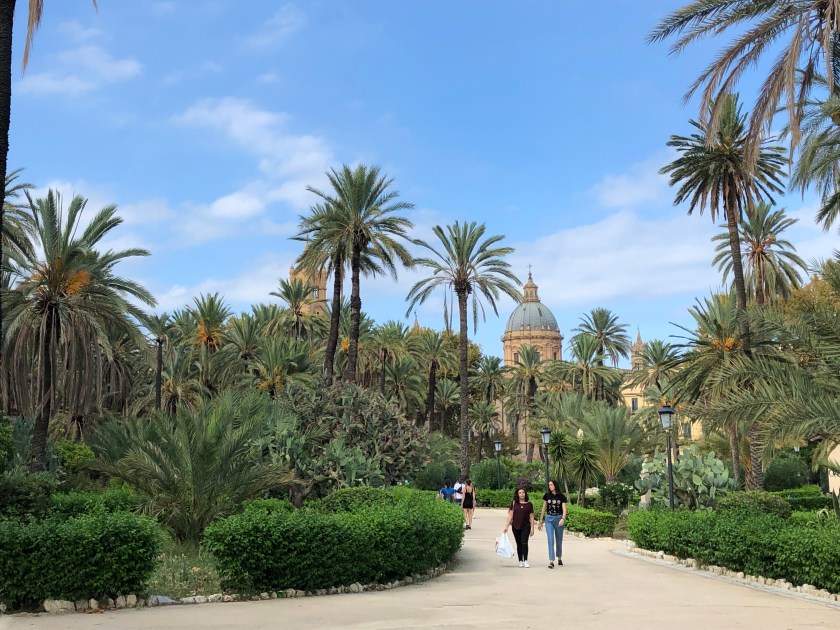
The public gardens are nearby. It is a lovely place for a late afternoon walk. We ended the evening with an aperitif on the rooftop terrace of our hotel and dinner at Carlo V Ristorante in Piazza Bologni.

Gentrification and preservation

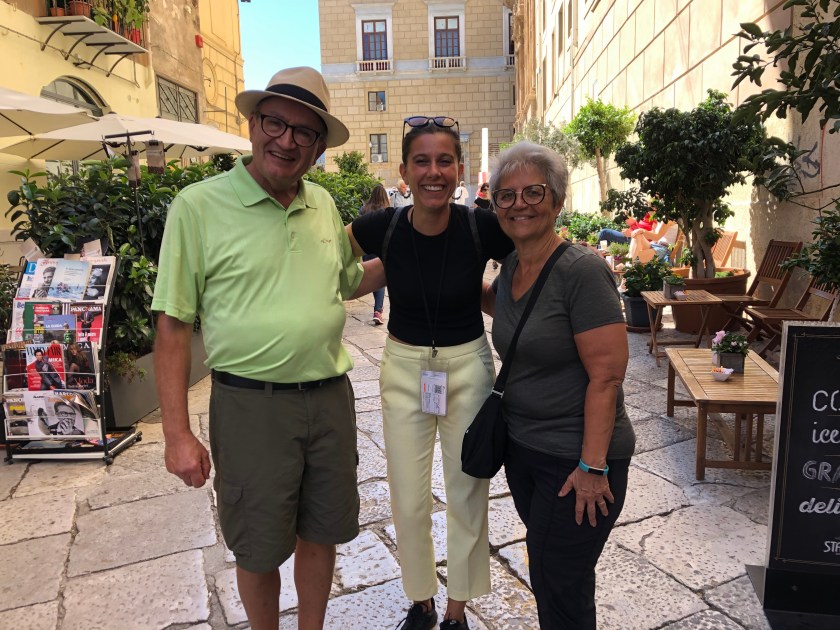
This morning we took a tour of La Kalsa, the part of Palermo near the port. Our guide was Francesca of Uncovered Sicily, a company that uses experts in art, history and local culture for private tours of specialized aspects of Sicily – not cookie cutter, generic tours where you follow a guide holding a flag. Until recently this neighborhood was run down and quite unsafe. But the last ten years have given rise to new artisan shops, restaurants, and renovation of dilapidated palazzi.

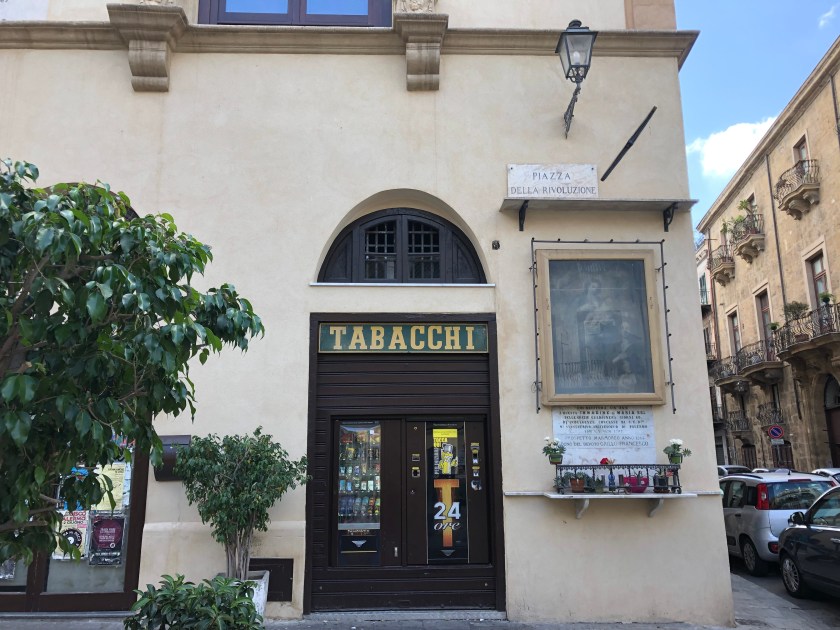
We started in the Piazza della Rivoluzione where we received a brief history lesson on Sicilian history as it was related to the unification of Italy.

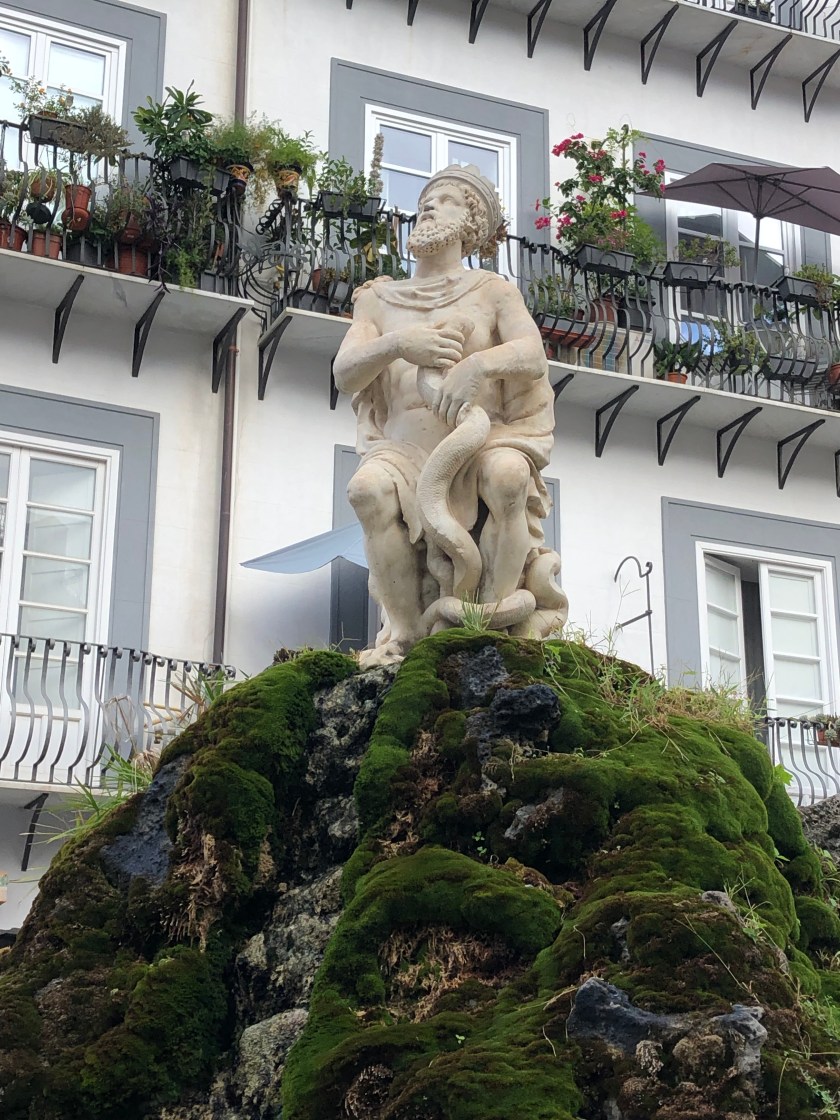
The piazza has a statue/fountain of il Genio, the symbol of Palermo. The genio is a personification of the city and the snake feeding on his chest is thought to represent the connection to land and water, rebirth and renewal.

The statue was originally located at the port but was relocated in the piazza in the 1600s.

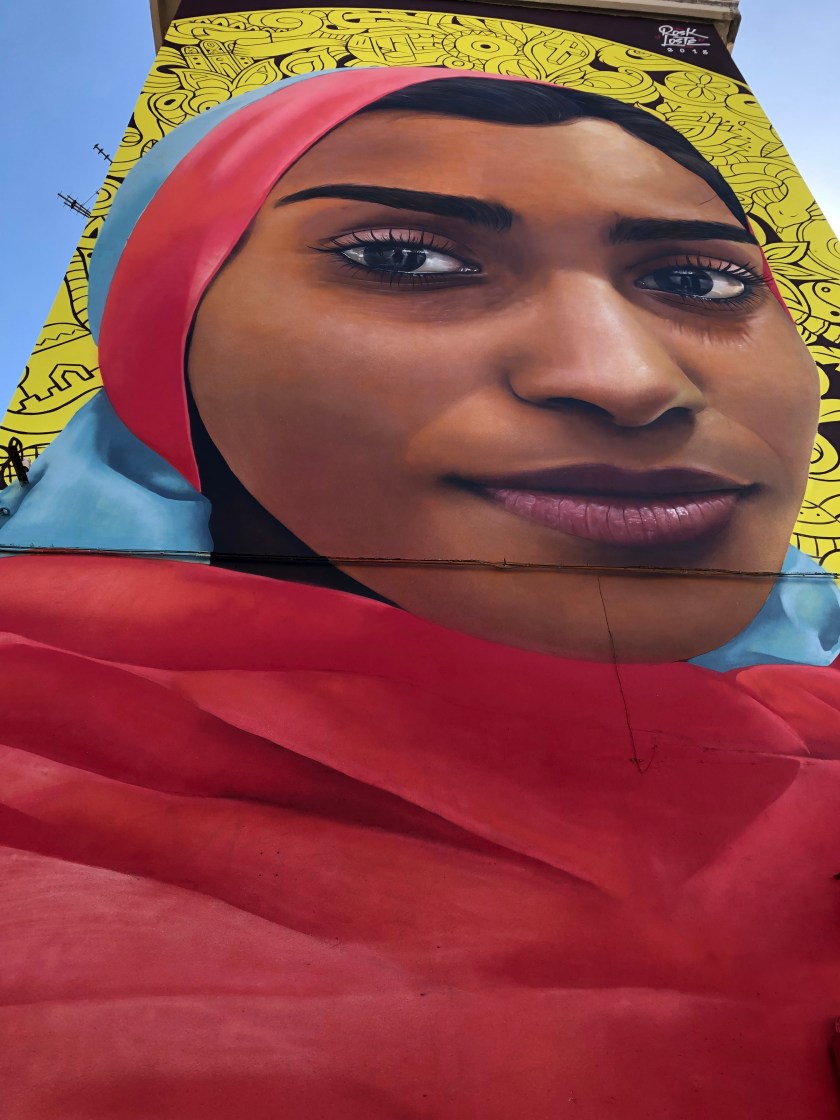
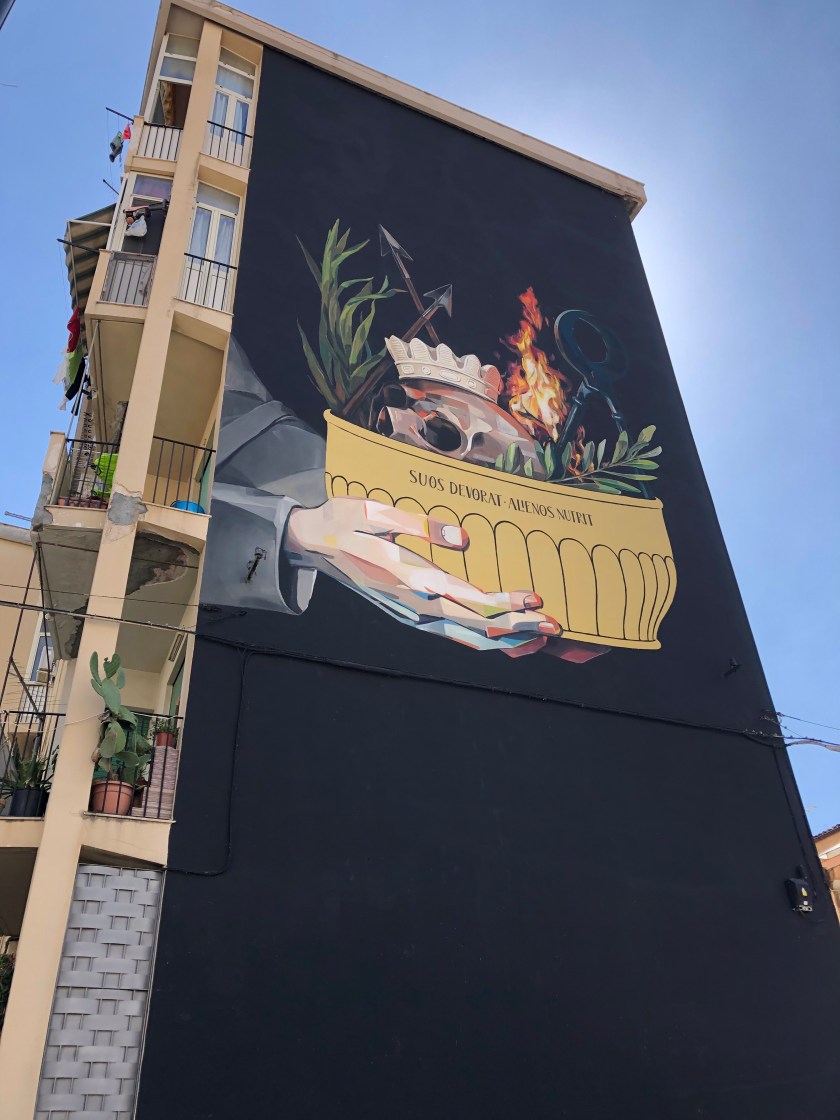
On our way to the Piazza San Francesco and the Oratorio di San Lorenzo, we passed some street art of two varieties, one by a recognized artist who uses tiles and one by an unknown graffiti artist.

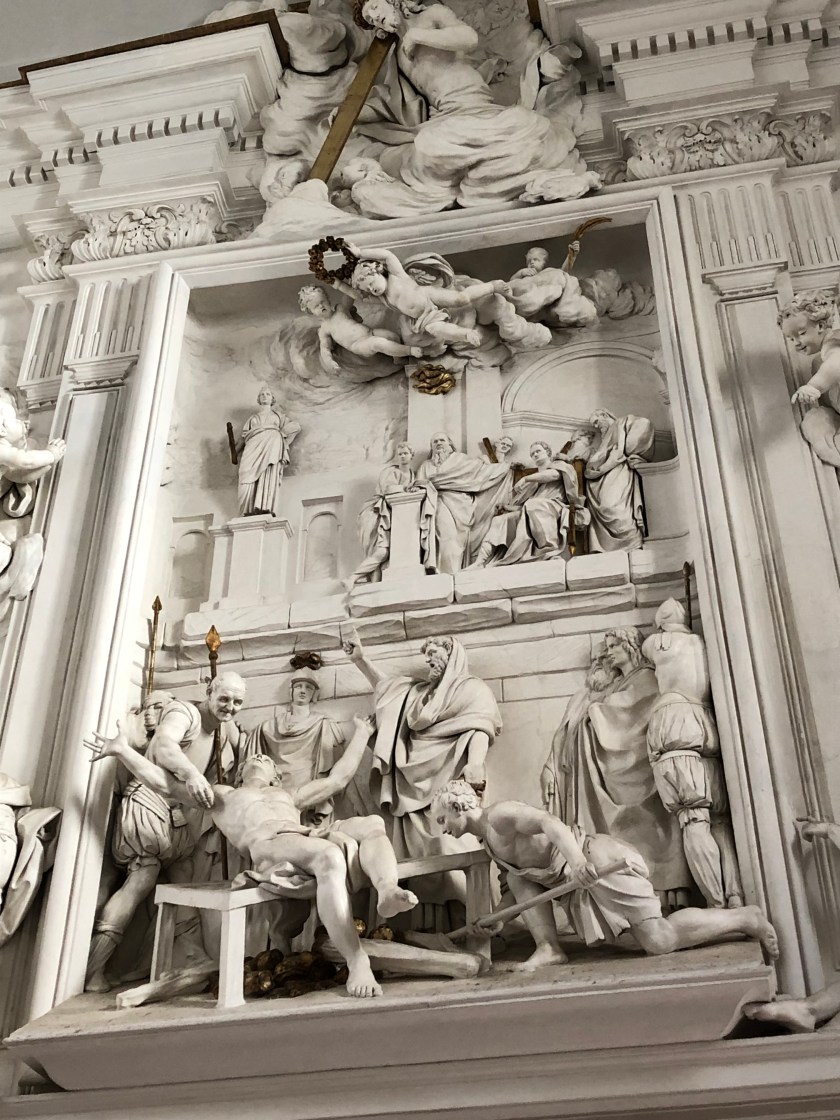
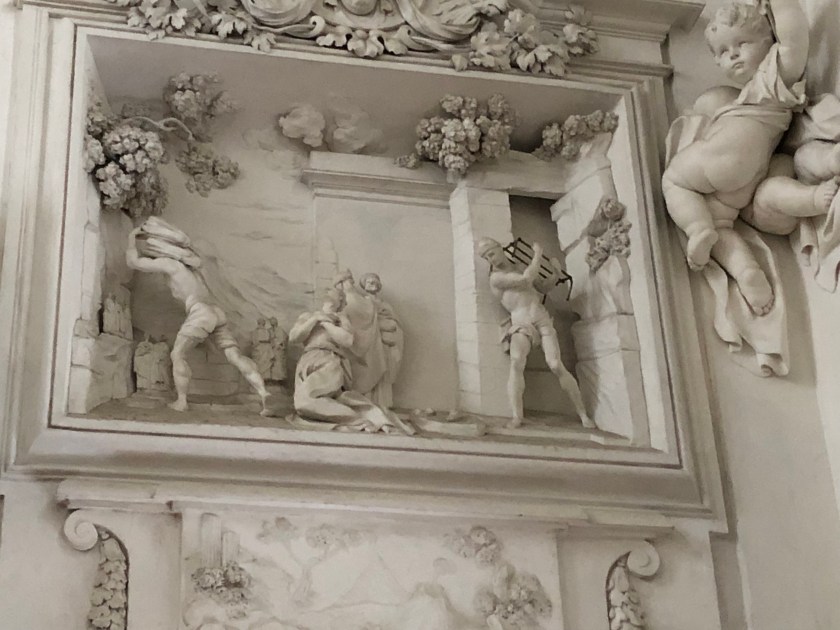
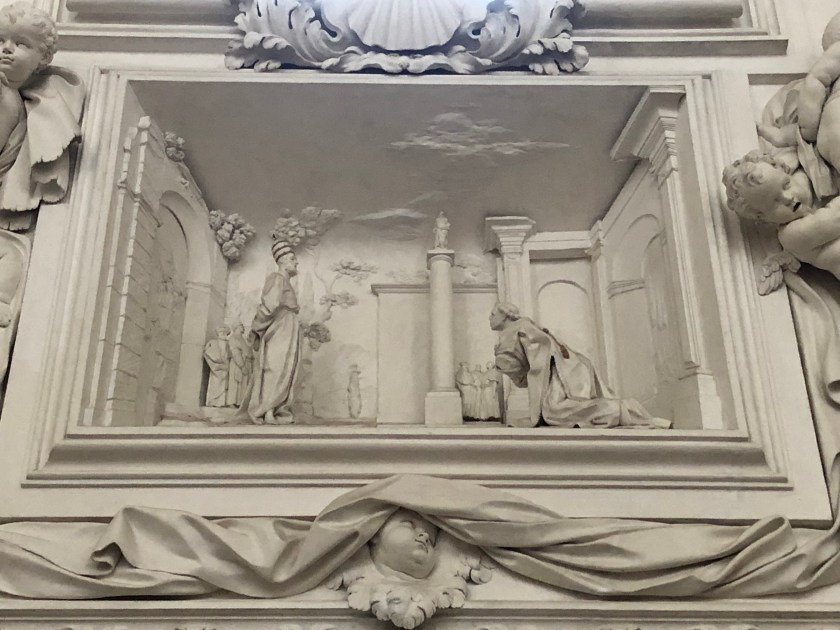
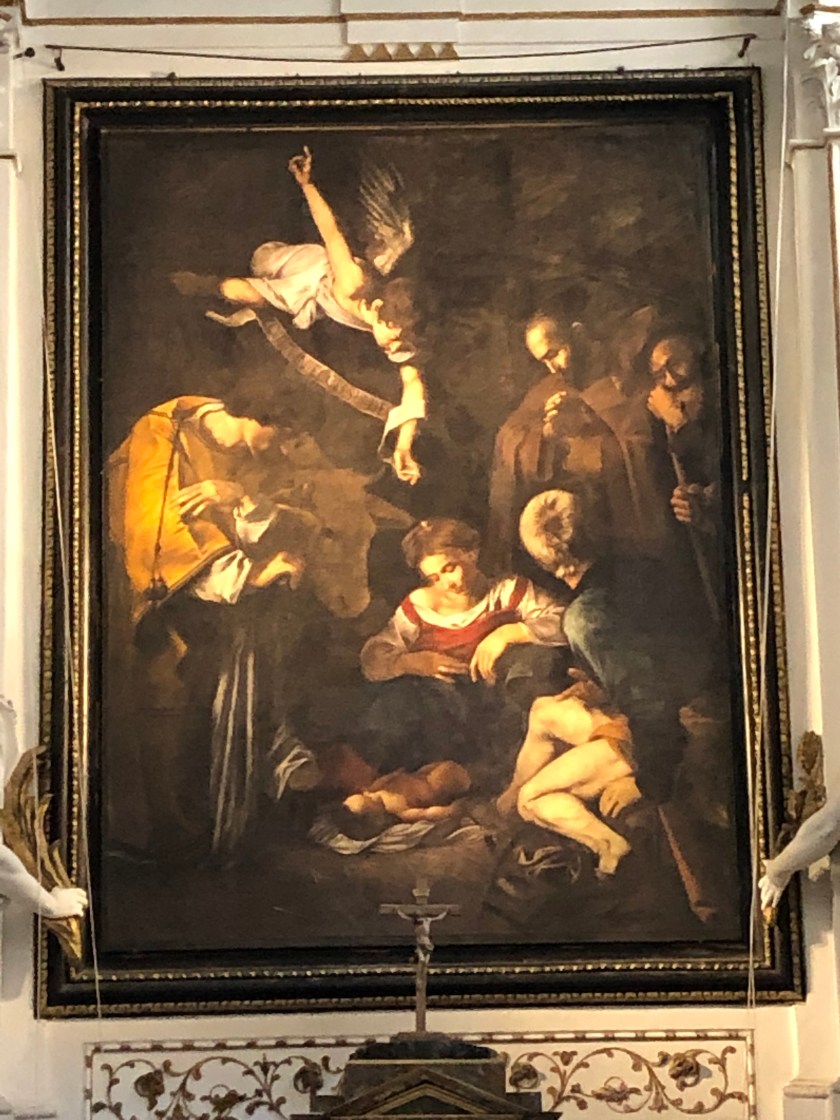
The Oratorio was commissioned in the early 1600s by local merchants who used it not only as a chapel but also as a social meeting place. It is famous for the intricate stucco scenes that were coated in marble dust and polished to simulate real marble, portraying scenes from the life of San Lorenzo sho was martyred by being “barbecued” over a grill and scenes of the life of St. Francis Assisi, crafted by Giacomo Serpotta. However it’s true fame ( or infamy) comes from the painting of the Nativity by Caravaggio behind the altar! The real painting was stolen by the Mafia in 1969 and its whereabouts are still unknown and the “painting ” behind the altar is an imitation!

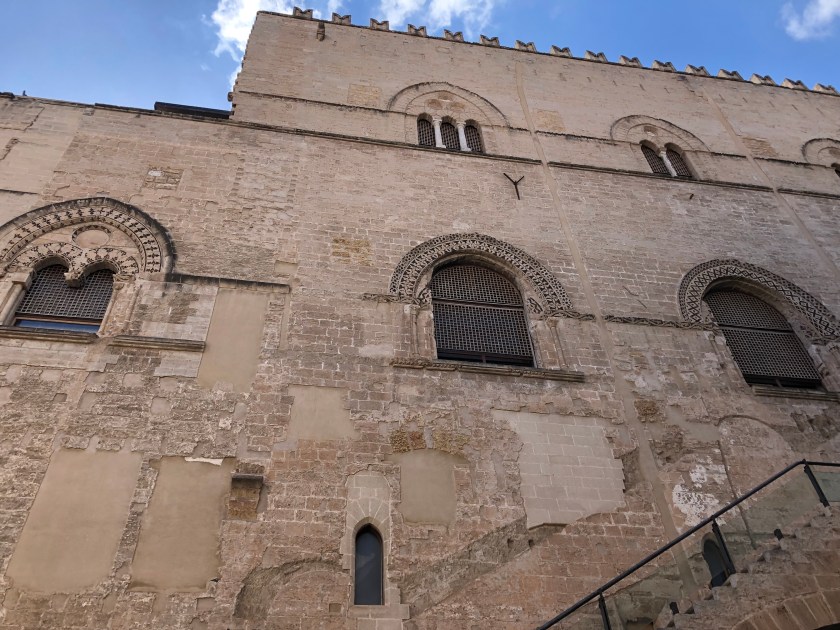
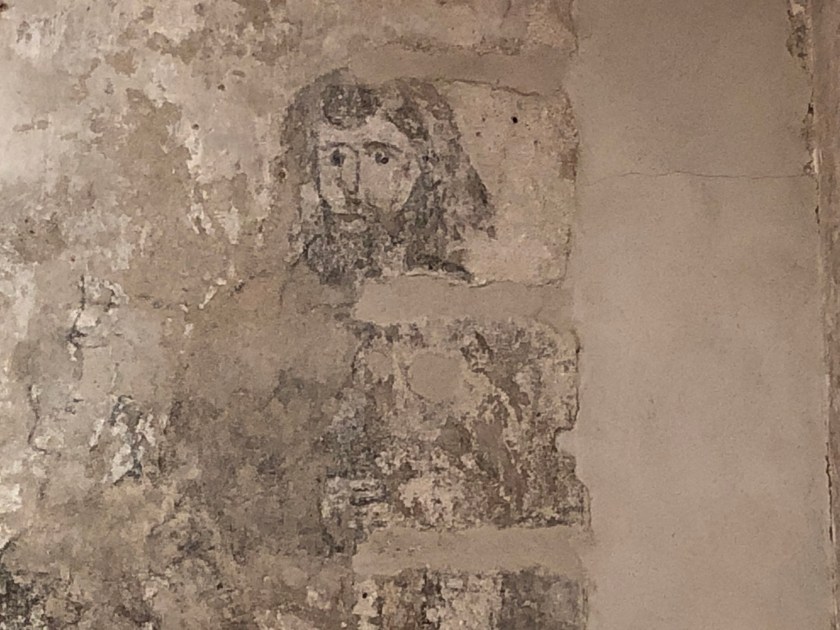
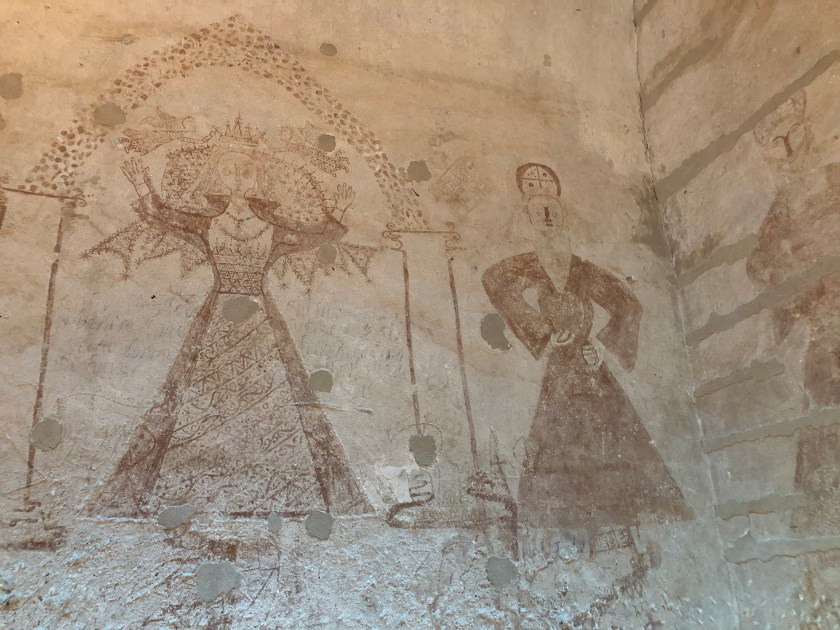
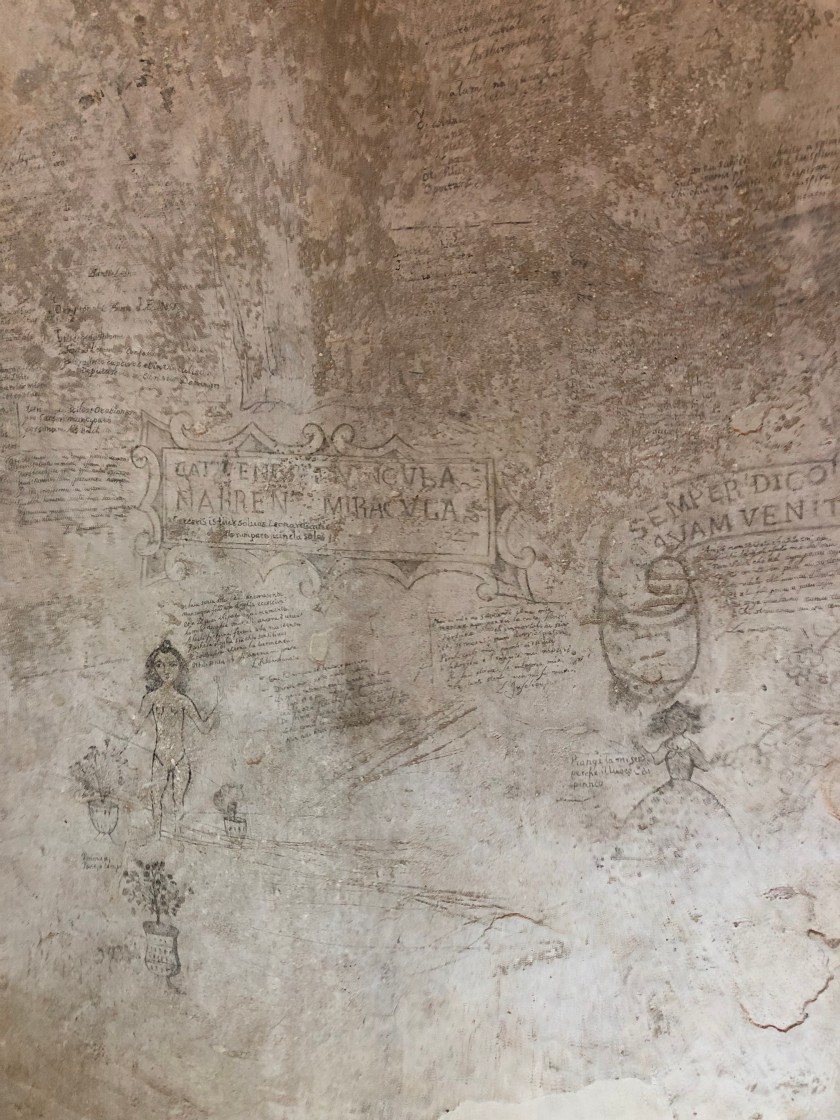
We then proceeded to the Museum of the Prison of the Inquisition. Housed in a 16th century palazzo of a noble family, this prison is famous for the graffiti on the walls drawn by the prisoners. There is a paradox in these drawings as some represent religious figures while some truly express the desperation of the prisoners.

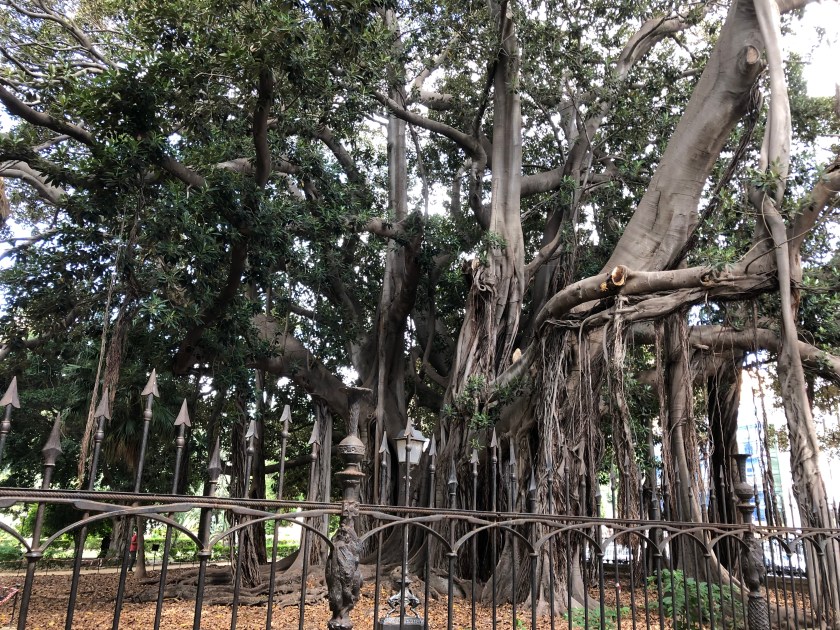
The prison museum is located across the street from the public garden with its enormous banyan tree, the largest in Sicily. The famous anti-Mafia NY policeman Joe Petrosino was gunned down on this corner.
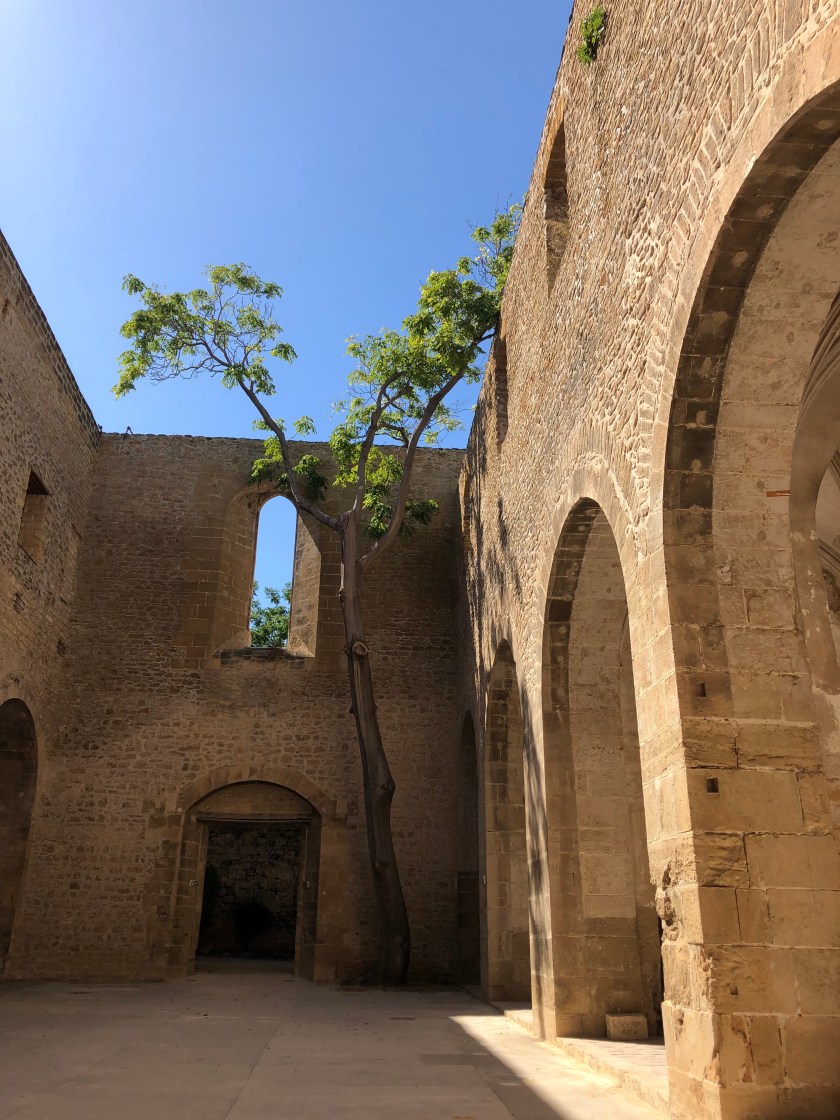
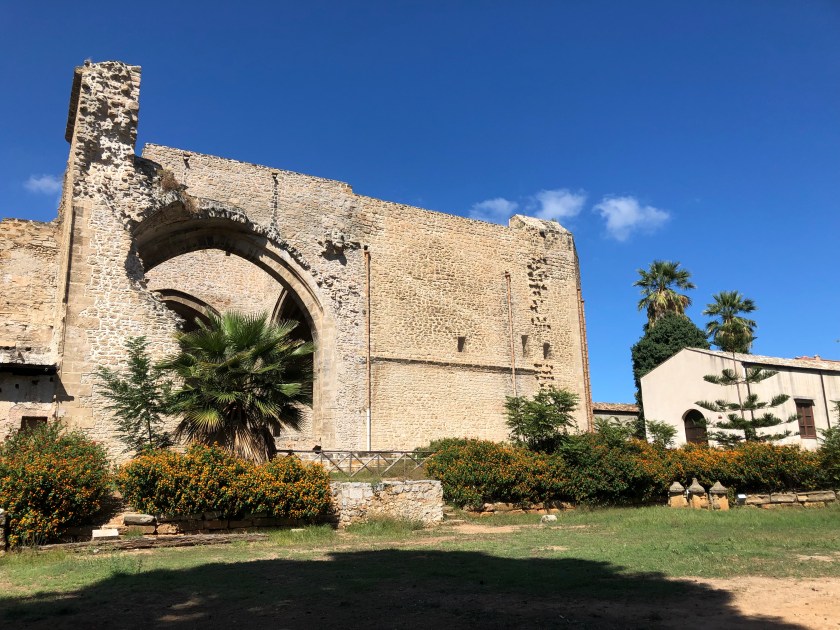
We then walked by an abandoned church, Santa Maria dello Spasimo, a gothic structure that is now the site of a school for jazz music and a performance space.
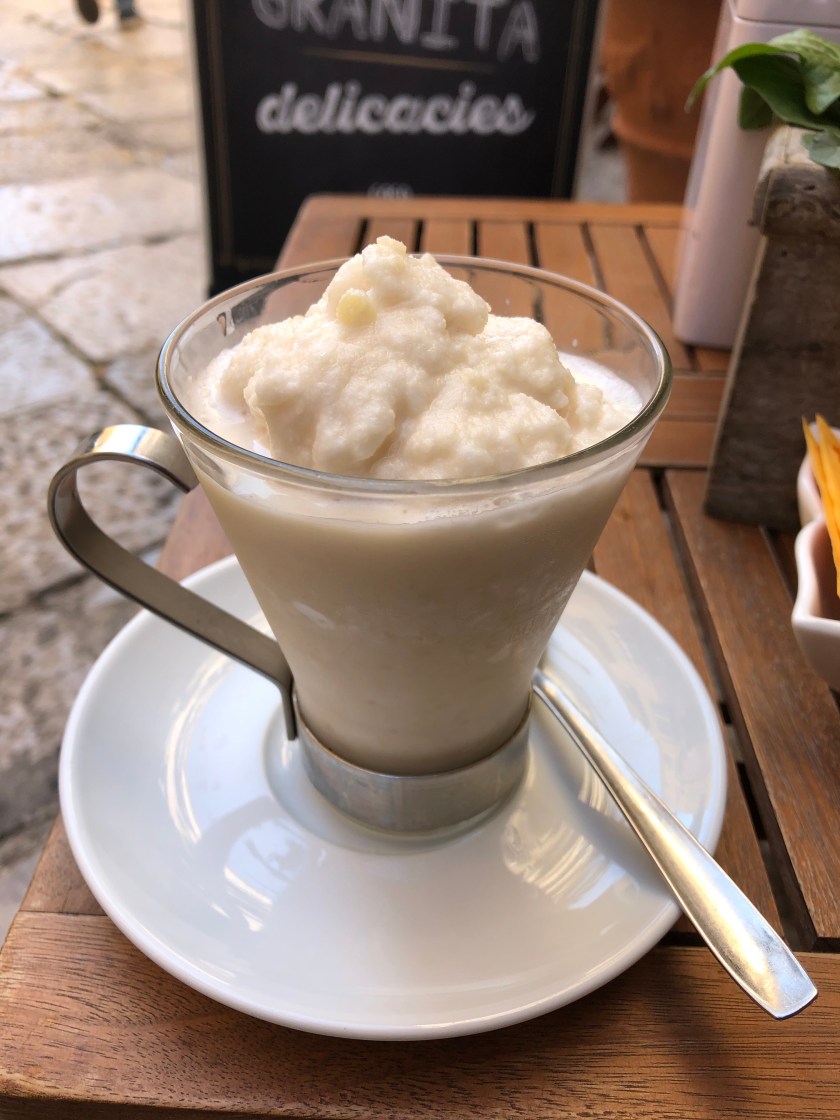
Along the way, there was more street art.We ended our tour with an almond milk granita!

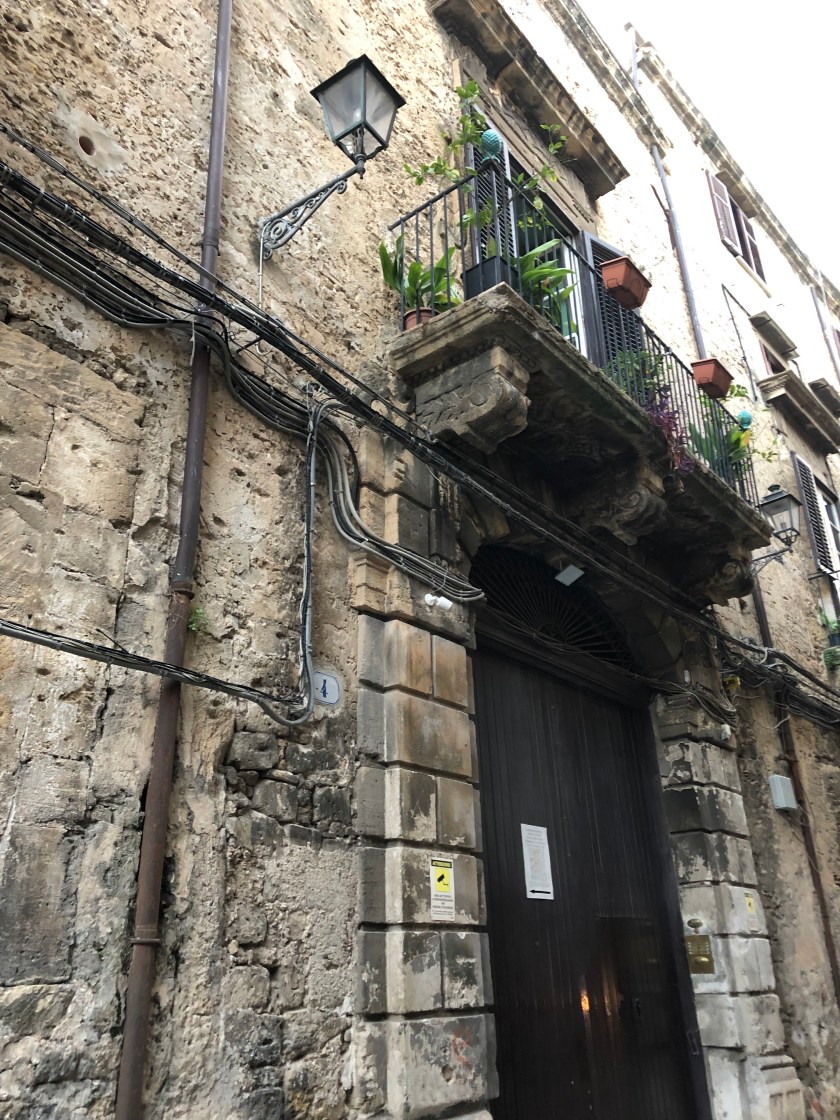
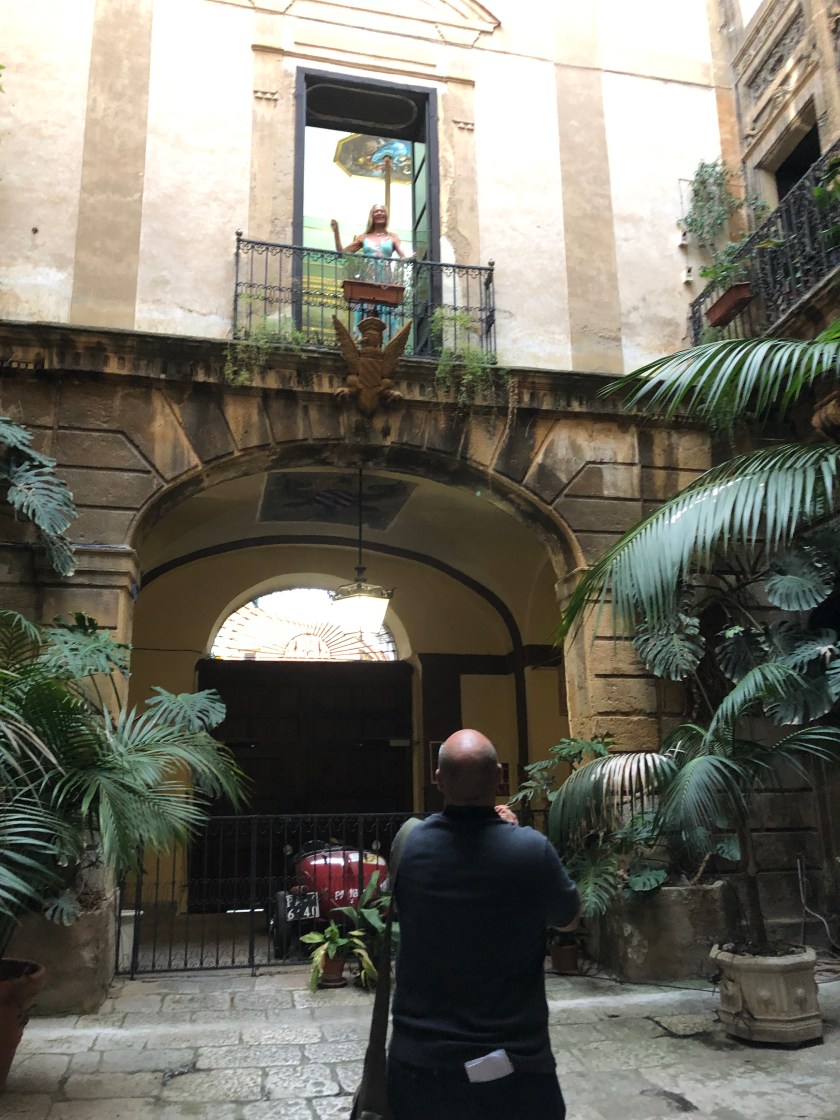
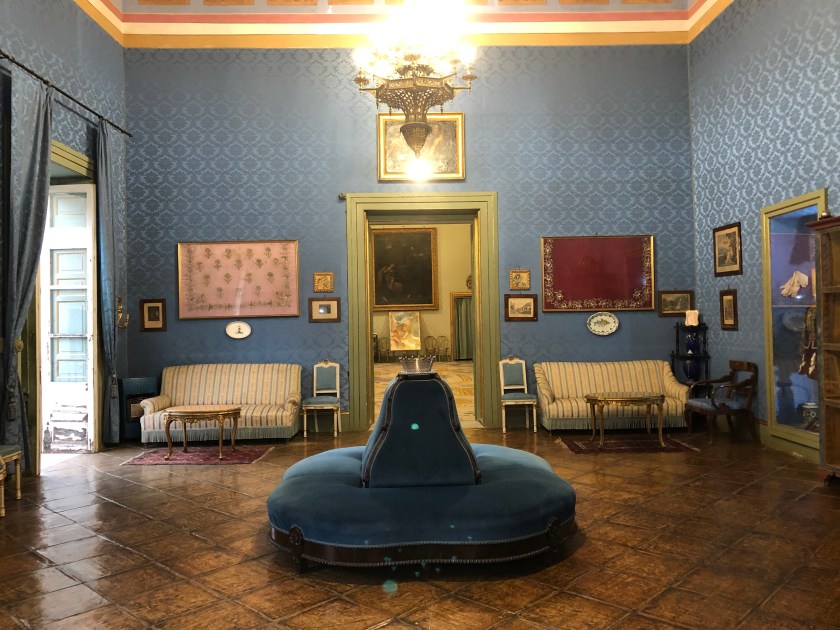
After a brief rest, we met up with our Rick Steves tour group and guide for an orientation meeting, brief walking tour and tour of the palazzo of Conte Federico, probably one of the last of the Sicilian nobility class that still maintains a palazzo. Stuck in the middle of a rundown neighborhood near il Ballaro market, we were given a tour by the Countess, not an Italian but rather an Austrian who married into Sicilian nobility. The palazzo has been restored to its 17-18th century splendor but living there is like living in a museum! We were offered wine and finger foods at the end of the tour.
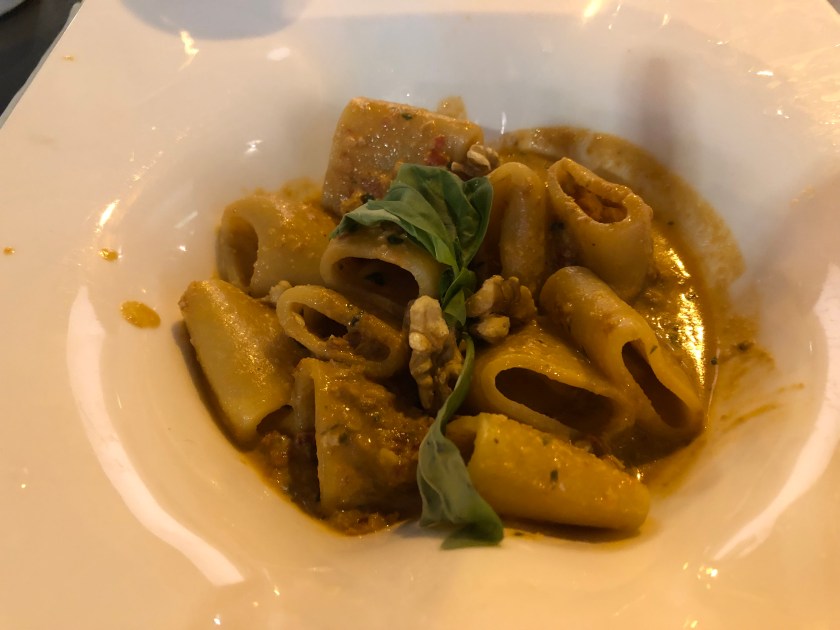
The evening ended with a group dinner at the hotel, with an appetizer of fried street foods, a pasta with cauliflower, fried meat croquets and a deconstructed cannolo for dessert.