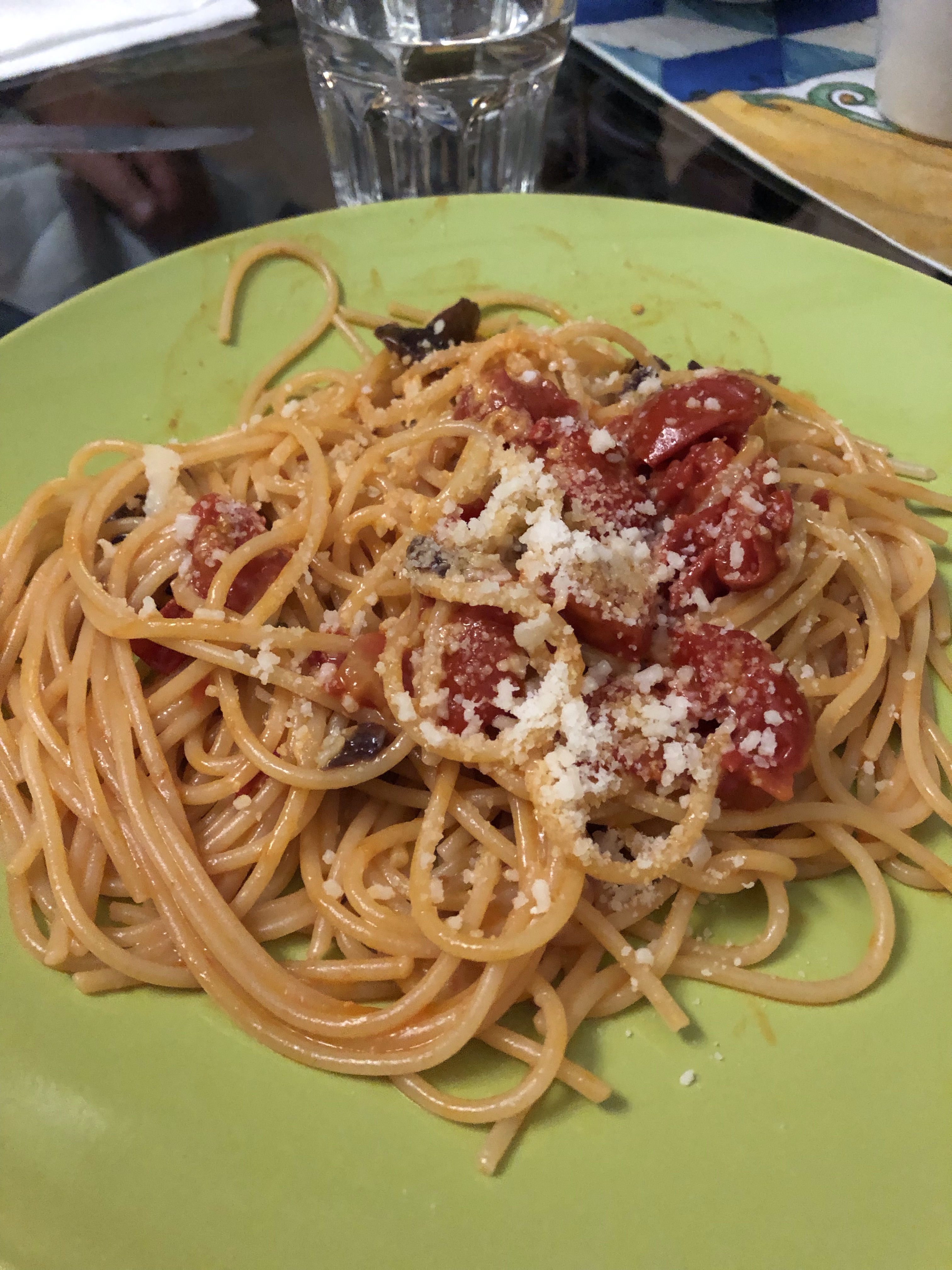
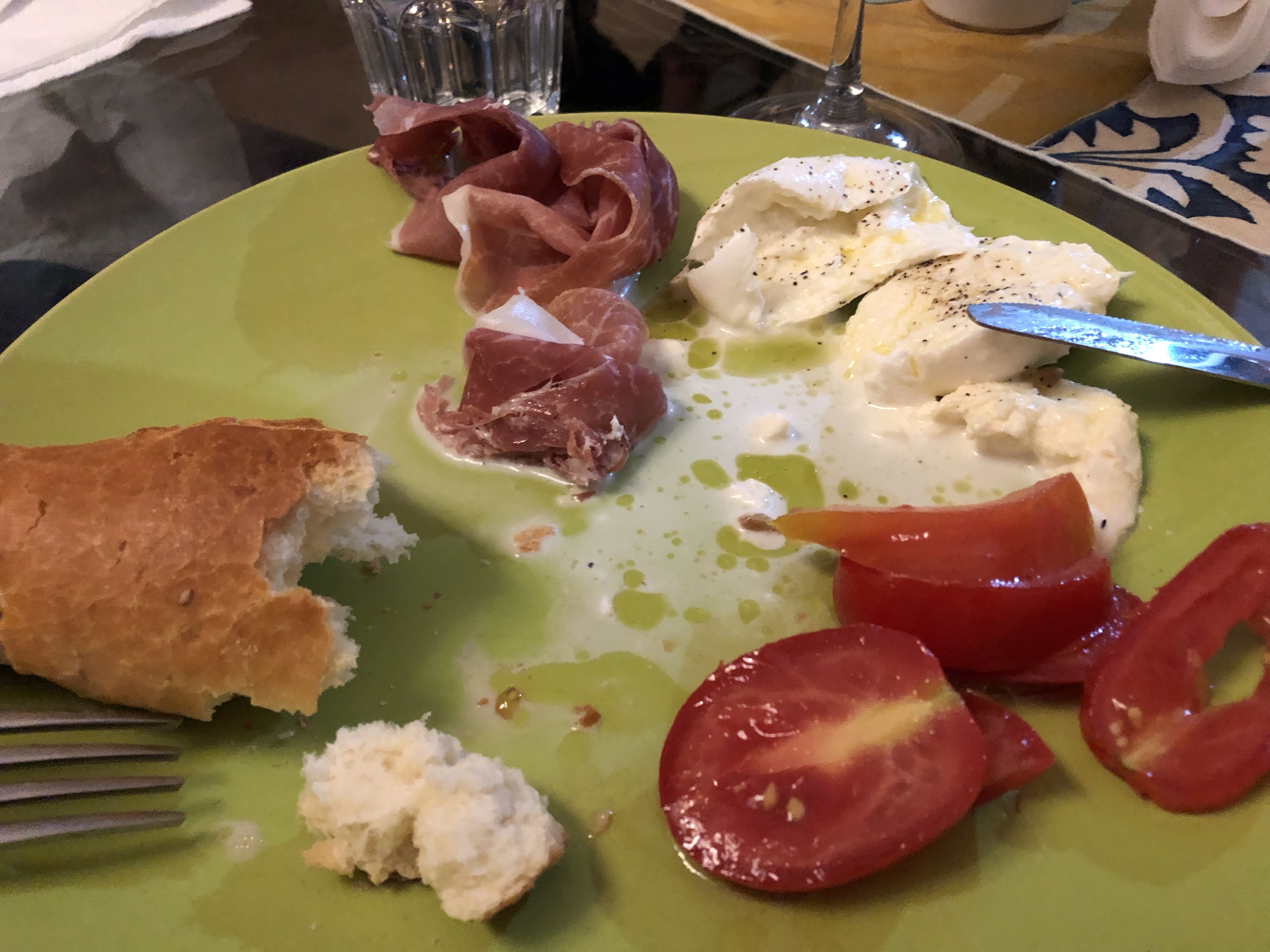
Napoli – city of art, archeology, food and music

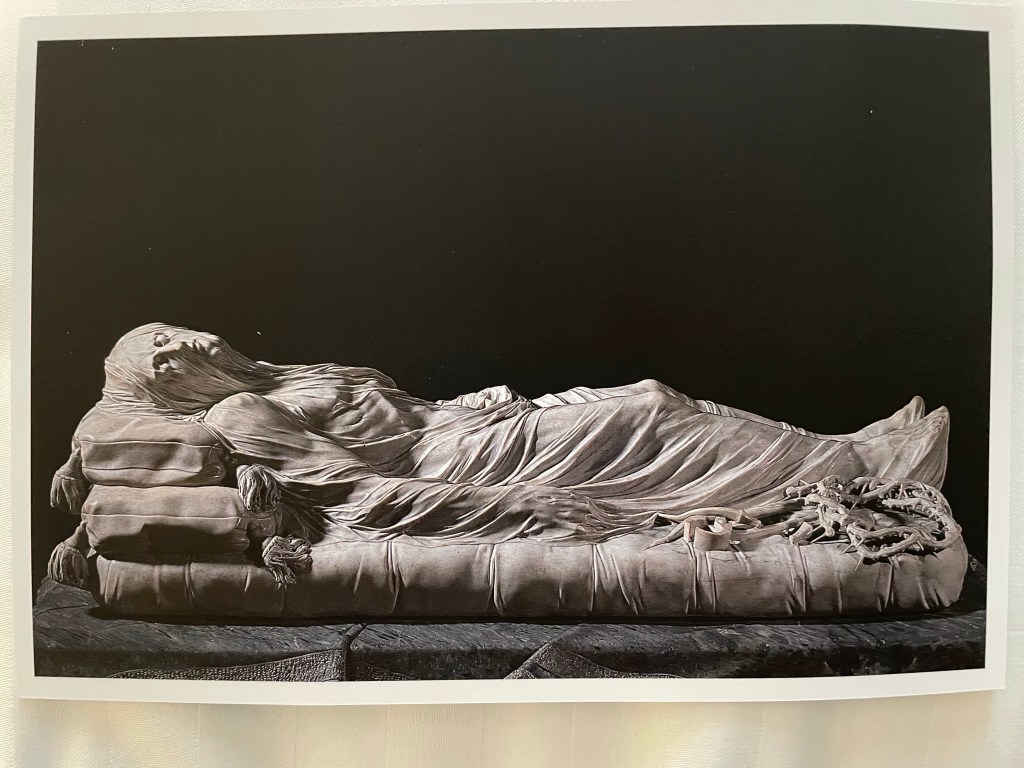
Today was a busy day. We started with a visit to the Chapel of Sansevero, the private chapel built in 1590 by the Giovanni di Sangro, a duke, near the gardens of the Sansevero family. It was remodeled in the mid 1700s by Raimondo di Sangro, duke of Sansevero and it contains over 30 incredible marble sculptures that incorporate iconography of freemasonry. Di Sangro was a type of Renaissance man, albeit 300 years too late. A soldier, physician, inventor, writer, and alchemist, he challenged the teachings of the Catholic Church through the use of symbols of the Freemasons. Some of Naples’s best sculptors created amazing works in marble. The most famous is by Giuseppe Sanmartino, Cristo Velato (Veiled Christ) completed in 1753. The sculptor makes marble almost transparent as there is an illusion that the features of Christ can be seen underneath a veil of marble.
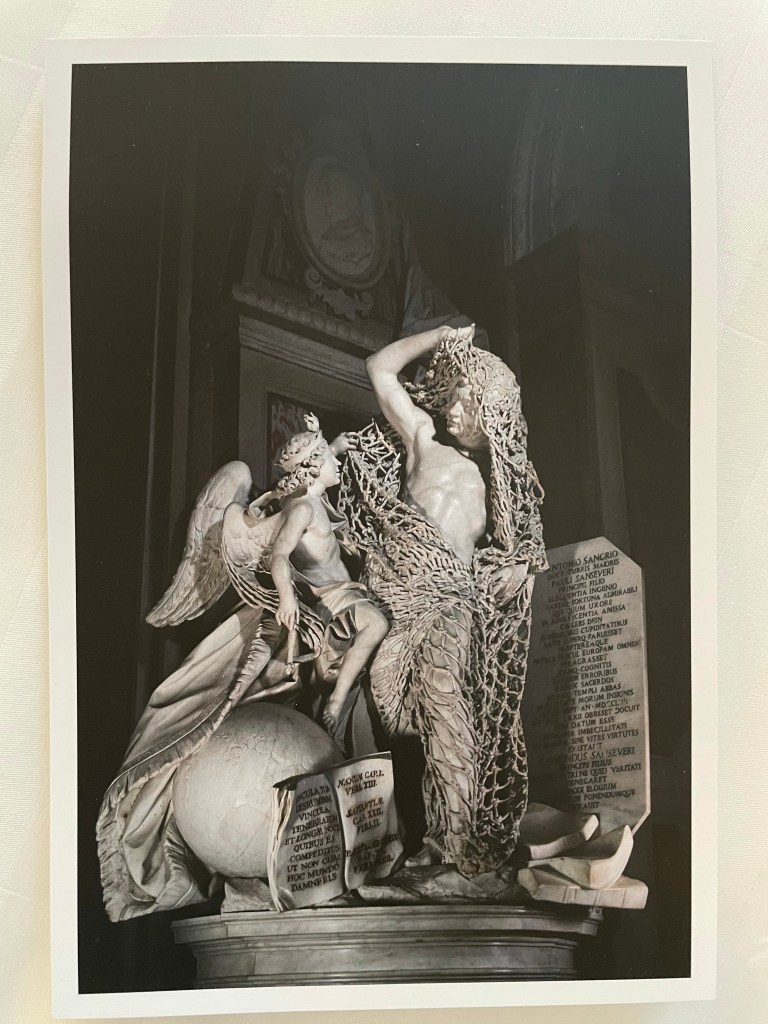
We also learned of the symbolism of the escape from the net covering the figure of the Disinganno (Release from Deception) by Francesco Queirolo. The sculptor spent seven years polishing just the net!
The chapel also contains two anatomical “machines” (models), the result of Di Sangro’s intensive study of the human body.

We then walked through Piazza Bellini and saw the remains of the Ancient Greek walls on our way to the Museo Nazionale Archeologico.

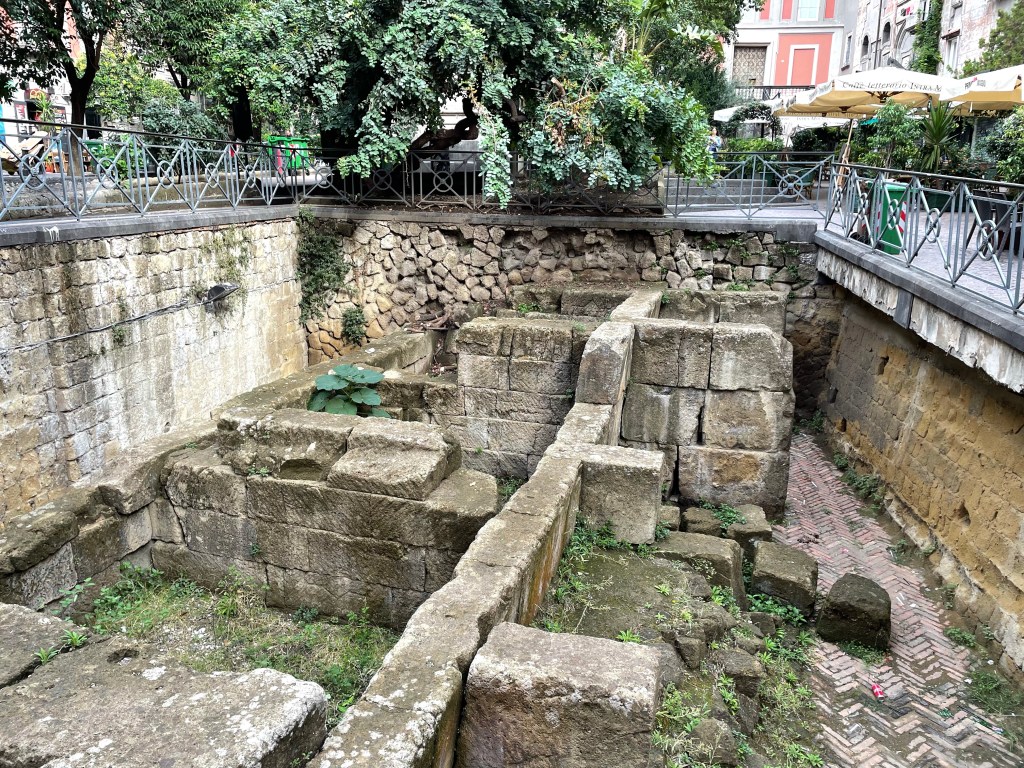
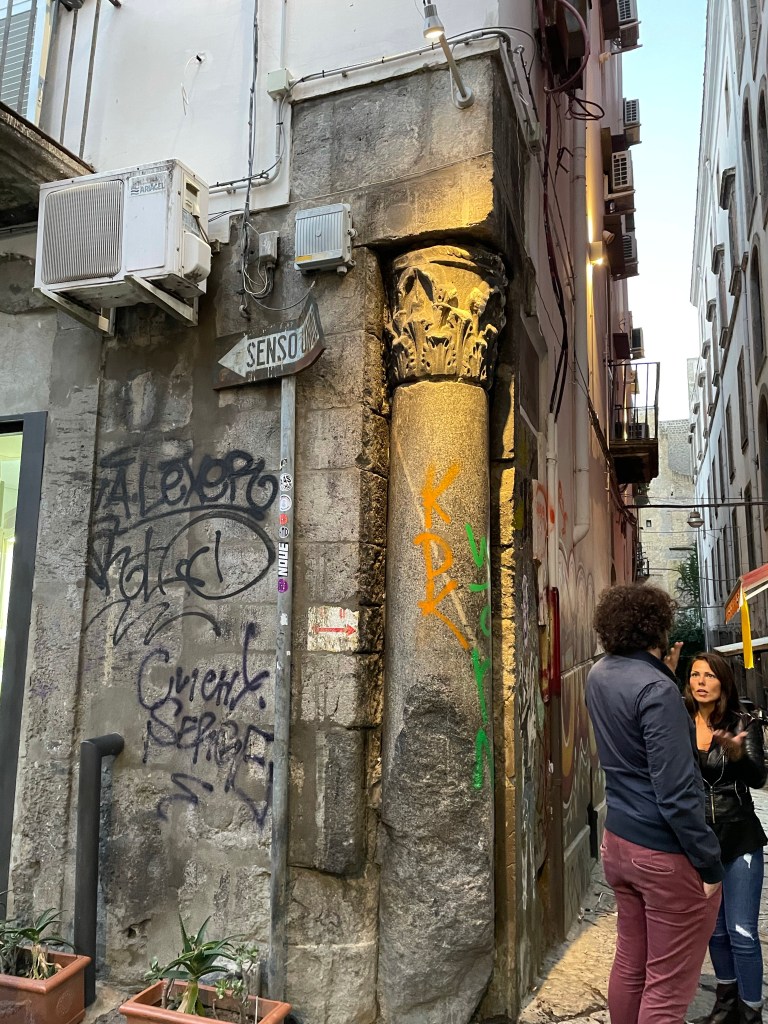
Greek walls
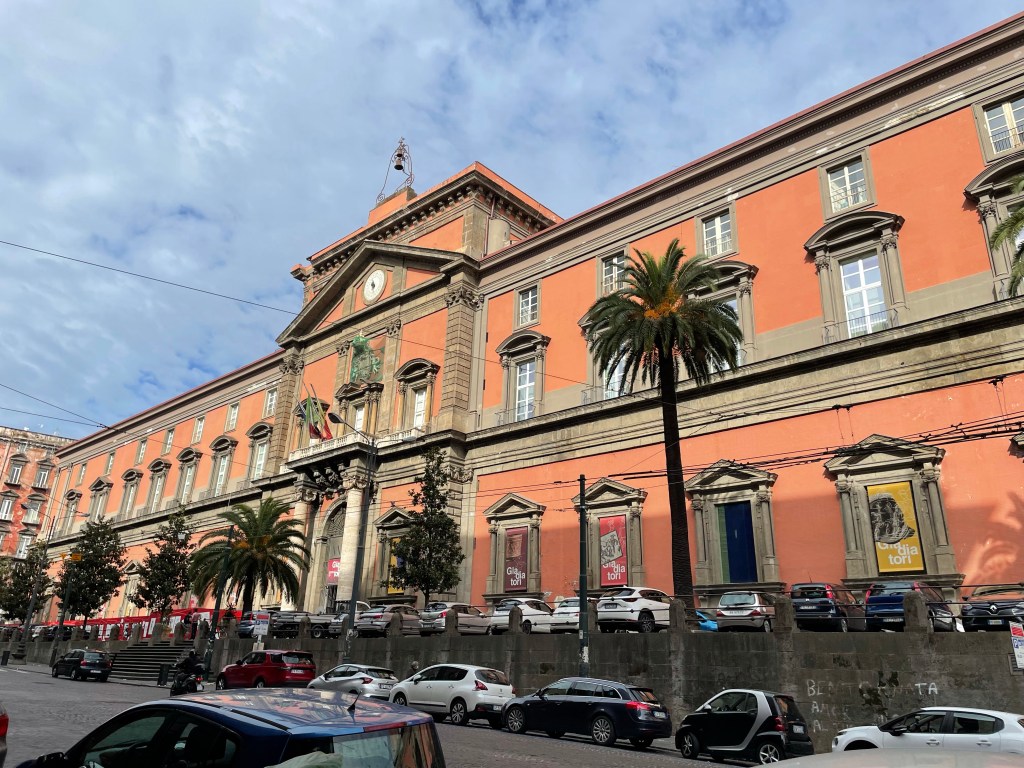
Archeological museum

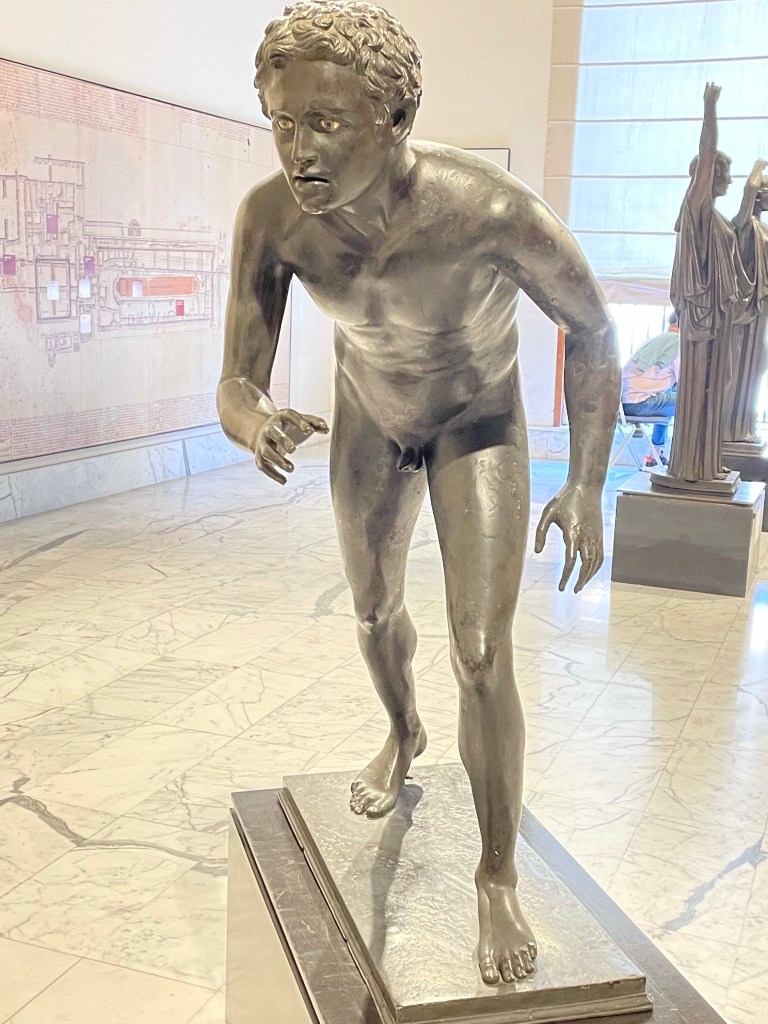
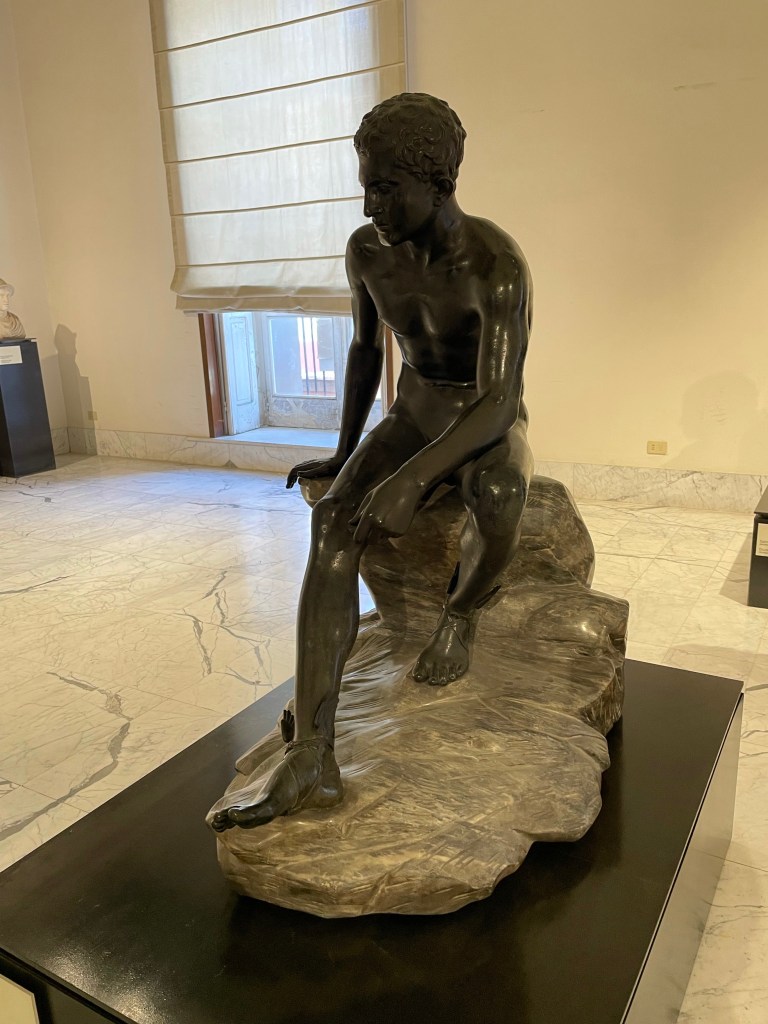
This museum conto the greatest collection of ancient Roman artifacts, bronze statues (7) copied by the Romans, artifacts, frescoes and mosaics from Pompeii and reconstructed statues from the Baths of Caracalla in Rome. Much of the statuary is from the private collection of the Farnese family (Pope Paul III). Of special interest are the bronzes, recovered in almost pristine condition from Pompeii. These are reproductions made by the Romans of Ancient Greek statues.
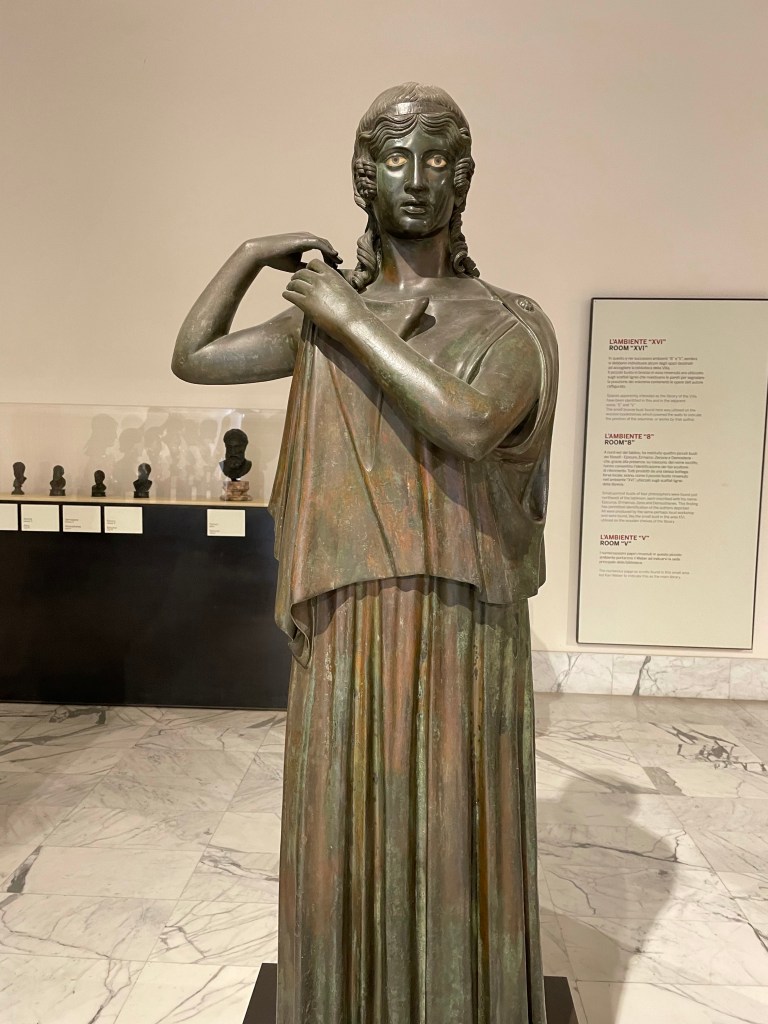
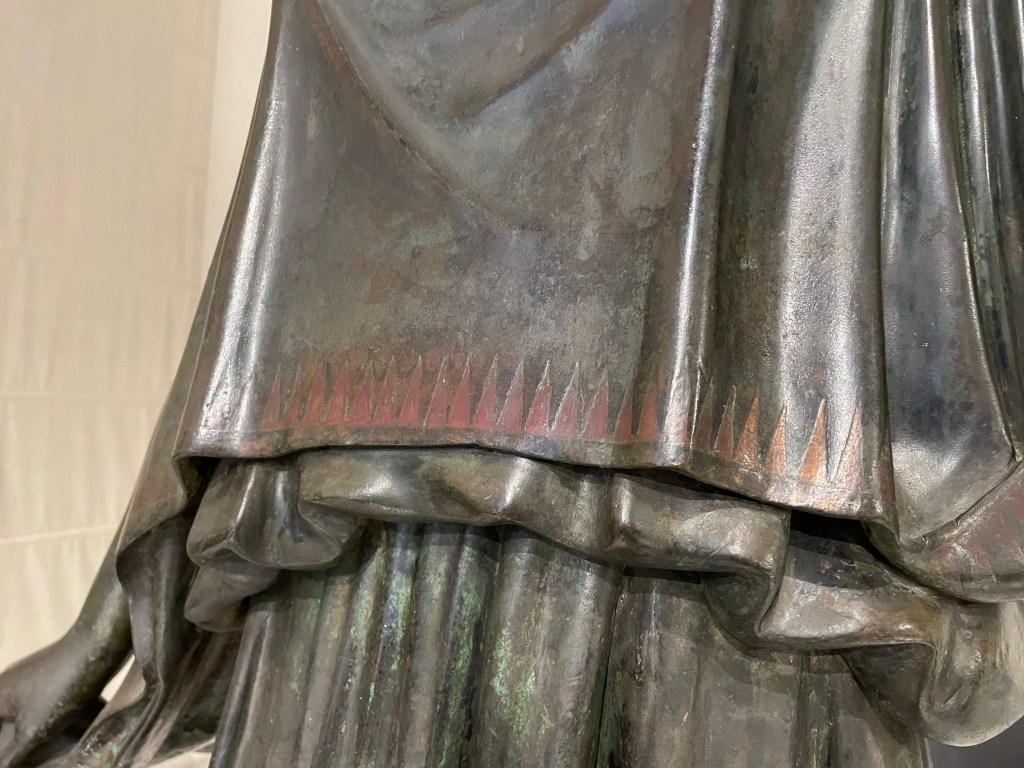
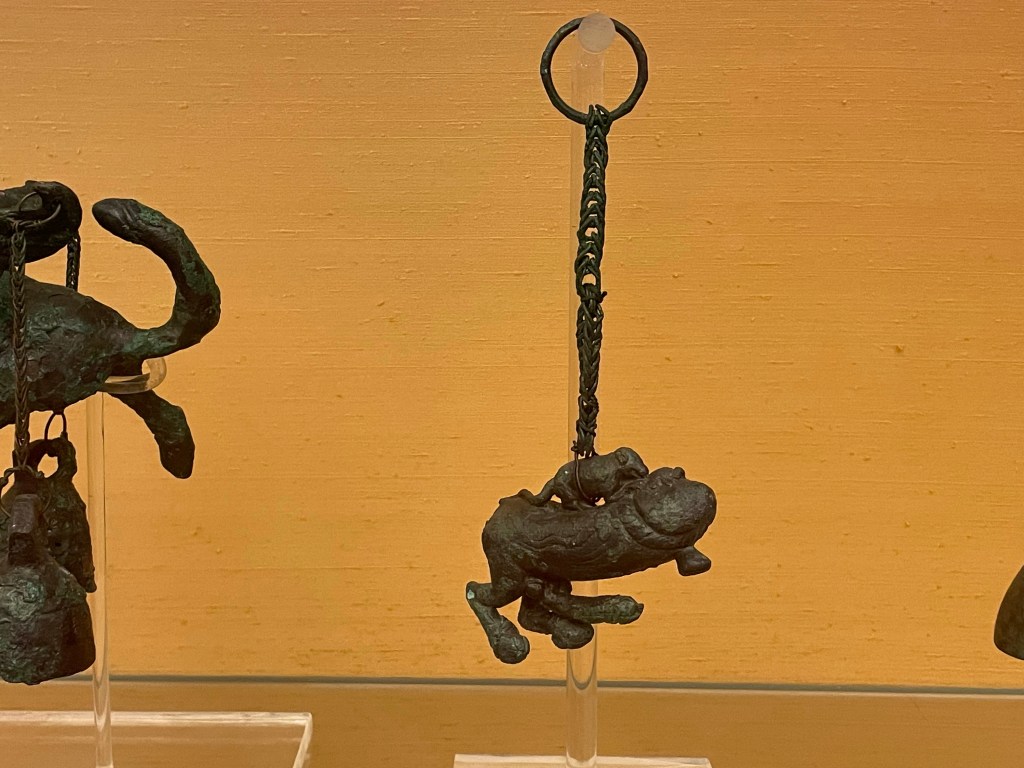
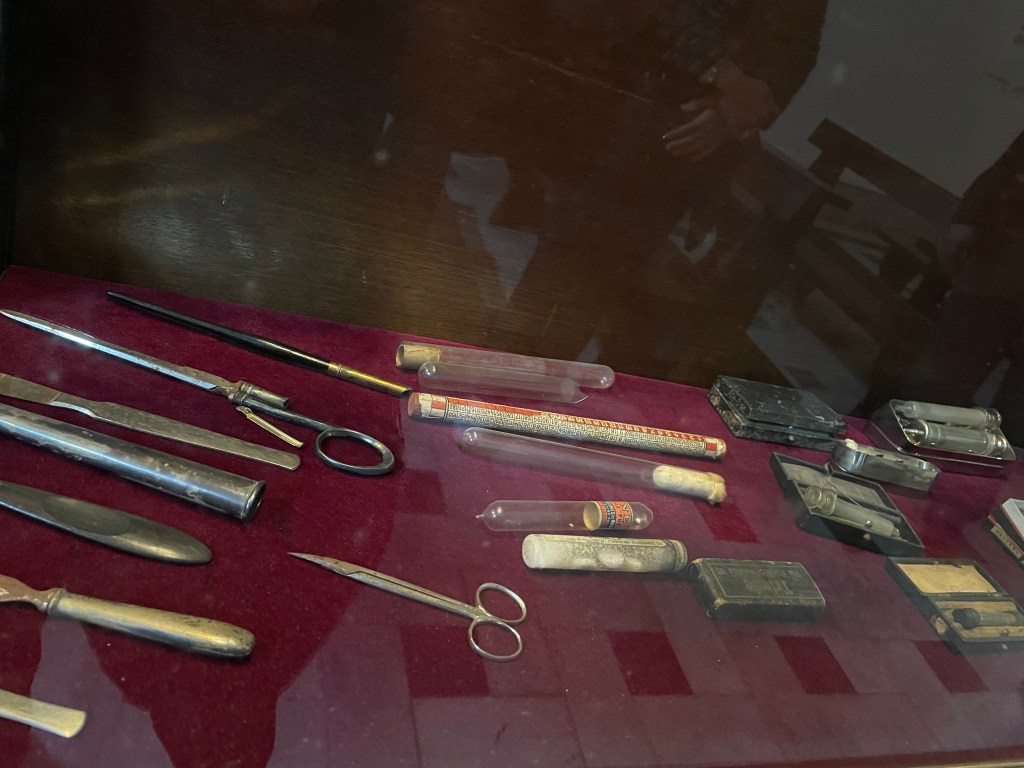
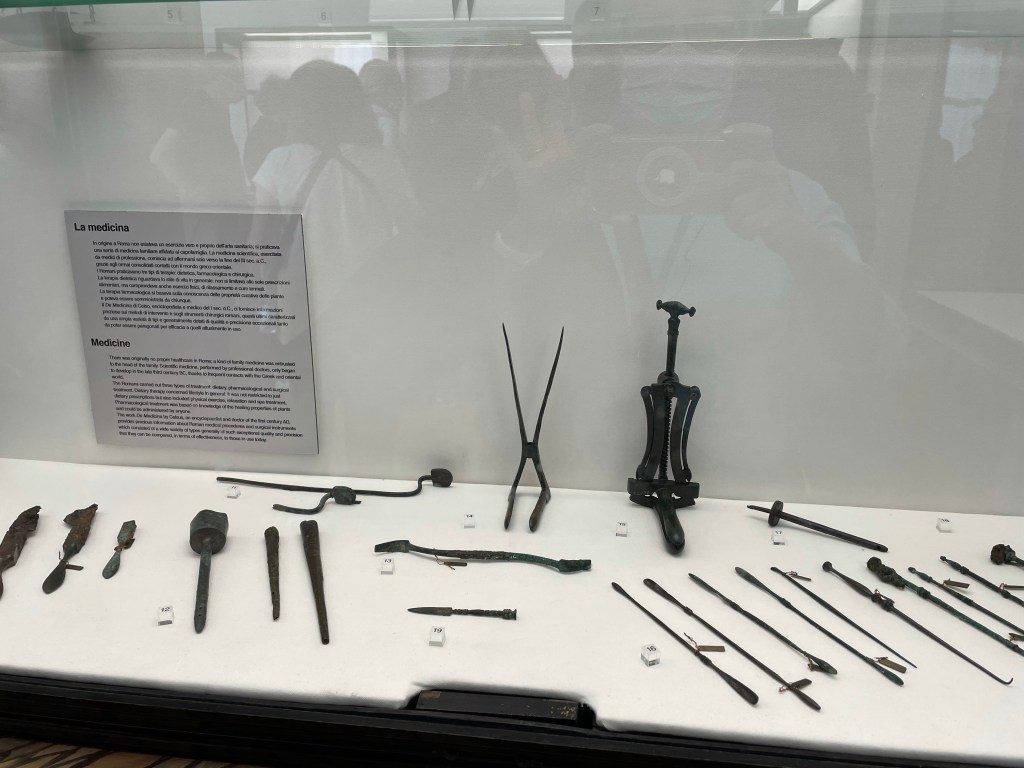
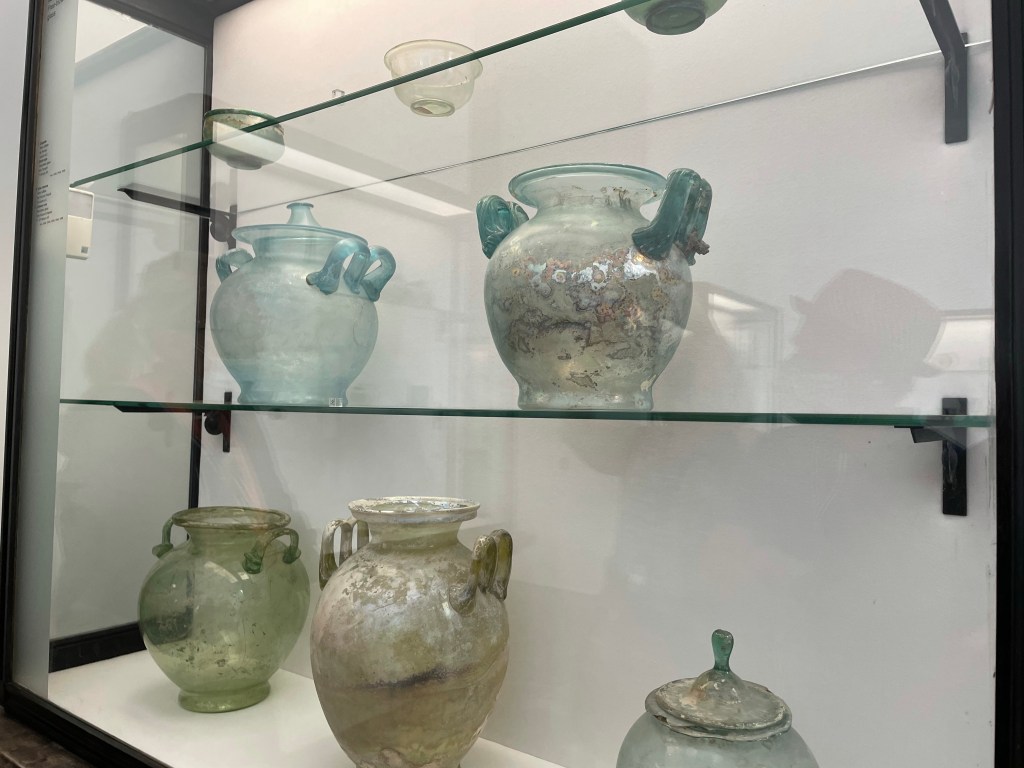
Other recovered artifacts from Pompeii include medical instruments, blown glass, silver serving pieces and the famous blue cameo jar, made completely of glass.
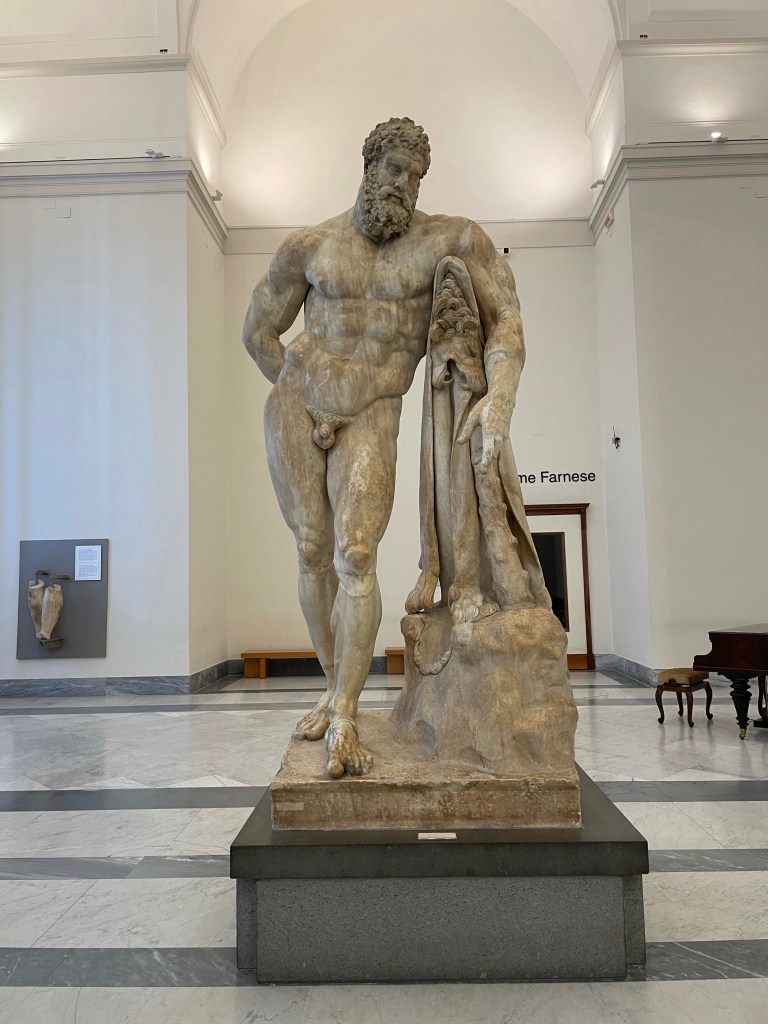
An impressive collection of galleries are present in this enormous building. One of the most impressive contains the Farnese family collection of restored statues from the Baths of Caracalla in Rome. Several were repaired and reconstructed by Michelangelo, including Hercules.
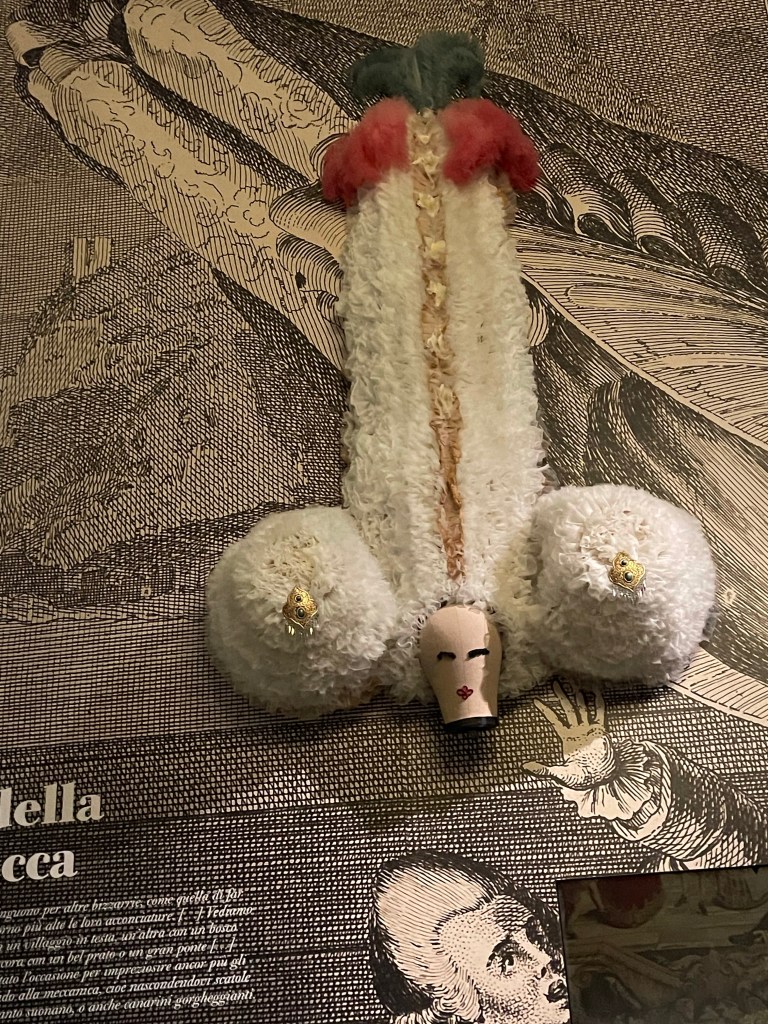
The most unique and entertaining ares is the Forbidden Room, previously restricted to men only and by appointment. It contains erotic frescoes, many of which were found on the brothel walls in Pompeii. The phallic symbol was thought to ward off bad luck, and many iterations can be seen in this collection.

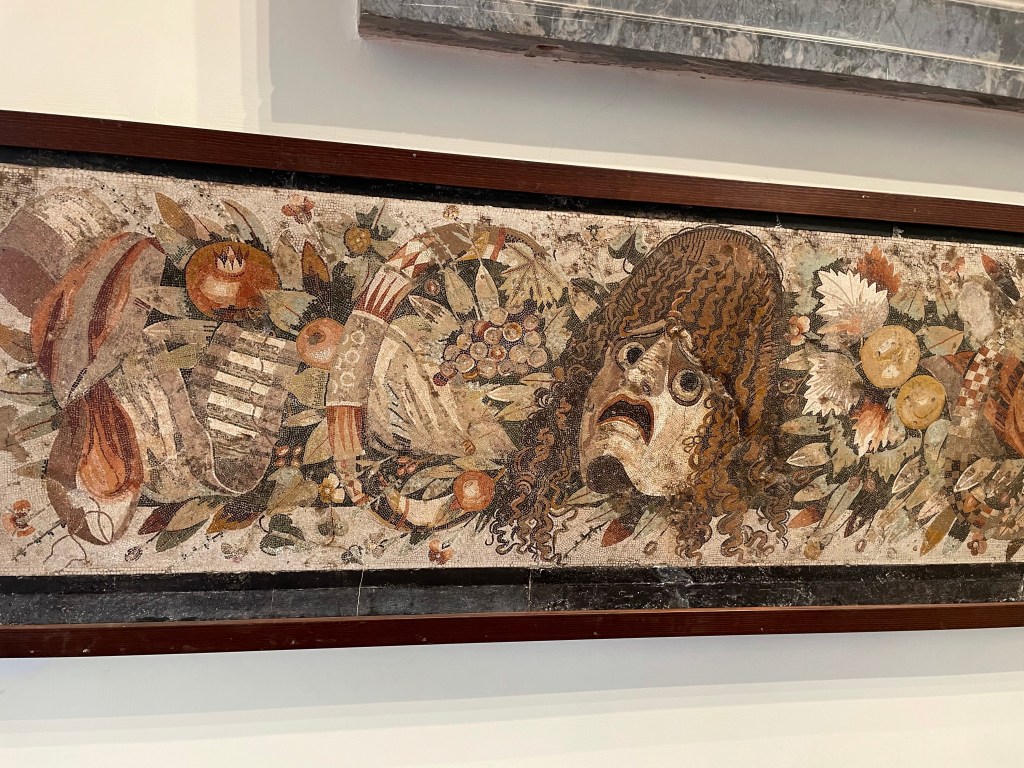
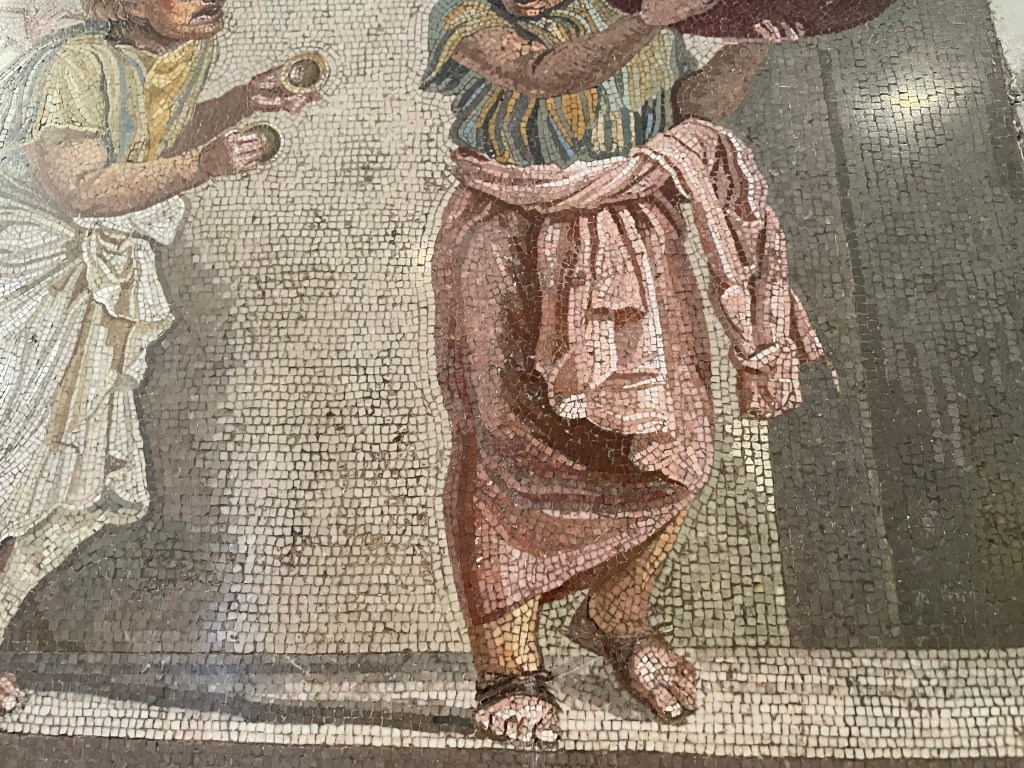
A large collection of mosaics from Pompeii are also present. The intricate patterns of the small tiles are amazing.

We walked back into the historic center and had a relaxing lunch with our guide, Lisa, and two of our tour companions at the Osteria Asti – we had seafood antipasti (salmon and anchovies marinated in oil and vine, bruschetta, and lots of mussels and clams (they had run out of octopus for the antipasti so they gave us lots of the mollusks! Then we shared pasta e patate and gnocchi alla sorrentina. We took a rest break at the hotel before our evening activities- dinner and a concert of traditional Neapolitan music.

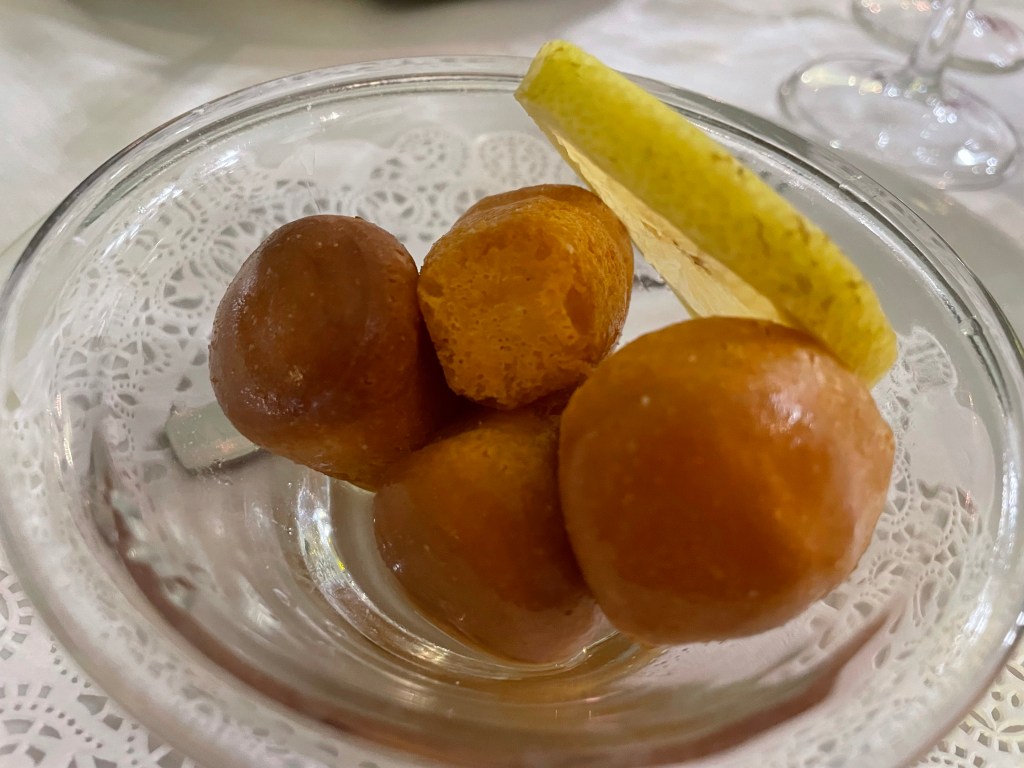
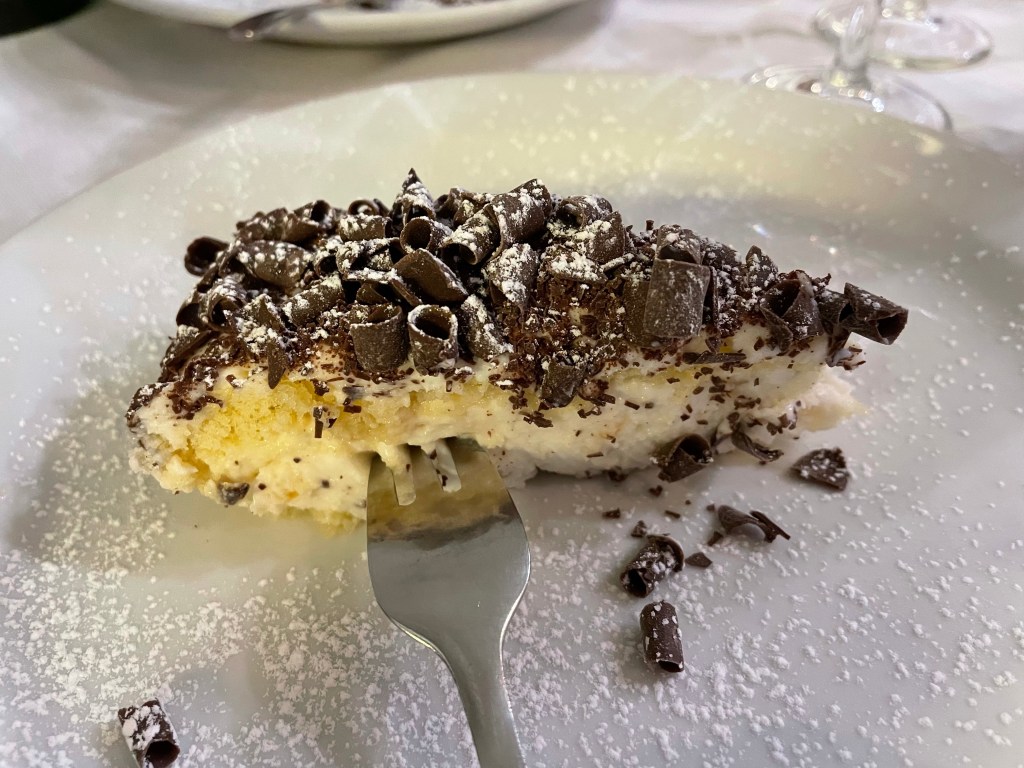
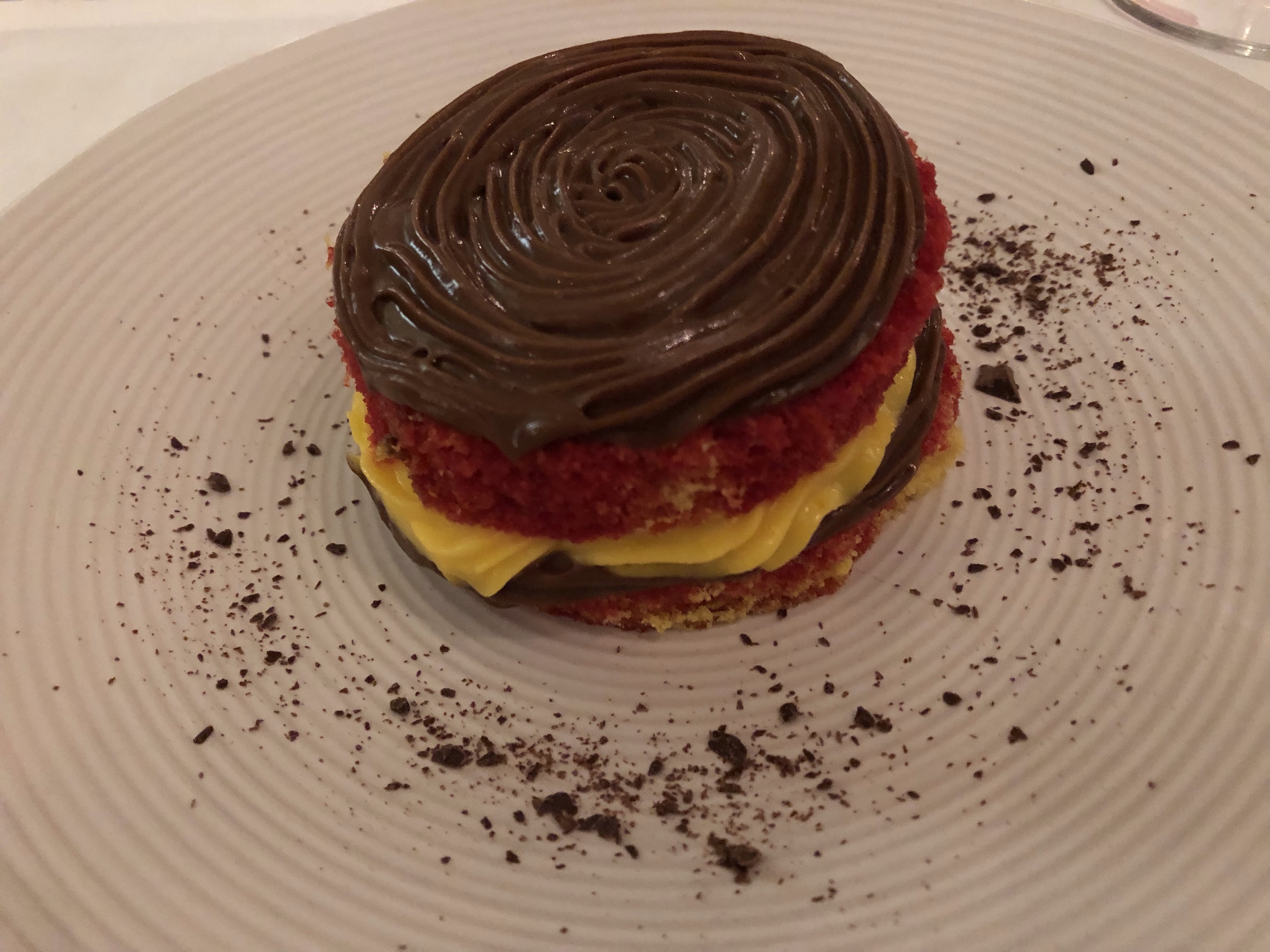
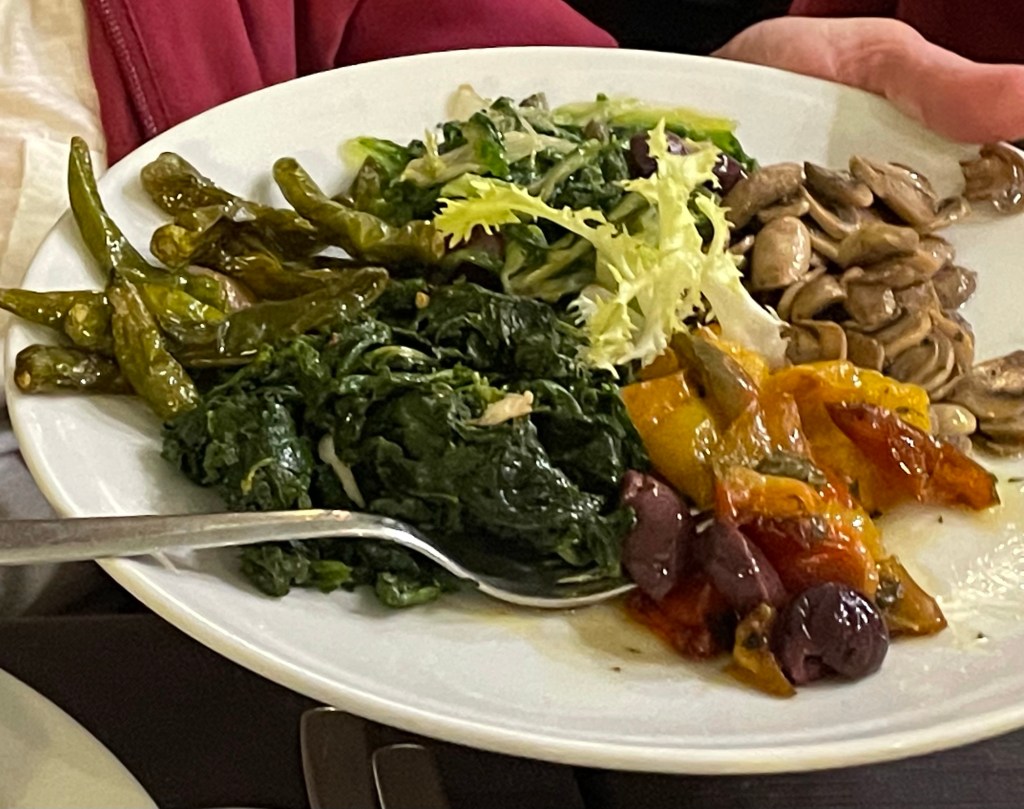
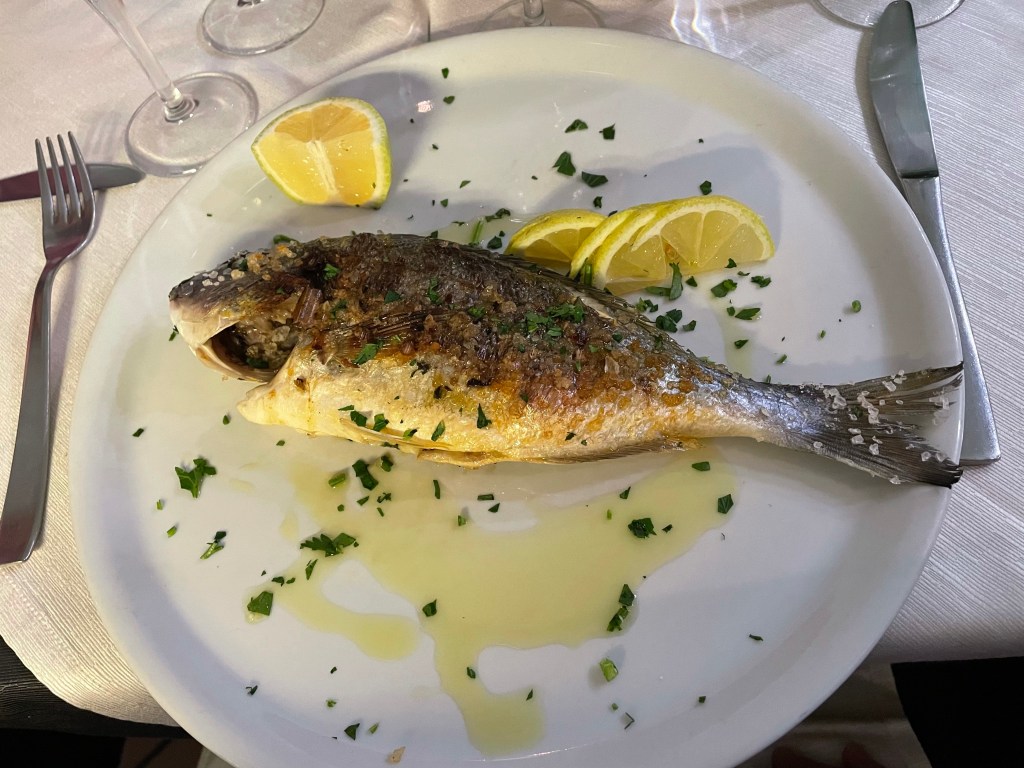
Dinner was at Osteria da Carmela. It was a small and cozy family run enterprise. We shared an antipasti of cold and warm vegetables, fried calamari, fried smelt and stuffed zucchini flowers. We had baked sea bream, spaghetti with clams and for dessert we had baba limoncello and cassata napolitano. A nice dry white wine was also served.
The evening was capped of with a performance by a group of young Neapolitan musicians who presented traditional music- Napulitanata. It was lively performance that incorporated music of the late 1800s to 1950s, from ballads to swing and jazz.

We ended up with 19,000 steps on the Fitbit and a full day in this fascinating city.

Layers of Napoli

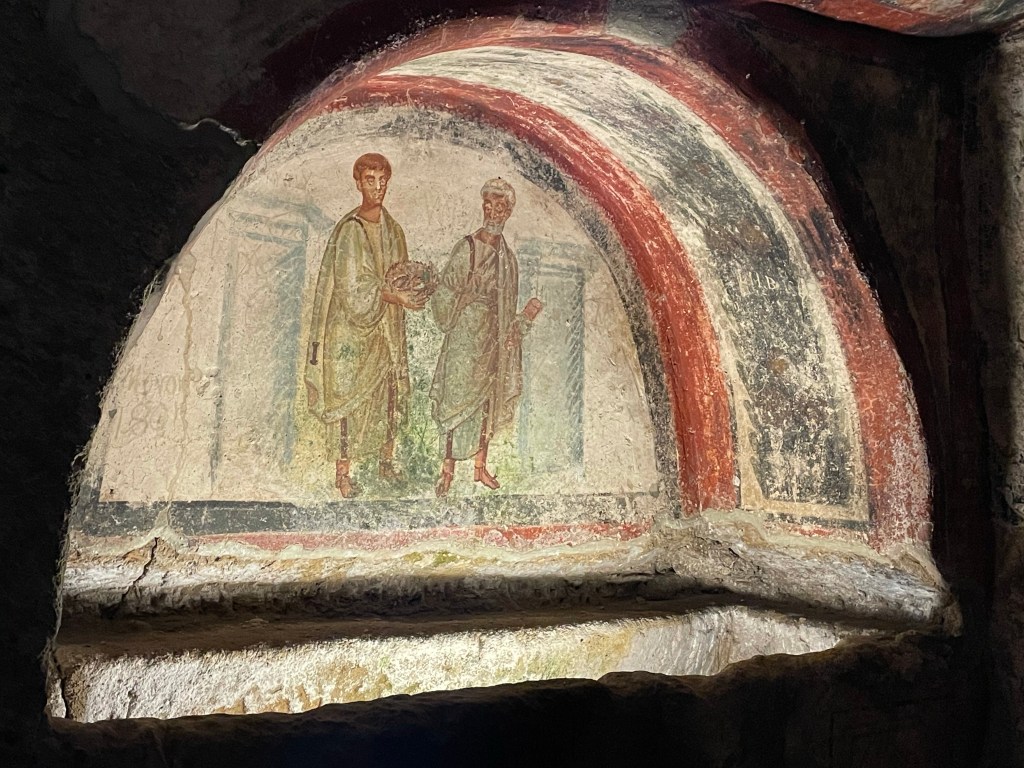
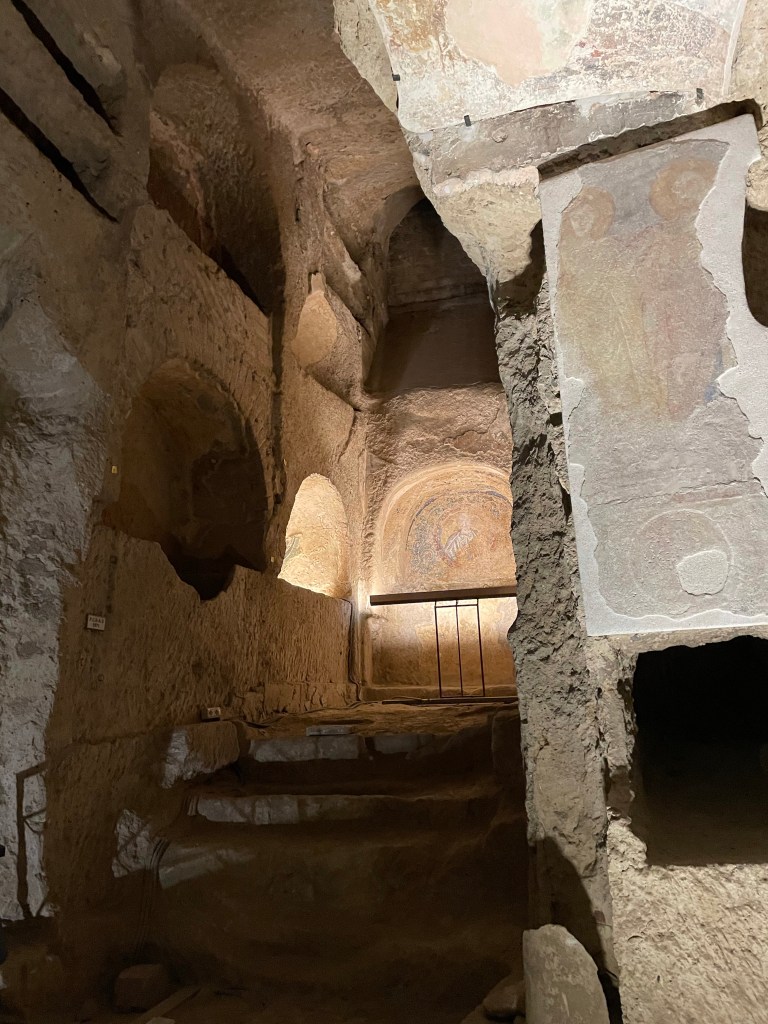
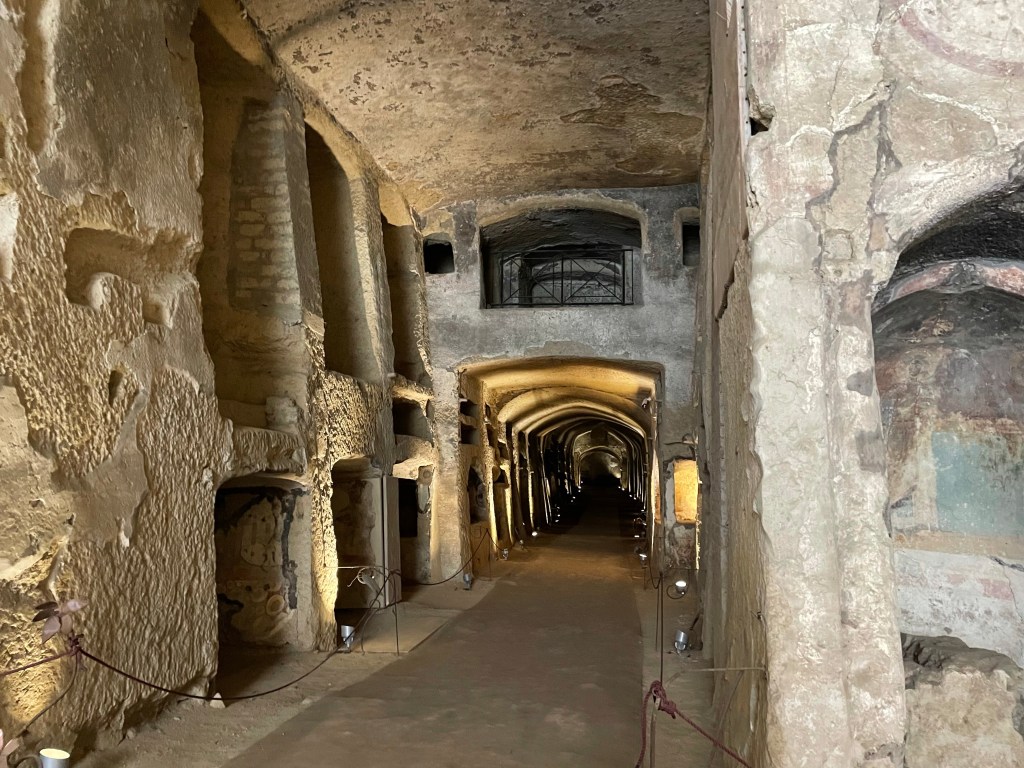
On this second day in Napoli, we literally had an up and down day. The morning began with a crazy taxi ride from the hotel up towards the northern part of the city near the Capodimonte Museo to the Catacombs of San Gennaro, a two level paleo-Christian burial site established in the 2nd to 4th century. The earlier section was likely the burial site of a rich family that later was expanded, becoming the burial site of Napoli’s first (of 52) patron saints, Sant’Agrippino in the 3rd century. The city’s most famous patron saint, Gennaro, was entombed here in the 4th century, although his remains were stolen and returned numerous times. The site is consecrated still used for mass. Portions of the original frescoes remain.

The catacombs were restored within the past twenty or so years and are maintained by a group of young residents of the Rione Sanità, under which the catacombs are found.

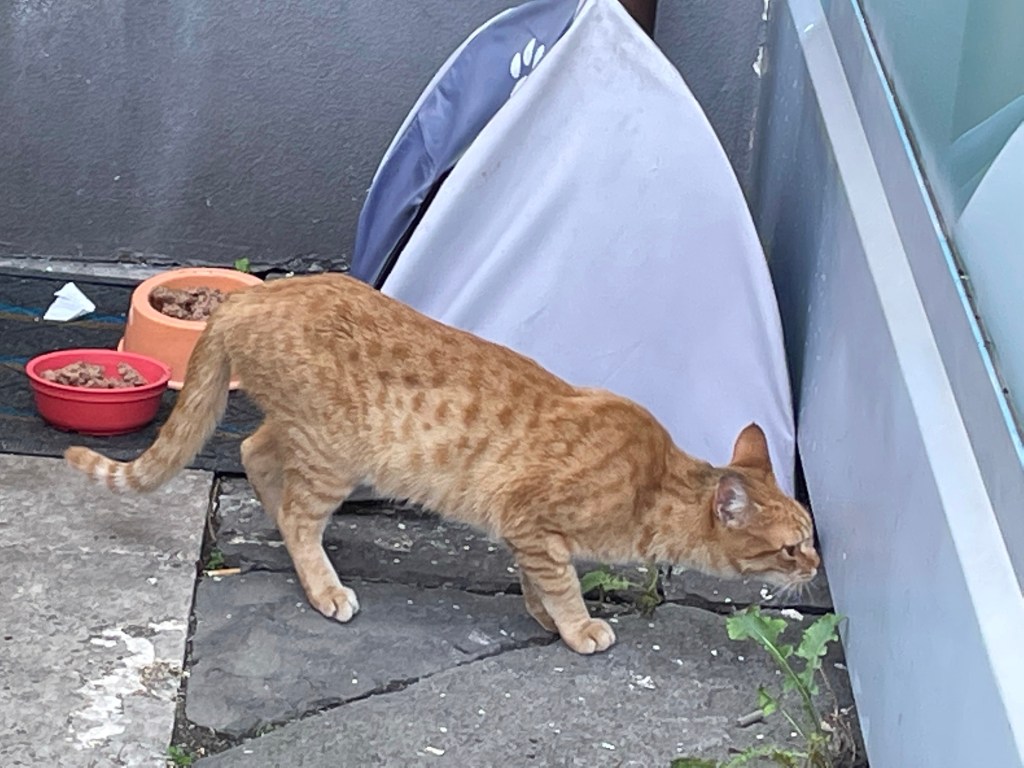
Of course, every catacomb needs a cat – and here he is!

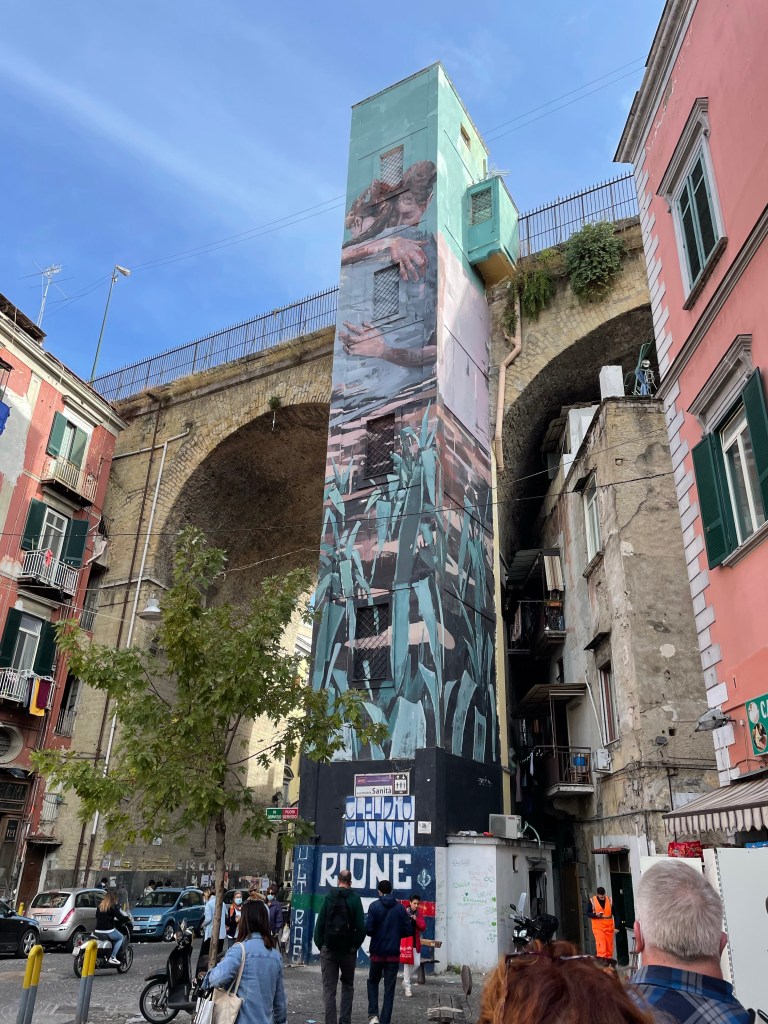
We then met our local guide, Francesca, for a walking tour through the Sanità, a poor neighborhood that until the last two decades was almost totally cut off from the rest of the city as the result of a bridge built between the hills spanning the neighborhood. We took the elevator down to this other layer of the city.

Bridge over Rione Sanità- note the mural on the elevator shaft that extends between the bridge above and the neighborhood below.

Due to its isolated location and its poverty, the Camorra took control, providing the money to reward the young people who became involved as lookouts for drug deals. This has changed in the past two decades thanks to a priest, Don Antonio, and a dedicated group of young residents who have tried to change the culture of crime and violence. Through their efforts, Sanità has social services to help the poor residents. This group is also responsible for the maintenance of the catacombs – with entrance fees going back into neighborhood projects. The Sanità is a working class neighborhood that really reflects everyday life in this chaotic city.
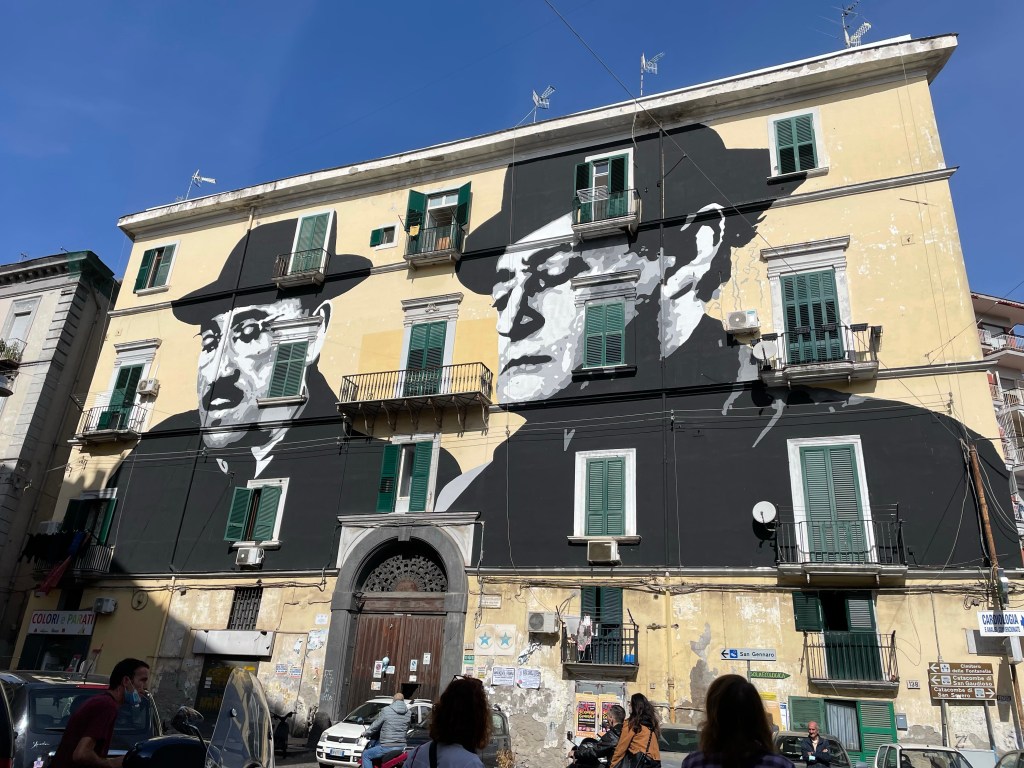
Throughout the Sanità (and the rest of the city), there are images of Toto’, the most famous and revered comedic Italian actor, who was born here.

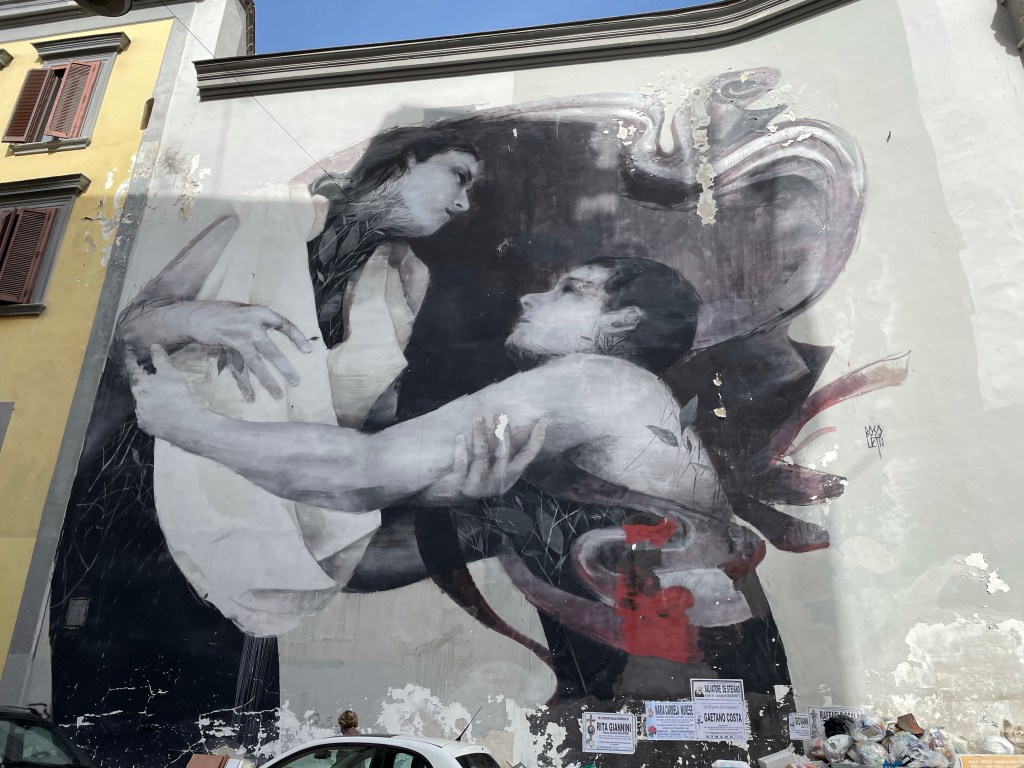
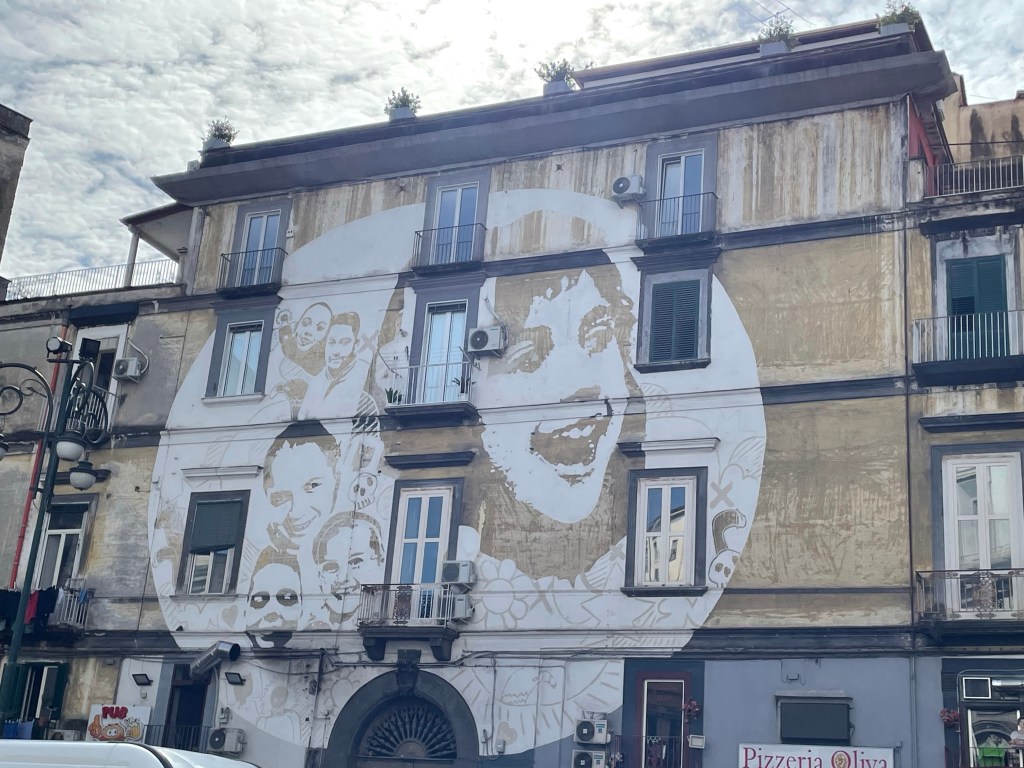
Street art is also prominent here, with themes of caring for one another.

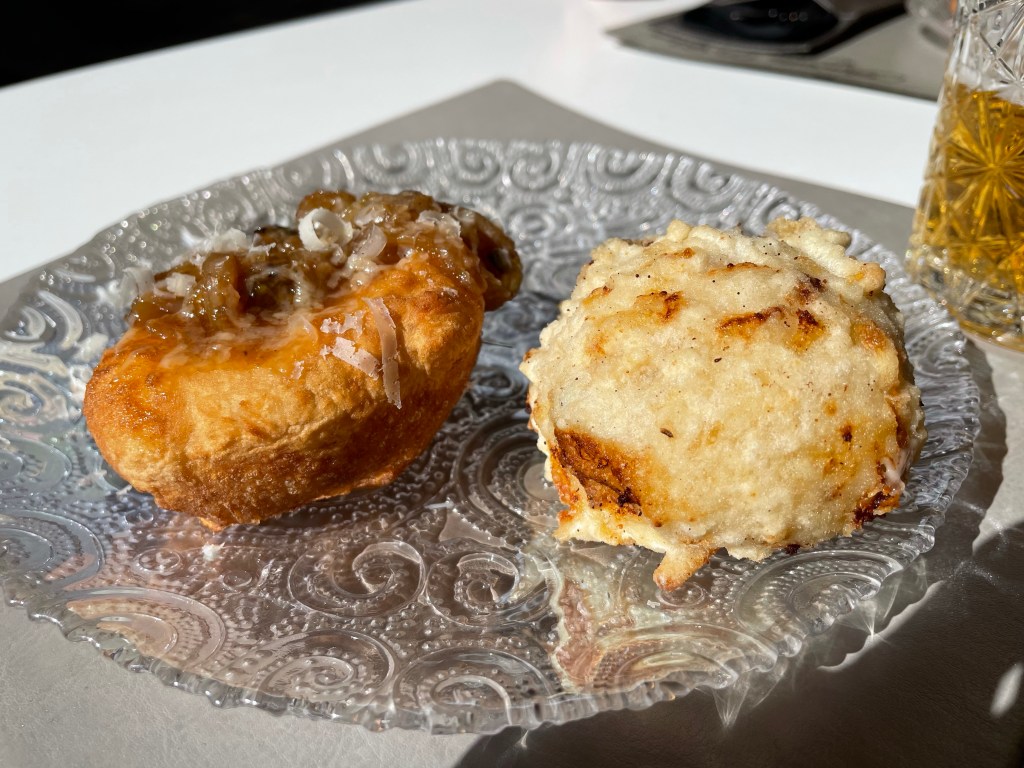
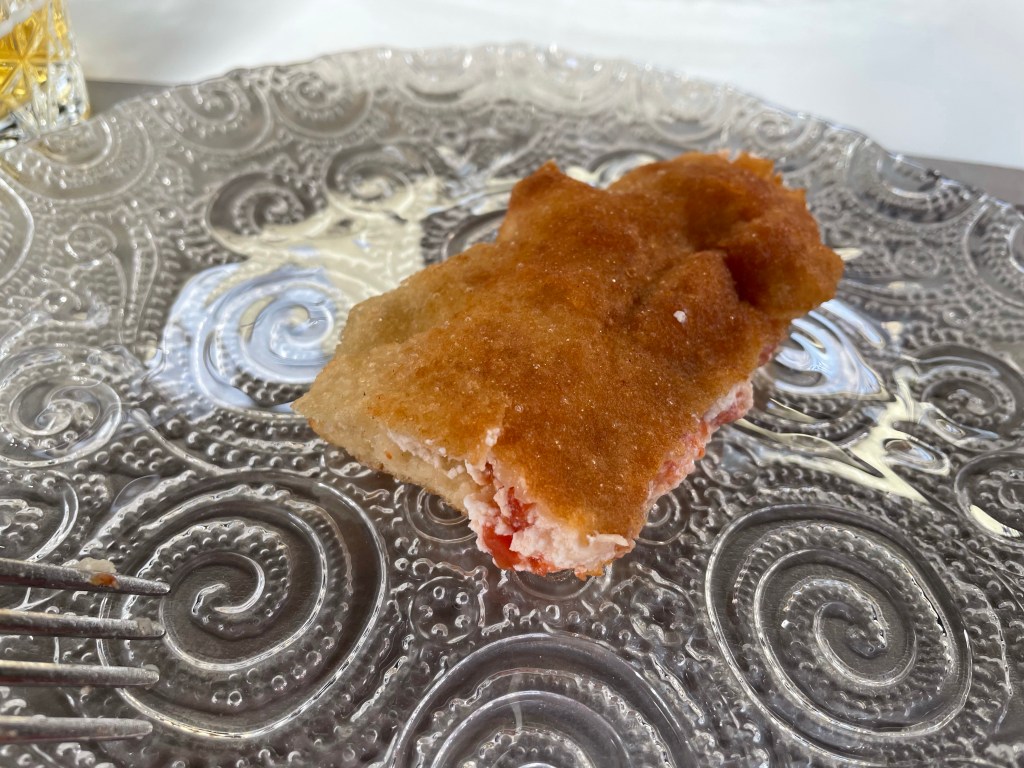
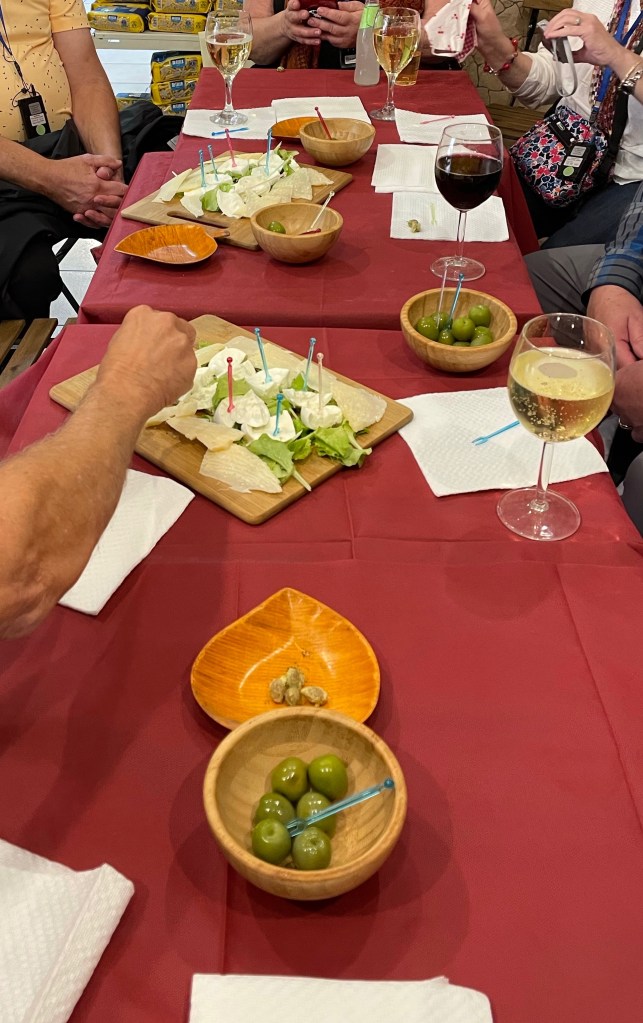
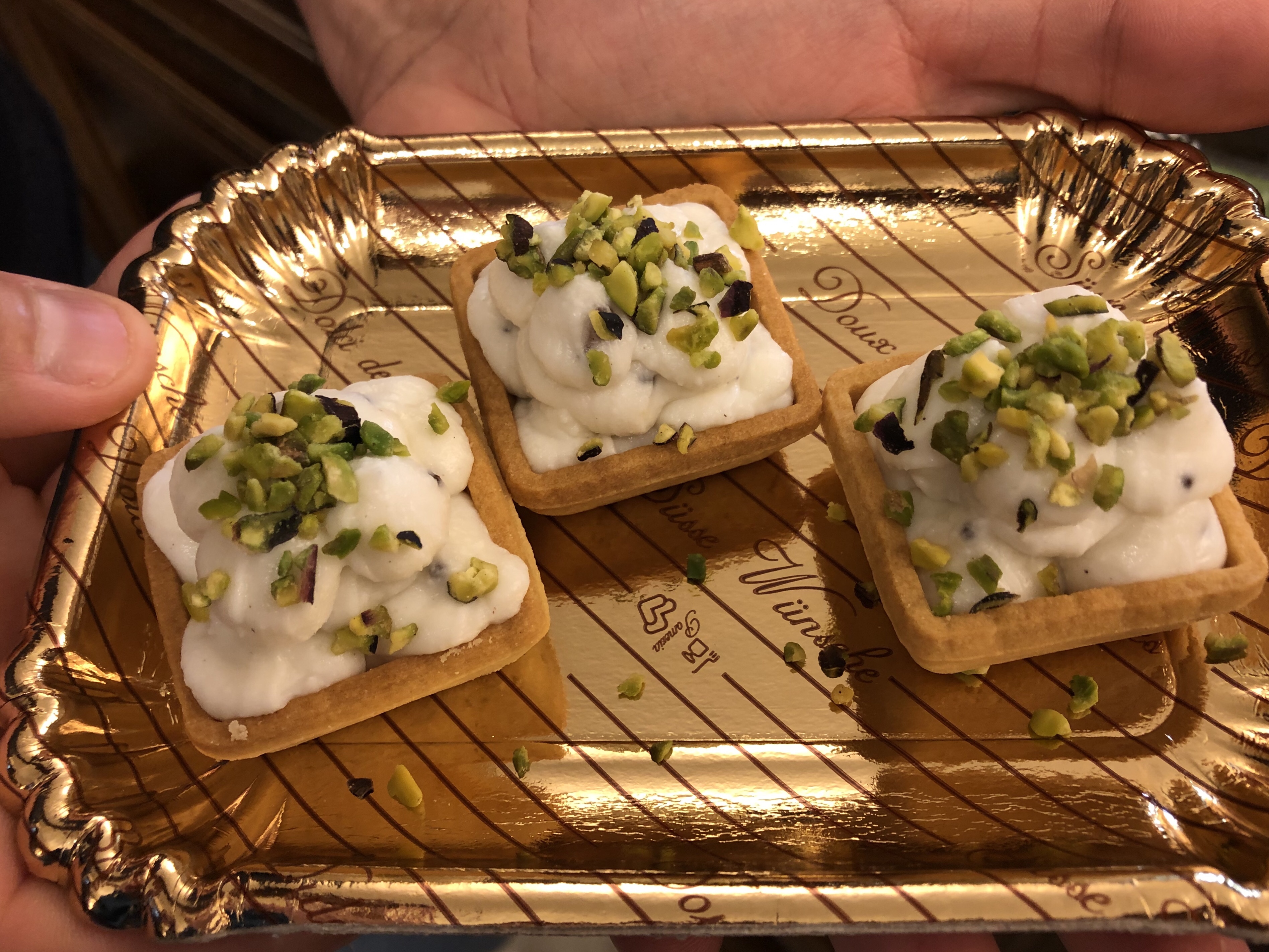
Street food is ubiquitous in Napoli and the Sanità is no exception. We sampled the Neapolitan version of taralli- larger, made with lard instead of oil, and savory with black pepper and almonds. Then we visited a salumeria/wine store, a new venture started a few years ago by an enterprising gentleman who was quite proud of the wine selection. We tasted typical wines of the Campania region paired with mozzarella di bufala and local olives. Then we went to Isabella De Cham pizza fritta restaurant (an award winning place) to try several varieties of fried “pizza”, a calzone type of deep fried pizza, a fried dough topped with onions in the style of Genovese sauce, and a fried ball of pasta with a bechamel sauce. Dessert was a local specialty , the fiocco di neve (snowflake), a sweet dough filled with a ricotta/whipped cream mixture.

Pizza fritta
Wine, cheese and olives
Fiocchi di neve

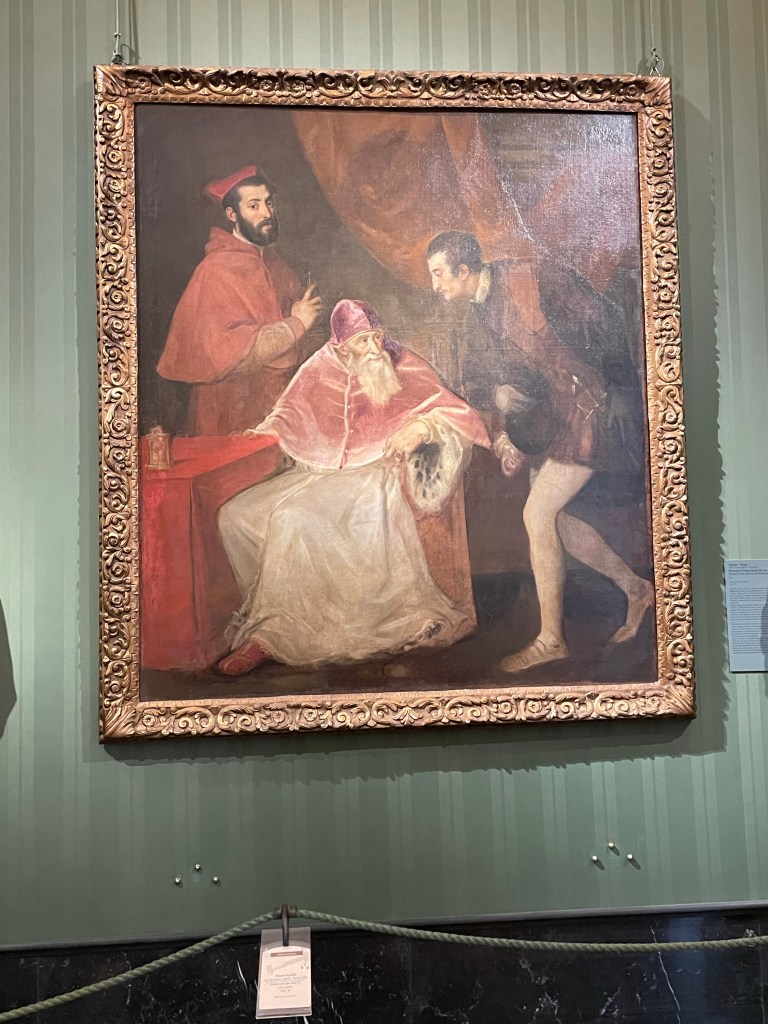
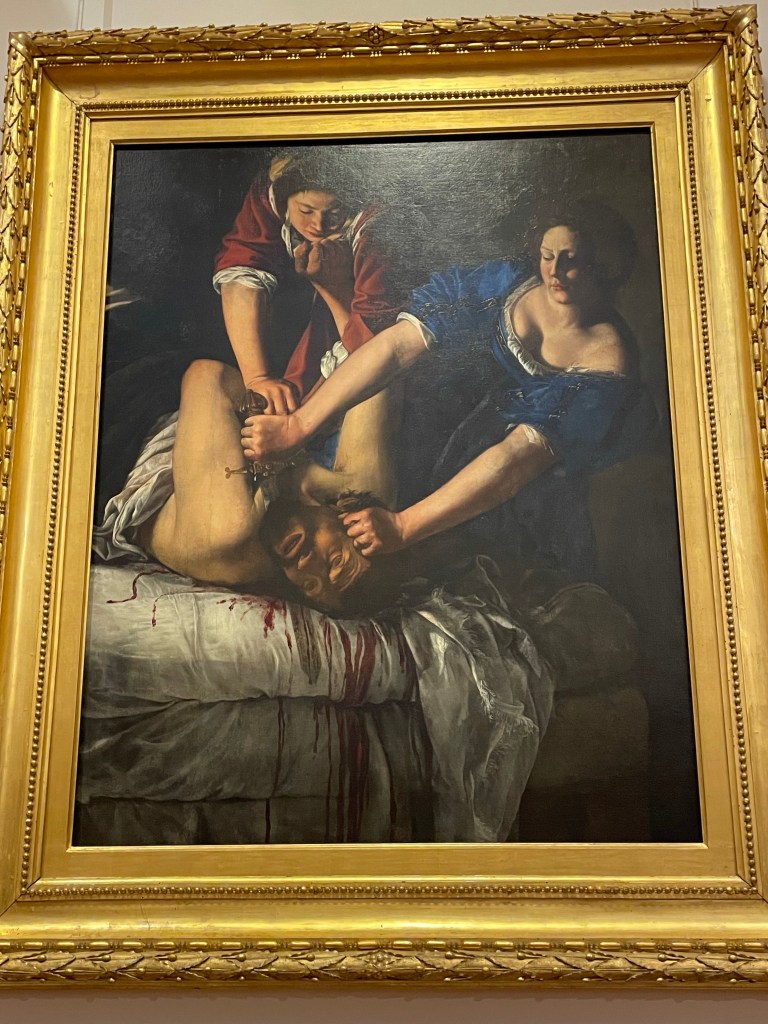
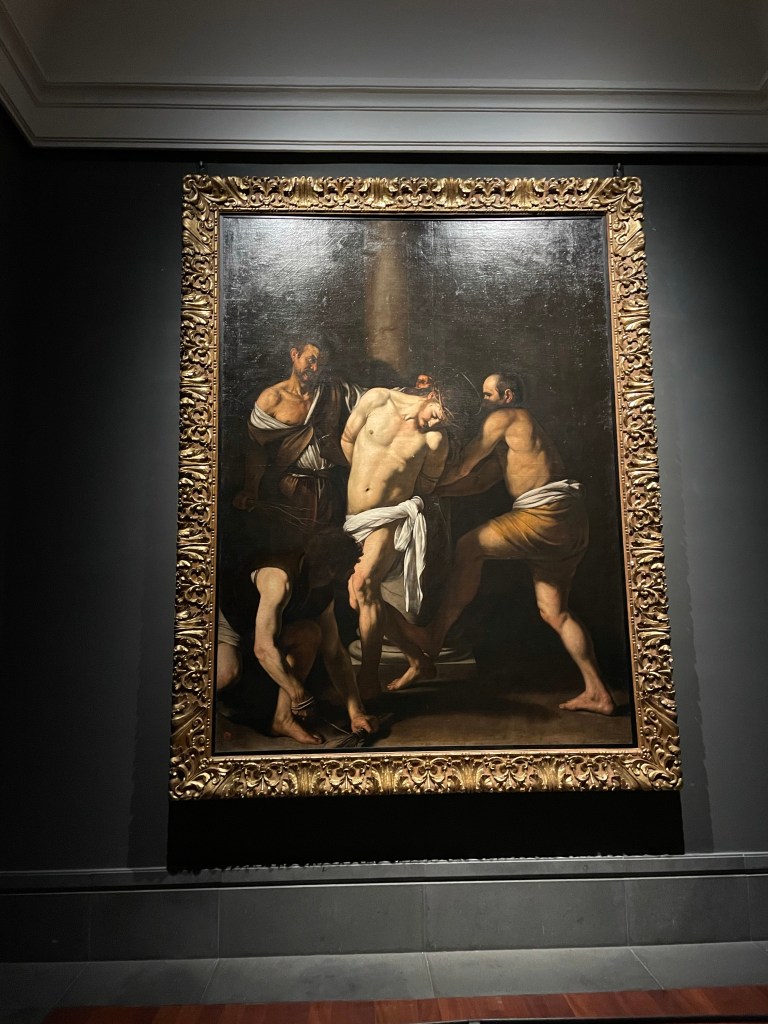
After lunch, there was another crazy taxi ride back up the Capodimonte hill to visit its museum, consisting of the art collection of the Farnese family ( a Roman family that had a couple of popes). The views of the Bay of Naples were amazing from the park. The museum houses one of the best art collections in Italy, but this visit focused on paintings of Titian, Artemisia Gentileschi and Caravaggio as well as an overview of Neapolitan art through the centuries.

Titian
Gentileschi
Caravaggio

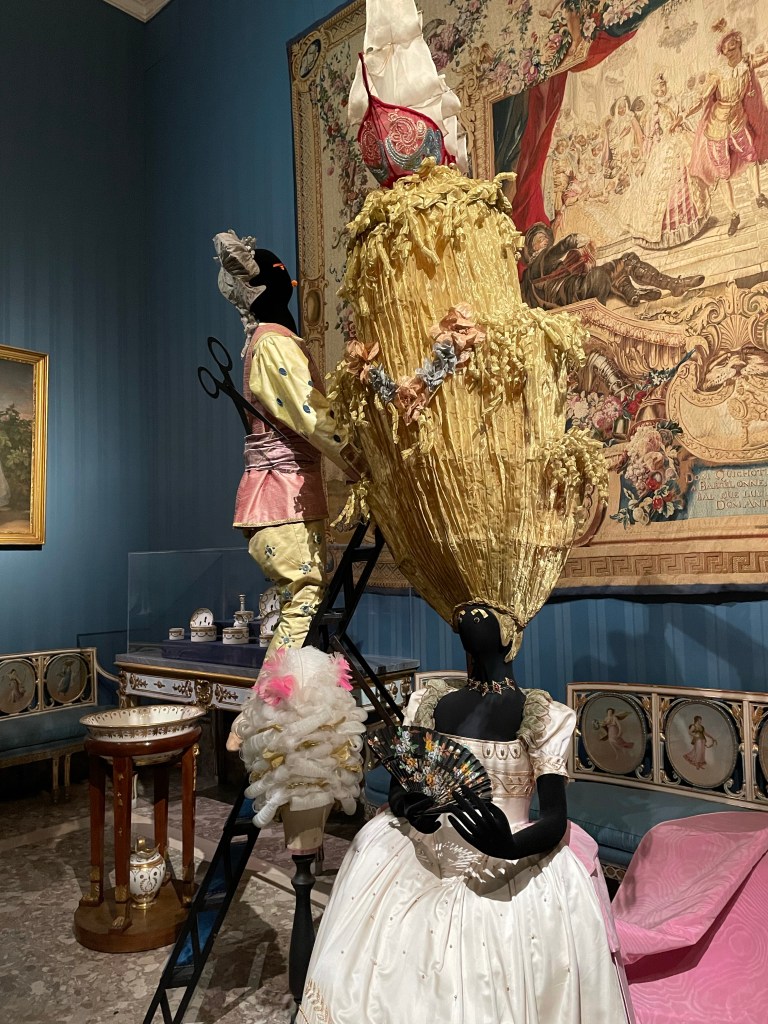
There was also an interesting exhibit of daily life in the 17th and 18th century.

At this point, it was a full day and time to head back to the hotel to rest. There wasn’t a taxi to be found so we braved the public bus, experiencing another layer of Napoli, that of feeling like a layer of sardines in a can!

Too tired to do much else and too sated to eat another meal, we instead chose to join the evening passeggiata down via Toledo, enjoying a gelato.

Napoli- sensory overload

Today starts a one-week staycation in Napoli, and an immersion into the cacophony of chaos, color, culture and culinary classics that make this city so unique- and so frightening to many Americans. When this city is suggested as a vacation destination, the usual response (at least in the USA) is: “Why would anyone want to go there? It’s dirty, crowded and dangerous.” Certainly Naples does not fit the stereotypical romantic image of Italy – it doesn’t have canals, verdant hills covered by grape vines, olive groves, ancient Roman ruins, or iconic sights like the Leaning Tower of Pisa. It is a complicated city with significant underemployment, a long history of organized crime (the Camorra – AKA Neapolitan mafia), overcrowding, corruption and the citizens’ distrust of government. The frenetic pace can be quite overwhelming for tourists and a relaxing vacation in Napoli is a paradox. But there is a passion that exists in this city that is incomparable to any other city in Italy.

Naples is changing. Sure, there are still piles of trash on the streets and lots of graffiti (although some of it should be considered “street art”), but areas such as the Spanish quarter off of via Toledo are slowly developing into places where travelers go to experience the true heart of the city.
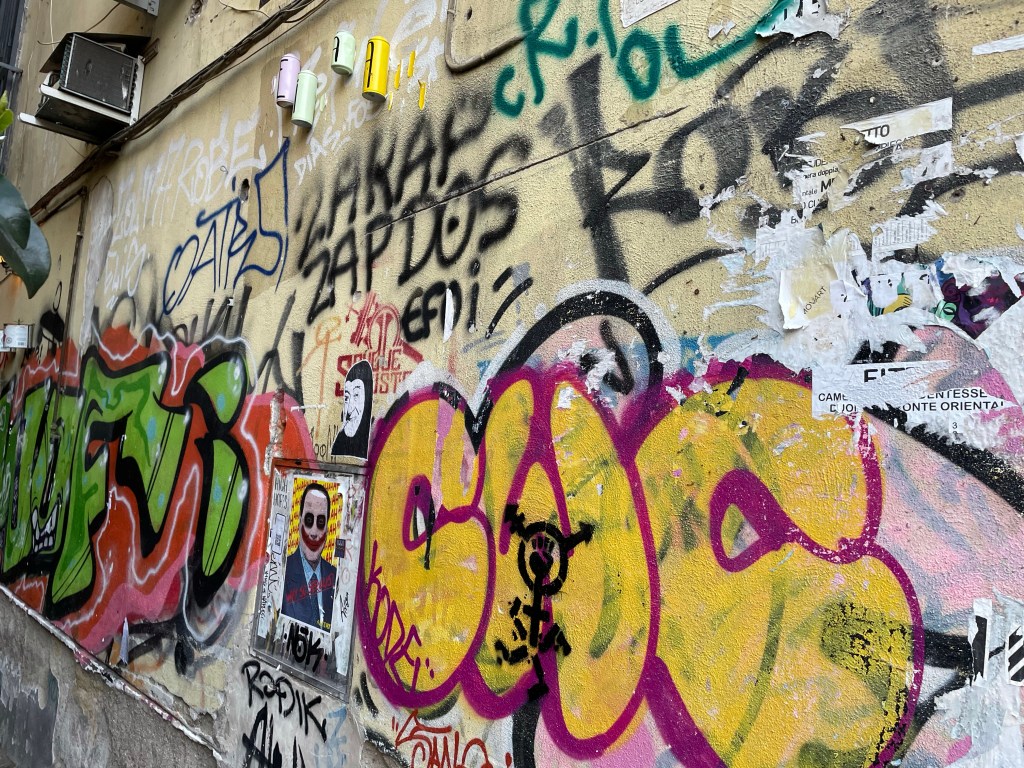
Garbage collection (of lack there of) is still a serious problem.

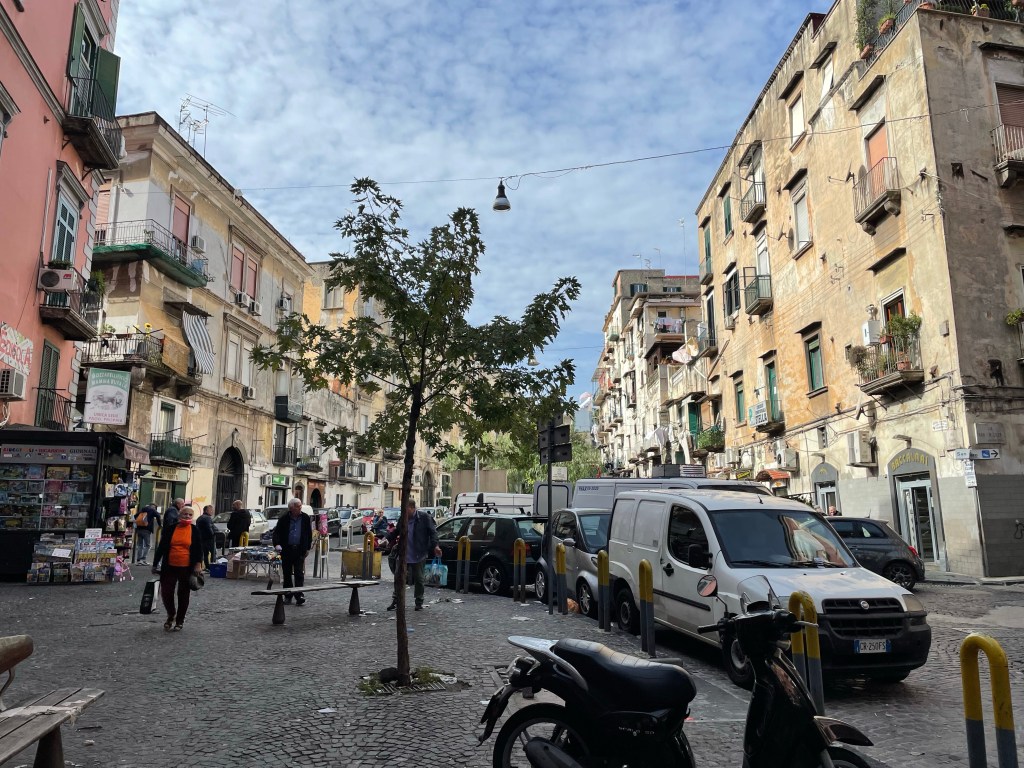
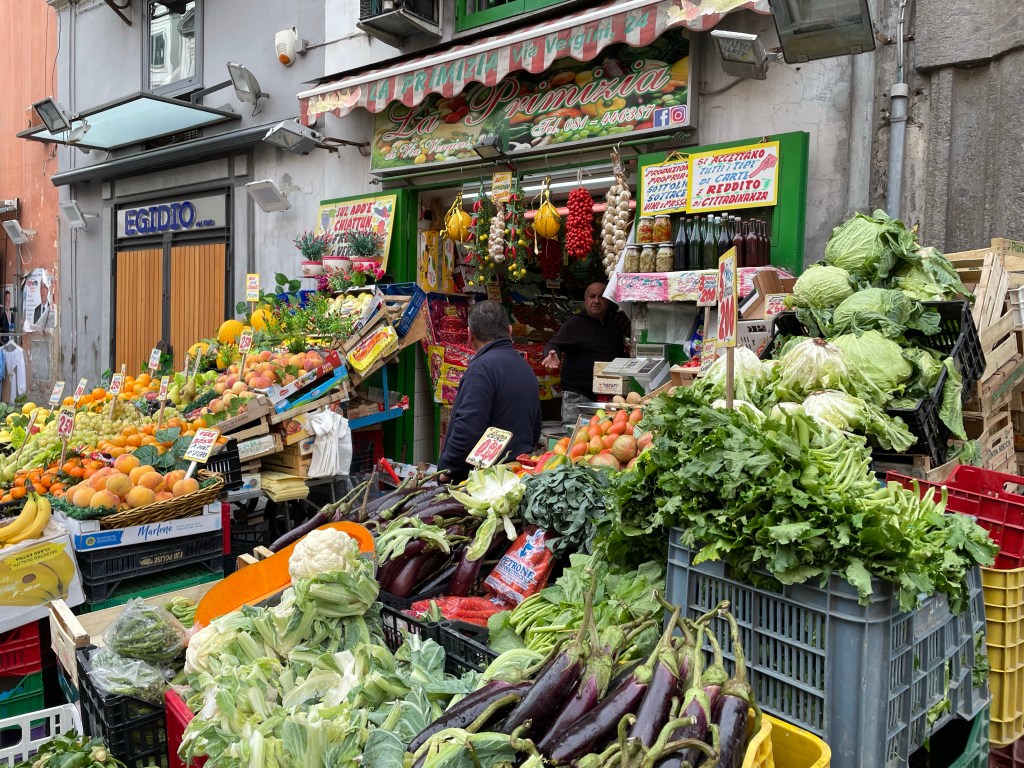
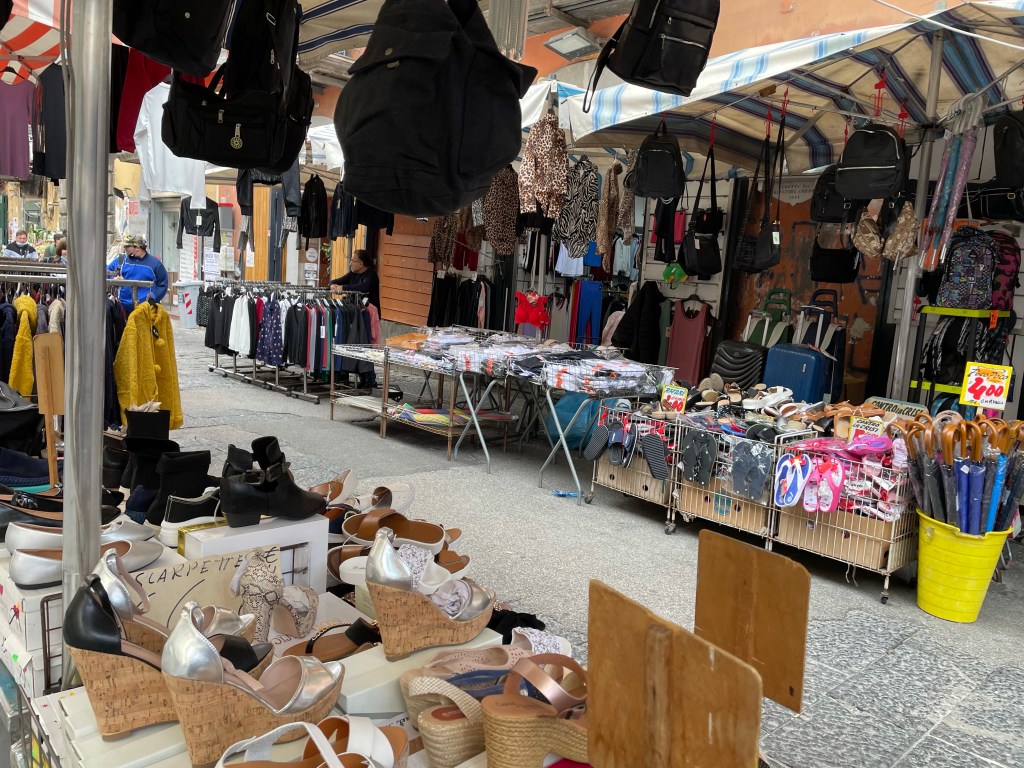
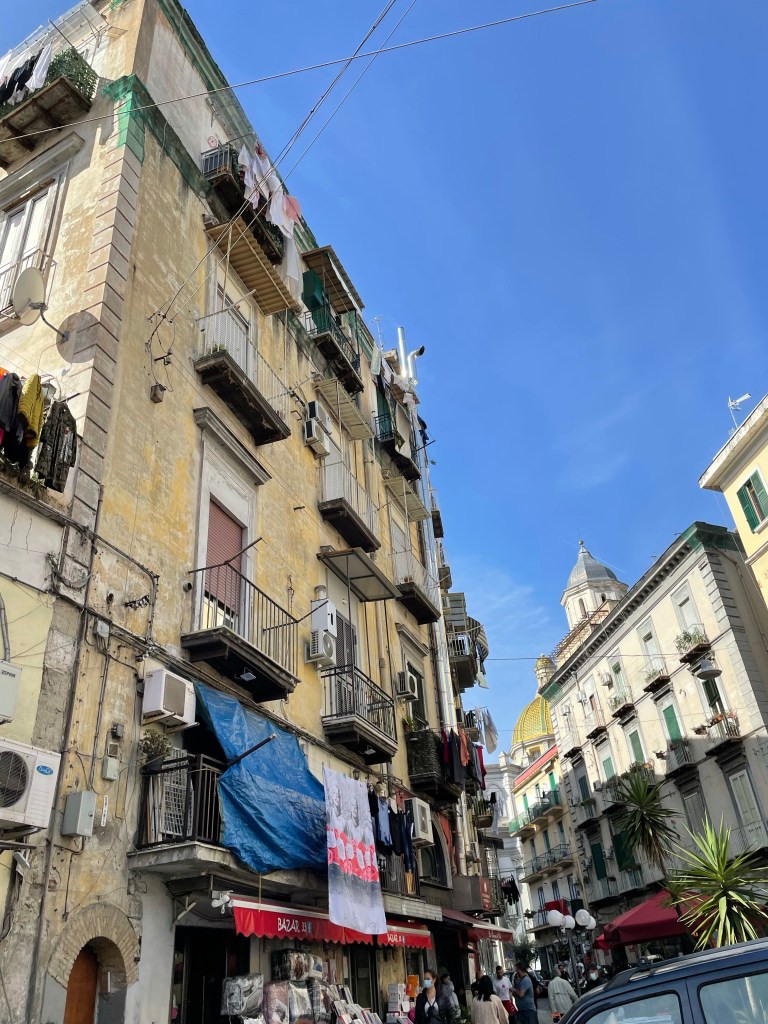
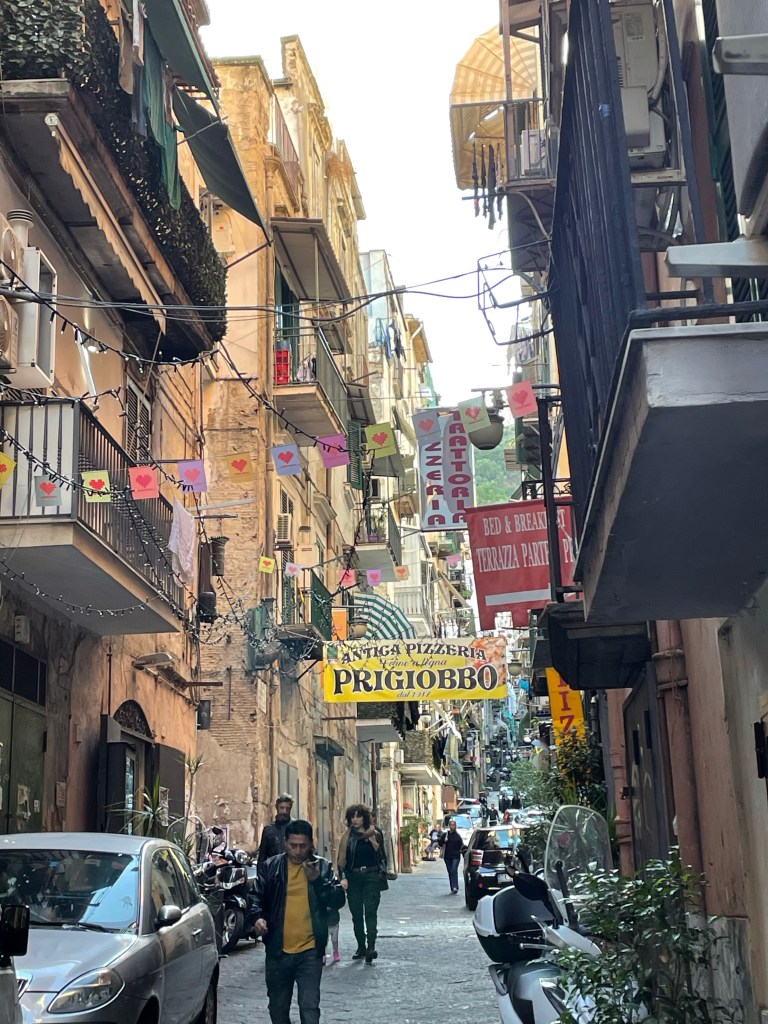
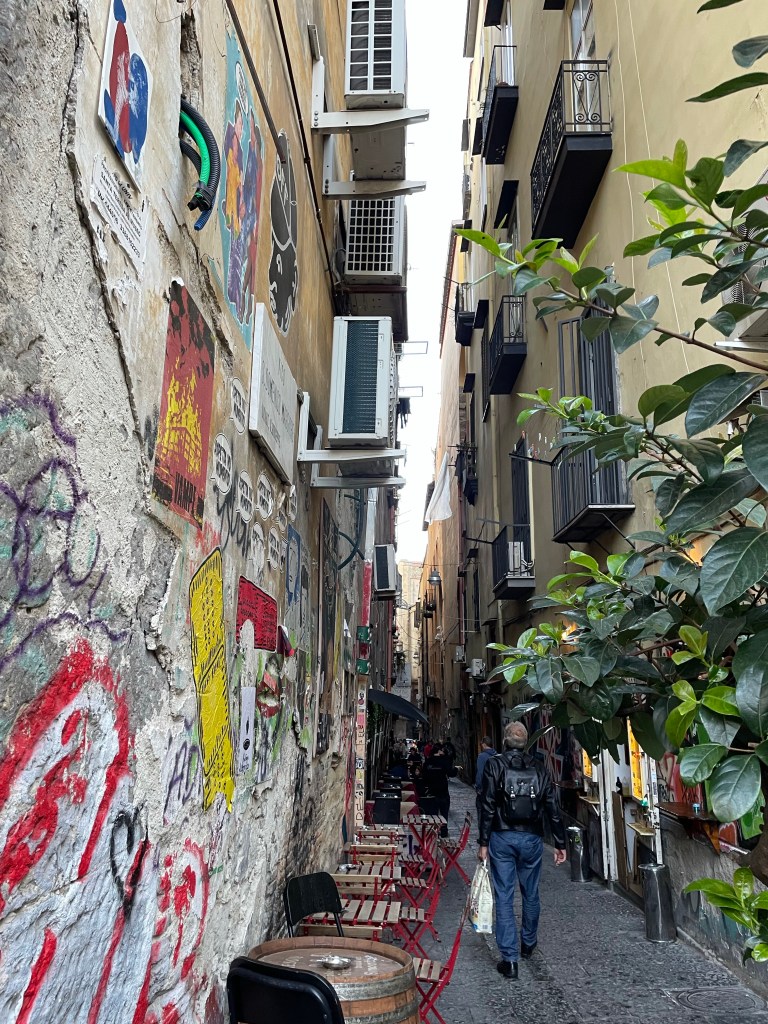
The historic center is a tangle of narrow streets crammed with pedestrians, parked motorbikes and cars. Unique local shops are everywhere.

Tripe and other offal

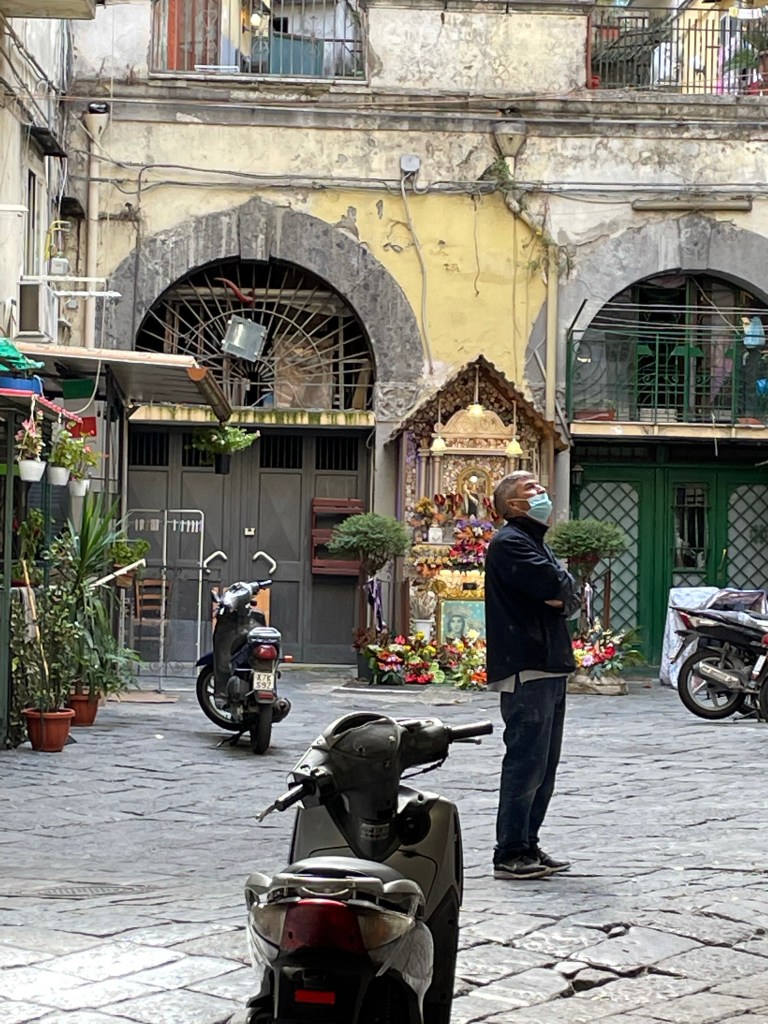
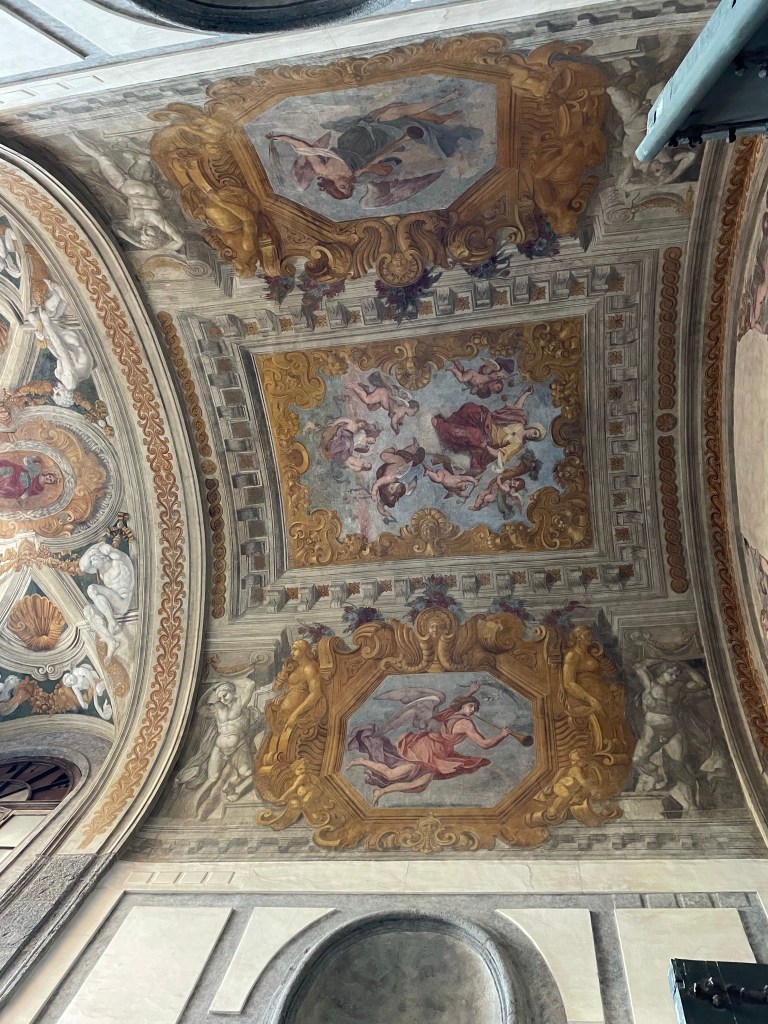
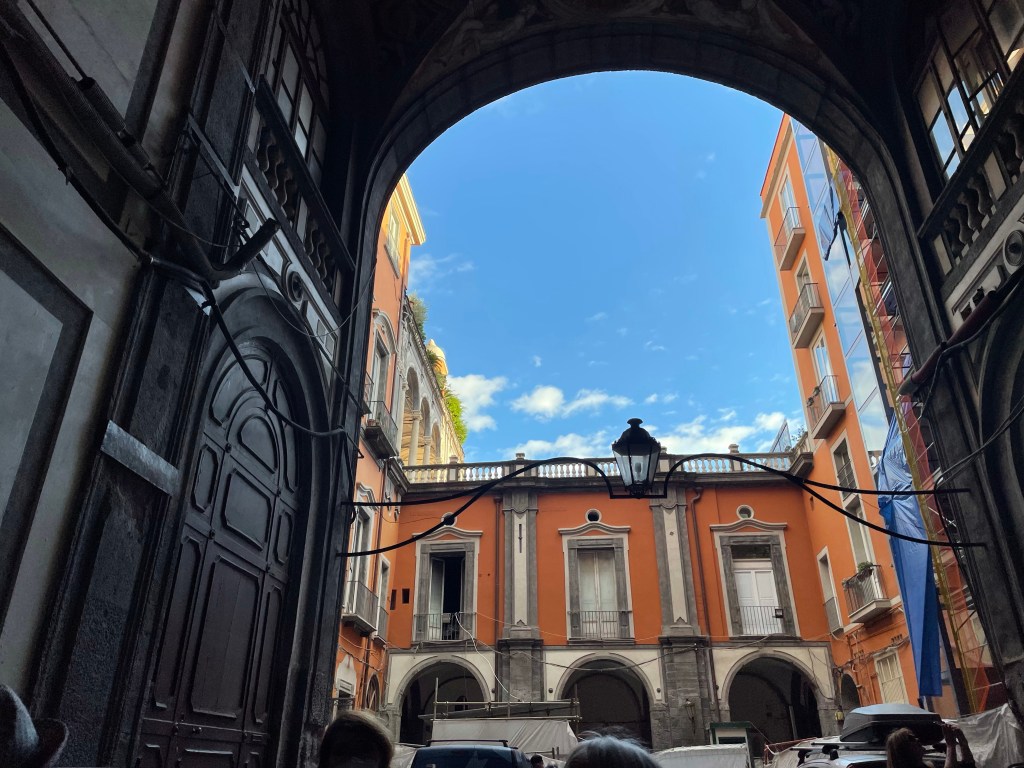
There are architectural surprises that pop out of nowhere, like frescoes archways and hidden courtyards.

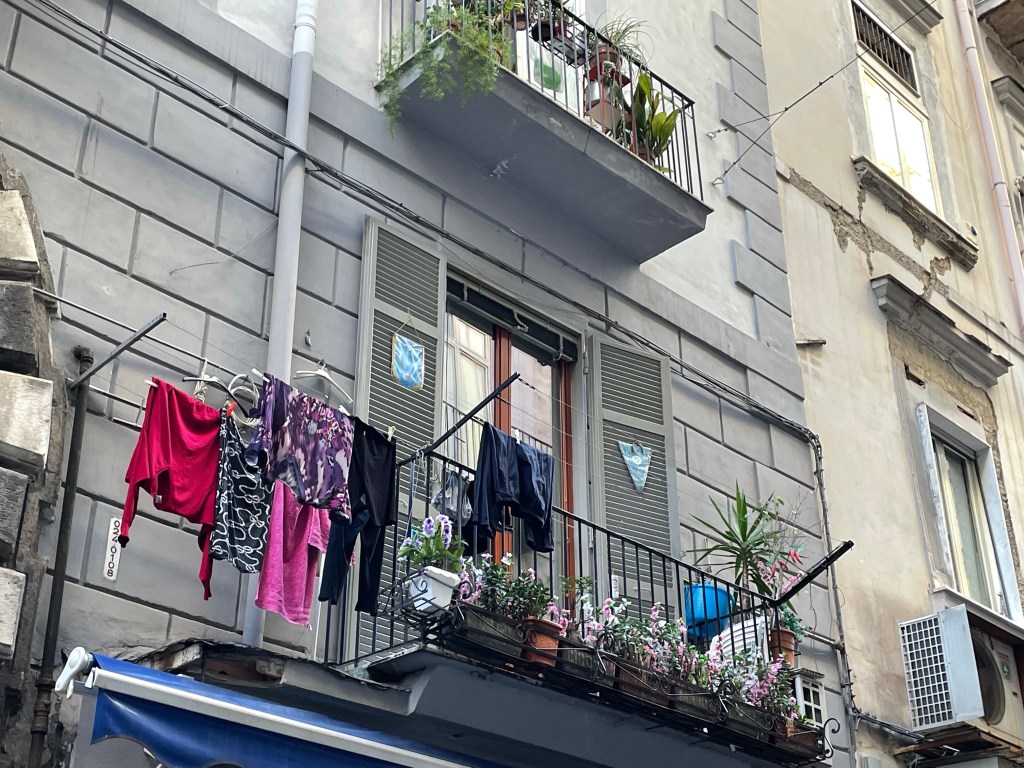
And the sight of hanging laundry is almost synonymous with Napoli.

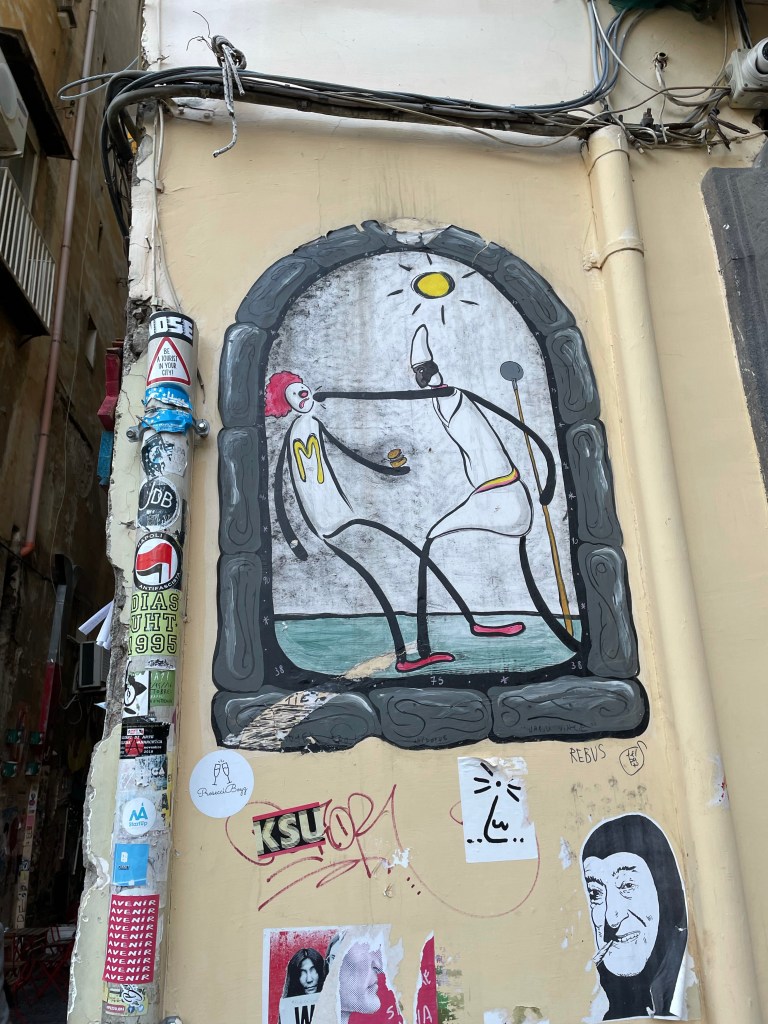
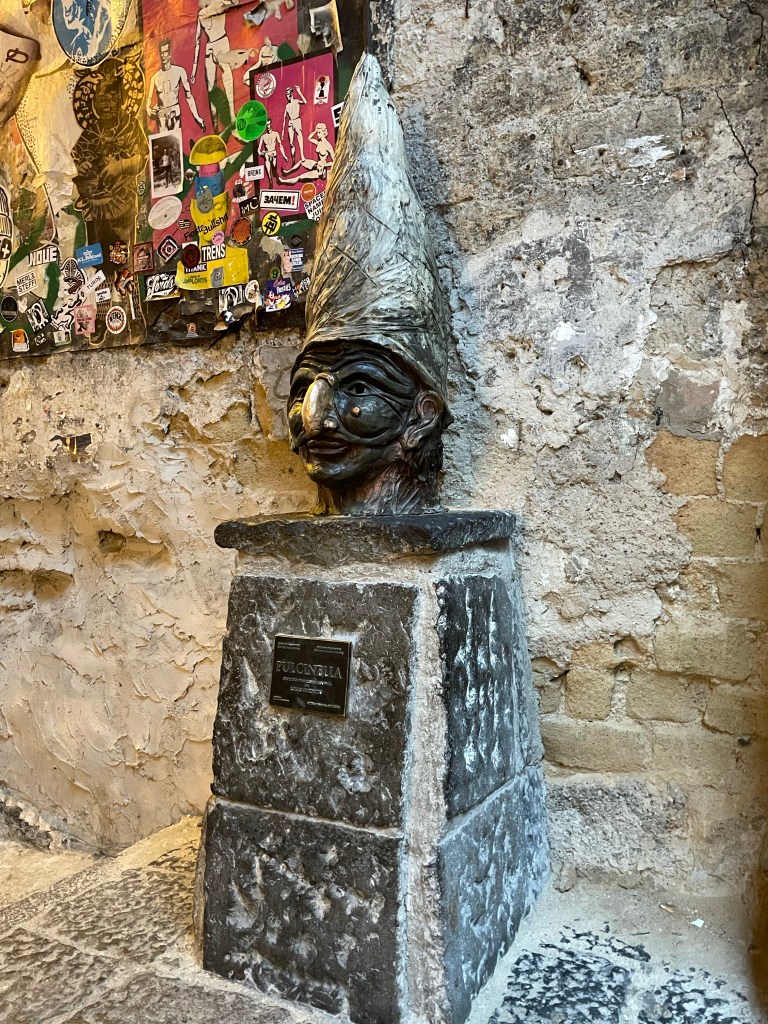
Just walking along these narrow passages is a visual party. There is always something unexpected- some really cool graffiti/street art, a statue of Pulcinello, the beloved Neapolitan character, a skull (of metal) on a pedestal outside a church that is rubbed for good luck.
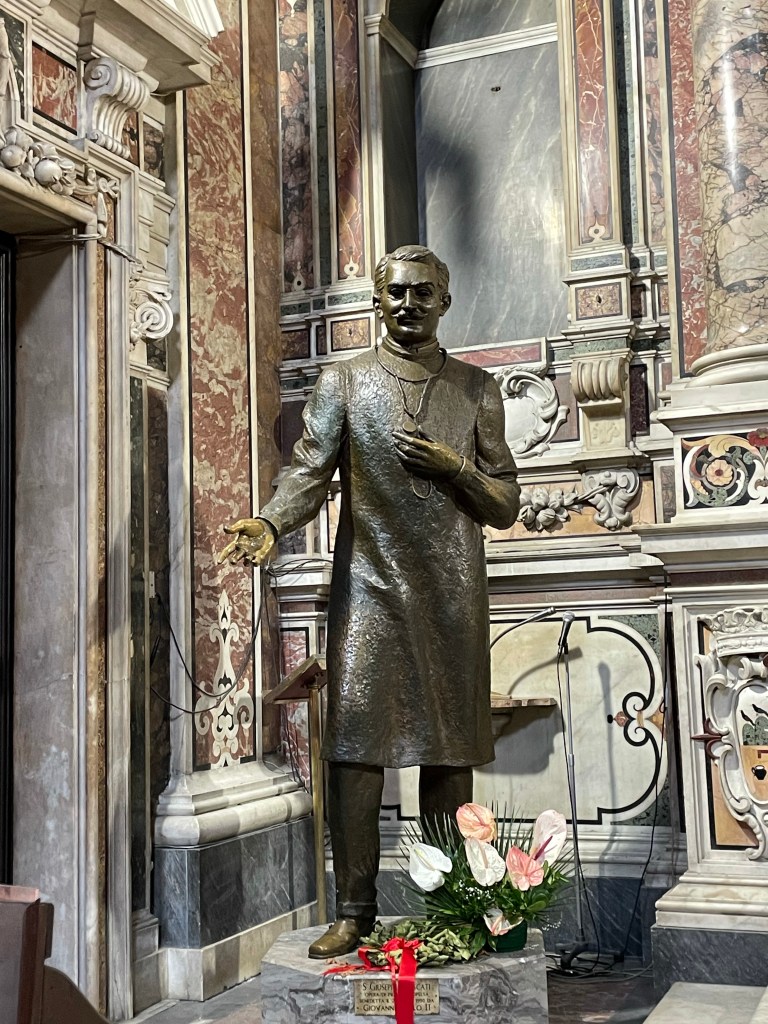
Religion plays an important part in the life of Neapolitans. One of the more interesting of the than 400 churches is the Chiesa di Gesù Nuovo, hidden behind the rather unique facade of what had been a dwelling of a rich family. The baroque interior is characteristic of the 17th century architecture prevalent in Naples. It also contains a memorial to a recent saint, St. Giuseppe Moscati, a beloved local doctor who was known for his generosity. His statue, as well as a reproduction of his office, a collection of his medical instruments and an enormous collection of ex votos, is also found in the church.
Ex votos are representations of body parts offered up to a saint when one’s prayers are fulfilled- for example, an ex voto of an eye if an eye disease was cured. They can even be purchased in one of the shops.

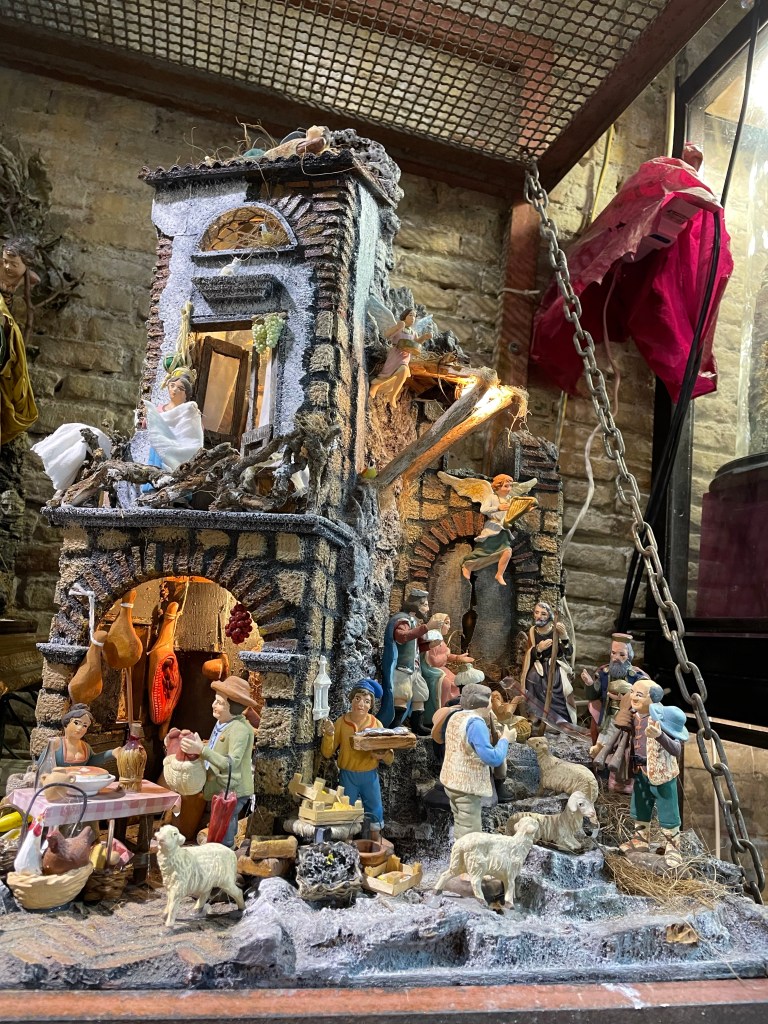
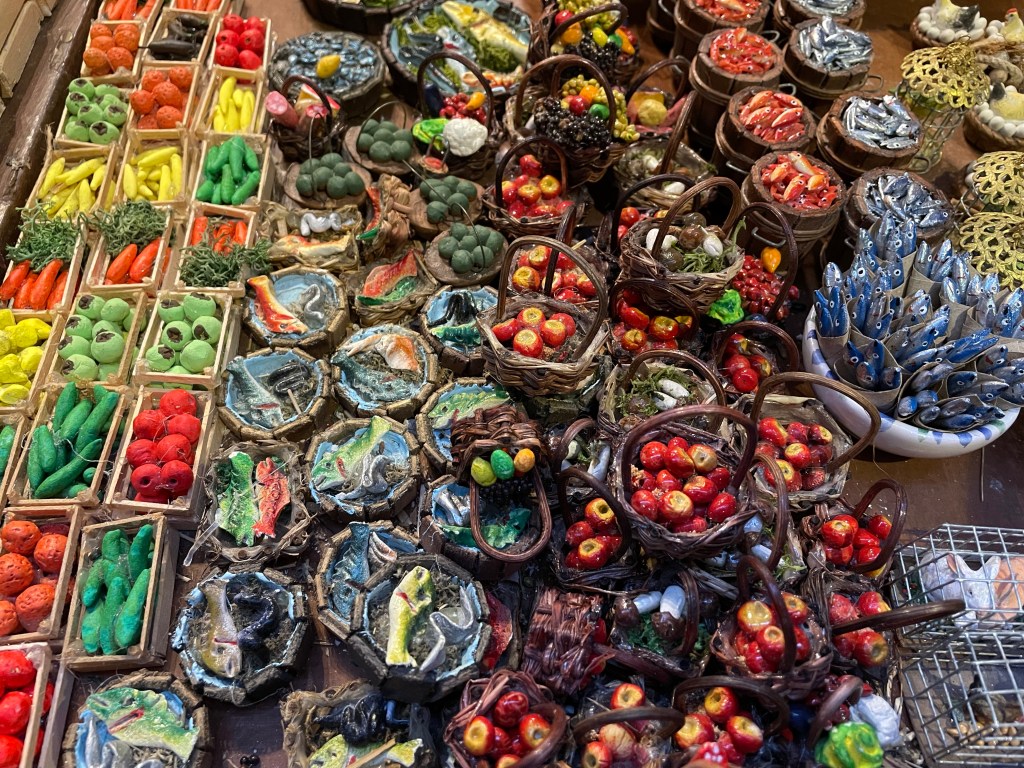
Another interesting street is via San Gregorio, filled with shops containing anything you could desire for the traditional Nativity preseppi.

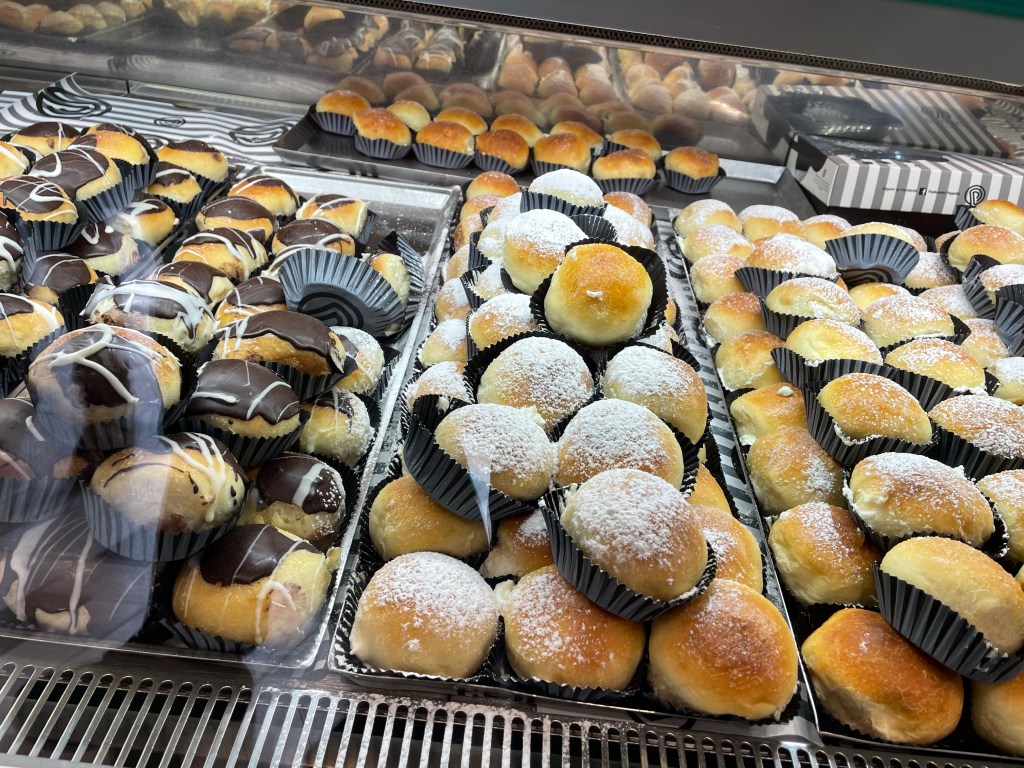
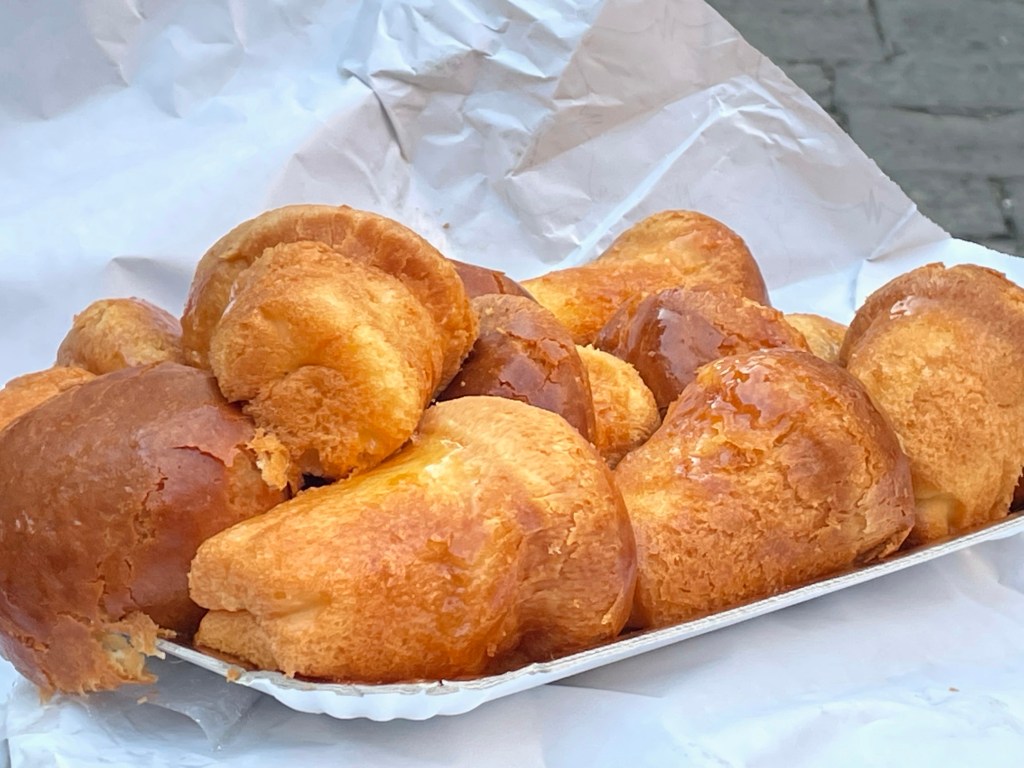
One mustn’t forget food when we think about Naples. Pastries are amazing- one specialty is the baba rhum, a cake soaked with a rum infused sugar syrup.

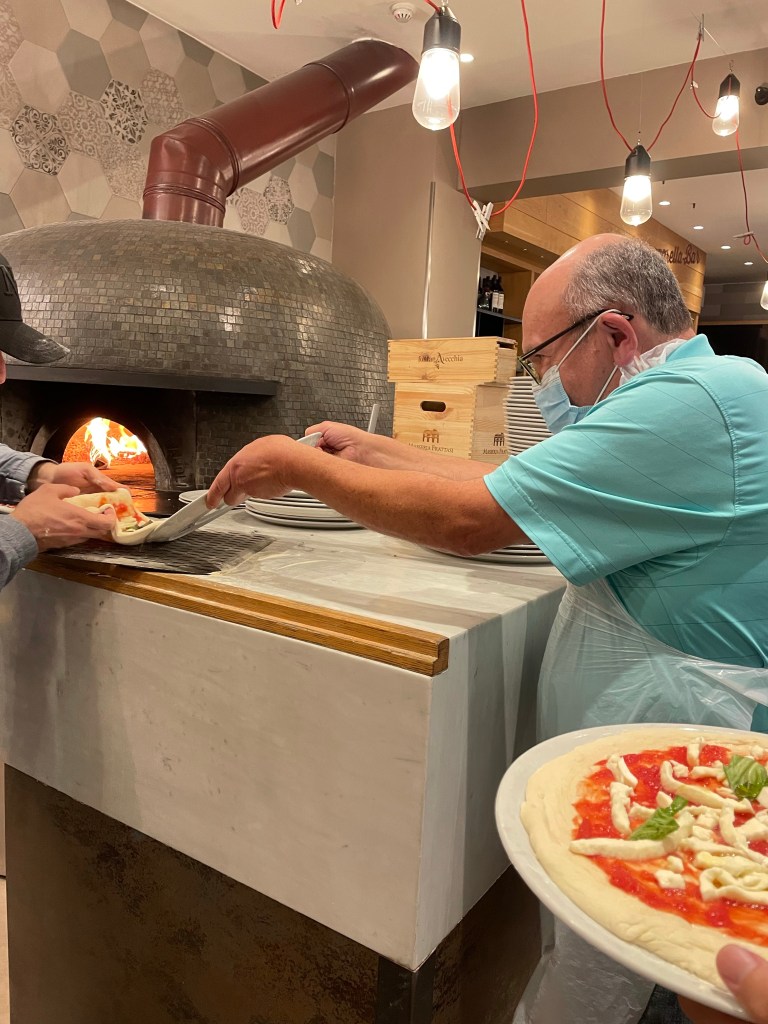
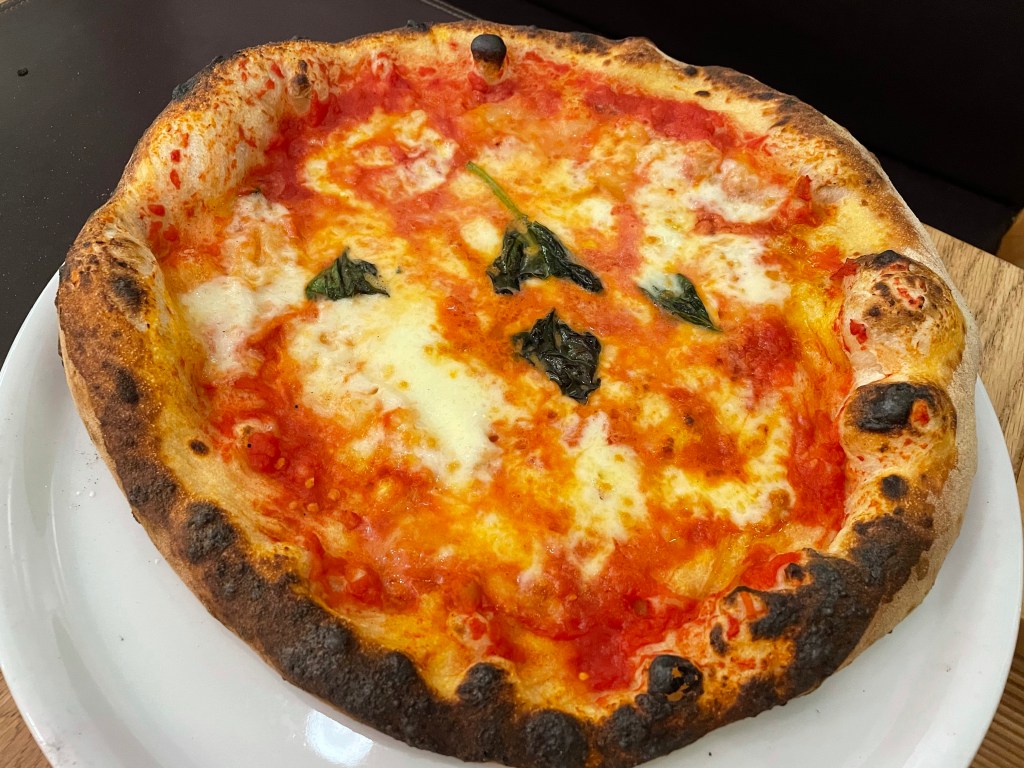
And then there is the iconic pizza, invented in Naples in the mid 1800s. With its thin and chewy crust cooked at 500 degrees Celsius for only about a minute, the pizza is a religious experience. One can even take a pizza making class. The Trattoria Medina near the port area offers the opportunity to get your pizza making diploma.

Stepping around Rome while (not) watching your step

The best way to visit the traditional sights of Rome is to take an early morning stroll before the hoards of tourists (and tour groups) have finished their breakfast. Still feeling the effects of jet lag, it was a challenge to waken bright and early. So it wasn’t until around 9:30 am that we ventured out on this cool but gloriously sunny morning. Luckily, the volume of tourists is noticeably diminished secondary to the Covid pandemic, though the ubiquitous groups led by a guide holding up an umbrella (or holding a stick dangling a stuffed animal toy) followed by 30-40 zombie- like souls wearing an amplification device with earphones are reappearing on the streets of Rome.

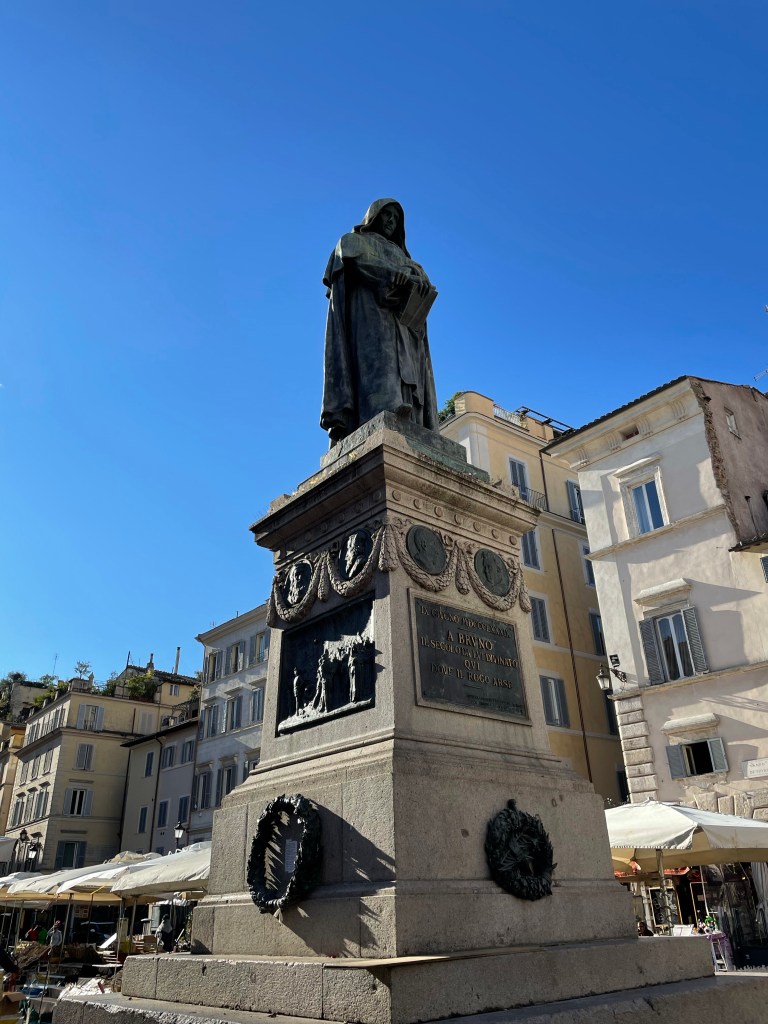
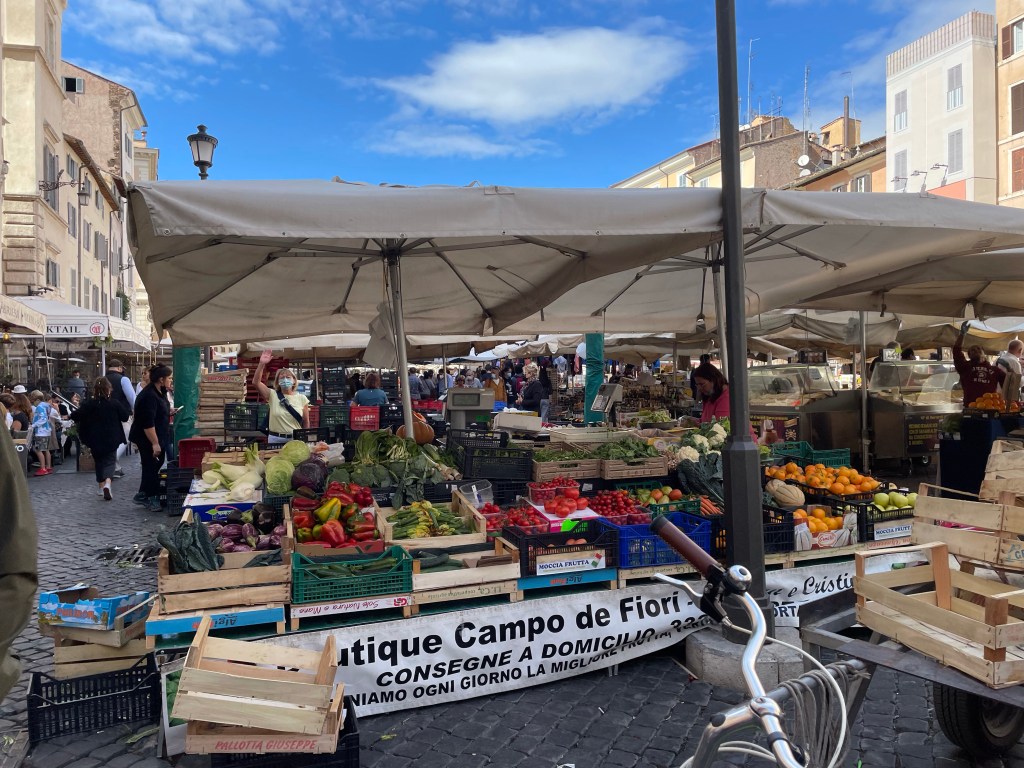
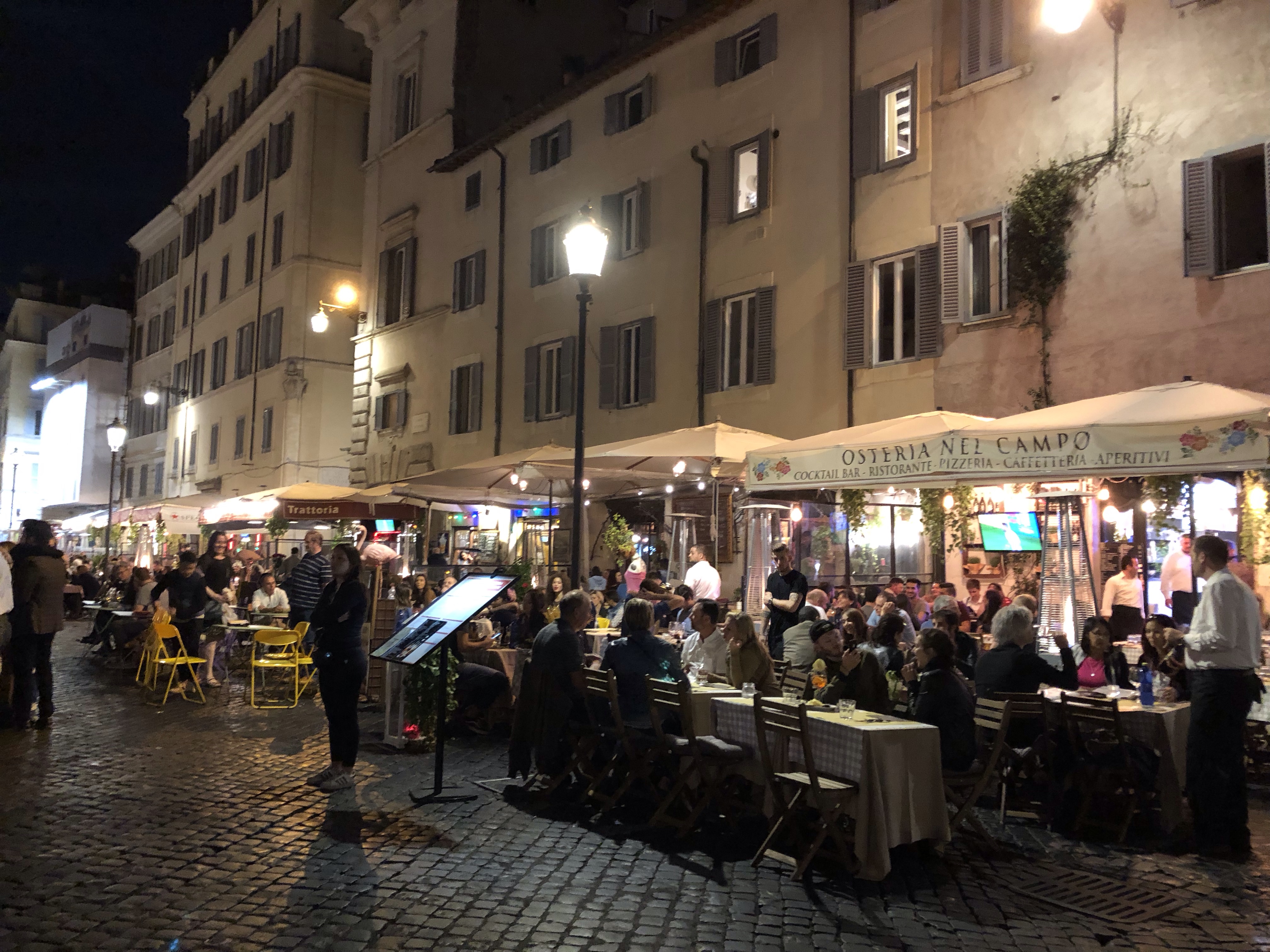
Surprisingly, the market at Campo dei Fiori was setting up (I thought that there was no market on Sunday), but the vendors appeared to be selling wares targeting the tourists. The statue of Giordano Bruno, a Dominican monk burned at the stake in 1600 for his criticisms of the Church (including agreeing with Copernicus that the earth revolves around the sun), towers above our heads, and thankfully at this hour he is not surrounded by throngs of tourists munching on panini.

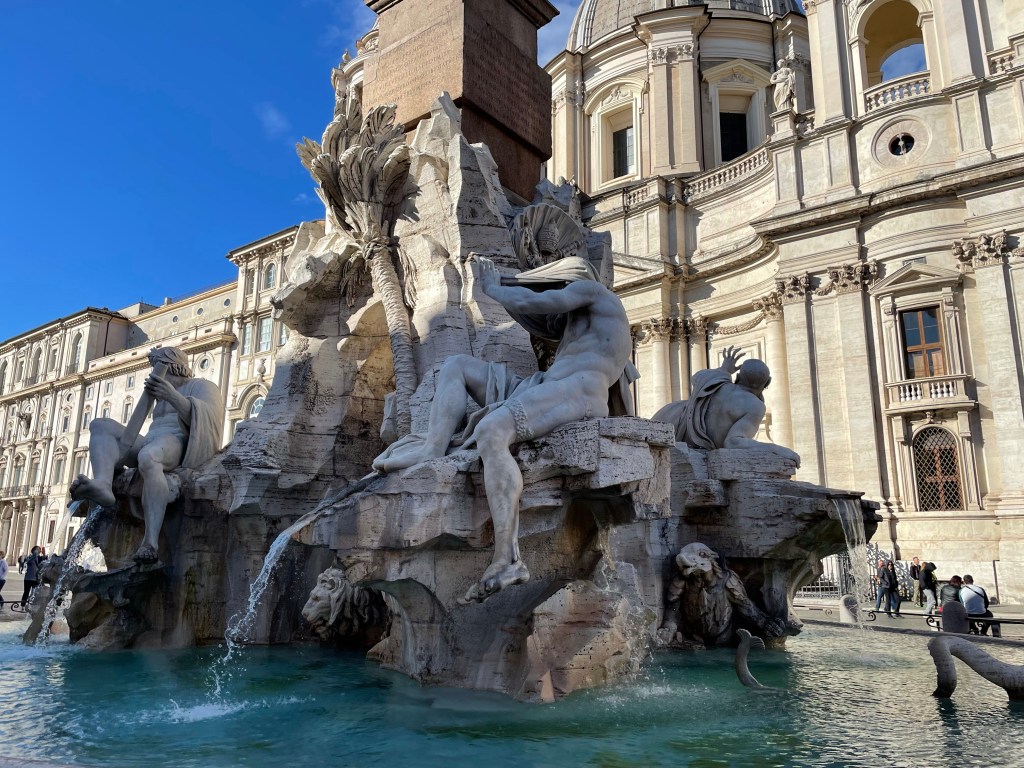
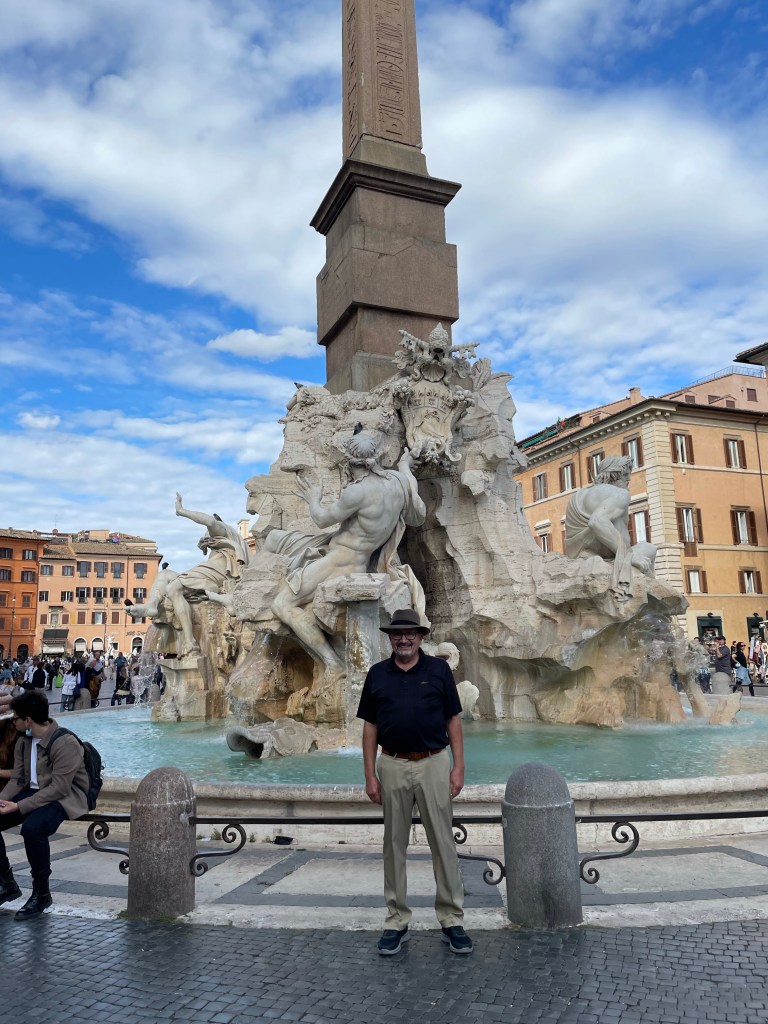
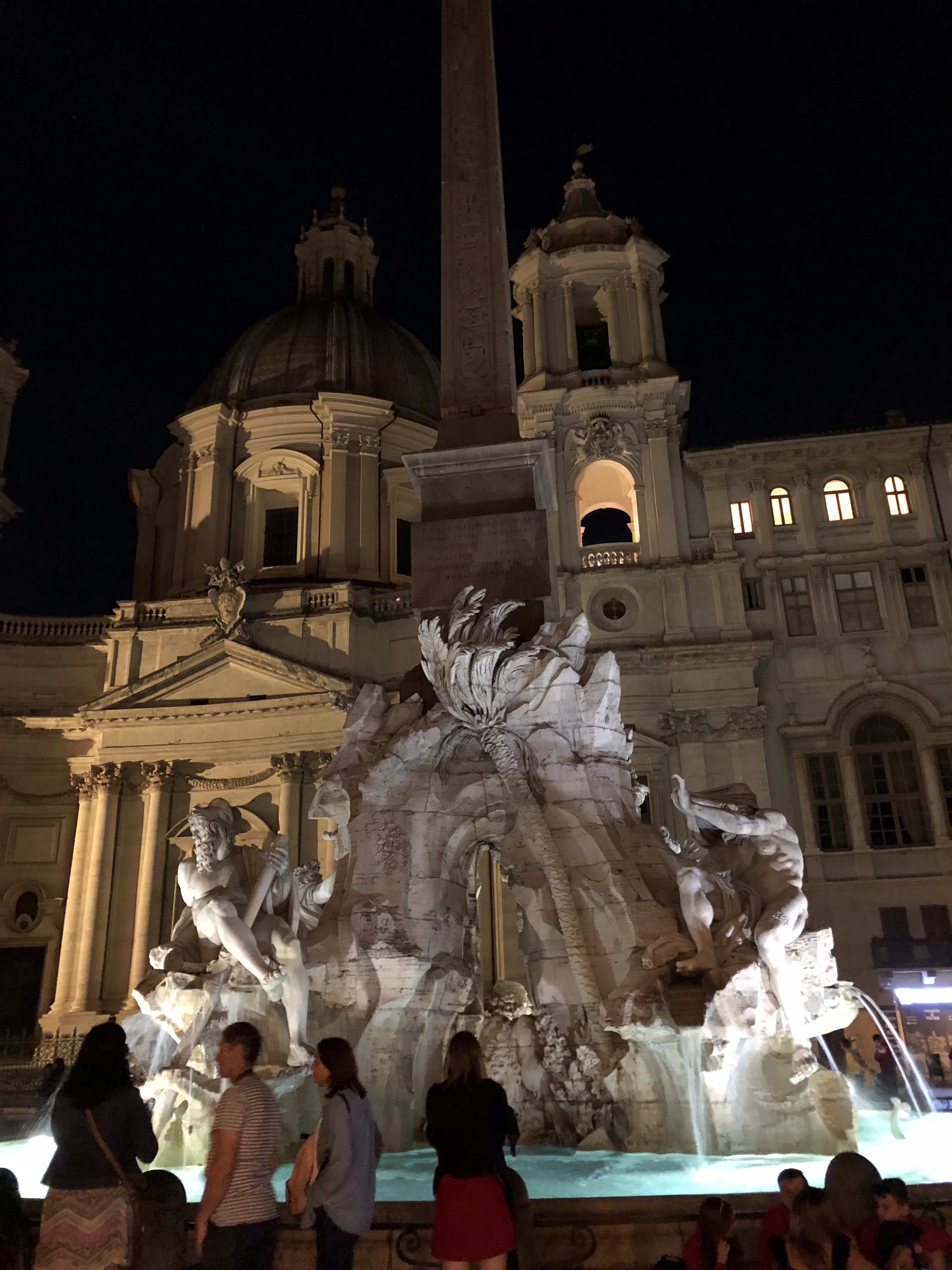
At this hour, the sun really brings out the genius of Bernini in the Fountain of the Four Rivers (the fountain featured in the film Angels and Demons- remember the drowning cardinal?) in Piazza Navona.

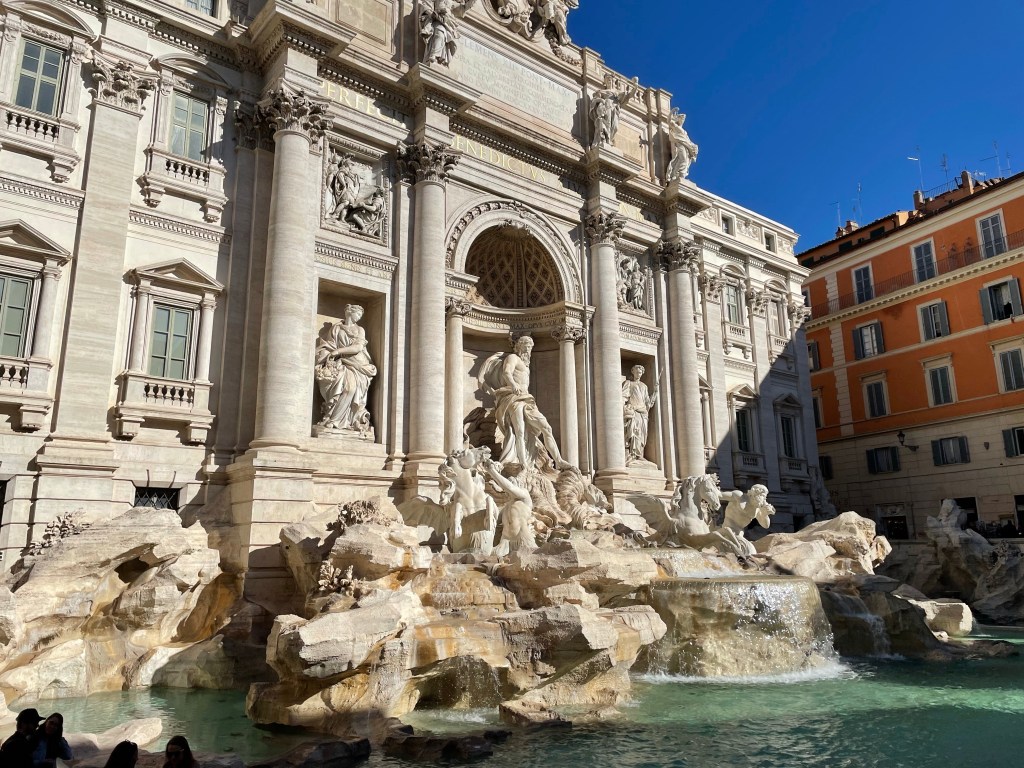
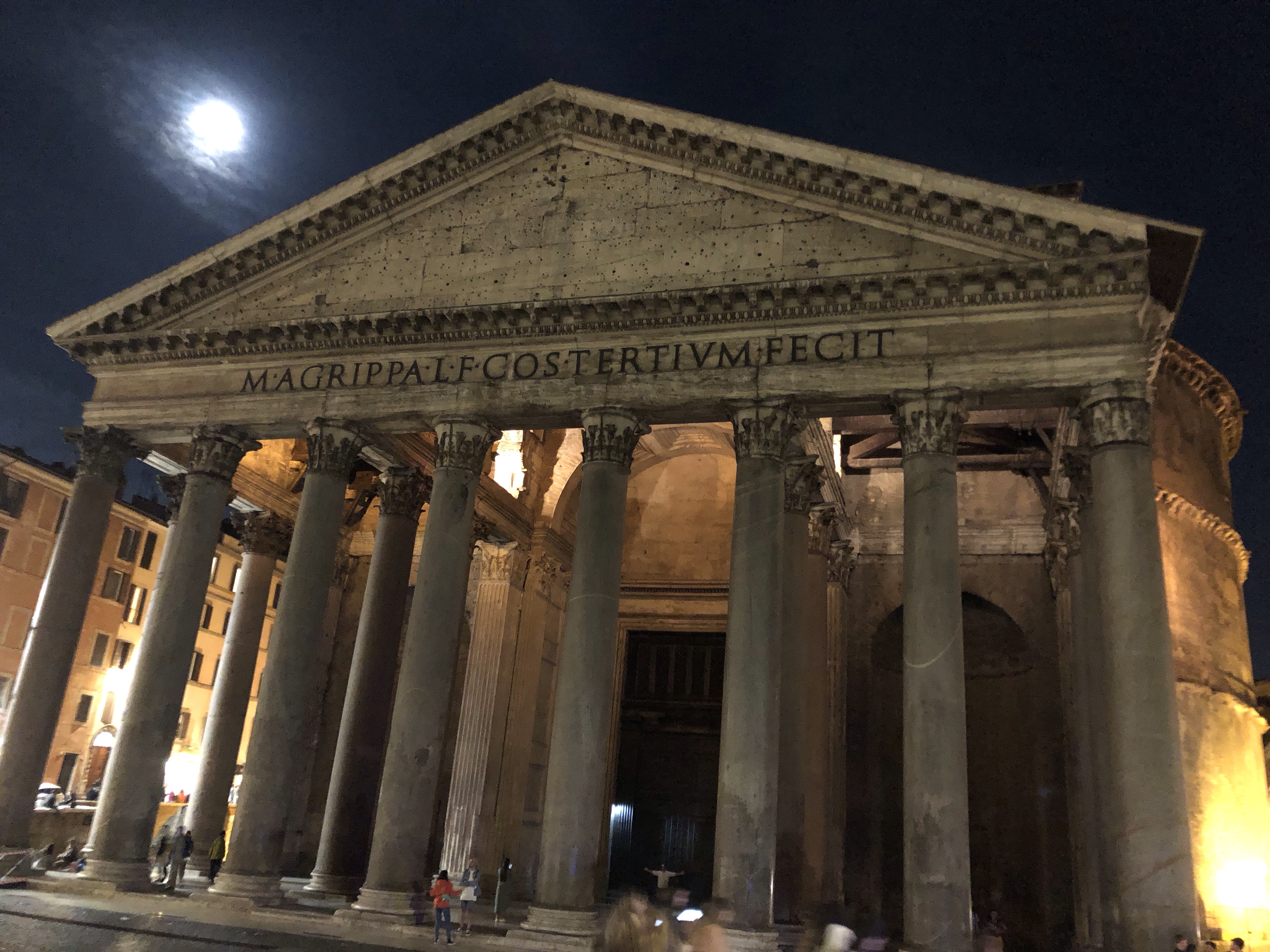
It’s a short distance to the Pantheon and only a ten or fifteen minute walk to the Trevi Fountain. Pre-COVID, you couldn’t get anywhere close enough to throw in a coin. But this morning, you could get close to the fountain without getting crushed… or pickpocketed.

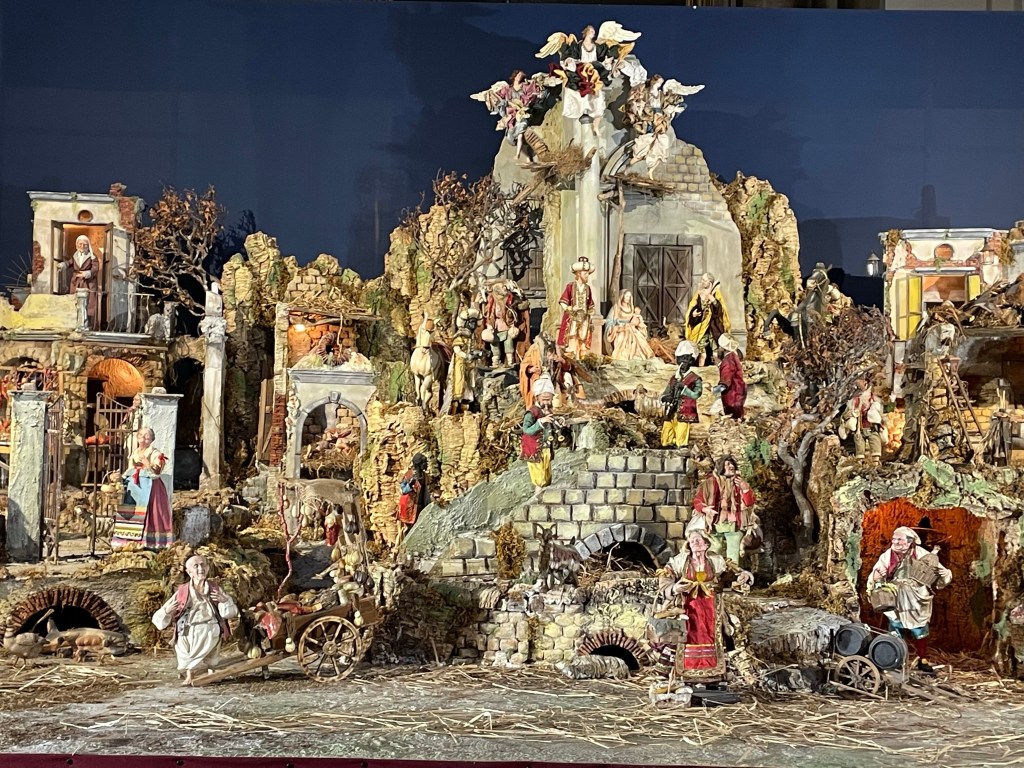
On the way to Trevi, there is a lovely little Piazza with the Church of San Ignazio. Inside you can marvel at the frescoes on the flat ceiling that exhibit a 3-D effect and the elaborate Neapolitan presepe (nativity display). Just be careful when you step out into the street as the errant taxi, motorbike or Alfa Romeo may come out of nowhere!

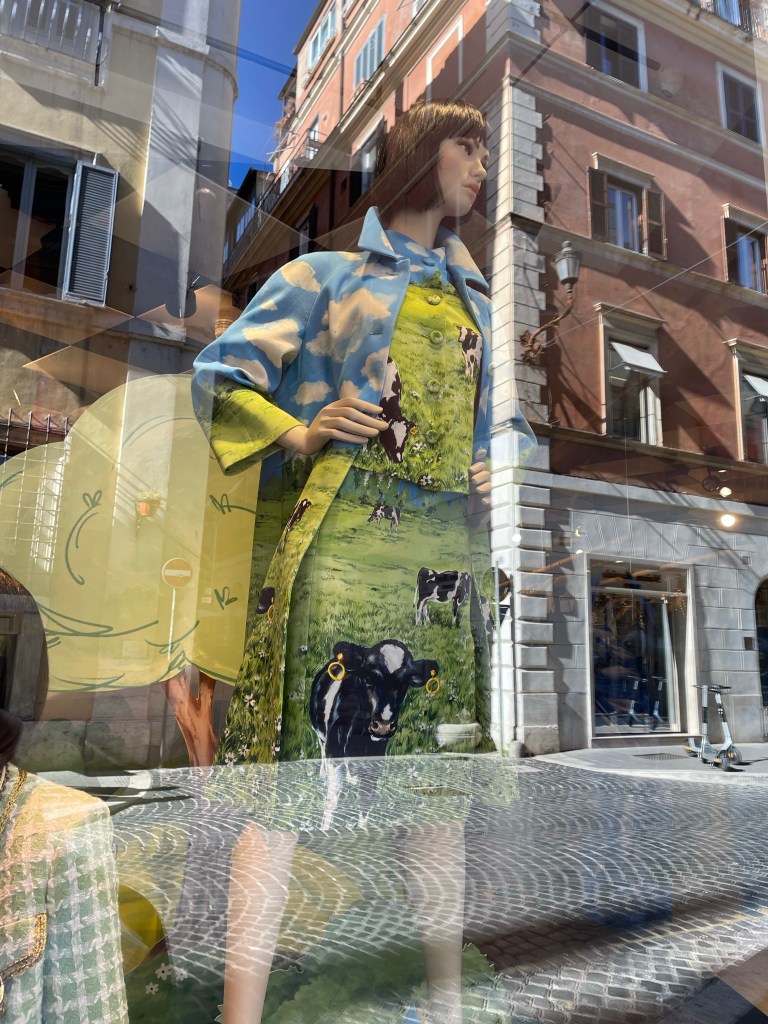
The next stop on the “Let’s see Rome in one hour” tour is the iconic Piazza della Spagna either Spanish Steps. For a change, the Steps weren’t teeming with bodies but the Piazza was pretty crowded. Designer shops line the streets in this neighborhood and window shopping is always “interesting “. I especially like this dress, although it might be a tad outrageous fir anything outside a cattle auction!

Next stop, Piazza del Popolo, probably the largest piazza in Rome. It’s a great place to people watch or to buy a really tacky toy.

You can also enter Rome’s version of Central Park, the Villa Borghese, from this Piazza.

It’s about a one mile walk back to the Pantheon along the Corso which is lined by decidedly less upscale shops – no cow dresses to be seen! It is closed to vehicular traffic on Sundays but an occasional police car can sneak up behind you, so you must “stai attento”!

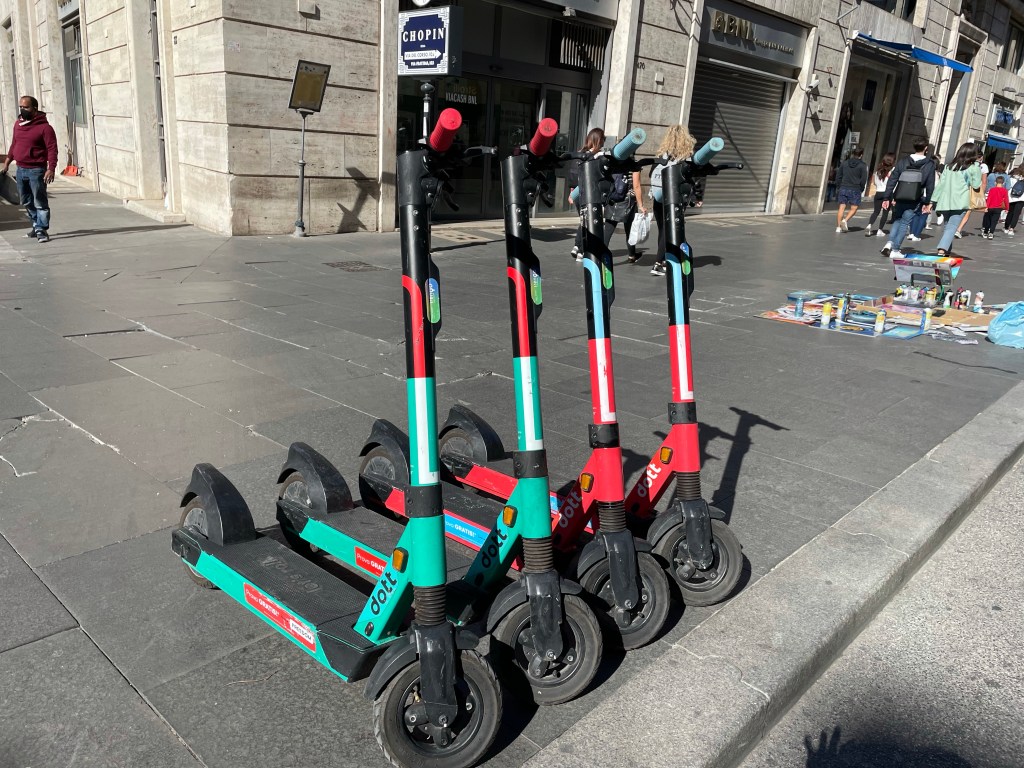
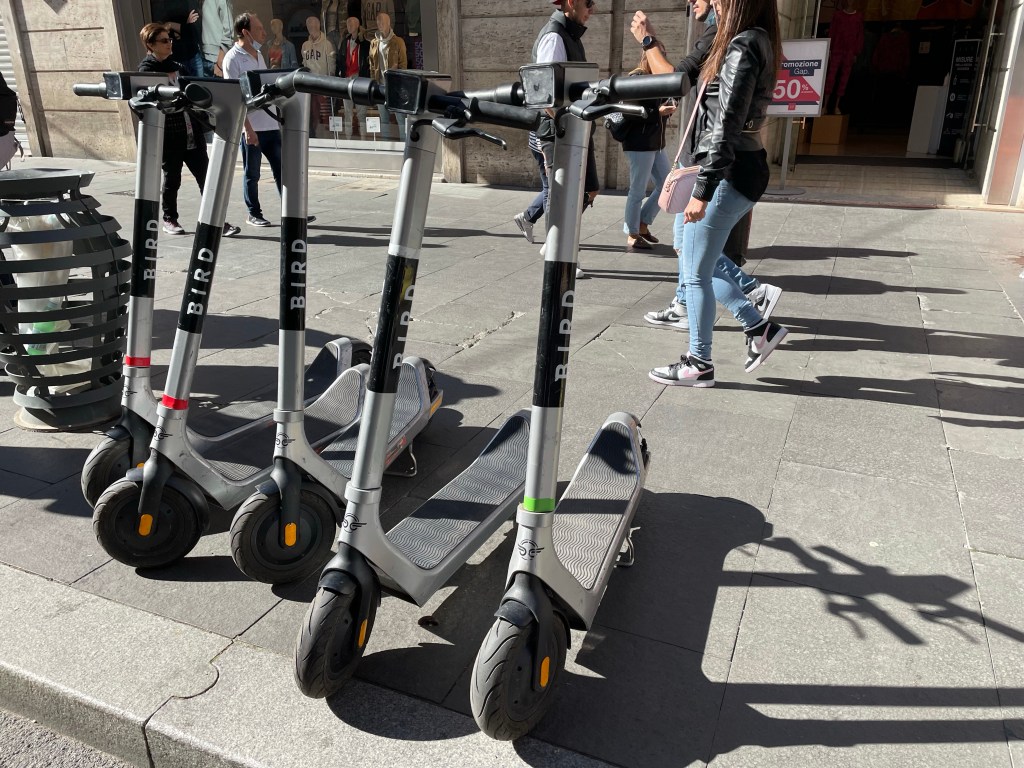
The electric scooter craze has hit Rome even more than in the USA! Lines of these motorized weapons are found dappertutto (everywhere) – just one more reason to watch your step to avoid being struck!

An Italian Sunday tradition is “il pranzo domenicale” (Sunday lunch). Though usually prepared by mamma or nonna, when visiting Rome, it is enjoyed at a trattoria or ristorante. We enjoyed a meal of typical Roman cuisine at Ponte e Parione, a small family-owned trattoria featuring a wood-fired oven and handmade pasta. The tonnarelli alla gricia and cacio e pepe are highly recommended. It’s located on a side street off the Piazza Navona and is frequented by locals, unlike the tourist trap restaurants lining the Piazza. There is no one approaching you on the street to coerce you to eat at this little gem of a trattoria! Sorry, no food pictures as we were too busy enjoying the food and talking with our Italian cousins who live here.

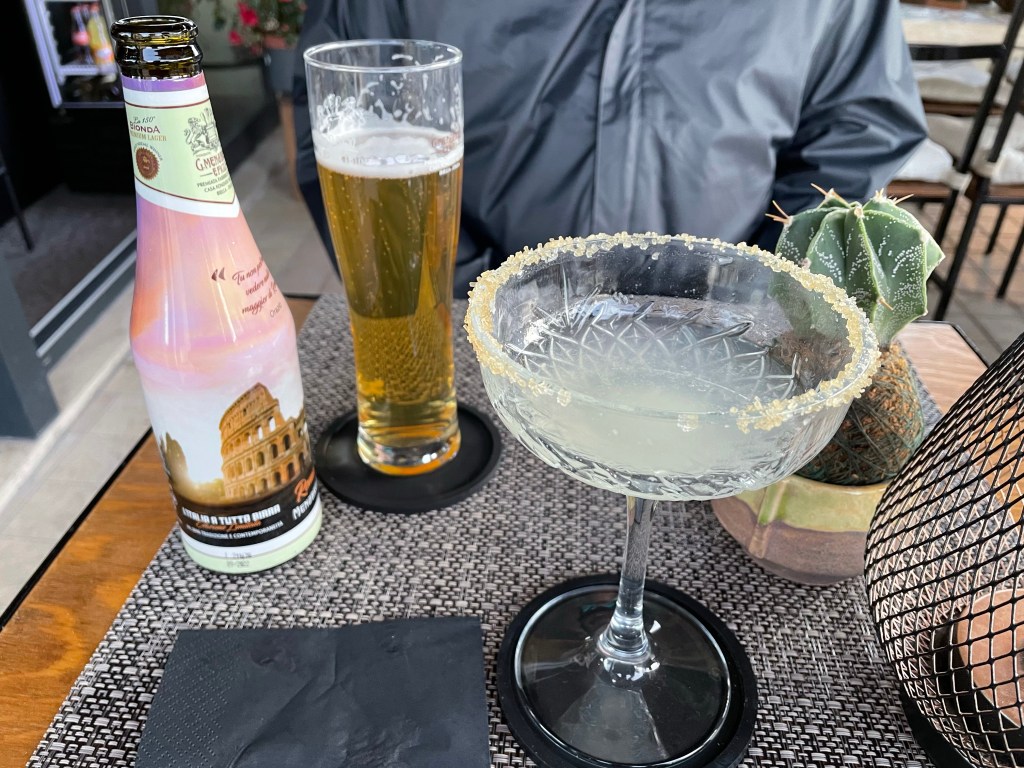
It was a big chilly but a cocktail on the rooftop bar is hard to resist!

We were so sated from lunch that dinner never crossed our minds. Instead we took a walk to see the Monument to the Unknown Soldier/ Vittorio Emanuele illuminated at night.

We clocked 17,293 steps (over 7 miles) today on the cobblestones of Rome- the infamous San pietrini known to twist ankles and cause hip and lower back pain if “inappropriate” shoes are worn!

On the road again- Italy 2021- Covid 😷 isn’t gonna stop us anymore

Fully vaxed, including the third “booster” dose of the Pfizer Covid vaccine, with negative COVID PCR test result in hand, the suitcase was pulled out of storage, new walking shoes were purchased and plane tickets were purchased for the next chapter of Camino Musings blog. Last year, due to the COVID 19 pandemic, three trips were on the casualty list – a one week culinary tour of Umbria with food writer Elizabeth Minchilli, a two week tour of Turkey, and a one month foray into the regions of Umbria, Tuscany and Emilia-Romagna in Italy. The Umbria culinary week has been rescheduled for May 2022 (after two cancellations). We’re putting Turkey on the back burner (oops, sorry for the pun) for a while. During the 18+ months of travel dormancy, I’ve been studying Italian more seriously and vicariously traveling Italy via Zoom with three temporarily underemployed tour guides, Anna Piperato (check out her website http://www.sienaitalytours.com – she also has great art history lectures online), her buddy/sidekick Ambra (sorry, I don’t know her last name but she also leads great tours in Siena and Tuscany) and Sarah Murdoch (www. adventureswithsarah.net). Sarah was a Rick Steves guide who has decided to start her own tour company, focusing on small groups (12 person maximum) and more “authentic” experiences. So this year we are embracing all the travel challenges posed by COVID and we are joining two of her tours, a one-week staycation in Naples and a nine-day no fixed itinerary trip in Puglia (the heel of the Italian boot). Then we will take off on our own to Bologna, Siena, the region of Umbria and back to Rome, a five+ week trip.

Chapter One – All roads lead to (and begin in) Rome

It’s a bit more complicated to travel in the COVID era, but it’s possible and probably even more pleasant. To start off, one needs to check the ever-changing requirements of the destination country and then one needs some patience and flexibility. For Italy, you need to complete a dPLF (digital passenger locator form) online before you show up at the airport. Then you need a negative COVID antigen or PCR test result of a test performed no more than 72 hours prior to arrival in Italy. Forms will be checked before you board the plane but once you land in Italy, no one checks. If you want to eat in a restaurant, visit a museum or attend an indoor event, be prepared to show your CDC vaccine card and passport. No vaccine- you’re staying outside.Also be prepared for flight changes and/or cancellation (we had two changes).

So being paranoid/OCD, I spent a considerable sum to get a rapid PCR test (results in less than an hour for $200) instead of the free CVS test that takes 1-2 days for a result. Then there’s the anxiety of what if I test positive, even though I have been socially isolated for a year. All the paperwork was in order but I decided to physically go to the airport to check in the day prior to departure, just in case……..something might go wrong. Despite smooth check in , we still showed up at the airport three hours early, definitely not necessary if you did all the preliminary stuff the day before. First flight to Atlanta was about 25 minutes late but we had a 2 1/2 hour layover. All paperwork was checked again and temperature was taken at the gate prior to boarding. Mask compliance on board the aircraft was great except for a jerk and his lady friend on the Pittsburgh- Atlanta leg who thought that beverage service (when you didn’t have to wear the mask while drinking) lasted the entire flight. Arrival in Rome was uneventful, passport control was quick – no lines anywhere, even to get a taxi!

The taxi dropped us off at our favorite hotel in Rome (Smeraldo) and we were overjoyed to be greeted by Leonardo, who recognized us before we walked in the door. It’s definitely harder to travel as one gets older. We used to be able to plow through to the evening but jet lag hit us like a wall and we had to take a nap and shower before venturing out into the Rome sunshine.

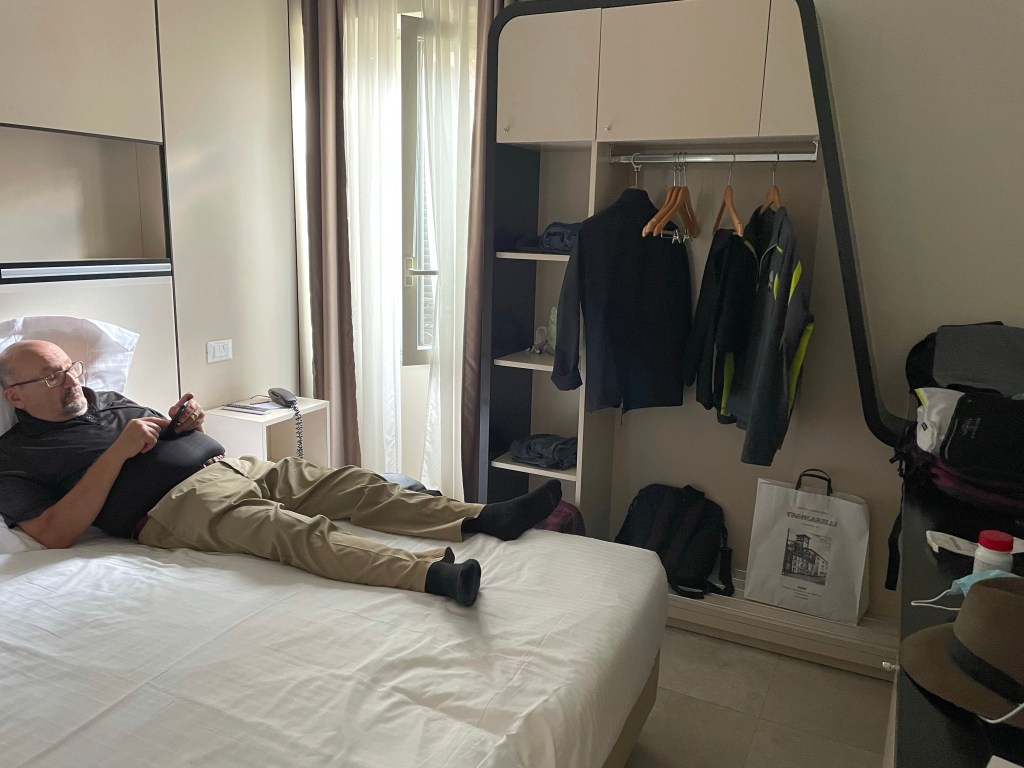
Nap time

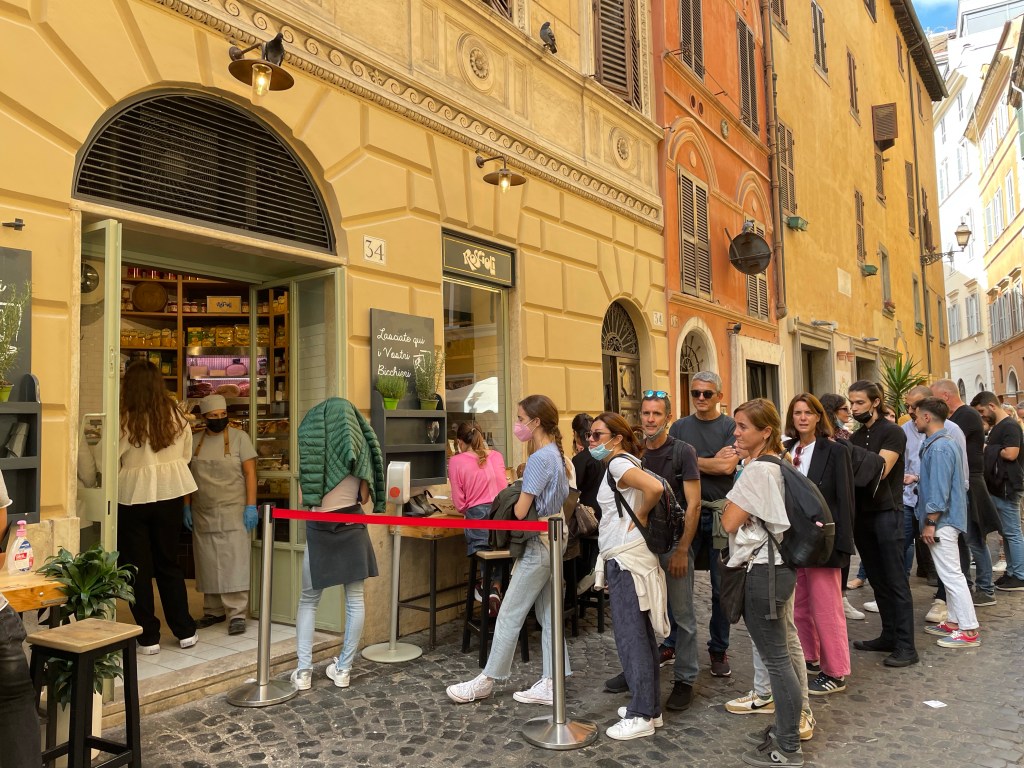
Yes, there are tourists in Rome, although nowhere near as many as in the pre-COVID times, and it looked like most of them were standing in line at Antico Forno Roscioli to buy some of their delicious pizza al taglio.

Great place for a quick snack, if you don’t count the wait

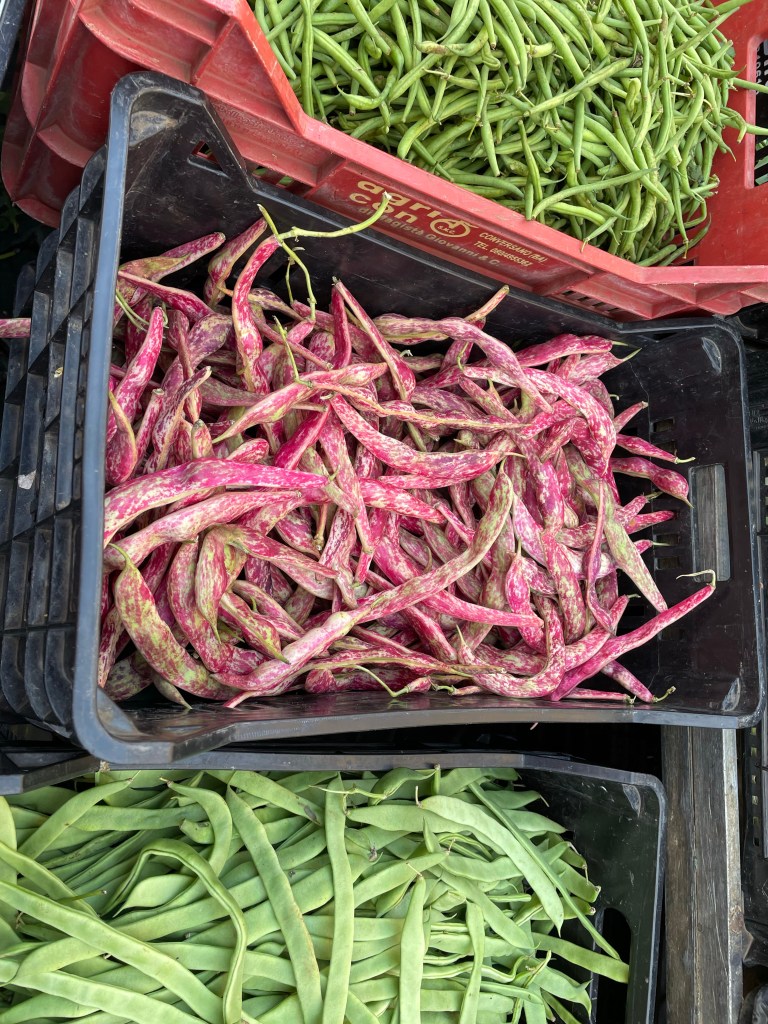
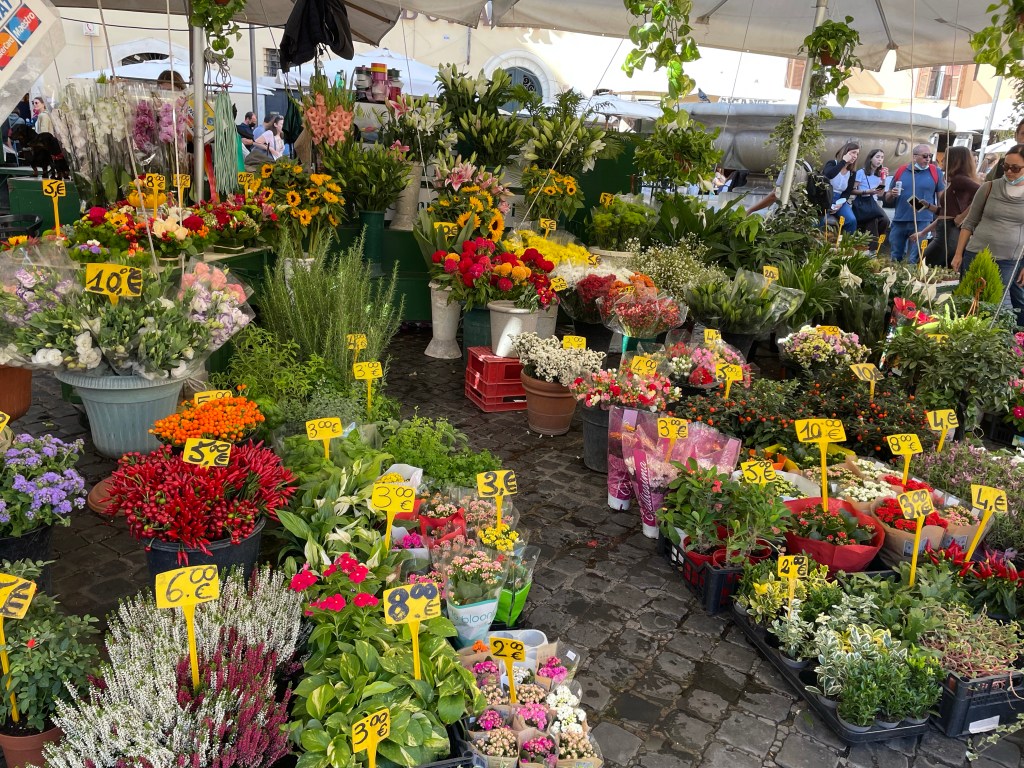
The market at Campo dei Fiori was still going on and the produce and flowers were visually stunning.

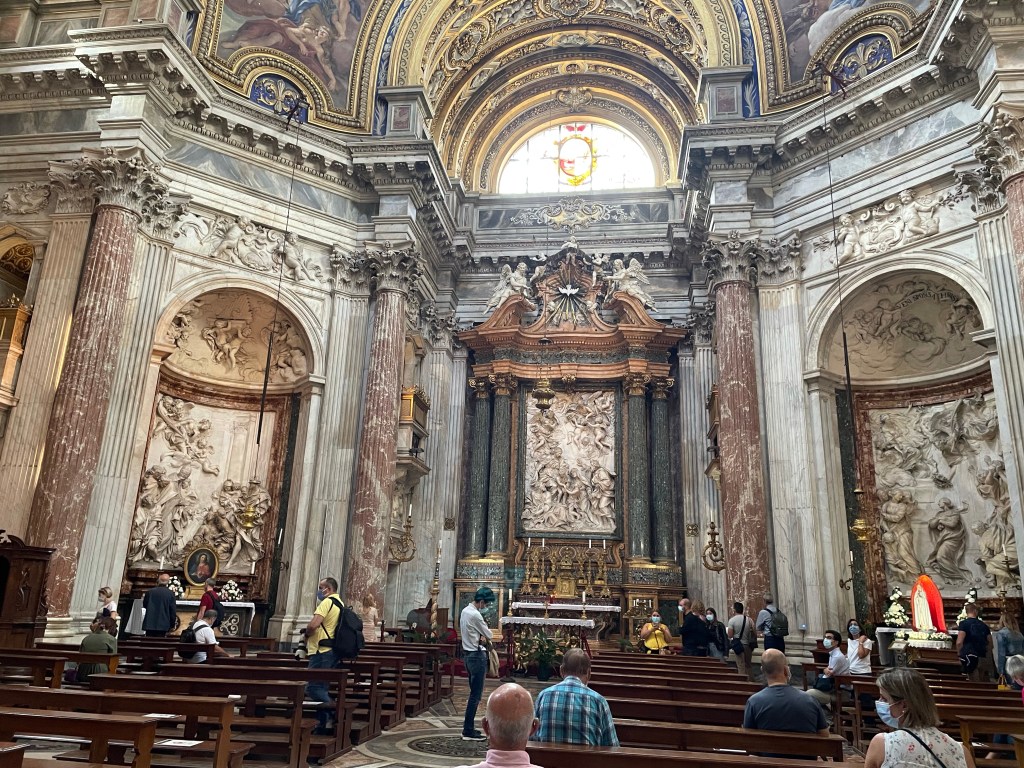
We snacked on a panino of pizza bianco filled with eggplant and checked a great new gelateria (Marave’- owned by a Calabrese family – the flavors are amazing- highly recommend it!), bought s new hat for Tony and visited the church of Sant’Agnese all’Agone on Piazza Navona.

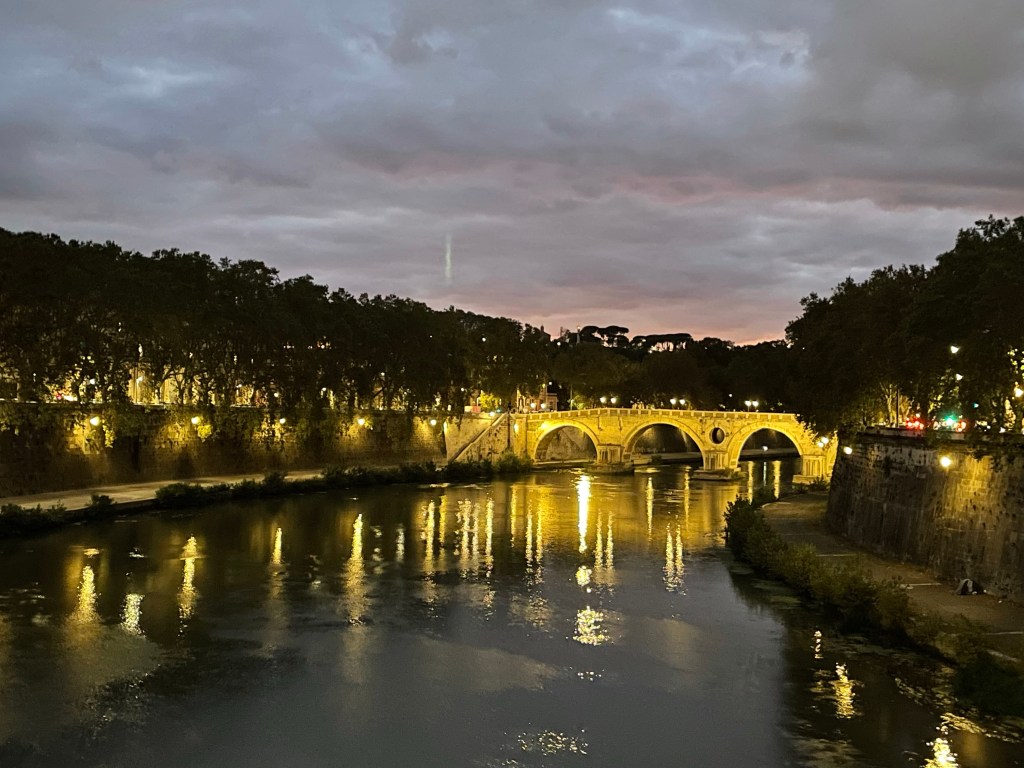
Before dinner, we took an evening stroll of the Jewish ghetto and took in view from the Ponte Garibaldi.

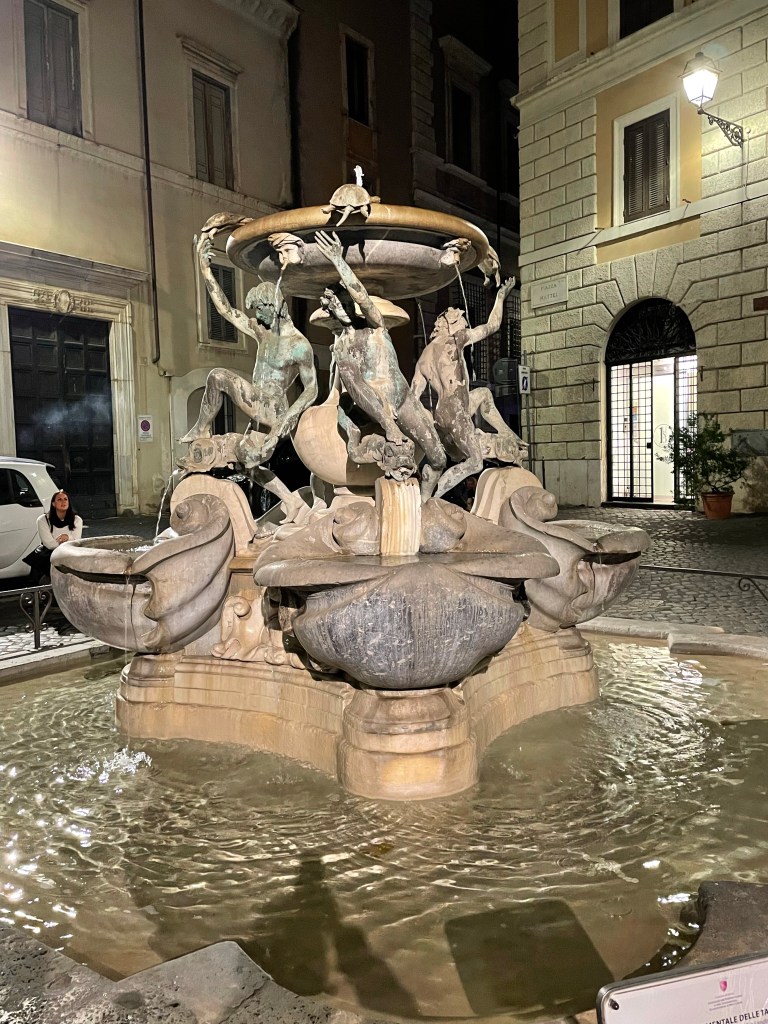
Fonte delle tortugghe in the ghetto

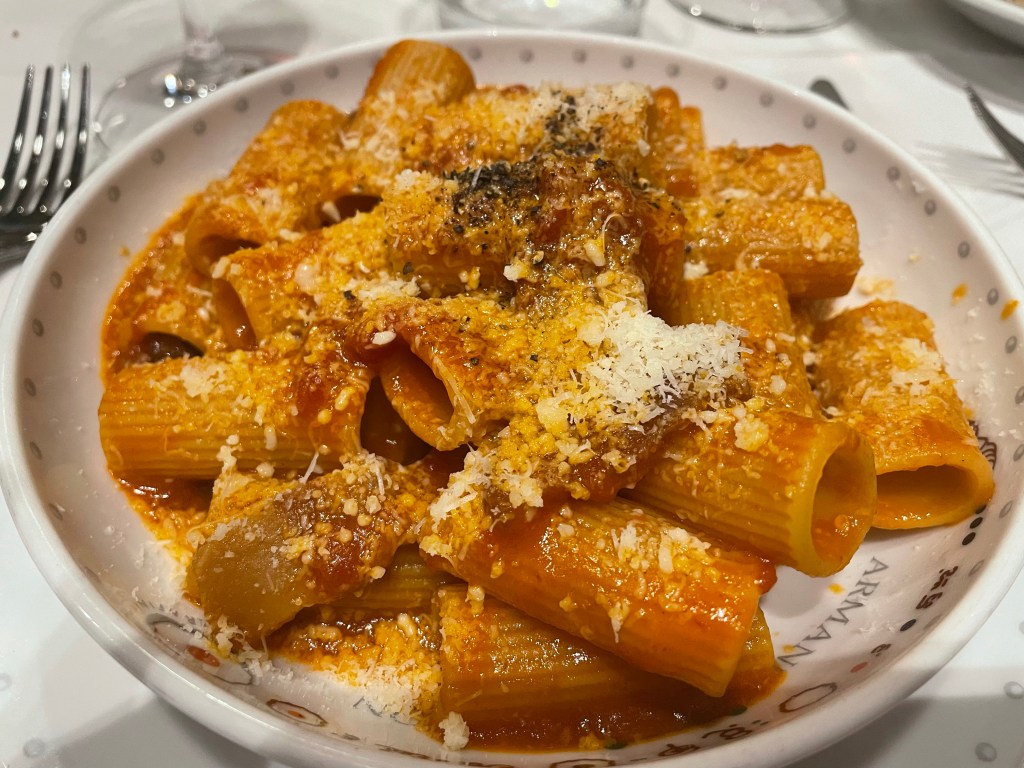
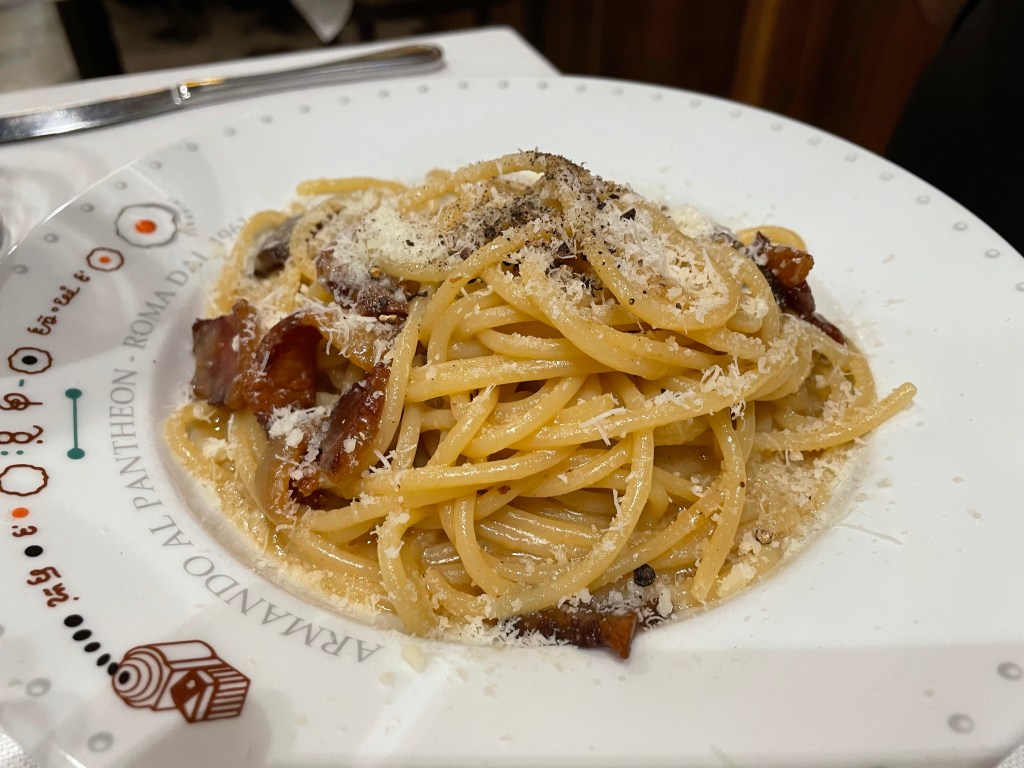
We dined at Armando al Pantheon, a classic Roman trattoria that was recently was featured on Stanley Tucci’s CNN Searching for Italy series.

Rigatoni all’amatriciana
Spaghetti alla gricia

Fully sated with Roman cuisine, the first day of the adventure is complete. Ci vediamo domani!

To Rome……..finally (October 14, 2019)

As I was blogging our monthlong sojourn in Italy, I encountered difficulty uploading photos. I blamed it on a weak WiFi signal at our hotels but I finally realized I had run out of “space” on the WordPress site. So I needed to upgrade to “premium” status to free up more gigs for the photos and text. I am now set, at least for a while, and we’re off and running. Let’s see how much I can remember from almost four months ago.

On October 14, we packed up our belongings into our VW Golf rental car and departed from Ortygia. The weather was gorgeous – brilliant blue sky, cool but comfortable temperature and a light breeze. We were off by 7:15 am, headed to the Catania airport to drop off the rental car, more than enough time to make our 12:15 pm Alitalia flight to Rome. Since it was a Saturday, there was no significant traffic, and we were quite familiar with the route out of Siracusa. As we traveled north towards Catania, Mount Etna, which had been spewing steam and ash for the past week or so, was quite evident in the distance still smoking away. It is not unusual for this active volcano to interfere with flight departures and arrivals at the Catania airport and we were hoping Mama Etna (also known as Mongibello by the Sicilians) would be cooperative today. It was pretty straightforward and efficient returning the car (unlike the ridiculously inefficient process of picking up the car several days prior). Google maps brought us to the right place, and the rental company employee did a cursory inspection and we were off to the terminal, via a sidewalk and through a parking lot, to reach the mayhem of the departures area. Thousands of passengers crowded the terminal, waiting in serpiginous endless queues or staring at the departures board that listed flight after flight as “delayed” or “cancelled “. Mount Etna was being quite belligerent with prevailing winds causing poor visibility around the airport. Our 12:15 flight wasn’t listed yet as we were very early, arriving around 9 am. Since I was unable to check-in on line, we needed to do it at the gate – but WHERE? The lines for the Alitalia gates were a mess (no surprise) and we didn’t know which line to join. Luckily an Australian woman directed me to a kiosk where I could do our check-in. We got into a relatively short line and 90 minutes later reached the desk at 10:30 am, at which point we were informed that we could not check our bags before 11 am! We (as well as the Australian woman who had helped me earlier) were told to step away and to go to the back of the line which was much longer than the line we had joined ninety minutes earlier! There was no way that we were going to go along with that so we stood firm to the side until the clock ticked to the appointed hour and we forcefully approached the desk to check our bags.

By this time, Mount Etna’s effects had dissipated and flights were allowed to depart. Our flight was on time and we got through security with only the minor glitch of losing two jars of pesto trapanese that were inadvertently packed in a carry-on bag. Finally it was time for colazione (breakfast)!

The flight was uneventful, our bags arrived at baggage claim and we grabbed a taxi to the Hotel Smeraldo, my favorite place to stay in Rome. Its location is optimal – in the historic center near the Campo di Fiori, Piazza Navona, and Pantheon, and across the street from an amazing bakery (Antico Forno Roscioli) that sells delicious pizza al taglio ( by the slice) and a gelateria (Fatamorgana) that makes its own gelato with creative as well as conventional ingredients. The desk staff is amazing and the breakfast is scrumptious and their pastries are brought in from the bakery across the street.

After setting in, we strolled around the aforementioned tourist sites. A stop at the Chiesa di San Luigi Francesi (Church of St. Louis of the French) to see the Caravaggio paintings was a must-see.

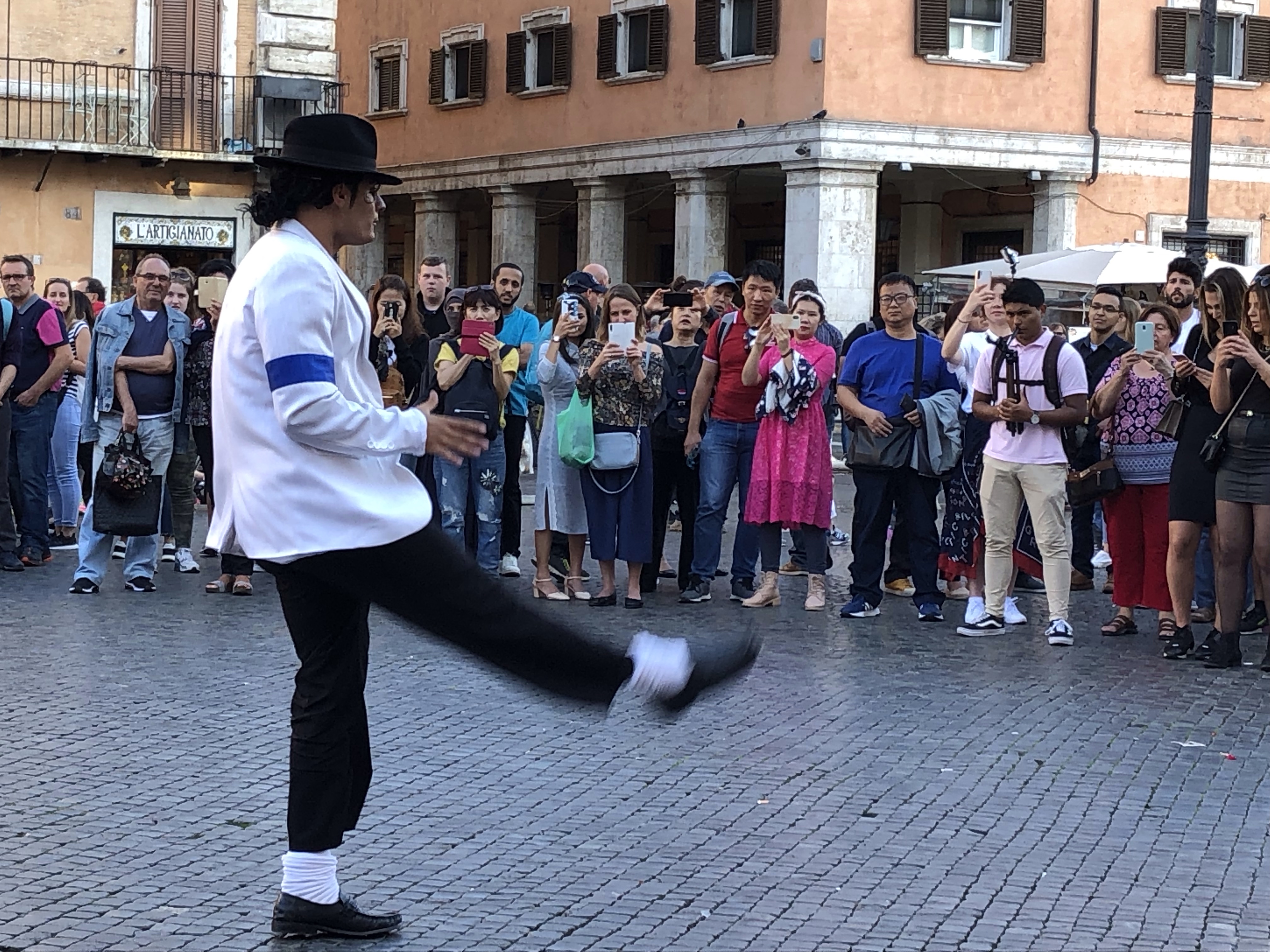
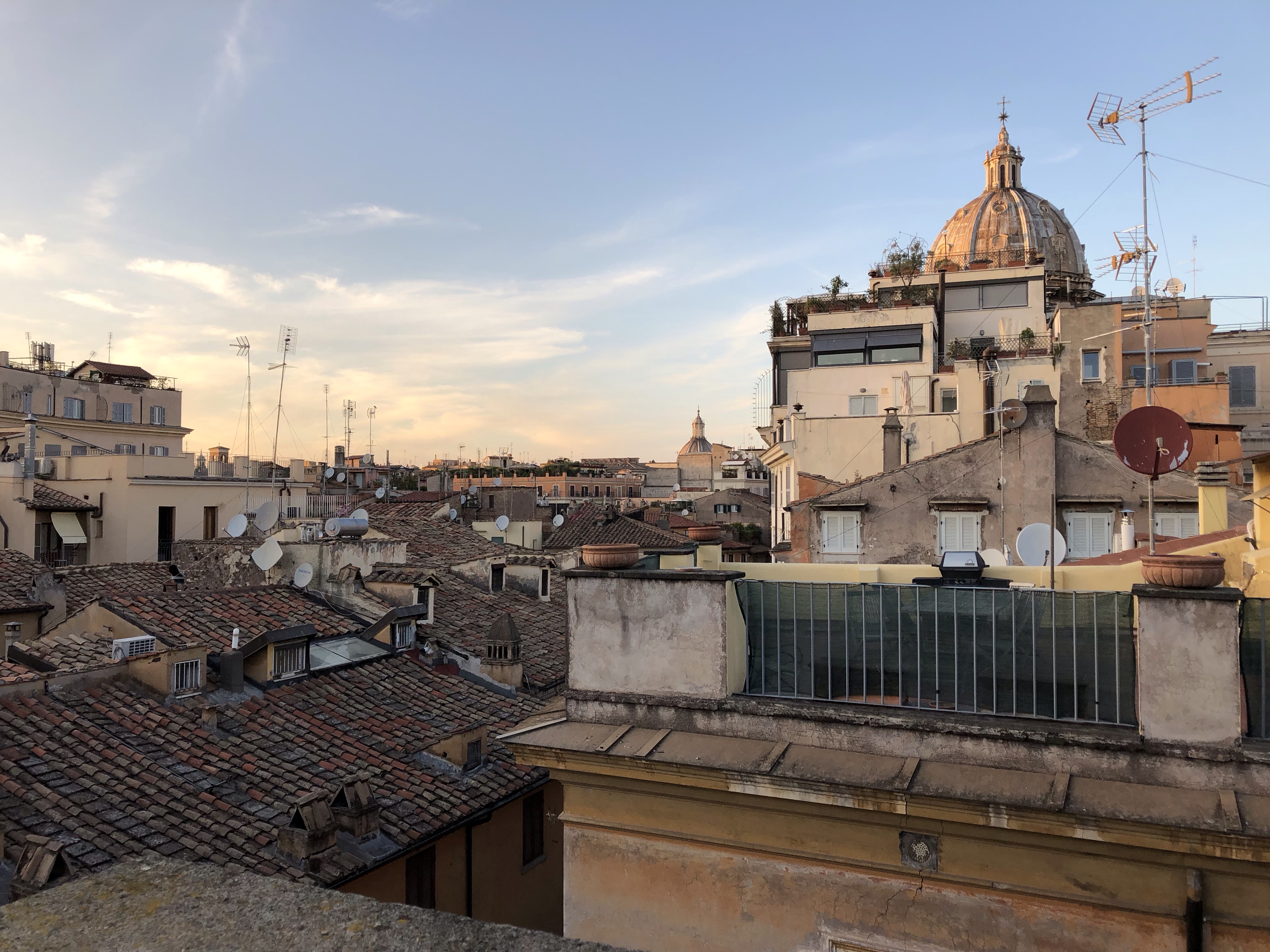
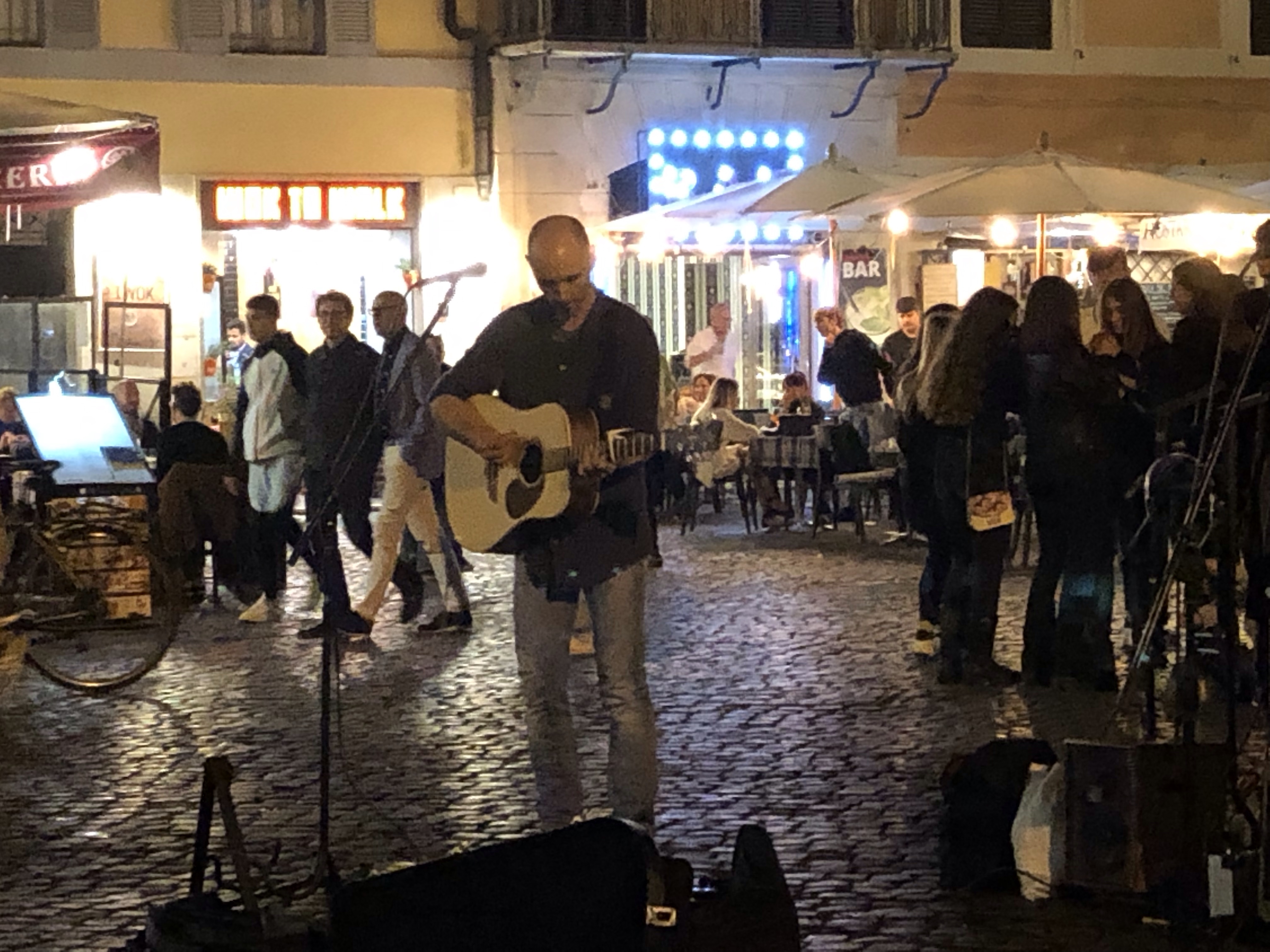
After the passeggiata where we discovered that Michael Jackson was alive and dancing on the Piazza Navona and chestnuts were roasting on open fires , we ventured up to the rooftop bar at the hotel for an Aperol spritz and a view of the Roman skyline.

Dinner was at La Ciambella, near the Pantheon, an upscale restaurant that was mentioned in the New York Times. A nighttime stroll completed our first day back in Rome.

Mirabella Imbaccari- La Città del Tombolo

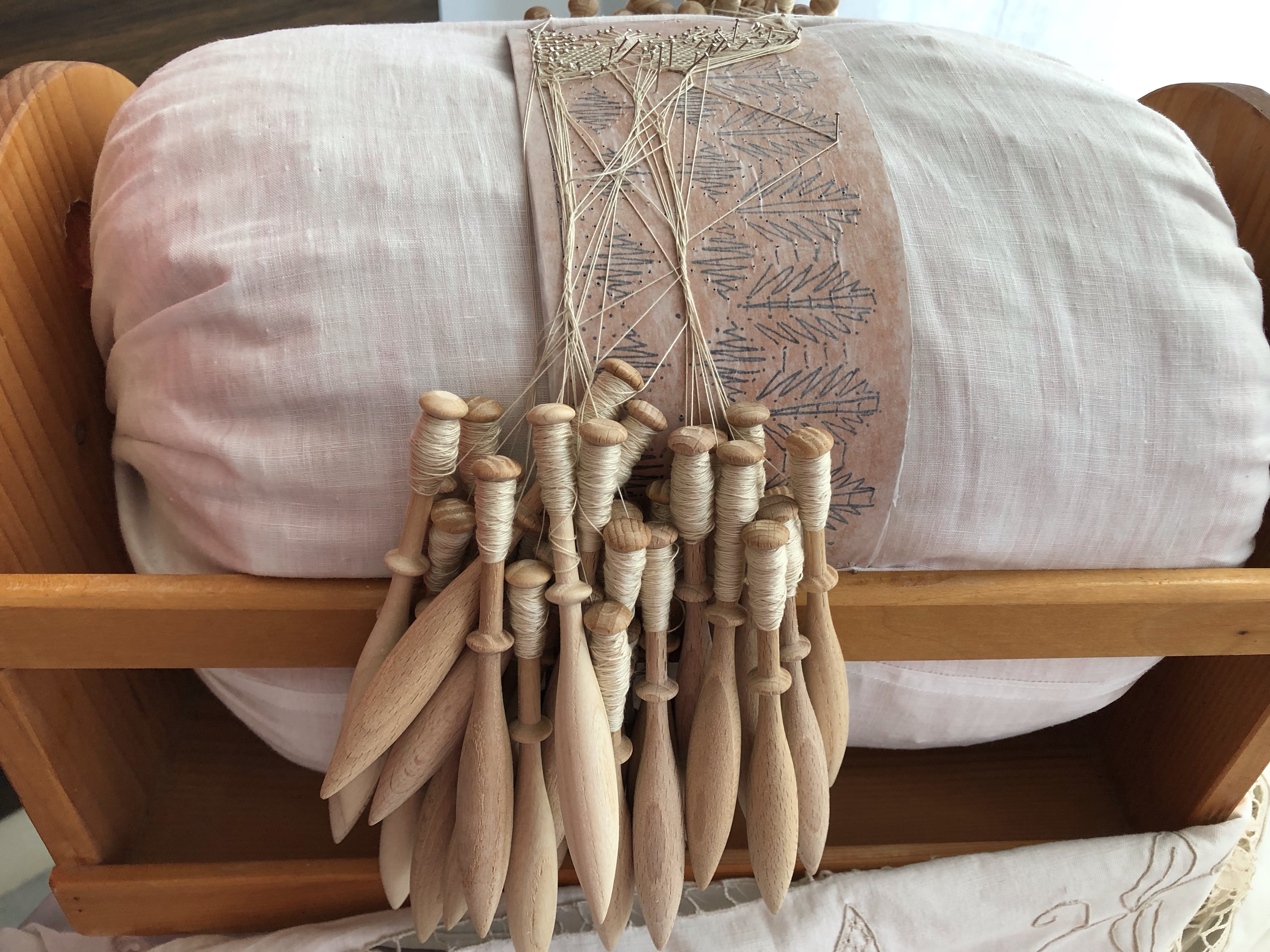
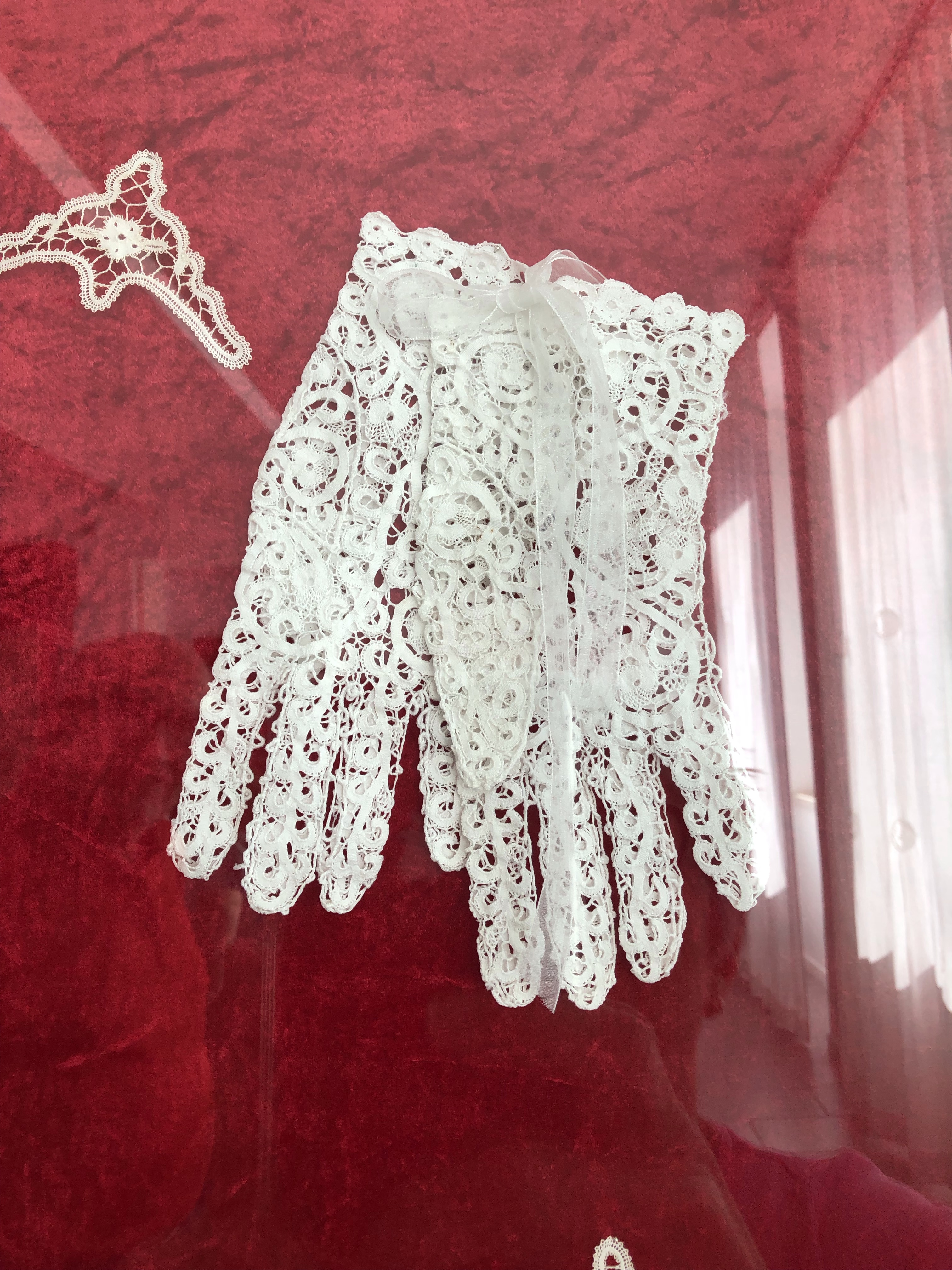
Mirabella Imbaccari is a town of less than 5,000 inhabitants, located in central Sicily, about ninety minutes from Catania and slightly less than two hours from Siracusa. It is known as the “City of Pillow Lace,” a dying art of making lace using a pattern, pins, thread and a pillow on which the lace is made. It was practiced by girls and unmarried young women who were taught by the nuns (Sisters Dorotea) and produced intricate table linens, pillow cases, bed linens and clothing trimmed with handmade lace. A museum displaying rooms full of these items opened several years ago.

While this museum is an interesting place to visit, the main reason to venture into this neglected part of Sicily was to visit a cousin I hadn’t seen for over 30 years.
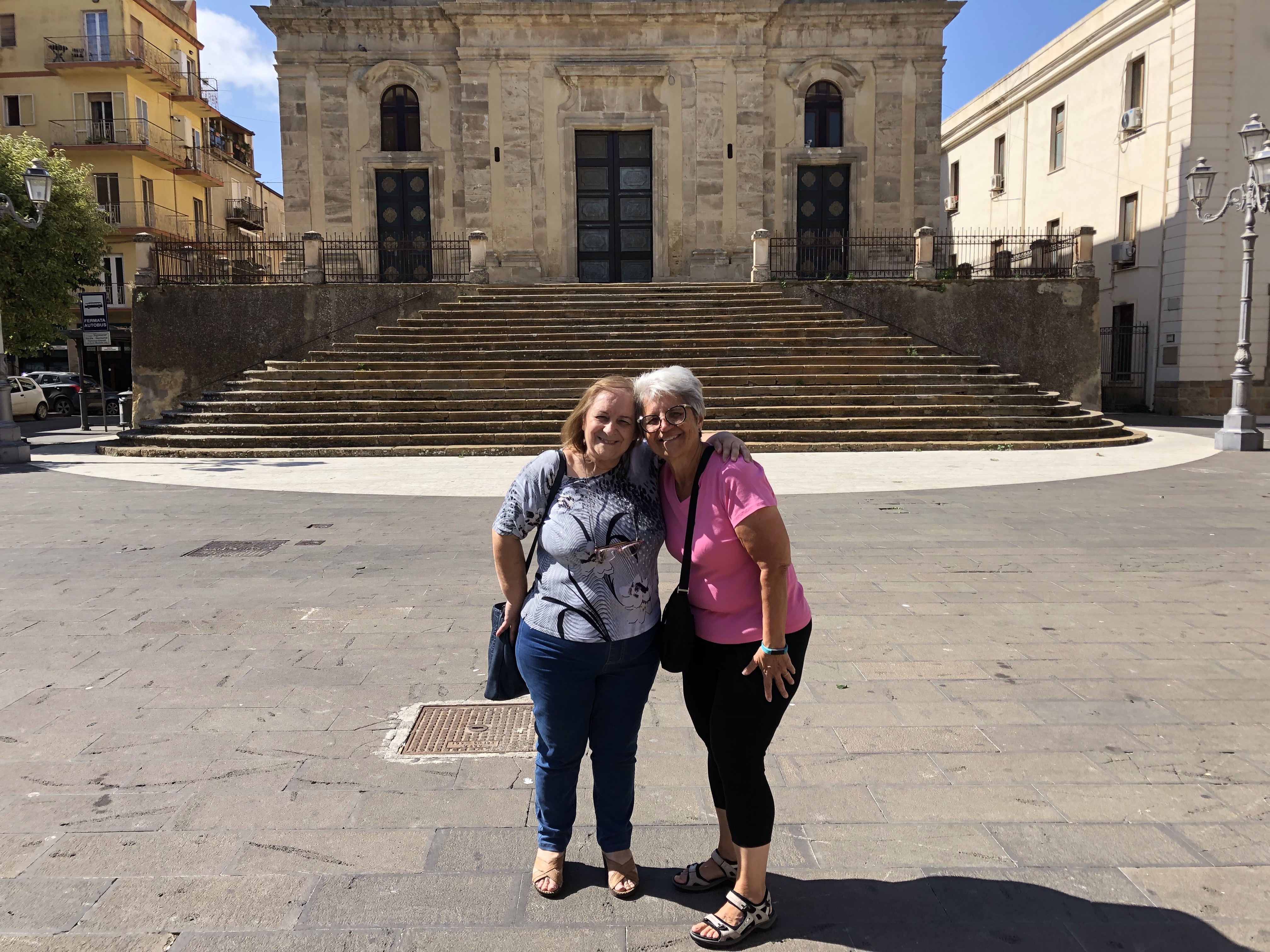
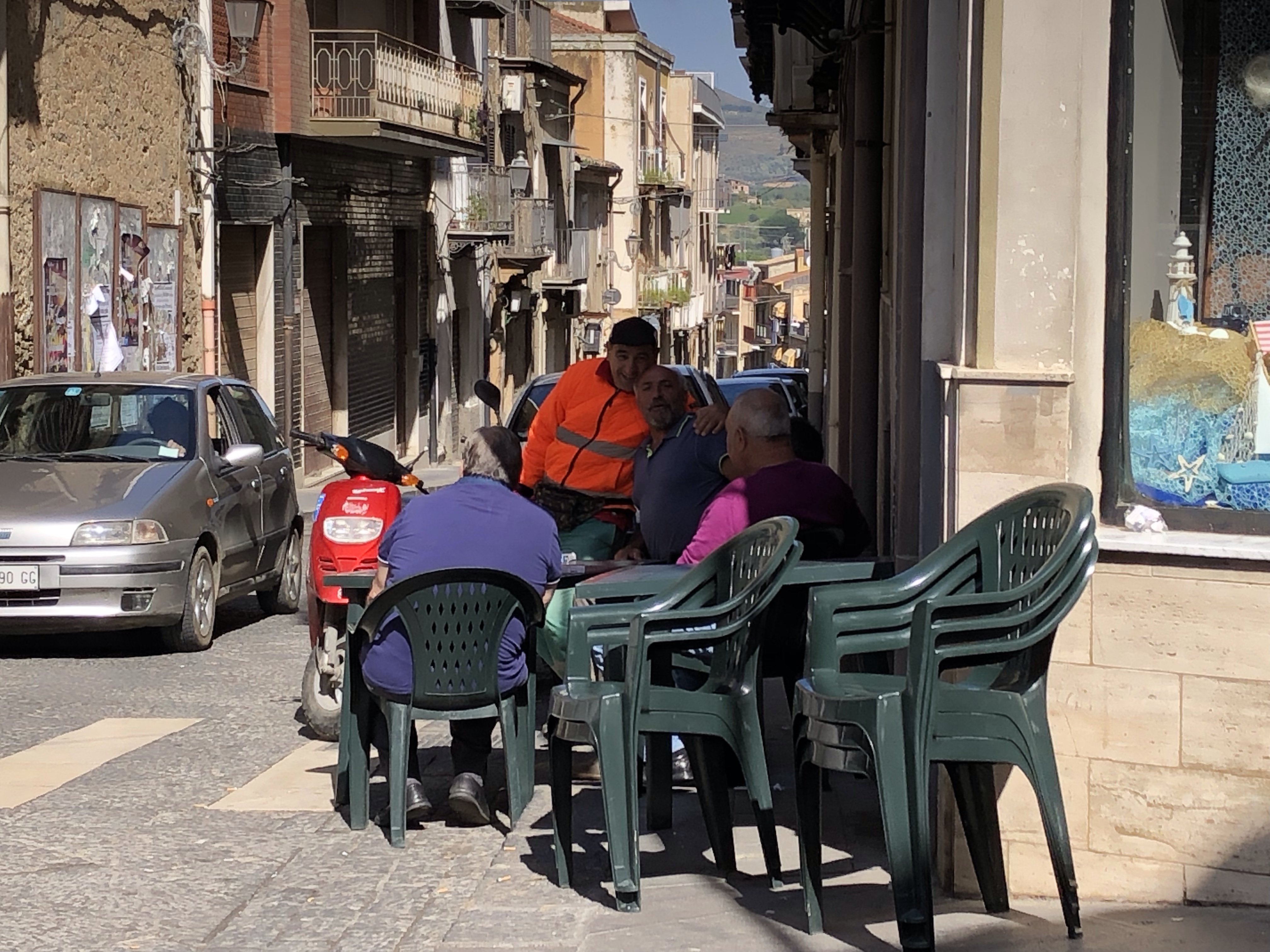
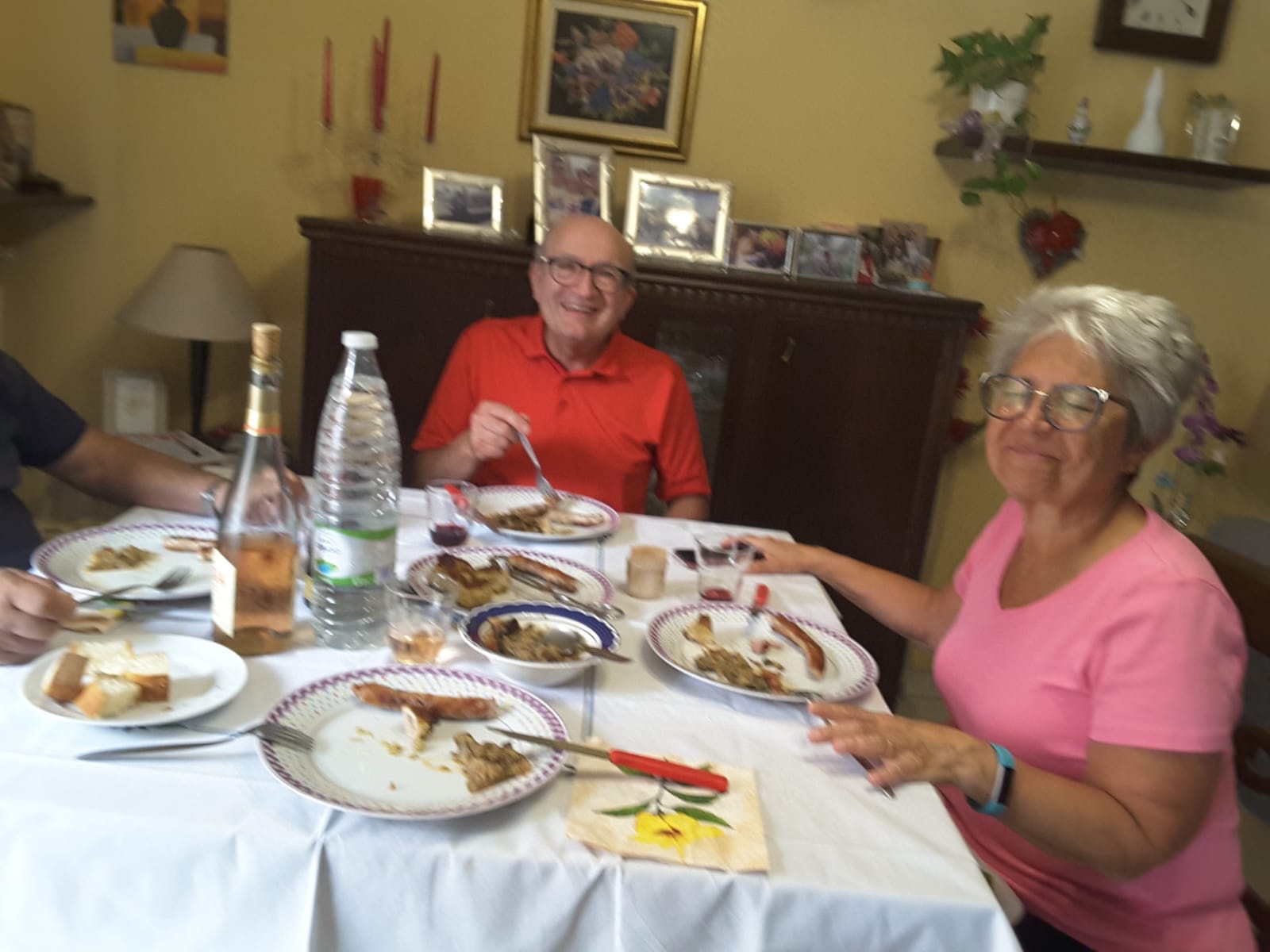
The route recommended by Google maps was a bit unnerving, taking us through agricultural fields and citrus groves, down pot-hole ridden country roads used primarily by farm vehicles. Once we passed Caltagirone, the closest “city”, known for its ceramics, it was a winding uphill climb to Mirabella. The town looked pretty much the same as twenty years ago, the last time I was there. A closed street without a designated detour caused us to get stuck in narrow dead end streets, but we eventually found our way to via Roma, where we met up with my cousin Paola. It was as if thirty years had not gone by as we hugged and reminisced about the events of the past. She gave us a short walking tour of the town, including a visit to the aforementioned lace museum. Then she prepared for us a lunch of fresh ricotta, local cheeses and salami, fresh ravioli with prosciutto, peas and cream, caponata, Sicilian sausage, involtini with pistacchio and fresh fruit (persimmons) for dessert. Her son and his family also came by to visit. We had to leave by 5ish as we needed to get back to Ortigia to pack for our trip back to Rome. Paola and her husband will be coming to the USA (Colorado Springs) for three months to visit with her other son and hopefully we will see them!

We got back by 6:30 and met up with Christina and Giuseppe for one last time, for aperitifs and conversation. It has been quite a Sicilian adventure!
Jewels of Southeastern Sicily is

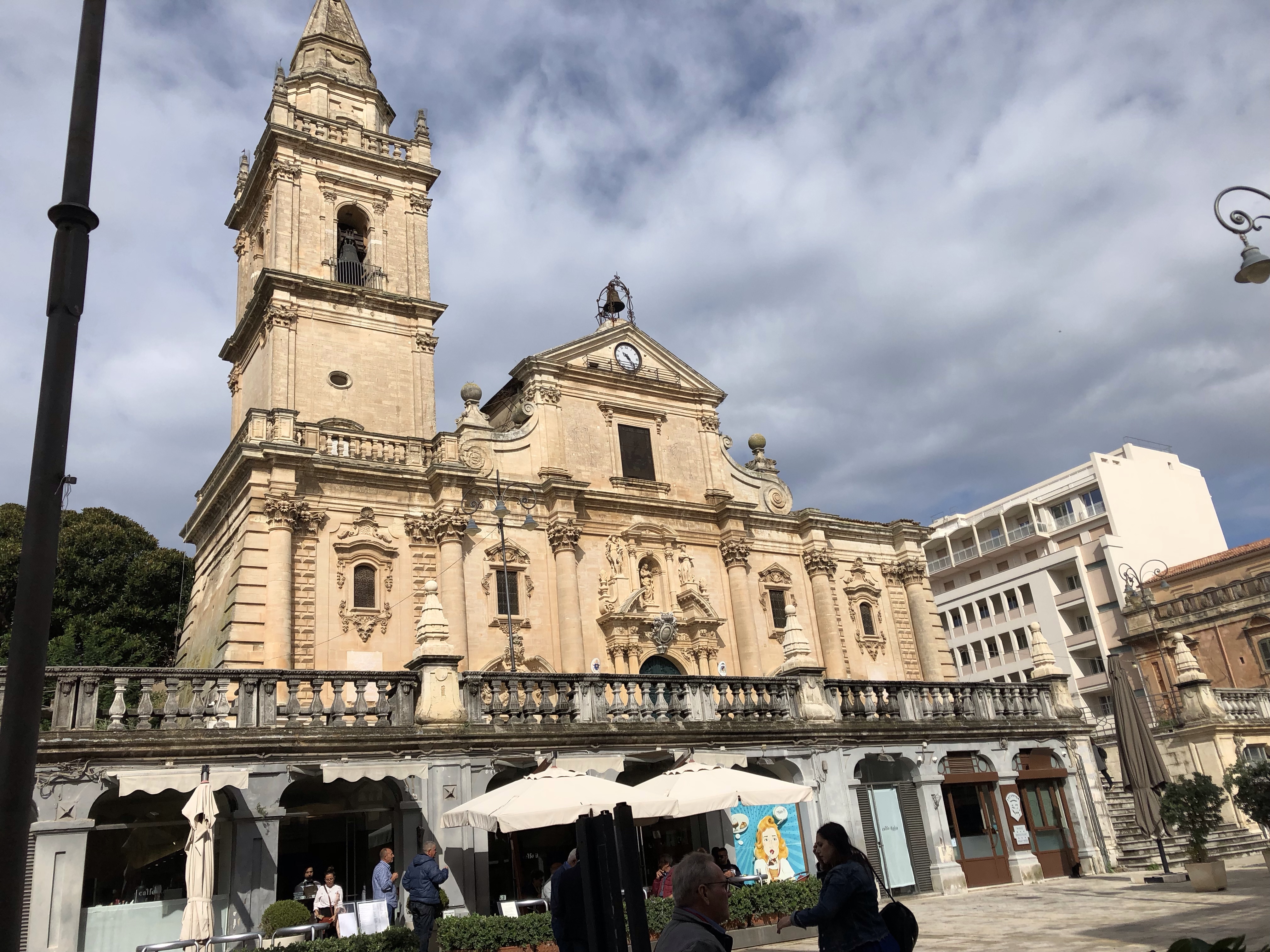
Our adventure continues with Alessandro. We met him this morning in Ragusa Superiore, the “new” half of the city which was built following the earthquake of 1693 that devastated this part of Sicily. After the quake, the nouveau riche ( that made its fortune as merchants) decided to relocate to the other side of the tracks ( or gorge, in this case!), with the city planners using the same template as was used in Noto, with a grid arrangement of streets and wider corsi (avenues), whereas the “common people” remained and rebuilt the old city, known as Ragusa Ibla. The labyrinth of narrow and winding streets with many steps climbing through the city remains and preserves the charm of this ancient but rebuilt place. Until the mid- 1920s, they remained as separate cities with independent governments until the fascist era when one of Mussolini’s top deputies wanted to join the two cities as one. The main church in Ragusa Superiore is dedicated to St.John the Baptist and overlooks the main piazza, where a large public market once took place. Its characteristic feature is the presence of two sundials on the facade, one utilizing traditional means of keeping time and the other using the Sicilian method that displays hours of remaining sunlight rather than the time. As Ragusa was pro-fascist, evidence of building projects are evident throughout Ragusa Superiore.

We wound our way down and across the gorge to Ragusa Ibla, passing the home of a recently deceased elderly gentleman who sat outside his home greeting people walking to Ragusa Ibla.

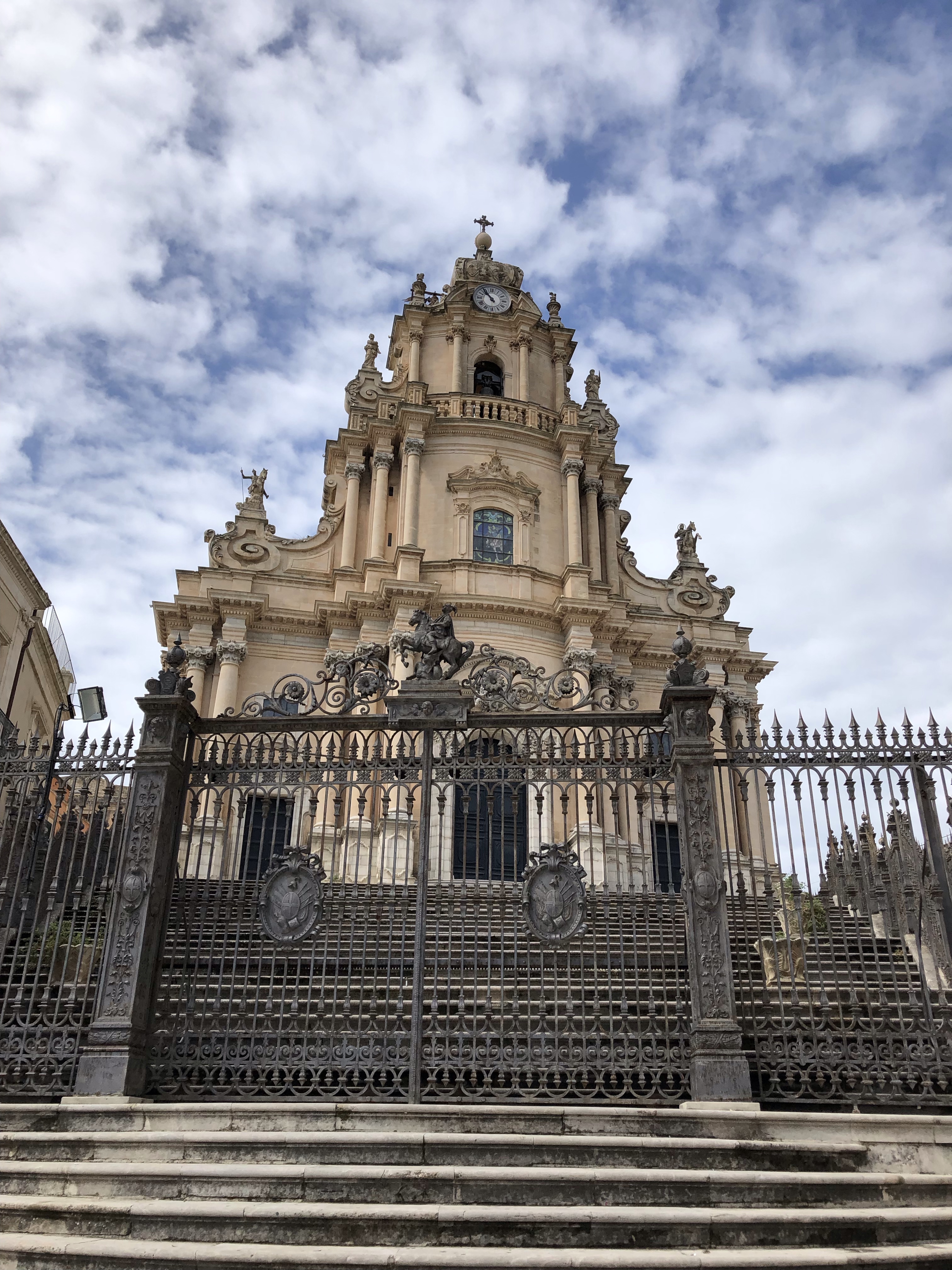
Ragusa Ibla is now predominantly a tourist attraction, with B&Bs, restaurants and shops and few residents. The Church of St. George is the most important in the city and dominates the main piazza. It is a bit off-kilter- not lined up because the piazza was constructed after the church.

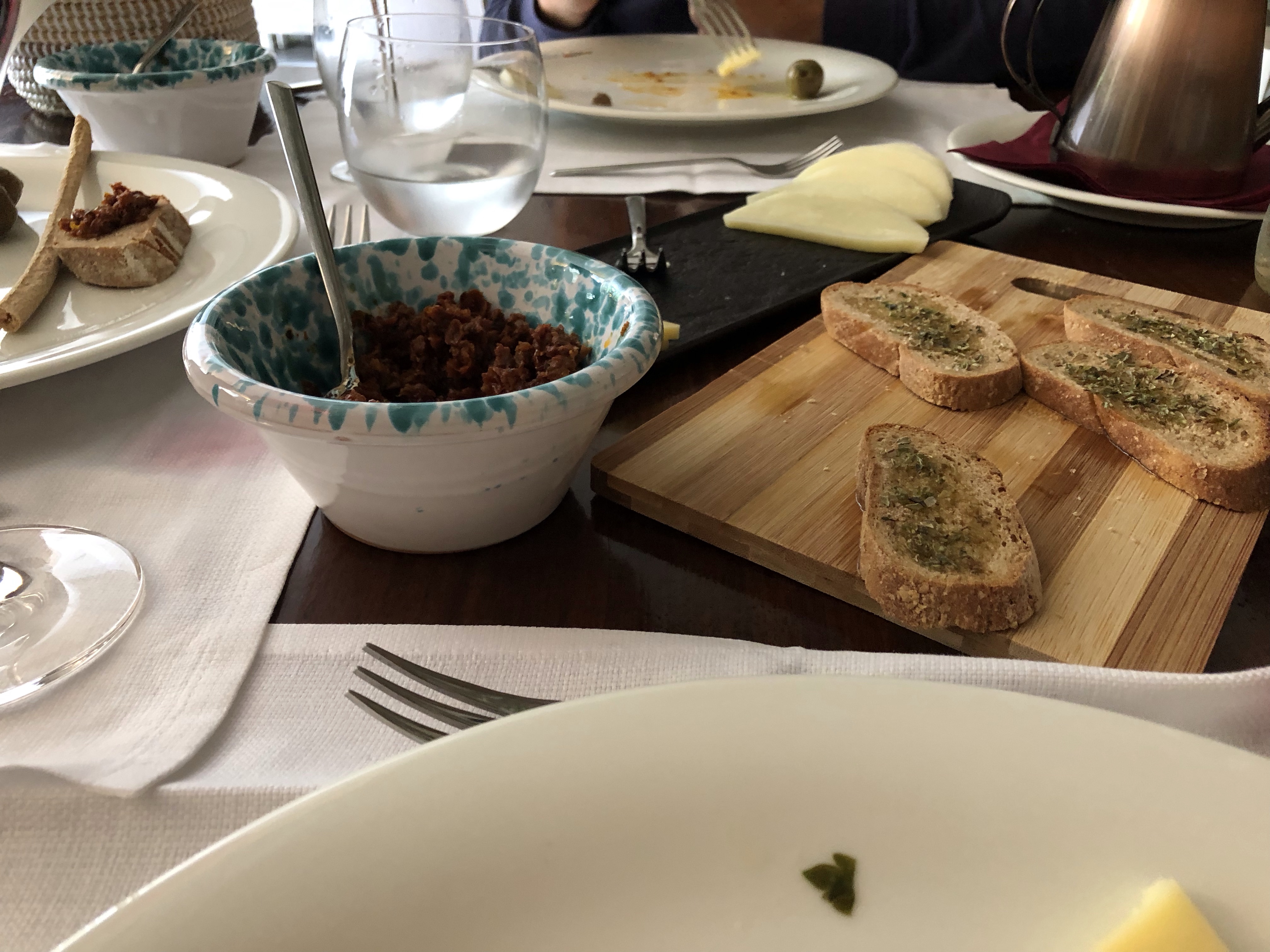
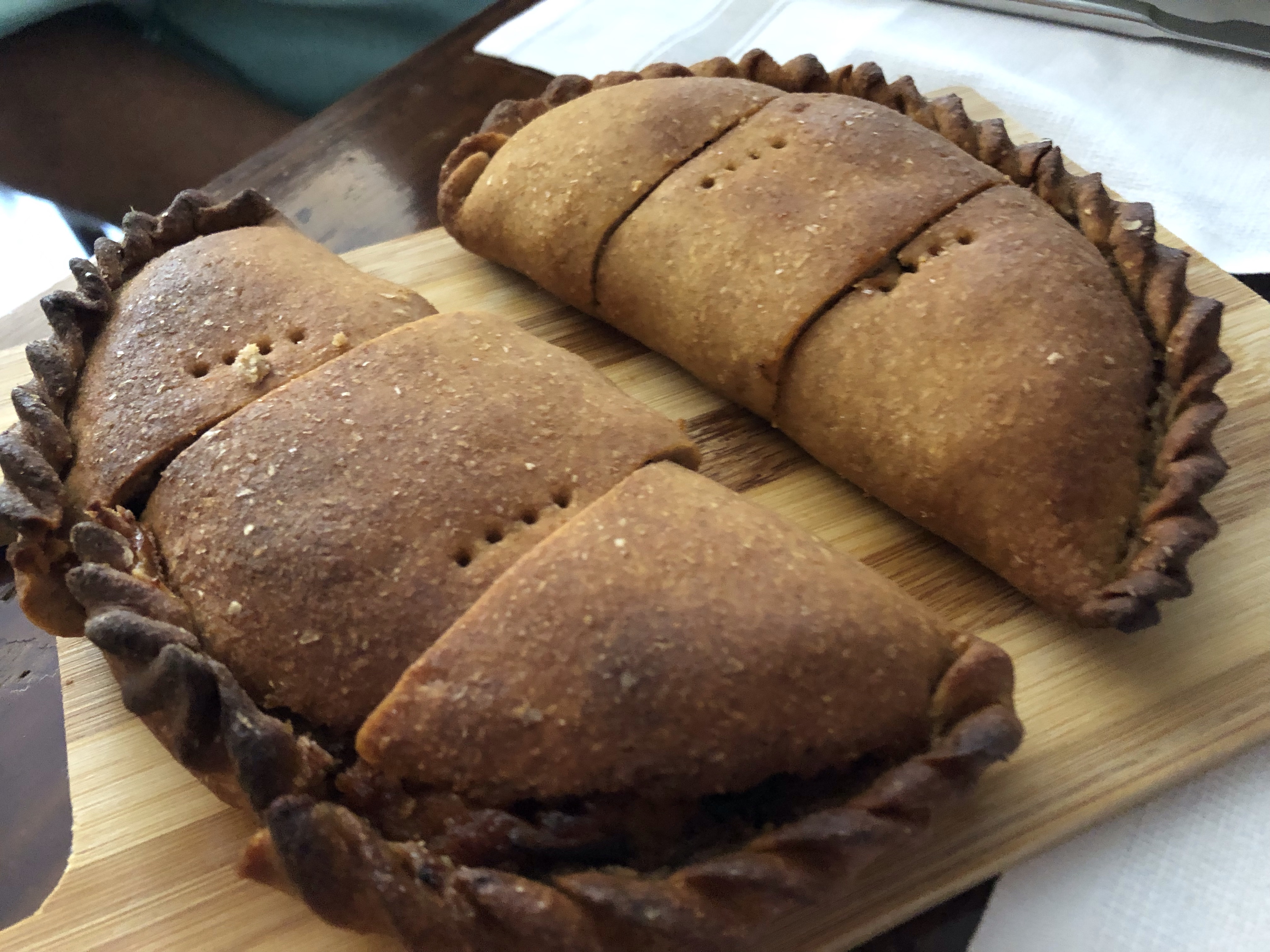
We left Ragusa Ibla for our lunch at a water mill that still makes flour from ancient grains. It is the only remaining and functional water mill on the river and it runs entirely on water power. After a demo on how the mill works, we enjoyed a grain-centric lunch with different kinds of bread, bruschetta, cheeses, sun dried tomato pesto, a scaccia ( looks like an empanada), frittata and a small muffin for dessert.

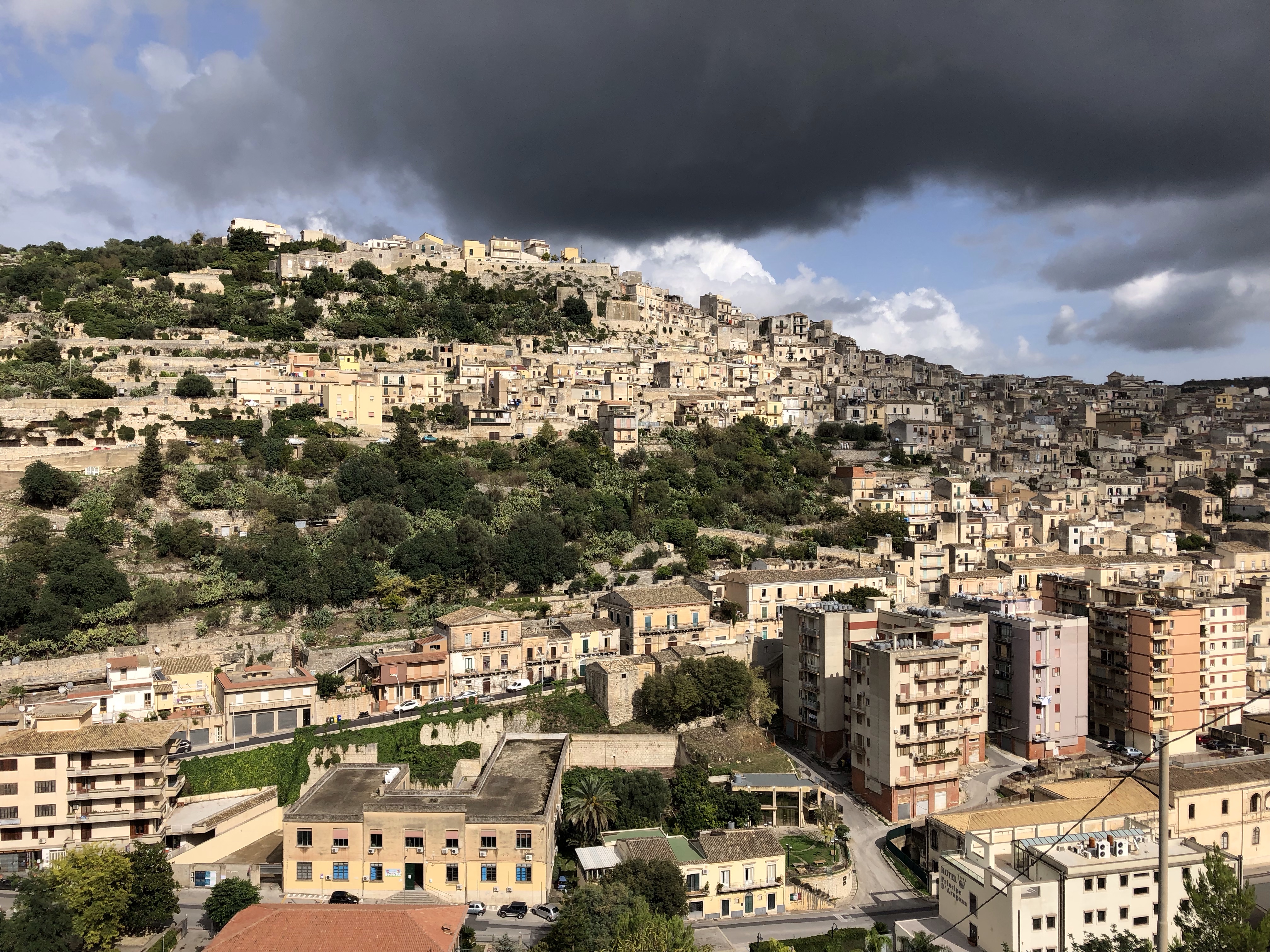
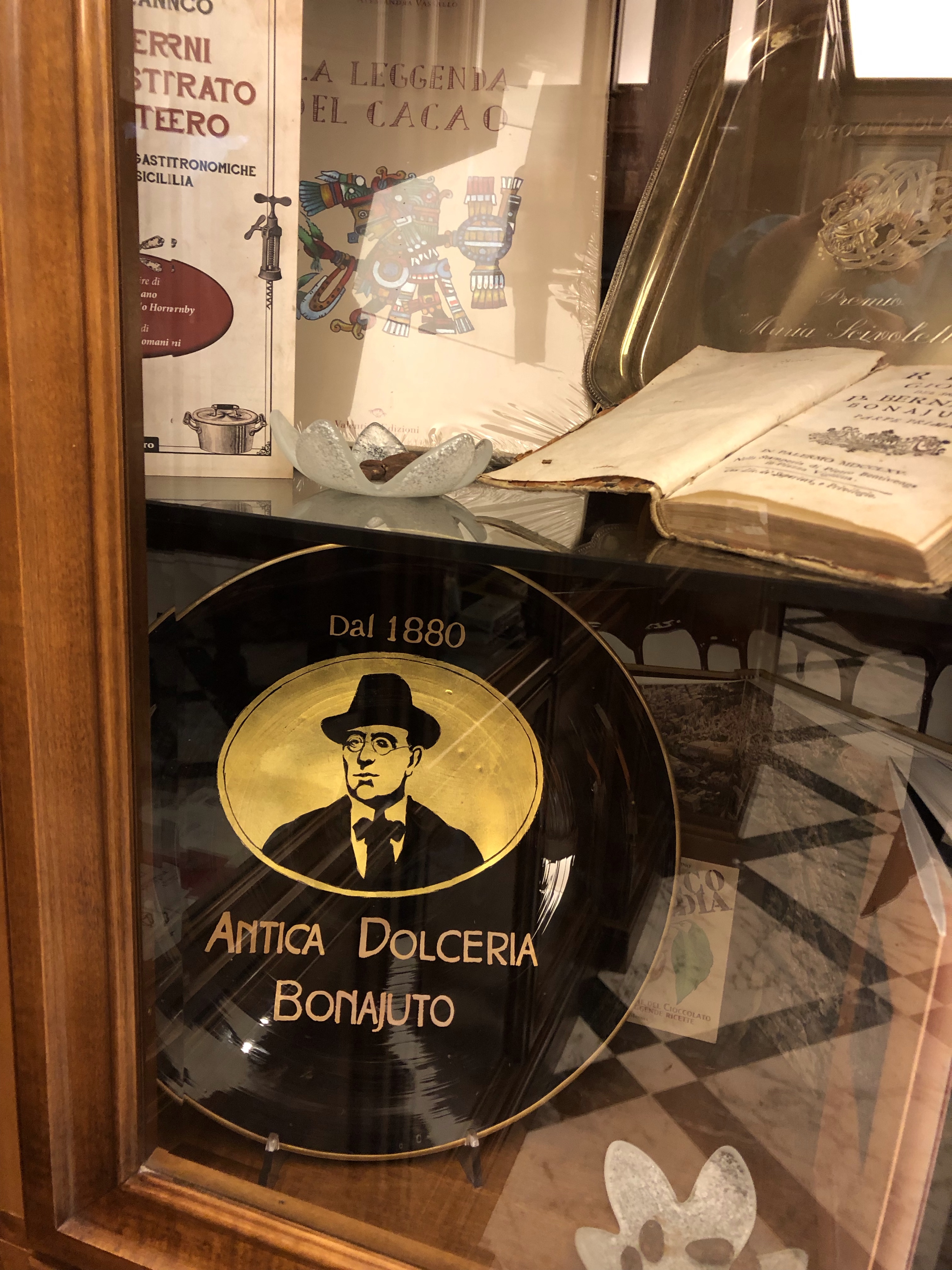
The next destination was Modica, an adjacent town also flanked by rivers and gorges. As we arrived, a huge and very dark cloud hung over the city. We parked our car way up on a nearby hill with a panoramic ire of the city. We walked down to the town, traveling narrow cobblestone streets that had steps. Just as we reached the bottom (and the town), huge raindrops began to fall, soon deteriorating into a torrential rainstorm. We ducked into a building courtyard as the streets became raging torrents. Tables, chairs, trash cans and garbage and even a tree were carried down the street. The rain finally stopped after an hour and the waters rapidly receded. We were able to sneak in a visit to the oldest pastry shop and the best chocolate shop and made a few purchases in addition to tasting chocolates and pastry samples.

We left Modica around 6 pm, hitting quite a bit of traffic. Too tired to do much else,we had an aperitif and the inadvertently bumped into Christina and Giuseppe who were having dinner.

We called it an evening and headed back by 10 pm.

RagusaWater mill and lunchModica

Chance encounter with Christina

Busy days, weak WiFi and no blog posts

I’m woefully behind in posting for several reasons. We have been traveling around like crazy, getting back late (and tired) and I am apparently unable to post photos, because I have apparently run out of space on the WordPress site (now finally remedied as I have purchased more space!).

So, let’s see what I can recall from the past three days!

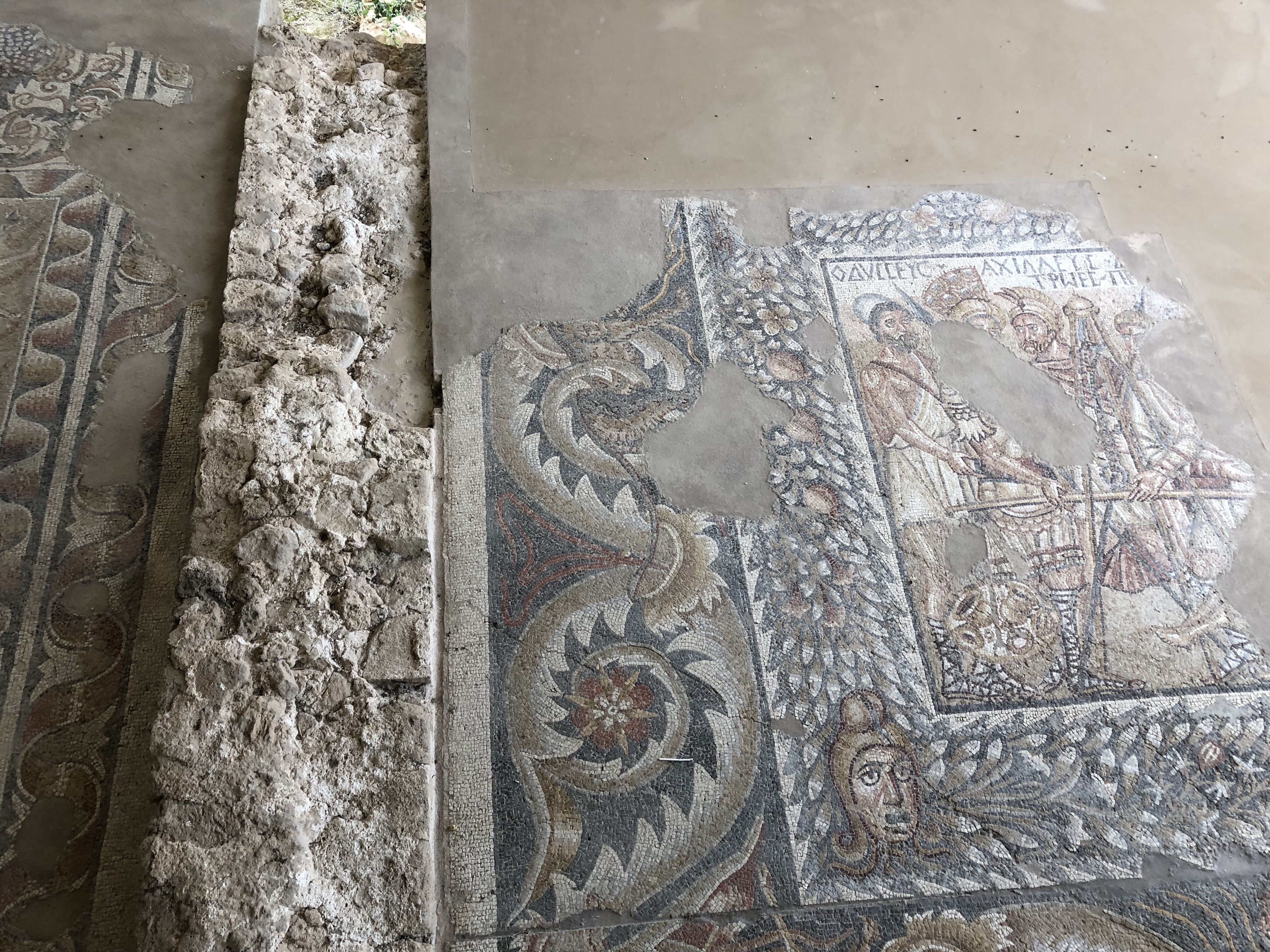
On October 9, we drove to Tellaro to meet our private guide, Alessandro Rustico from Uncovered Sicily. We met at the Roman villa, a mini- version of the Villa Romana Casale in Piazza Armerina. The remnants of this villa are much smaller, with foundations and the remnants of mosaic floors in three room and a corridor. The villa was owned by a Roman senator (rather than an emperor like the other one) and was built in the 3rd century AD in valley of Noto. The area was important for the cultivation of wheat. Alessandro has a dynamic personality and really brought to life the historic and archeological significance of what we were seeing.

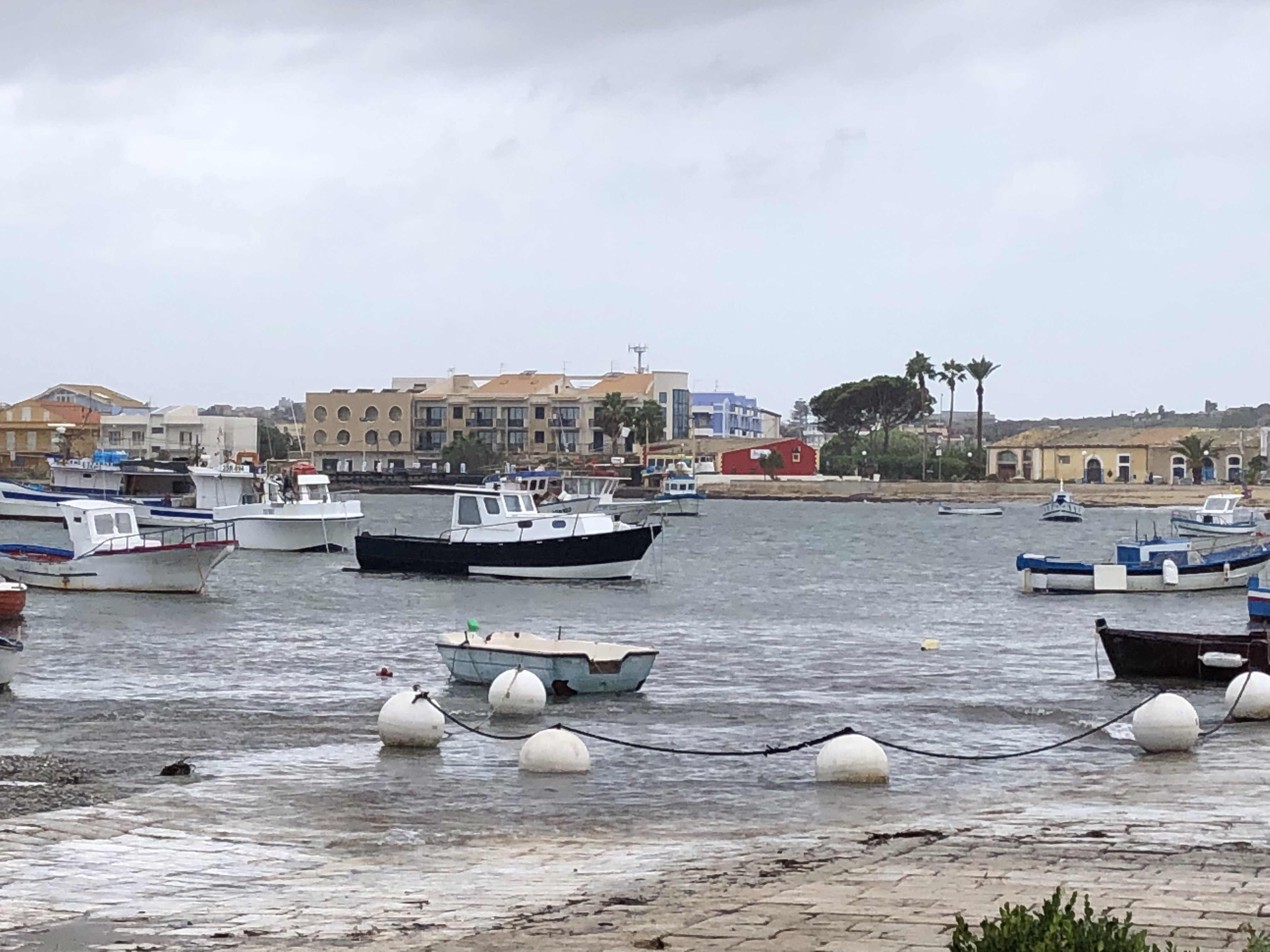
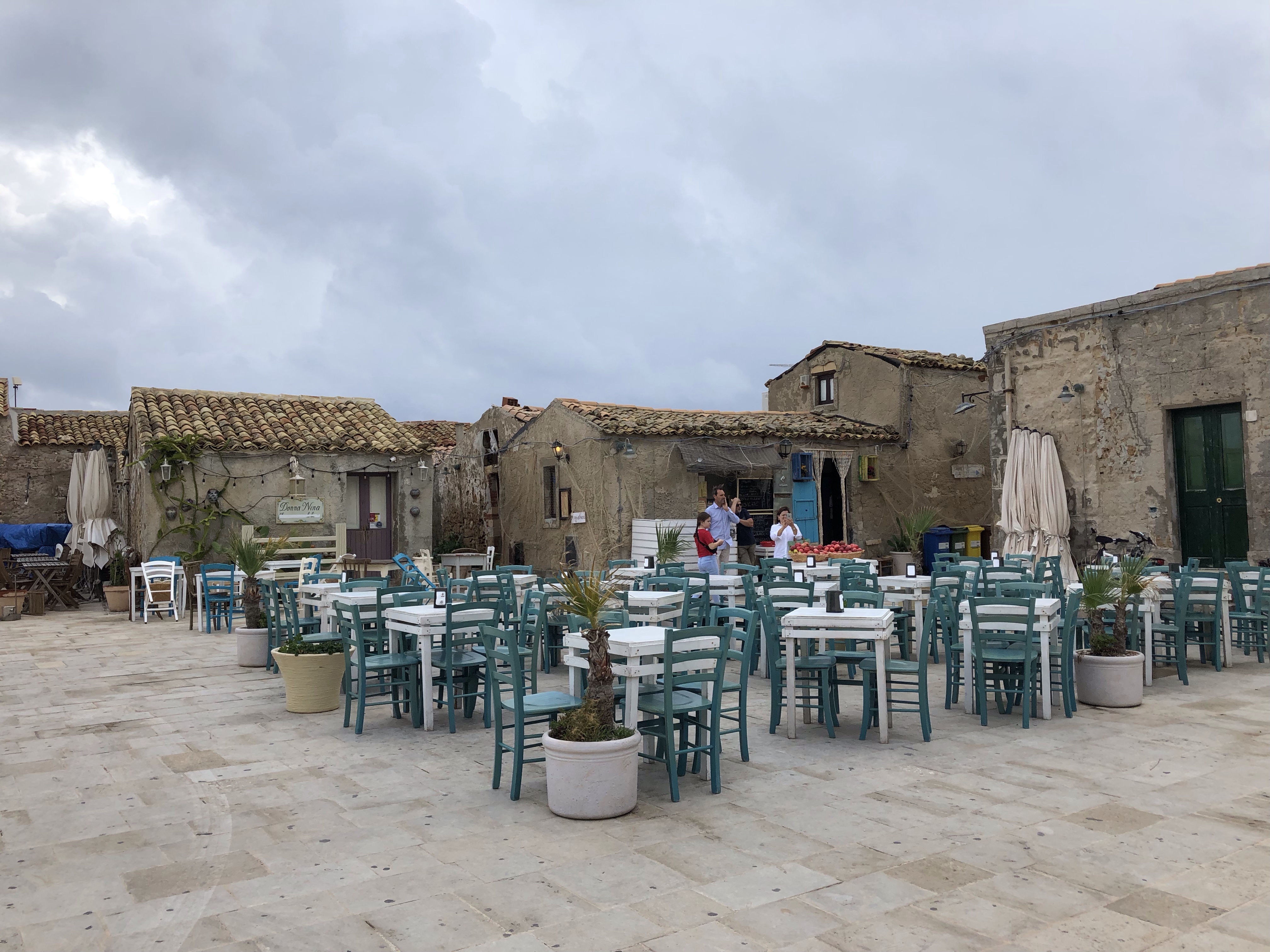
Next we drove to the fishing village of Marzamemi, once an important site of tuna fishing and procession the southeastern coast of Sicily. (The other area for tuna was on the northwest coast where the tuna had a higher fat content because they hadn’t yet gone out to breed/spawn.) The village no longer has a tuna processing plant and the modest homes of the fishermen have been converted to shops and restaurants. It was a blustery and overcast day and the village did not have many visitors nor were many of the shops open. We got caught in a brief cloudburst but luckily we brought umbrellas!

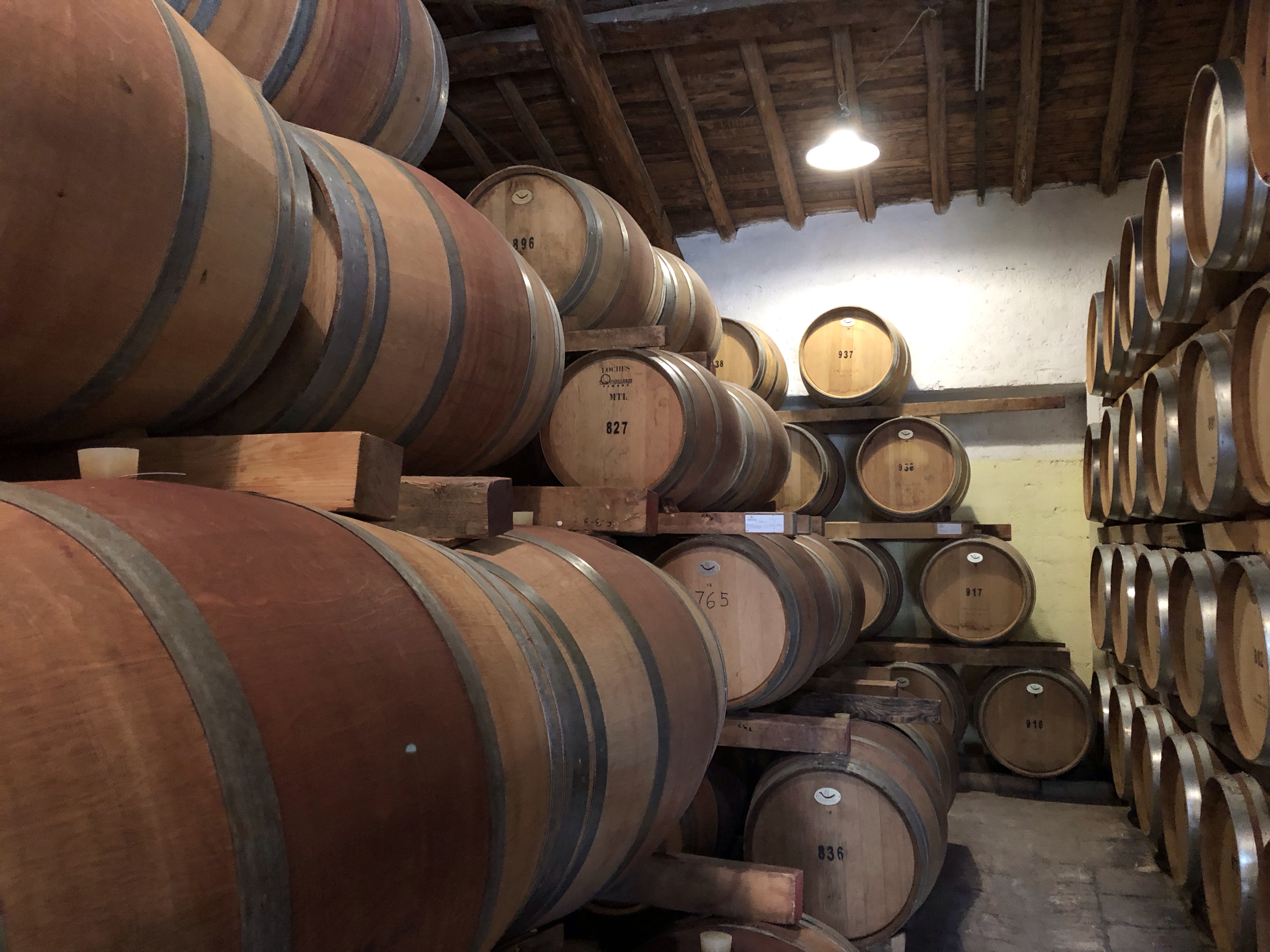
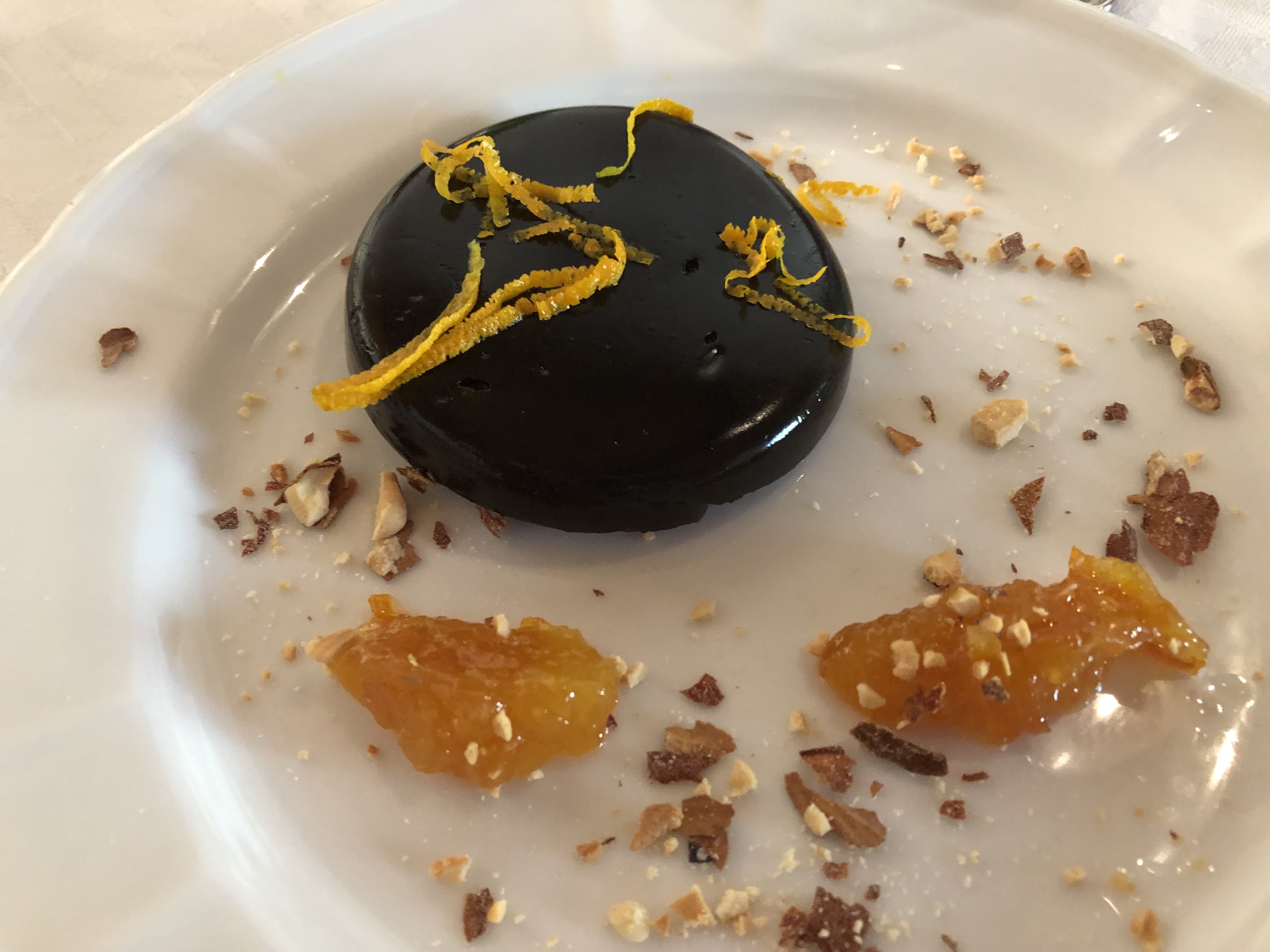
The next stop was a visit to the Zisola vineyard where we learned a bit about winemaking in the region. We had a vegetable- based lunch, with zucca (pumpkin), eggplant, onion frittata, cheeses, pasta alla Norma, olives, and a dessert made with grape must (leftover skins from the grape pressing. It had a gelatinous consistency and was not particularly sweet!

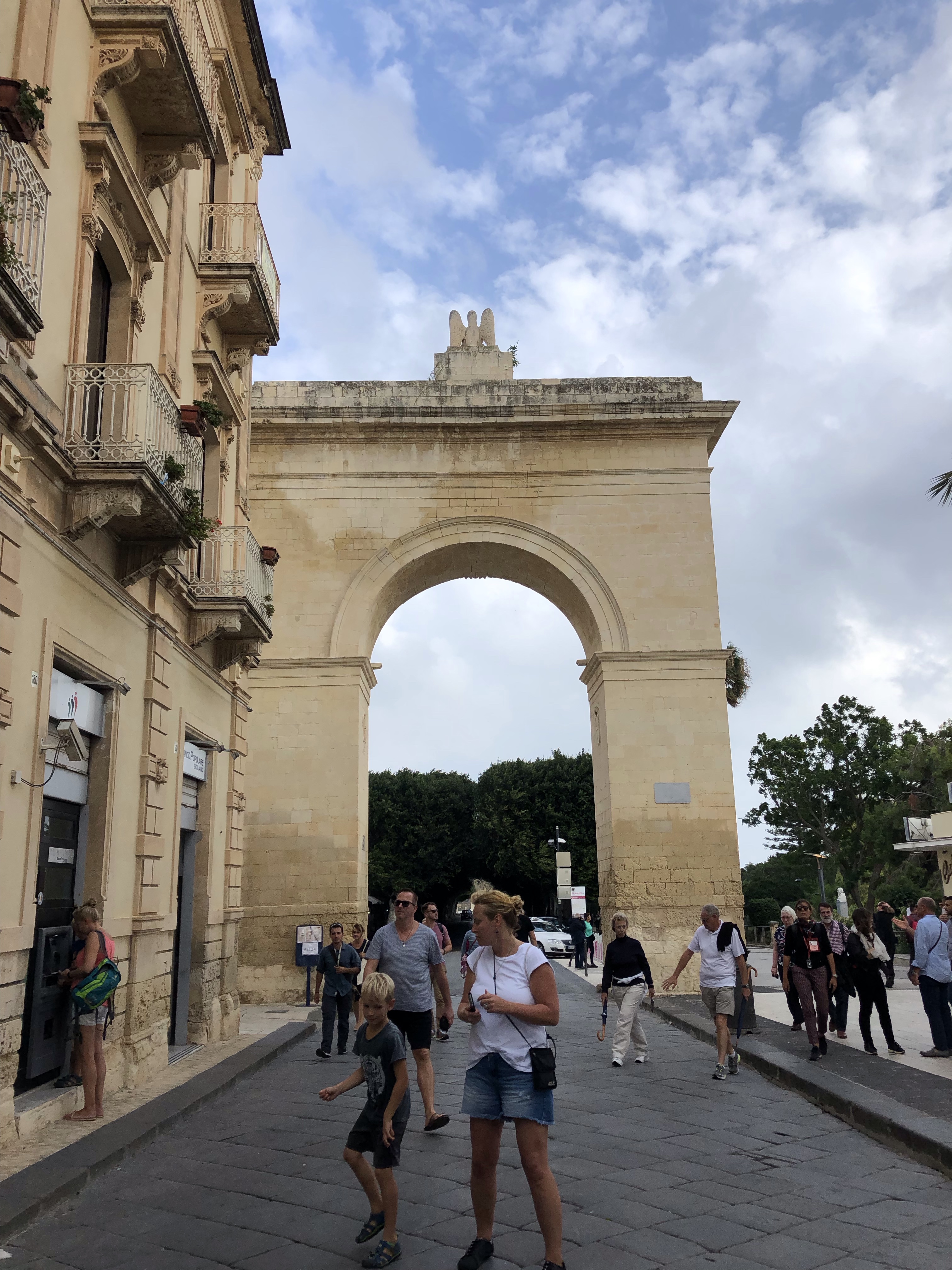
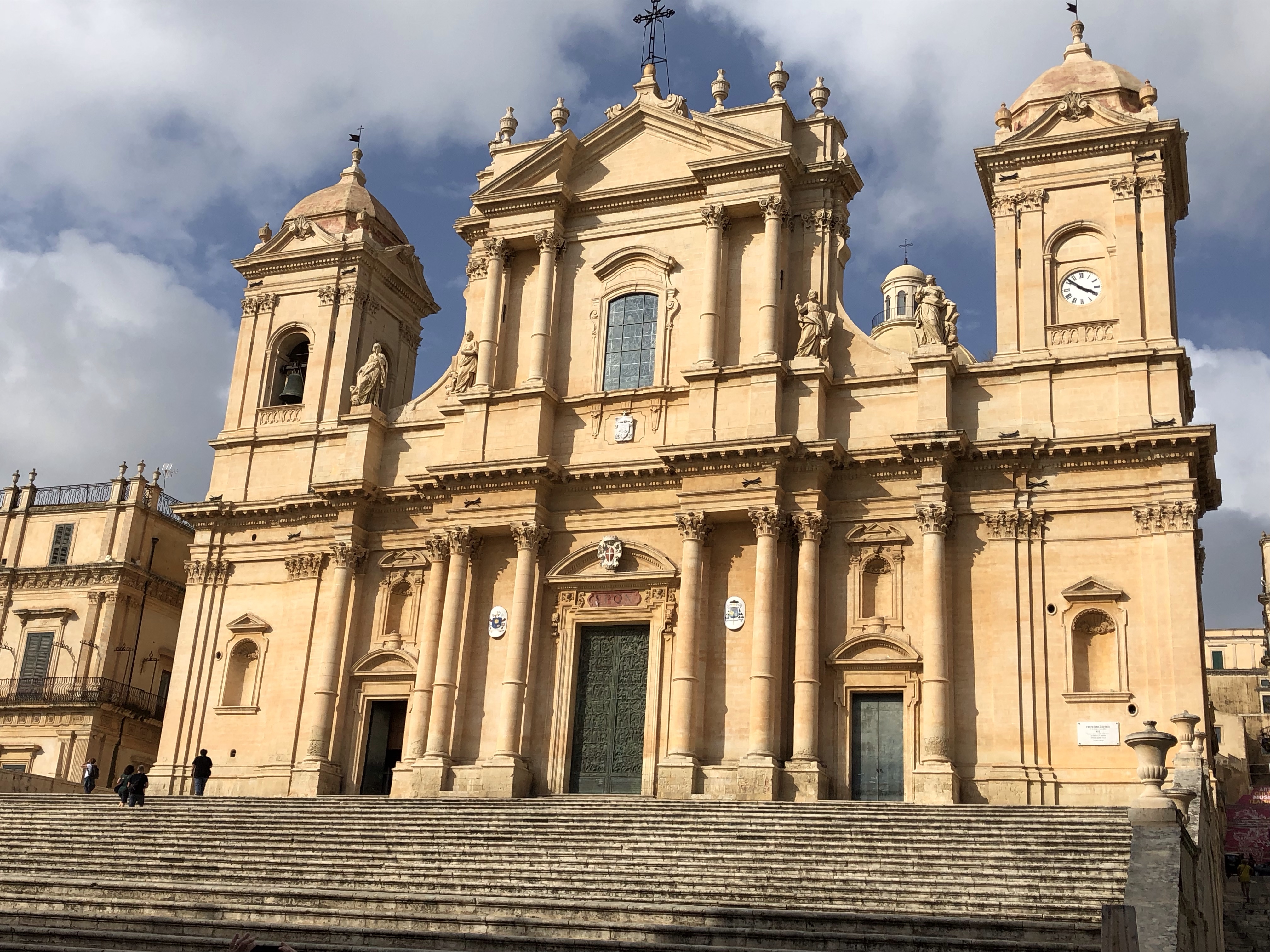
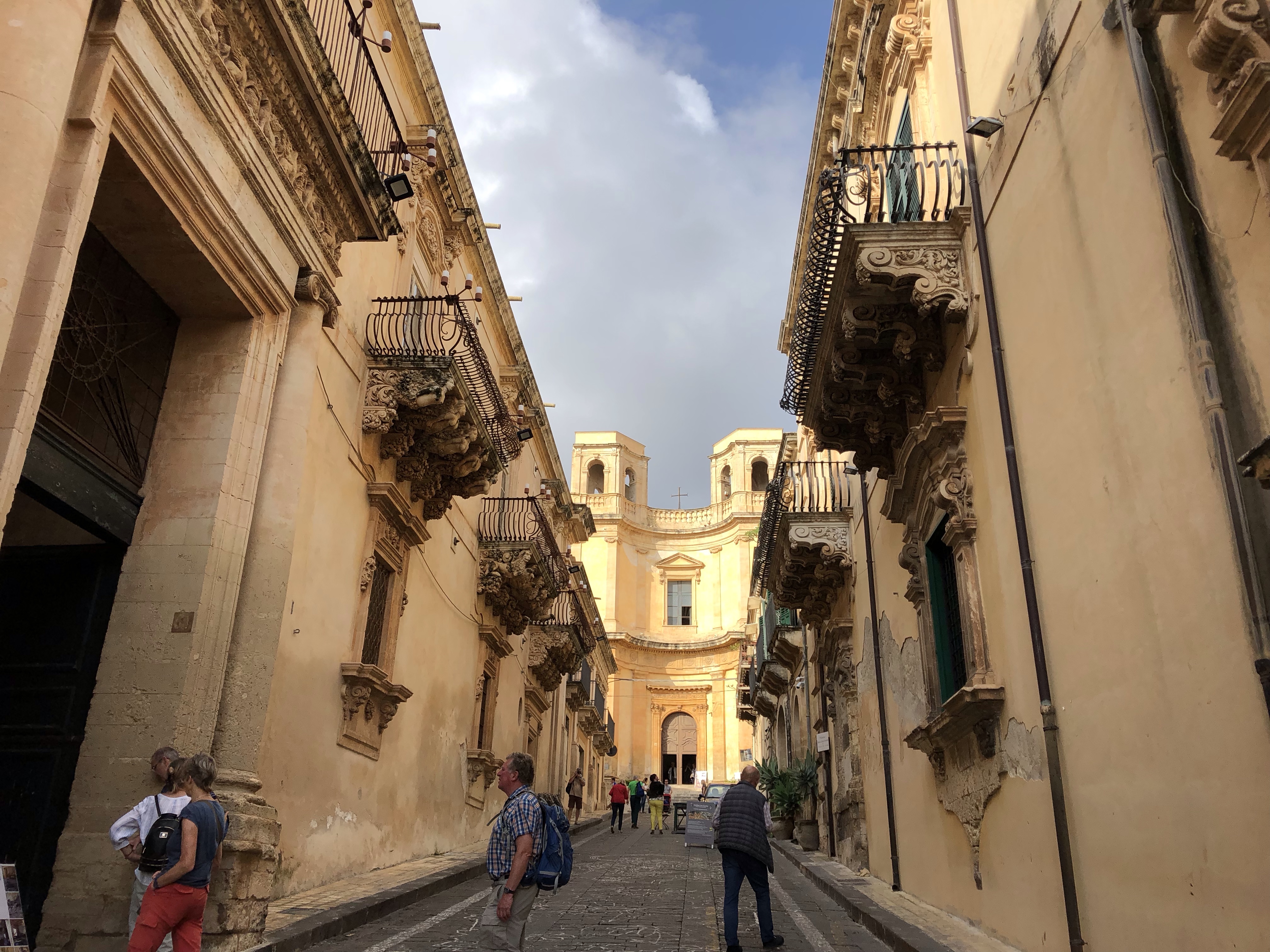
The last stop was in Noto, entirely rebuilt in a different location after the earthquake of 1693. The city has a golden yellow appearance due to the type of stone and the angle of the sun light hitting the buildings. The cathedral was recently rebuilt following the collapse of the dome in the 1980s. Many palazzi, some garishly adorned, are found throughout, many owned by families prominent in tuna fishing. We also stopped in at Caffè Sicilia, famous for their pastries. Still pretty full from lunch, we opted for a coffee granita instead. We returned to Ortigia around 6 pm and joined Christina (and Giuseppe) for a pasta dinner cooked by Giuseppe! After a delicious yet simple meal of spaghetti with tomato and olives, we spent the better part of two hours chatting away.

Still in Sicily

We’re on the last leg of our month-long Italian adventure with eight days of independent (i.e. we’re responsible for getting ourselves from point A to B and no more “Whisper” listening devices to hear a guide) travel. Today we took a taxi from the Liberty Hotel in Catania to the airport where we picked up a rental car. What a debacle! The car rental companies are crowded into a building separate from the terminal. The crowd of weary travelers outside the building was an ominous sign of the chaos within. Just as in Rome, you take a ticket with a number designating your place in line – #88 was my number and the signboard indicated that customer #34 was being helped. And there were only four sportelli (service desks) open! Since it seemed to take at least 30 minutes to finish one transaction, it appeared that we were in for a looooong wait. The gods must have been smiling down on us because a young man offered us a lower number- #71! After about two hours, our number was called. Second problem – we did not bring the correct credit card (i.e. credit card with the name of the driver) so my prepaid voucher couldn’t be used and we were out an additional 388 euros. We ended up with a VW Polo small four-door hatchback, more car than we really needed. Once we figured out how to open the hatch and how to get the car into first gear, we were off to Ortigia, near Siracusa. Since we were just there less than a week ago and we scouted out the location of the apartment and more importantly the garage, we felt pretty confident- until we encountered the hurricane- like wind and rains hitting the southeast coast of the island. Areas of the road were covered with up to three feet deep water!

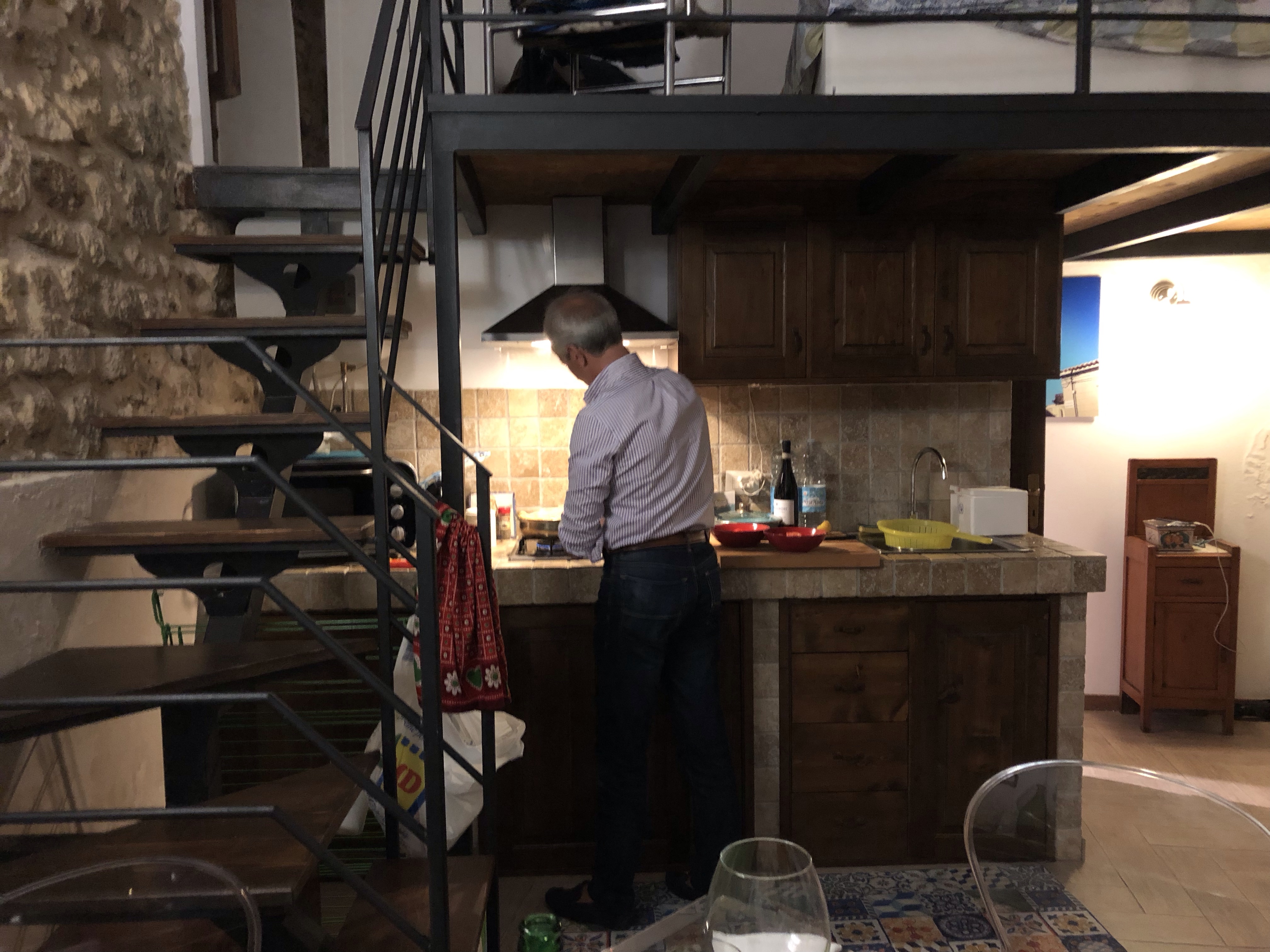
The apartment host met us at the garage entrance, the car was whisked away and we walked five minutes to the apartment. Typical of Italian apartments, at least three keys are necessary to gain entry, and at least one key is of the dreaded “skeleton” type. It took some practice and manipulation but we figured out how to open the cancello (gate entrance). Curtigghiu apartment is a comfortable small one bedroom with a kitchen (that I definitely will not use).

We ventured out for a walk but the winds were fierce! I now can empathize with Weather Channel reporters who cover hurricanes! There had to be gale force winds of greater than 50 mph.

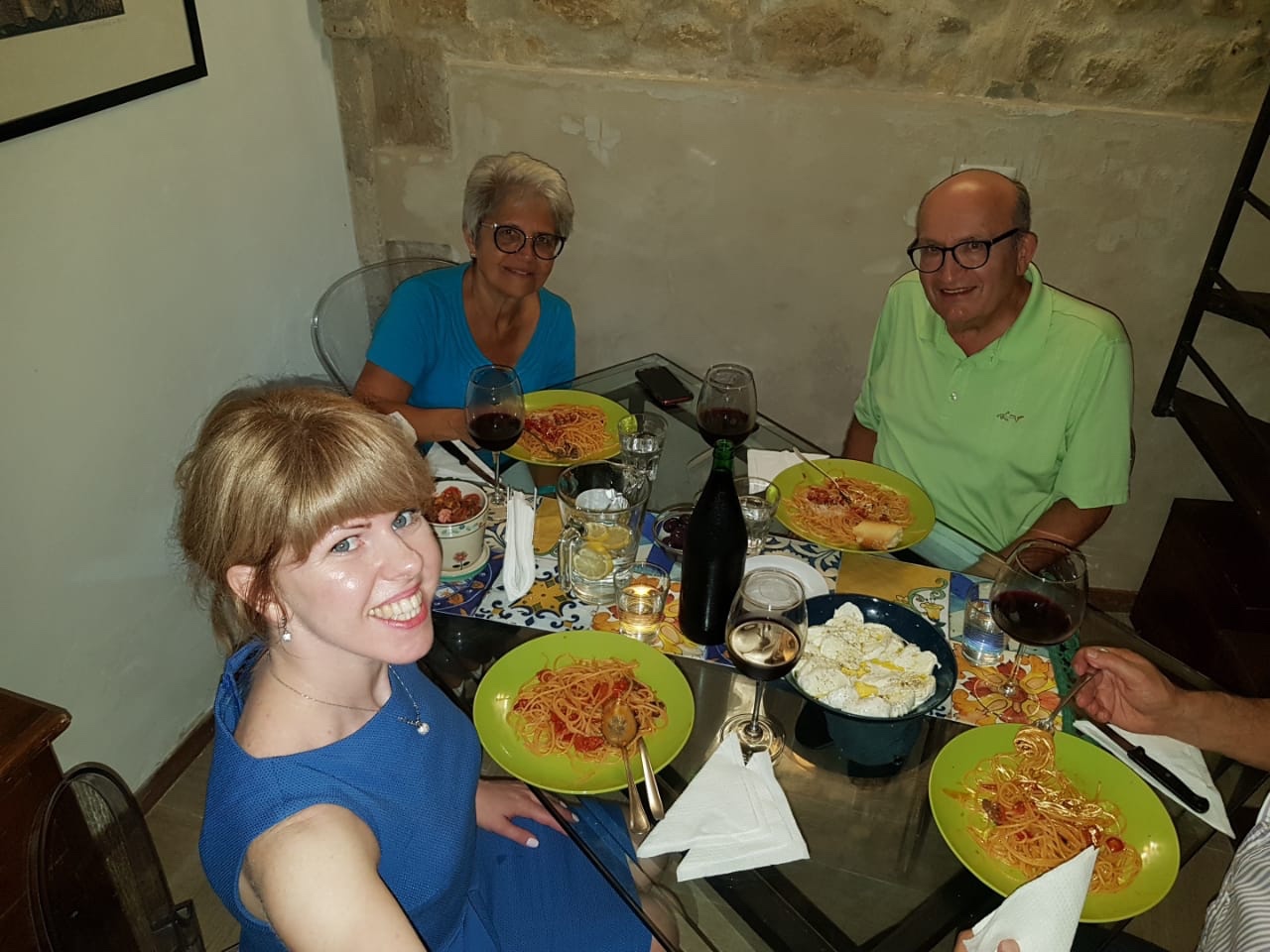
At 8:30 pm, we met Christina (and Giuseppe) for dinner at Macallè Sicilian Bistrot. We spent two hours reminiscing with my Russian friend (we met at Salerno last year) and getting to know Giuseppe.

Photos to be added when I have better WiFi.