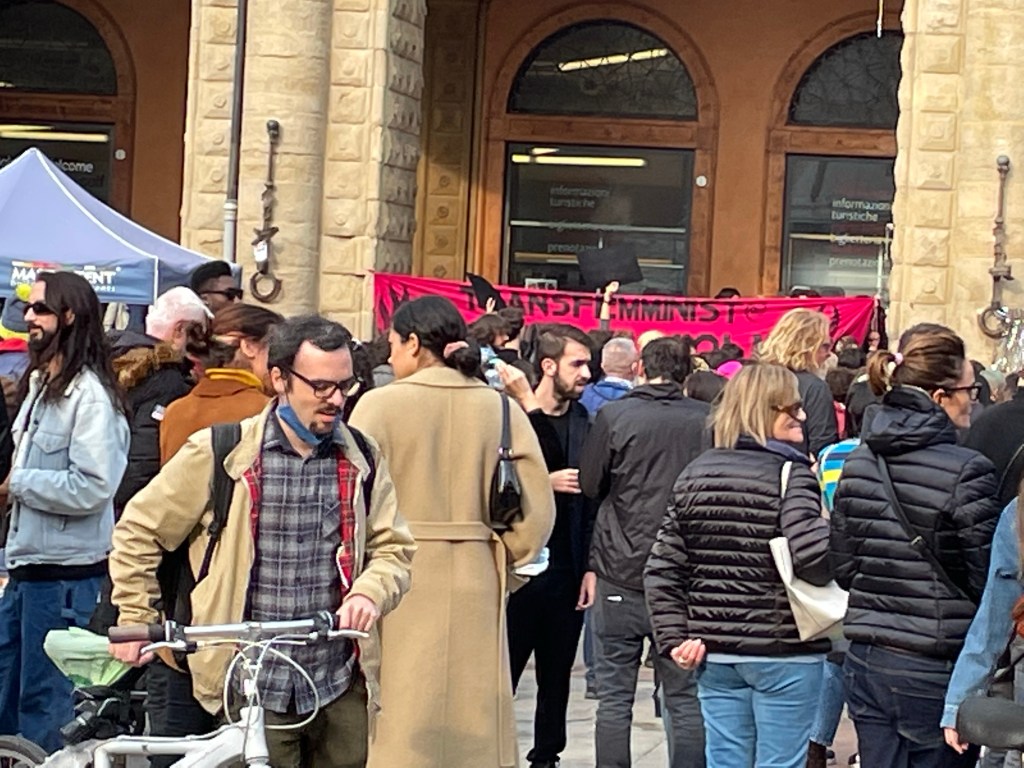
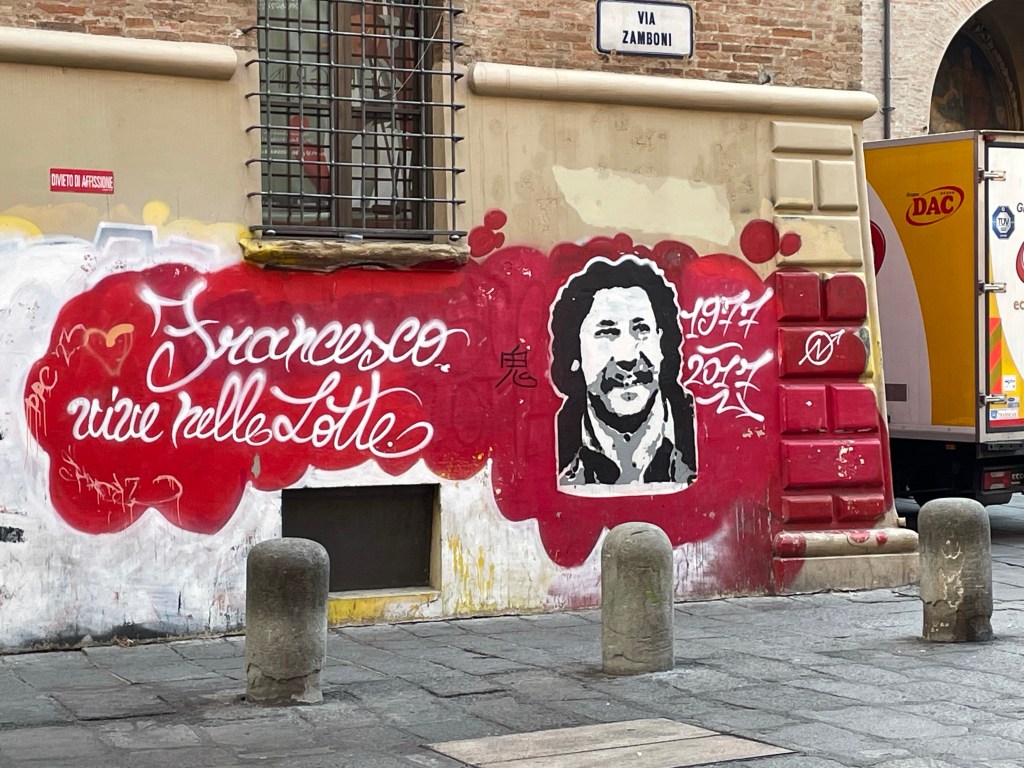
The largest city in the northern region of Emilia-Romagna, Bologna is a city rich in many aspects. Usually overlooked by American tourists, this vibrant city is known for its university ( founded in the 11th century, it is the world’s oldest), its red/pink buildings, world class cuisine. It also is famous for its 50 km of porticos, its left leaning politics and walls of graffiti.
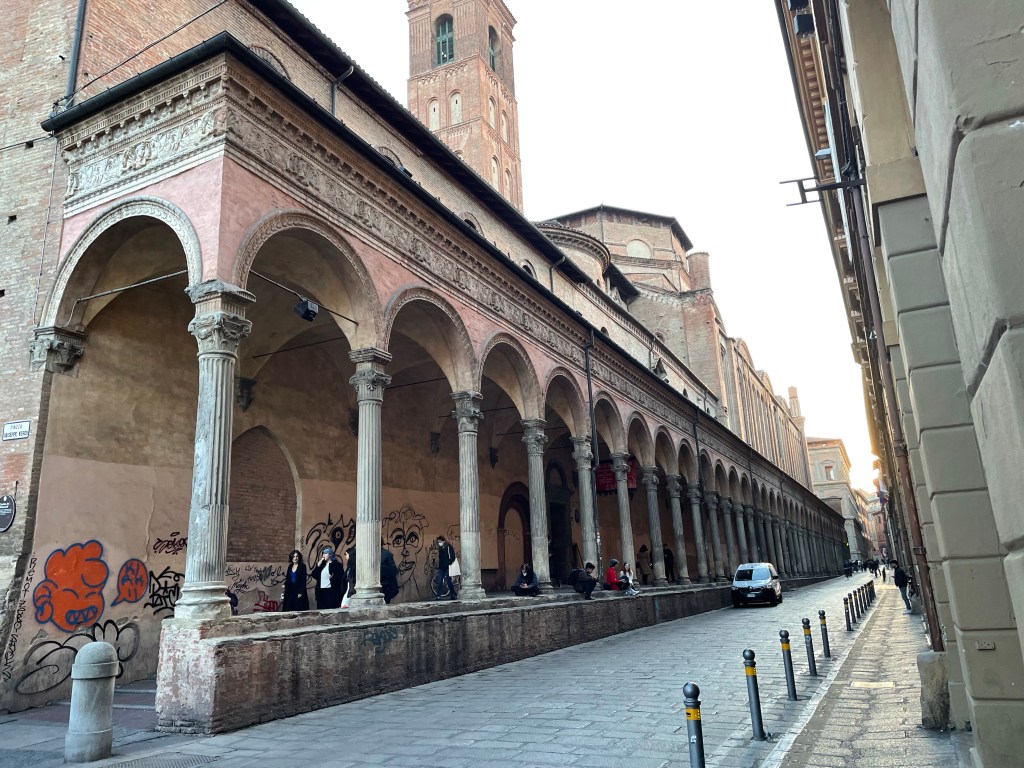
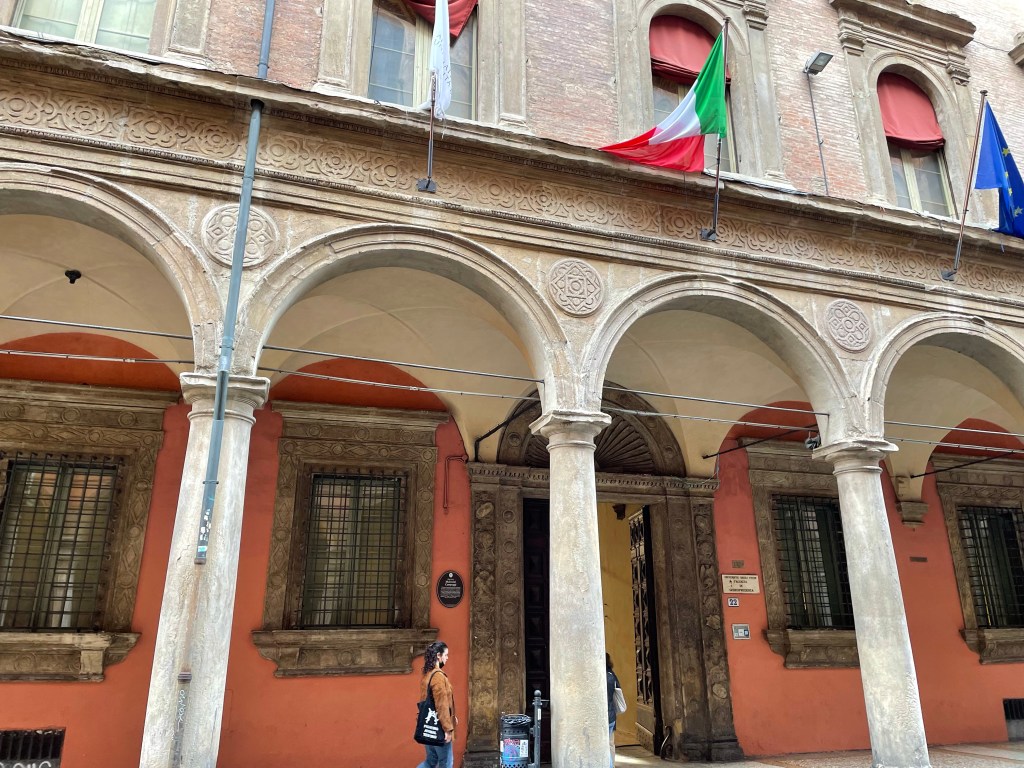
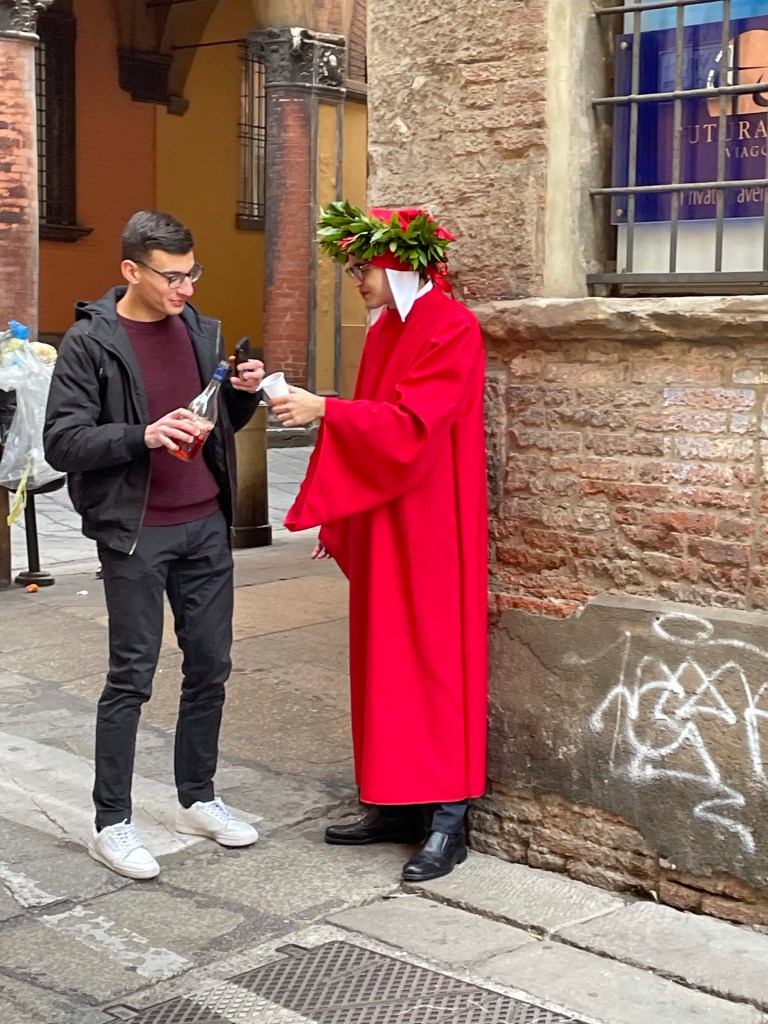
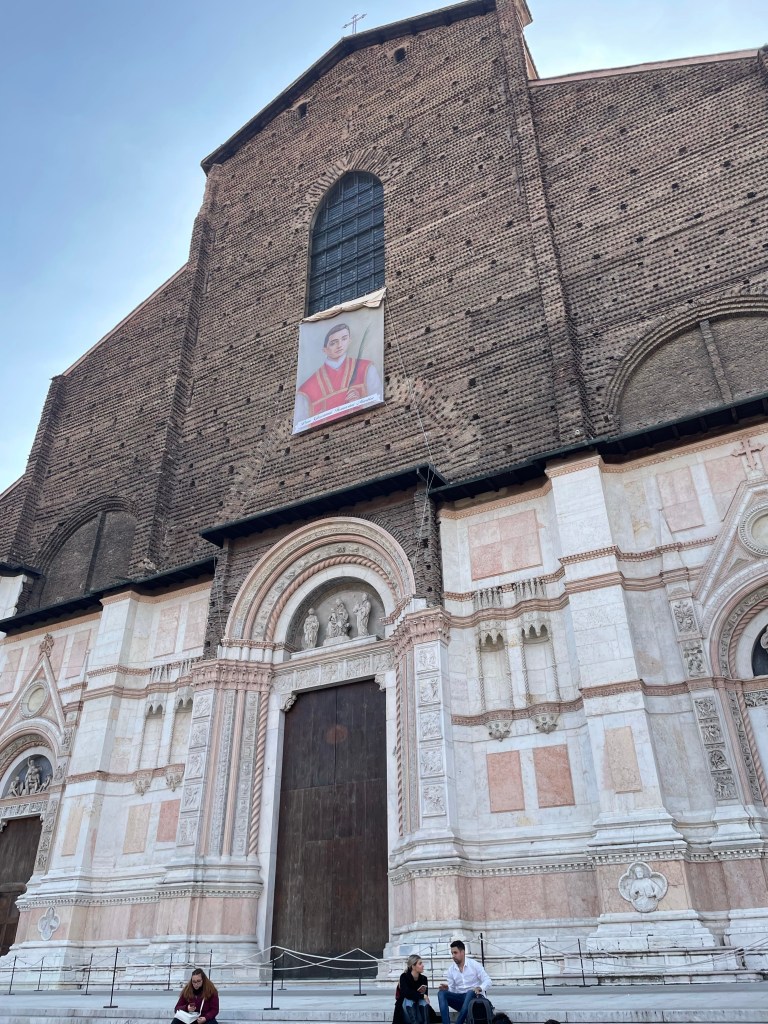
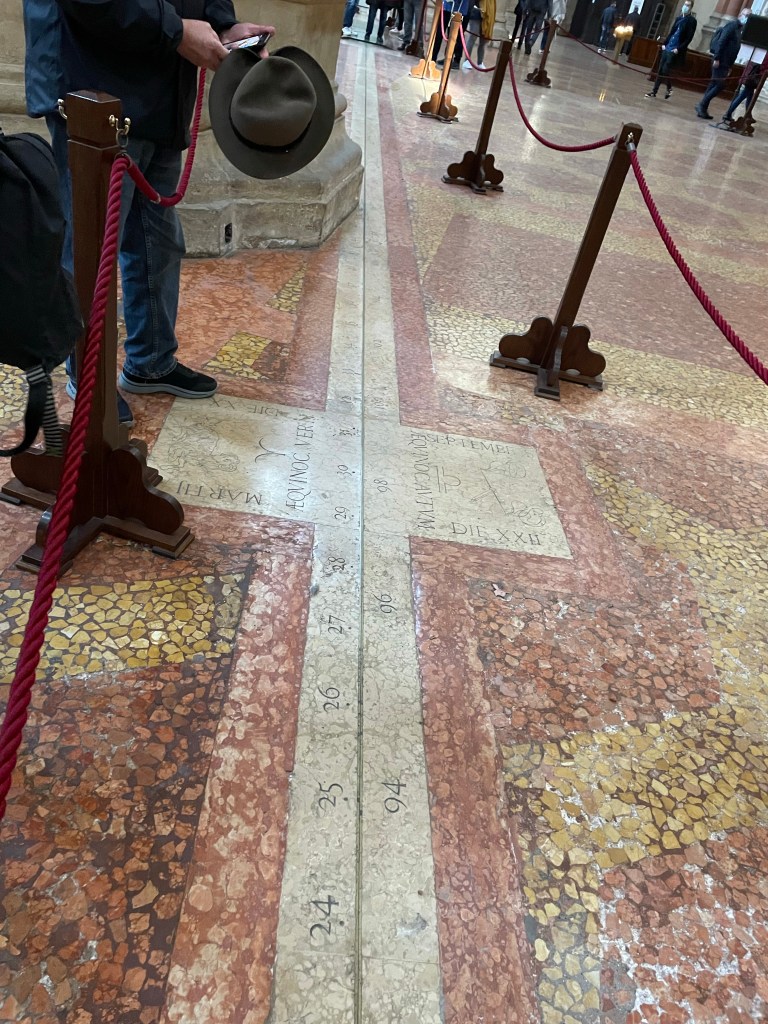
We started our independent portion of the trip today with a private tour arranged by our B&B (Casa Bertagni). Our guide was Valeria Bindi. She was a bundle of energy as she led us through the labyrinth of streets of this city dating from Etruscan times. We visited many churches, the biggest and most impressive being San Petronio. He is one of seven patron saints of the city. The church is about 700 meters long and is the 7th largest in the world. The facade is a mixture of Romanesque and Renaissance and the interior is famous for a sundial on the floor and an amazing fresco depicting a scene from Dante’s Divine Comedy.

We visited several more churches and saw lots of religious art and honestly it was a whirlwind and I can’t remember details.
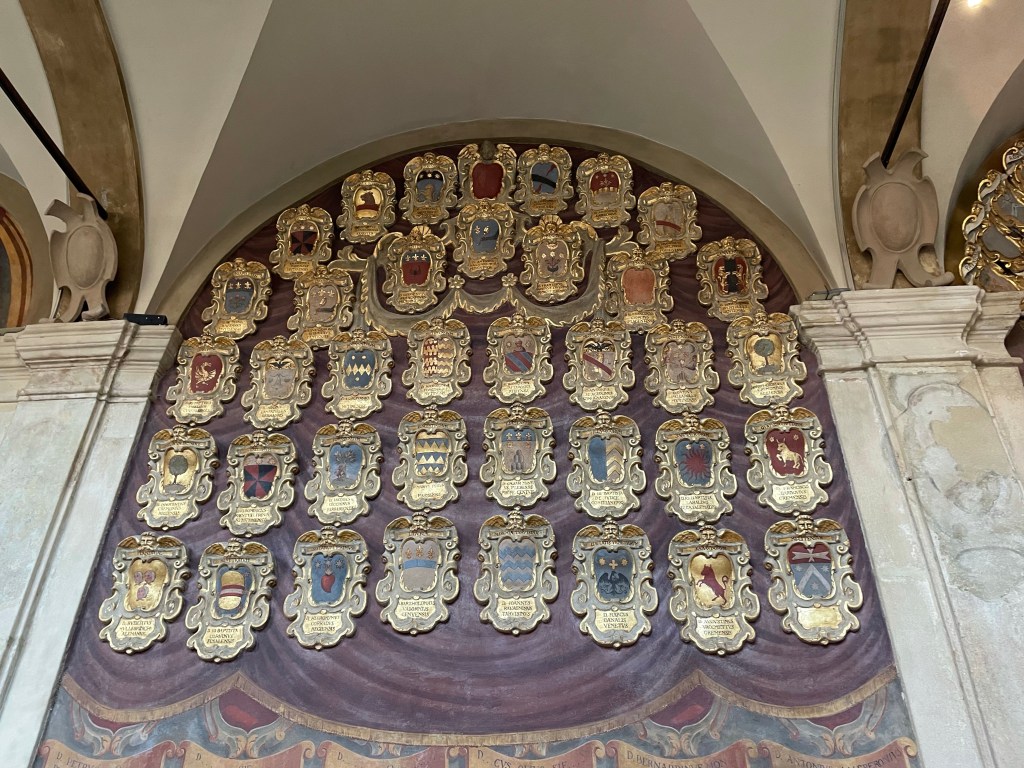
Another interesting site is the Archginasio, home of the medical and law schools in the 16th century. The anatomical theater and rooms and hallways filled with 700 coats of armor are wonderful remnants of this university.

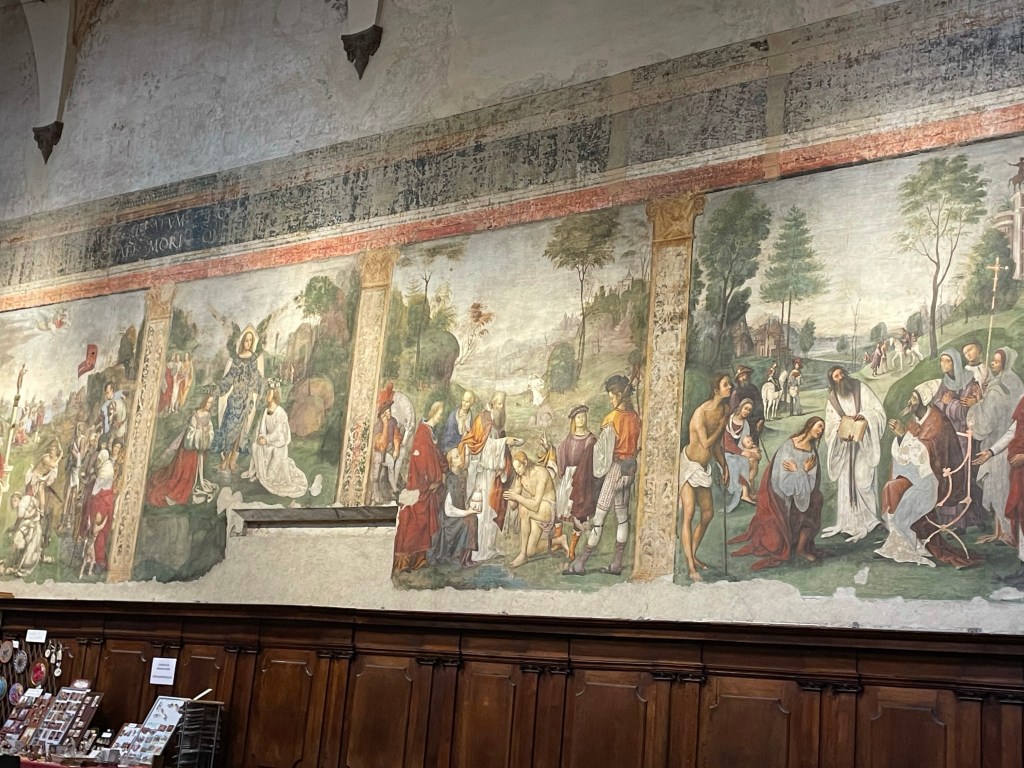
One of the frustrating things for guides and travelers in this post-COVID era is the unpredictable closure and ever changing hours of operation of the many sights in the city. We were lucky though to get into the Oratorio di Santa Cecilia the next day to see the fresco cycle of the life of the saint.
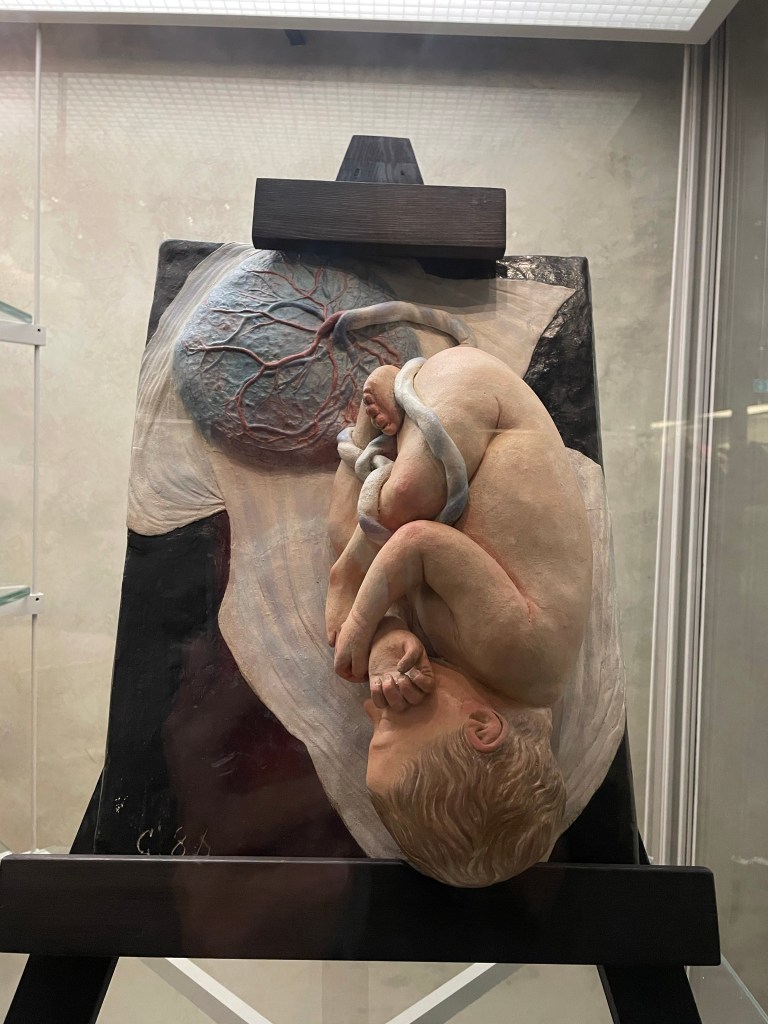
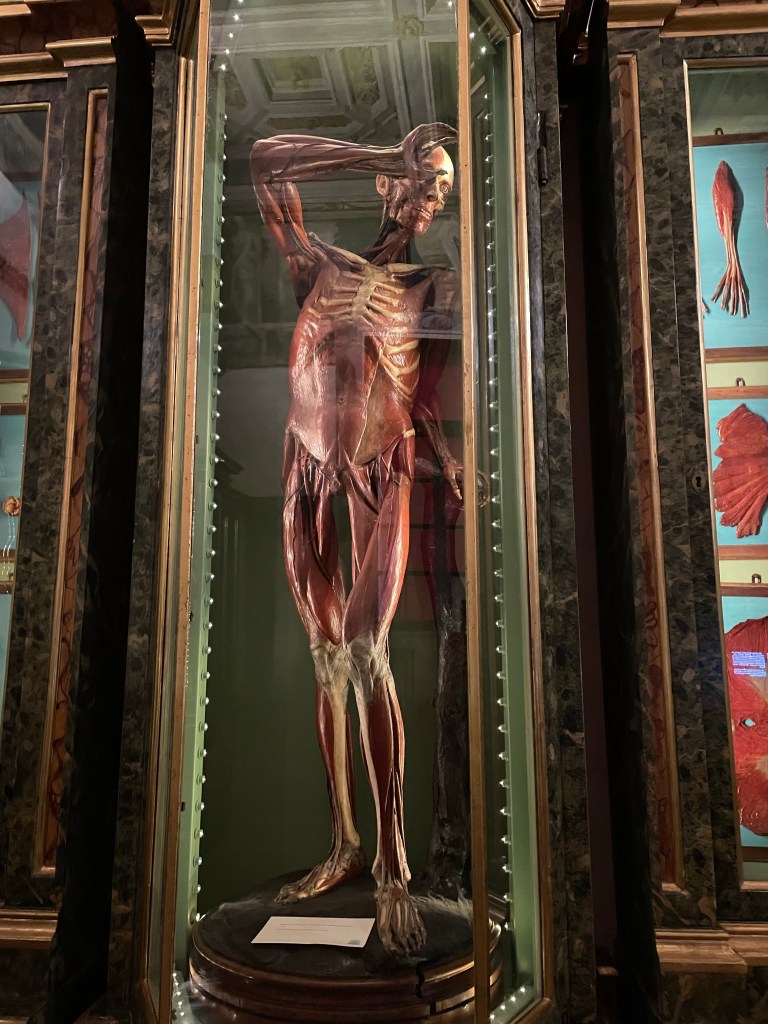
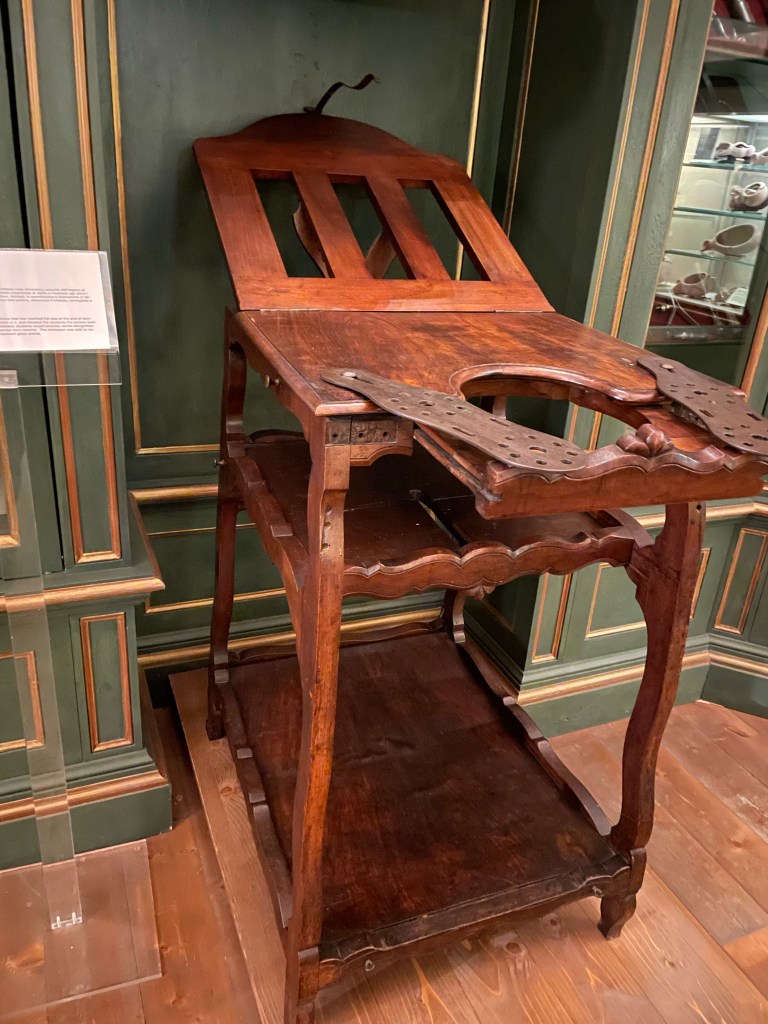
A visit to Palazzo Poggi was surprisingly possible on a Sunday. This science museum established in 1711 in one of the main buildings of the university contains an extensive natural history exhibit and an amazing anatomical exhibit of wax models of the human body and exhibits of the obstetrics school, with terracotta and wax depictions of fetuses and uteruses as well as a birthing chair and surgical instruments.

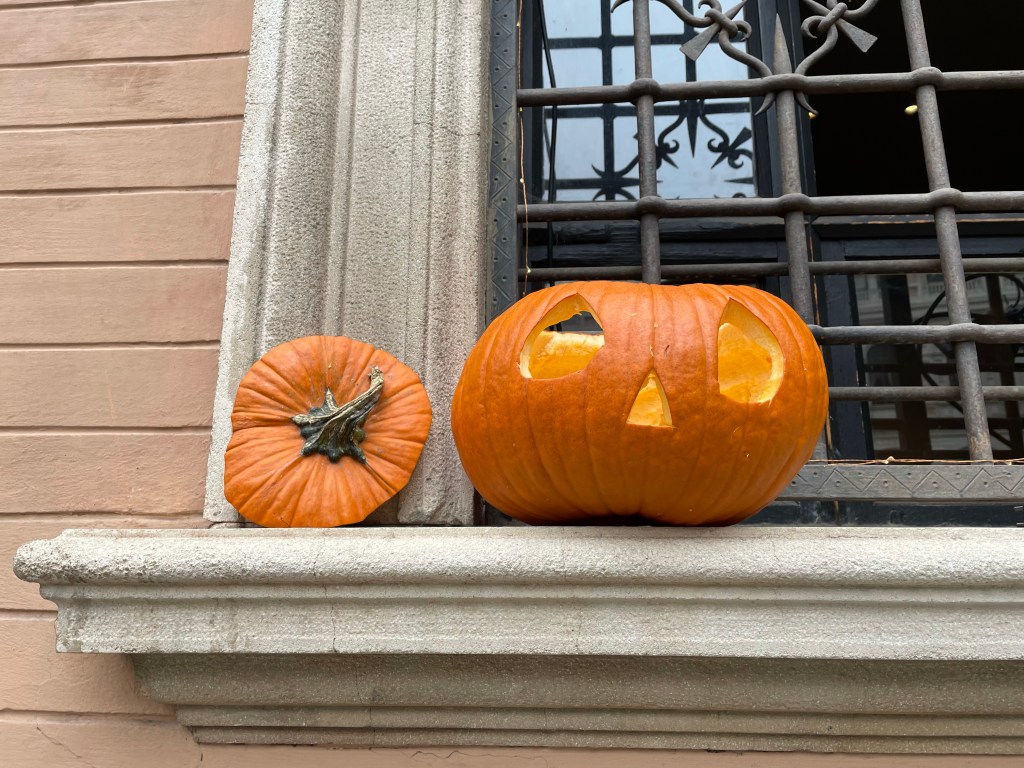
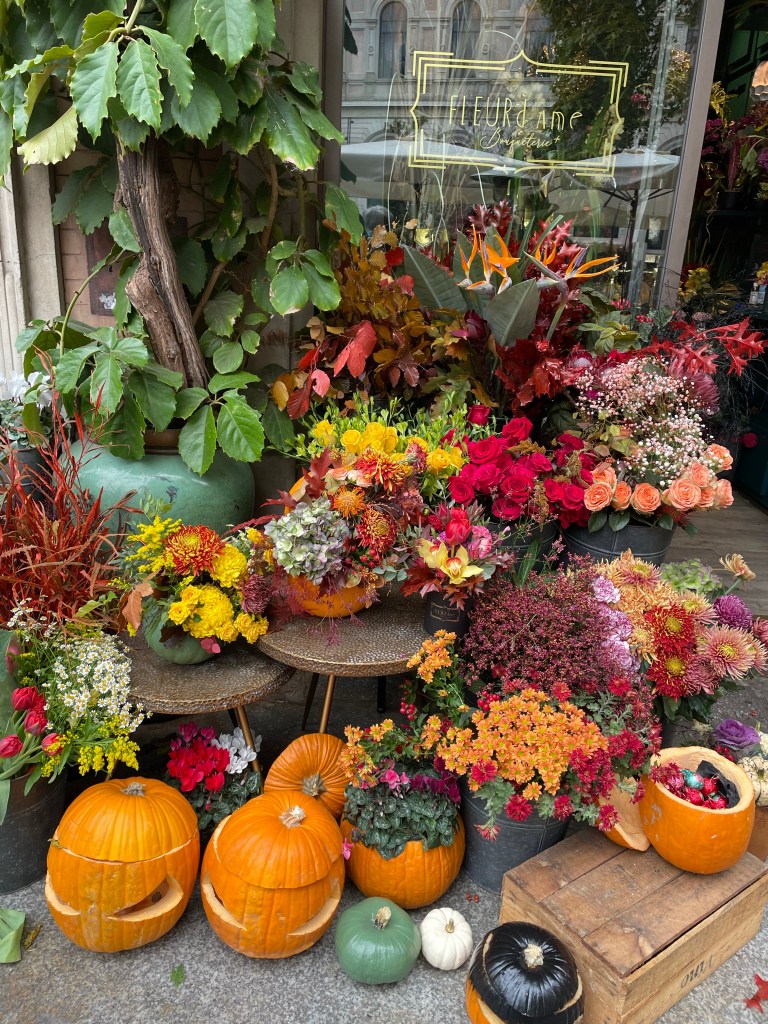
Although Halloween is not an official holiday, carved pumpkins and kids (and adults) in costume can be seen. The pumpkin carving craft is definitely on the primitive side, but the floral displays are stunning. There is no typical trick or treating from house to house but rather from shop to shop where a small treat may be handed out.
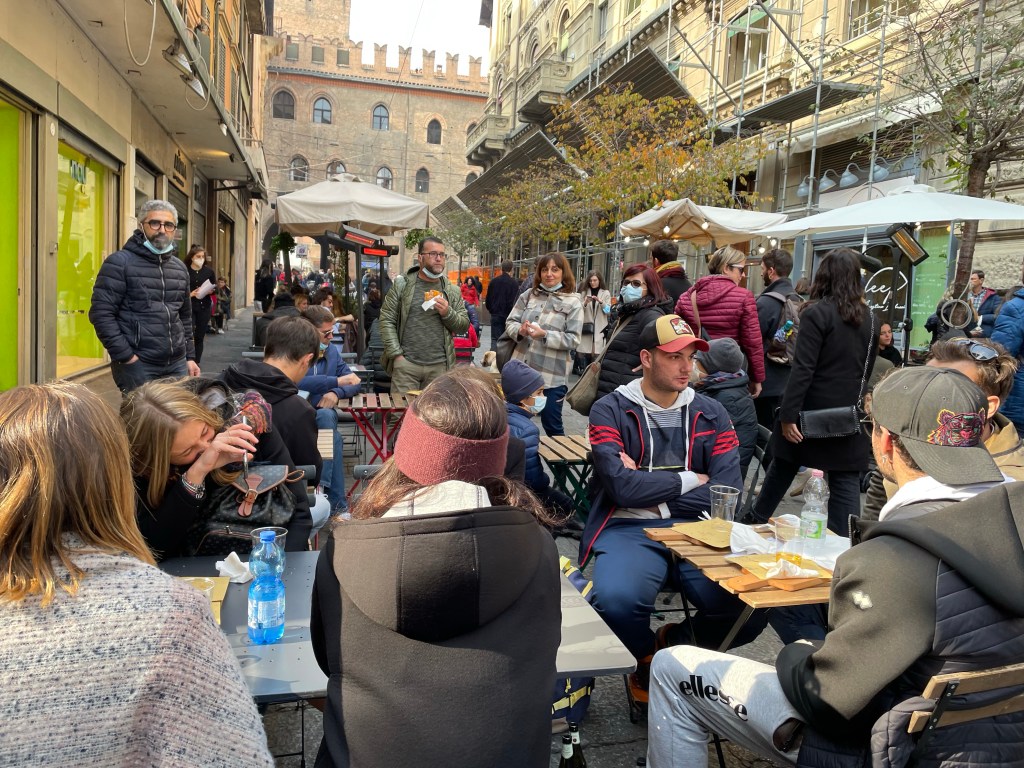
November 1, however, IS a national holiday (All Saints Day), and Italians make a three day weekend of it and travel to nearby cities. Bologna was mobbed with people, mostly Italian tourists, who filled every possible outside table to enjoy Aperol spritzes and tagliere (charcuterie).
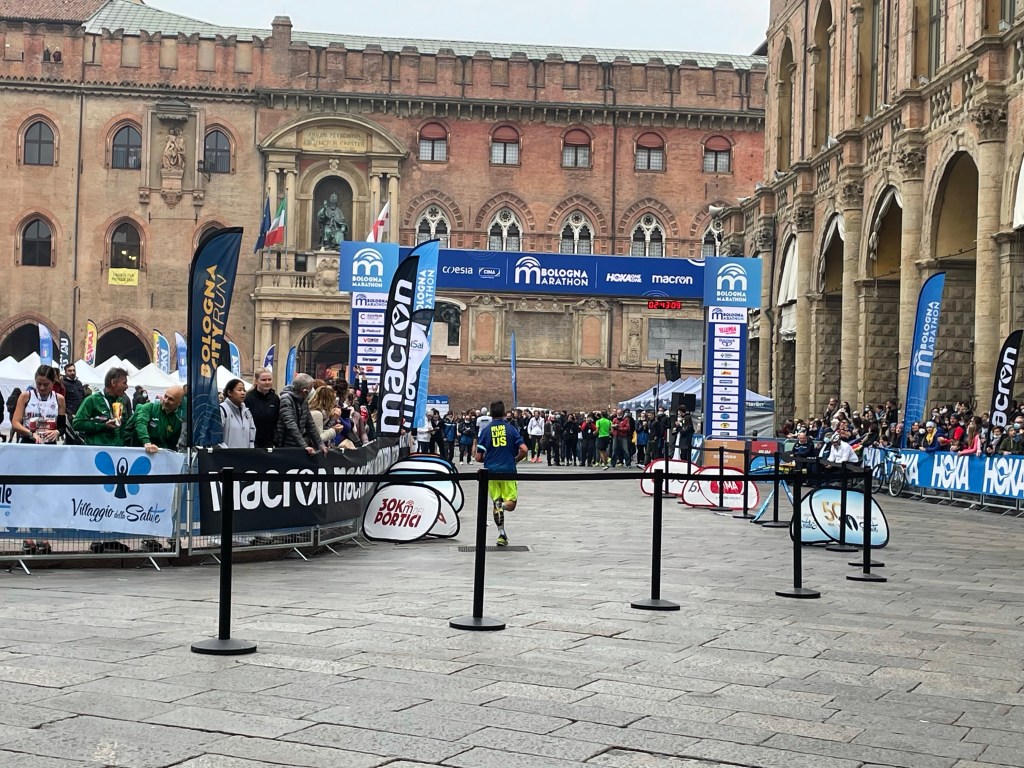
This Halloween was also the date of Bologna’s first marathon. Runners had to contend with pedestrians, bicycles and cars, as well as the physical challenge of the race.
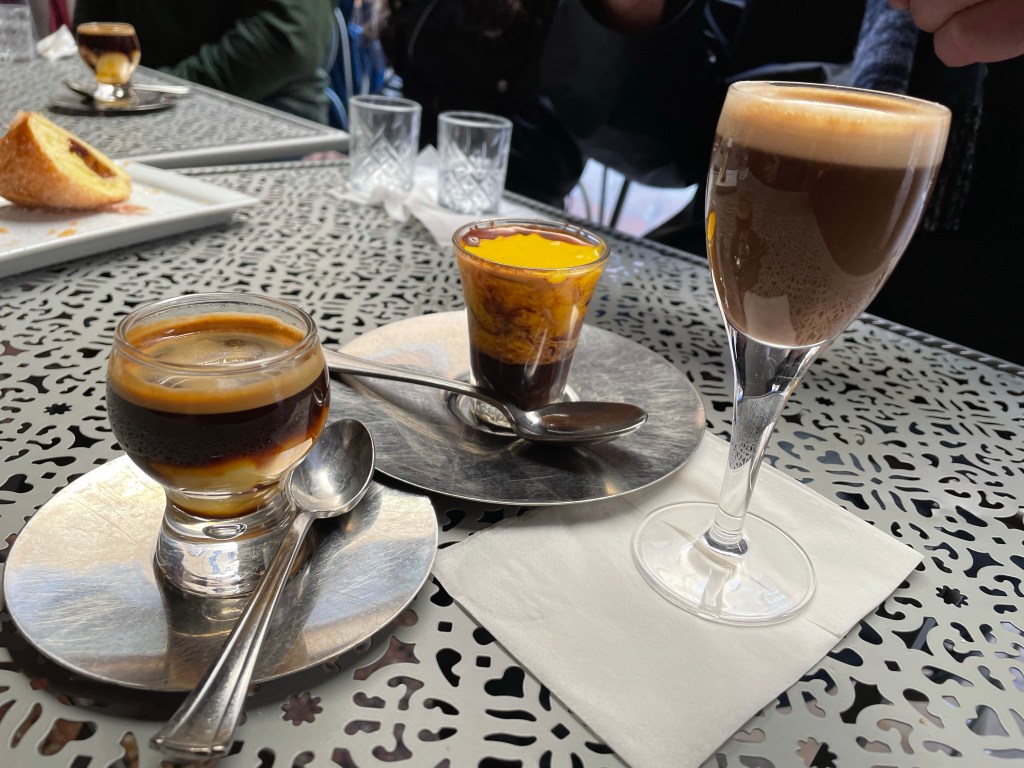
Of course, Bologna is famous for food, and a food tour is generally part of the itinerary. Taste Bologna offers several, and we opted for the Classic tour. We started with a specialty coffee and a sweet roll at an upscale coffee bar. Instead of the usual espresso or cappuccino, the three specialty coffees were: zabaglione; fior di latte; and torinese (with chocolate).
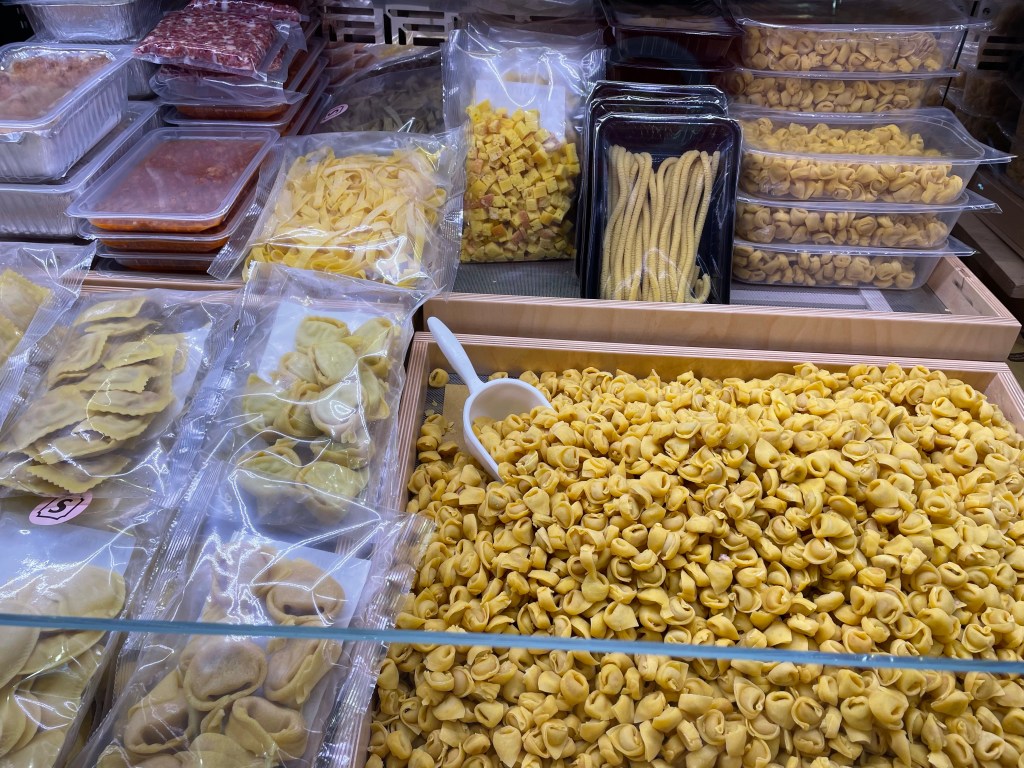
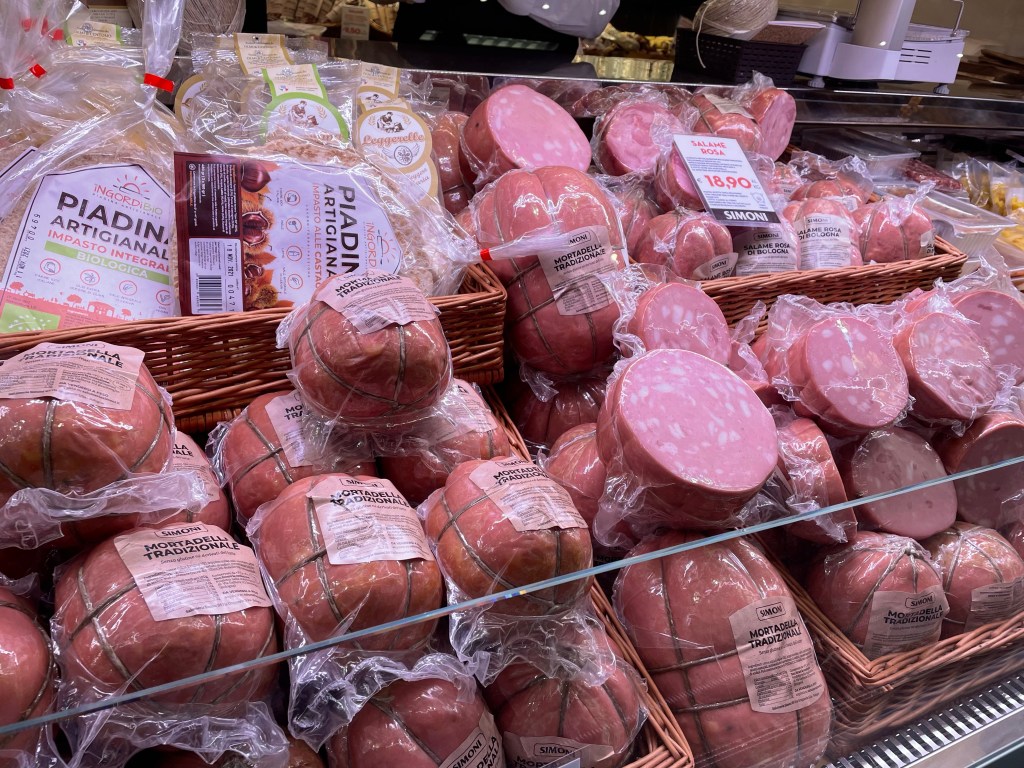
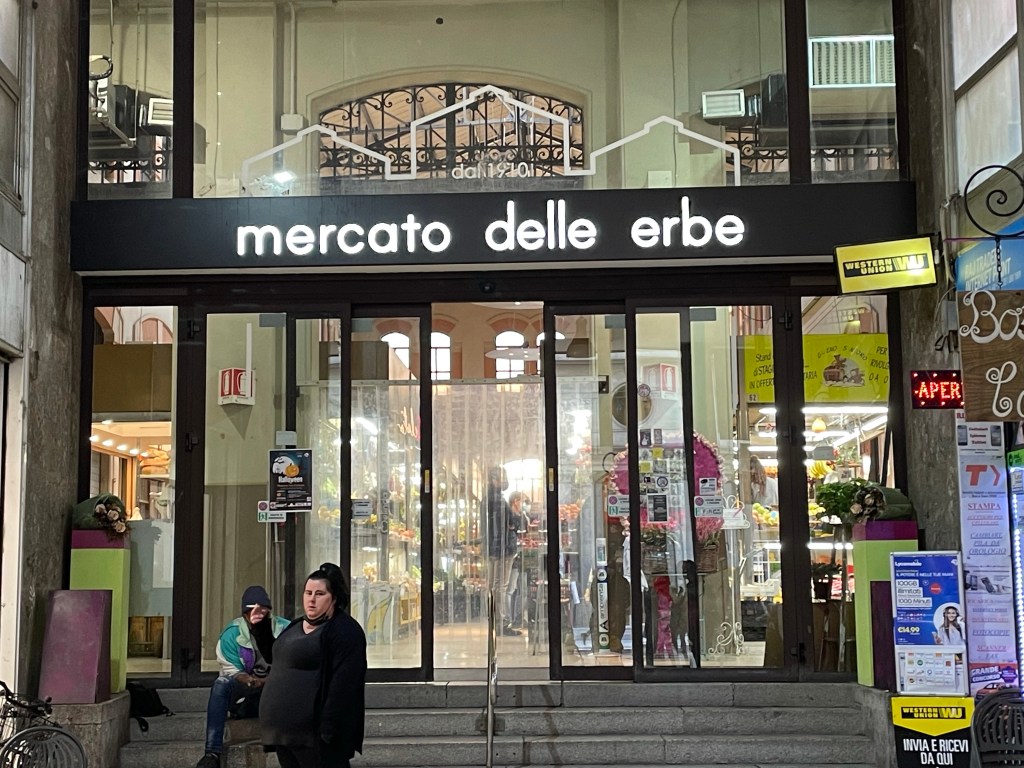
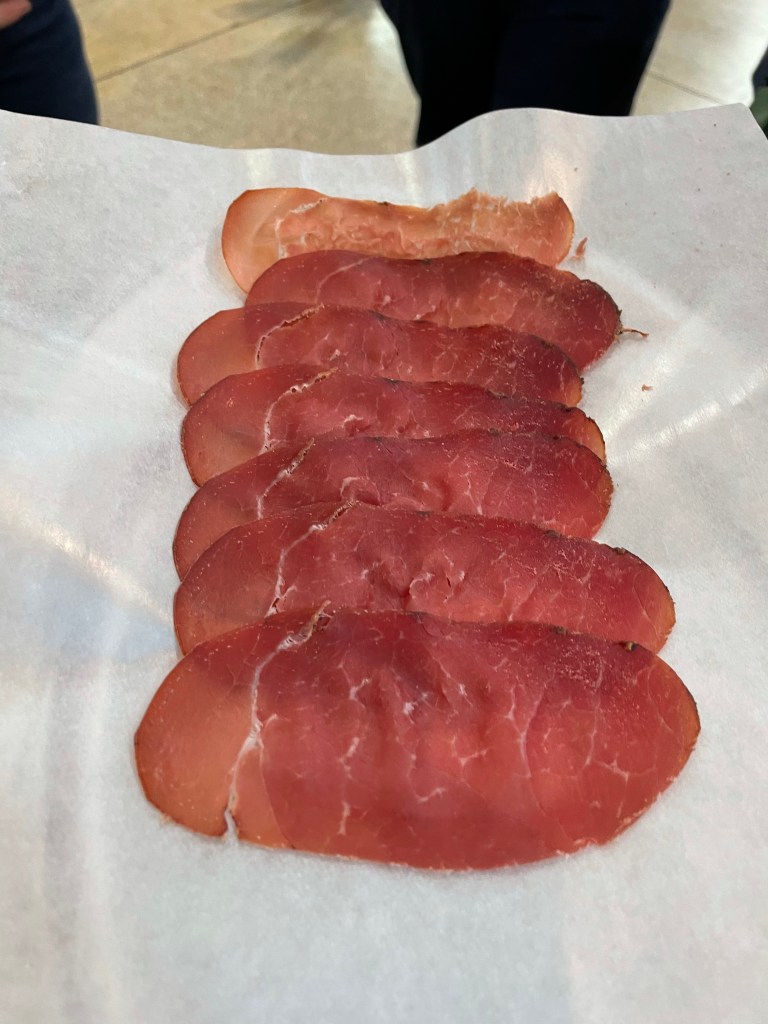
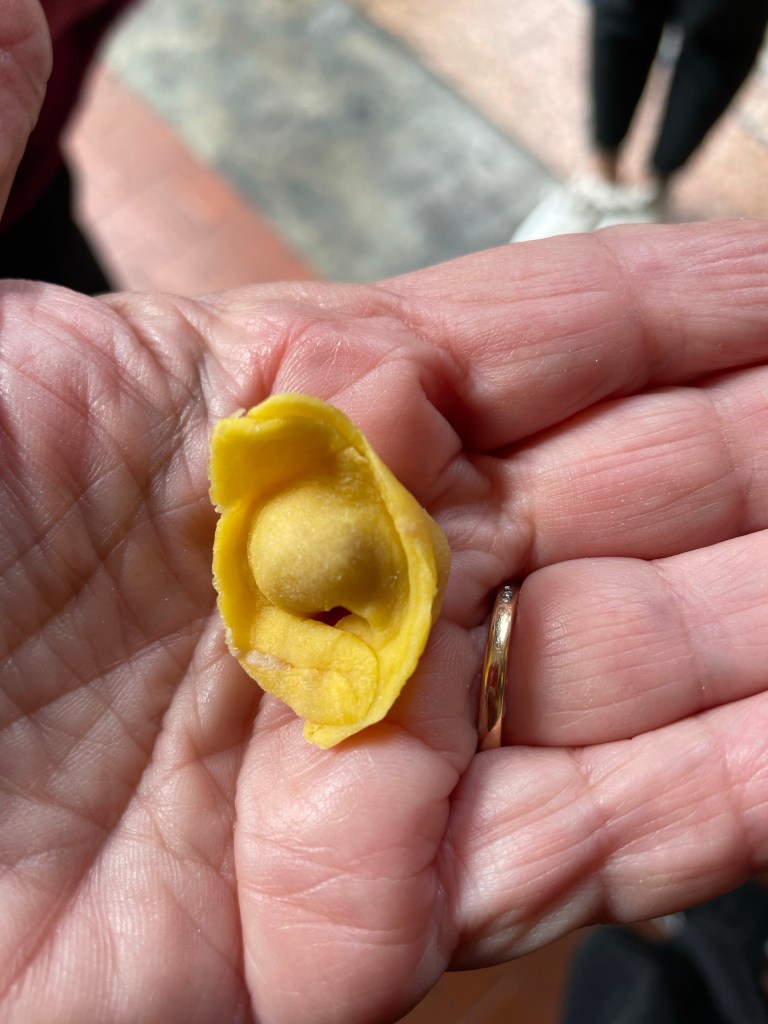
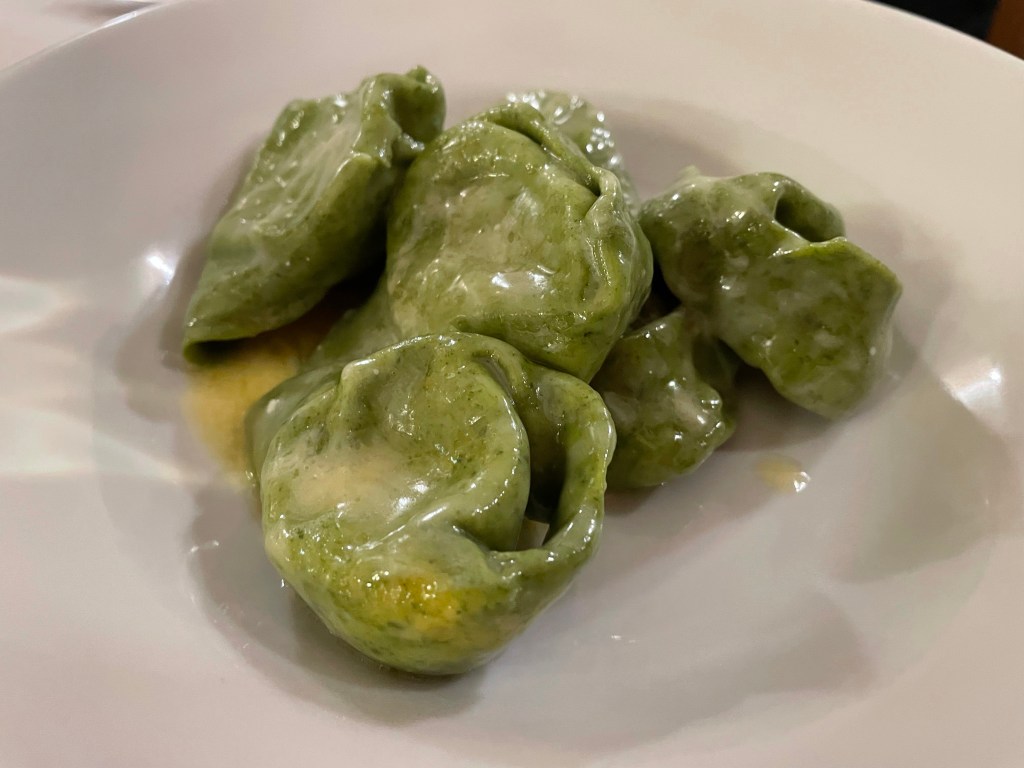
We walked through one of the two public markets and sampled some speck made of horse meat. Then we walked by specialty food shops as the guide explained the different typical foods of the region. Unfortunately as it was a Saturday and a holiday weekend, we couldn’t visit the tortellini factory to see how these mortadella filled pastas were produced. But we did learn how to make one.
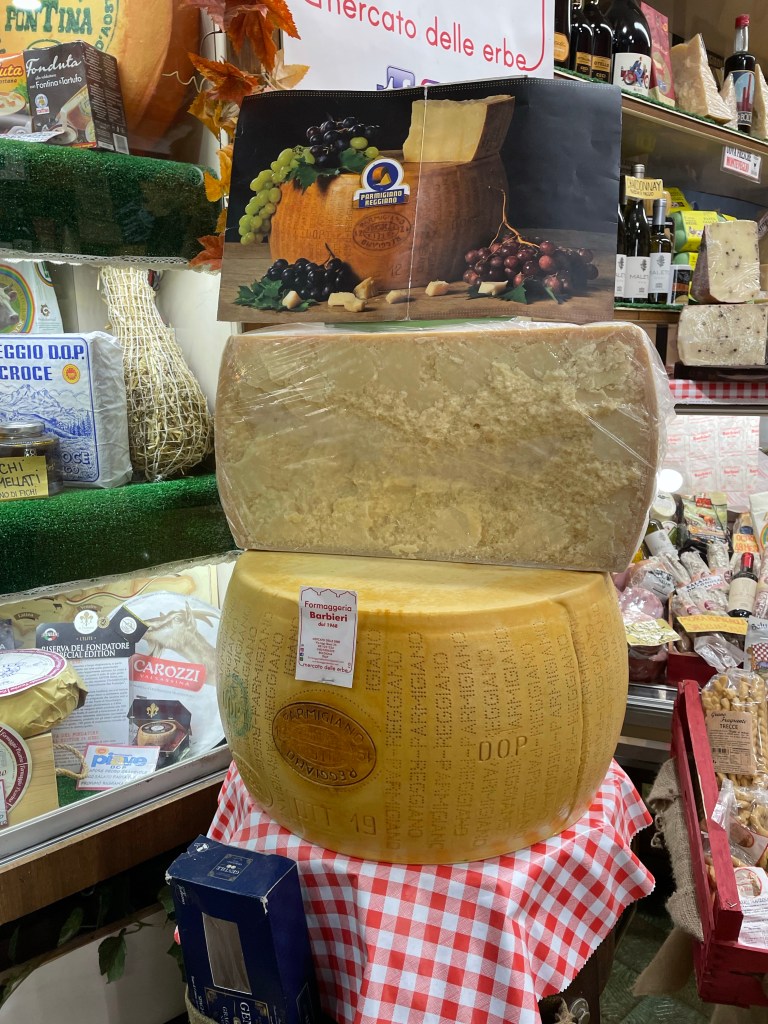
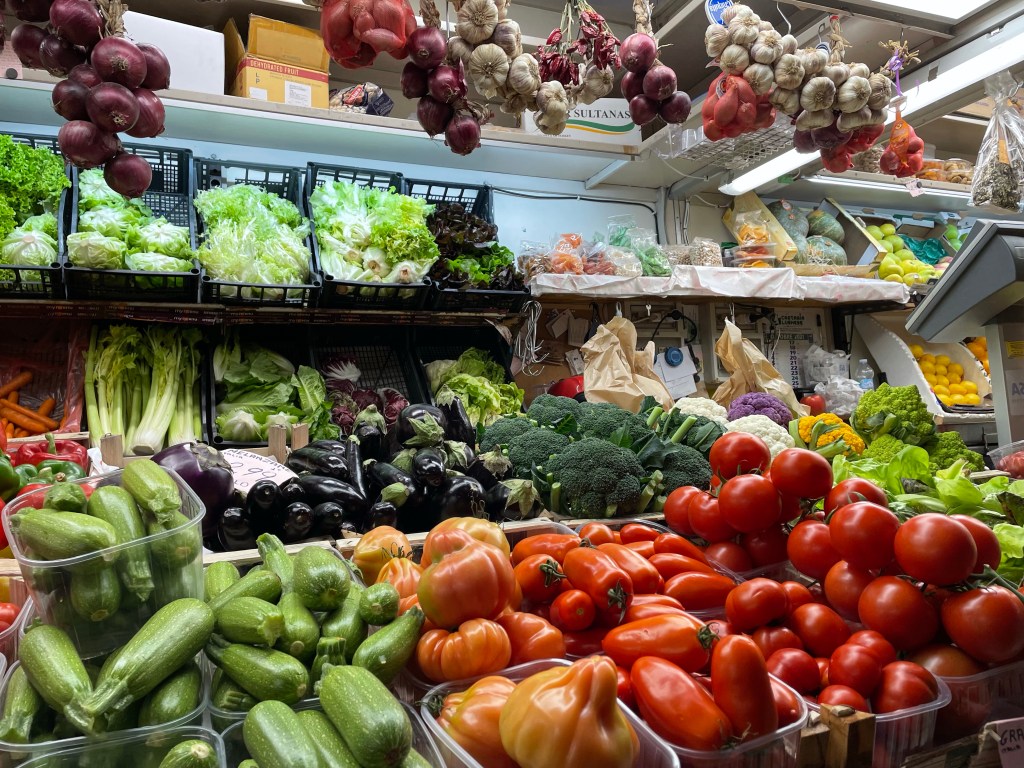

Then we had a typical lunch with tagliatelle bolognese, sliced meats, and local cheese and finished the tour with a gelato.
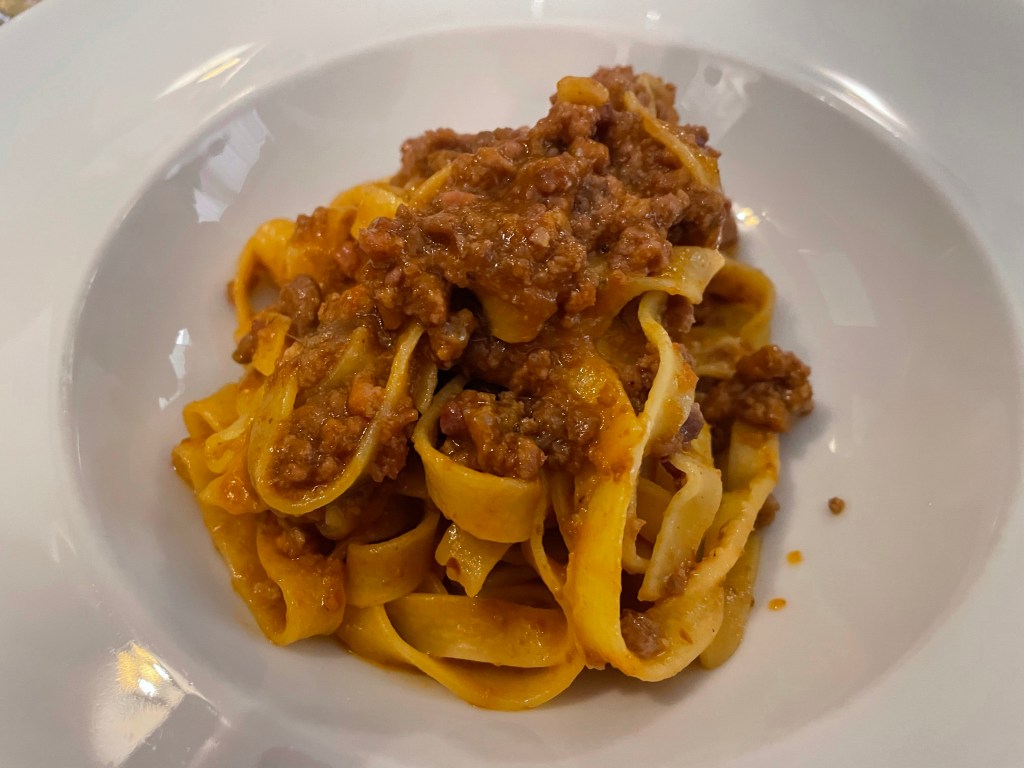
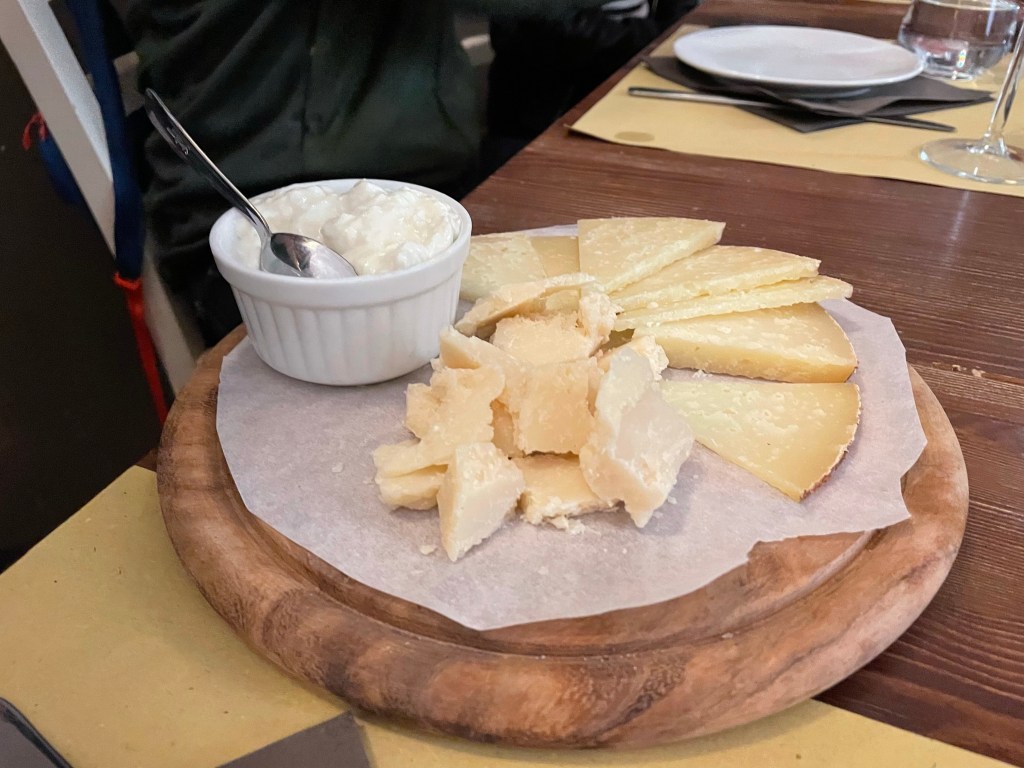
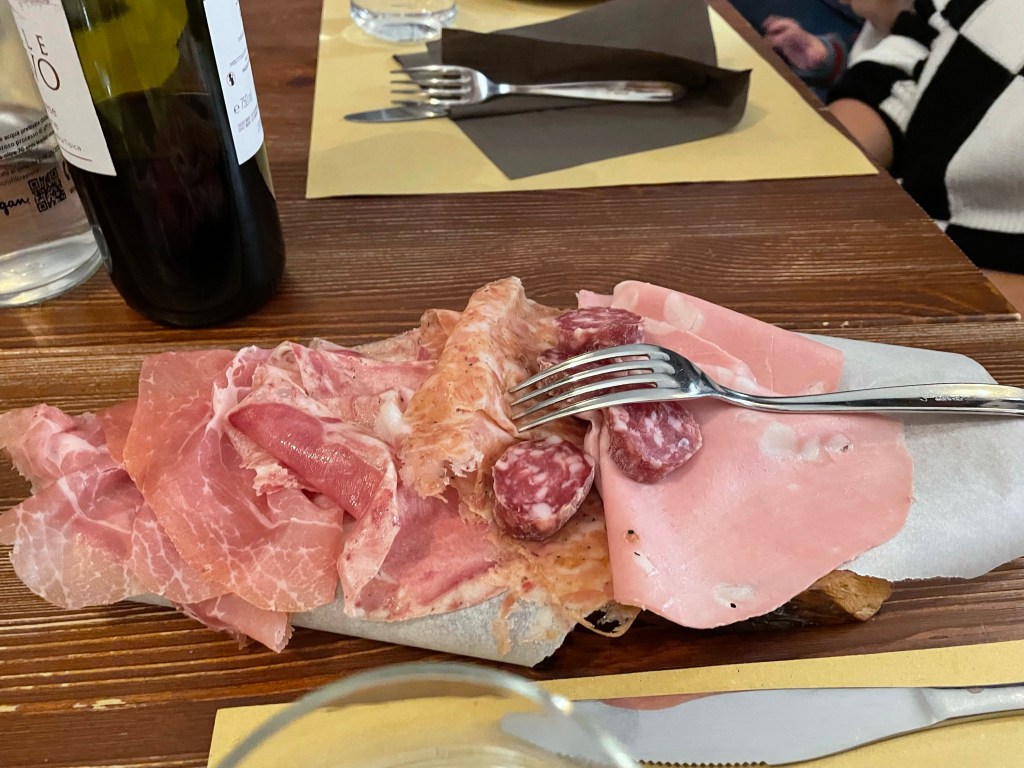
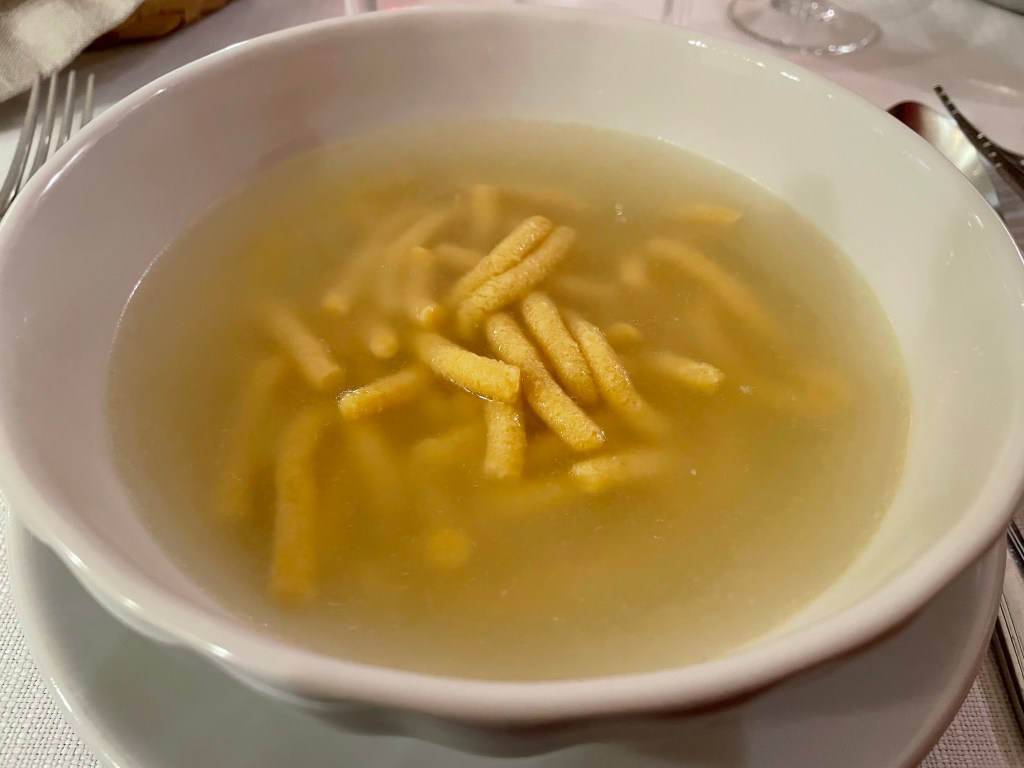
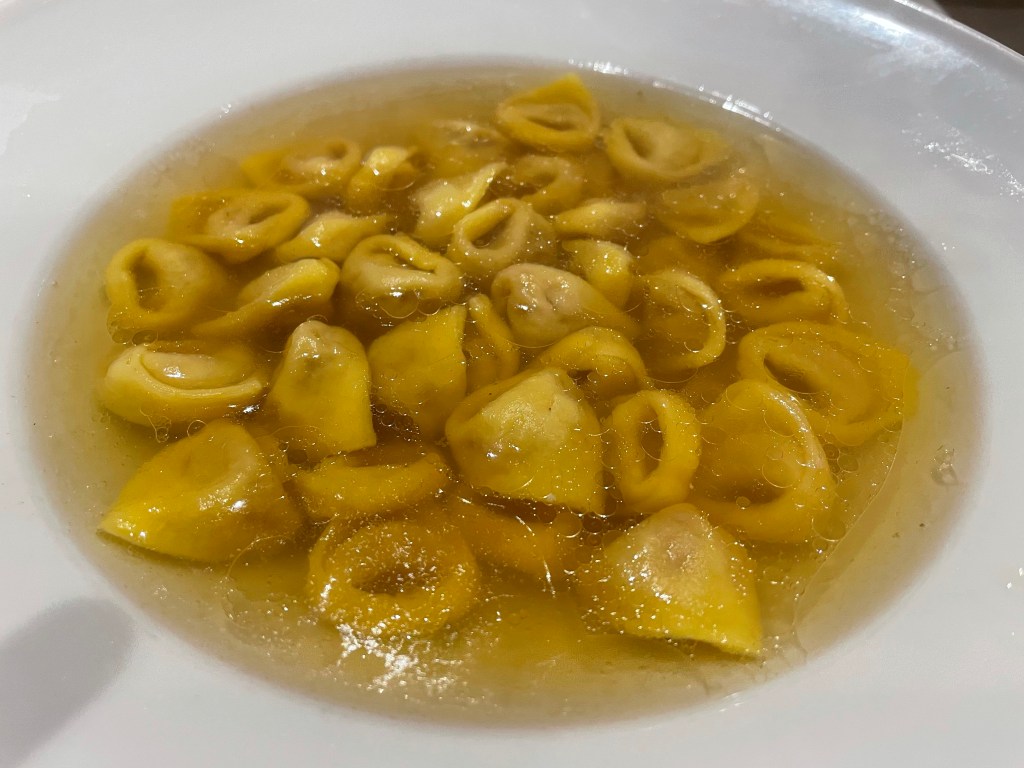
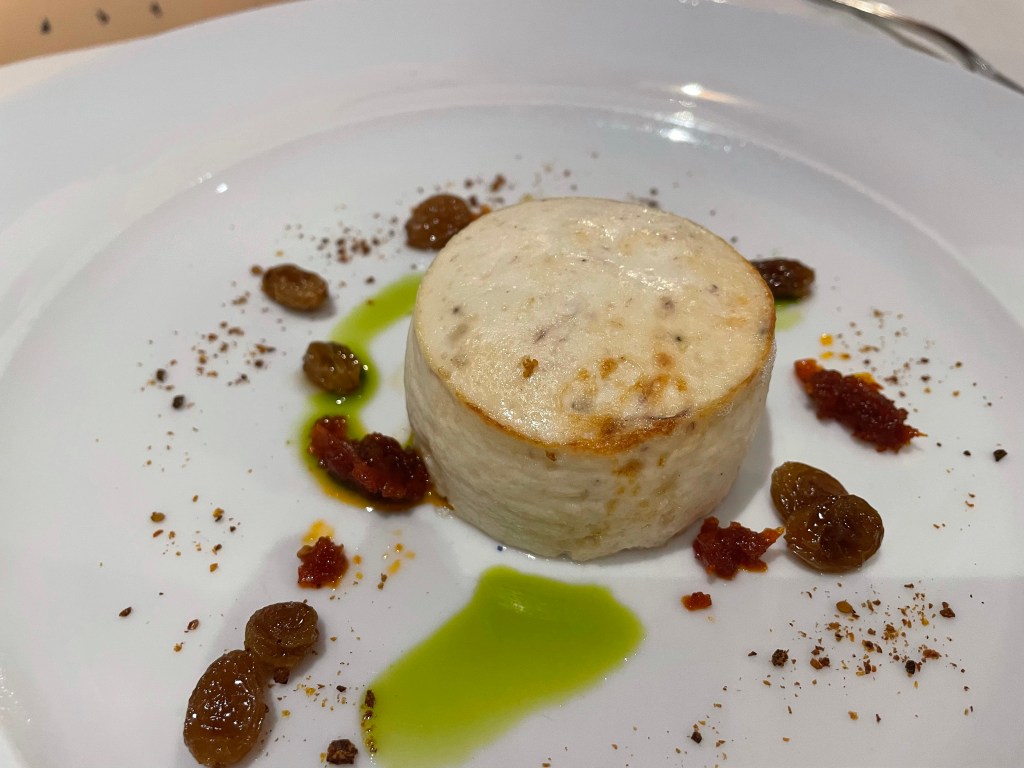
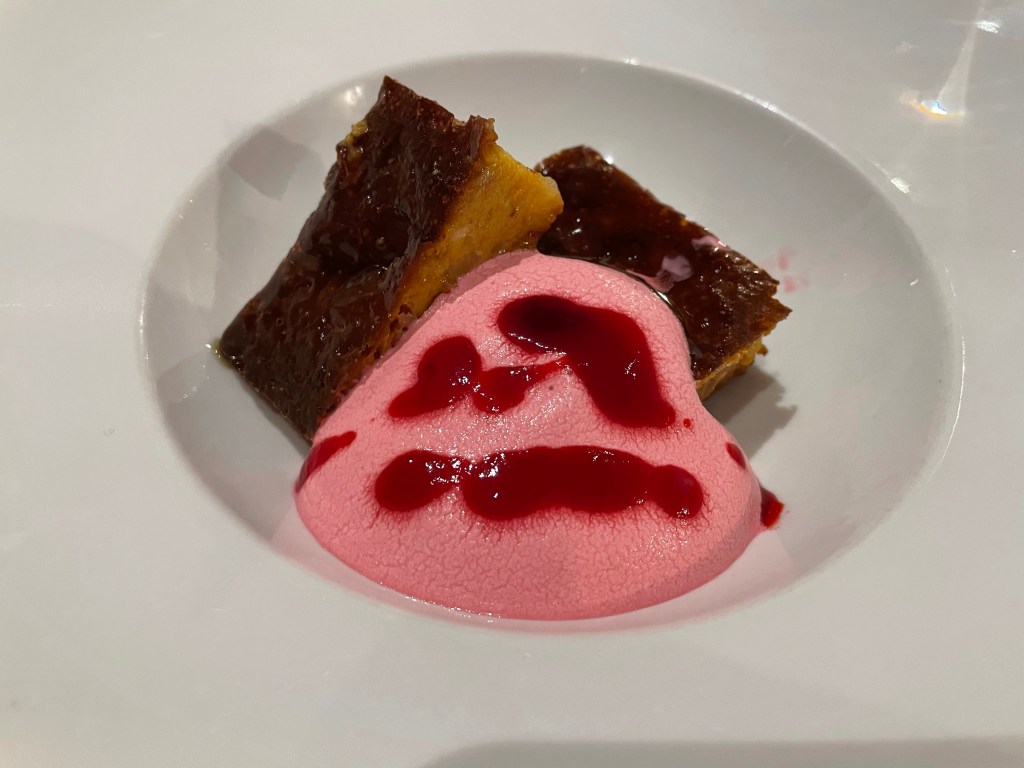
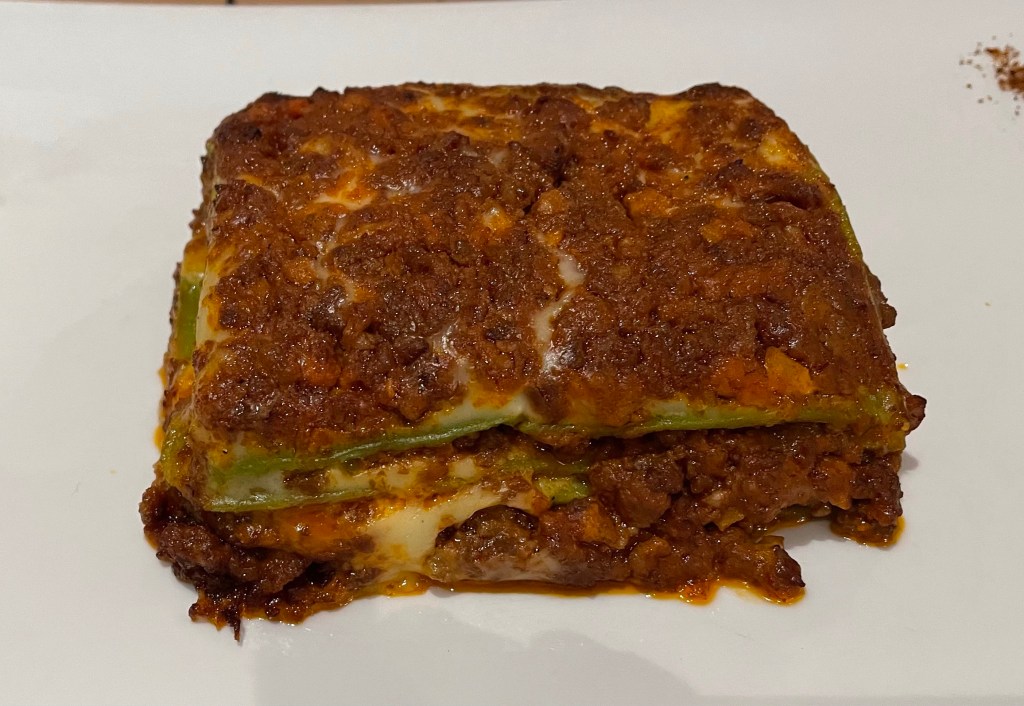
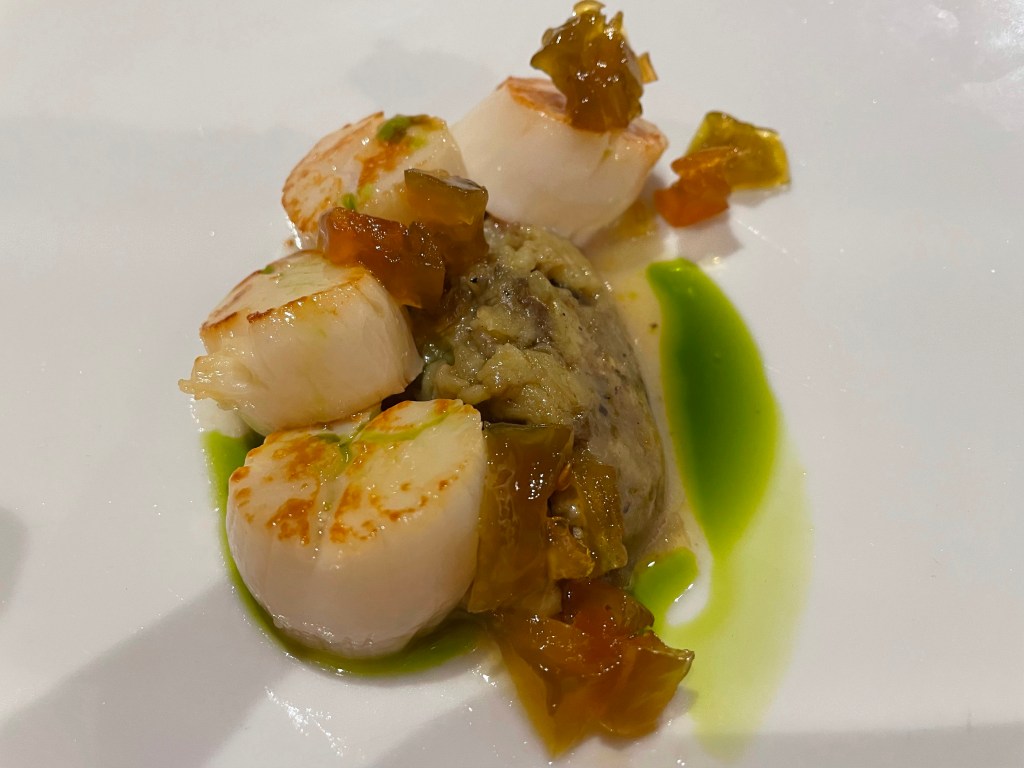
And speaking of food, we had some excellent meals, varying from traditional home style to more refined at Trattoria Collegio di Spagna, Ristorante Ciocca, Da Cesarina and Osteria Bartolini.
After three days of sunny and cool (but not humid) weather, the typical gloomy, humid Bologna weather is back, making it a good time to relax at our comfy B&B (Casa Bertagni). Tomorrow we are picking up a rental car to head south to Siena in the region of Tuscany.

 Camino Musings