Brindisi is a port city on the Adriatic Sea that mist tourists never consider visiting. It doesn’t have any iconic sights or amazing beaches. It was originally a Messapian settlement (original inhabitants of the Salento region, predating the Ancient Greek and Romans. After it became a Roman colony in the 3rd century BC, it became a major port and center of trade. Few people know that this city was the southern terminus for the Roman Appian Way. It was also an important starting point for many of the Crusades of the 12th and 14th century. The Knights of Templar had a major presence here.
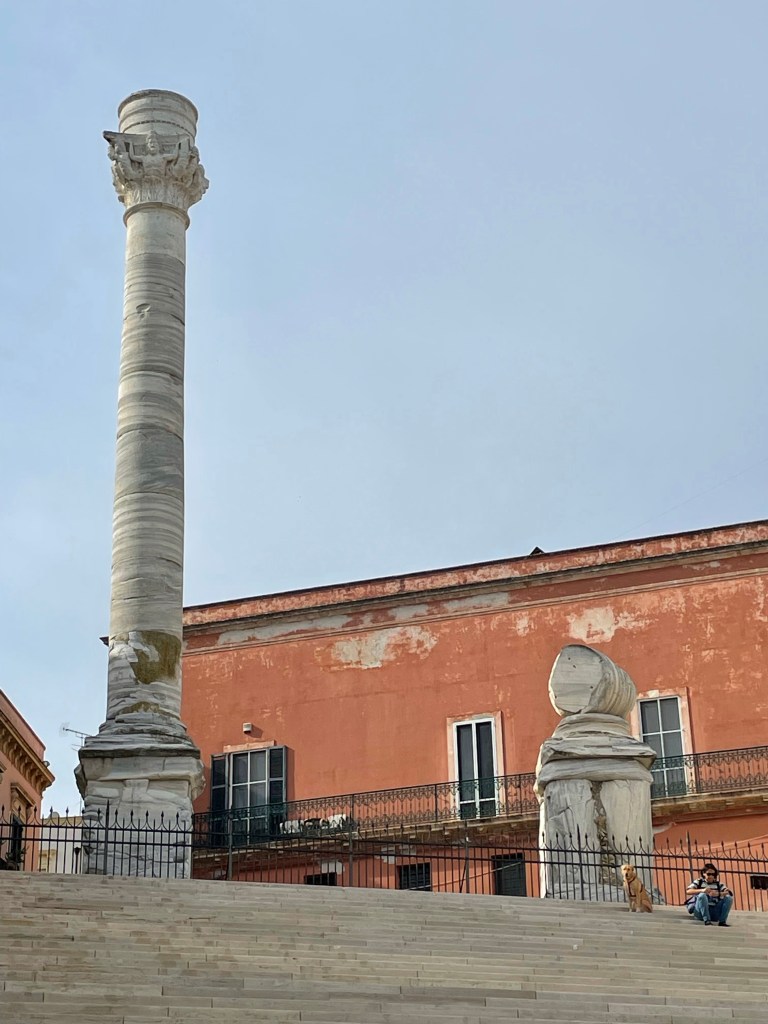
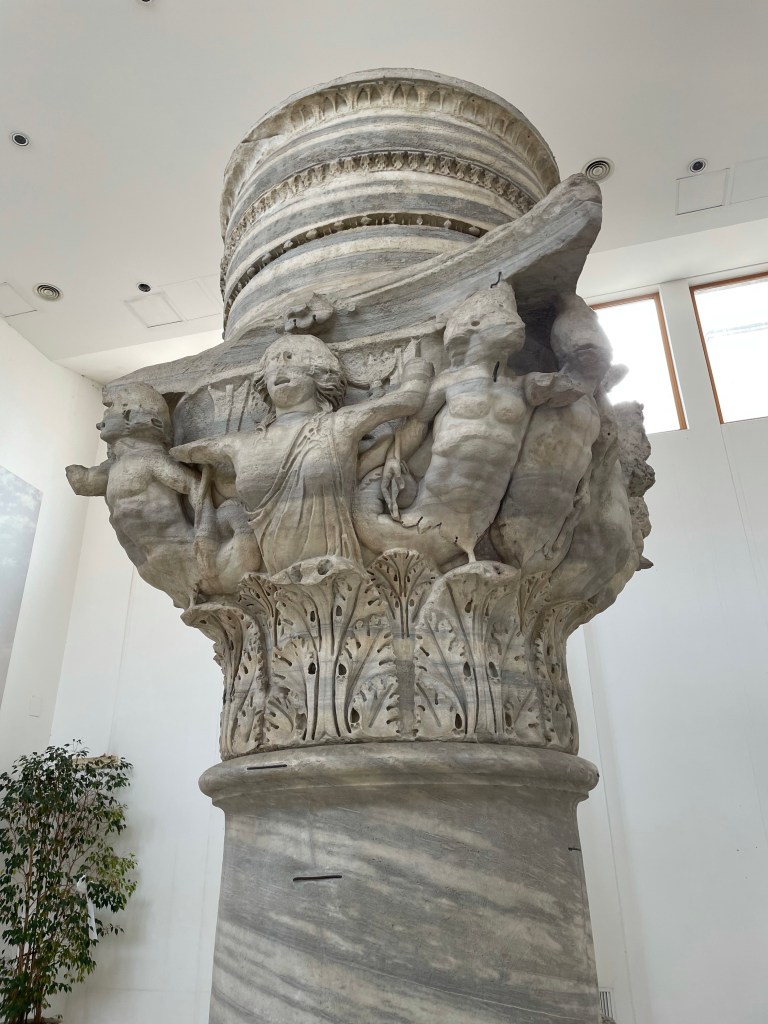
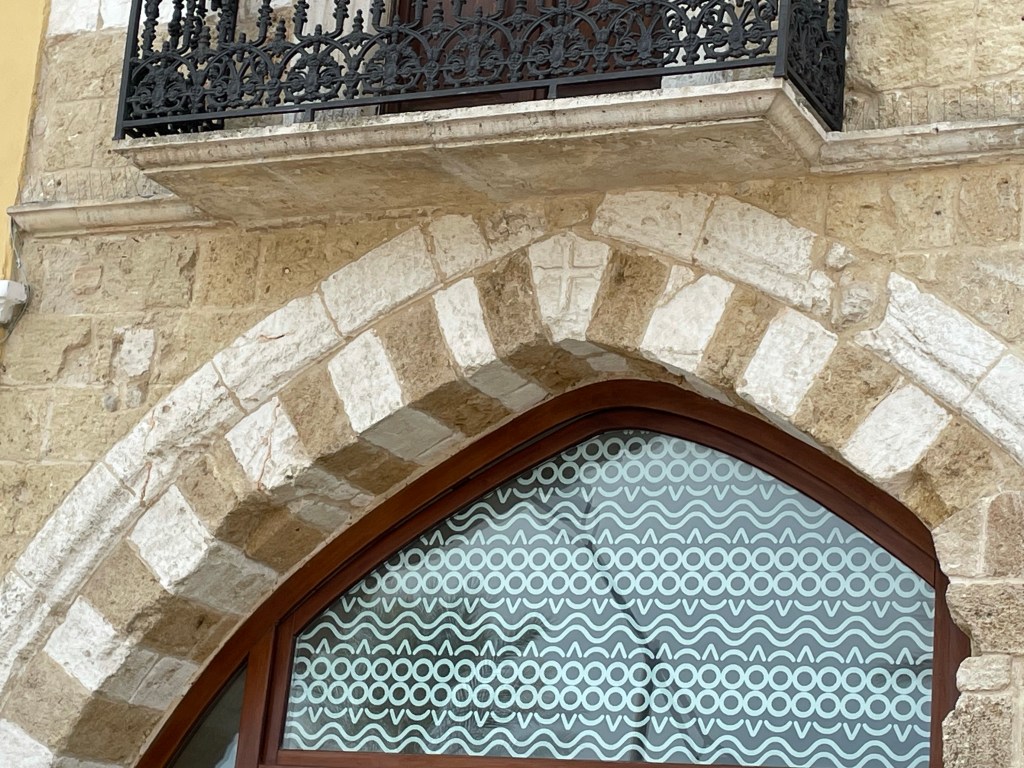
The port is still important for commerce and ferries travel on a daily basis to Albania.

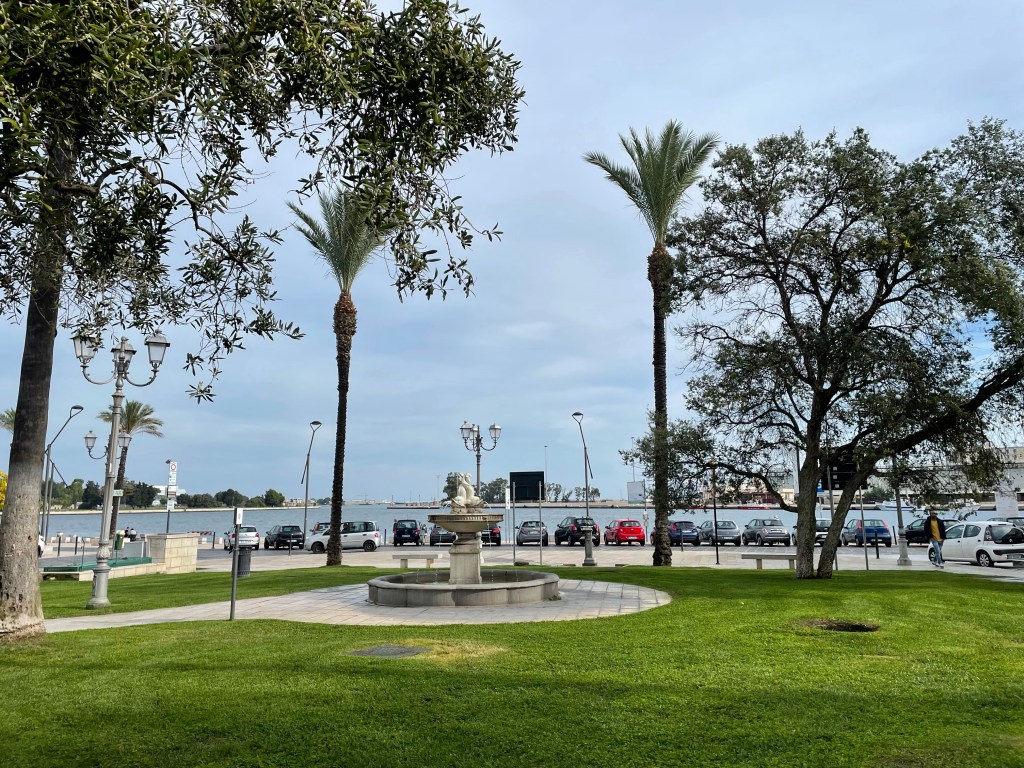
Restaurants are found along the lungomare although there were few people frequenting them.
There is an excellent (and free of charge) archeological museum next to the Duomo that has an outstanding collection of Greek, Messapian, and Roman artifacts, including bronze statues recovered from offshore archeological exploration.


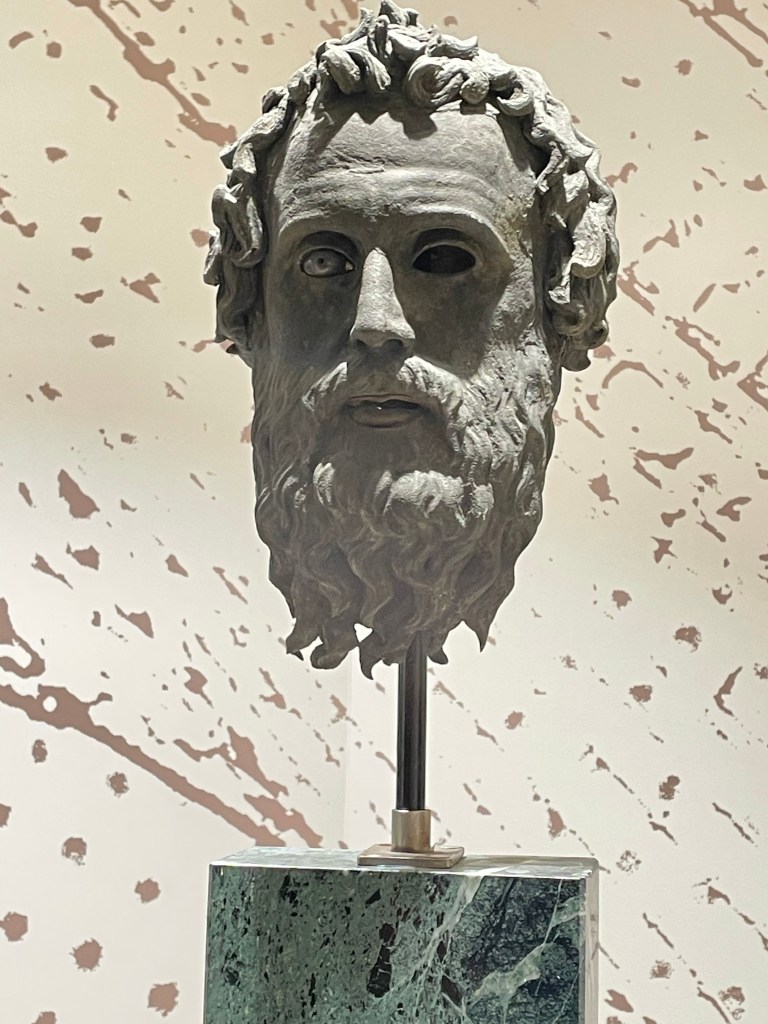
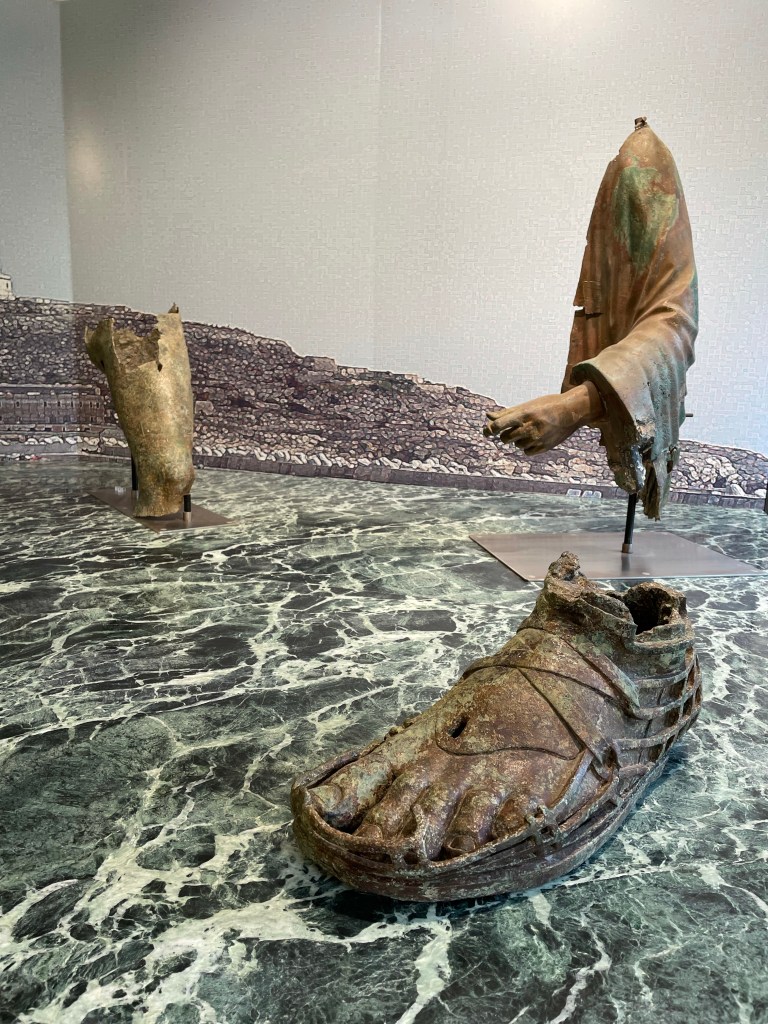
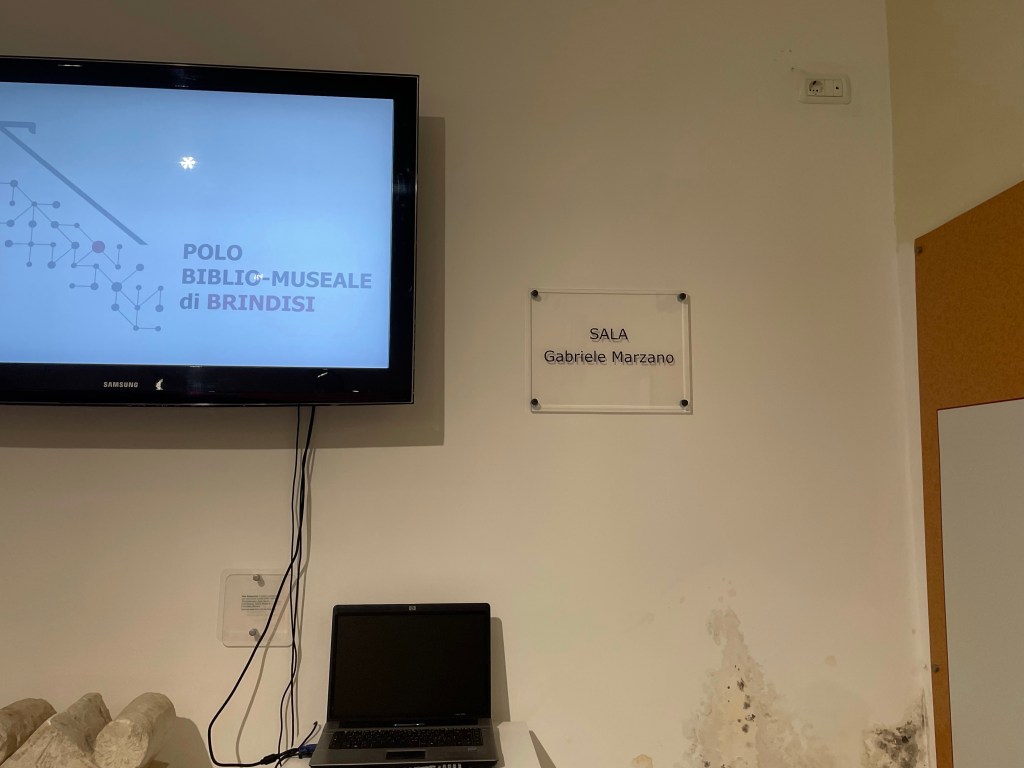
Interestingly, the grandfather of our guide donated many objects to the collection and has a room dedicated in his honor.
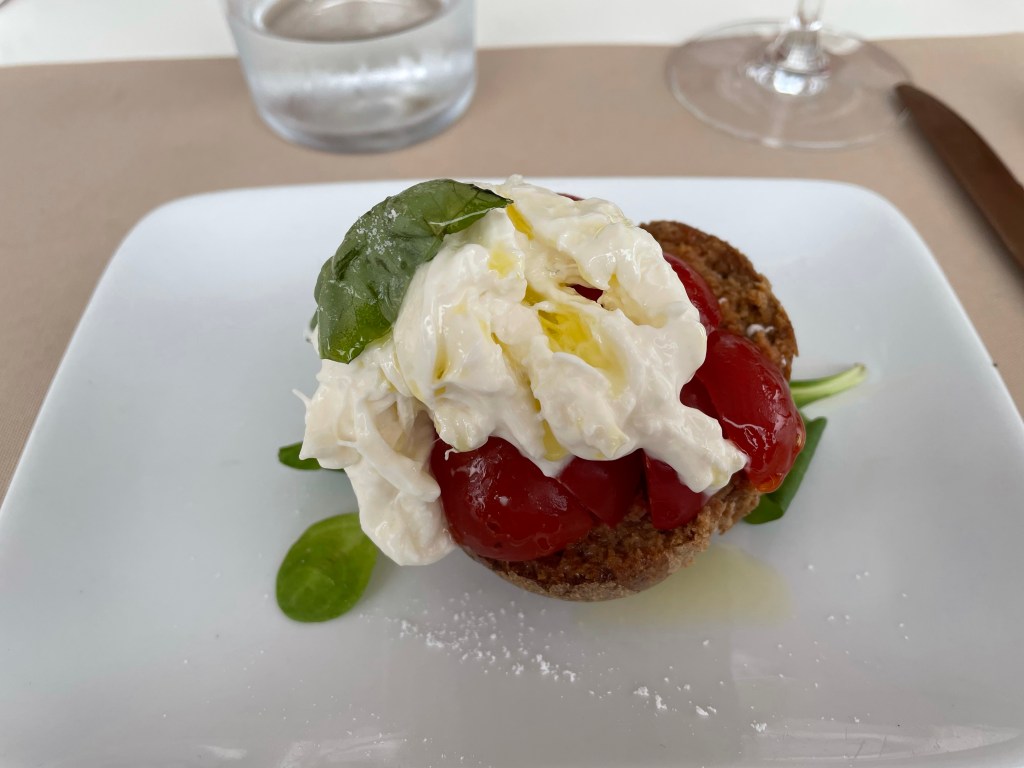
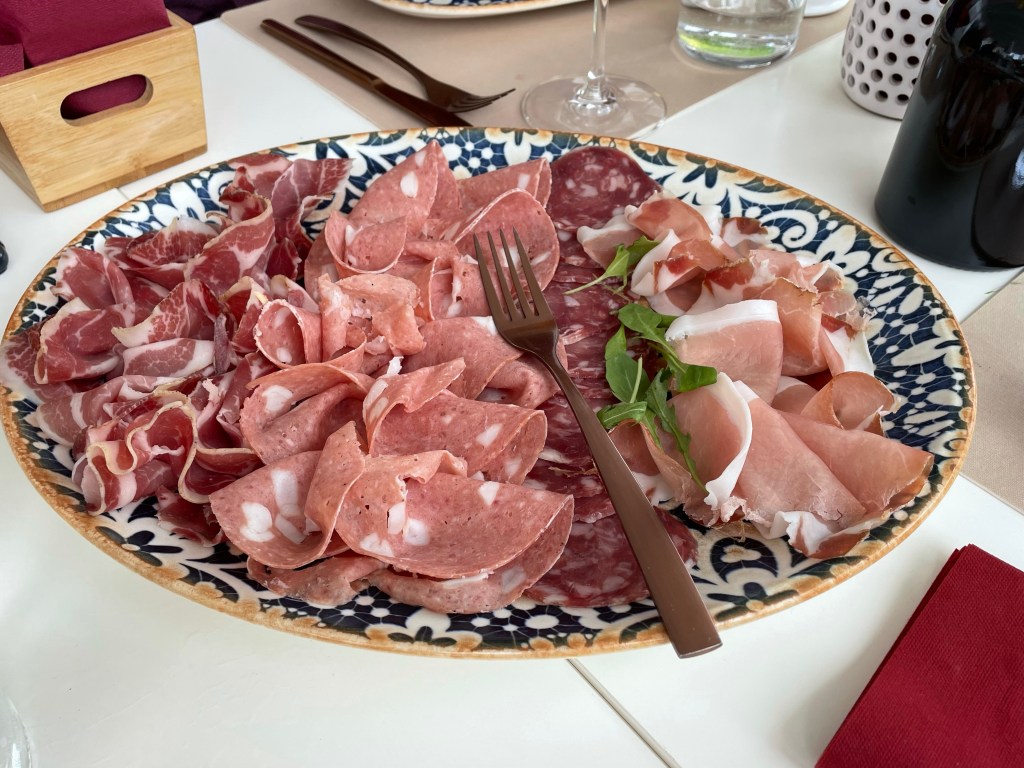
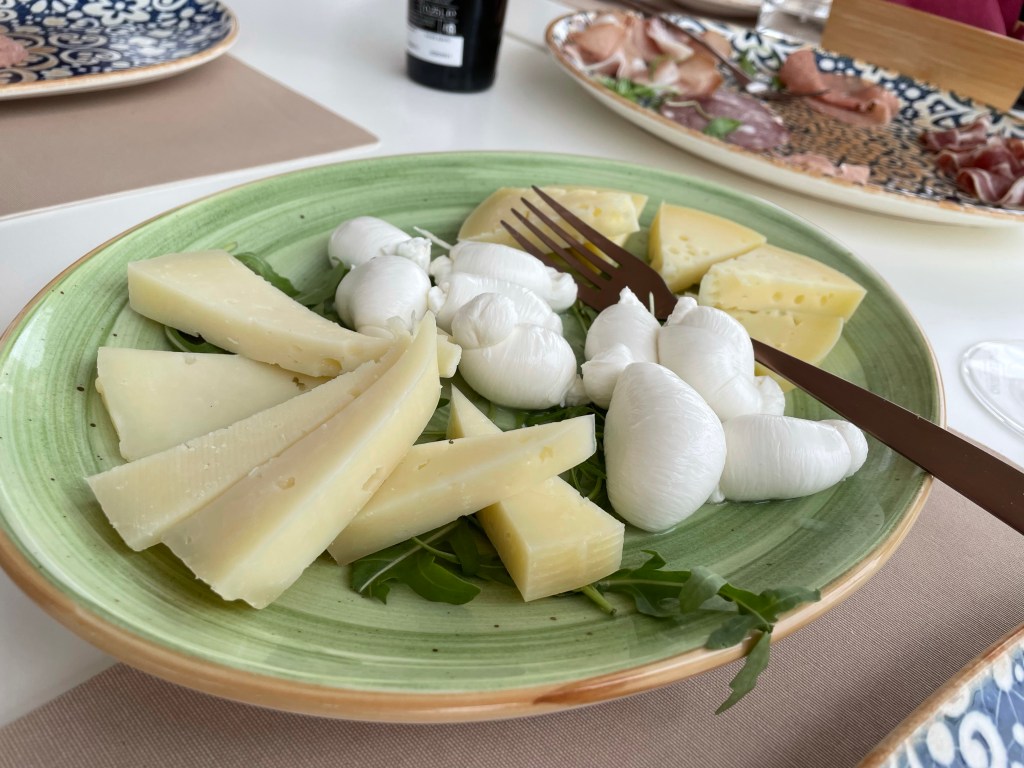
We then had a light lunch and tasting of three local wines.
Our next destination was Grottaglie, the ceramic capital of Puglia and one of 28 designated centers of ceramic artistry. There are over 40 ceramic shops in this small town near Taranto. There is a castle and very small centro storico- rather unimpressive. However I did gave a nice conversation in Italian with a Polish woman who was visiting the town with her Italian husband.
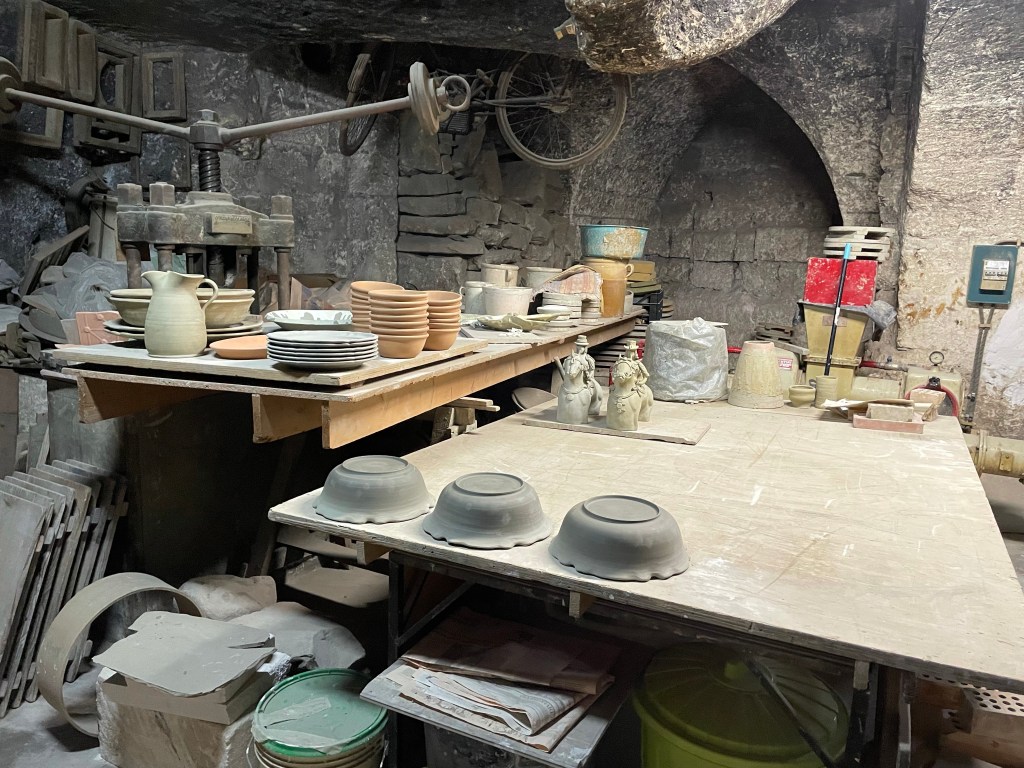
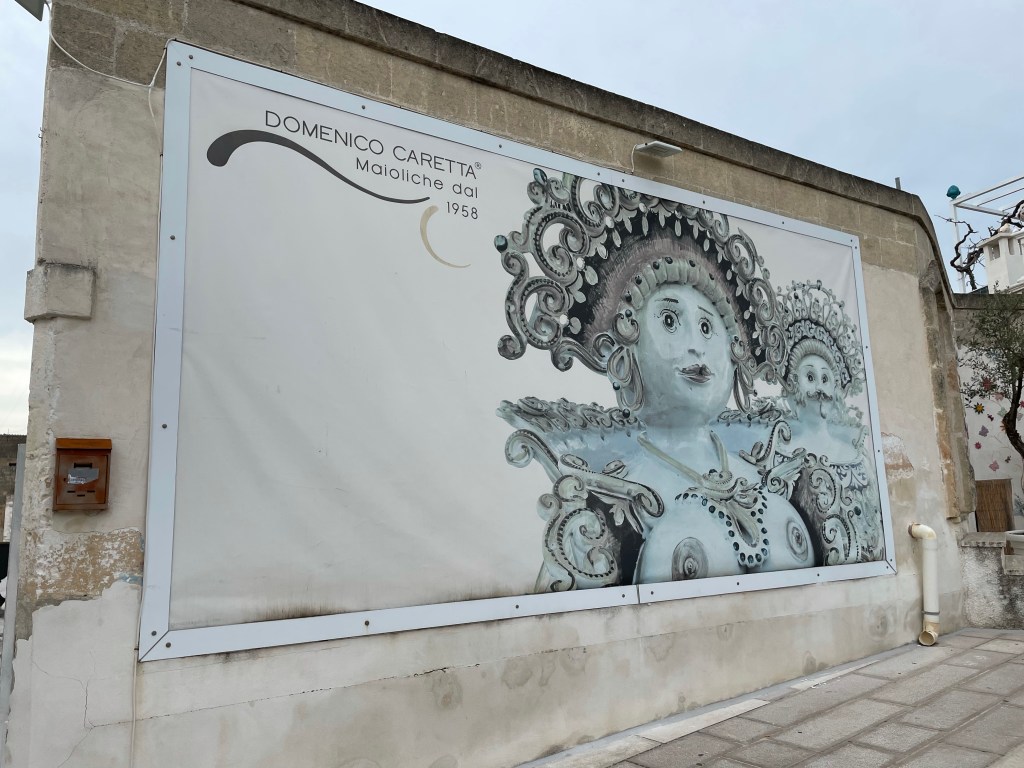
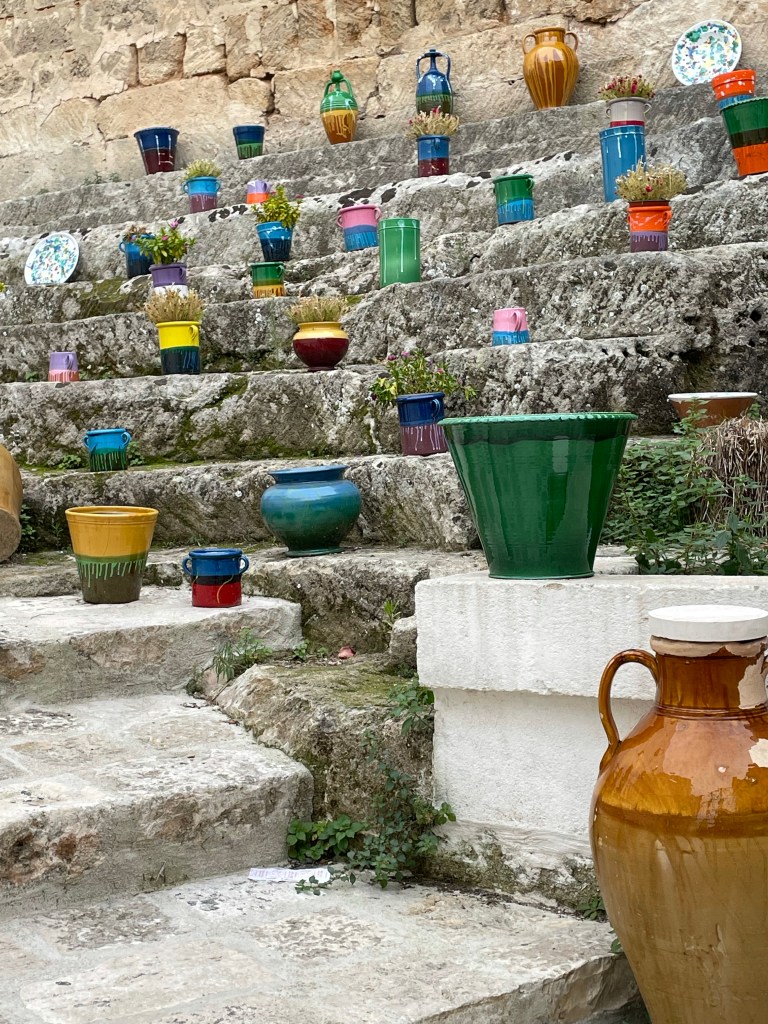
A cute ginger cat with a harness was probably the high point for me as the style of the ceramics was not something I liked.
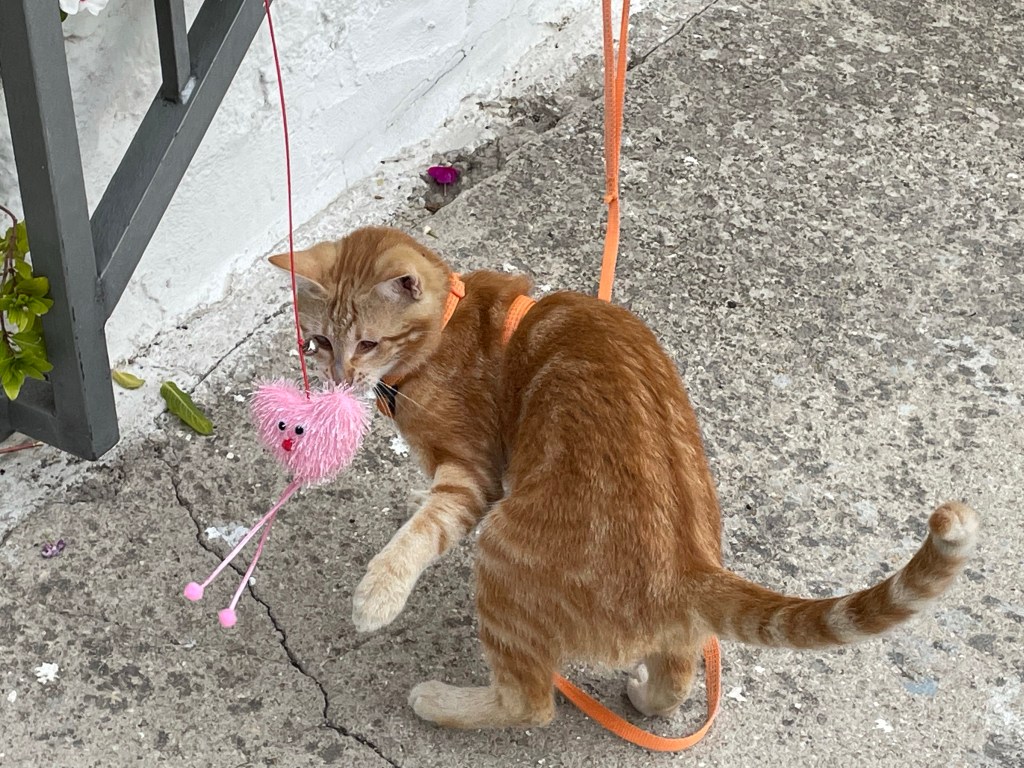
We returned to the Masseria for dinner on this last night of our stay there. The meal was not particularly memorable but we will never forget the kittens and dogs that ruled the farm.

 Camino Musings