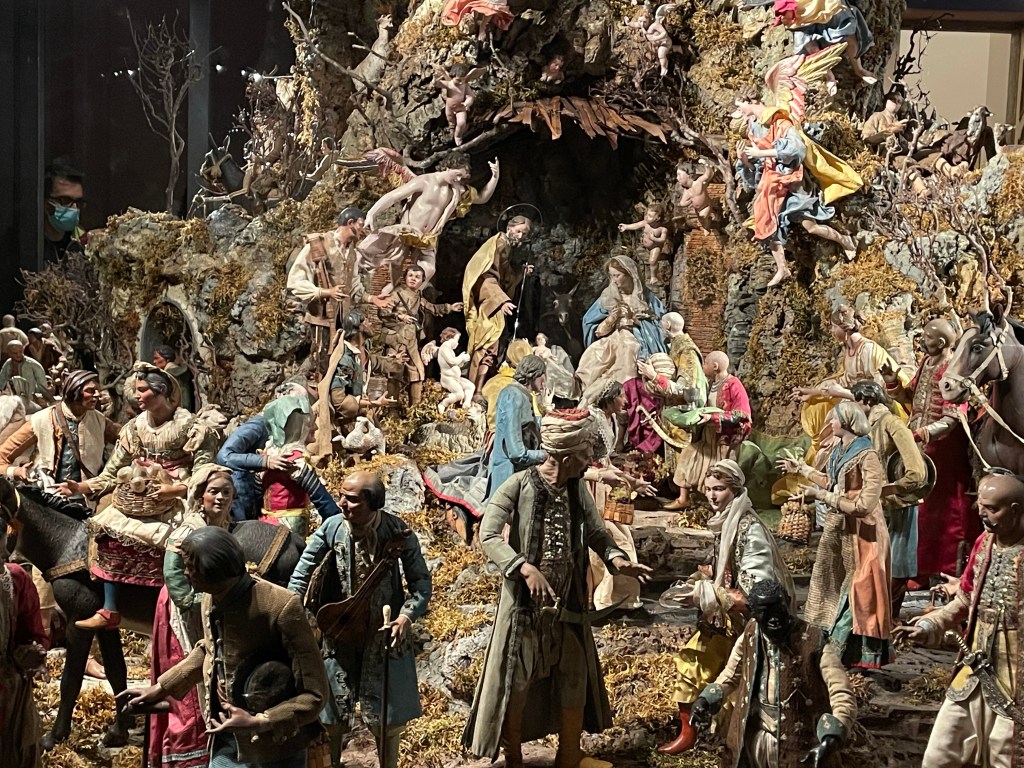
About a 45 minute drive northeast of Naples, in the city of Caserta, a palace rivaling the magnificence of Versailles was constructed in the mid 1750s by King Carlo, the ruler of the King of Naples. He left it to his 8-year-old son, Ferdinand, in 1759 when Carlo returned to Spain to take over its rule. Ferdinand ironically was married to Maria Carolina, the sister of Marie Antoinette, who lived in her own palace of Versailles. The 1800 room home of this ruler of the Spanish House of Borbone (Bourbon) contains elaborately decorated ceilings and walls, chandeliers from Venice, not much furniture and a a massive preseppi (Nativity scene) as well as a contemporary art exhibit with theme of terremoto (earthquake) that damaged the area in 1980. Ferdinand, who despite his Spanish heritage, was a true Neapolitan who spoke only the local dialect and no Spanish. He and his wife pretty much despised each other despite producing 11 heirs! She was cultured, attractive, well read and followed freemasonry, unlike her lanky and quite unattractive husband, who was known as il nasone (big nose).
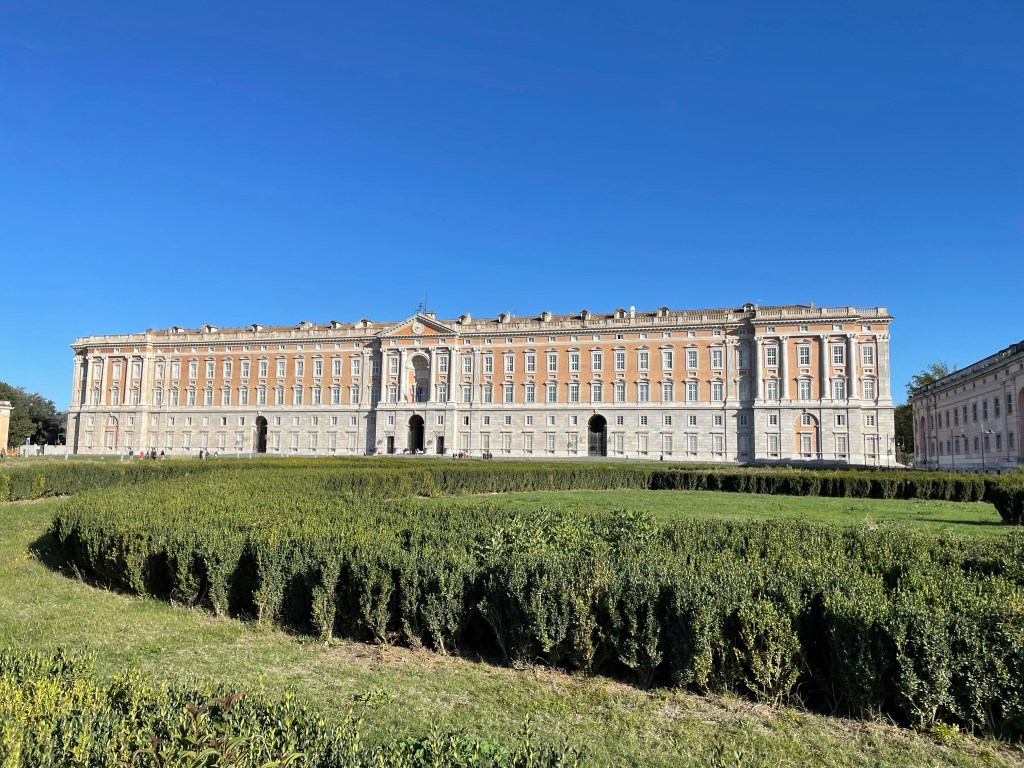
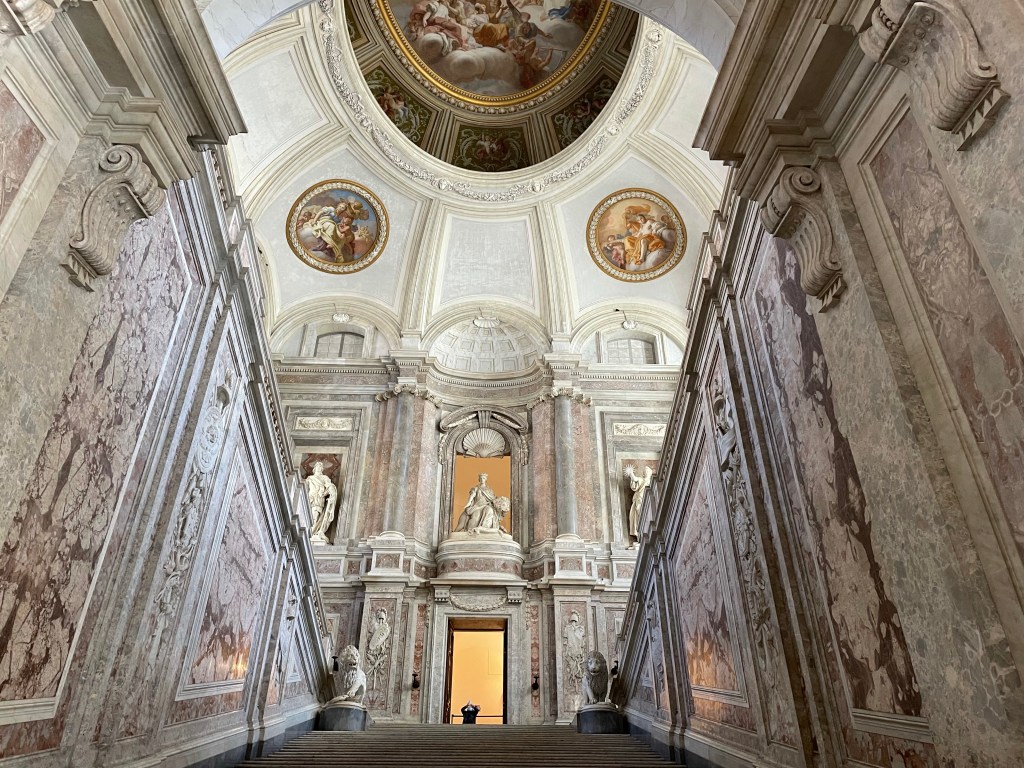
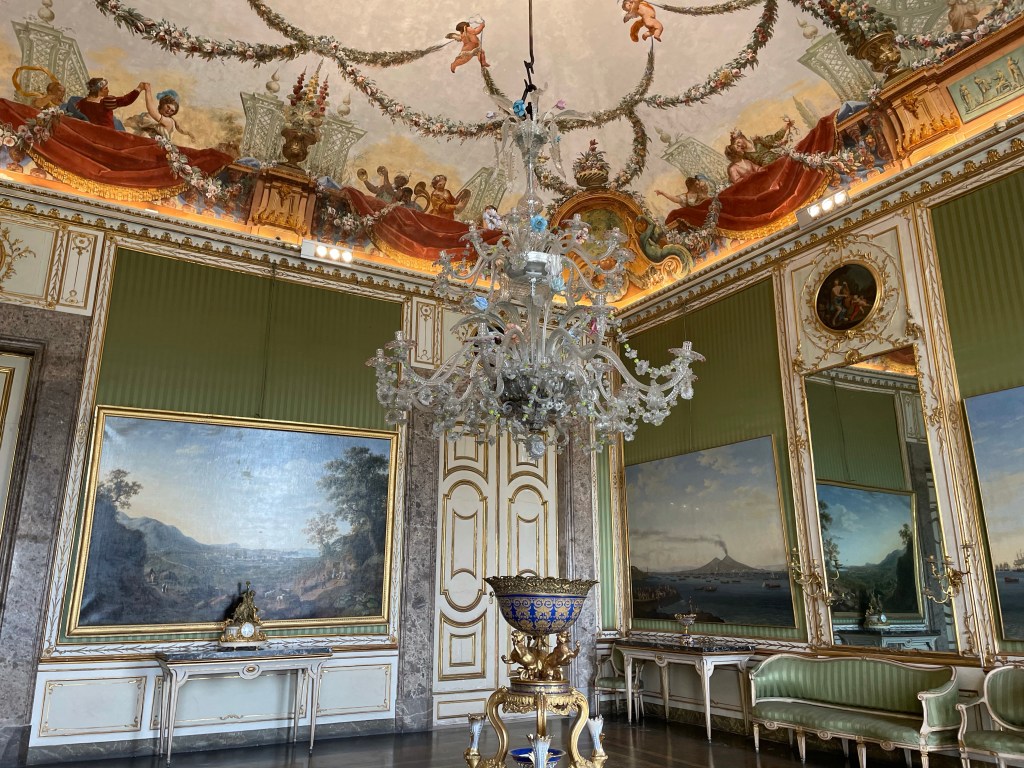
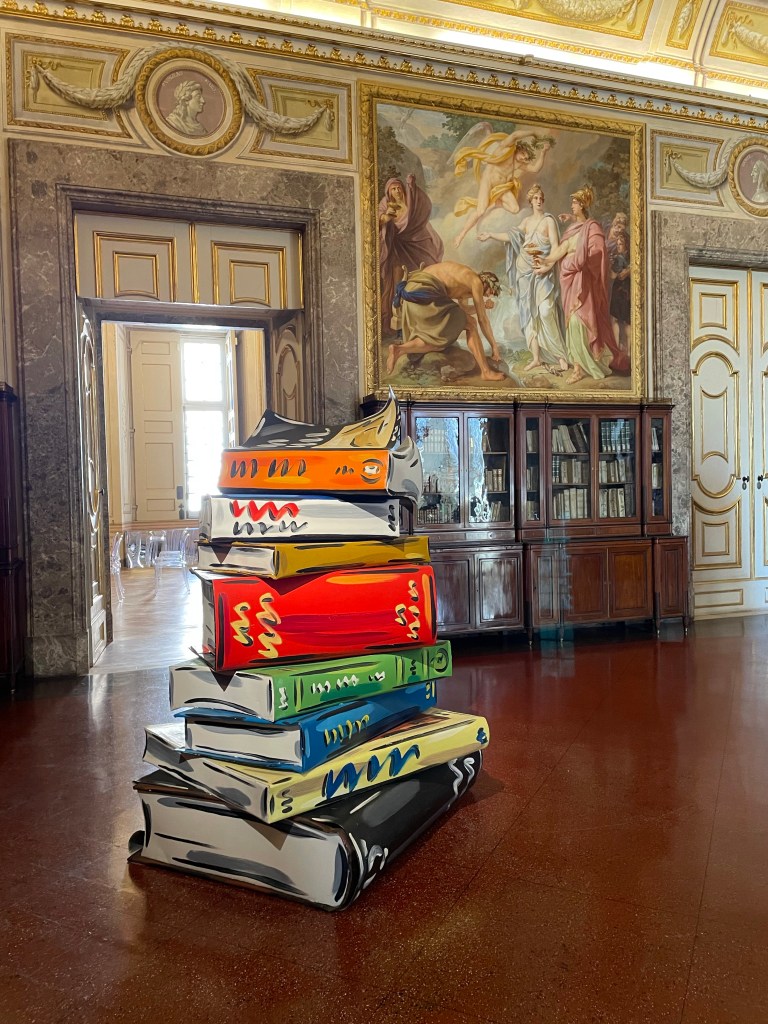
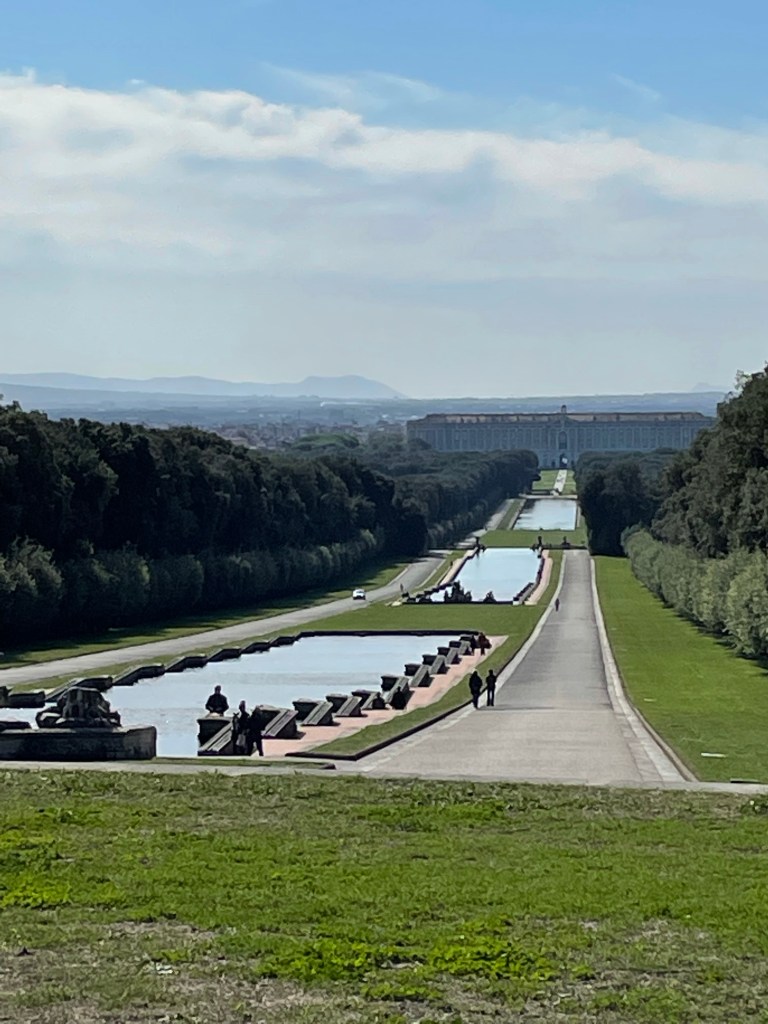
The grounds are stunning and massive, with a 3km long Italian style garden in the rear of the palace that contains many reflecting pools and fountains. Maria Carolina was instrumental in establishing an English style garden, probably to distance herself from her unbeloved husband.
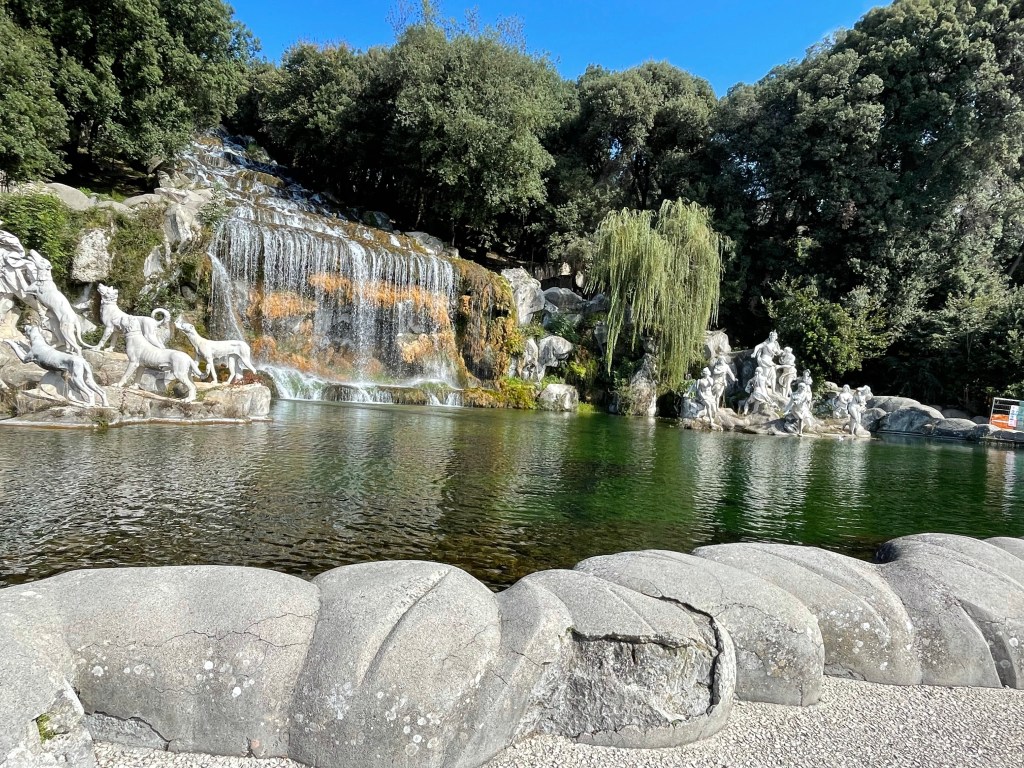
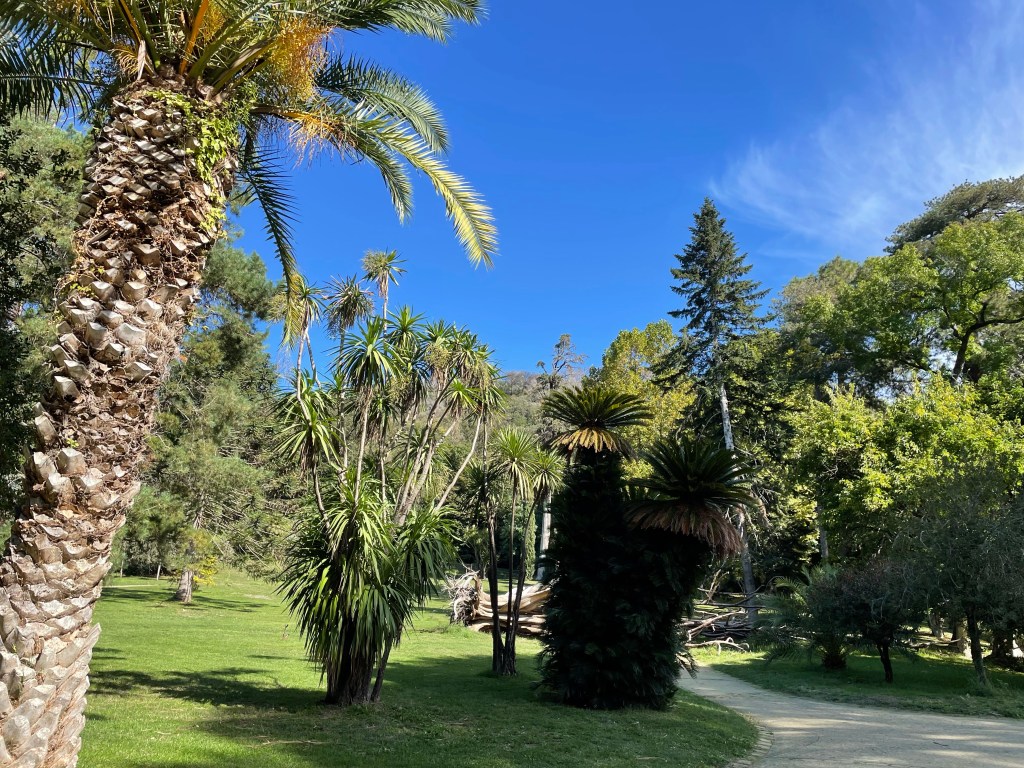
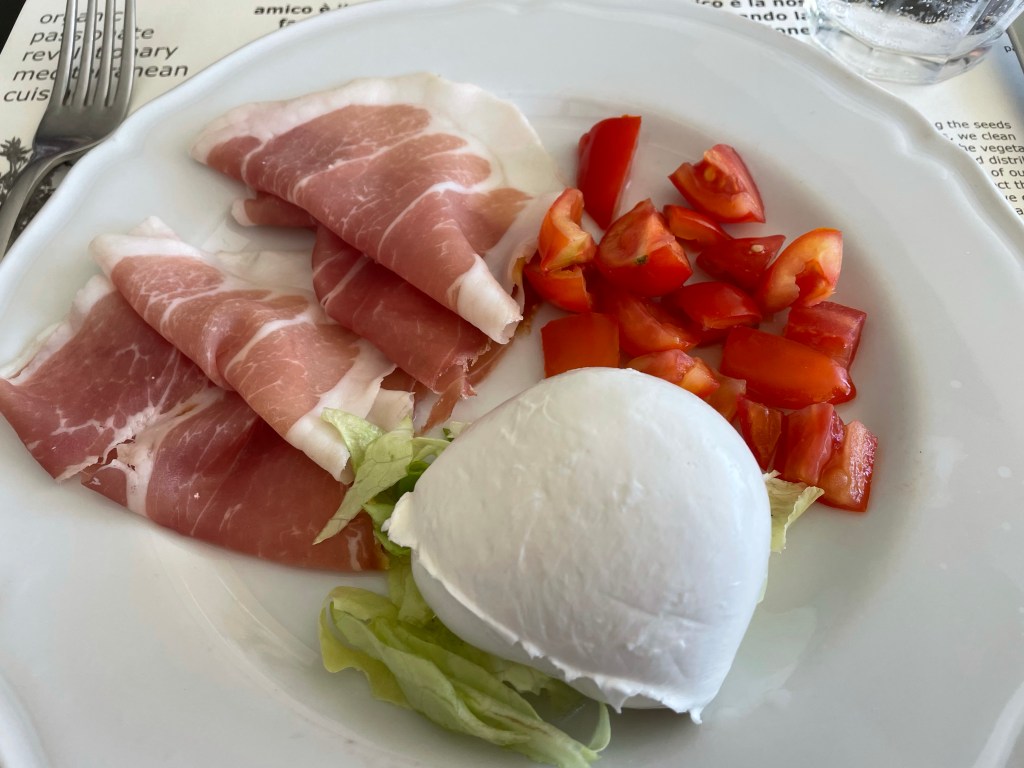
Because of the wind, a stroll of this garden was nixed and we proceeded to lunch at Santa Maria Capua Vetere at a biodynamic (organic) restaurant near the ancient Roman arena.

The arena was built in the 1st C AD and is second in size only to the Roman Colosseum. It was used as a training site for gladiators and was thought to be the site of the battle between Spartacus and the Roman army.
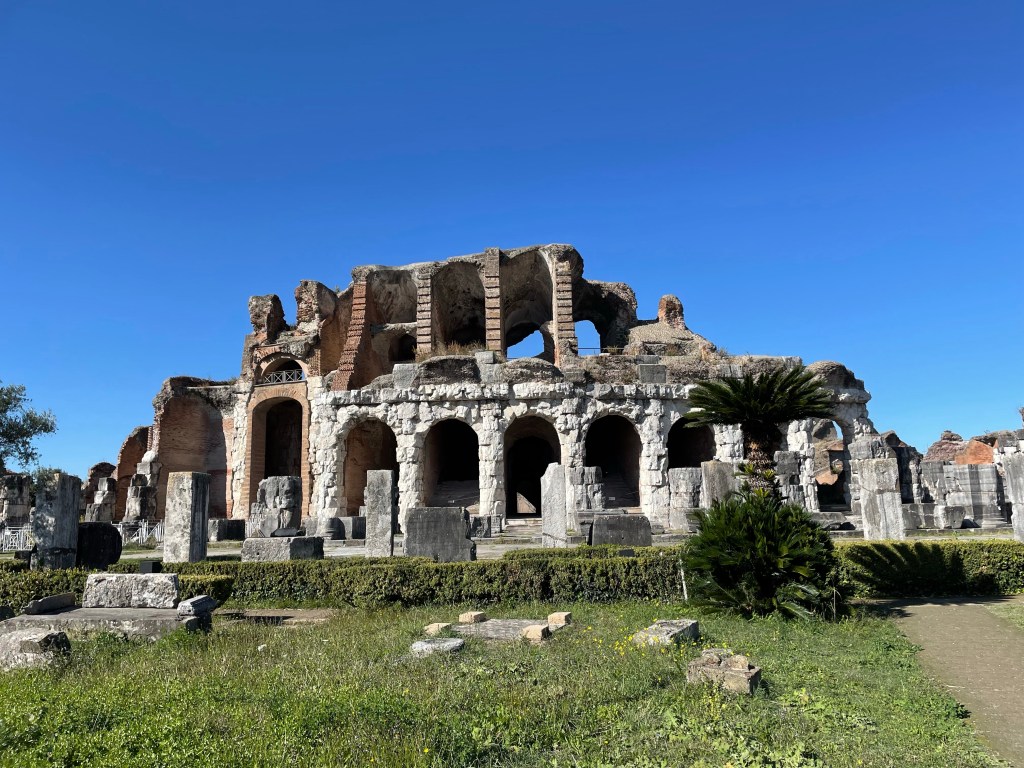

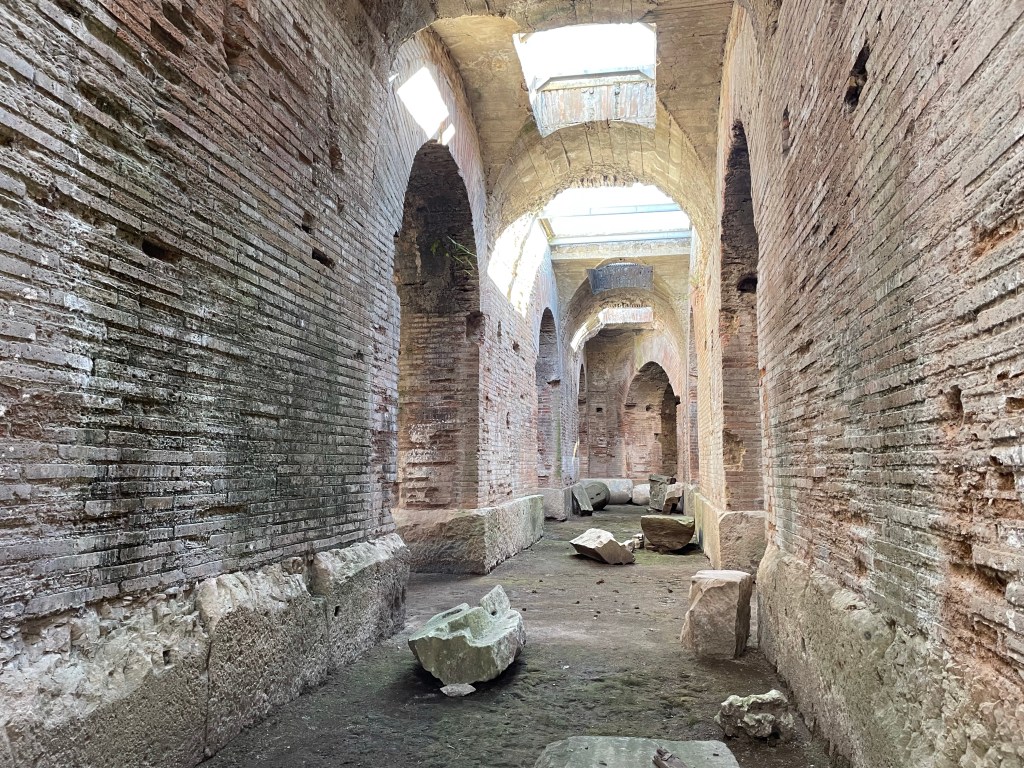
Unfortunately, most of the marble facade as well as the seats are missing. But one can explore the bowels of the arena without bumping into anyone else. Although this was such an important arena for gladiator games, it is not on the radar of guidebooks of Italy so it is blissfully free if tourists.
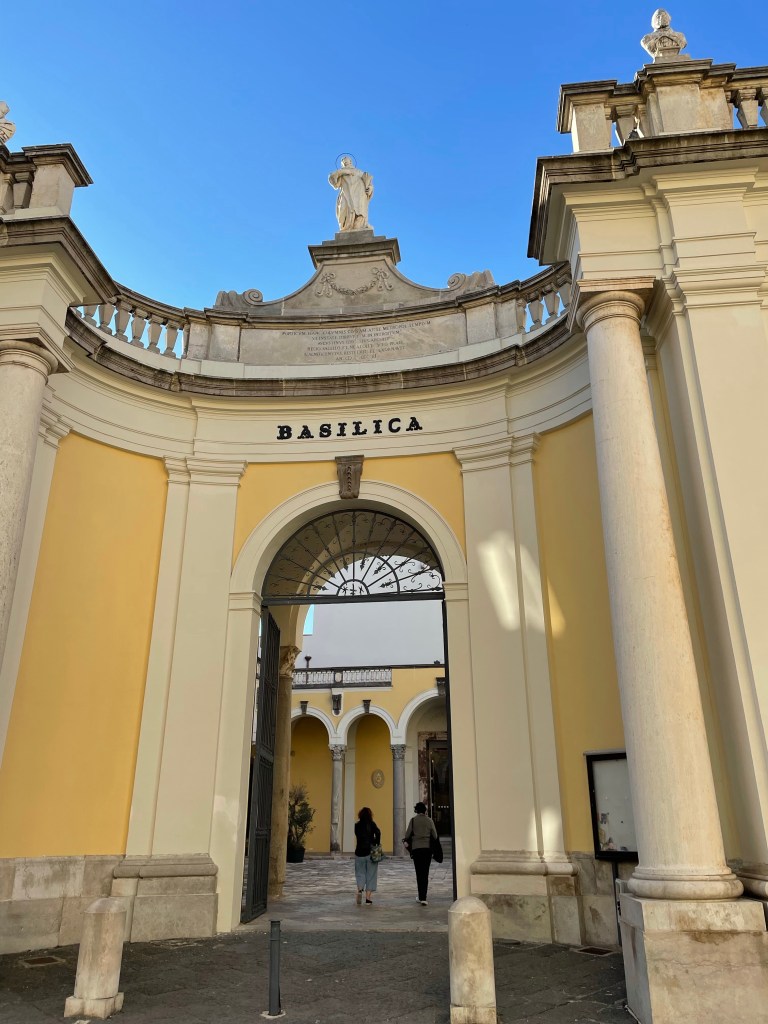
We made a quick stop in the town of Capua, but as it was time of the pausa (siesta), all the shops were closed. A new cathedral replaced the original that was destroyed by bombs in WW2.

 Camino Musings