Today starts a one-week staycation in Napoli, and an immersion into the cacophony of chaos, color, culture and culinary classics that make this city so unique- and so frightening to many Americans. When this city is suggested as a vacation destination, the usual response (at least in the USA) is: “Why would anyone want to go there? It’s dirty, crowded and dangerous.” Certainly Naples does not fit the stereotypical romantic image of Italy – it doesn’t have canals, verdant hills covered by grape vines, olive groves, ancient Roman ruins, or iconic sights like the Leaning Tower of Pisa. It is a complicated city with significant underemployment, a long history of organized crime (the Camorra – AKA Neapolitan mafia), overcrowding, corruption and the citizens’ distrust of government. The frenetic pace can be quite overwhelming for tourists and a relaxing vacation in Napoli is a paradox. But there is a passion that exists in this city that is incomparable to any other city in Italy.
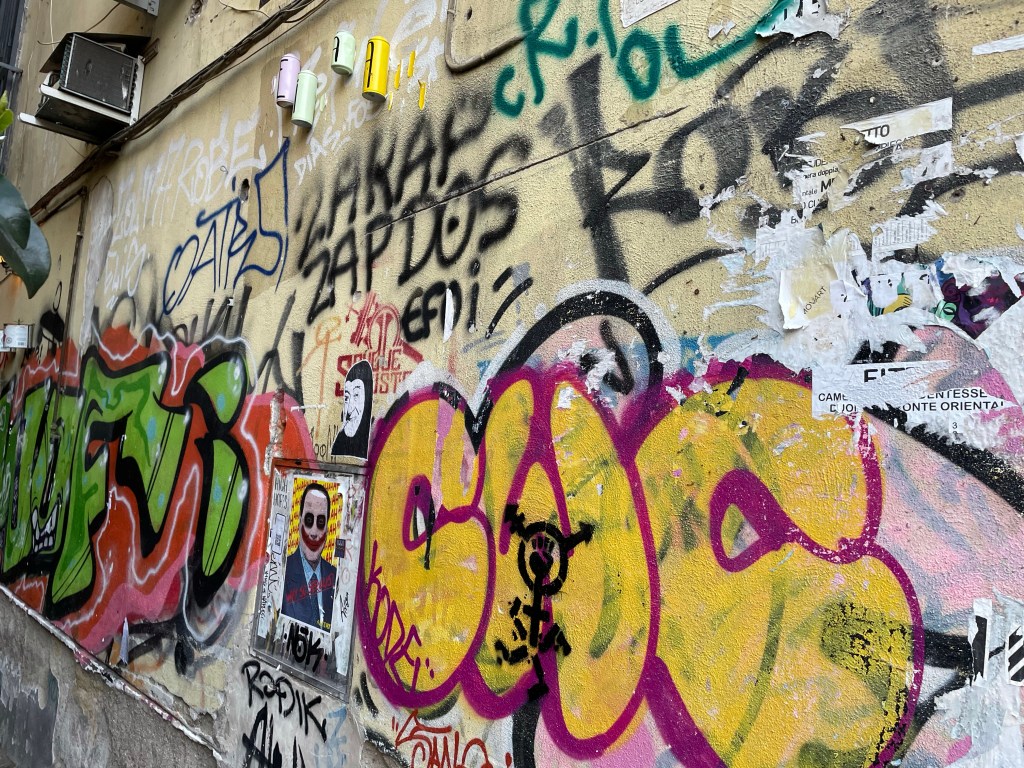
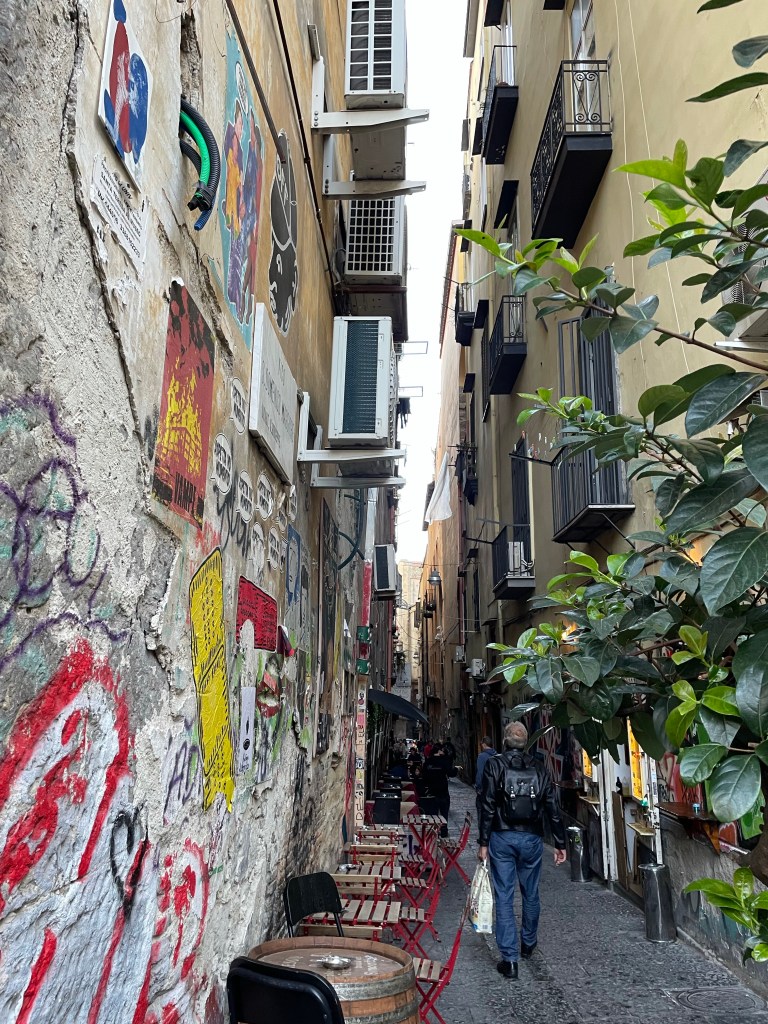
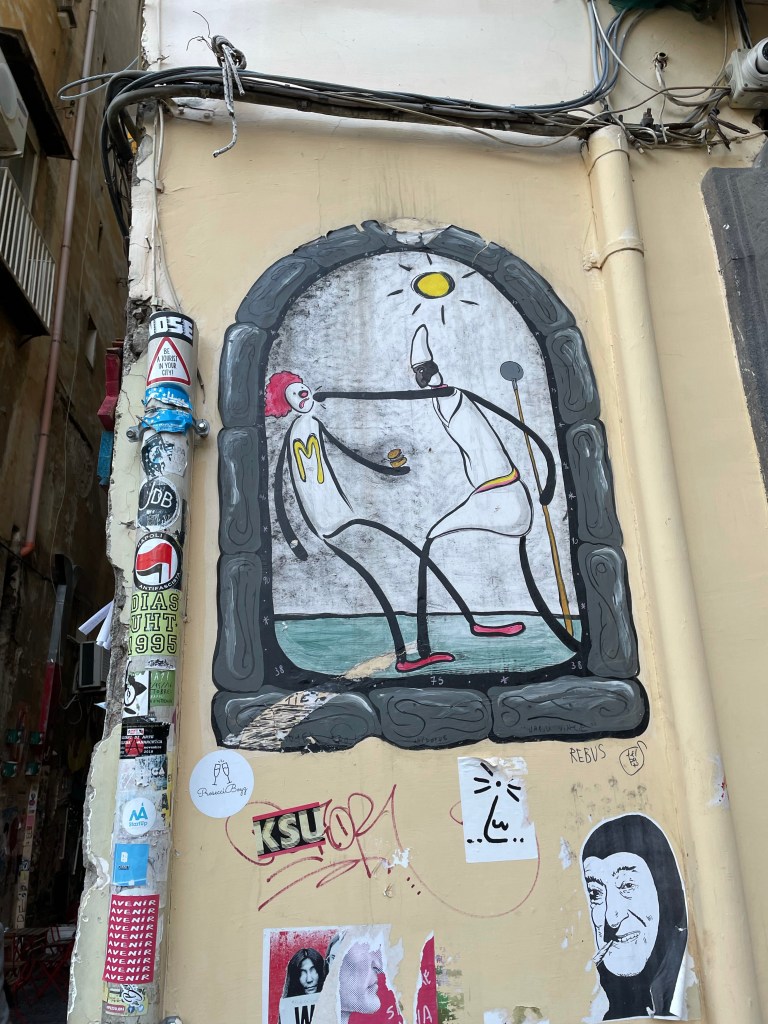
Naples is changing. Sure, there are still piles of trash on the streets and lots of graffiti (although some of it should be considered “street art”), but areas such as the Spanish quarter off of via Toledo are slowly developing into places where travelers go to experience the true heart of the city.

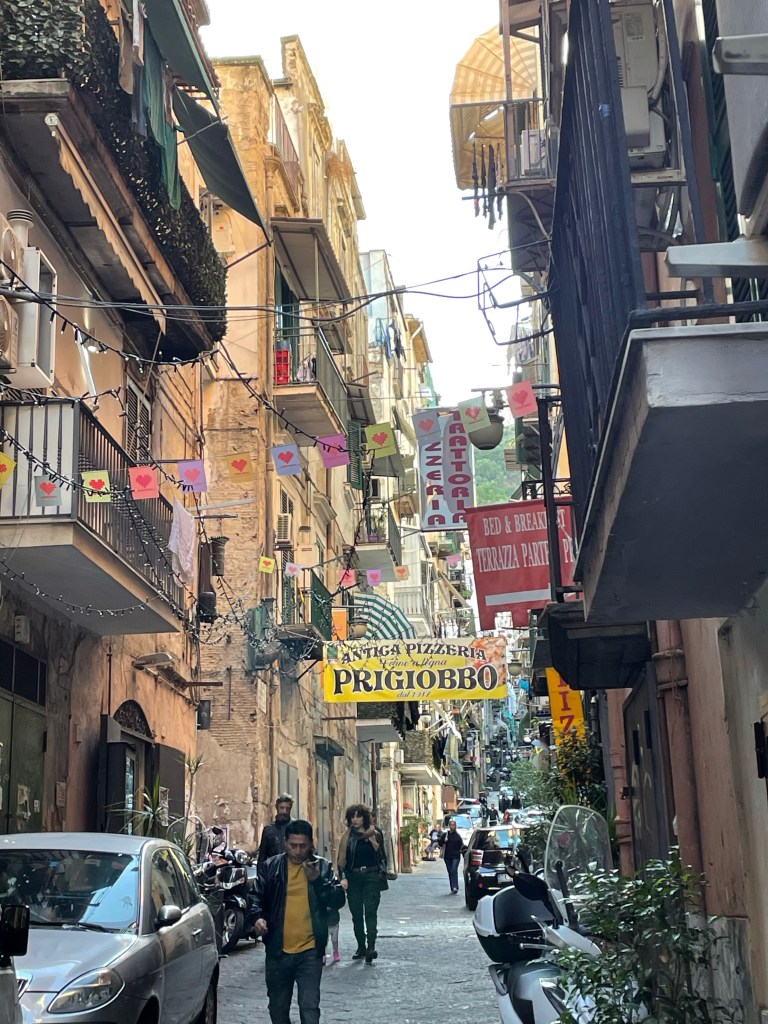

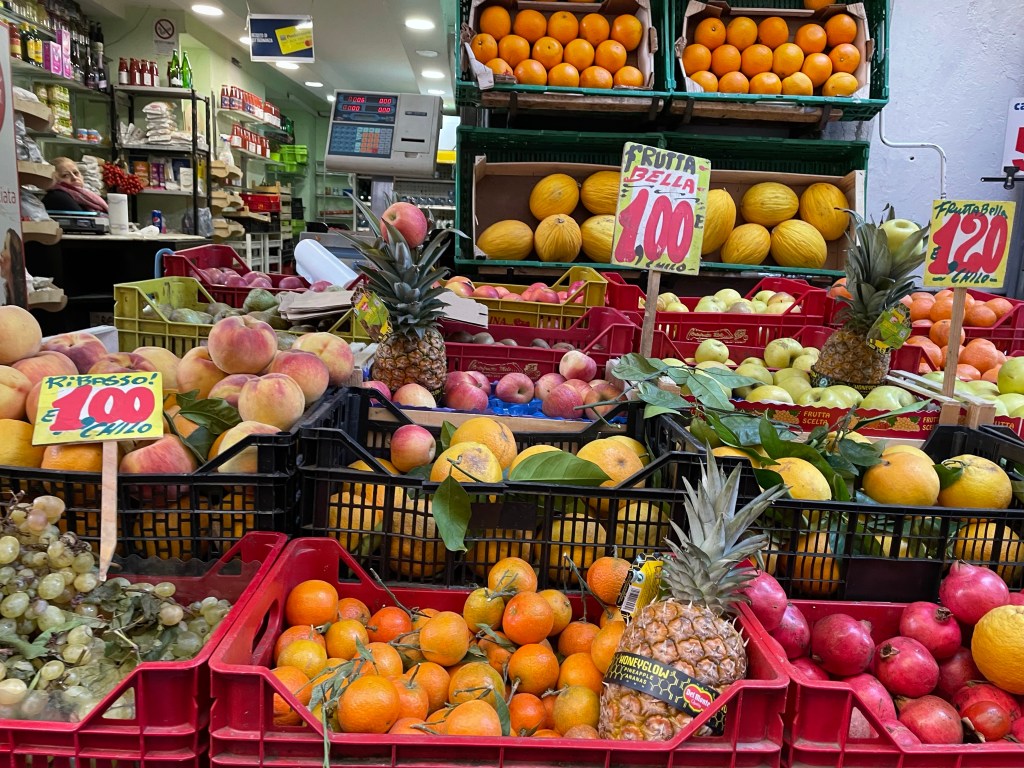
The historic center is a tangle of narrow streets crammed with pedestrians, parked motorbikes and cars. Unique local shops are everywhere.

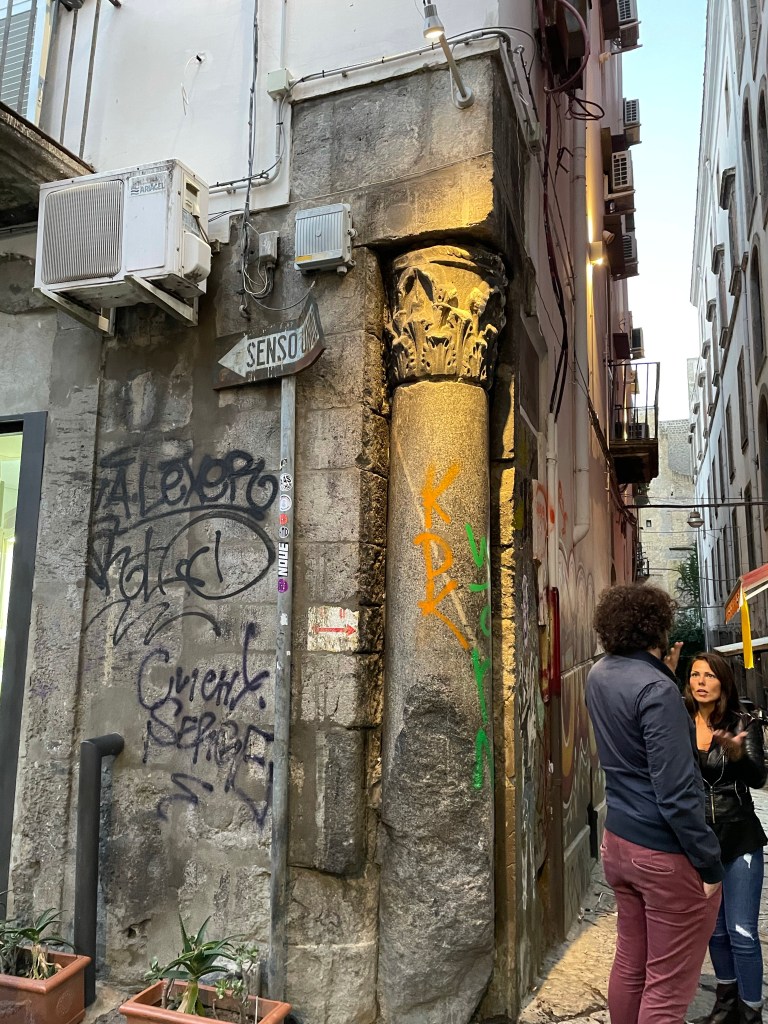
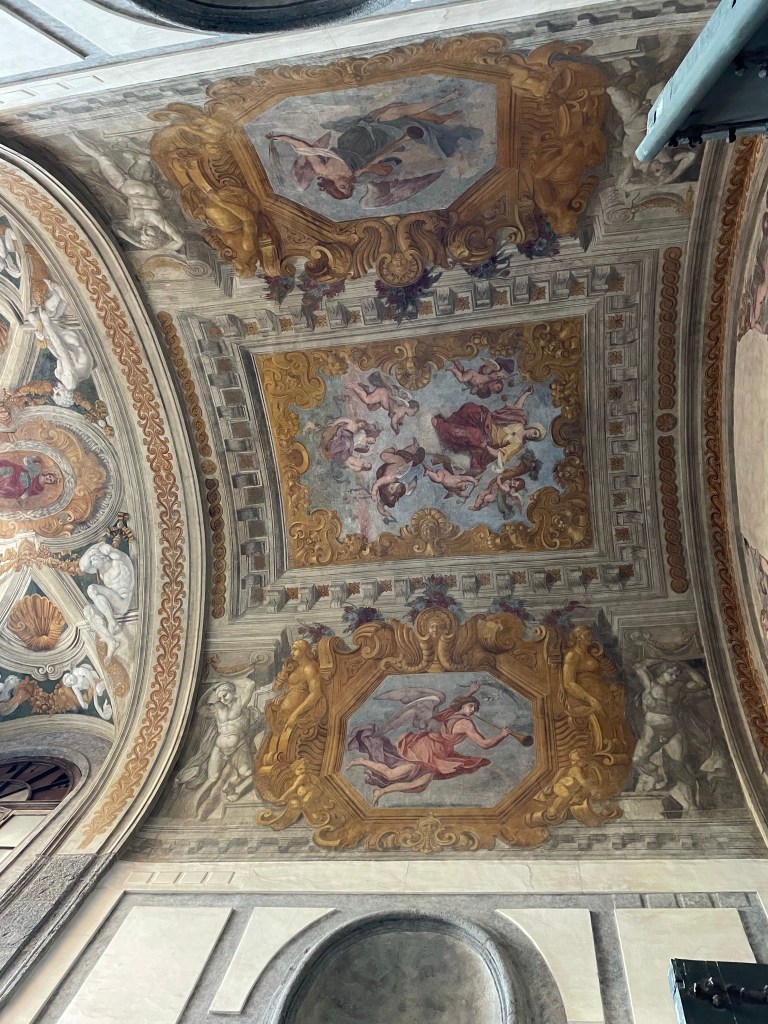
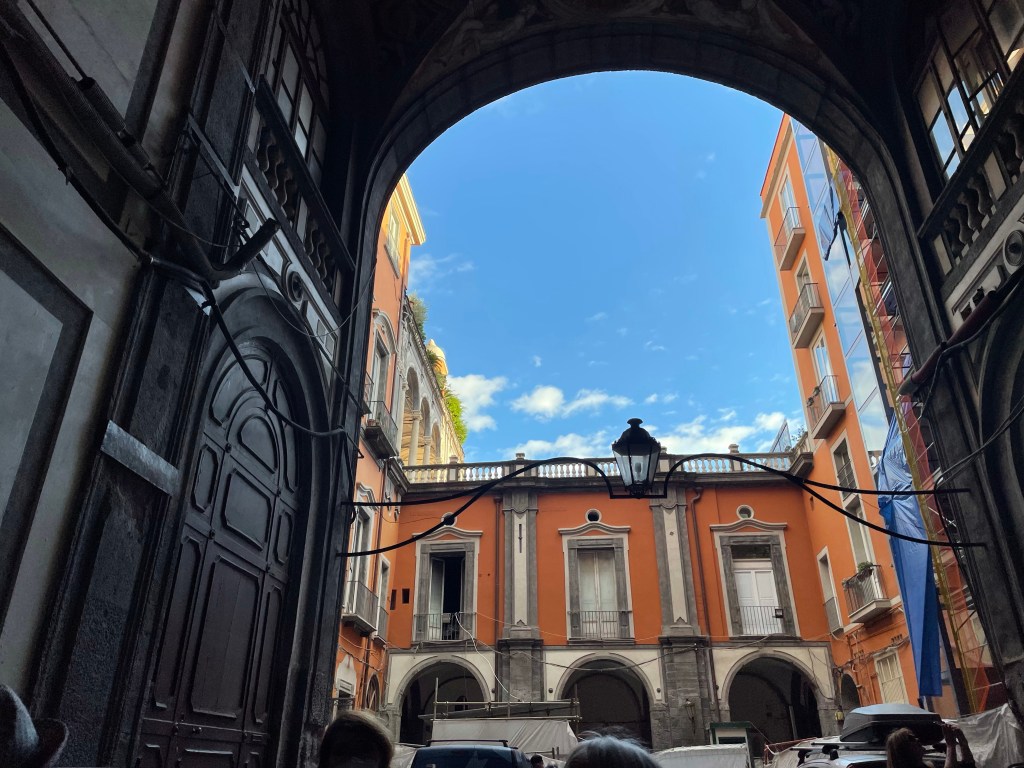
There are architectural surprises that pop out of nowhere, like frescoes archways and hidden courtyards.
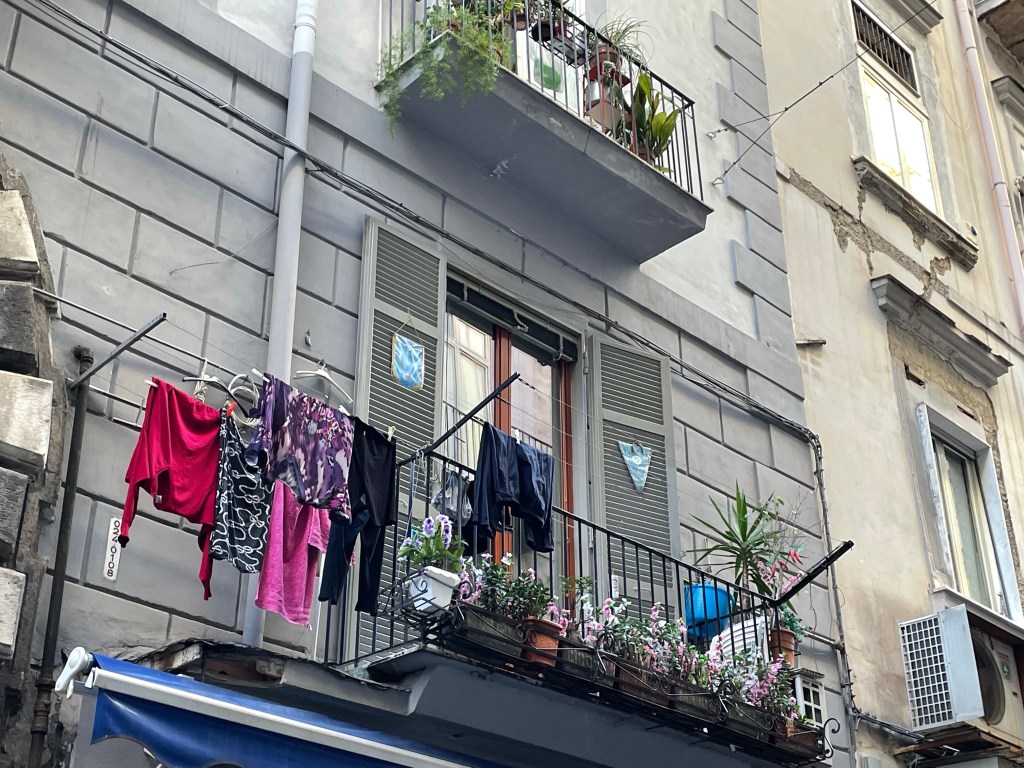
And the sight of hanging laundry is almost synonymous with Napoli.

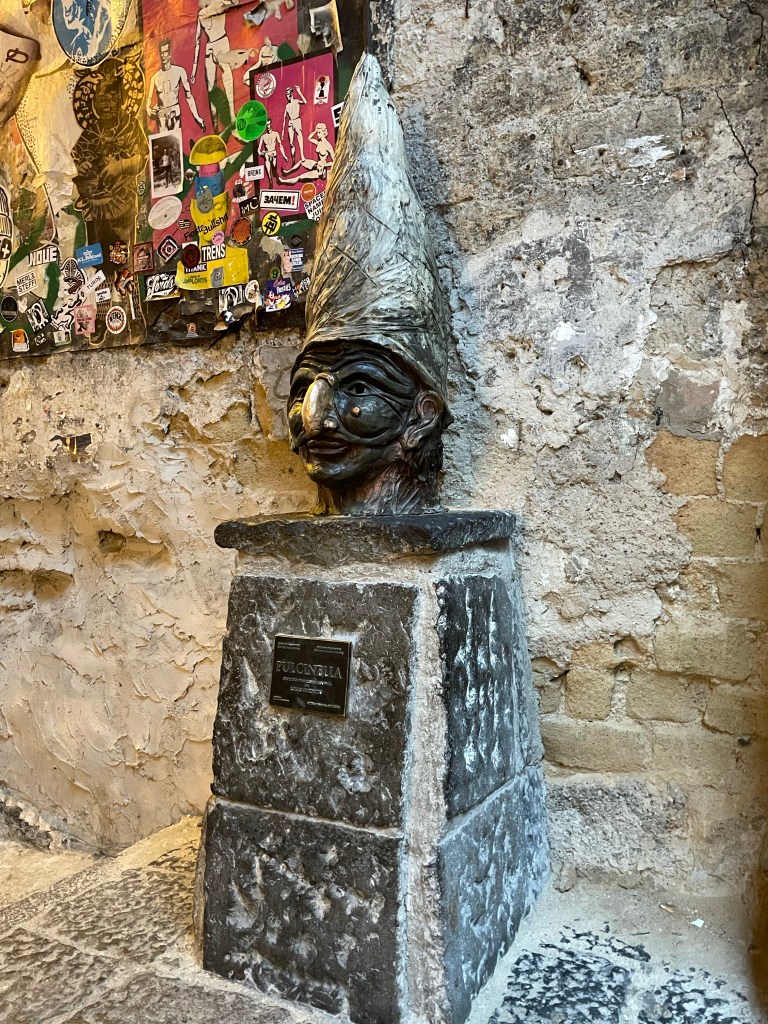
Just walking along these narrow passages is a visual party. There is always something unexpected- some really cool graffiti/street art, a statue of Pulcinello, the beloved Neapolitan character, a skull (of metal) on a pedestal outside a church that is rubbed for good luck.

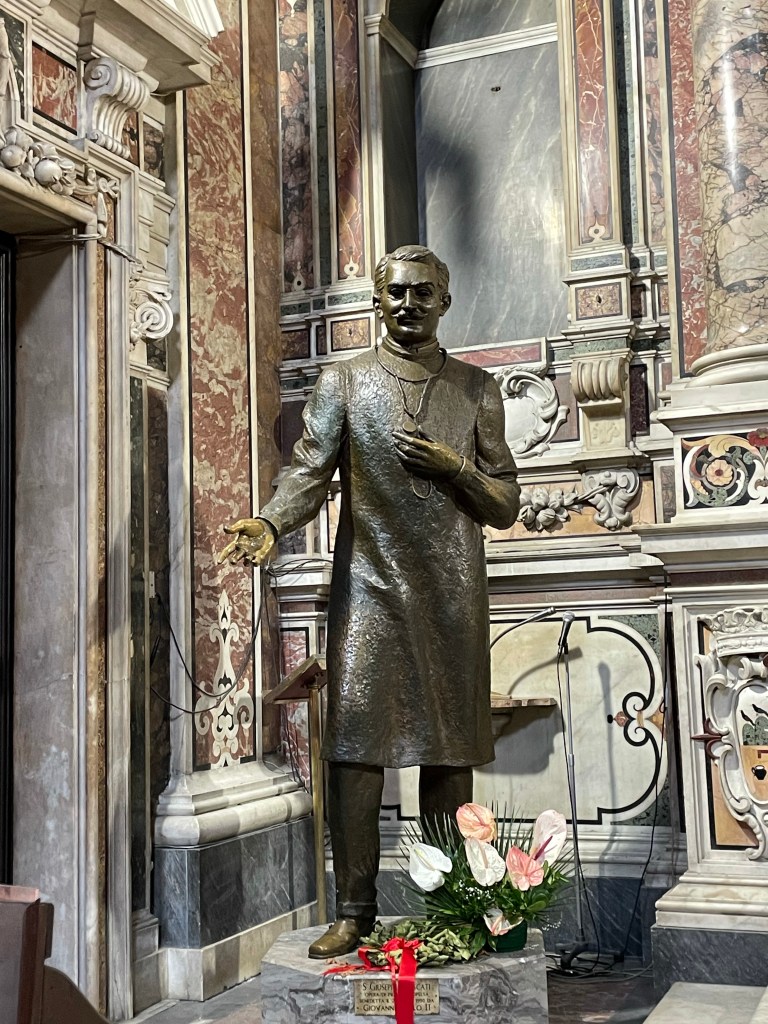
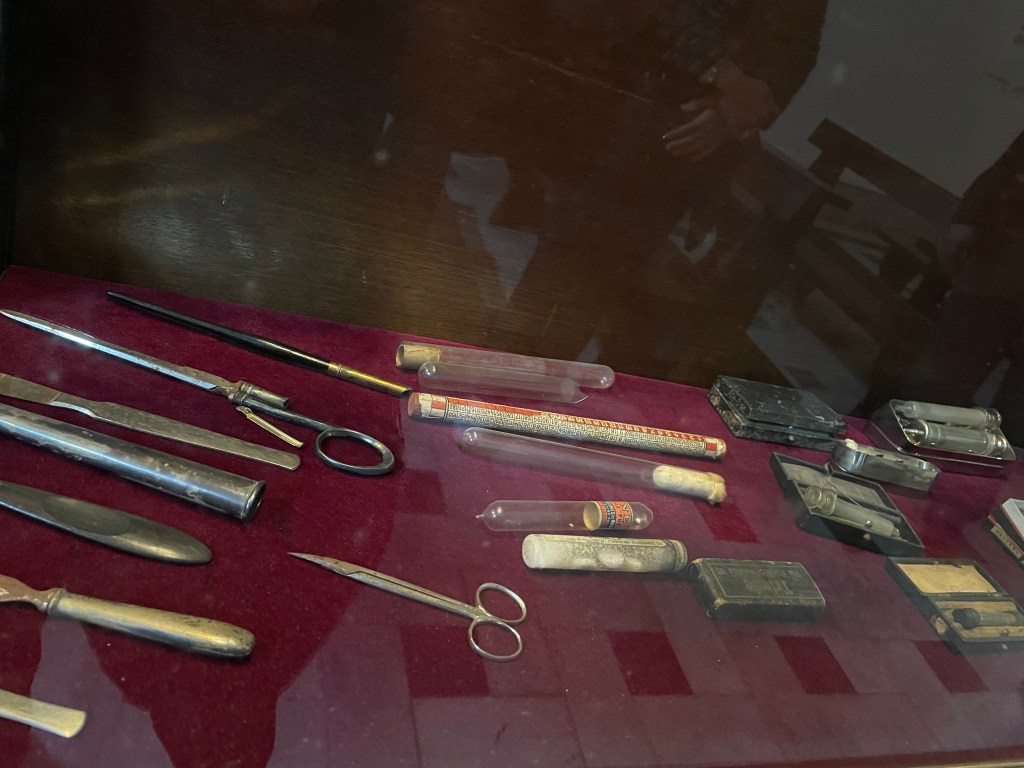
Religion plays an important part in the life of Neapolitans. One of the more interesting of the than 400 churches is the Chiesa di Gesù Nuovo, hidden behind the rather unique facade of what had been a dwelling of a rich family. The baroque interior is characteristic of the 17th century architecture prevalent in Naples. It also contains a memorial to a recent saint, St. Giuseppe Moscati, a beloved local doctor who was known for his generosity. His statue, as well as a reproduction of his office, a collection of his medical instruments and an enormous collection of ex votos, is also found in the church.



Ex votos are representations of body parts offered up to a saint when one’s prayers are fulfilled- for example, an ex voto of an eye if an eye disease was cured. They can even be purchased in one of the shops.

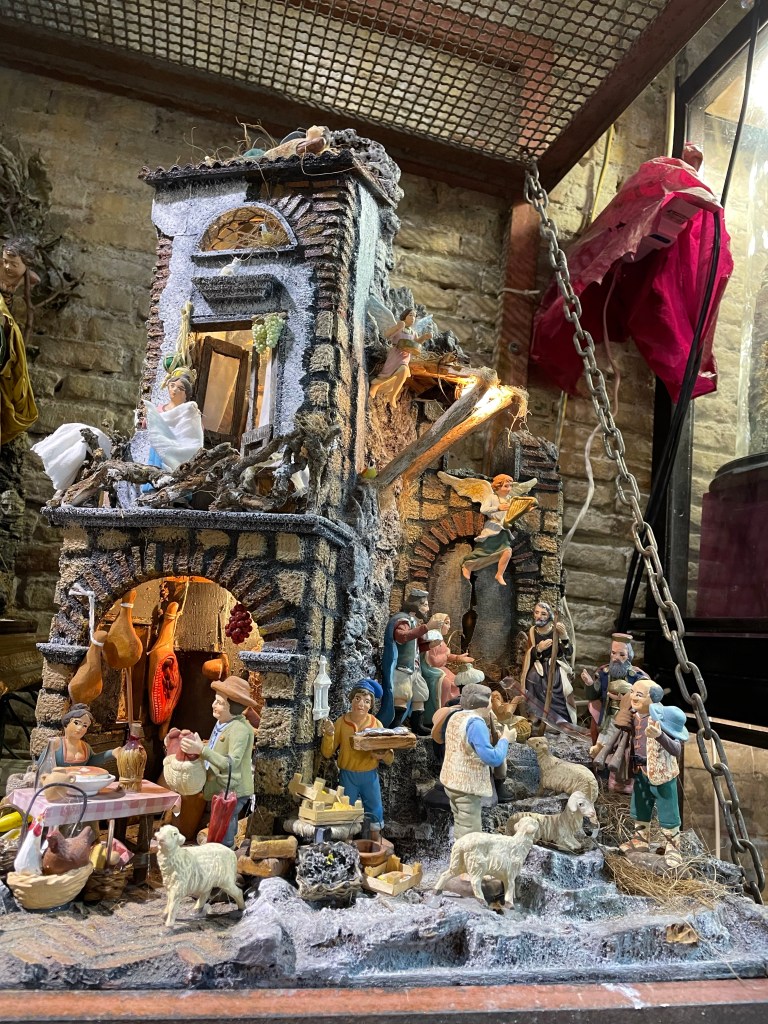
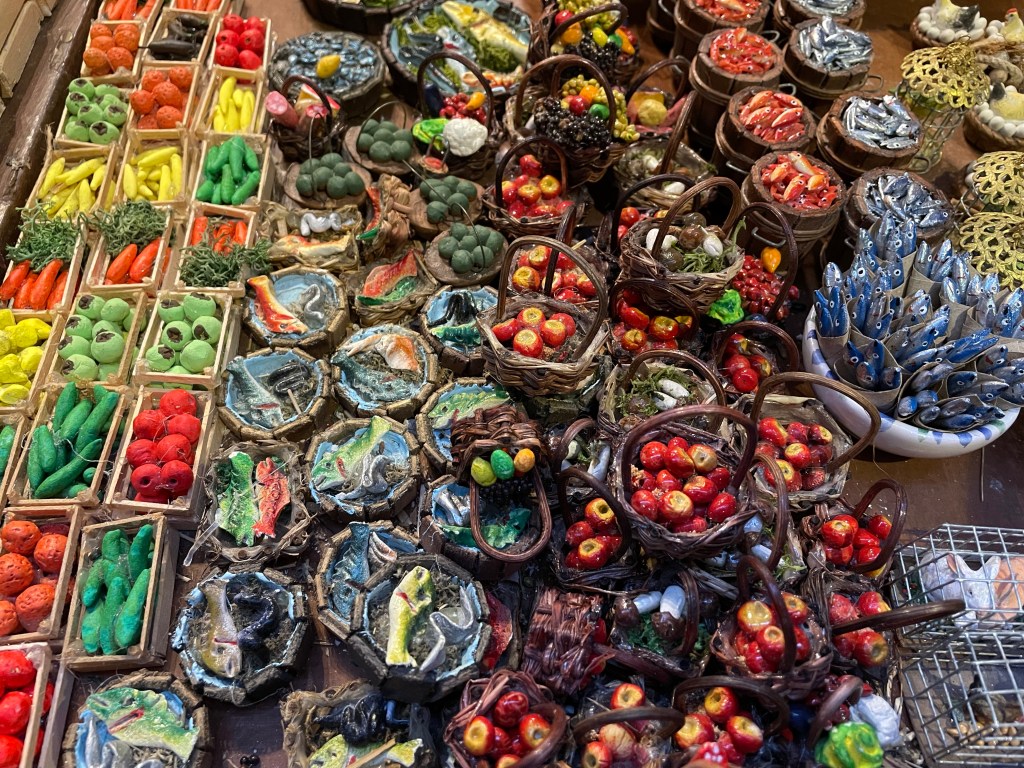
Another interesting street is via San Gregorio, filled with shops containing anything you could desire for the traditional Nativity preseppi.

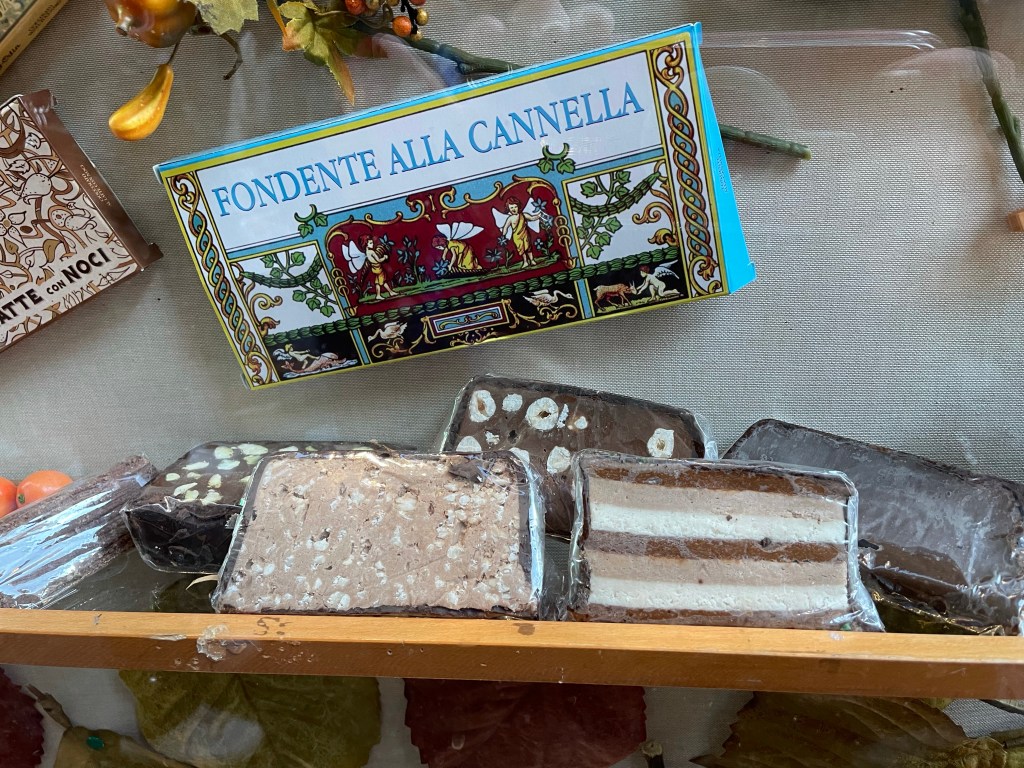
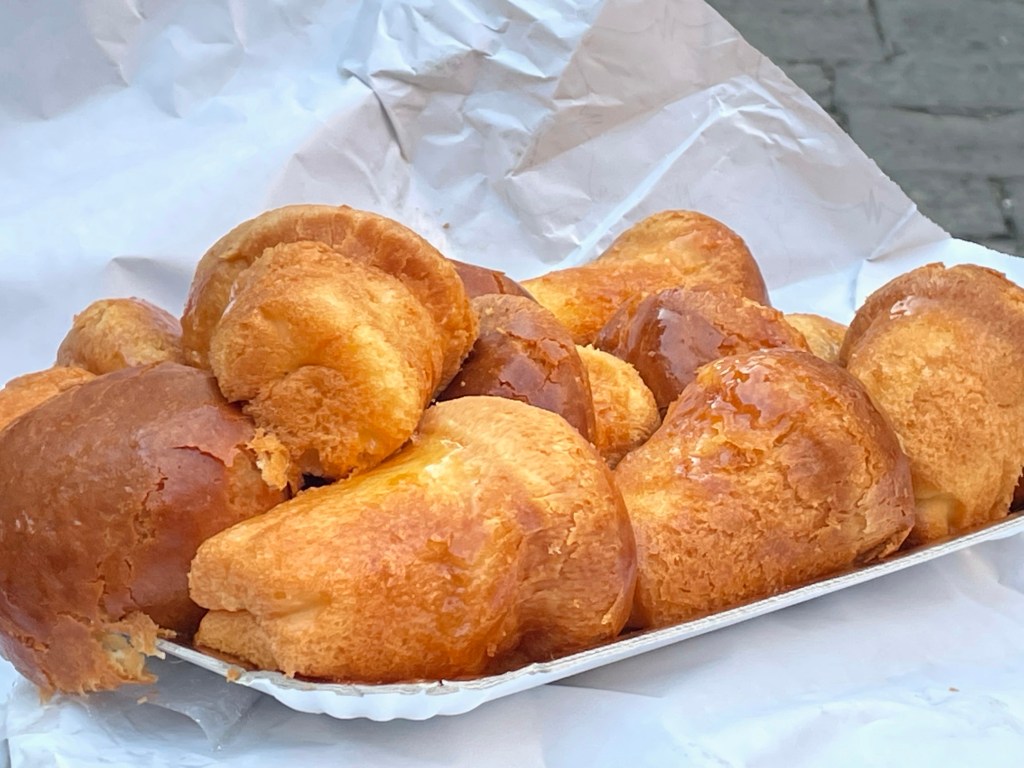
One mustn’t forget food when we think about Naples. Pastries are amazing- one specialty is the baba rhum, a cake soaked with a rum infused sugar syrup.
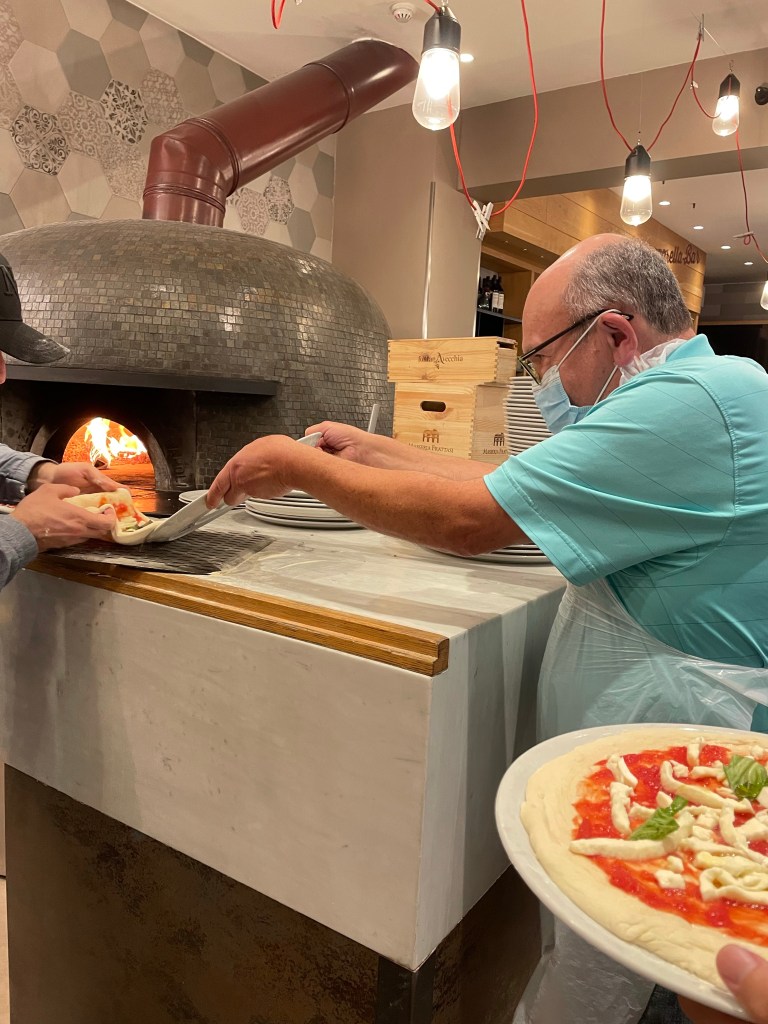
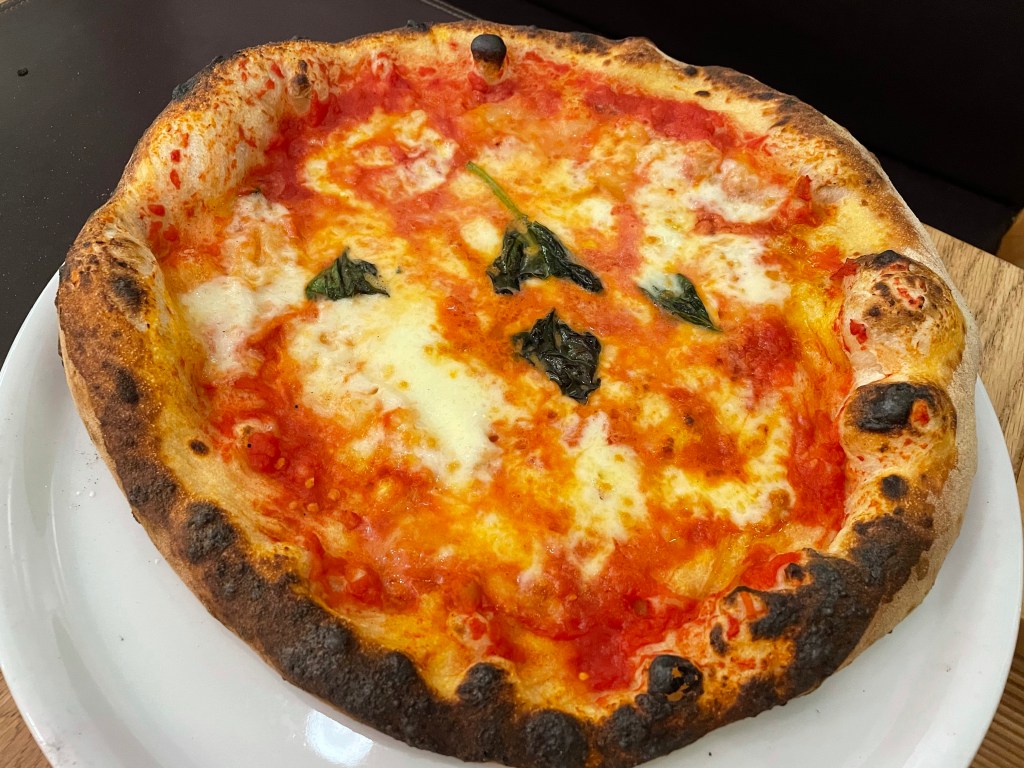
And then there is the iconic pizza, invented in Naples in the mid 1800s. With its thin and chewy crust cooked at 500 degrees Celsius for only about a minute, the pizza is a religious experience. One can even take a pizza making class. The Trattoria Medina near the port area offers the opportunity to get your pizza making diploma.

 Camino Musings