Today’s itinerary was a combination of serious and fun – the morning in Alcobaça visiting the monastery built by St. Bernard, a French monk and founder of the Cistercian Order, commissioned in 1147 by King Alfonso Henrique after the victory against the Moors, and the afternoon spent at the beach town of Nazaré.
We arrived in Alcobaça shortly after 9a.m., before any of the other tour groups, and had the town and church Vittorio ourselves! This charming city of around 55,000 lies in the valley of the Alcoa and Baca Rivers, about 45 minute drive from Óbidos. 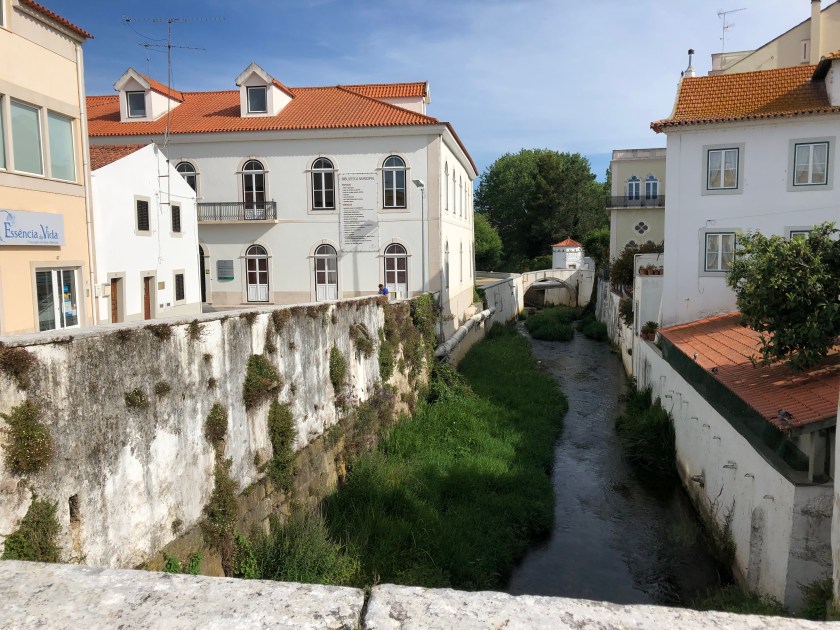
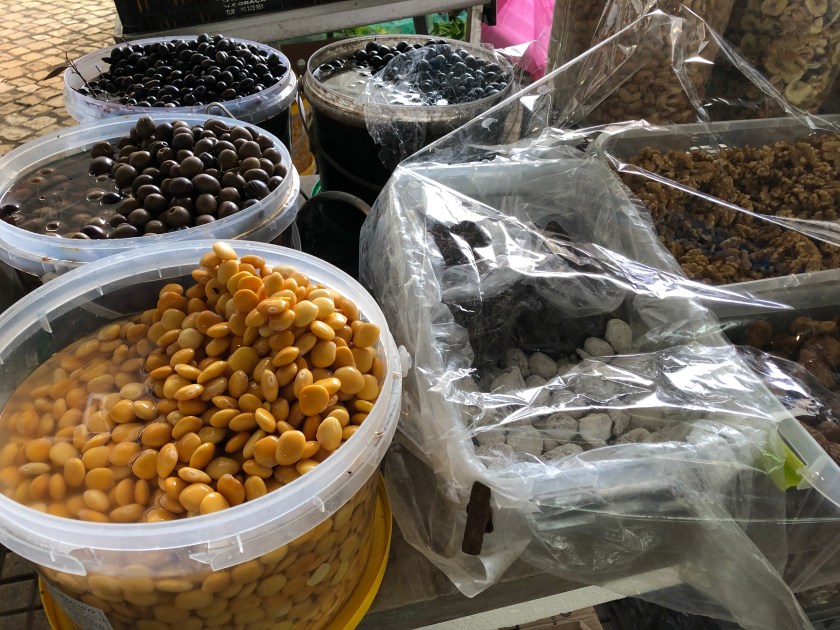
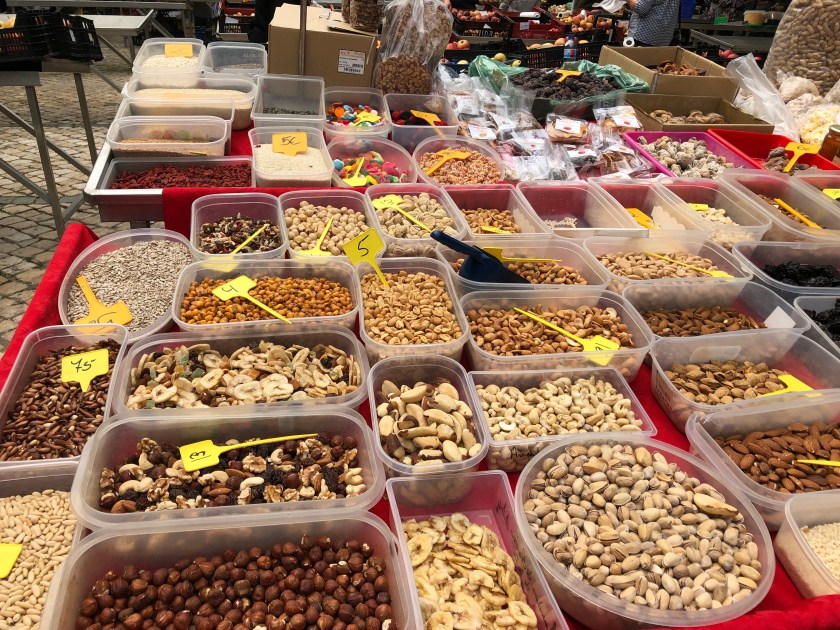
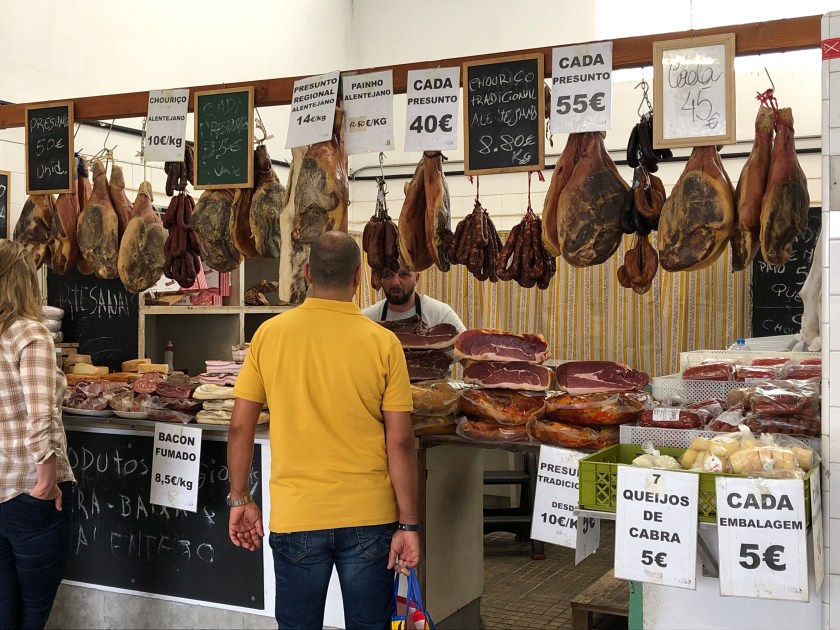
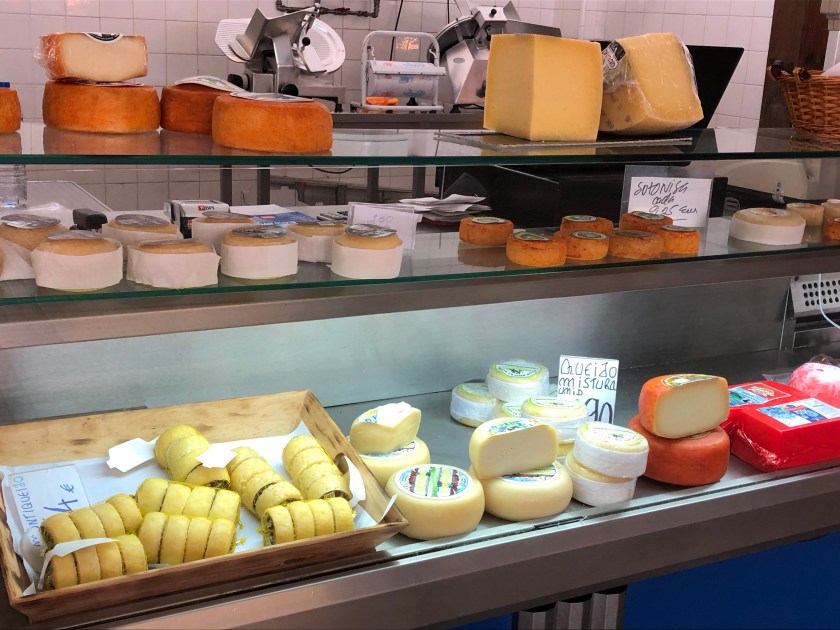
 There is a vibrant daily market near the center of town.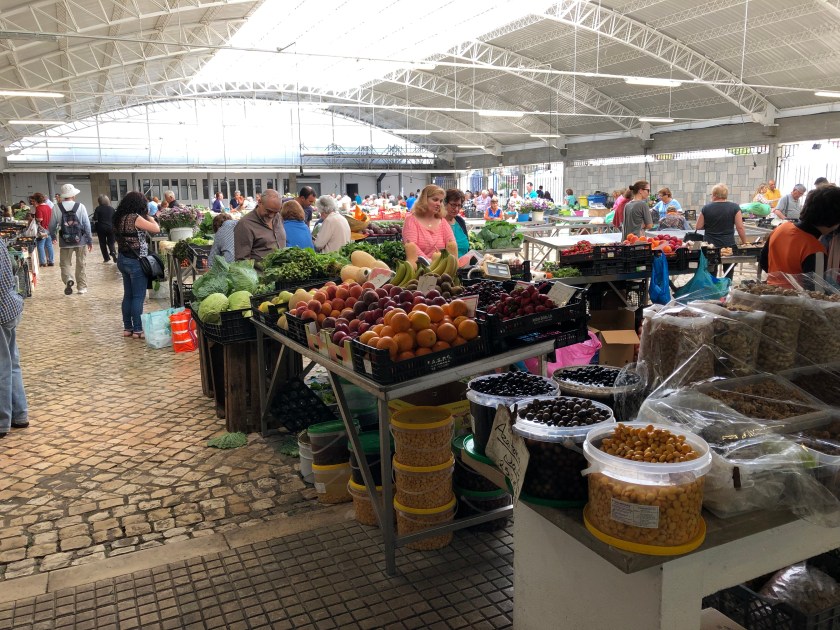



But the main attraction is the Abbey and Church. The gothic structure (despite the Baroque facade from the reconstruction after earthquake damage) was completed in the 13th century 
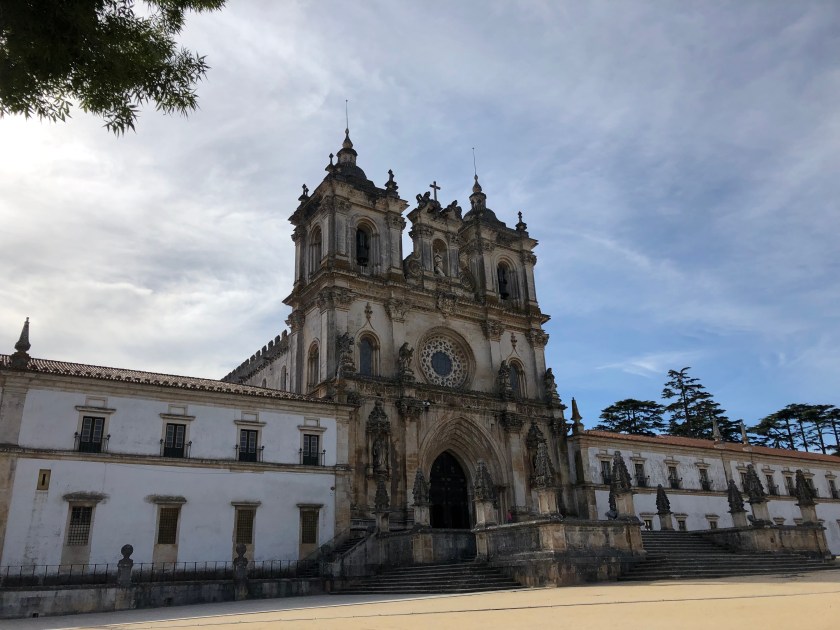

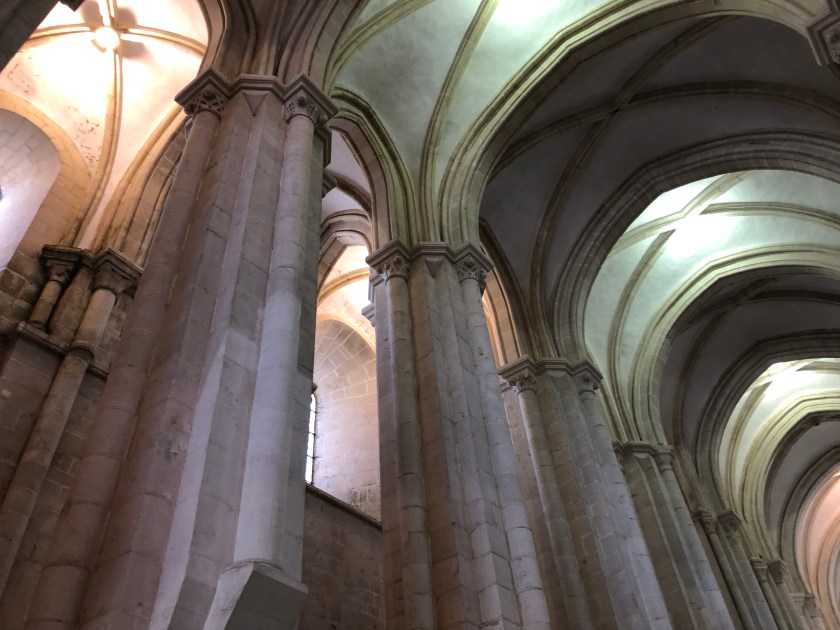 and is renowned for housing the tombs of King Pedro I and his murdered mistress- later wife Ines.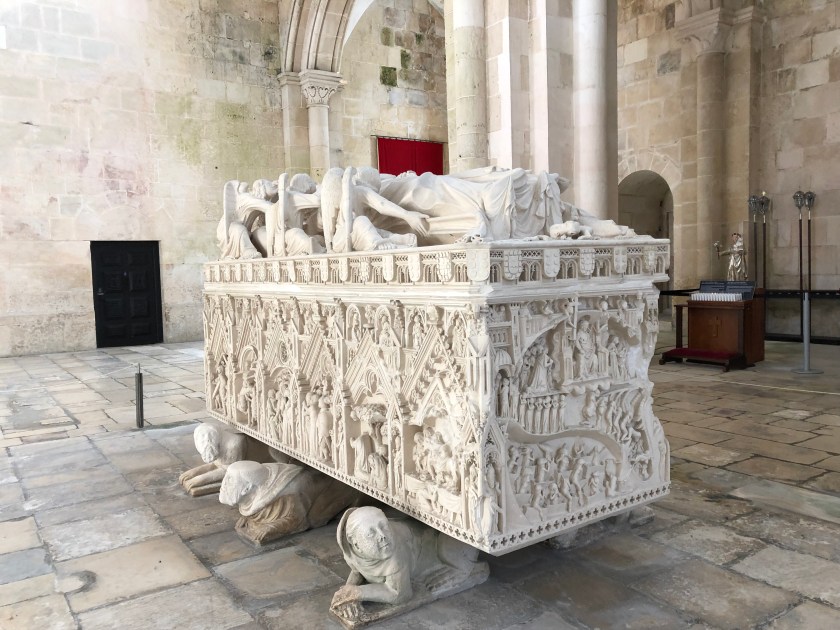
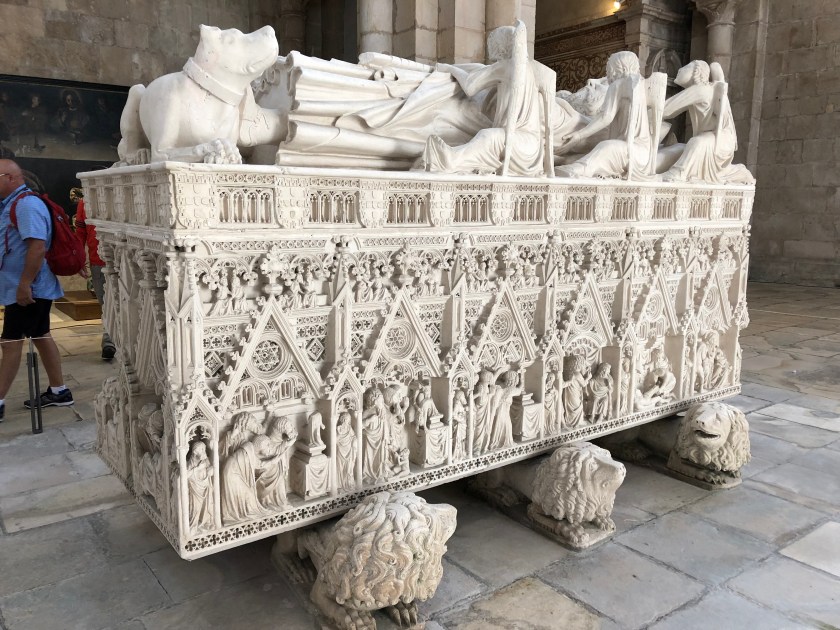 Pedro’s first marriage was arranged to a noblewoman he did not love (Constanza), but instead he became enamored with one of her ladies-in-waiting. After Constanza died in childbirth, Pedro married Ines and they had three children together. Pedro’s father did not approve of the union and had her beheaded. Pedro, after his father’s death and his own ascension to the throne, had Ines’s body exhumed and the nobility were required to bow before their dead and decaying queen.
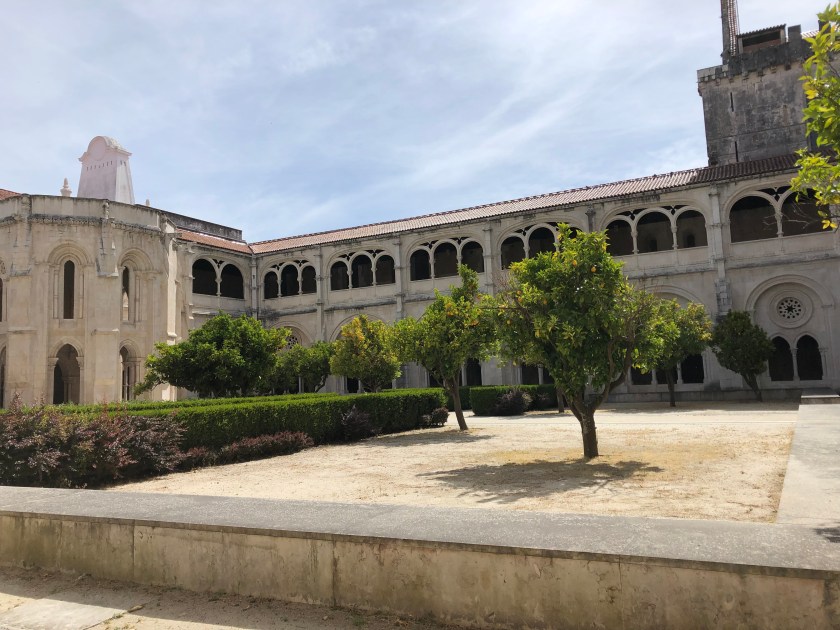
We also visited the cloisters, home to the Cistercian Order which was integral in bringing a market economy to the region and in producing the first authoritative history of Portugal.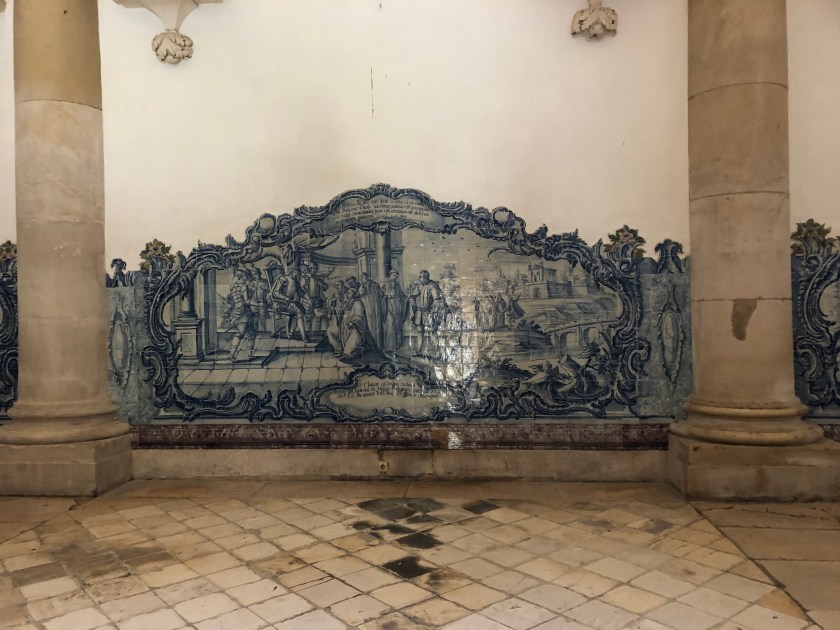
We then had about an hour of free time to explore. We opted to sample the traditional pastries at the Alcoa pastry shop which has won many prizes for their delectable treats.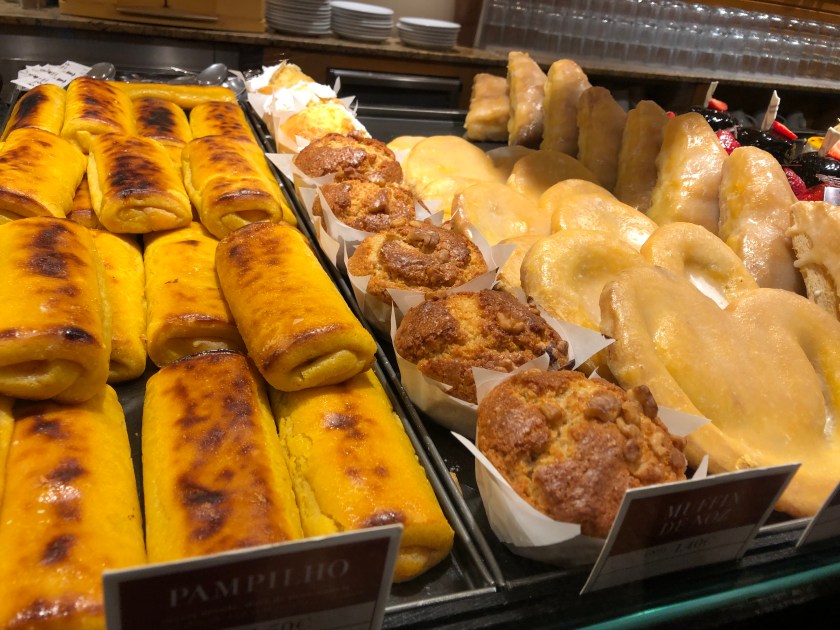
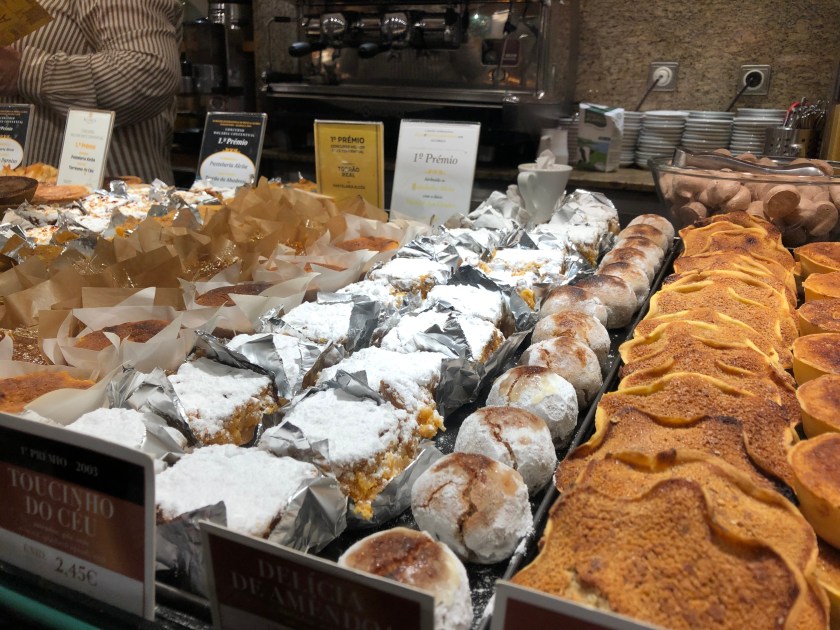
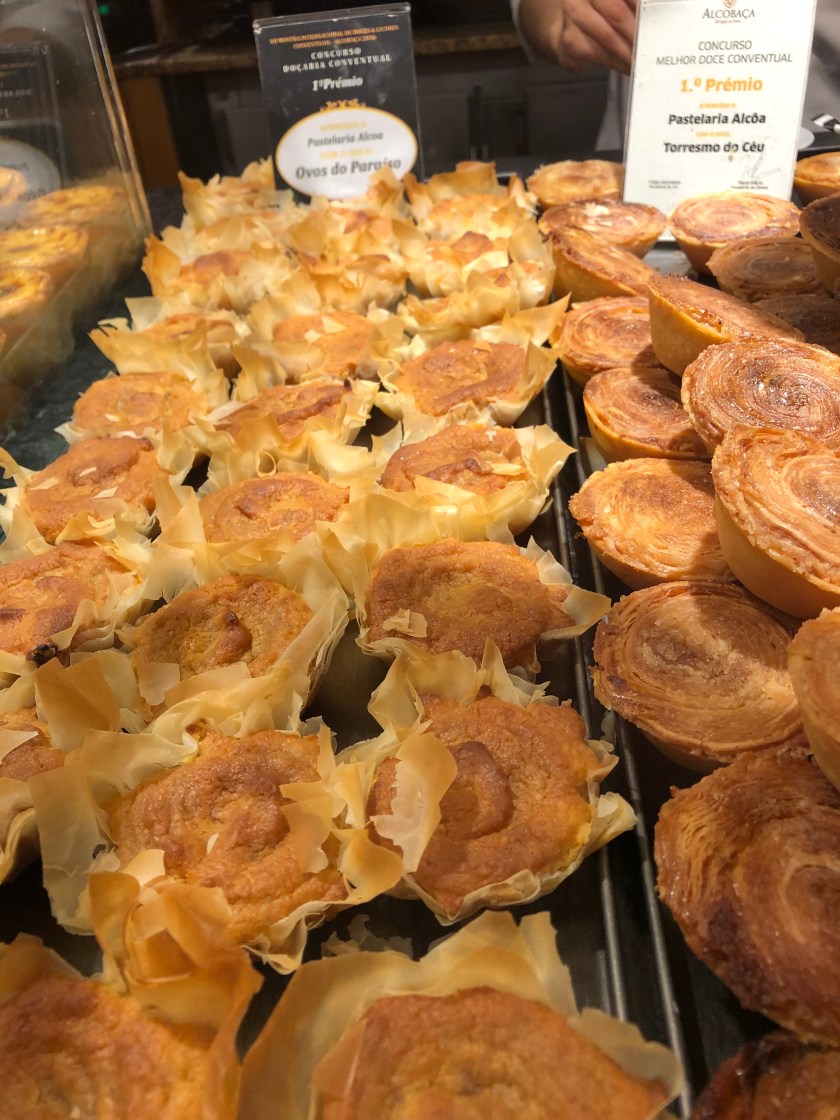
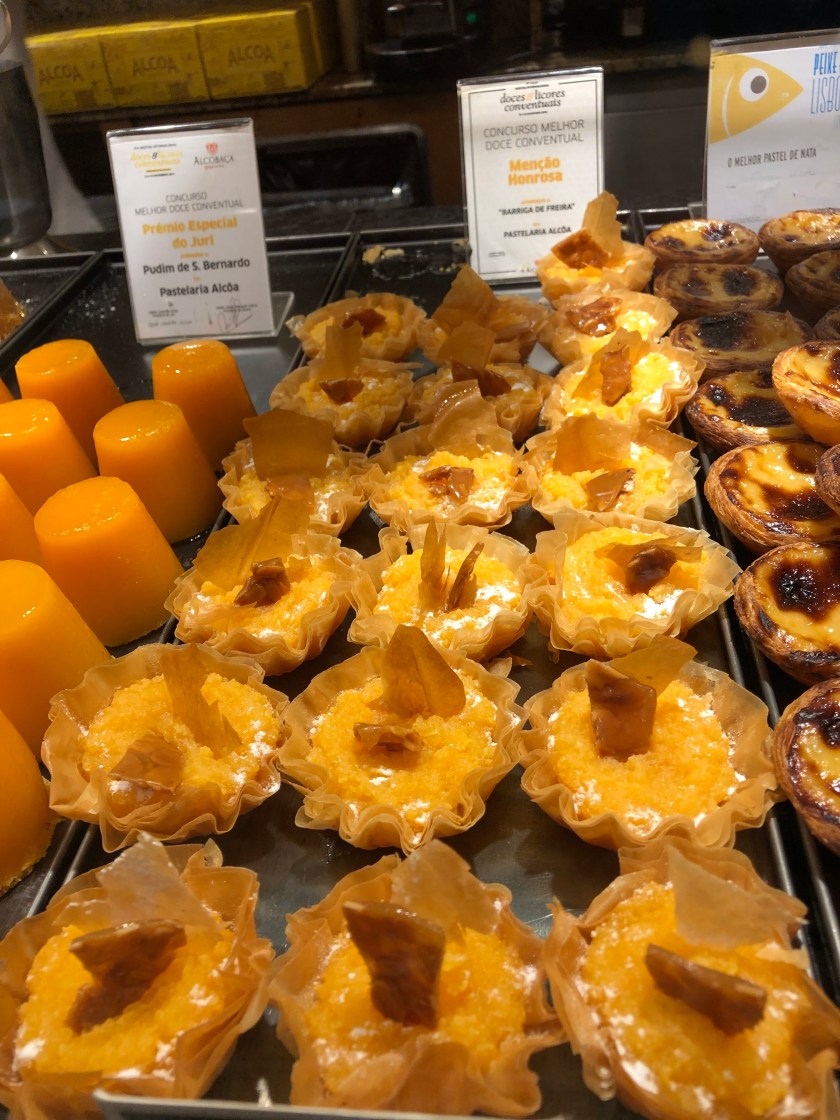
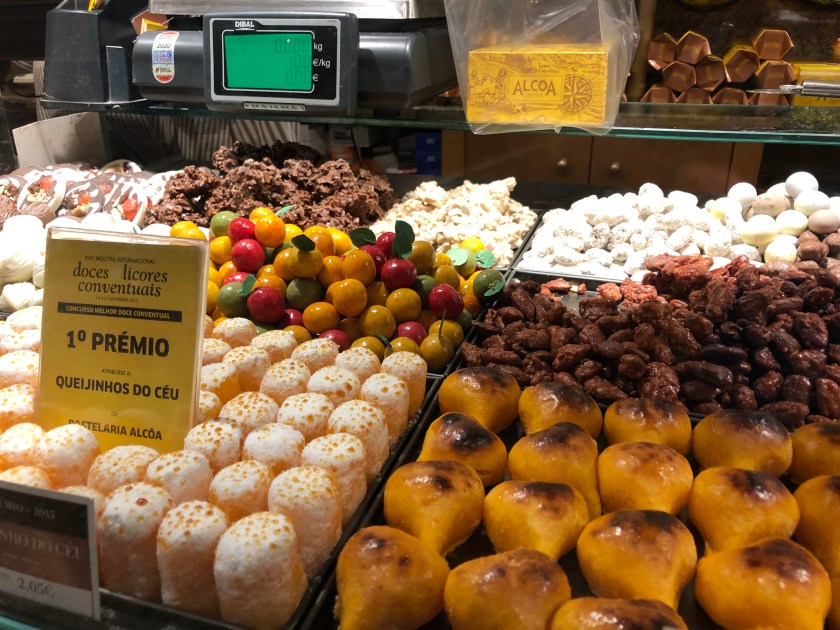
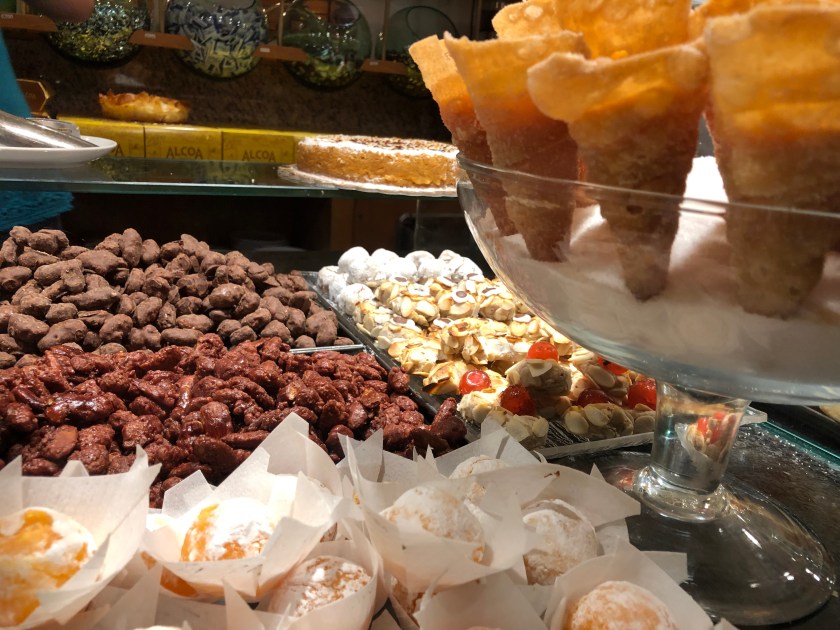
 There were also many shops and, of course, the market to visit and there was not enough time to really experience this charming city.
Next, a 15 minute drive took us to the Atlantic coast village of Nazaré. Traditionally a fishing village, it has been essentially transformed into a summer beach resort and, in the winter, a surfing Mecca with the world’s highest recorded waves (90 feet high). We first went to the upper village that overlooks the beach. There is a busy main square with many vendors and a great overlook.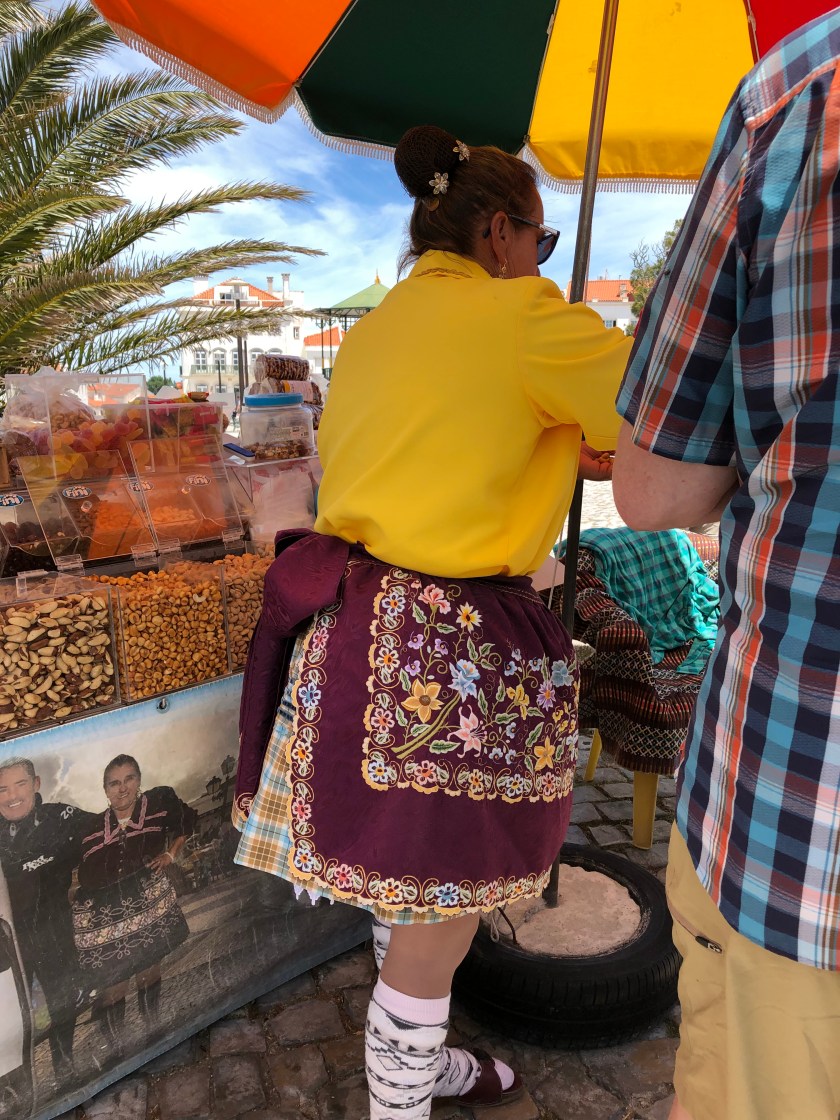

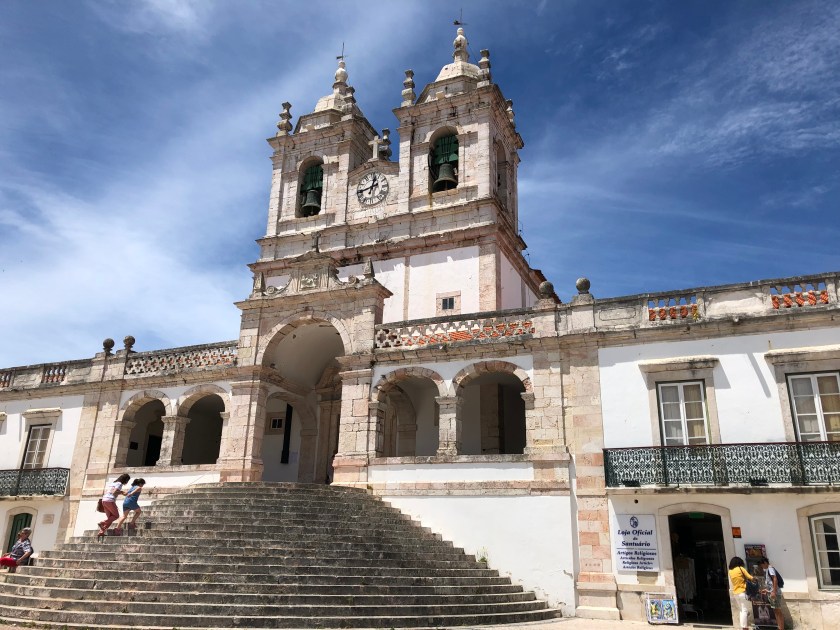

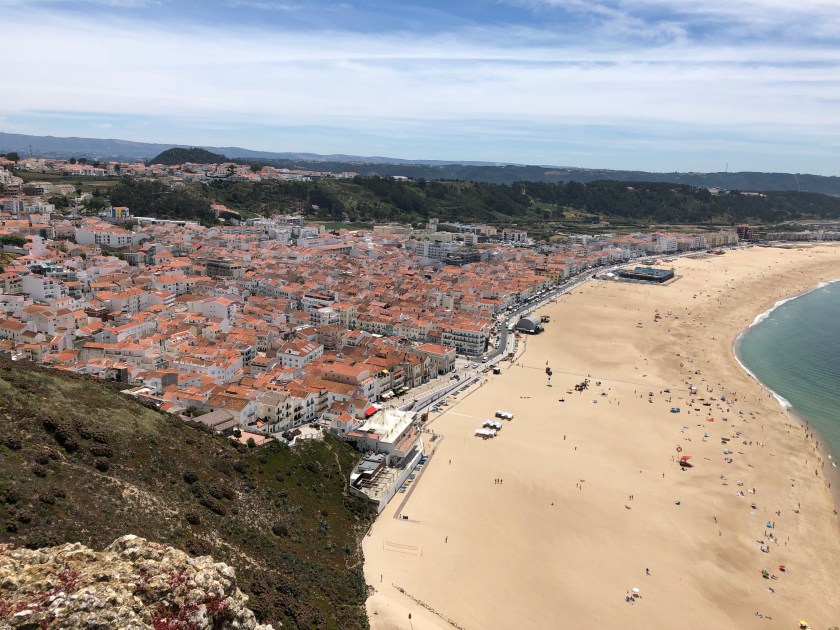
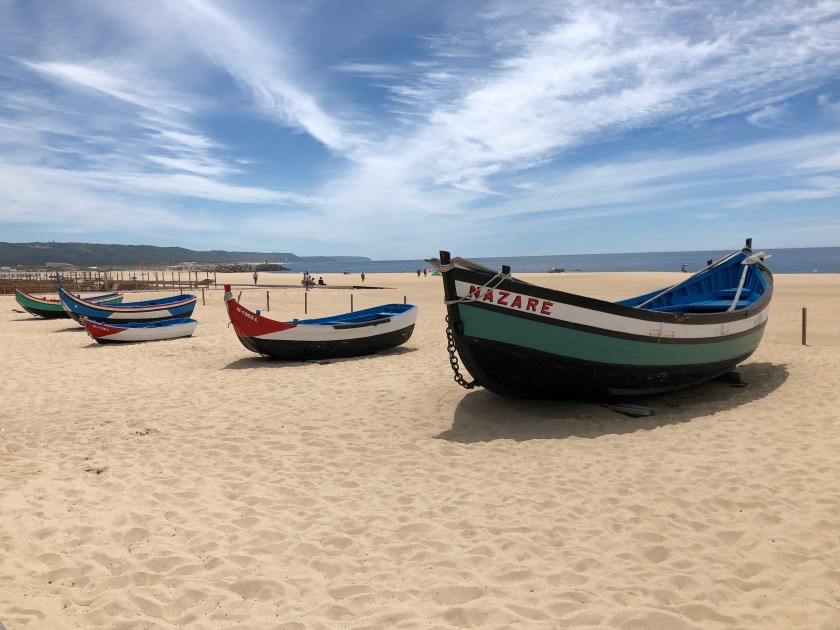
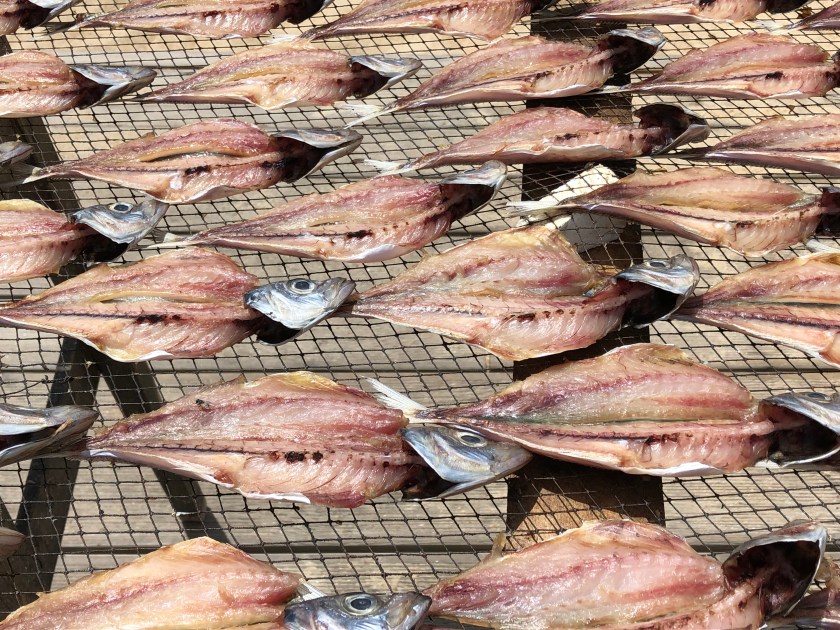
A funicular connects the upper and lower parts of the town. The lower town resembles any other beach resort, with multitudes of souvenir shops, restaurants and lots of tourists. There is a long promenade, along which there is a display of several typical fishing boats ( which no longer are pulled up onto the sand but now enter the new harbor) and a display of the art of drying fish.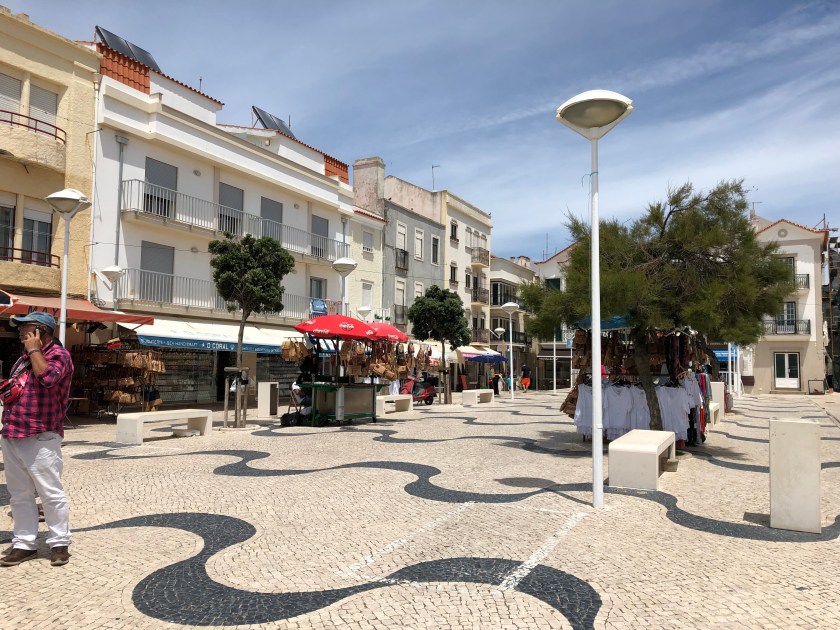

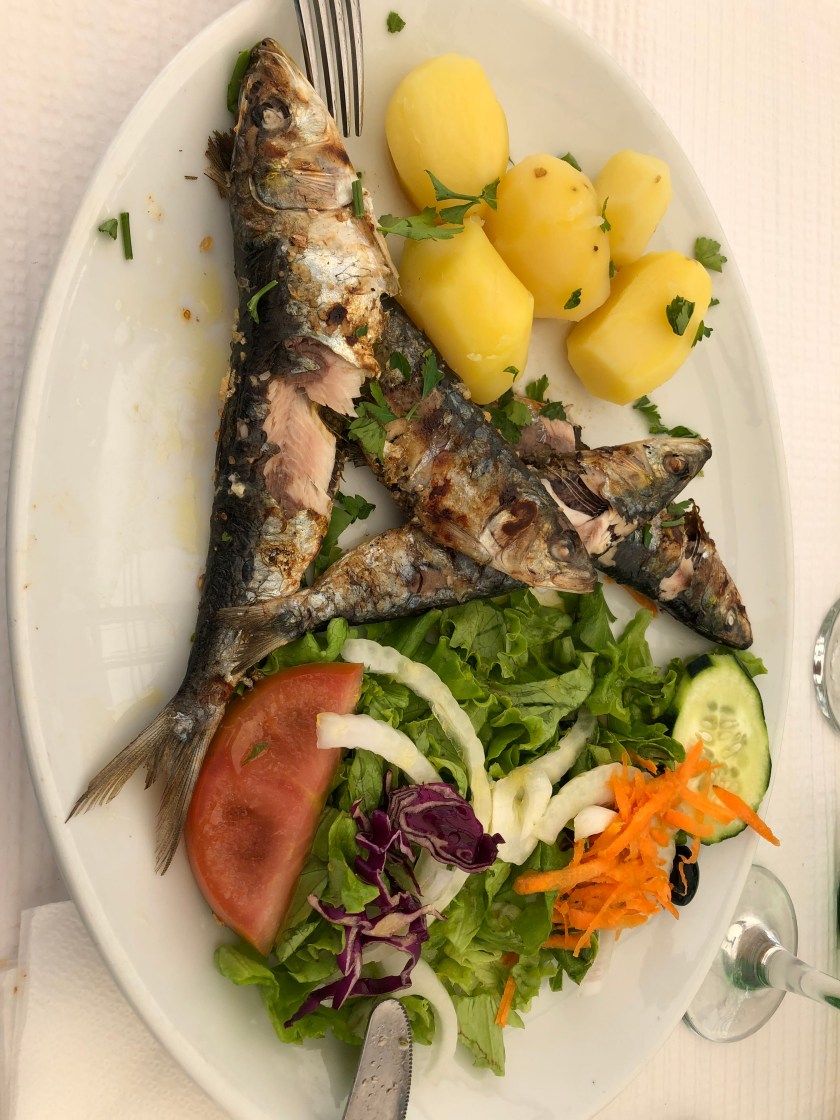
Seafood is the thing to eat in this town and we obliged with the Fisherman’s stew and grilled sardines.
Of course, dipping your toes in the Atlantic is a must!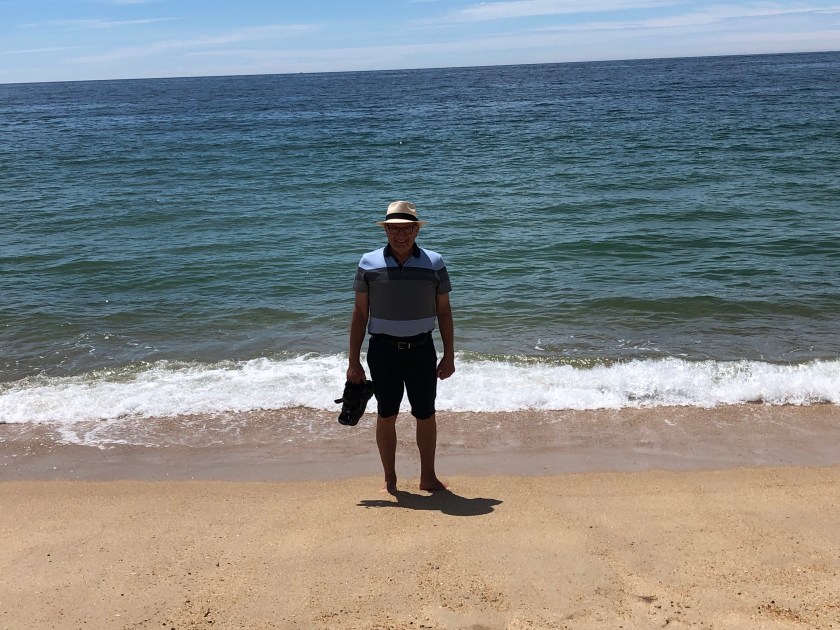
We even had the opportunity to sample goose barnacles. They have a slightly salty taste and rubbery consistency.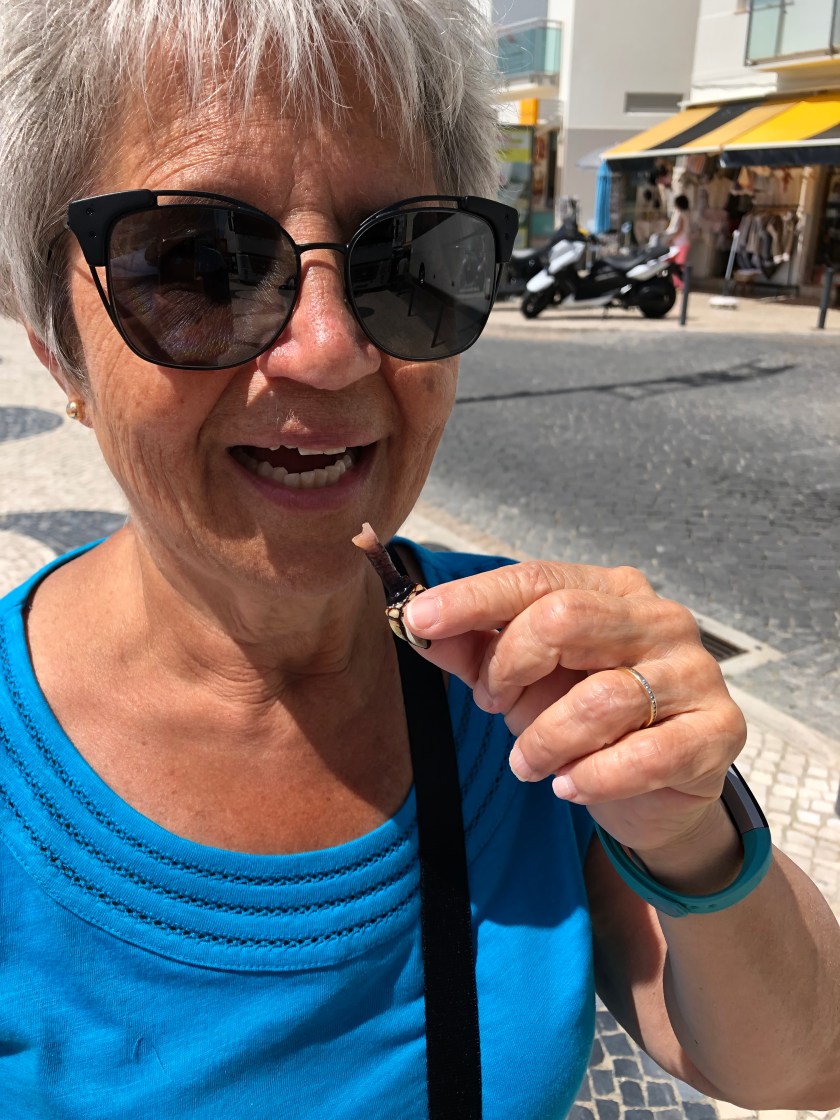
The day was capped by dinner at the hotel – a simple repast of traditional Portuguese food – kale soup, roast pork, kale with cornbread casserole and a selection of local cheeses, sausages and red wine.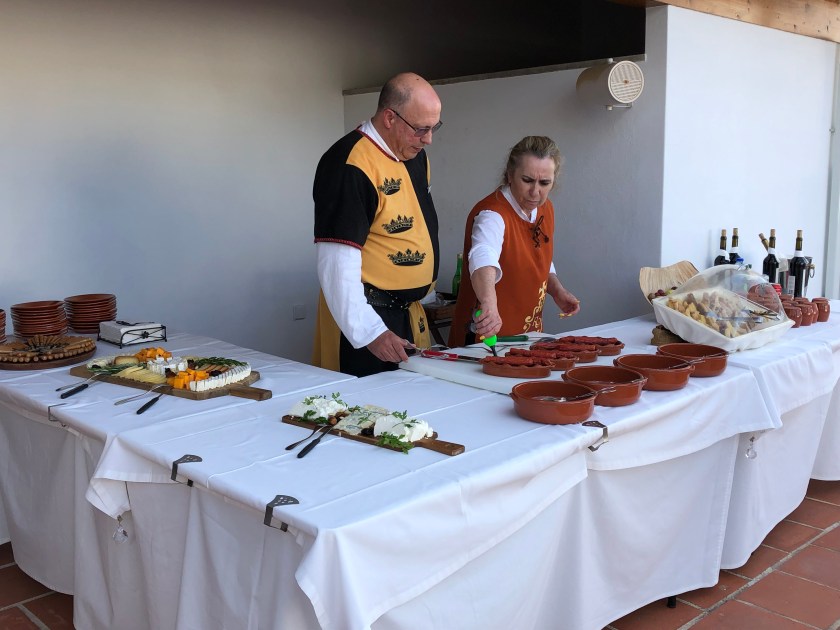

 Camino Musings